23 Beautiful Places to Visit in France That Most Travel Sites Never Mention
Dreaming of cobblestone streets, lavender fields, and timeless charm? These 23 beautiful places to visit in France are romantic, breathtaking, and rich in culture, perfect for inspiring your next getaway with unforgettable sights and experiences.

France is a country that rewards slow travel, where every region feels different within just a few hours. From coastal cliffs and lavender fields to alpine peaks and medieval towns, the variety feels rich yet easy to explore.
As you travel, you will notice how quickly the scenery changes. One day you are walking along the Seine in Paris, and the next you are at the Étretat Cliffs or in the vineyards of Bordeaux.
What makes France stand out is how simple it is to move between these places. With most destinations just 1 to 3 hours apart by train, you can experience a lot without rushing.
1. Mont Saint-Michel, Normandy
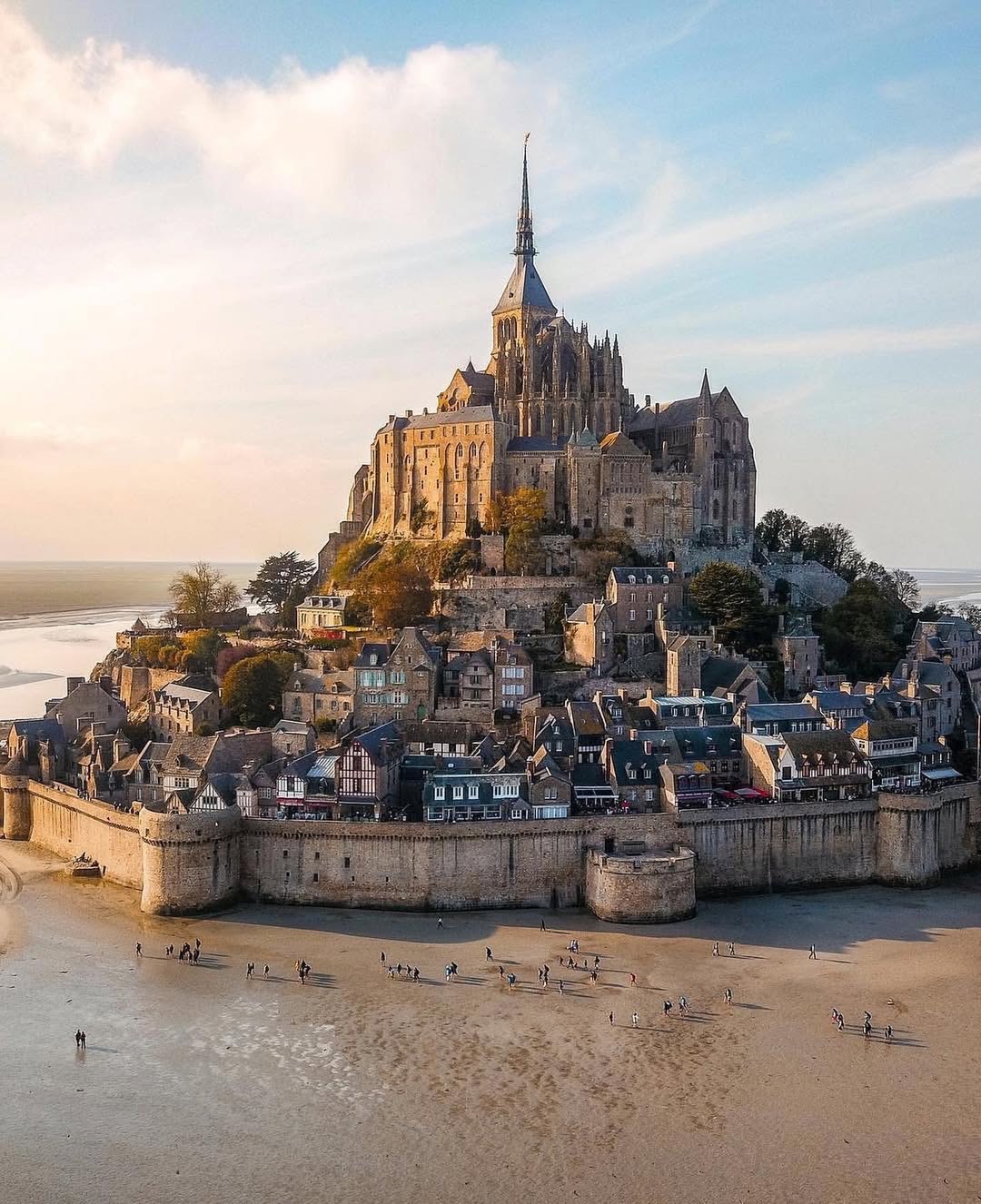
The first glimpse feels unreal. A medieval abbey rising out of tidal waters, shifting from island to land depending on the hour. You will notice how the light changes every 30 minutes, especially at sunset when the stone turns golden.
Built over 1,300 years, this UNESCO site receives about 2.5 million visitors annually. The tidal difference can reach 14 meters, among the highest in Europe, which is why timing your visit matters. The climb to the abbey involves about 350 steps and takes around 45 minutes.
If you arrive before 9:00 AM or after 6:00 PM, the crowds thin dramatically and the experience feels almost cinematic.
What to do
- Walk the ramparts for panoramic tidal views
- Explore the abbey interior
- Stay overnight to experience low and high tide
Practical intel
- Entry to abbey: ~€11
- Parking: 2.5 km away with shuttle access
- Best time: sunrise or sunset
Best for: Iconic landscapes, photographers, history lovers
2. Cirque de Gavarnie, Occitanie
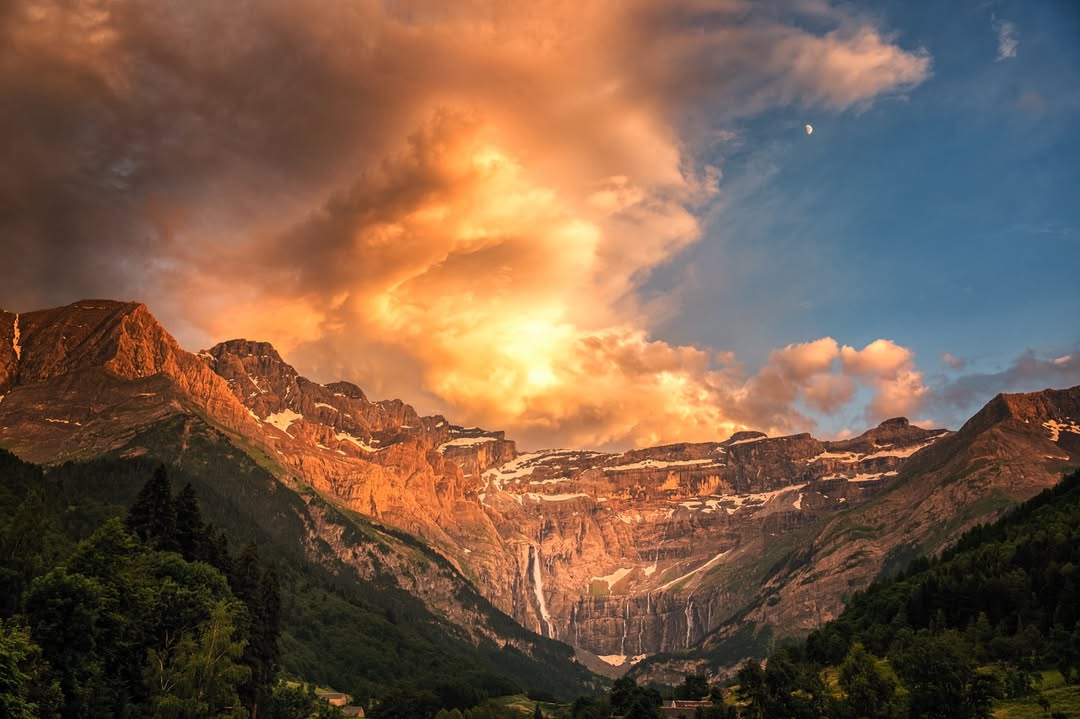
This place feels vast and quiet in a way that is hard to describe. You will notice towering cliffs forming a natural amphitheater, with waterfalls cascading from heights over 400 meters.
The cirque is about 6.5 km wide and is a UNESCO World Heritage site. The hike from Gavarnie village to the base takes around 1.5 to 2 hours each way and is relatively gentle. In spring and early summer, snowmelt makes the waterfalls especially powerful.
If you go early, you will hear more nature than people, which changes the entire experience.
What to do
- Hike to the cirque base
- Photograph waterfalls
- Picnic in the valley
Practical intel
- Entry: free
- Best months: May to September
- Half to full day visit
Best for: Nature, hiking, peaceful landscapes
3. Nice, Côte d’Azur
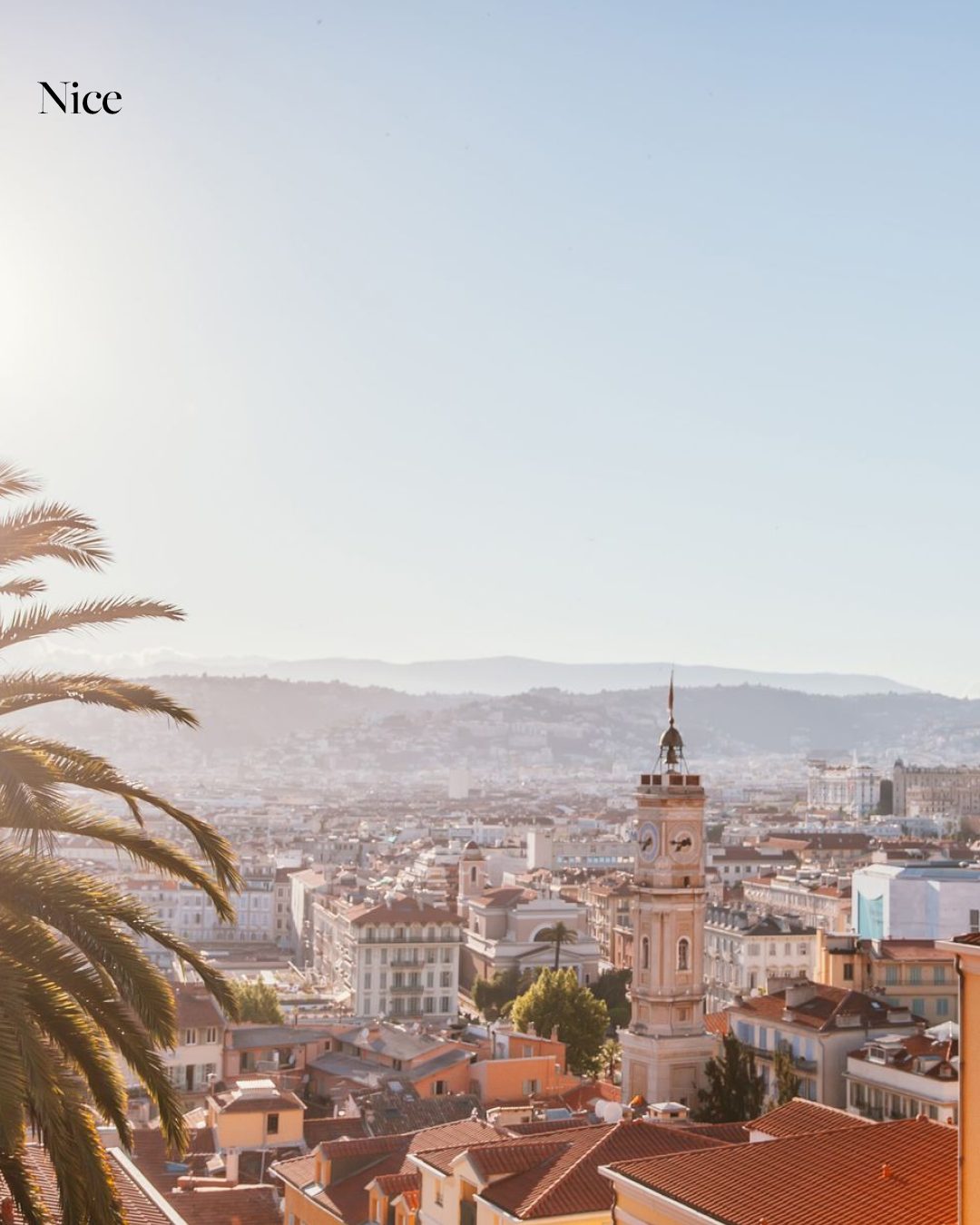
The Mediterranean hits differently here. You will notice the turquoise water against pebble beaches and the relaxed rhythm along the Promenade des Anglais.
Nice enjoys over 300 sunny days per year. The Old Town streets are narrow and vibrant, filled with markets and cafés. Climbing Castle Hill takes about 20 minutes and rewards you with one of the best coastal views in southern France.
If you visit in May or September, you get warm weather without peak-season crowds.
What to do
- Walk the Promenade des Anglais
- Explore Old Town markets
- Climb Castle Hill
Practical intel
- Beach access: free public areas
- Airport: 7 km from city center
- Ideal stay: 2 to 3 days
Best for: Coastal relaxation, food, scenic walks
4. Provence (Lavender Fields)
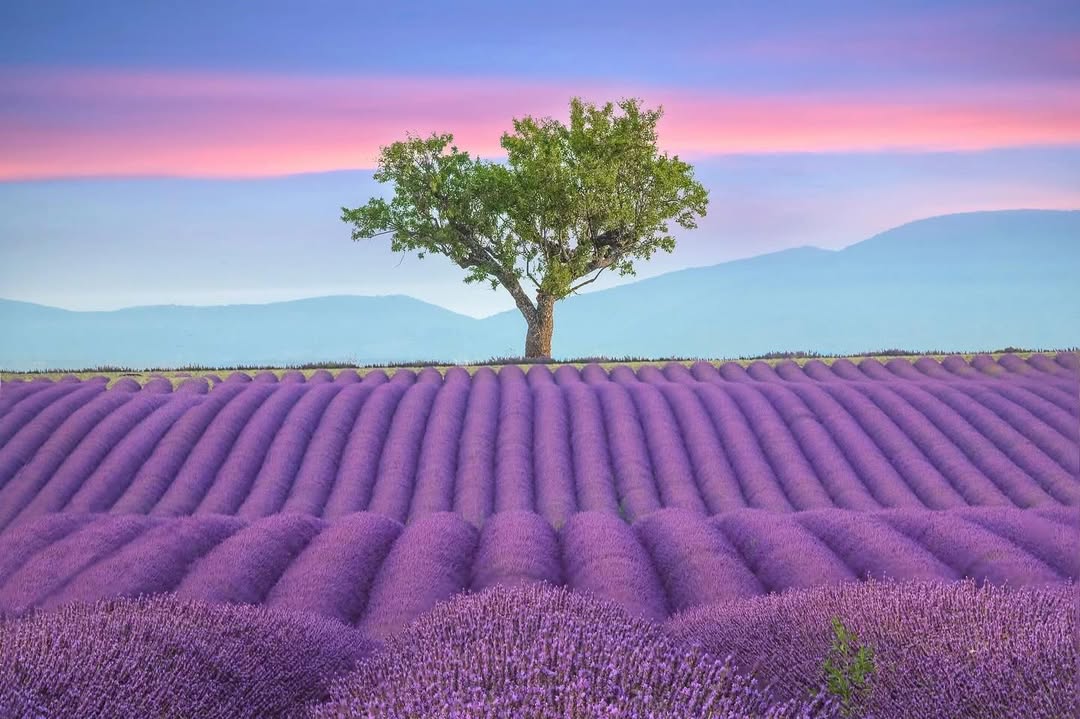
In summer, the landscape turns into endless purple waves. You will notice the scent first, then the soft hum of bees as you walk between rows of lavender.
Bloom peaks from mid-June to mid-July, especially around Valensole Plateau. Fields stretch for kilometers, and sunrise visits offer the softest light and lowest crowds. Many farms allow entry for free, though some charge €5 to €10.
If you go early, you will have entire fields to yourself for a brief window.
What to do
- Walk through lavender fields
- Visit local distilleries
- Photograph sunrise landscapes
Practical intel
- Best months: June to July
- Car recommended
- Visit early morning or sunset
Best for: Nature, photography, peaceful escapes
5. Annecy, Haute-Savoie
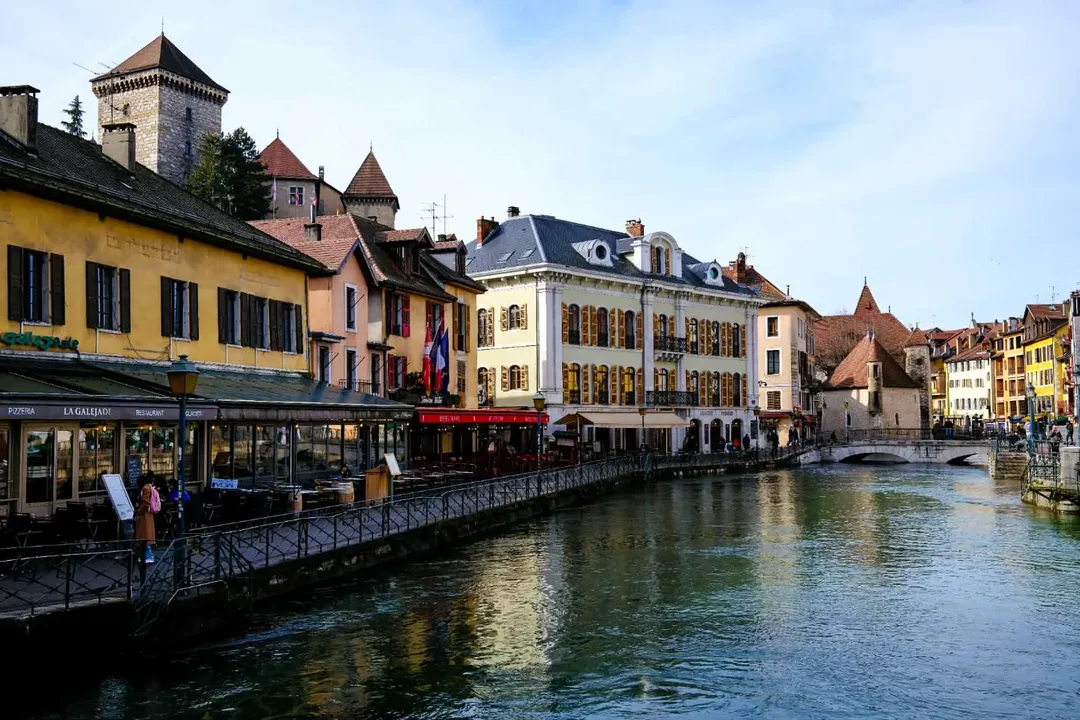
You will feel like you stepped into a postcard. Canals wind through pastel-colored houses, with mountains framing the background.
Lake Annecy is one of Europe’s cleanest lakes, with visibility up to 10 meters. Cycling the full lake loop covers about 42 km and takes 3 to 4 hours. The Old Town is compact, and you can explore it fully in half a day.
If you rent a paddleboat, you get a unique perspective of the town and mountains.
What to do
- Walk through Old Town canals
- Cycle around Lake Annecy
- Swim or boat on the lake
Practical intel
- Bike rental: ~€20 per day
- Best season: May to September
- Ideal stay: 2 days
Best for: Romantic scenery, outdoor activities
6. Dune of Pilat, Arcachon Bay
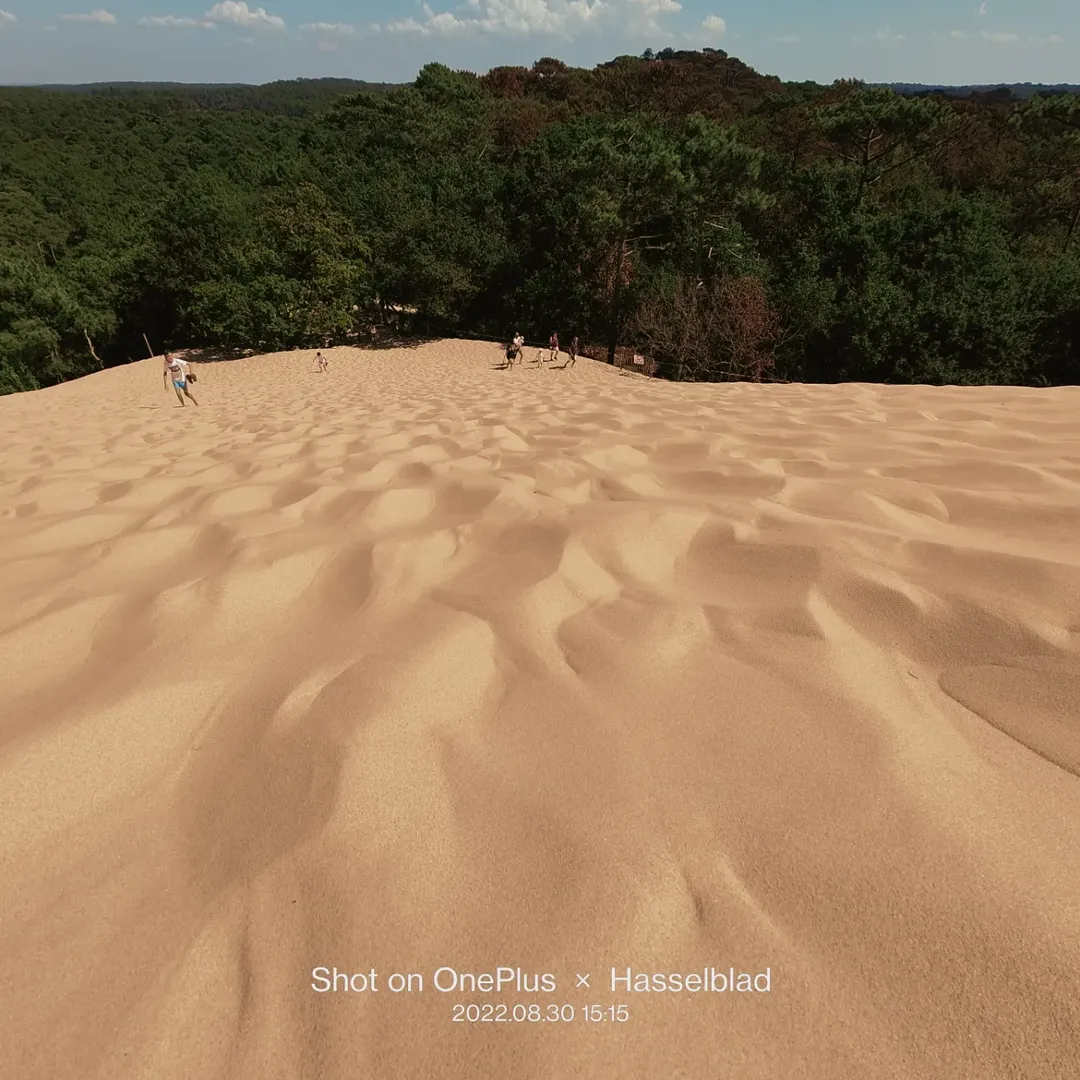
This is not what most expect from France. A massive sand dune rising 110 meters high, overlooking forest on one side and the Atlantic Ocean on the other.
Climbing takes about 10 minutes via stairs or 20 minutes through sand. The dune stretches nearly 3 km in length. Sunset here is exceptional, with golden light rolling across the sand.
Bring water because there are no shops at the top.
What to do
- Climb to the summit
- Watch sunset over the ocean
- Walk along the ridge
Practical intel
- Entry: free
- Parking: ~€6
- Best time: late afternoon
Best for: Unique landscapes, sunsets
7. Colmar, Grand Est
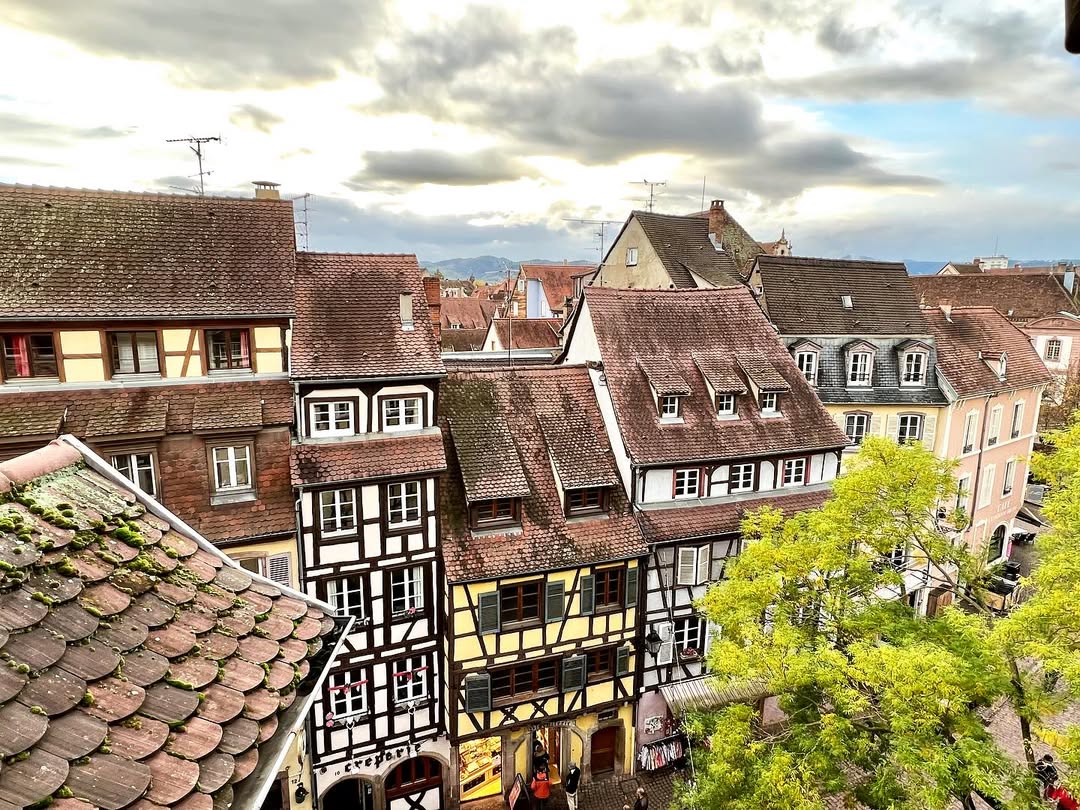
You will notice the colors immediately. Half-timbered houses painted in bright tones, reflected in narrow canals.
Colmar’s Old Town is small but dense with detail. Walking end to end takes about 30 minutes, but you will spend much longer exploring. Christmas season attracts over 1 million visitors, transforming the town into a festive hub.
If you go early morning, you can photograph the canals without crowds.
What to do
- Explore Little Venice district
- Visit local wine cellars
- Walk through Old Town
Practical intel
- Best time: spring or December
- Train from Strasbourg: 30 minutes
- Ideal stay: 1 to 2 days
Best for: Fairytale atmosphere, culture
8. Gorges du Verdon, Provence-Alpes-Côte d’Azur
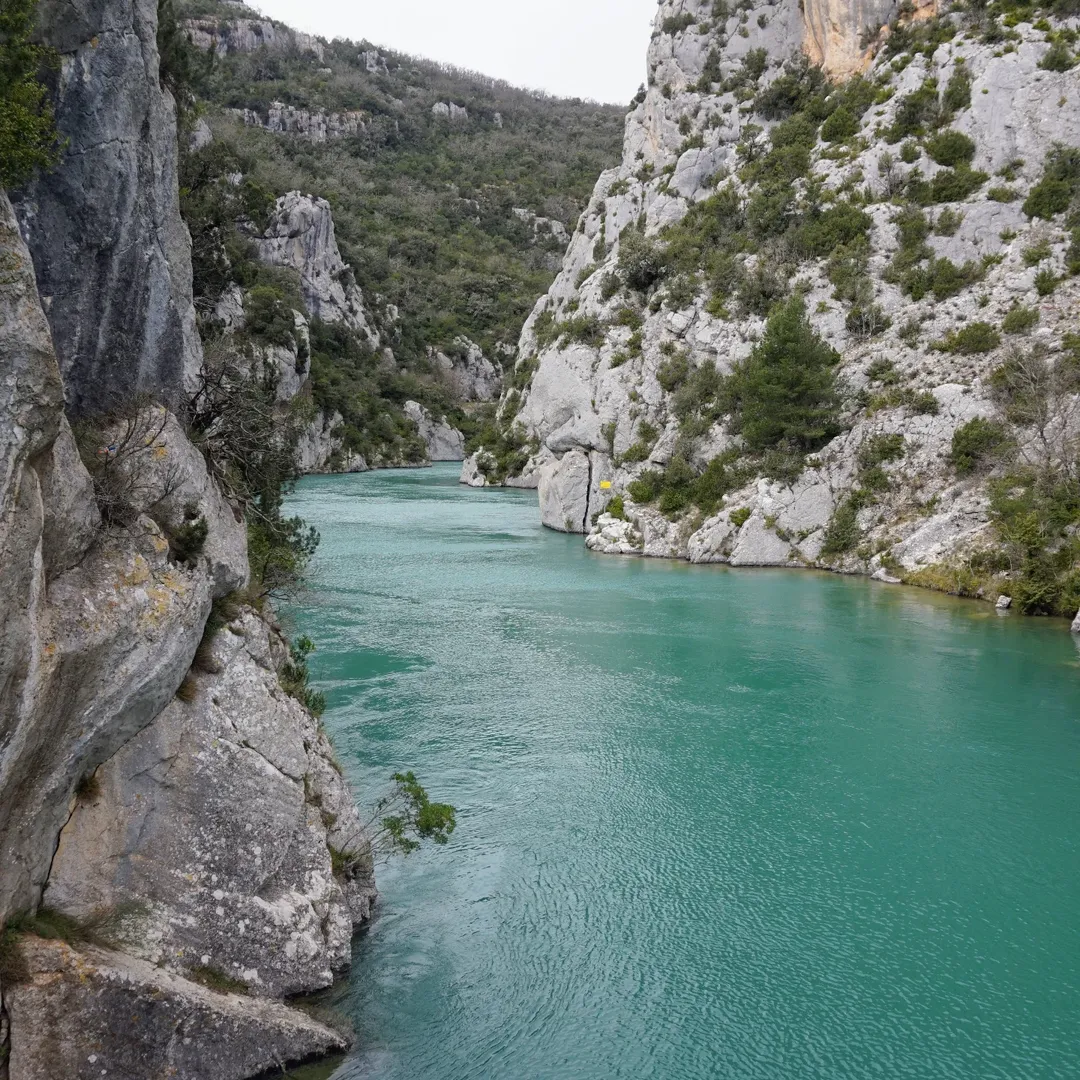
Often called Europe’s Grand Canyon, this place feels dramatic and wild. You will notice the turquoise river cutting through cliffs up to 700 meters high.
The canyon stretches 25 km. Kayaking the lower section takes about 2 to 4 hours, while driving the scenic route around the rim takes roughly 3 hours with stops.
If you go in summer, aim for early morning to avoid heat and crowds.
What to do
- Kayak in the canyon
- Drive the scenic rim route
- Hike viewpoints
Practical intel
- Kayak rental: ~€25 to €40
- Best months: May to September
- Full day recommended
Best for: Adventure, nature
9. Paris
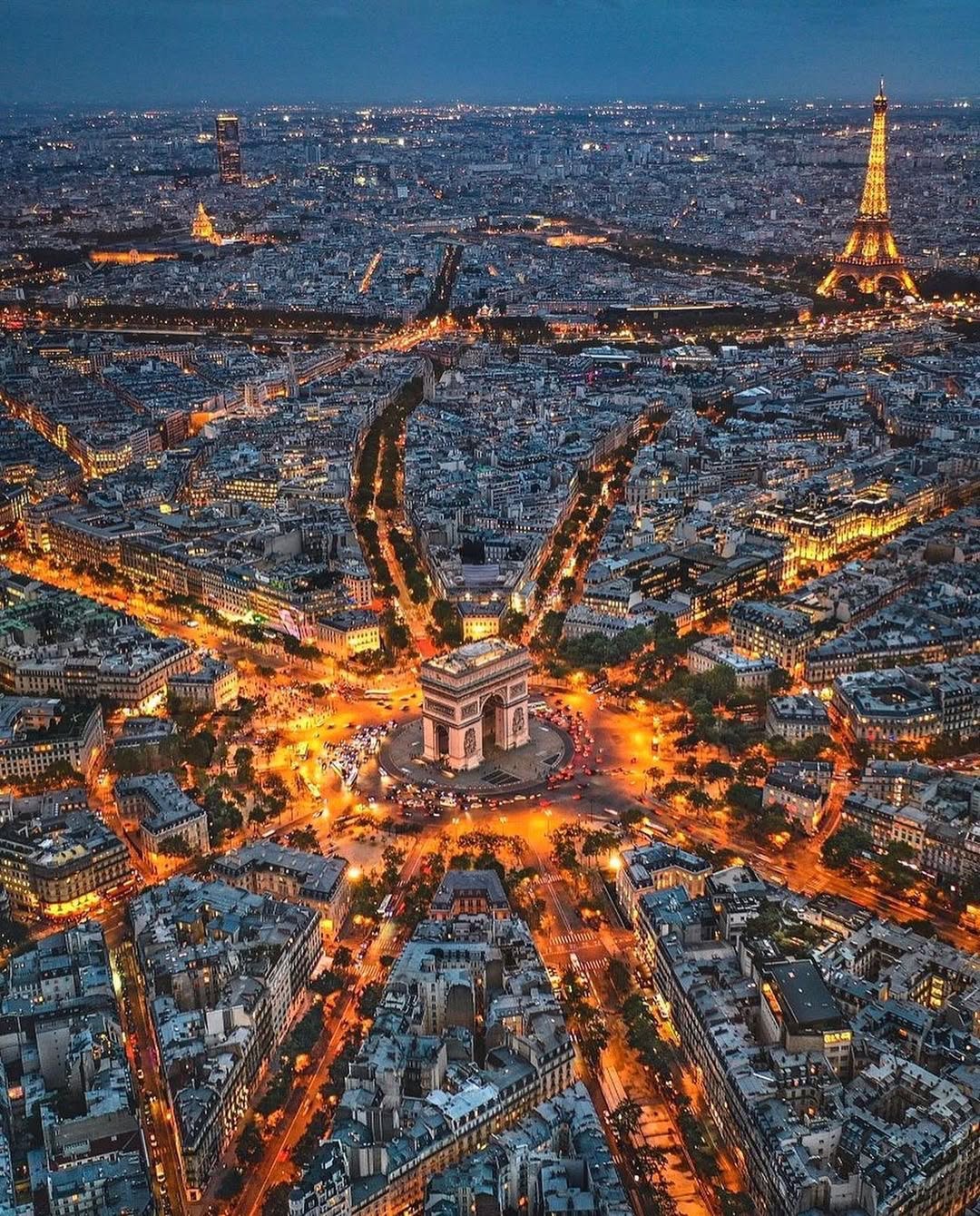
Even if you have seen it in photos, it feels different in person. You will notice how each neighborhood has its own rhythm, from the quiet streets of Le Marais to the energy near the Eiffel Tower.
Paris receives over 30 million visitors annually, yet you can still find quiet corners. Walking 5 to 8 km in a day is normal if you explore on foot. Museums like the Louvre can take 3 to 5 hours alone.
If you wake up early, you can see iconic landmarks almost empty.
What to do
- Visit Eiffel Tower and Louvre
- Walk along the Seine
- Explore local cafés
Practical intel
- Metro pass: ~€2 per ride
- Best time: April to June or September
- Ideal stay: 3 to 5 days
Best for: Culture, food, iconic sights
10. Chamonix-Mont-Blanc, French Alps
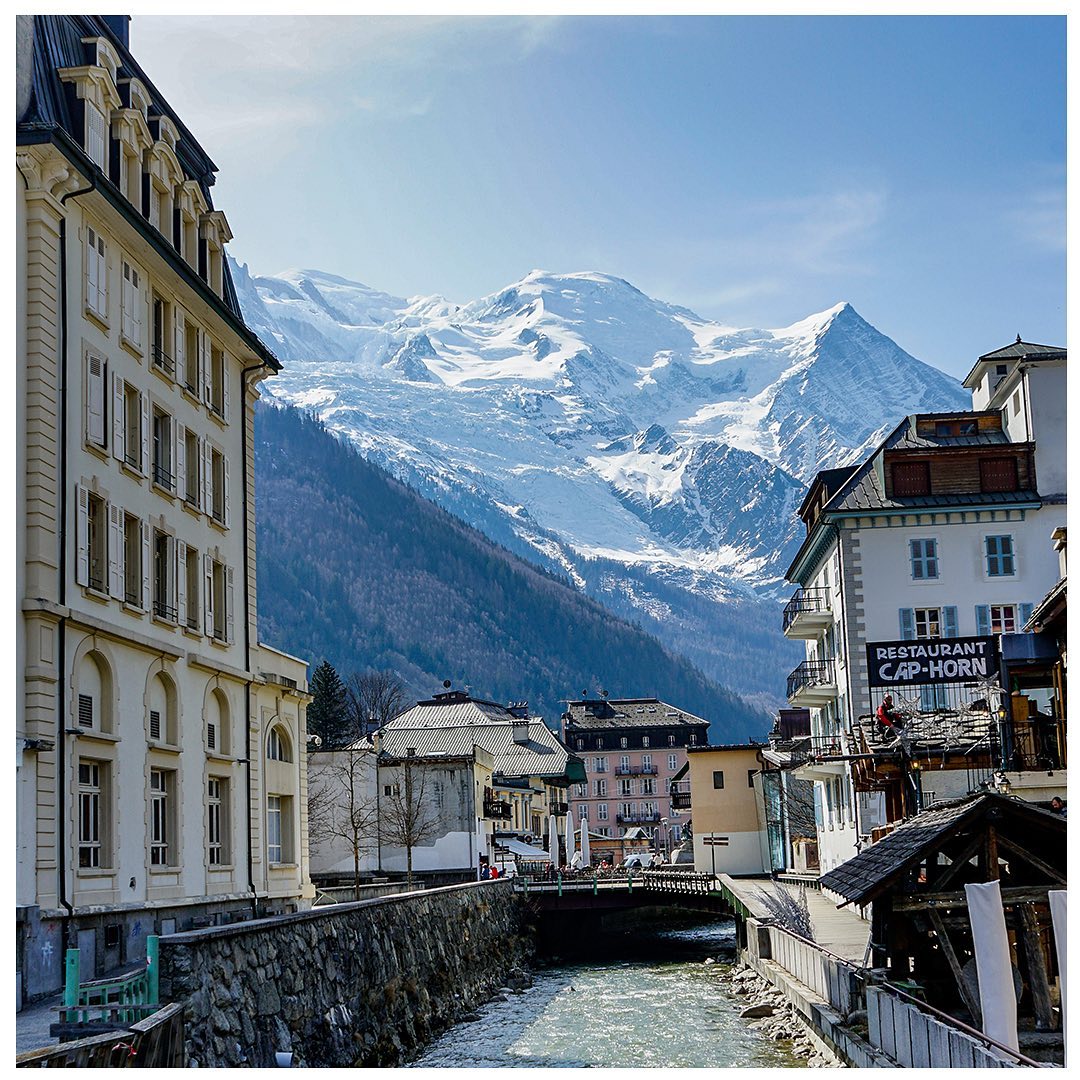
You are surrounded by peaks the moment you arrive. Mont Blanc rises to 4,808 meters, dominating the skyline.
The Aiguille du Midi cable car takes you up to 3,842 meters in just 20 minutes. In winter, the area offers over 150 km of ski slopes. In summer, hiking trails range from easy 2-hour walks to full-day treks.
If you are not used to altitude, take time to adjust before going up.
What to do
- Ride Aiguille du Midi cable car
- Hike Alpine trails
- Ski in winter
Practical intel
- Cable car ticket: ~€70
- Best time: June to September or December to March
- Ideal stay: 2 to 3 days
Best for: Mountains, adventure, alpine scener
11. Étretat Cliffs, Normandy
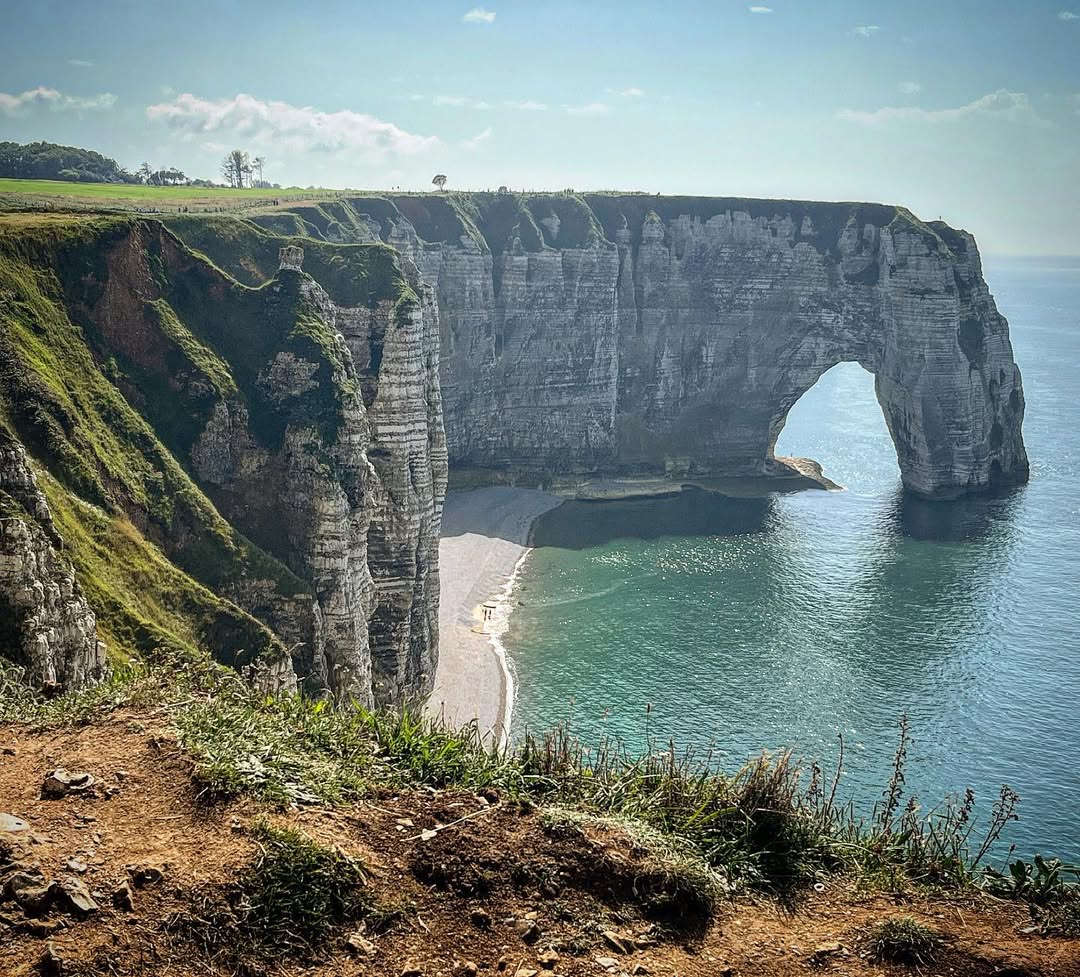
The cliffs feel sculpted by nature with deliberate precision. You will notice the dramatic white chalk arches rising straight out of the sea, especially the famous needle formation that catches the light at sunset.
The cliff paths stretch about 4 to 5 km in total, with viewpoints accessible within 15 to 30 minutes of walking. This area attracts around 1 million visitors annually, but the farther you walk along the trail, the quieter it becomes.
If you go early morning, the mist often adds a surreal, almost cinematic layer to the landscape.
What to do
- Walk along the cliff-top trails
- Photograph the natural arches
- Relax on the pebble beach
Practical intel
- Entry: free
- Parking: ~€10 per day
- Best time: sunrise or sunset
Best for: Coastal drama, photography
12. Strasbourg, Grand Est
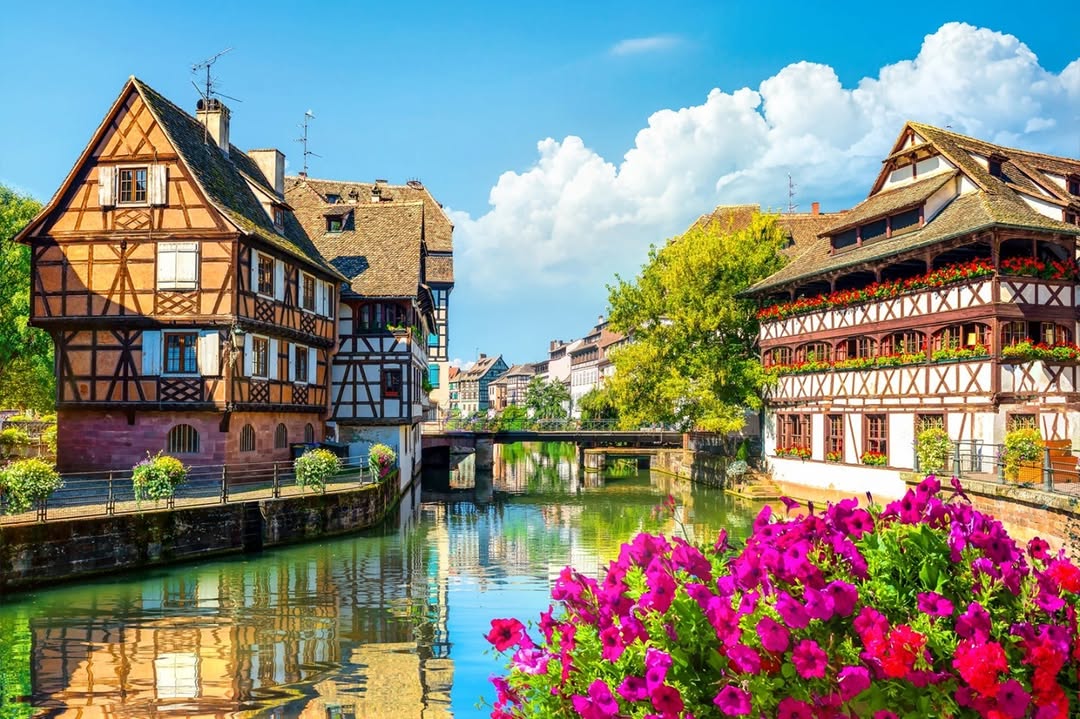
Strasbourg blends French and German influences in a way you will immediately feel. You will notice timber-framed houses, canals, and the towering cathedral that dominates the skyline.
The Strasbourg Cathedral reaches 142 meters and was once the tallest building in the world. The Old Town is compact, and you can explore it in about 2 to 3 hours on foot. The Christmas market here dates back to 1570 and draws over 2 million visitors.
If you climb the cathedral tower, the panoramic view is worth the 300 steps.
What to do
- Visit Strasbourg Cathedral
- Explore Petite France district
- Take a canal boat tour
Practical intel
- Cathedral entry: free, tower ~€8
- Train from Paris: ~2 hours
- Ideal stay: 1 to 2 days
Best for: Culture, architecture, festive atmosphere
13. Carcassonne, Occitanie
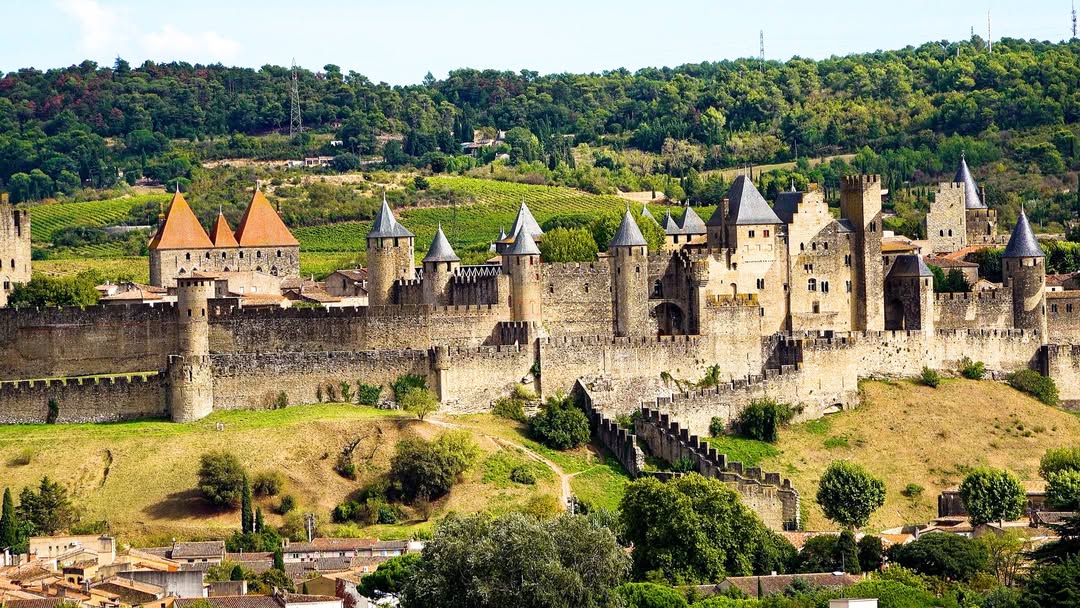
This place feels like stepping into a medieval film set. You will notice double-layered walls and 52 towers forming one of Europe’s most complete fortifications.
The citadel dates back over 2,500 years, with major medieval construction in the 12th and 13th centuries. Walking the ramparts takes about 1 hour. It receives around 3 million visitors annually, but evenings are much quieter.
If you stay overnight, you experience the fortress without day crowds.
What to do
- Walk the ramparts
- Explore the castle interior
- Dine inside the old city
Practical intel
- Castle entry: ~€11
- Best time: late afternoon to evening
- Ideal stay: overnight
Best for: History, medieval atmosphere
14. Loire Valley Castles, Loire Valley
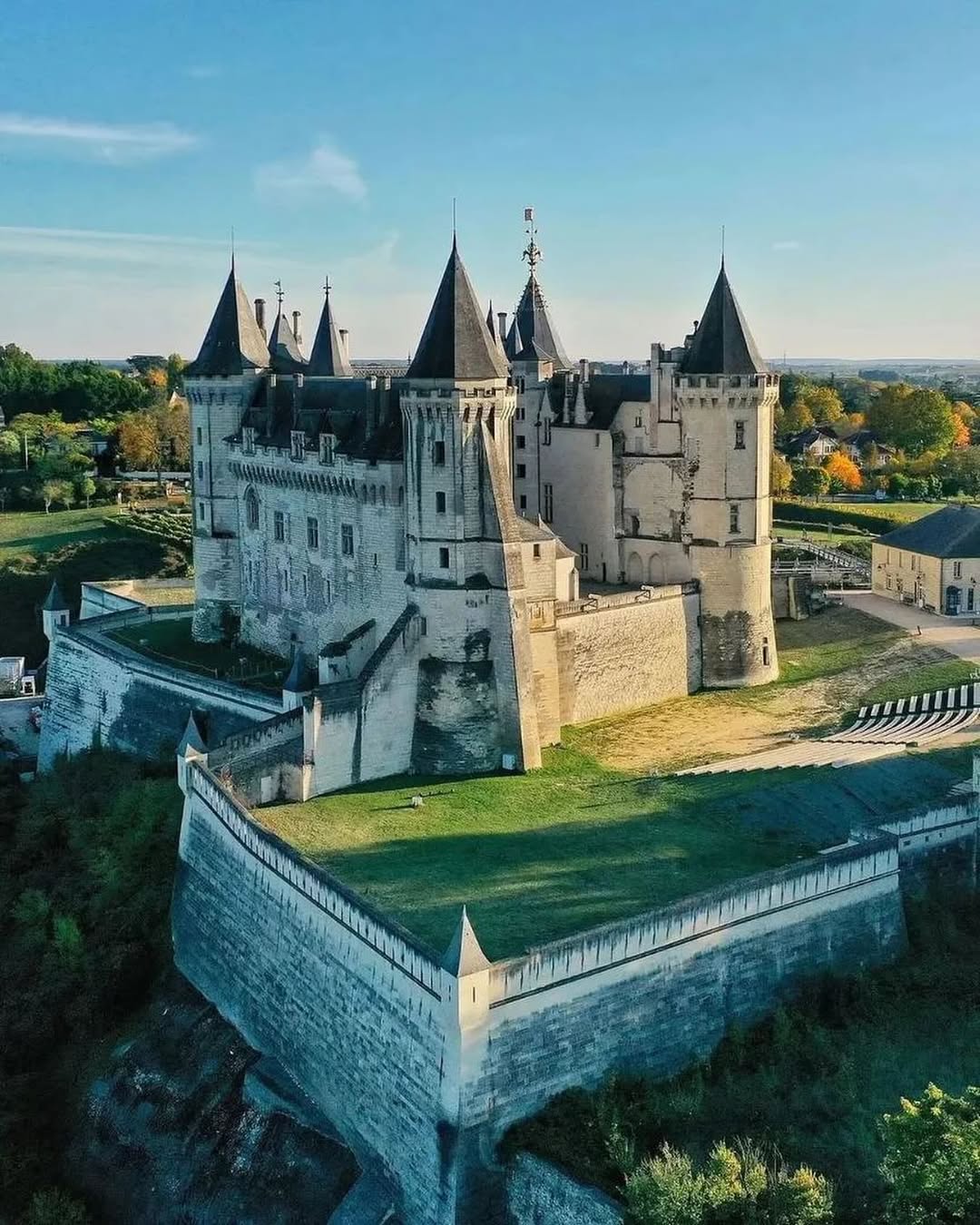
This region feels like a collection of fairytales spread across the countryside. You will notice elegant castles rising from rivers and gardens, each with its own personality.
There are over 300 castles in the region, but visiting 2 to 3 in a day is realistic. Château de Chambord alone has 440 rooms and 84 staircases. Distances between major castles range from 20 to 50 km.
If you rent a car or bike, you can explore at your own pace.
What to do
- Visit Château de Chambord
- Tour Château de Chenonceau
- Cycle between castles
Practical intel
- Entry per castle: €12 to €18
- Best time: April to October
- Ideal stay: 2 to 3 days
Best for: Architecture, scenic countryside
15. Lyon, Auvergne-Rhône-Alpes
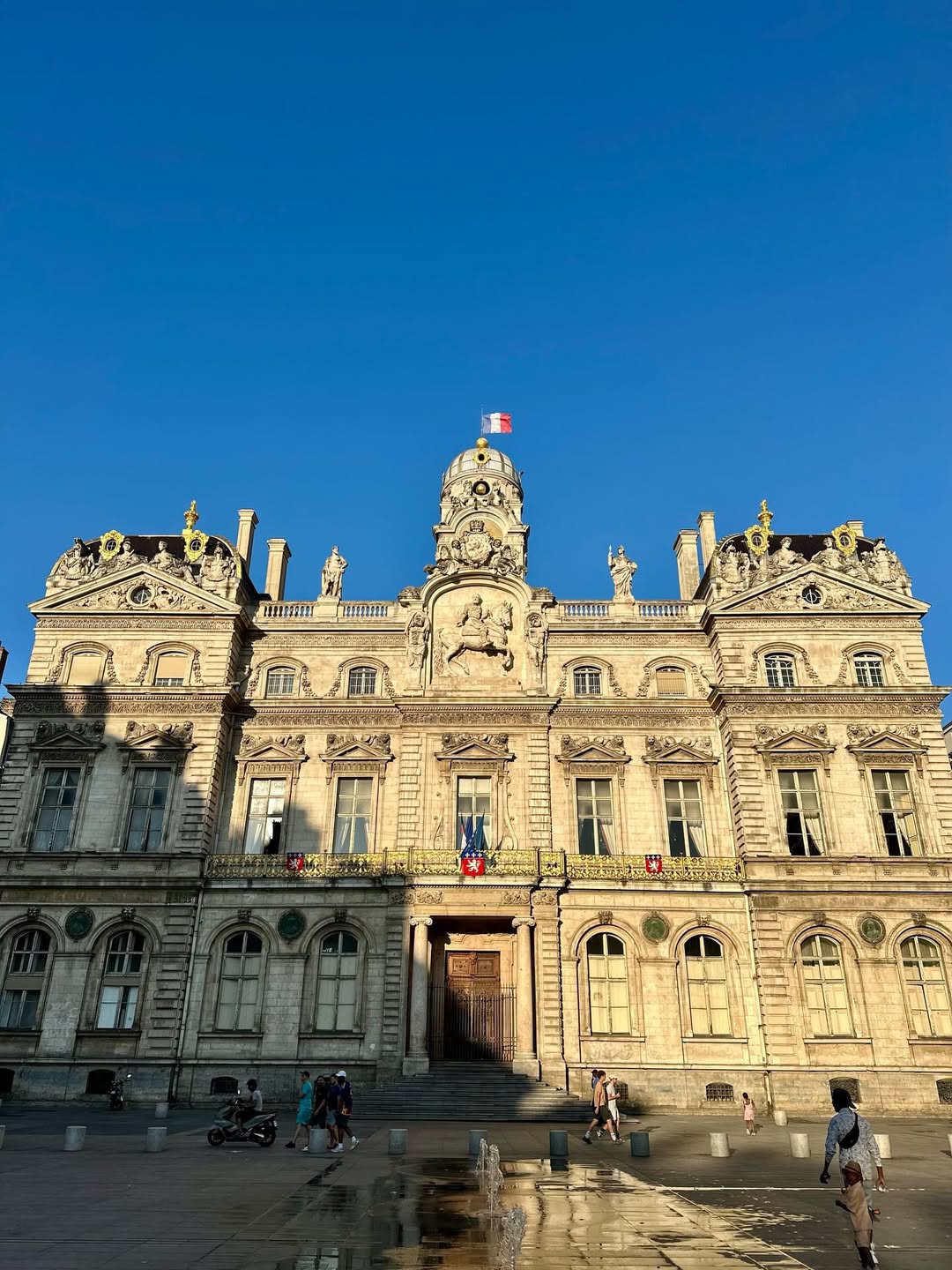
Lyon feels deeply authentic. You will notice Renaissance buildings, hidden passageways called traboules, and a strong culinary culture.
The Old Town is a UNESCO site, and exploring it takes about half a day. Lyon has over 4,000 restaurants, and it is often called the gastronomic capital of France. The Basilica of Fourvière sits 287 meters above sea level, offering wide city views.
If you follow a local food trail, you experience the city far more deeply.
What to do
- Explore Old Town traboules
- Visit Fourvière Basilica
- Try traditional bouchon restaurants
Practical intel
- Funicular ride: ~€2
- Train from Paris: ~2 hours
- Ideal stay: 2 days
Best for: Food, culture, local experience
16. Calanques National Park, Provence
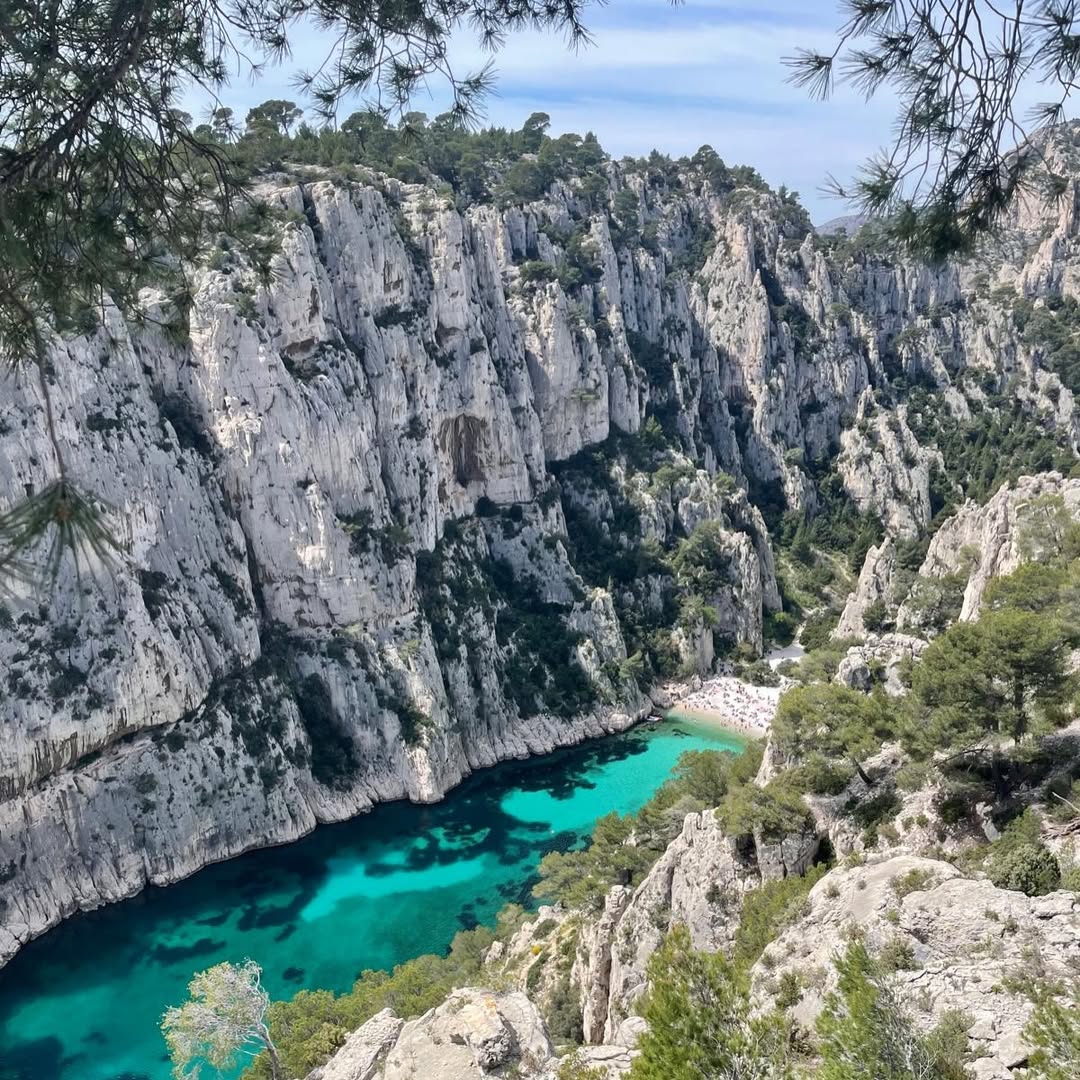
The contrast here is striking. You will notice white limestone cliffs dropping into intensely blue water, creating narrow inlets called calanques.
The park stretches over 20 km of coastline. Hiking to popular spots like Calanque d’En-Vau takes 1.5 to 2 hours each way. Summer temperatures often exceed 30°C, so timing matters.
If you bring water and start early, the hike becomes far more enjoyable.
What to do
- Hike to calanques
- Swim in hidden coves
- Take a boat tour
Practical intel
- Entry: free
- Best months: May to June, September
- Full day recommended
Best for: Hiking, swimming, coastal scenery
17. Bordeaux, Nouvelle-Aquitaine
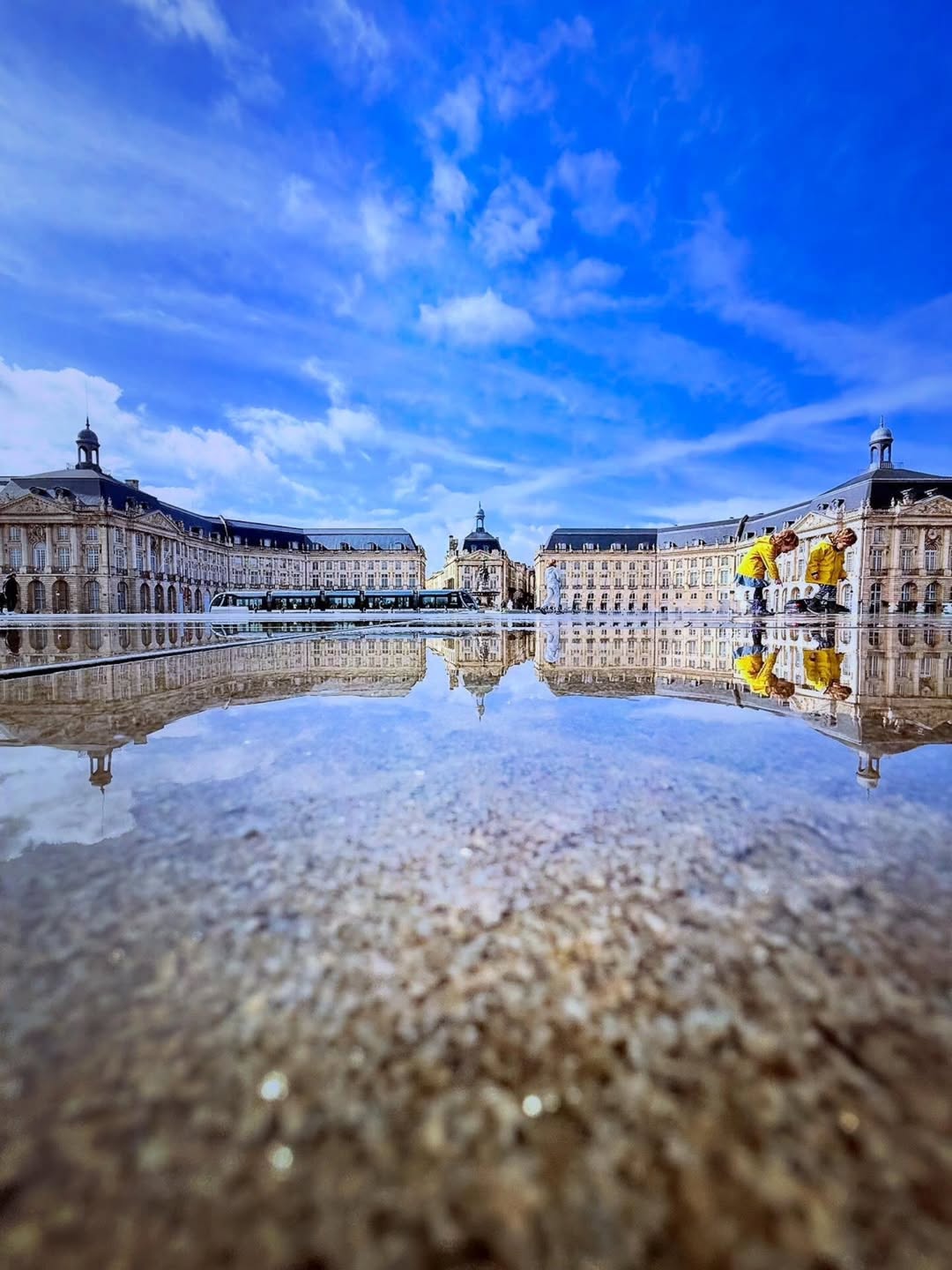
Bordeaux feels elegant but relaxed. You will notice wide boulevards, classical architecture, and a deep connection to wine culture.
The region produces over 700 million bottles of wine annually. The city itself is walkable, with major landmarks within a 3 to 4 km radius. Wine tours to nearby vineyards typically take half a day.
If you visit a château, you will understand the depth of French winemaking tradition.
What to do
- Visit wine museums
- Take vineyard tours
- Walk along the Garonne River
Practical intel
- Wine tours: €50 to €150
- Train from Paris: ~2 hours
- Ideal stay: 2 to 3 days
Best for: Wine, relaxed city vibe
18. Rocamadour, Occitanie
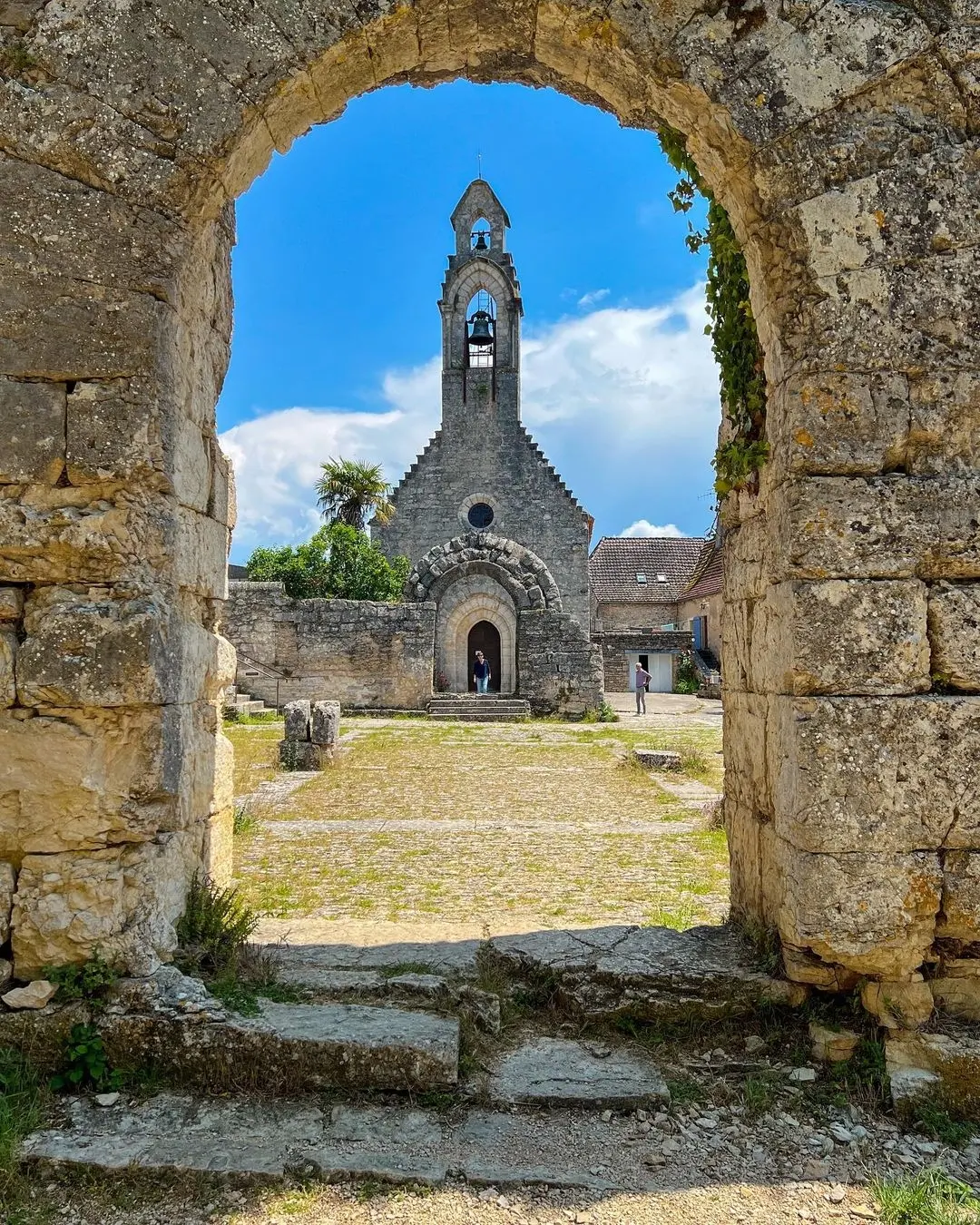
Rocamadour rises vertically along a cliff, and you will notice how buildings seem stacked on top of each other.
The village climbs about 120 meters in height. Pilgrims have visited for over 1,000 years. The Grand Staircase has 216 steps leading to religious sites above.
If you visit at sunset, the golden light makes the stone glow beautifully.
What to do
- Climb the Grand Staircase
- Visit the sanctuary
- Explore the village streets
Practical intel
- Entry: free
- Best time: evening
- Ideal stay: half to one day
Best for: Unique landscapes, spiritual history
19. Avignon, Provence
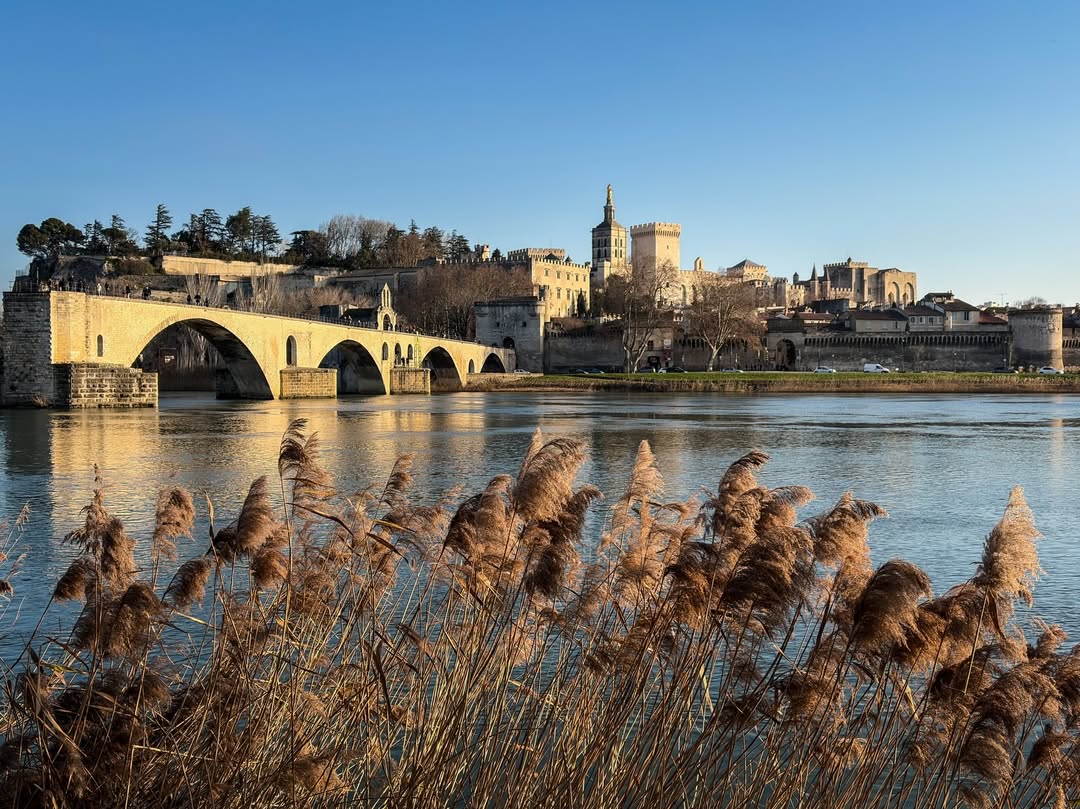
Avignon feels like a place frozen in medieval time. You will notice massive stone walls surrounding the city and the imposing Papal Palace.
The Palais des Papes is one of the largest Gothic buildings in Europe, covering about 15,000 square meters. The famous bridge originally had 22 arches, though only 4 remain today.
If you walk along the city walls, you get a great overview of the old town.
What to do
- Tour Palais des Papes
- Walk the old bridge
- Explore city streets
Practical intel
- Palace entry: ~€12
- Best time: spring or early autumn
- Ideal stay: 1 to 2 days
Best for: History, architecture
20. Corsica
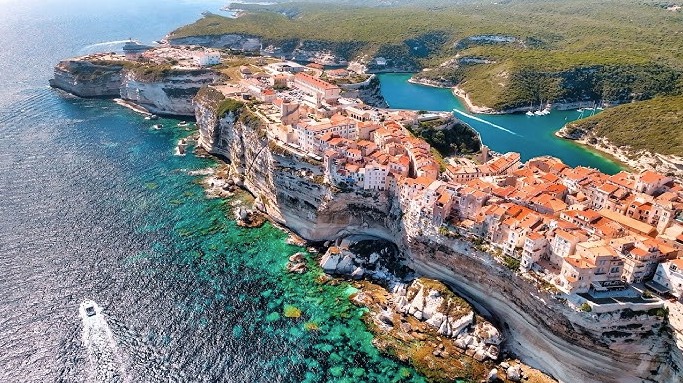
Corsica feels like a completely different world. You will notice rugged mountains, turquoise beaches, and a blend of French and Italian influences.
The island spans about 8,700 square km, with over 1,000 km of coastline. Driving across the island takes around 3 to 4 hours. The GR20 hiking trail is one of Europe’s toughest, stretching 180 km.
If you explore both coast and interior, you get the full experience.
What to do
- Relax on beaches
- Hike mountain trails
- Explore coastal towns
Practical intel
- Ferry or flight required
- Best months: May to September
- Ideal stay: 4 to 7 days
Best for: Adventure, beaches, diversity
21. Château de Chenonceau, Loire Valley
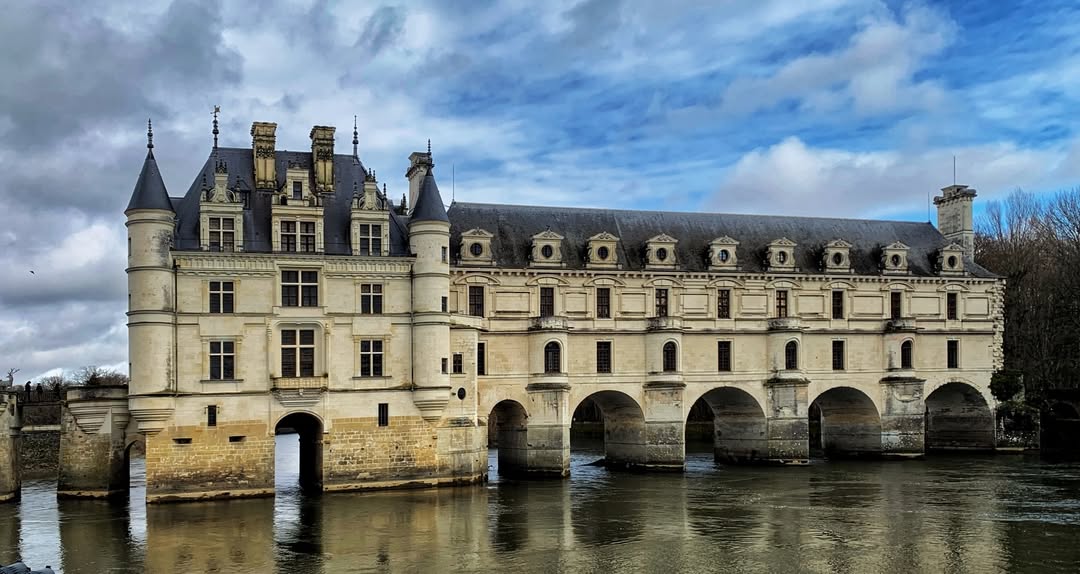
This is the castle that feels almost weightless. You will notice how it stretches gracefully across the River Cher, with its arches reflected perfectly in the water below.
Built in the 16th century, Chenonceau receives around 850,000 visitors annually, yet it feels calmer than larger Loire castles. The gallery over the river is 60 meters long and lined with black-and-white tiles that amplify the light. The gardens span about 12 hectares and are designed with precise symmetry.
If you go early in the morning, the reflections on the water are at their clearest.
What to do
- Walk through the river gallery
- Explore Diane and Catherine’s gardens
- Rent a small boat on the river
Practical intel
- Entry: ~€15
- Best time: morning or late afternoon
- Ideal stay: 2 to 3 hours
Best for: Elegant architecture, romantic settings
22. Pont du Gard, Occitanie
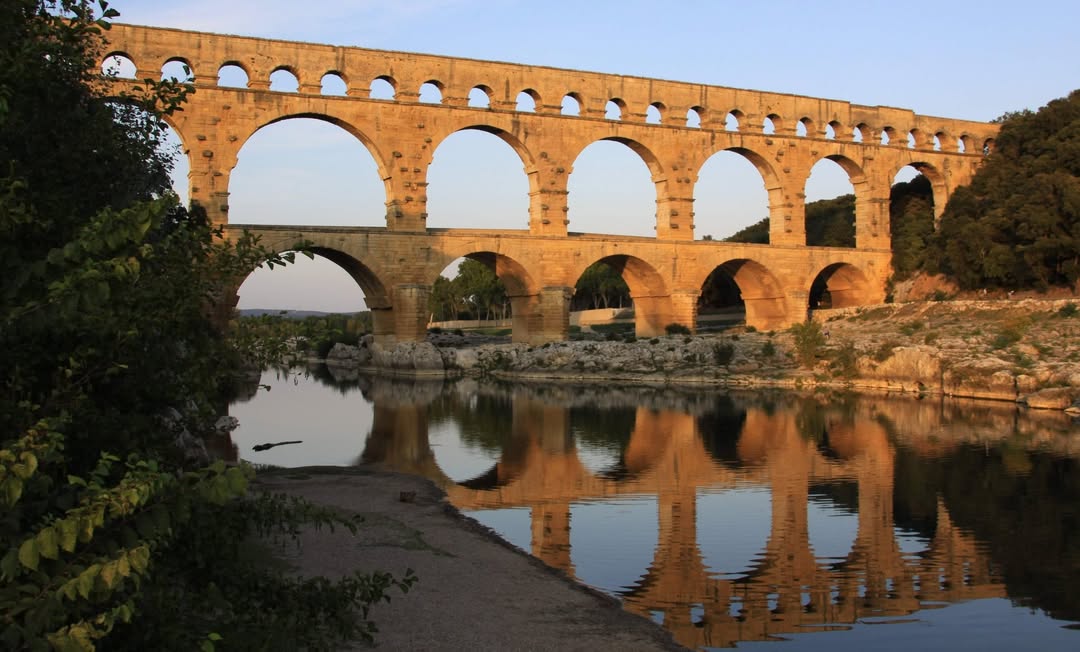
You will immediately feel the scale. This ancient Roman aqueduct rises 49 meters high, built without modern machinery nearly 2,000 years ago.
The structure has three tiers and once carried water over 50 km to the city of Nîmes. Walking across the lower level takes about 15 minutes, while the surrounding area offers trails and river access. Around 1.5 million people visit each year.
If you bring swimwear in summer, you can cool off in the river beneath the arches.
What to do
- Walk across the bridge
- Visit the museum
- Swim or relax by the river
Practical intel
- Entry: free, parking ~€9
- Best time: morning or sunset
- Ideal stay: 2 to 3 hours
Best for: History, engineering marvels
23. Saint-Malo, Brittany
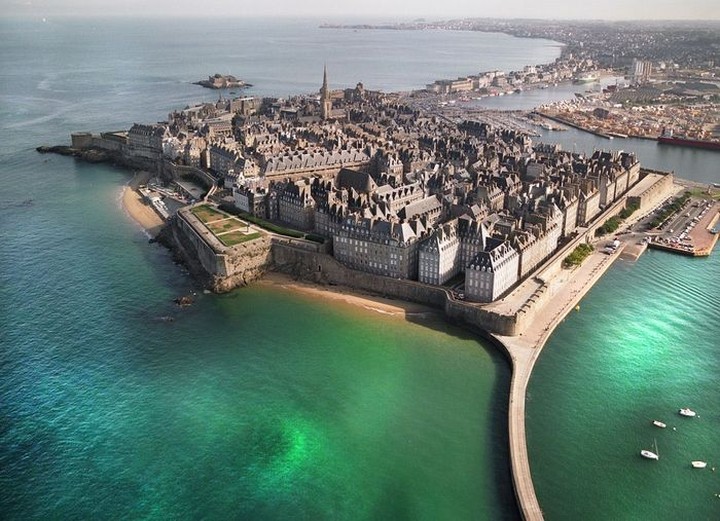
Saint-Malo feels powerful and windswept. You will notice the thick granite walls and the sound of waves crashing just below the ramparts.
The old city walls stretch about 1.8 km and can be walked in roughly 45 minutes. Tides here are among the strongest in Europe, with dramatic shifts that reveal vast sandy areas during low tide. The city was heavily rebuilt after World War II but retains its historic feel.
If you time your walk with sunset, the ocean views become unforgettable.
What to do
- Walk the city walls
- Explore the old town
- Visit nearby tidal islands
Practical intel
- Entry: free
- Train from Paris: ~2.5 to 3 hours
- Ideal stay: 1 to 2 days
Best for: Coastal history, dramatic views




COMMENTS
Please note that all comments will be checked by our team before being approved.