21 Hidden Gems to Visit in Greece That Prove the Best Islands Aren’t Always the Most Famous
Looking to uncover a quieter side of Greece beyond the usual hotspots? These 21 hidden gems to visit in Greece are secluded, enchanting, and wonderfully authentic, perfect for discovering untouched beaches, charming villages, and unforgettable local experiences.

Greece is often reduced to its postcard icons, but the real magic begins when you step off that well-worn path. Beyond the famous islands and historic capitals, there’s a quieter, more intimate side waiting to be discovered.
As you move away from the usual routes, you’ll start to notice a different rhythm. Villages feel slower, islands feel calmer, and the experience becomes more personal than crowded.
If you look a little deeper, Greece rewards you with authenticity and space. Here are 21 hidden gems that go beyond the usual Santorini and Athens circuit.
1) Kastellorizo (Megisti Island, Eastern Aegean)
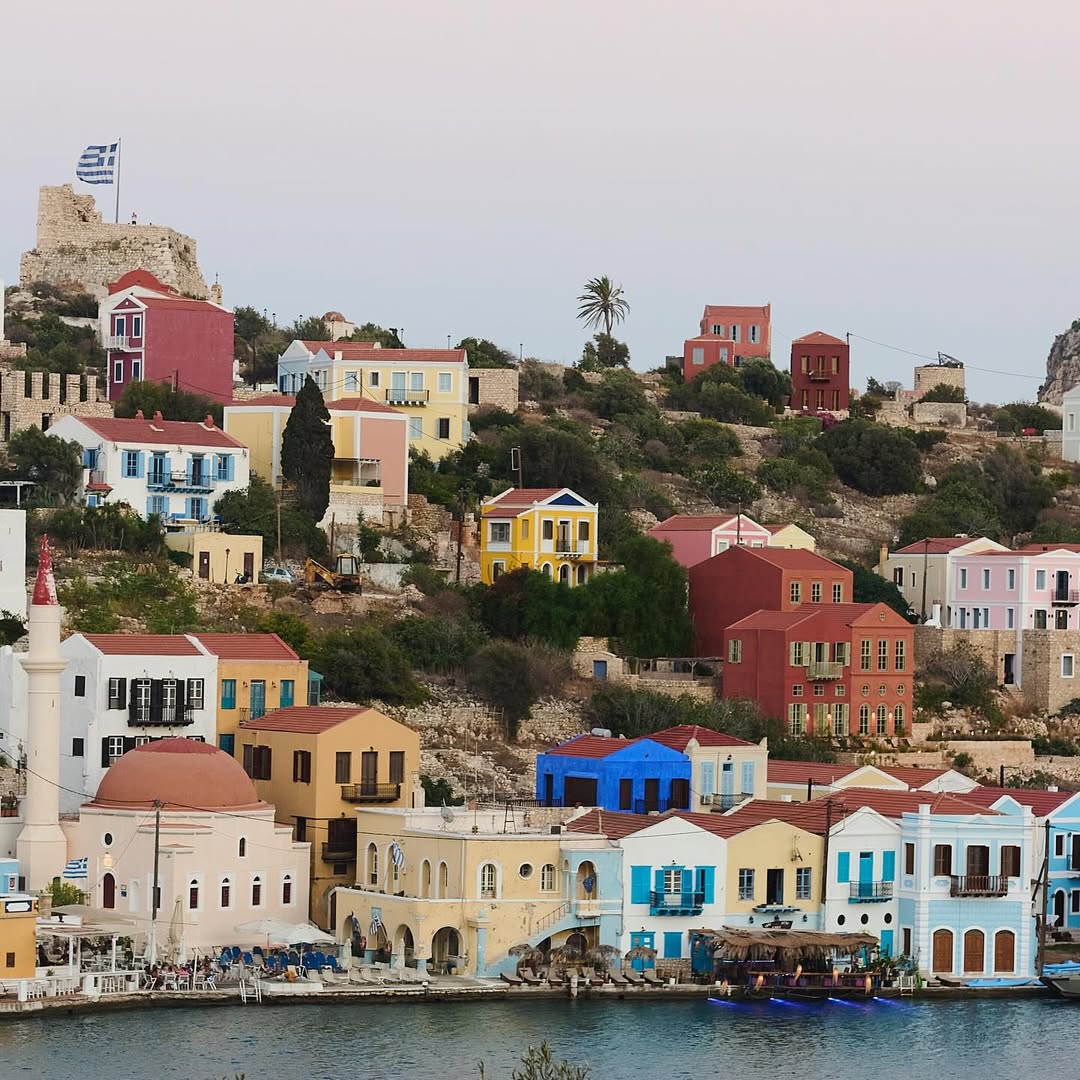
You’ll notice the silence first. Kastellorizo feels almost unreal, with fewer than 500 residents and a harbor lined with pastel houses that reflect perfectly in still water. There’s no rush here, no cruise ship crowds, just the gentle rhythm of boats and the occasional call of seabirds echoing off the cliffs.
What makes it special is how untouched it feels. The island sits just 2 km from the Turkish coast but remains distinctly Greek in character. You can walk across the entire island in under 2 hours, and yet it holds gems like the Blue Cave, one of the largest sea caves in the Mediterranean, stretching nearly 75 meters deep. Ferries from Rhodes take around 2.5 hours, and flights are limited to small aircraft with about 30 seats.
If you go early in the morning, the harbor is yours alone. Sit by the water before 9 AM and you’ll experience something rare in Greece. Stillness.
What to do
- Take a small boat into the Blue Cave at sunrise
- Swim off the harbor steps in crystal-clear water
- Walk to the island’s hilltop castle ruins
Practical intel
- Best months: May to September
- Ferry from Rhodes takes 2.5 hours
- Very limited nightlife and ATMs
- Budget €60–120 per night for boutique stays
Best for
Isolation seekers, slow travelers, photographers
2) Zagori Villages (Epirus Region, Northern Greece)
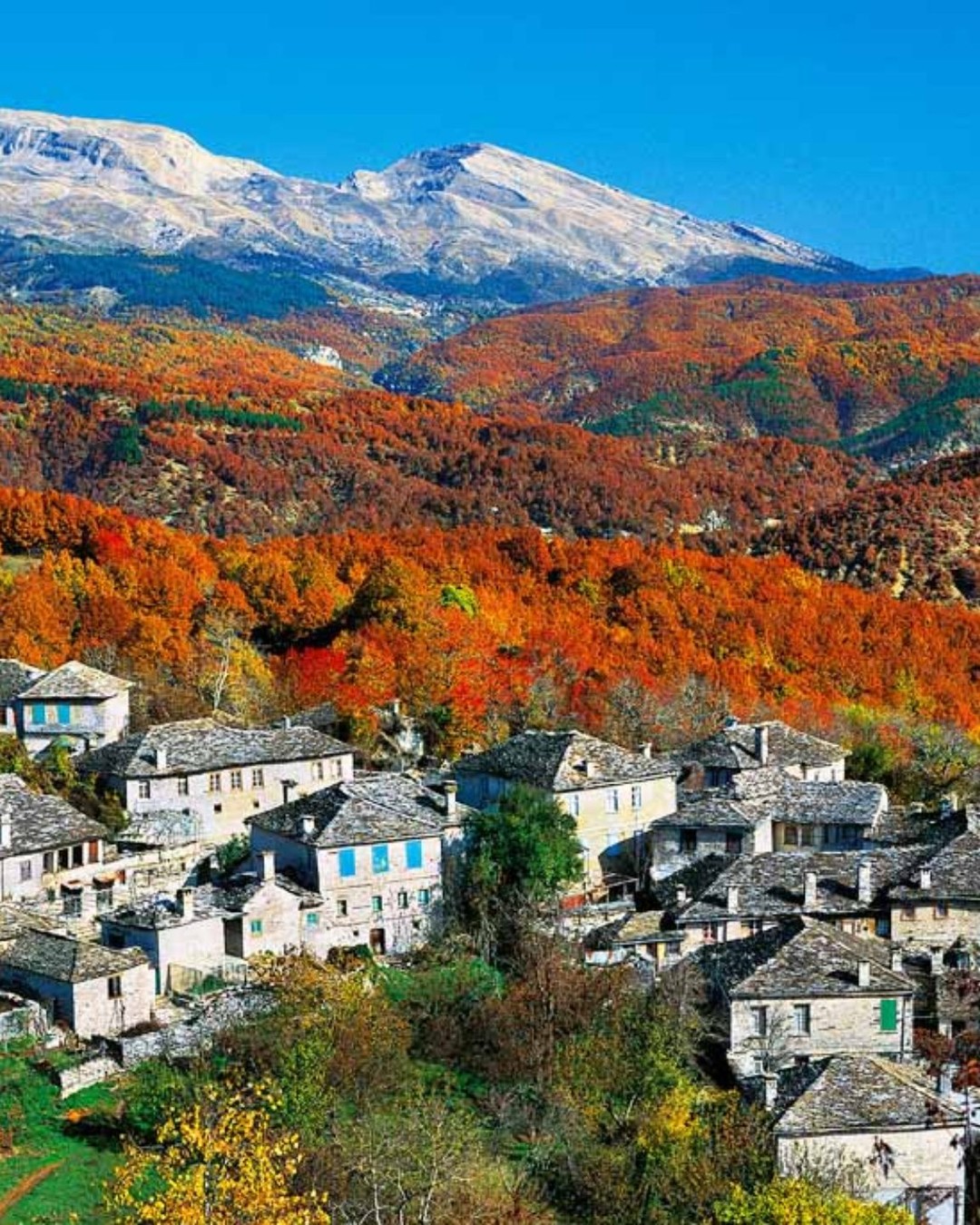
This is where Greece surprises you. Instead of beaches, you’ll find dramatic mountains, dense forests, and 46 stone-built villages connected by ancient footpaths. As you wander through Zagori, you’ll hear streams under arched bridges and see mist rolling through the Vikos Gorge, one of the deepest canyons in the world relative to its width.
The Vikos Gorge itself stretches about 20 km, with depths reaching 900 meters. Hiking it takes 6 to 8 hours depending on your pace, and it’s not overly crowded even in peak summer. The villages like Papingo and Monodendri sit at elevations between 600 and 1,000 meters, keeping temperatures about 5 to 8°C cooler than coastal Greece.
If you arrive in autumn, the landscape turns gold and red, and the experience becomes even more intimate. You’ll want at least 2 to 3 days here to fully absorb the quiet beauty.
What to do
- Hike the Vikos Gorge trail
- Visit stone bridges like the Kokkoris Bridge
- Stay in a restored stone guesthouse
Practical intel
- Closest city: Ioannina (30–45 min drive)
- Ideal stay: 2–4 days
- Hiking season: April to October
- Accommodation: €70–150 per night
Best for
Nature lovers, hikers, travelers who want a different side of Greece
3) Koufonisia (Cyclades, South of Naxos)
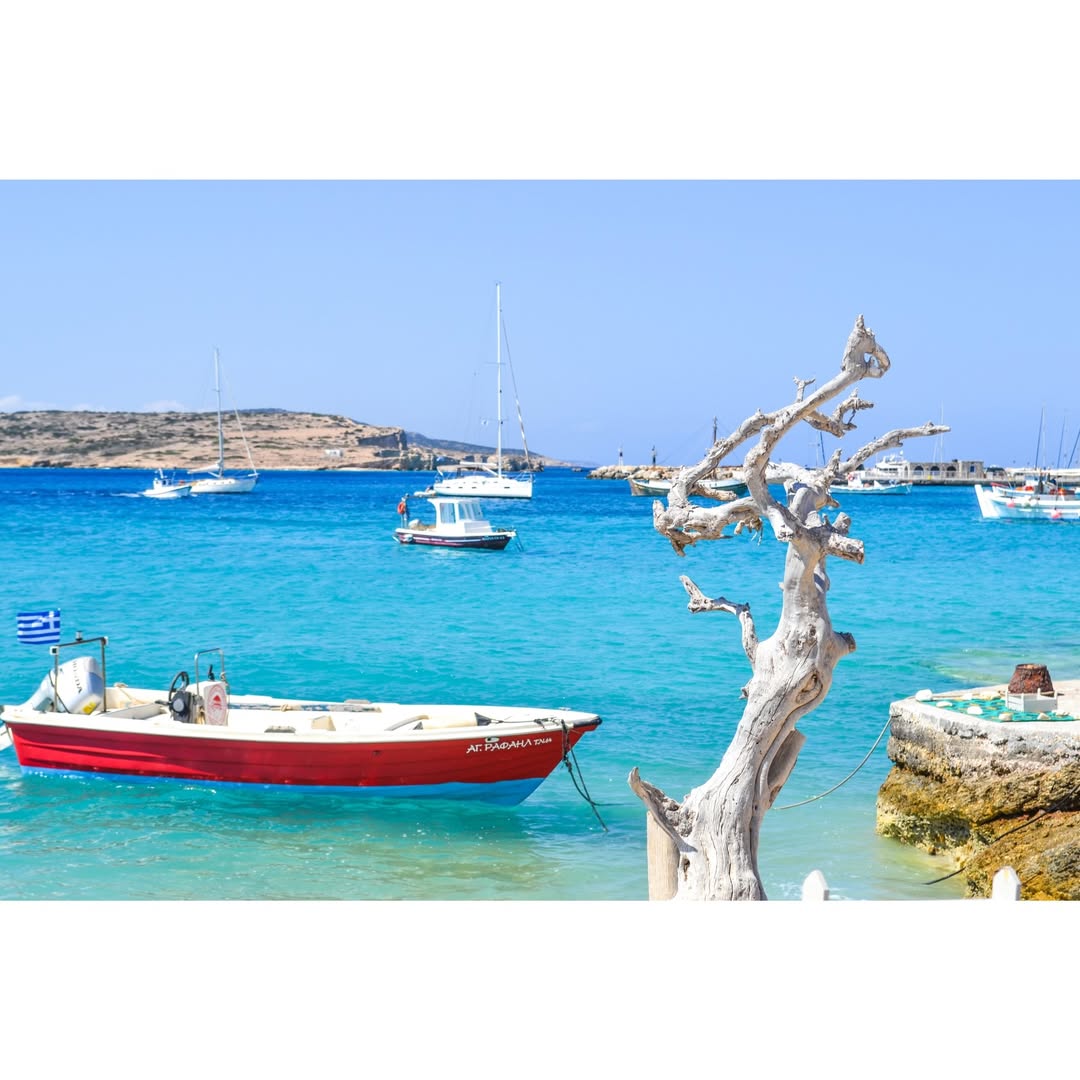
Koufonisia feels like what people imagine Santorini used to be. You’ll walk sandy paths instead of roads, pass tiny tavernas with handwritten menus, and find beaches where the water shifts from turquoise to deep blue within a few steps.
The island is tiny. Just 5.8 square kilometers. You can walk from one end to the other in about 1.5 hours. Yet along that stretch are over 10 beaches, including Pori Beach, where the water is so clear you can see the seabed even 10 meters out. Ferries from Naxos take about 1 hour, making it accessible but still overlooked.
If you go late afternoon, around 5 PM, the beaches empty out and the light softens. That’s when Koufonisia feels like yours.
What to do
- Walk the coastal path linking all beaches
- Swim at Pori Beach and natural rock pools
- Try fresh seafood at a local taverna
Practical intel
- No airport, access by ferry only
- Best time: June to September
- Walking is the main transport
- Budget €80–160 per night in summer
Best for
Beach lovers, couples, travelers avoiding crowds but wanting island charm
4) Folegandros (Cyclades, near Santorini)
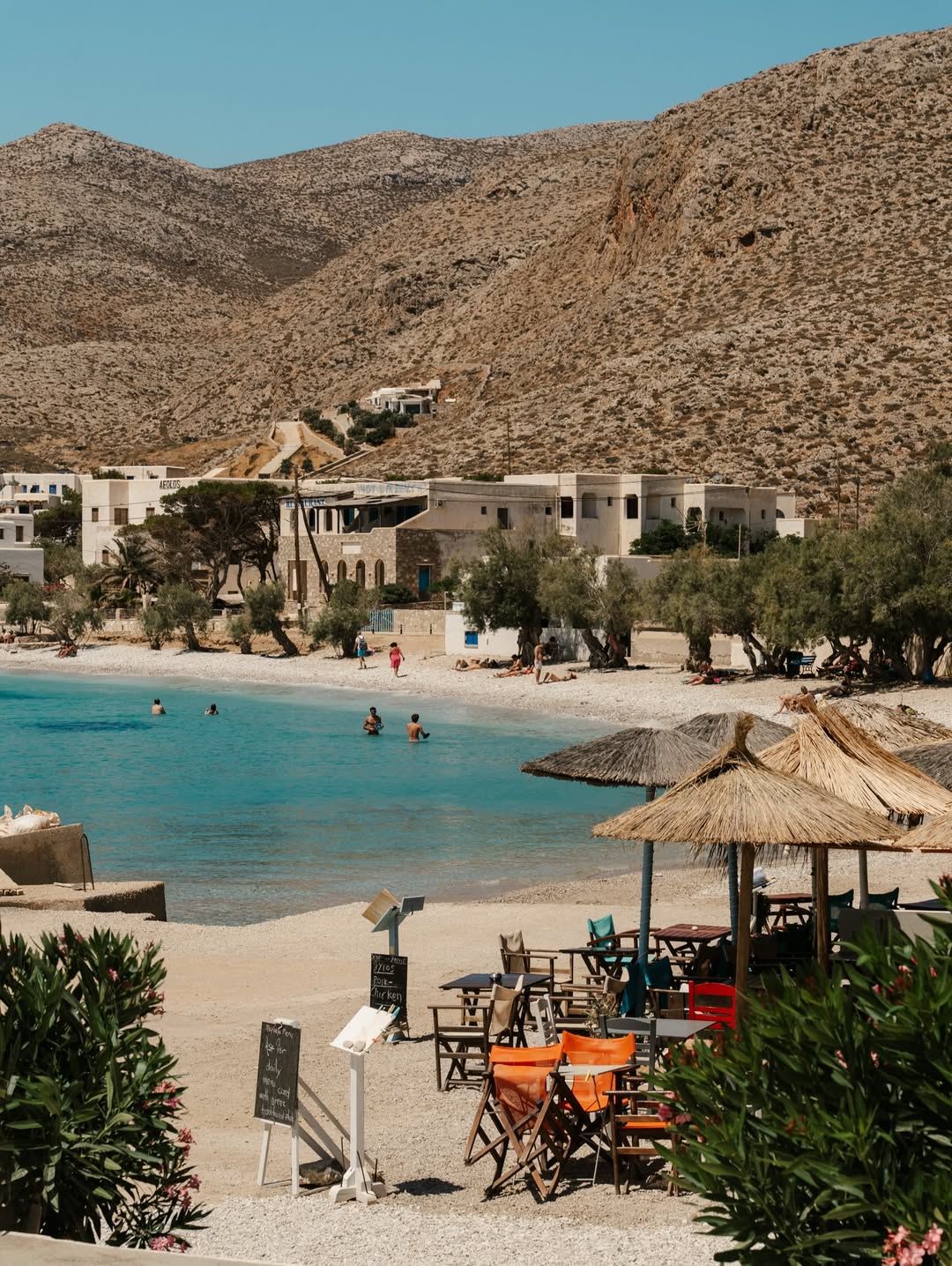
You’ll feel the shift the moment you arrive. Folegandros has the Cycladic beauty you expect, whitewashed houses and blue domes, but without the rush. The main village, Chora, sits dramatically on a cliff 200 meters above the sea, and in the evening, the entire place glows under soft golden light.
What makes it special is its balance. The island is only about 32 square kilometers, with fewer than 800 permanent residents, yet it offers over 10 beaches, many only reachable by foot or boat. Sunset from the Church of Panagia involves a 15-minute uphill walk, but the view stretches across endless Aegean blue, and you’ll likely share it with just a handful of people instead of crowds.
If you go after 6 PM, the central square becomes a calm social hub. You’ll notice locals chatting, kids playing, and a pace that invites you to slow down.
What to do
- Walk up to Panagia Church for sunset
- Explore Katergo Beach by boat
- Wander Chora’s quiet alleyways at night
Practical intel
- Ferry from Santorini takes 2 to 3 hours
- Best months: May to September
- Limited taxis, walking is common
- Stay budget: €70–140 per night
Best for
Couples, slow island explorers, sunset seekers
5) Monemvasia (Peloponnese, Southern Greece)
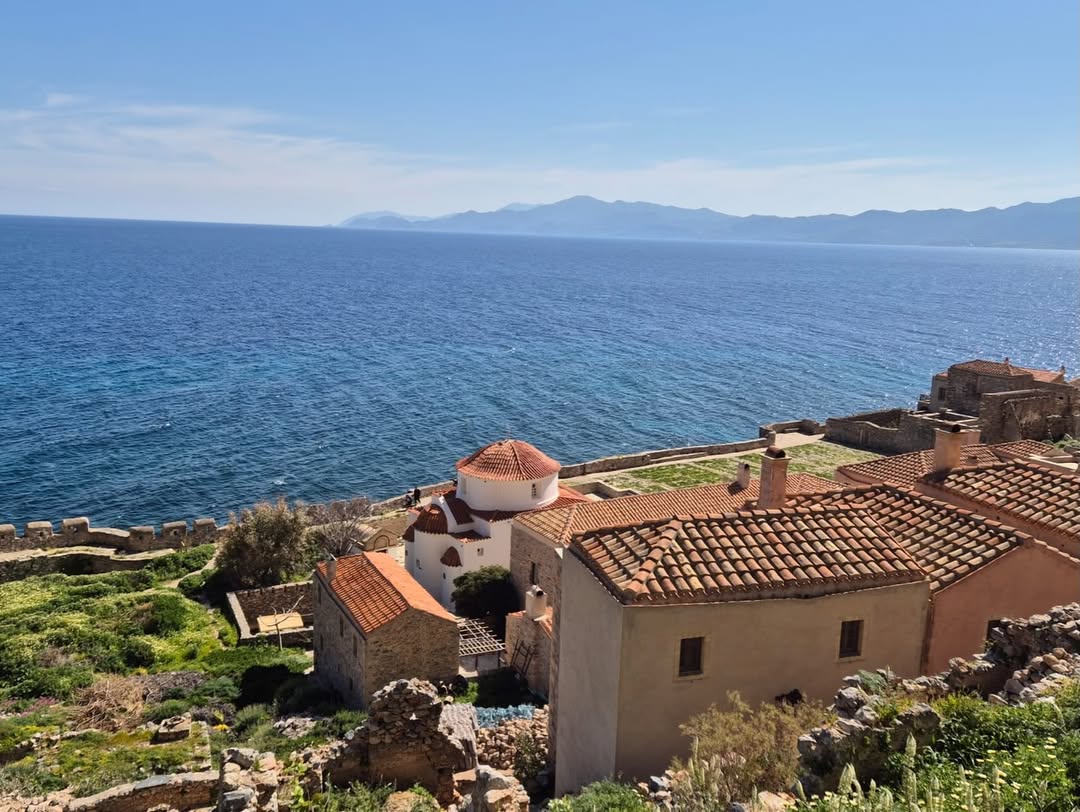
This place feels like stepping into another century. Monemvasia is a fortified medieval town carved into a massive rock island, connected to the mainland by a narrow causeway about 200 meters long. As you walk through its stone gate, you’ll notice narrow cobbled streets, Byzantine churches, and almost no modern signage.
The town dates back to the 6th century, and parts of it remain incredibly well preserved. The upper town sits about 100 meters above sea level, and reaching it takes a steep 20 to 30-minute hike, but the panoramic view of the Myrtoan Sea is worth every step. Visitor numbers are far lower than major Greek sites, especially if you stay overnight after day-trippers leave.
If you stay inside the castle walls, you’ll experience the quiet after sunset. That’s when Monemvasia feels most authentic.
What to do
- Climb to the Upper Town ruins
- Explore Byzantine churches like Agia Sophia
- Dine inside the castle walls
Practical intel
- 4 to 5-hour drive from Athens
- Entry to lower town is free
- Best time: April to June, September to October
- Stay cost: €80–180 inside the fortress
Best for
History lovers, photographers, unique stays
6) Samothrace (Northern Aegean)
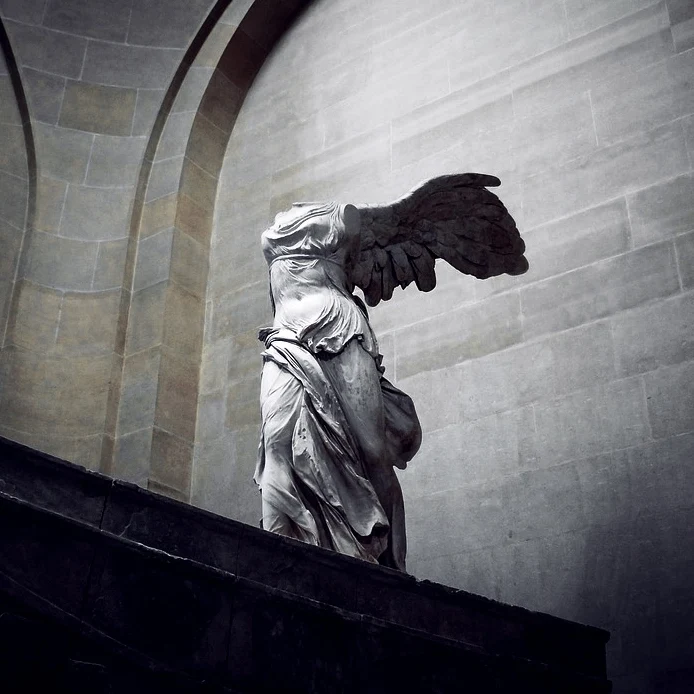
Samothrace feels wild in a way most Greek islands don’t. You’ll notice dense forests, waterfalls, and natural rock pools called “vathres” instead of sandy beaches. The island rises sharply to Mount Saos, which reaches 1,611 meters, making it one of the tallest peaks on any Greek island.
The experience here is active and raw. You can hike to waterfalls like Fonias, where cold mountain water flows into deep pools perfect for swimming. The hike takes about 1.5 to 2 hours depending on how far you go. Ferries from Alexandroupoli run a few times per week, and tourism remains light, even in summer.
If you visit midday, the water in the pools is cold, around 10 to 15°C, so going late afternoon can feel more comfortable after the sun warms the rocks.
What to do
- Swim in the Fonias waterfalls
- Hike mountain trails on Mount Saos
- Visit the Sanctuary of the Great Gods
Practical intel
- Ferry from Alexandroupoli takes about 2.5 hours
- Best months: June to September
- Very limited luxury accommodation
- Budget stays: €50–100 per night
Best for
Adventure travelers, hikers, off-grid explorers
7) Tinos (Cyclades, near Mykonos)
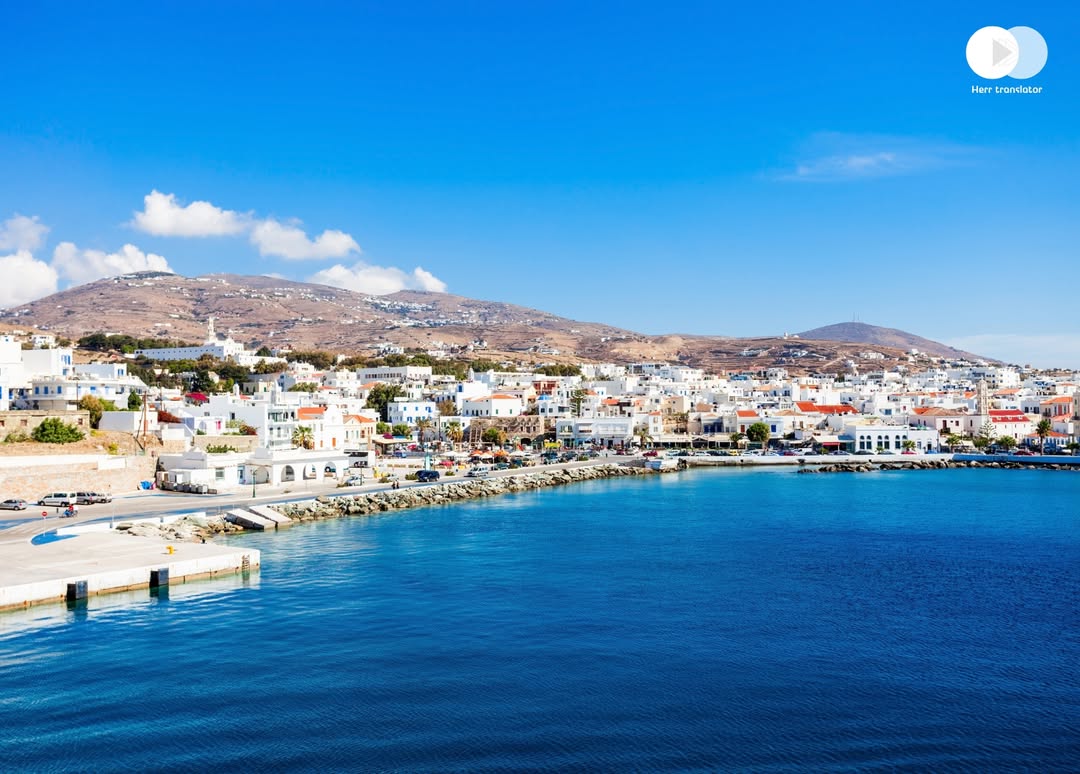
At first glance, Tinos looks like another Cycladic island, but within minutes you’ll notice something different. The villages are sculptural, with marble details on doorways, fountains, and even bus stops. Windmills dot the hills, and the island feels more artistic than touristy.
Tinos has over 40 traditional villages, many sitting between 200 and 500 meters above sea level. Pyrgos, the marble village, is the highlight, where local artisans still work with stone using centuries-old techniques. Despite being just 30 minutes by ferry from Mykonos, visitor numbers are significantly lower, especially outside August.
If you go early in the day, you’ll have entire village squares to yourself. That quiet makes the details stand out more.
What to do
- Explore Pyrgos village and marble workshops
- Visit Panagia Evangelistria Church
- Drive through hillside villages like Volax
Practical intel
- Ferry from Mykonos takes 20 to 30 minutes
- Ideal stay: 2 to 3 days
- Best months: May to July, September
- Stay cost: €60–130 per night
Best for
Culture seekers, photographers, quiet Cycladic experiences
8) Ikaria (Eastern Aegean)
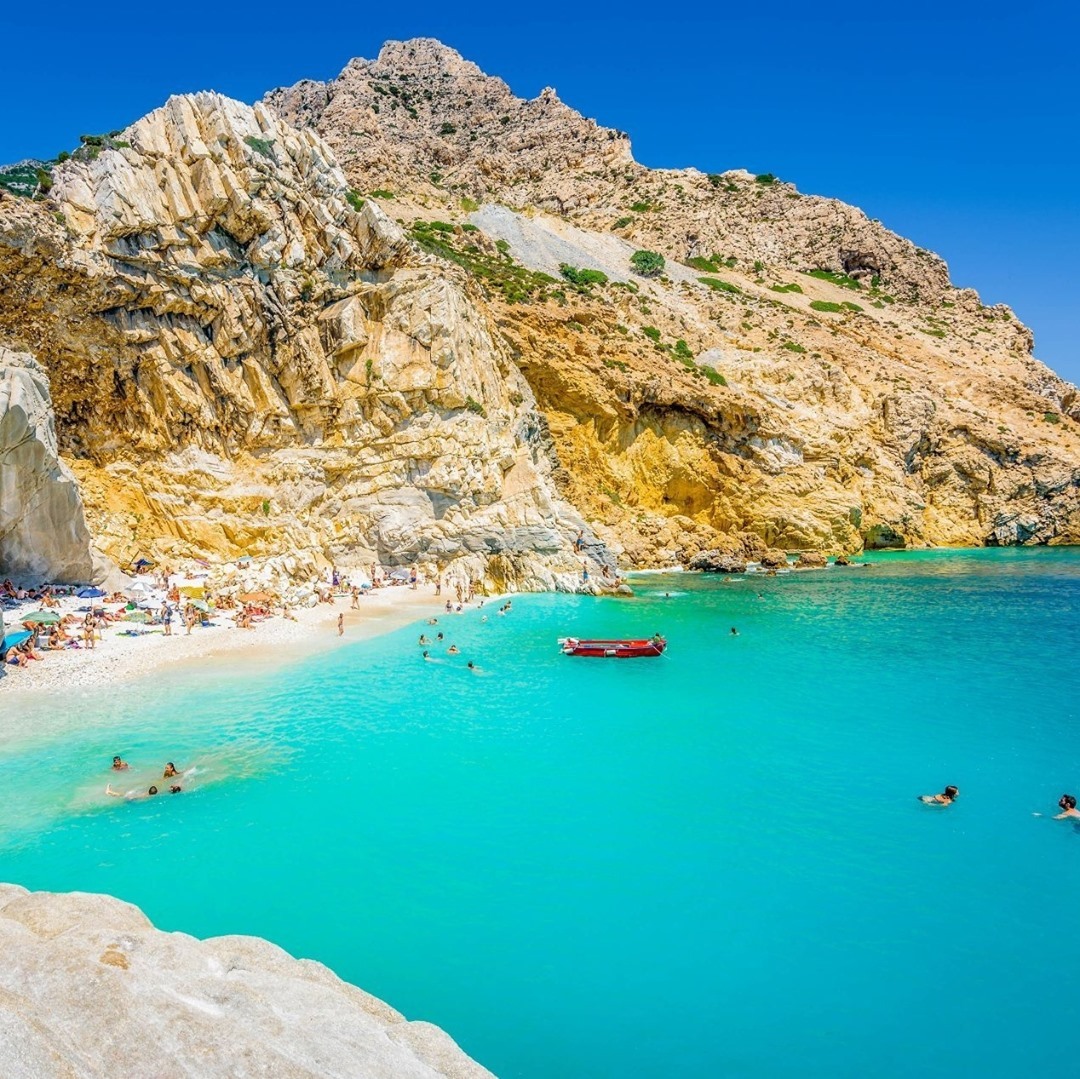
Ikaria feels like it operates on its own clock. You’ll notice it immediately when dinner starts at 10 PM and festivals go on until sunrise. This island is one of the world’s “Blue Zones,” where people regularly live past 90, and the lifestyle reflects that slower, communal rhythm.
The island spans about 255 square kilometers, with rugged mountains and over 160 km of coastline. Beaches like Seychelles Beach offer striking turquoise water, while inland trails lead to hot springs and remote villages. Tourism exists, but it hasn’t overwhelmed daily life. You’re stepping into something real.
If you stay for a local festival, especially in summer, you’ll see the island at its most alive. Food, music, and dancing that can last 12 hours or more.
What to do
- Swim at Seychelles Beach
- Visit natural hot springs in Therma
- Attend a traditional panigiri festival
Practical intel
- Flight from Athens takes about 1 hour
- Best time: June to September
- Car rental recommended due to terrain
- Budget: €50–110 per night
Best for
Slow travel, cultural immersion, unique local experiences
9) Nafplio (Peloponnese, Western Coast)
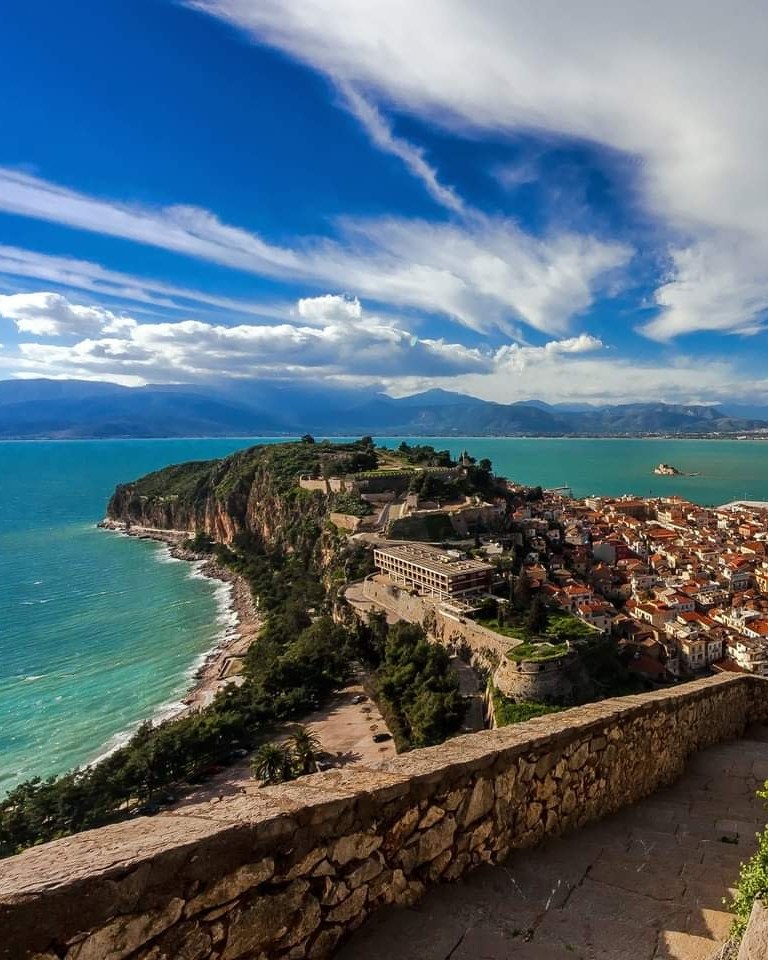
Nafplio feels elegant but understated. As you walk through its old town, you’ll notice neoclassical buildings, bougainvillea-covered balconies, and wide sea views that make it one of the most visually balanced towns in Greece.
The town was Greece’s first capital in the 19th century, and that history shows. The Palamidi Fortress towers 216 meters above sea level, with 999 steps leading up if you choose the full climb. It’s about a 2-hour drive from Athens, making it an easy but often overlooked escape.
If you go early morning or just before sunset, the light over the harbor and fortress creates a completely different atmosphere. That’s when Nafplio feels most memorable.
What to do
- Climb Palamidi Fortress
- Walk the Arvanitia coastal path
- Explore the Old Town streets and squares
Practical intel
- 2-hour drive from Athens
- Ideal stay: 1 to 2 days
- Fortress entry: about €8
- Stay range: €70–150 per night
Best for
Weekend escapes, romantic trips, history with comfort
10) Kythira (Between Peloponnese & Crete)
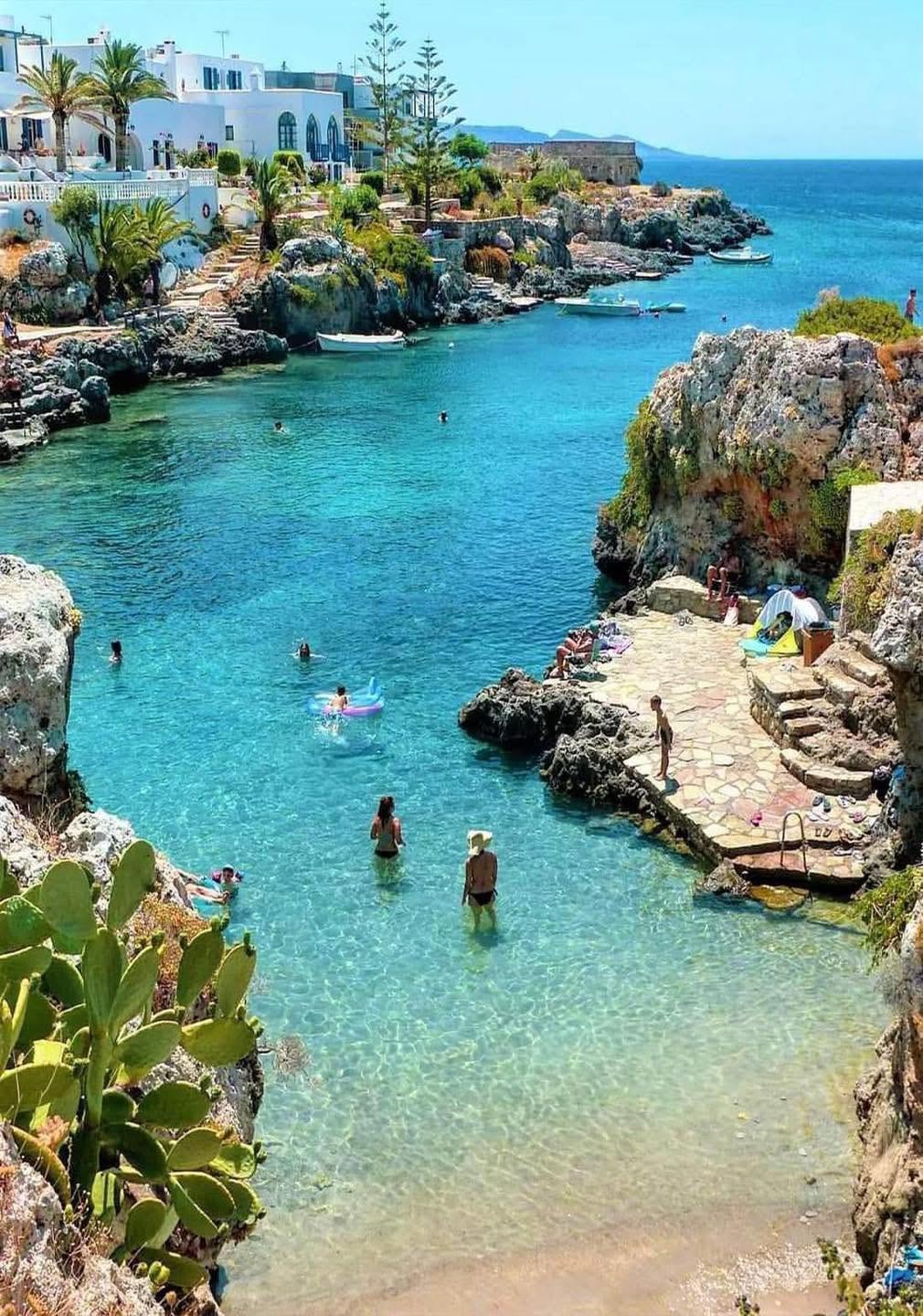
Kythira feels like a crossroads of cultures. You’ll notice Venetian architecture, quiet waterfalls, and beaches that shift from sandy coves to dramatic cliffs. It is not on the standard island-hopping route, which is exactly why it still feels untouched.
The island covers about 280 square kilometers, with scattered villages rather than one central hub. One standout is Kaladi Beach, reached via about 120 steps, where three coves meet in striking blue water. Inland, the Fonissa Waterfall flows year-round, a rarity in Greece. Flights from Athens take around 50 minutes, or ferries from the Peloponnese run 2.5 to 3 hours.
If you go mid-morning, beaches like Kaladi are almost empty. By afternoon, a few locals arrive, but it never feels crowded.
What to do
- Swim at Kaladi Beach
- Visit Fonissa Waterfall
- Explore Kythira Castle at sunset
Practical intel
- Best time: May to October
- Car rental is essential due to distances
- Stay range: €60–120 per night
- Low tourist density even in peak season
Best for
Explorers, road-trippers, travelers avoiding mass tourism
11) Pelion Peninsula (Eastern Mainland, near Volos)
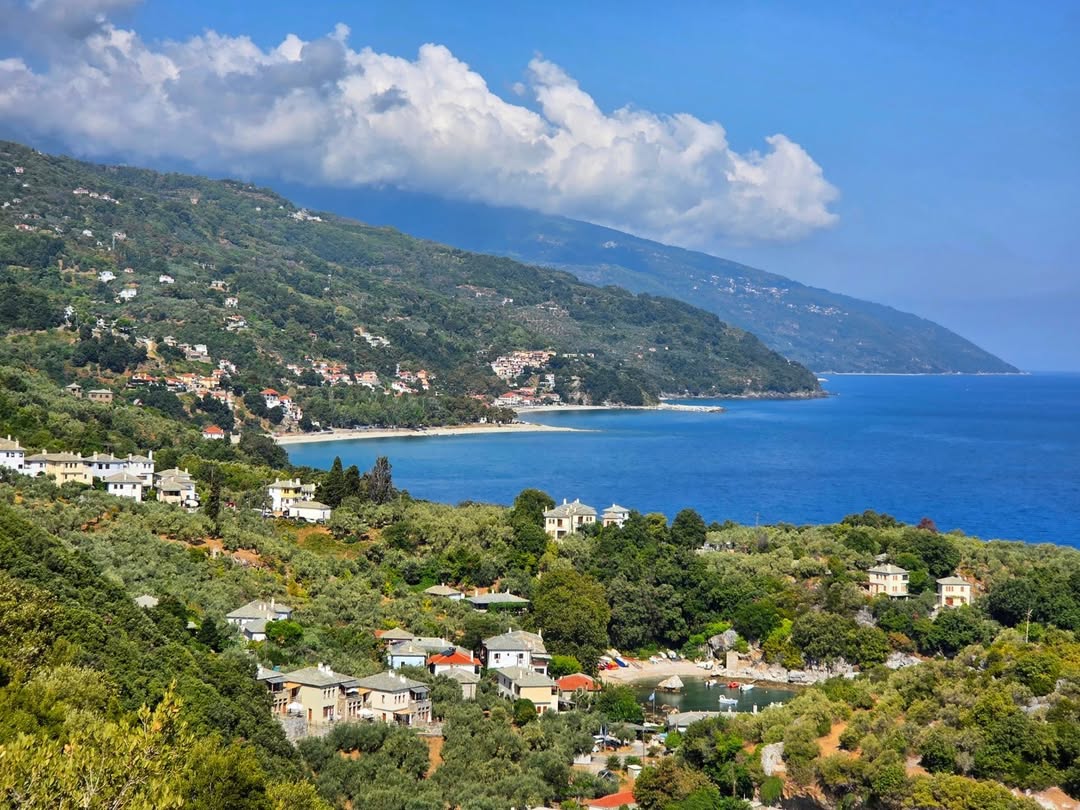
Pelion gives you two landscapes in one day. On one side, dense forests and mountain villages. On the other, clear Aegean beaches. You’ll notice how quickly the scenery changes, often within a 30-minute drive.
The region stretches roughly 50 km across, with villages like Makrinitsa sitting at 600 meters elevation, offering sweeping views over the Pagasetic Gulf. In contrast, beaches like Mylopotamos are known for their turquoise water and natural rock arches. The area is accessible via Volos, about a 3.5 to 4-hour drive from Athens.
If you go in September, the sea is still warm, around 24°C, but the summer crowds have dropped significantly. That balance makes a big difference here.
What to do
- Swim at Mylopotamos Beach
- Explore Makrinitsa and Tsagarada villages
- Drive scenic mountain-to-sea routes
Practical intel
- Ideal stay: 2 to 4 days
- Best months: June to September
- Car required for flexibility
- Stay cost: €70–140 per night
Best for
Nature variety, scenic drives, relaxed exploration
12) Astypalea (Between Cyclades & Dodecanese)
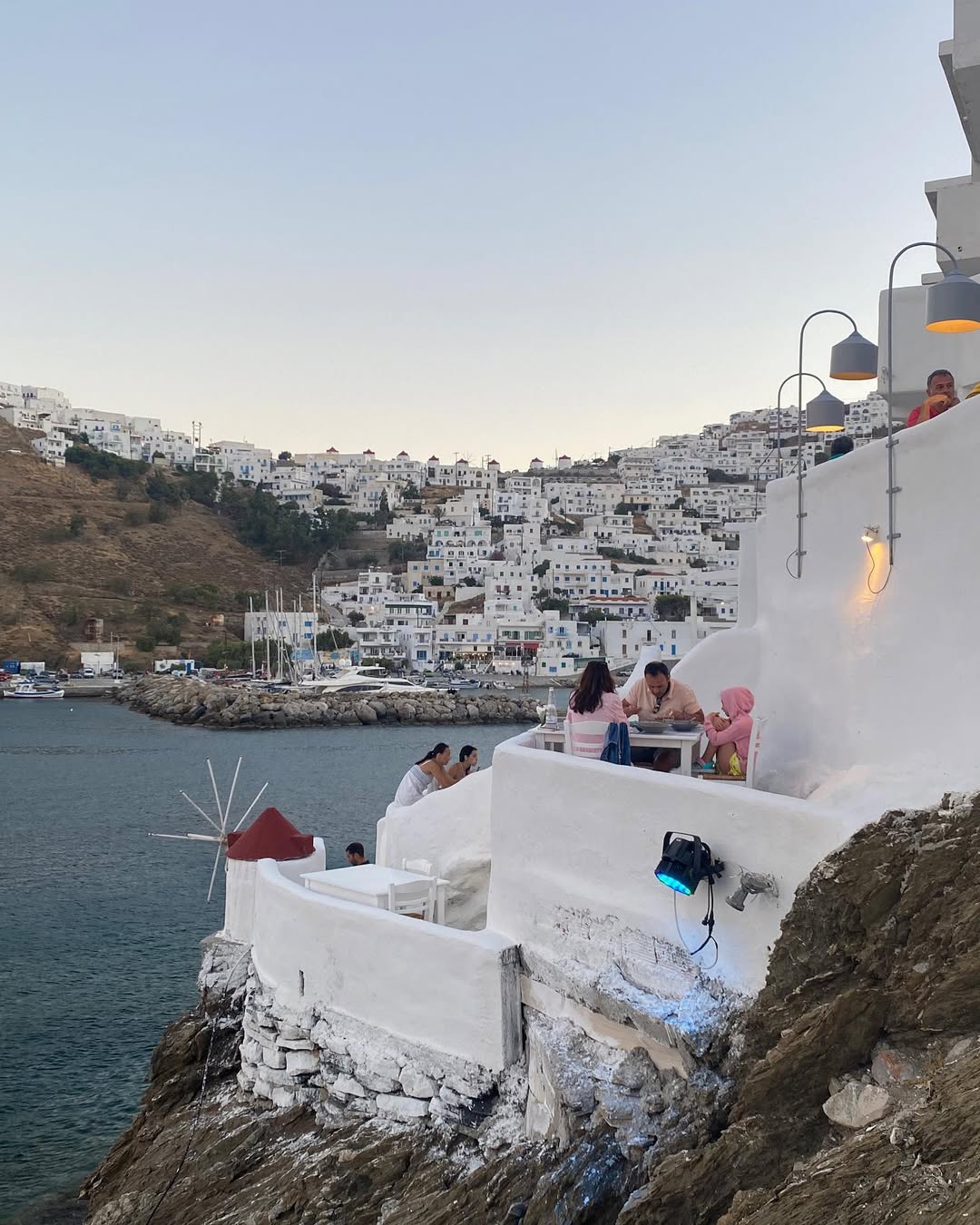
Astypalea looks like a butterfly from above, with two land masses connected by a narrow strip. When you arrive, you’ll notice the whitewashed Chora climbing up toward a Venetian castle, creating one of the most photogenic skylines in Greece without the crowds.
The island is about 97 square kilometers, and its beaches are widely spread, many requiring a short drive or boat ride. Livadi Beach is just 10 minutes from Chora, while more remote spots like Kaminakia feel completely isolated. Flights from Athens take about 1 hour, but tourism remains relatively low compared to nearby islands.
If you walk through Chora at night, after 9 PM, the streets feel calm but alive. It is a balance that is getting harder to find in Greece.
What to do
- Explore Astypalea Castle and Chora
- Swim at Livadi and Kaminakia beaches
- Take a boat tour around the island
Practical intel
- Best time: June to September
- Getting around: car or scooter recommended
- Stay range: €70–150 per night
- Moderate ferry connections
Best for
Island lovers, photographers, peaceful escapes
13) Karpathos (Between Crete & Rhodes)
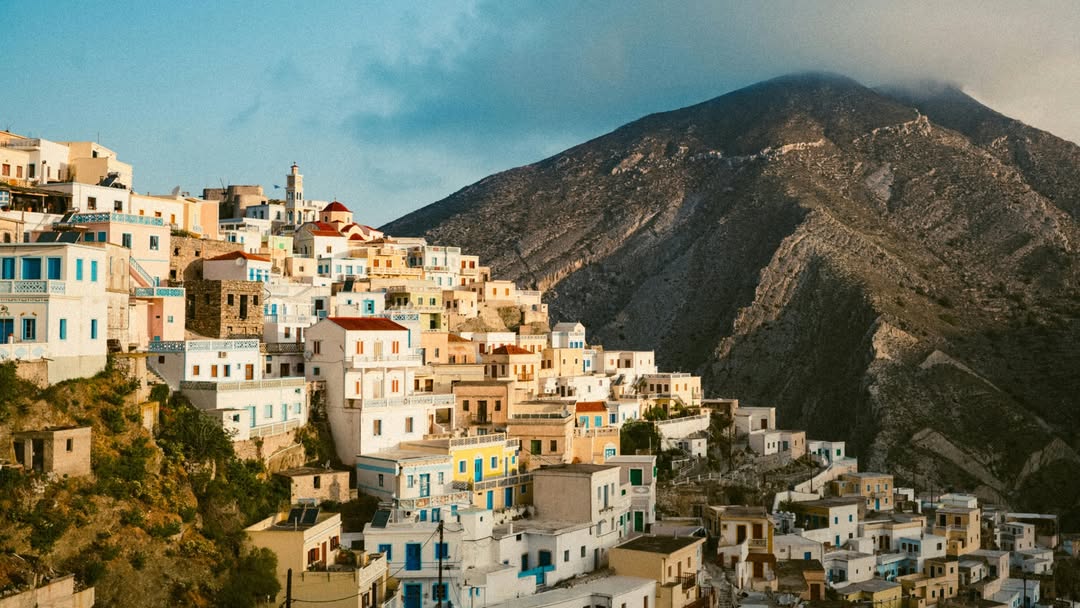
Karpathos feels like Greece before tourism reshaped it. You’ll notice it most in Olympos village, where traditions still define daily life. Women wear embroidered dresses, and houses are painted in bright colors that contrast sharply with the rugged mountain backdrop.
The island stretches about 50 km long, with dramatic terrain that keeps many beaches secluded. Apella Beach is often ranked among Greece’s best, with water visibility reaching 20 to 30 meters on calm days. Flights from Athens take about 1 hour, or you can ferry from Rhodes in roughly 4 hours.
If you arrive in Olympos before 10 AM, you’ll see the village slowly come alive without crowds. That’s when it feels most authentic.
What to do
- Visit Olympos village and its traditions
- Swim at Apella and Kyra Panagia beaches
- Drive coastal mountain roads
Practical intel
- Best time: June to September
- Car rental strongly recommended
- Stay range: €60–130 per night
- Moderate tourism, mostly European visitors
Best for
Culture seekers, scenic explorers, off-path island lovers
14) Leros (Near Kos, Eastern Aegean)
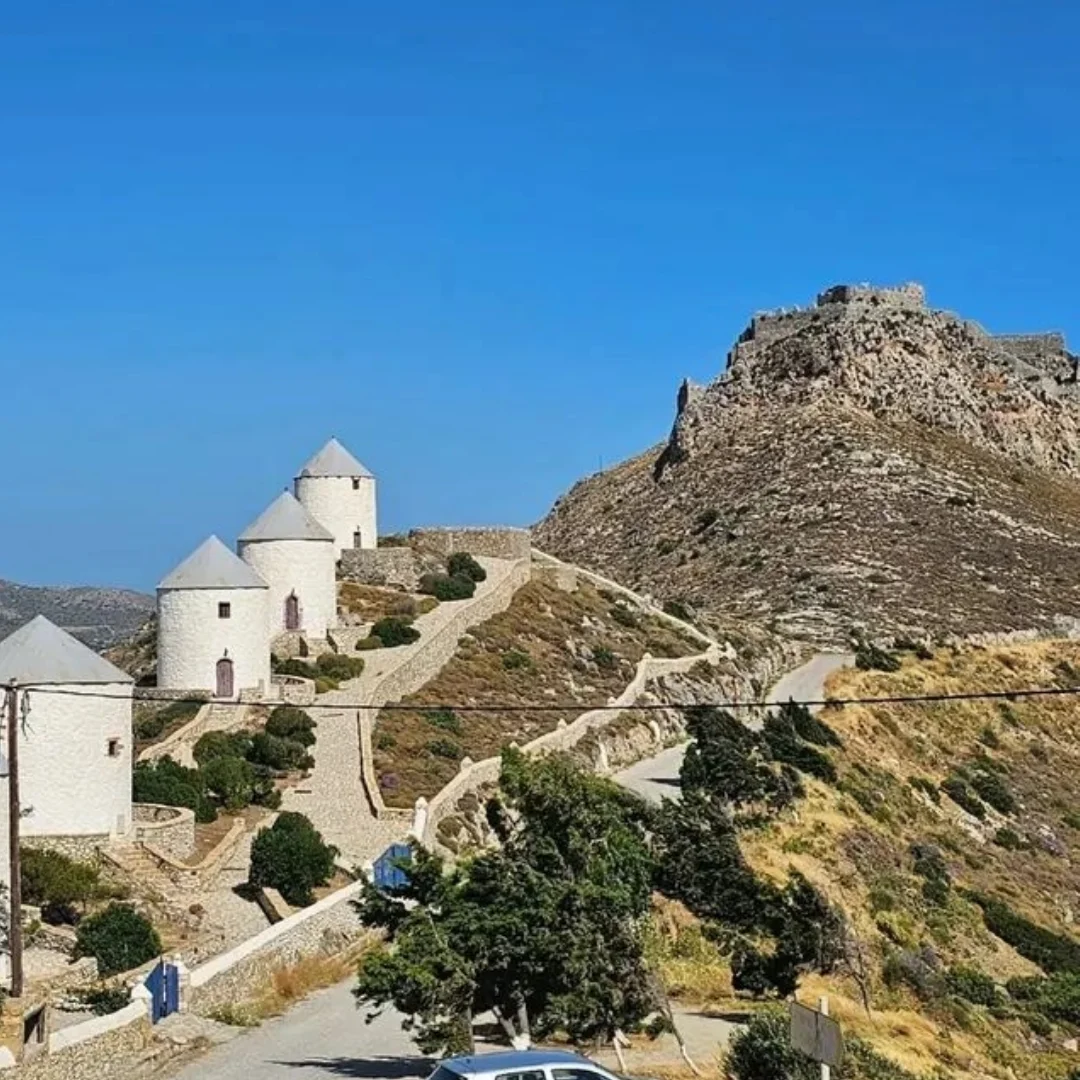
Leros has a different rhythm. You’ll notice wide neoclassical buildings and Italian-era architecture, a legacy of its occupation in the early 20th century. It feels more like a lived-in town than a tourist island.
The island is small, about 54 square kilometers, and its coastline is deeply indented, creating dozens of quiet bays. Alinda and Agia Marina are the main areas, but even in peak summer, beaches rarely feel crowded. Ferries connect it to Kos in about 1 hour.
If you walk along the harbor in the evening, around 8 PM, locals gather for coffee and conversation. It’s subtle, but that’s what makes Leros stand out.
What to do
- Swim in quiet bays around Alinda
- Explore the Castle of Panteli
- Walk through Agia Marina’s harbor
Practical intel
- Best months: May to September
- Easy to explore in 2 to 3 days
- Stay cost: €50–110 per night
- Low international tourist presence
Best for
Relaxed travelers, authenticity seekers, quiet island life
15) Prespa Lakes (Northern Greece)
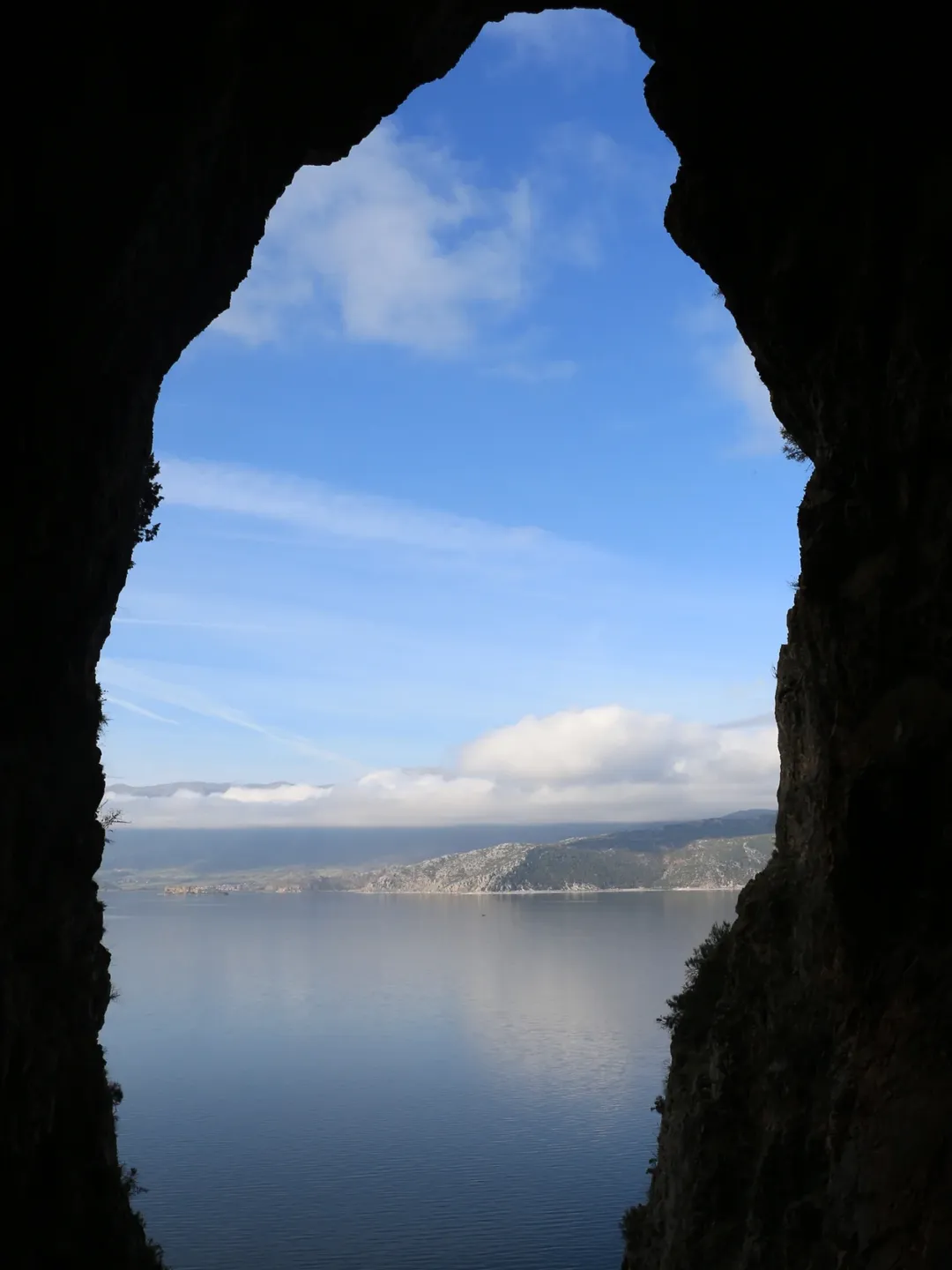
Prespa feels completely different from what you expect in Greece. You’ll notice vast, still lakes surrounded by mountains, with pelicans gliding across the water and almost no crowds in sight.
The area includes two lakes, Great Prespa and Small Prespa, sitting at about 850 meters above sea level. It’s one of Europe’s most important wetlands, home to over 260 bird species. The village of Agios Germanos is a common base, and the entire region sees only a fraction of the visitors compared to coastal destinations.
If you go at sunrise, the lake is often mirror-like, and the silence is almost complete. That moment alone makes the journey worthwhile.
What to do
- Birdwatch, especially for Dalmatian pelicans
- Cycle or walk around the lakes
- Visit Byzantine hermitages along the shore
Practical intel
- 3-hour drive from Thessaloniki
- Best time: May to October
- Ideal stay: 2 days
- Stay cost: €50–100 per night
Best for
Nature lovers, photographers, peaceful retreats
16) Amorgos (Eastern Cyclades)
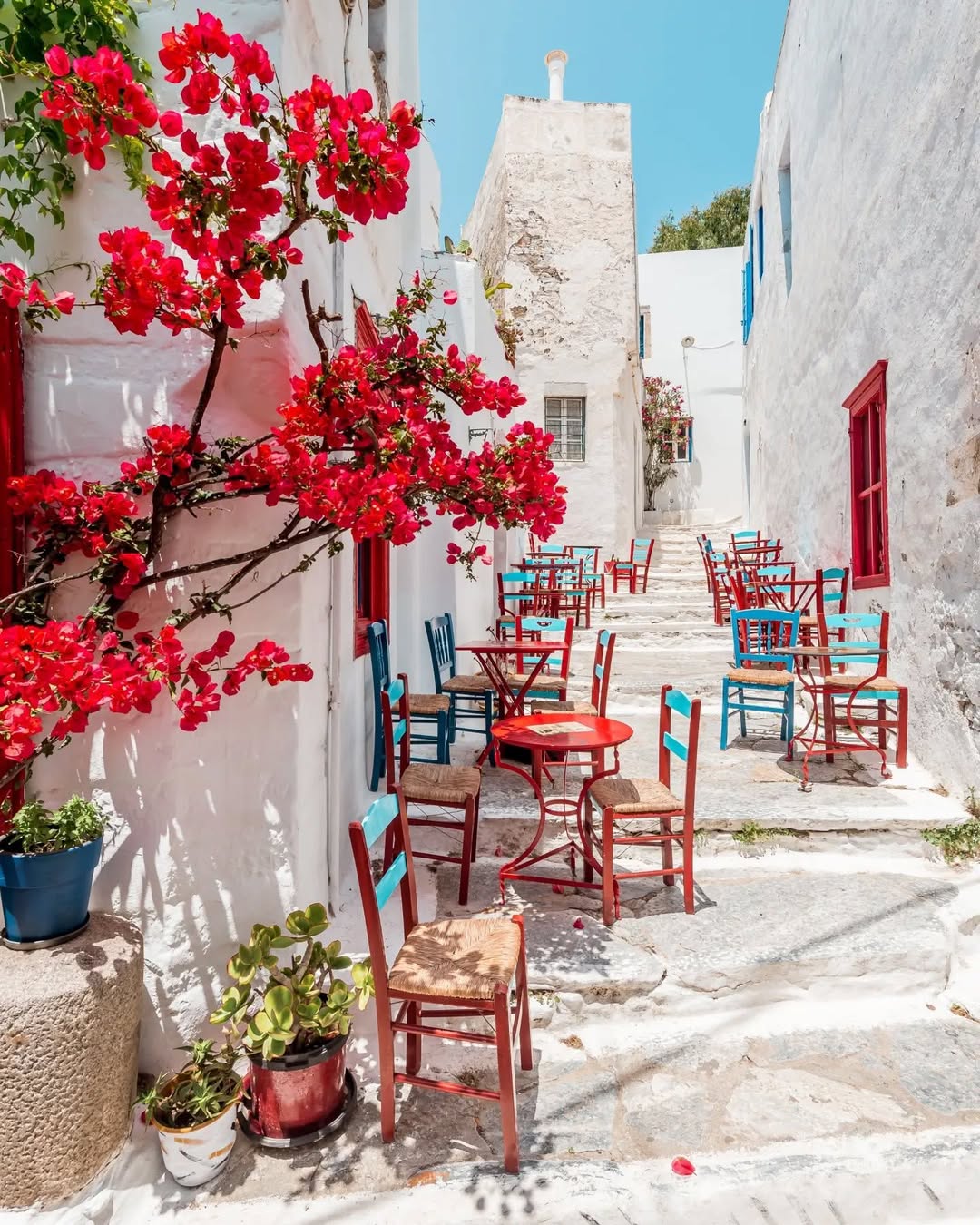
Amorgos feels dramatic the moment you arrive. You’ll notice steep cliffs dropping into deep blue water and a raw, almost cinematic landscape. It’s the island where parts of The Big Blue were filmed, and that sense of scale still defines the experience.
The island is about 33 km long, with winding roads connecting small villages and remote beaches. The Monastery of Hozoviotissa is the highlight, built into a cliff 300 meters above the sea. Reaching it requires climbing around 300 steps, but the view stretches endlessly across the Aegean. Ferries from Naxos take 1.5 to 2.5 hours depending on the route.
If you go early morning, before 9 AM, the monastery is quiet and the light is softer. That’s when it feels most powerful.
What to do
- Visit Hozoviotissa Monastery
- Swim at Agia Anna Beach
- Hike between hilltop villages
Practical intel
- Best months: June to September
- Travel time: ferry access only
- Stay range: €60–120 per night
- Moderate tourism, not overcrowded
Best for
Adventure seekers, photographers, spiritual landscapes
17) Parga (Northwestern Greece, Ionian Coast)
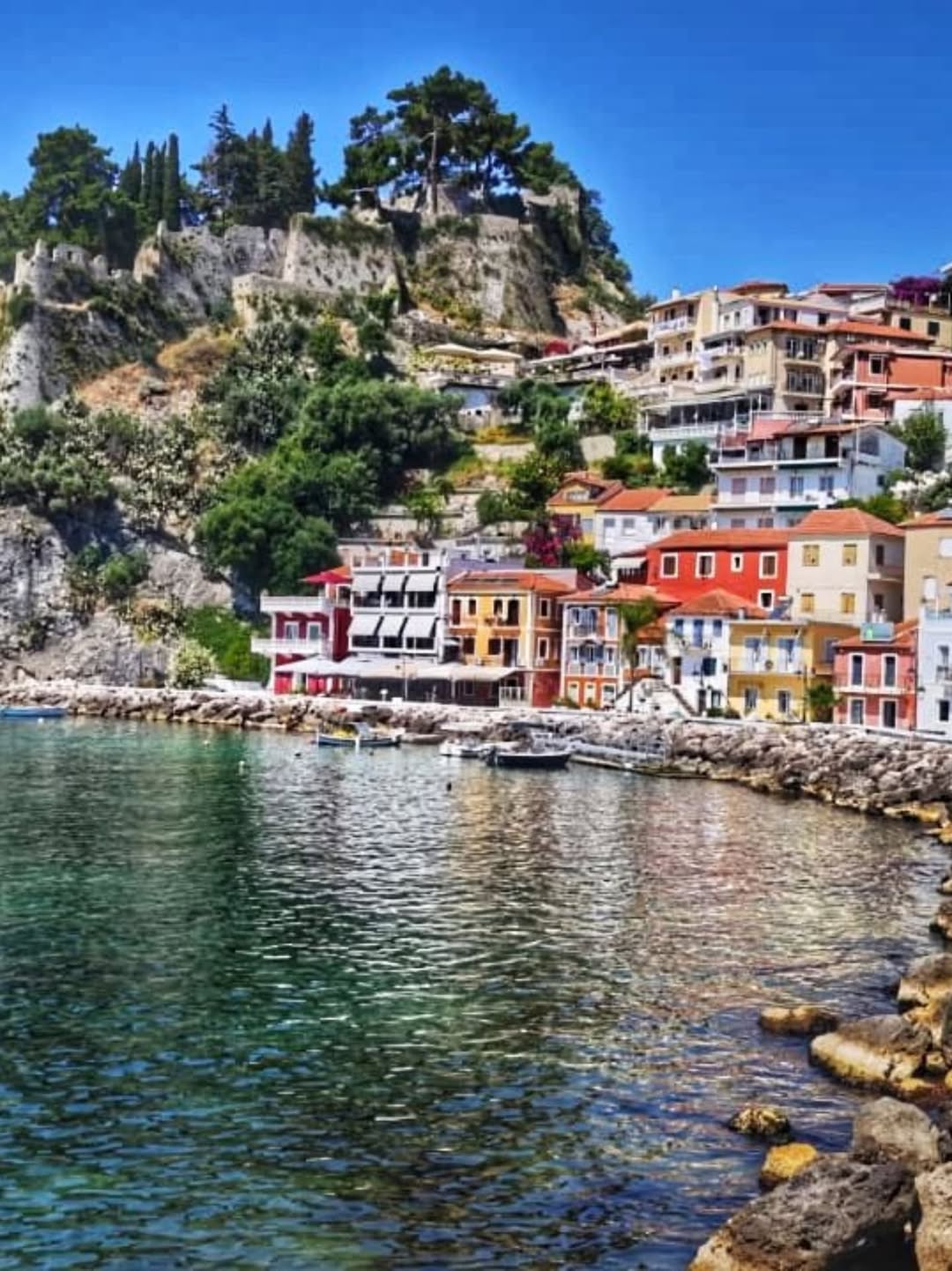
Parga feels like a colorful surprise on the mainland. You’ll notice houses stacked in bright shades along the hillside, facing a calm bay that almost looks like an island setting.
The town sits about 65 km from Preveza, and combines beaches with a compact old town. Valtos Beach stretches for about 3 km, giving you space even in peak season. Above it, a Venetian castle offers views over the Ionian Sea, especially striking at sunset.
If you walk through the old town after 7 PM, the atmosphere shifts. Lights come on, the harbor reflects everything, and it feels lively without being overwhelming.
What to do
- Relax at Valtos Beach
- Visit Parga Castle for sunset
- Take a boat to nearby islets
Practical intel
- Best time: May to September
- 1-hour drive from Aktion Airport (Preveza)
- Ideal stay: 2 to 3 days
- Stay range: €70–140 per night
Best for
Beach-town lovers, couples, relaxed exploration
18) Nisyros (Near Kos, Southeastern Aegean)
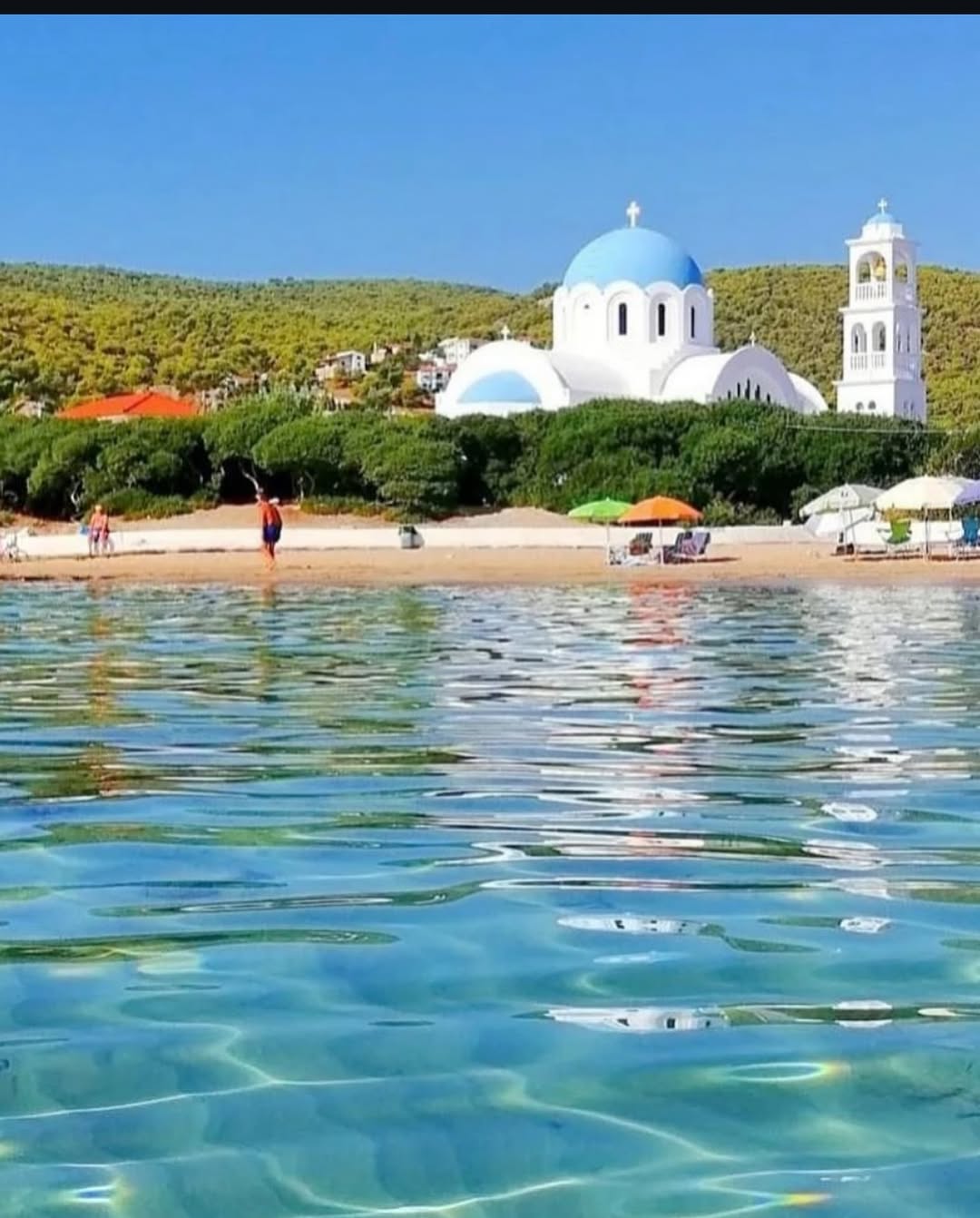
Nisyros feels otherworldly. You’ll notice it most when you step into the Stefanos crater, where the ground is warm beneath your feet and steam rises from the earth. It’s one of the few places in Greece where you can walk inside an active volcanic crater.
The island is small, about 41 square kilometers, but geologically unique. The crater itself is roughly 300 meters wide, and visiting takes about 1 to 2 hours. Ferries from Kos take around 1 hour, making it accessible yet often skipped by travelers.
If you go before 10 AM, you avoid both the heat and the small wave of day-trippers. The experience feels much more intense when it’s quiet.
What to do
- Walk inside Stefanos volcanic crater
- Explore Mandraki village
- Visit cliffside monasteries
Practical intel
- Best months: May to September
- Day trip possible from Kos, but overnight is better
- Entry to crater: about €5
- Stay range: €50–100 per night
Best for
Unique landscapes, geology lovers, curious travelers
19) Alonissos (Sporades, near Skiathos)
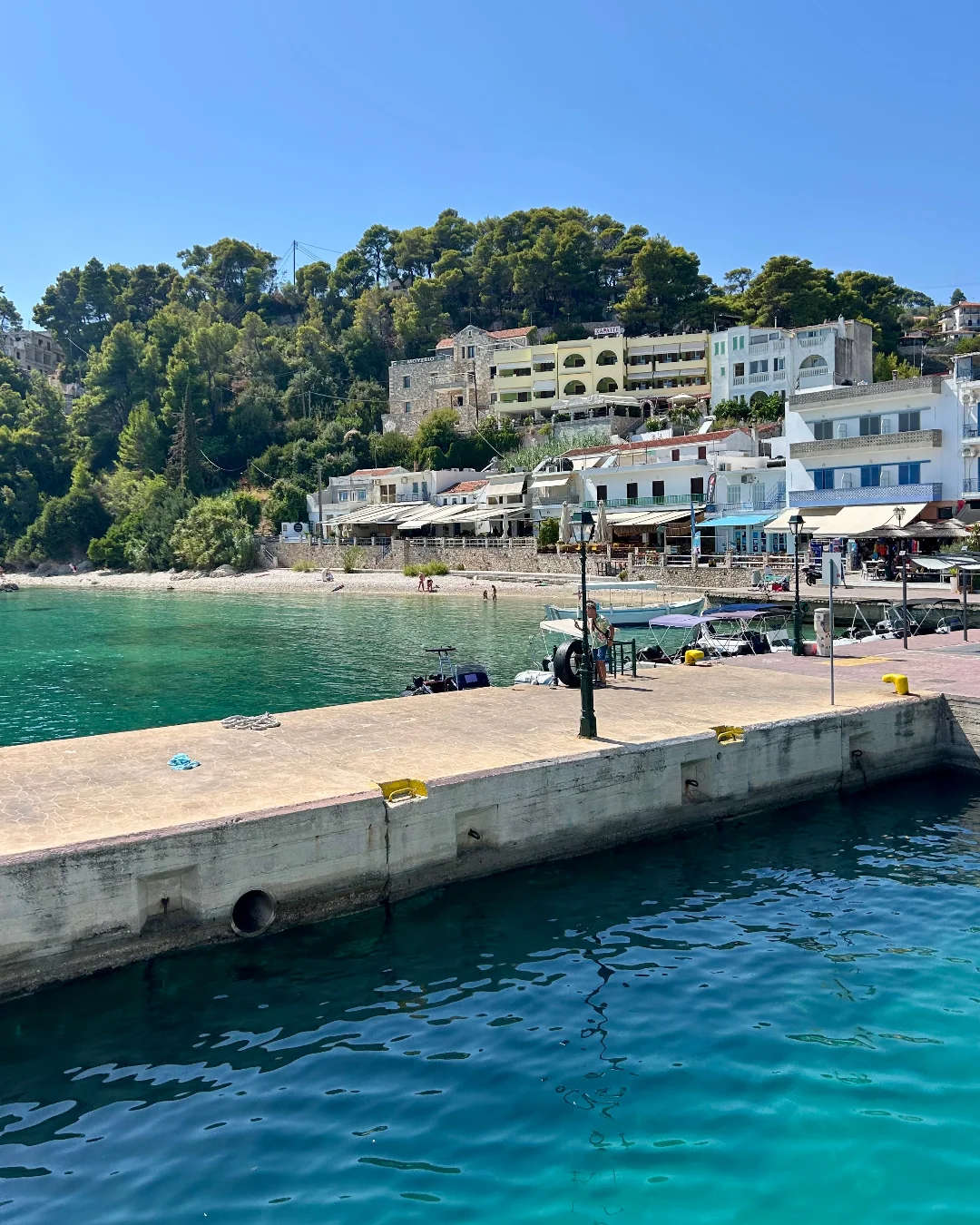
Alonissos feels clean and untouched in a way that’s hard to find now. You’ll notice it in the water first. It’s part of the National Marine Park, the largest protected marine area in Europe, and visibility often reaches 25 to 30 meters.
The island is about 64 square kilometers, with pine forests covering much of the landscape. Old Alonissos village sits around 250 meters above sea level, offering wide sunset views. Ferries from Skiathos take about 1.5 to 2 hours, but visitor numbers stay relatively low compared to nearby islands.
If you take a boat trip into the marine park, you might spot the rare Mediterranean monk seal. It’s not guaranteed, but the possibility adds something special.
What to do
- Swim in marine park waters
- Visit Old Alonissos village for sunset
- Take a boat tour to nearby islets
Practical intel
- Best months: June to September
- Ideal stay: 2 to 3 days
- Stay range: €60–130 per night
- Quiet atmosphere even in summer
Best for
Nature lovers, swimmers, peaceful island escapes
20) Delphi Village (Central Greece, Mount Parnassus)
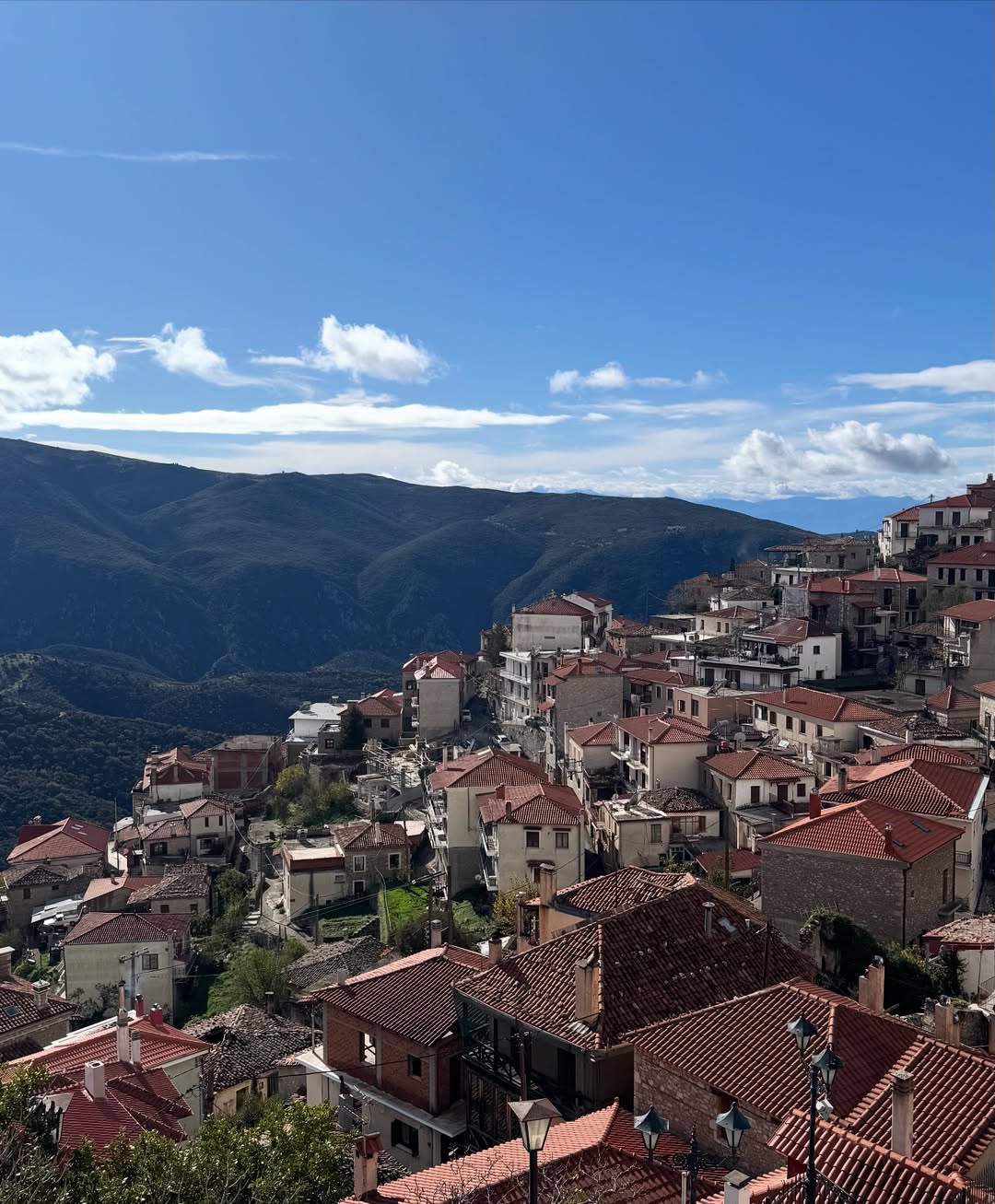
Delphi is famous, but staying in the nearby village changes everything. You’ll notice the shift once the day visitors leave and the mountains grow quiet. The setting feels almost suspended between history and landscape.
The village sits at about 700 meters elevation on Mount Parnassus, overlooking a valley filled with olive trees that stretch all the way to the Gulf of Corinth. The ancient site of Delphi is just a 10-minute drive or a 30-minute walk away. Most visitors spend only a few hours, but staying overnight gives you access to early morning or late evening light when the site is nearly empty.
If you enter the archaeological site right when it opens, around 8 AM, you’ll experience it with minimal crowds. That timing makes a big difference.
What to do
- Visit the ancient sanctuary of Delphi
- Walk through the village streets at sunset
- Explore nearby mountain trails
Practical intel
- 2.5-hour drive from Athens
- Best months: April to June, September to October
- Entry to site: about €12
- Stay range: €60–120 per night
Best for
History lovers, scenic stays, slower cultural travel
21) Symi (Near Rhodes, Southeastern Aegean)
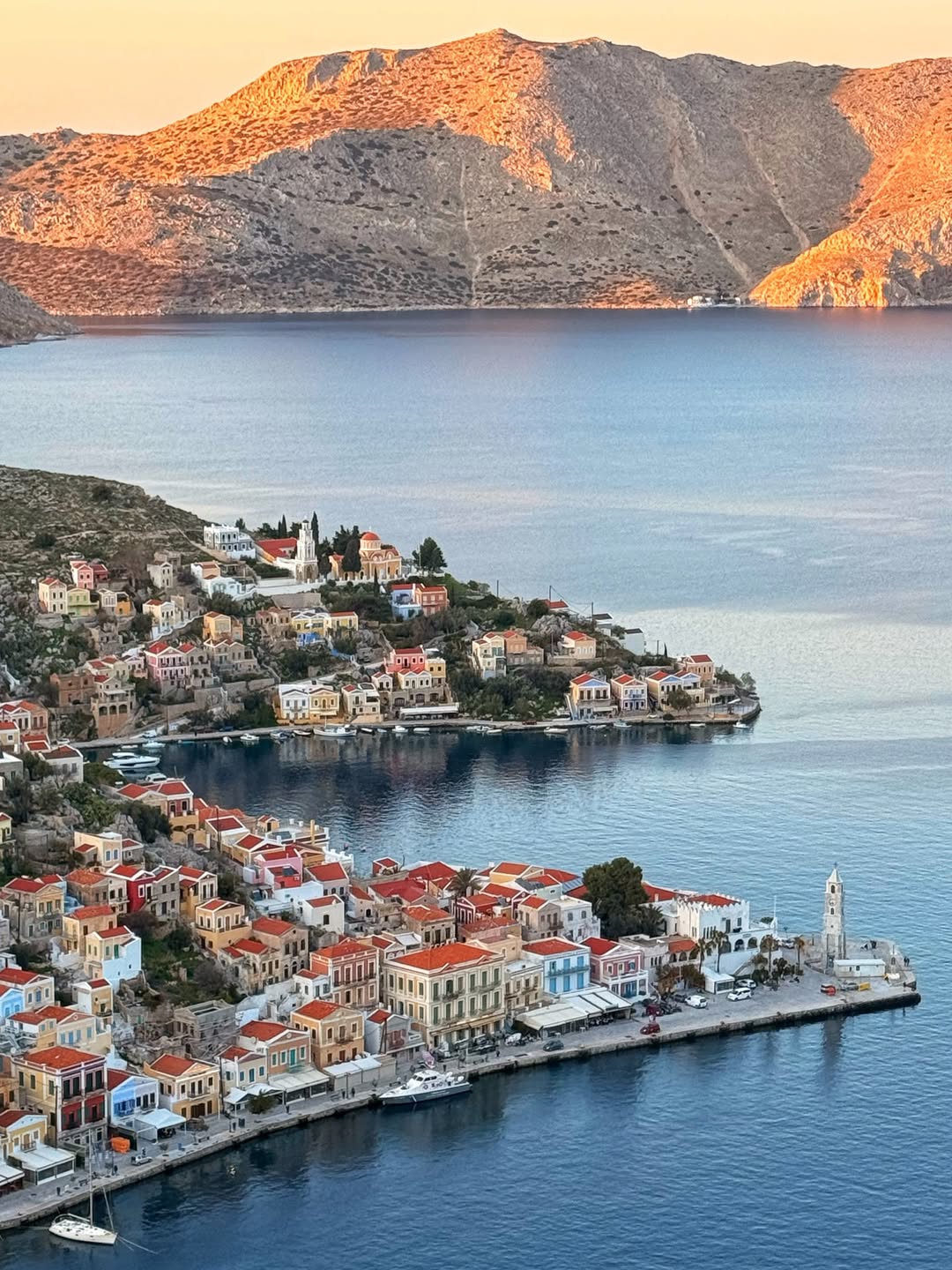
Symi makes a strong first impression. As your boat approaches, you’ll notice rows of neoclassical houses in soft pastel shades rising around the harbor. It’s one of the most visually striking arrivals in Greece.
The island is small, about 65 square kilometers, but its harbor, Gialos, feels vibrant without being overwhelming. Ferries from Rhodes take about 1 to 1.5 hours. While many visit for the day, staying overnight changes the experience completely.
If you wake up early, before the first ferries arrive around 10 AM, the harbor is calm and almost empty. That quiet version of Symi is what you want to remember.
What to do
- Wander Gialos harbor and hillside streets
- Take a boat to St. George Bay
- Visit Panormitis Monastery
Practical intel
- Best time: May to September
- Ideal stay: 1 to 2 nights
- Stay range: €80–160 per night
- Moderate day-trip crowds midday
Best for
Photographers, short escapes, aesthetic island lovers




COMMENTS
Please note that all comments will be checked by our team before being approved.