21 Must-Visit Places In Spain That Feature Rare Surrealist Architecture You Won’t Find Anywhere Else
Planning an unforgettable trip filled with culture, color, and coastal charm? These 21 must-visit places in Spain are vibrant, historic, and breathtaking, perfect for exploring iconic landmarks, lively cities, and stunning landscapes across the country.

Spain doesn’t reveal itself all at once. It unfolds in layers, from Moorish palaces to modern coastal cities, each place offering a different rhythm. You’ll move from historic streets to bold, futuristic spaces within a single journey.
What makes Spain compelling is the contrast. In one trip, you can stand inside Alhambra, explore Park Güell, and unwind at La Concha Beach, each with its own distinct atmosphere.
This guide brings together must-visit places that go beyond the obvious. Each one helps you experience Spain more deeply, with practical insight to explore smarter and with purpose.
1) Sagrada Família, Barcelona
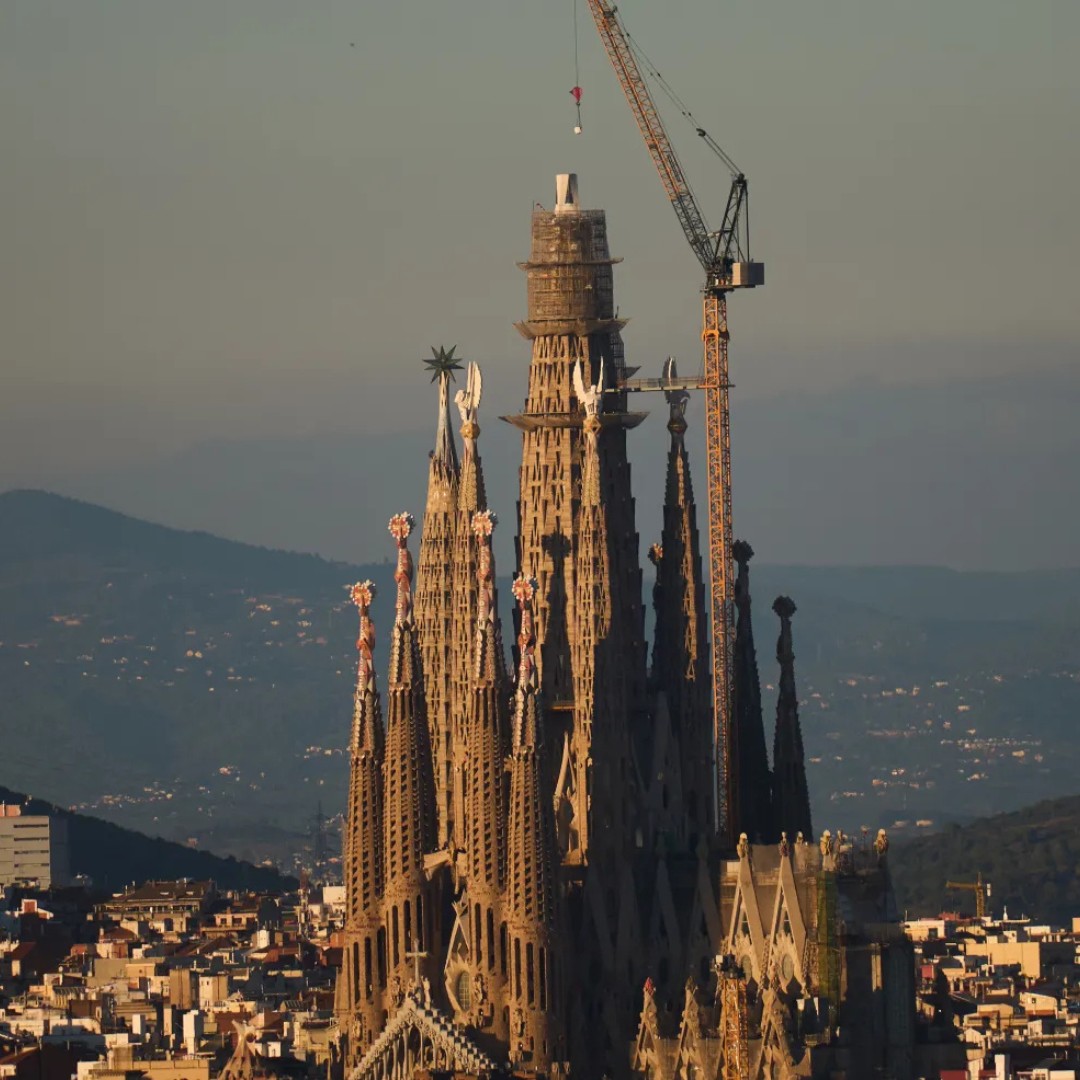
You’ll notice the towers first. They don’t rise like normal architecture. They stretch, twist, and almost feel alive against the Barcelona sky. Step inside and the light changes everything. Stained glass floods the interior with shifting colors that move hour by hour, making the space feel less like a church and more like a living organism.
Construction began in 1882, and it’s still ongoing with a projected completion around 2030. Over 4.5 million visitors come each year, which means timing matters. If you arrive before 9:00 AM, you’ll experience a quieter, almost reverent atmosphere that disappears by midday.
If you go, book your ticket at least 3 to 5 days in advance. The tower access adds about 30 minutes but gives you a striking view over Barcelona’s grid.
What to do
- Climb one of the towers for city views
- Walk slowly through the nave to watch light transitions
- Study the Nativity vs Passion façades
Practical intel
- Entry: €26 to €36 depending on access
- Time needed: 1.5 to 2 hours
- Peak crowd: 11:00 AM to 3:00 PM
Best for
Architecture lovers, first-time visitors, visual impact seekers
2) Alhambra, Granada
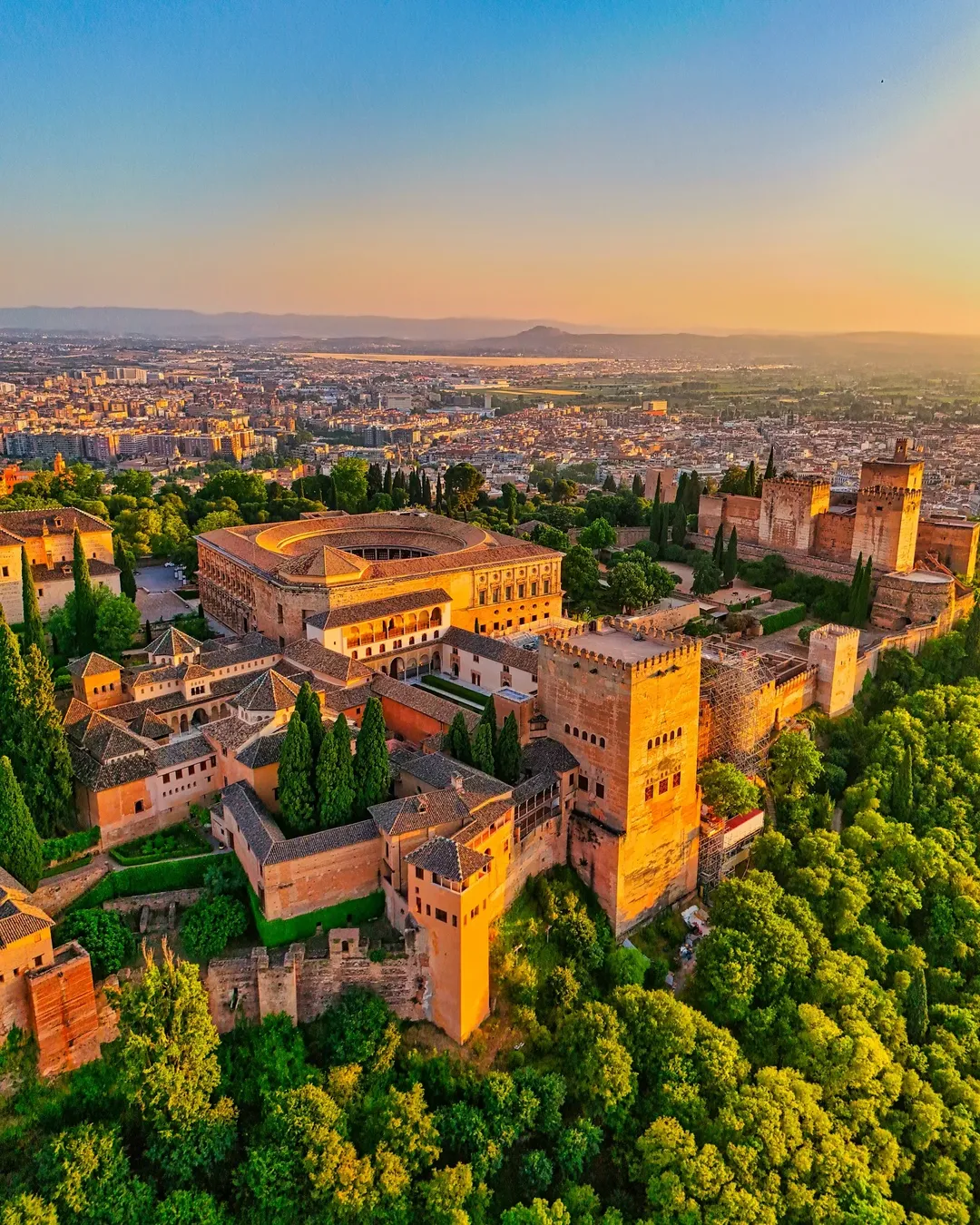
You’ll feel it before you understand it. The Alhambra sits above Granada like a quiet ruler, and once inside, the detail becomes overwhelming in the best way. Walls covered in geometric carvings, water channels reflecting arches, and courtyards that seem perfectly balanced.
The complex spans over 142,000 square meters and dates back to the 13th century. Daily visitor caps are strictly enforced at around 6,600 people, so entry tickets often sell out a week in advance. The Nasrid Palaces have timed entry slots that you cannot miss by even 10 minutes.
Plan to spend at least 3 hours here. If you enter early, around 8:30 AM, you’ll beat both the tour groups and the heat, especially in summer when temperatures can hit 35°C.
What to do
- Explore the Nasrid Palaces with focus on intricate ceilings
- Walk through Generalife gardens
- Watch sunset from nearby Mirador de San Nicolás
Practical intel
- Entry: €19 standard ticket
- Time needed: 3 to 4 hours
- Booking window: 5 to 7 days ahead minimum
Best for
History depth, Islamic art, slow immersive exploration
3) Park Güell, Barcelona
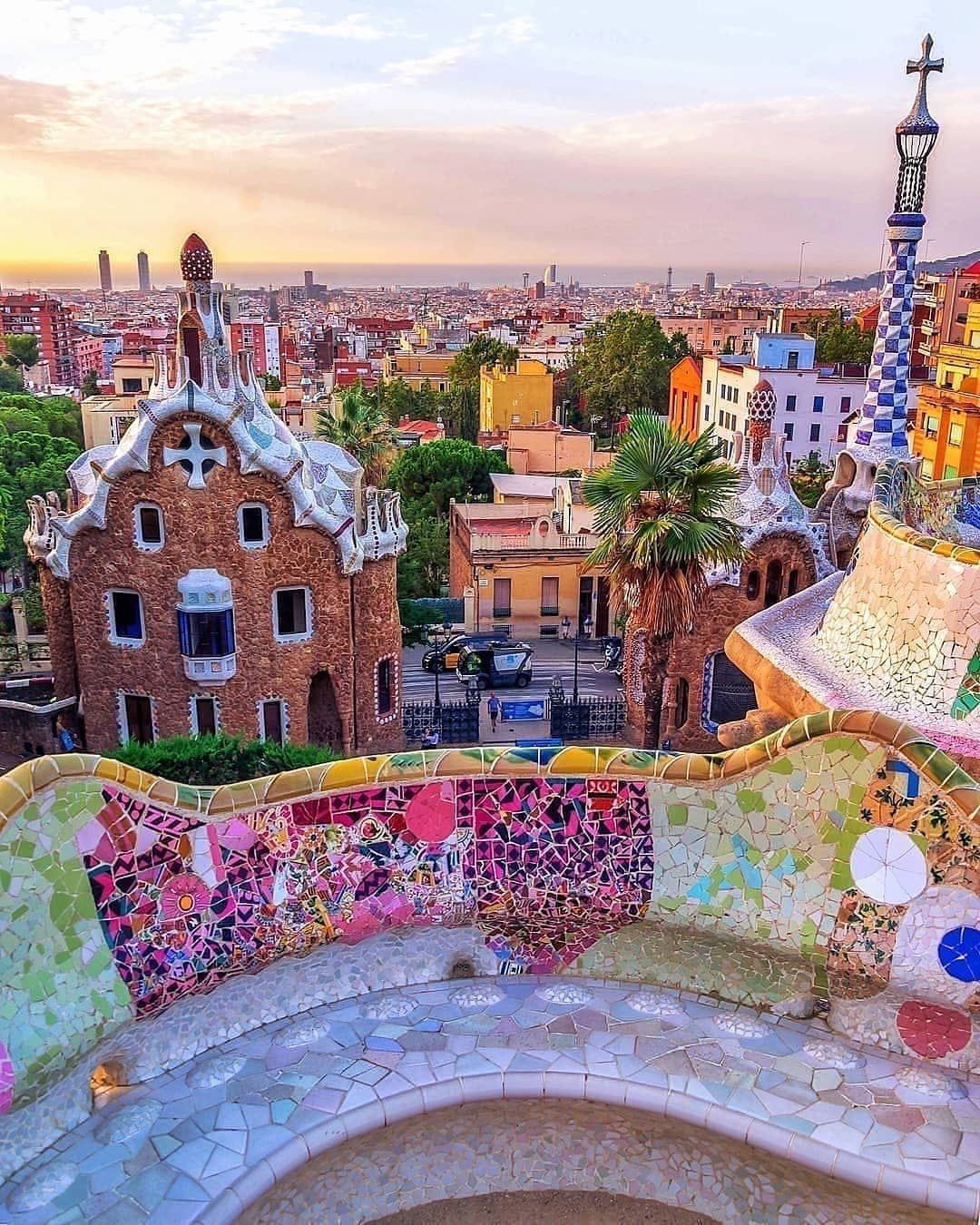
This is where Antoni Gaudí lets his imagination run completely free. You’ll walk through mosaics that look like they’ve melted into place, curved benches that seem designed for comfort rather than symmetry, and pathways that blend into nature.
The monumental zone covers about 12 hectares, but only a section is ticketed. Around 9 million people visit annually, yet early mornings still feel calm. Arriving before 8:30 AM gives you a rare window where you can actually sit on the famous serpentine bench without crowds.
Give yourself about 1.5 hours, but stay longer if you enjoy photography or slow wandering.
What to do
- Sit along the mosaic bench overlooking the city
- Walk under the colonnaded pathways
- Explore less crowded upper trails
Practical intel
- Entry: €10
- Time needed: 1 to 2 hours
- Best time: Early morning or late afternoon
Best for
Creative inspiration, relaxed exploration, scenic views
4) Seville Cathedral, Seville
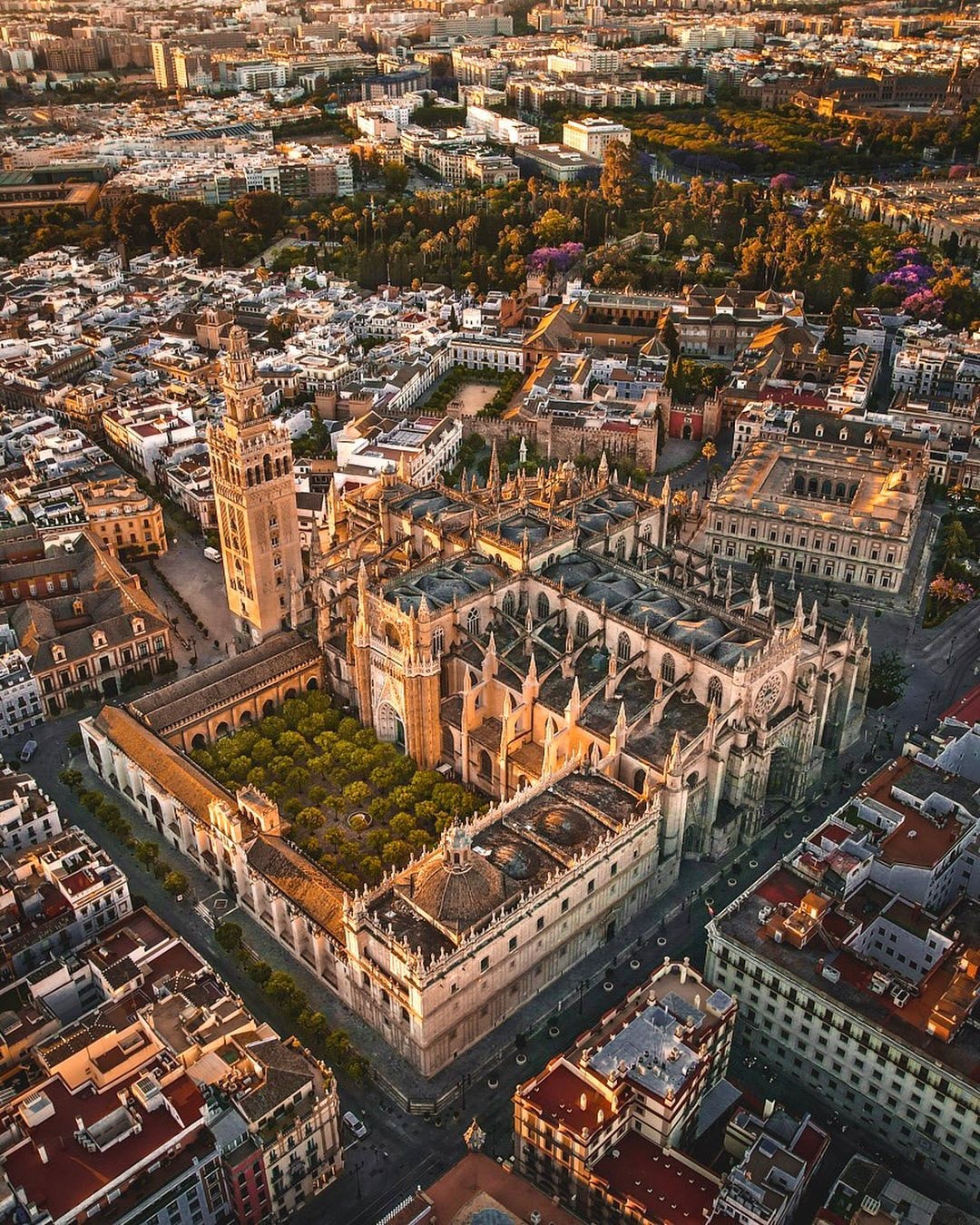
You’ll step inside and immediately feel the scale. It’s the largest Gothic cathedral in the world, and the interior seems to stretch endlessly with soaring ceilings and golden altars. Then you realize you’re standing next to the tomb attributed to Christopher Columbus, which adds a surreal historical weight.
The cathedral covers over 11,500 square meters. Climbing the Giralda tower is a highlight, but instead of stairs, you’ll walk up 34 ramps originally designed for horses. It takes about 10 minutes to reach the top, where the city opens up in every direction.
Midday visits get crowded, especially between April and June. Aim for late afternoon when the light softens and the crowds thin slightly.
What to do
- Climb the Giralda tower
- Explore the main altar and side chapels
- Walk through the orange tree courtyard
Practical intel
- Entry: €11
- Time needed: 1.5 to 2 hours
- Climb duration: 10 minutes up
Best for
History enthusiasts, architecture scale, iconic landmarks
5) San Sebastián, Basque Country
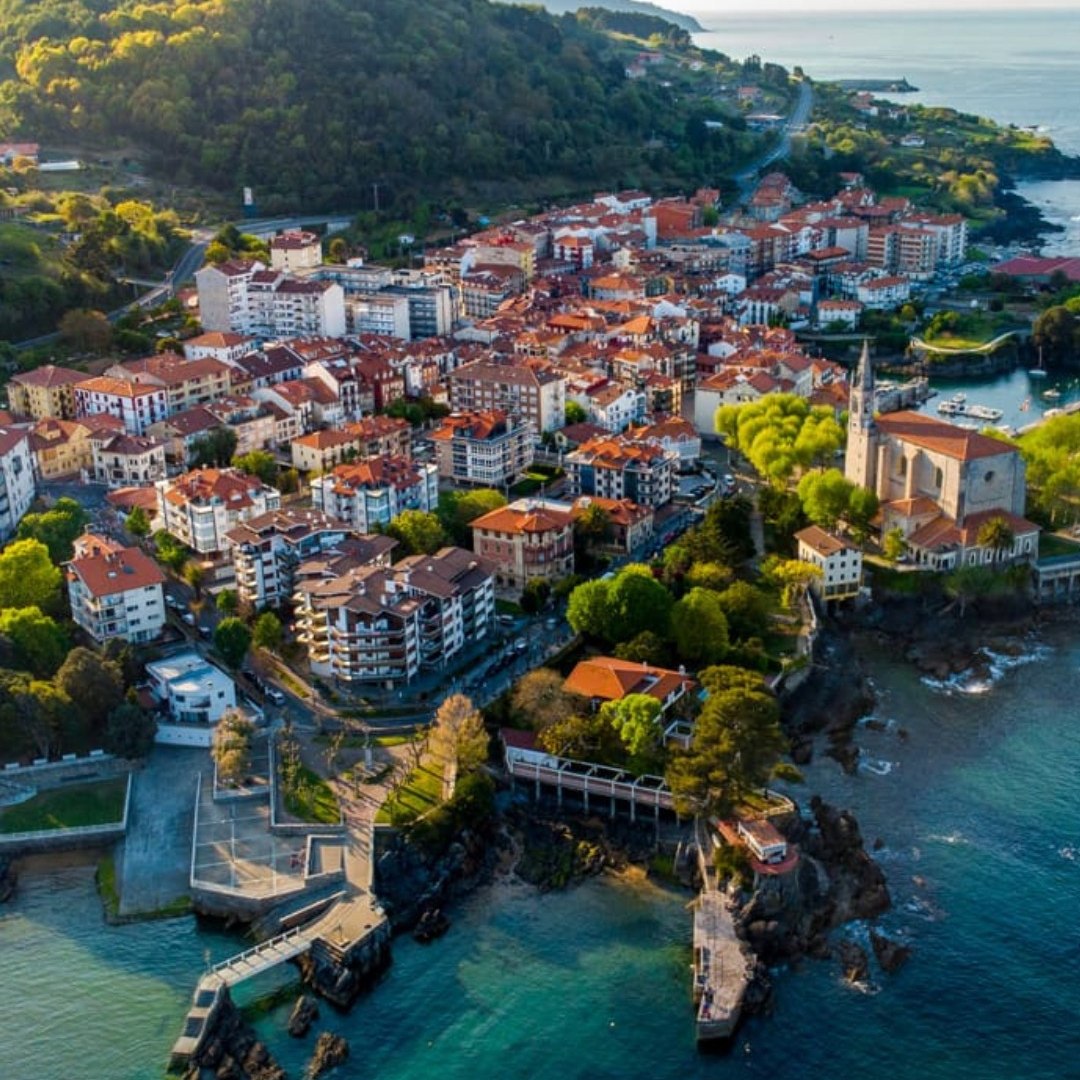
You’ll notice the curve of the bay first. La Concha Beach wraps around the city like a perfect crescent, and the atmosphere feels calmer, more refined than other Spanish hotspots. Then the food pulls you in. Every street seems to lead to pintxos bars filled with small, precise creations.
The city has just under 200,000 residents but hosts thousands of visitors daily in summer. A pintxos crawl typically costs €15 to €25 depending on how many stops you make. Walking from one end of the bay to the other takes about 30 minutes, making it easy to explore on foot.
If you go in September, you might catch the San Sebastián International Film Festival, which adds a different energy without overwhelming the city.
What to do
- Swim or walk along La Concha Beach
- Do a pintxos crawl in the Old Town
- Hike up Monte Igueldo for panoramic views
Practical intel
- Pintxos: €2 to €5 per piece
- Time needed: 1 to 2 full days
- Best season: May to September
Best for
Food lovers, coastal relaxation, scenic walking
6) Mezquita-Catedral de Córdoba, Córdoba
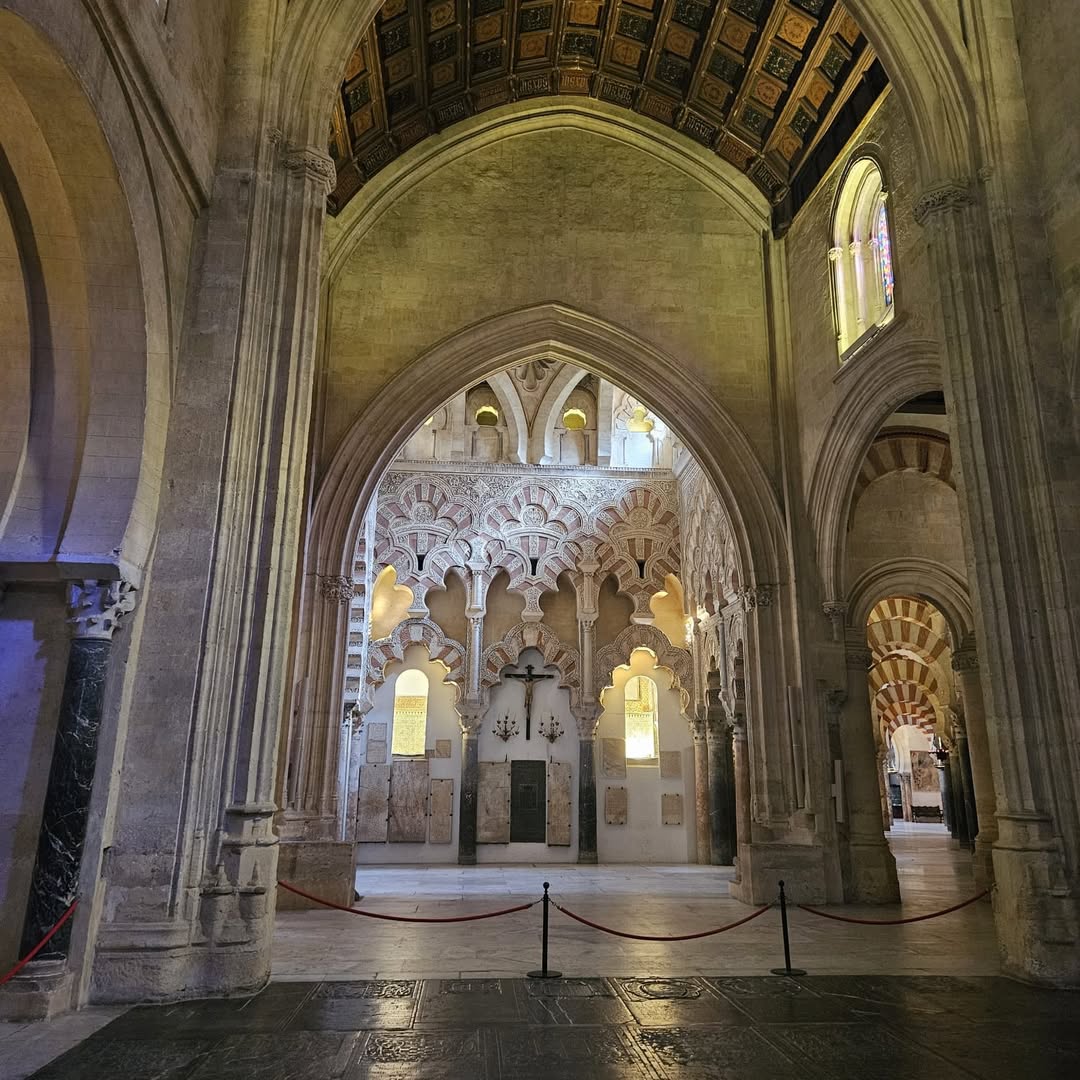
You’ll walk in expecting a cathedral, and instead you’re surrounded by an endless forest of red-and-white arches. The symmetry is hypnotic. As you move deeper, the structure subtly shifts, blending Islamic design with later Christian additions in a way that feels almost surreal.
Built in 784 and expanded over 200 years, the mosque once held up to 20,000 worshippers. Today, it spans around 23,000 square meters. Early morning entry from 8:30 AM to 9:30 AM is free, and it’s the best time to experience the silence before tour groups arrive.
If you go in summer, temperatures in Córdoba often exceed 38°C by midday, so plan this visit early and slow.
What to do
- Walk beneath the arches and notice repeating patterns
- Visit the Renaissance nave at the center
- Explore the courtyard of orange trees outside
Practical intel
- Entry: €13 standard
- Free hour: 8:30 to 9:30 AM
- Time needed: 1.5 to 2 hours
Best for
Cultural contrast, architecture, quiet reflection
7) Ibiza, Balearic Islands
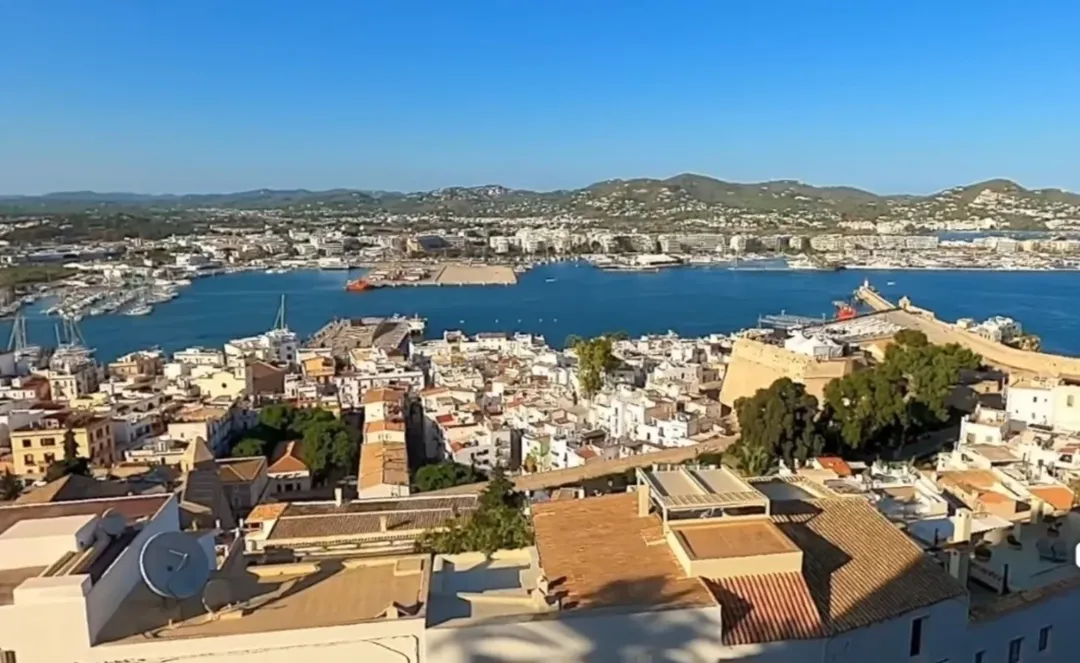
You might think Ibiza is only about nightlife, but once you step away from the clubs, the island reveals quiet coves, turquoise water, and surprisingly peaceful villages. The contrast is what makes it compelling.
The island is about 571 square kilometers, and driving across it takes roughly 1 hour. Beach clubs can cost €30 to €80 for a day bed, while hidden coves like Cala d’Hort are completely free. Peak season runs June to August, when hotel prices can double compared to May or September.
If you go in shoulder season, you’ll get the same beaches with far fewer crowds and a more relaxed pace.
What to do
- Swim at Cala Comte or Cala d’Hort
- Watch sunset at Es Vedrà viewpoint
- Explore Ibiza Old Town (Dalt Vila)
Practical intel
- Best months: May, June, September
- Transport: Rental car recommended
- Stay: €120 to €400 per night
Best for
Beach lovers, nightlife, scenic relaxation
8) Toledo, near Madrid
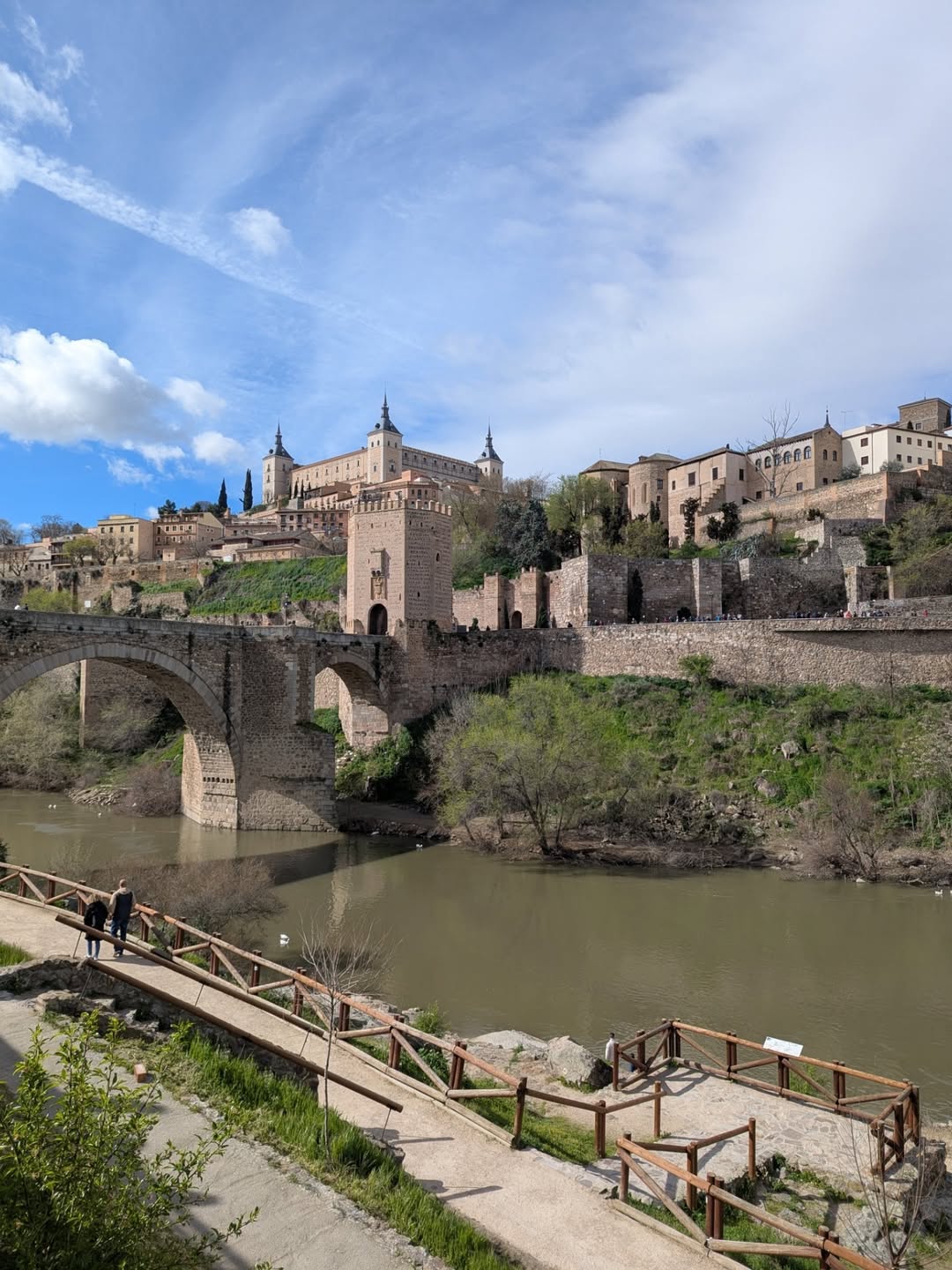
You’ll feel like you’ve stepped into a medieval painting. Narrow stone streets twist uphill, and every turn reveals a different layer of history. Churches, synagogues, and mosques exist within walking distance, reflecting centuries of coexistence.
Toledo sits just 70 km from Madrid, and the train takes about 35 minutes. The historic center is compact, covering roughly 2 square kilometers, which means you can explore it in a day. Around 2 million visitors come annually, but early morning arrivals still feel quiet.
If you stay until evening, the city empties out dramatically after day-trippers leave, and the atmosphere becomes far more intimate.
What to do
- Visit Toledo Cathedral
- Walk across Puente de San Martín
- Explore old Jewish Quarter
Practical intel
- Train: €14 to €25 one way
- Time needed: 6 to 8 hours or overnight
- Best time: Early morning or late evening
Best for
History depth, day trips, atmospheric wandering
9) Santiago de Compostela Cathedral, Galicia
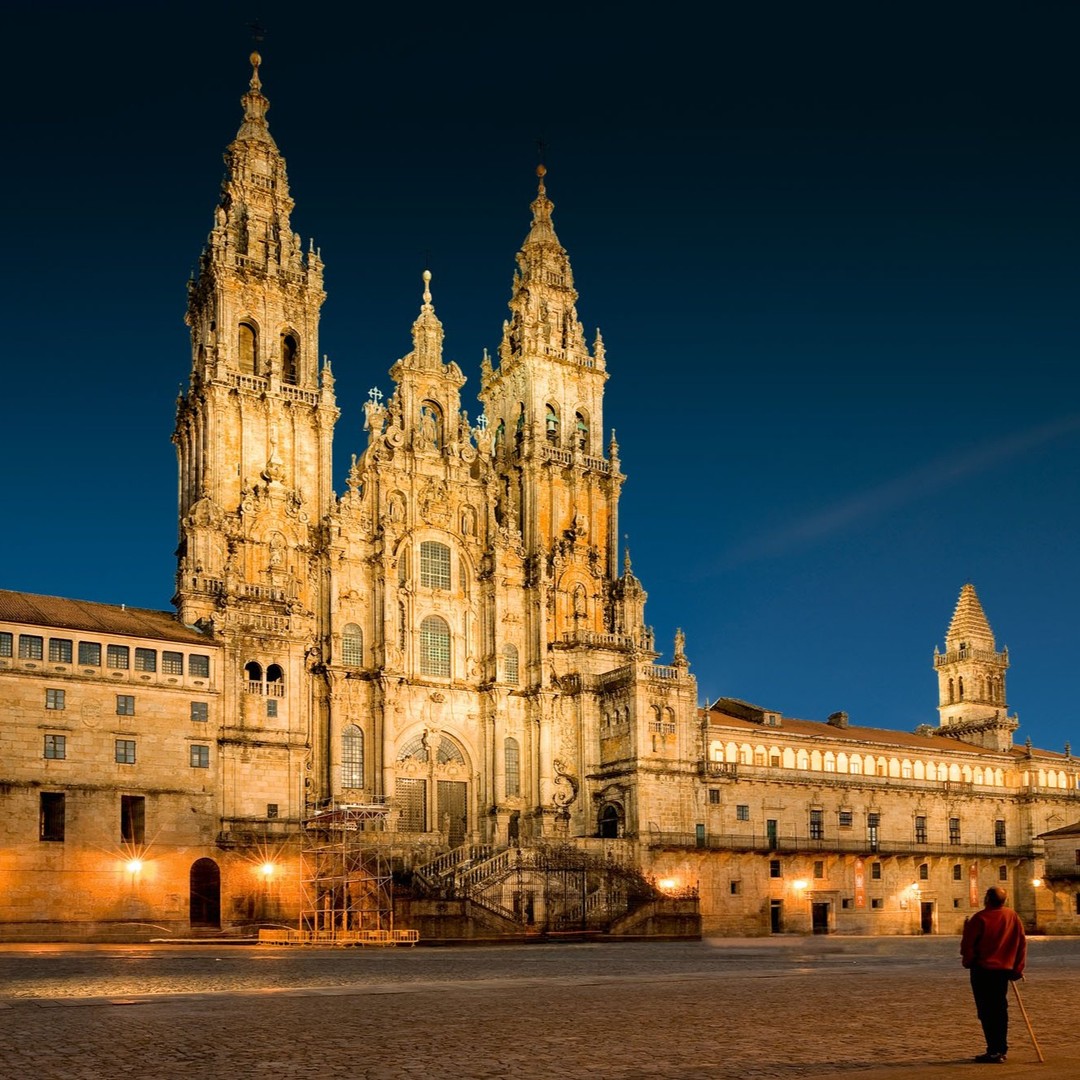
You’ll arrive here differently than most destinations. Whether you walk part of the Camino de Santiago or simply visit, the energy in the square feels earned. Pilgrims sit, rest, and absorb the moment after journeys that can last 30 days or more.
The cathedral dates back to 1075 and marks the reputed burial site of Saint James. Over 300,000 pilgrims complete the Camino each year. The famous Botafumeiro incense ritual, when used, swings across the nave at speeds up to 68 km/h, creating a dramatic spectacle.
Even if you’re not walking the Camino, arriving early in the morning gives you a more authentic glimpse of the pilgrim experience.
What to do
- Attend a pilgrim mass
- Watch for the Botafumeiro ceremony
- Explore the old town streets
Practical intel
- Entry: Free for cathedral
- Time needed: 2 to 4 hours
- Peak pilgrim season: May to October
Best for
Spiritual travel, cultural tradition, meaningful experiences
10) Valencia City of Arts and Sciences, Valencia
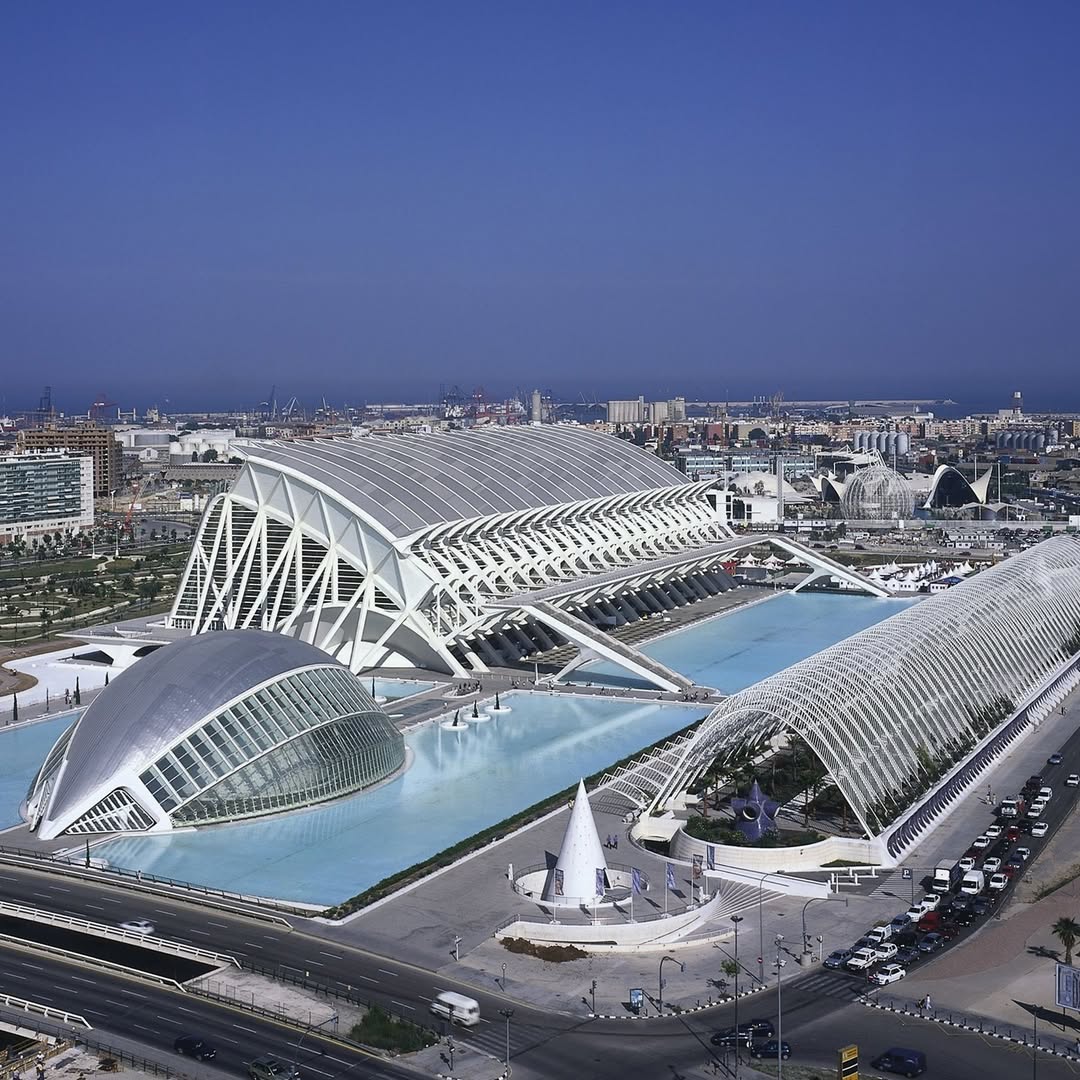
You’ll feel like you’ve stepped into the future. White, curved structures rise from shallow pools, reflecting light in a way that makes the entire complex look almost unreal. It’s clean, precise, and completely different from Spain’s historic landmarks.
The complex stretches nearly 2 kilometers and includes multiple attractions like an aquarium, science museum, and IMAX cinema. The Oceanogràfic alone is the largest aquarium in Europe, with over 45,000 animals. Combined tickets range from €35 to €45 depending on access.
Plan at least half a day here. If you go late afternoon, the lighting becomes softer and the reflections are at their best.
What to do
- Visit Oceanogràfic aquarium
- Explore Science Museum exhibits
- Walk around for photography at sunset
Practical intel
- Entry: €35 to €45 combined
- Time needed: 4 to 6 hours
- Best time: Late afternoon into evening
Best for
Modern architecture, families, unique visuals
11) Plaza Mayor, Madrid
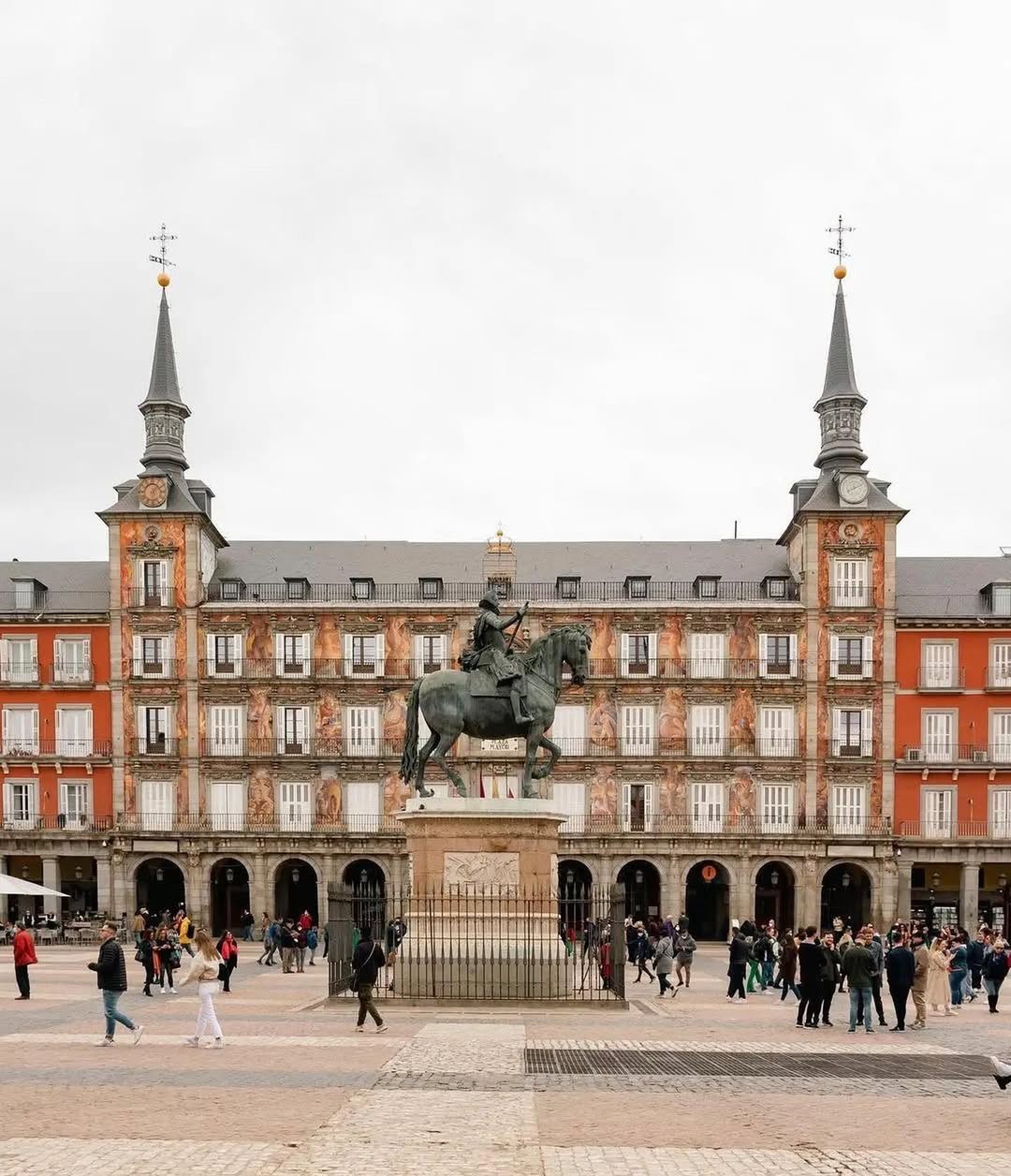
You’ll step into a perfectly enclosed square and feel the shift immediately. The noise of Madrid softens, replaced by the rhythm of footsteps, street performers, and café chatter echoing off uniform red façades. It feels theatrical, almost staged, but still very alive.
Built in the early 17th century, Plaza Mayor measures about 129 meters by 94 meters and has hosted everything from royal ceremonies to markets and even bullfights. Today, it draws thousands daily, but early mornings before 9:00 AM offer a calmer, more atmospheric experience.
If you sit down for a coffee here, you’re paying for location. Prices are about 20 to 30 percent higher than nearby streets, but the setting justifies it at least once.
What to do
- Sit at a café and people-watch
- Walk the arcades surrounding the square
- Visit nearby Mercado de San Miguel
Practical intel
- Entry: Free
- Coffee: €3 to €6
- Time needed: 45 minutes to 1 hour
Best for
City atmosphere, quick cultural immersion, central access
12) Ronda, Andalusia
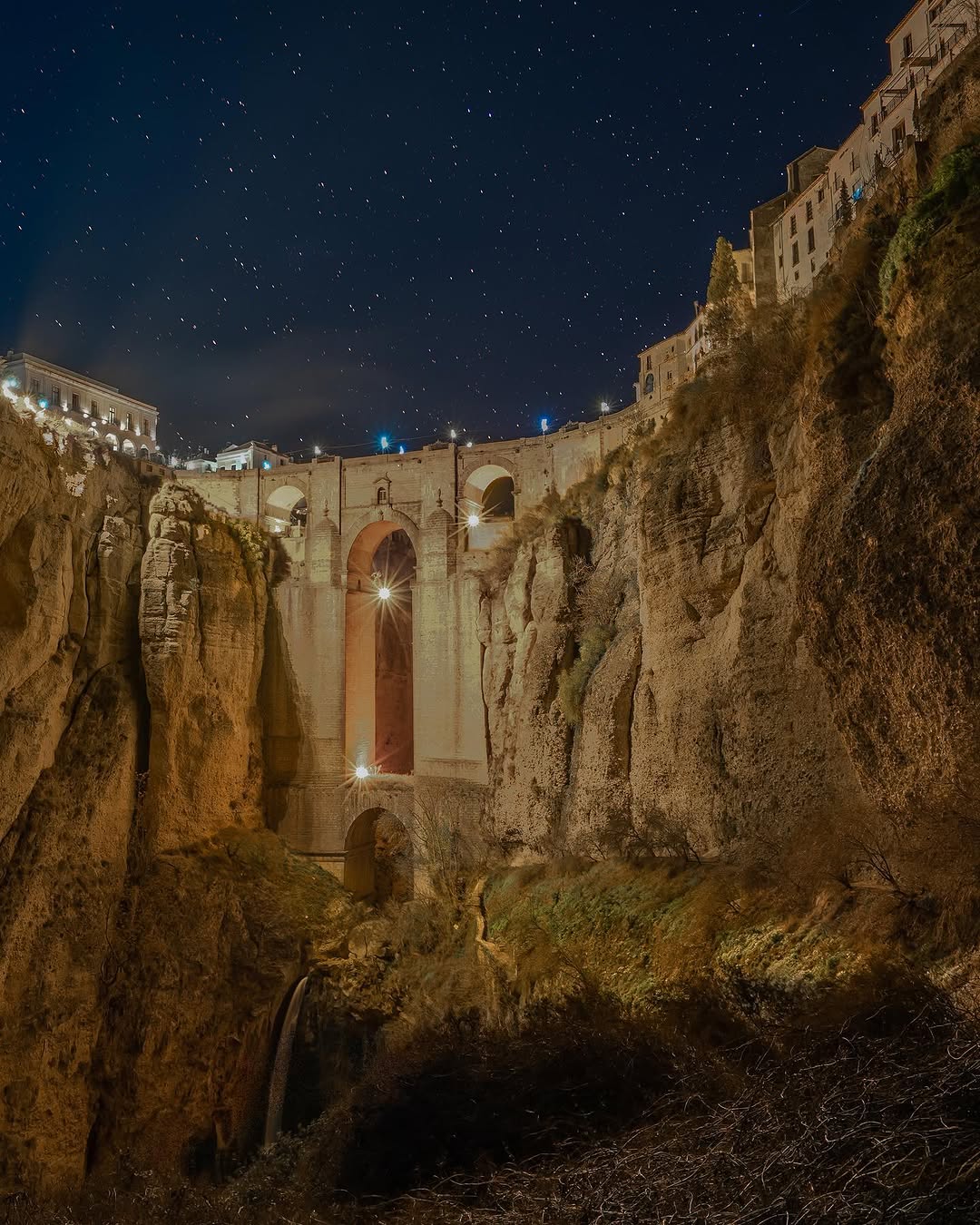
You’ll approach Ronda and wonder how a town could exist here at all. Then you see the Puente Nuevo bridge spanning a 120-meter-deep gorge, connecting two halves of the city. It’s dramatic in a way that photos rarely capture fully.
Ronda sits about 100 km from Málaga and takes roughly 1 hour 45 minutes by car. The town itself is small, with around 35,000 السكان, so you can explore most of it in half a day. The viewpoints around the gorge offer different angles, especially near sunset when the light hits the cliffs.
If you stay overnight, you’ll experience something most visitors miss. Once day-trippers leave, the town becomes quiet and almost cinematic.
What to do
- Walk across Puente Nuevo
- Visit viewpoints along the gorge
- Explore the old Moorish quarter
Practical intel
- Entry to bridge viewpoints: Free
- Time needed: 3 to 5 hours
- Best time: Late afternoon into sunset
Best for
Dramatic landscapes, photography, short escapes
13) Teide National Park, Canary Islands
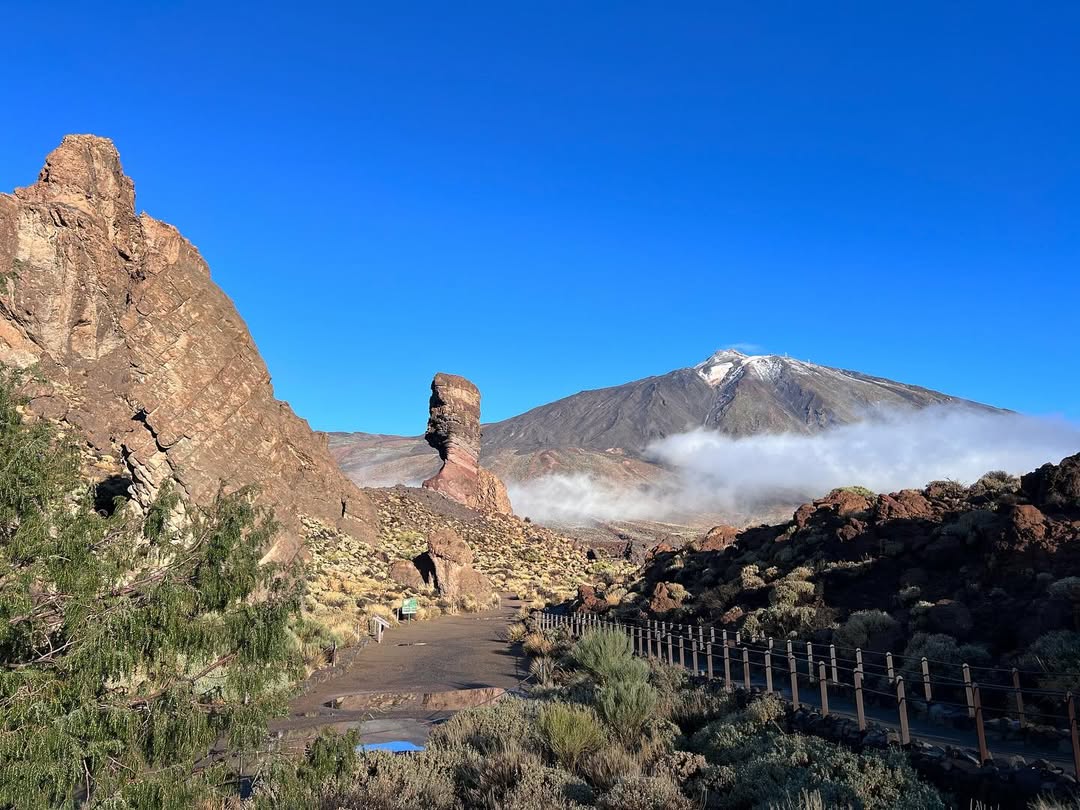
You’ll feel like you’ve landed on another planet. The terrain shifts from coastal greenery to volcanic rock fields and lava flows as you climb. Then Mount Teide appears, Spain’s highest peak at 3,715 meters, dominating everything around it.
The park covers nearly 19,000 hectares and is one of Spain’s most visited national parks with over 4 million visitors annually. A cable car ride up to about 3,555 meters takes just 8 minutes, saving a long hike. Temperatures can drop below 10°C at the summit even when it’s 25°C on the coast.
If you go at night, the stargazing is exceptional due to low light pollution. It’s one of the clearest skies in Europe.
What to do
- Take the cable car up Mount Teide
- Walk short volcanic trails
- Stargaze after sunset
Practical intel
- Cable car: €40 round trip
- Time needed: 4 to 6 hours
- Best months: March to November
Best for
Nature lovers, unique landscapes, adventure
14) Bilbao, Basque Country
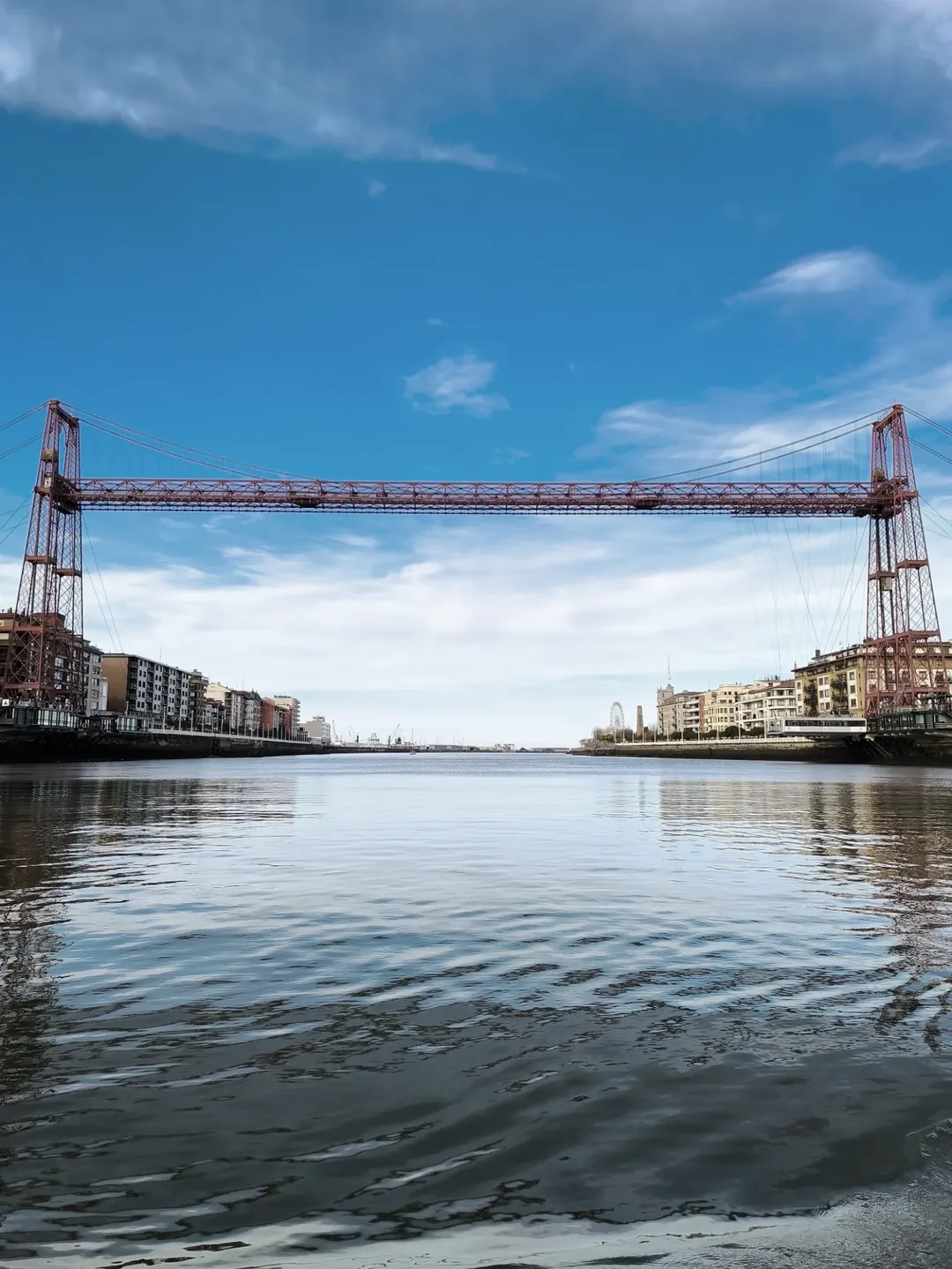
You’ll notice how clean and structured everything feels. Bilbao has reinvented itself from an industrial city into a cultural hub, and the transformation is visible everywhere. The riverfront, the bridges, the modern architecture all feel intentional.
The highlight is the Guggenheim Museum Bilbao, which attracts over 1 million visitors annually. The building itself is as much the attraction as the art inside. The city has around 350,000 السكان, making it manageable but still lively.
If you walk along the Nervión River in the evening, you’ll see the city glow in a way that feels understated but elegant.
What to do
- Visit Guggenheim Museum
- Walk along the riverfront
- Try pintxos in the old town
Practical intel
- Museum entry: €13
- Time needed: 1 to 2 days
- Best time: Spring and early autumn
Best for
Modern culture, architecture, food
15) Montserrat, Catalonia
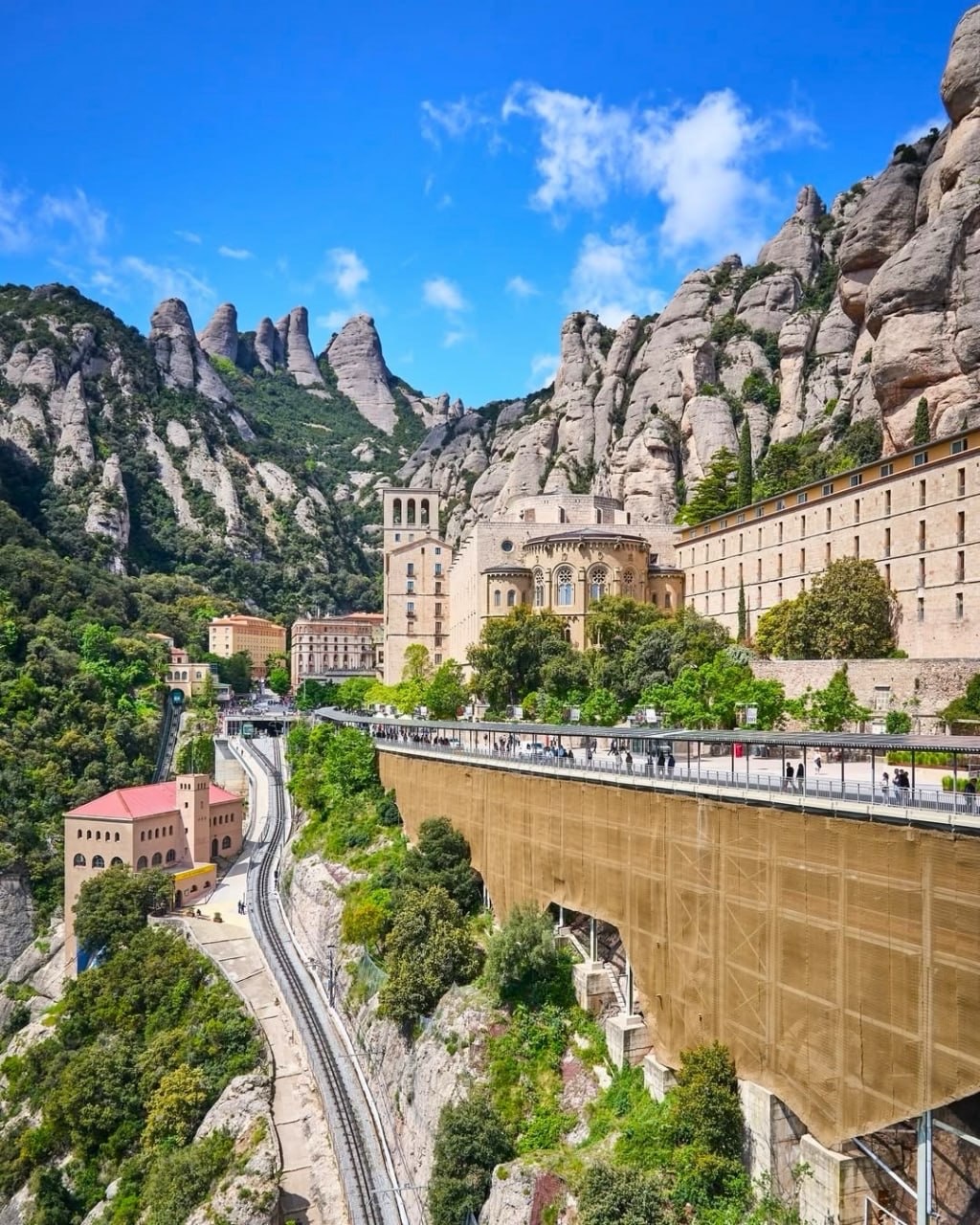
You’ll see the jagged mountain peaks first. They rise sharply, almost unnaturally, and then you notice the monastery built into the rock. The setting feels both dramatic and peaceful at the same time.
Montserrat is about 60 km from Barcelona, and the journey takes roughly 1 hour by train and cable car. The monastery dates back to the 11th century and houses the famous Black Madonna. Around 2 million visitors come each year, but mornings before 10:00 AM are still relatively quiet.
If you hike just 20 to 30 minutes away from the main complex, the crowds thin out quickly and the views become even more rewarding.
What to do
- Visit the monastery and Black Madonna
- Take the cable car for panoramic views
- Hike one of the mountain trails
Practical intel
- Transport combo ticket: €25 to €45
- Time needed: 4 to 6 hours
- Best time: Morning visit
Best for
Nature plus spirituality, day trips, scenic hiking
16) La Rambla, Barcelona
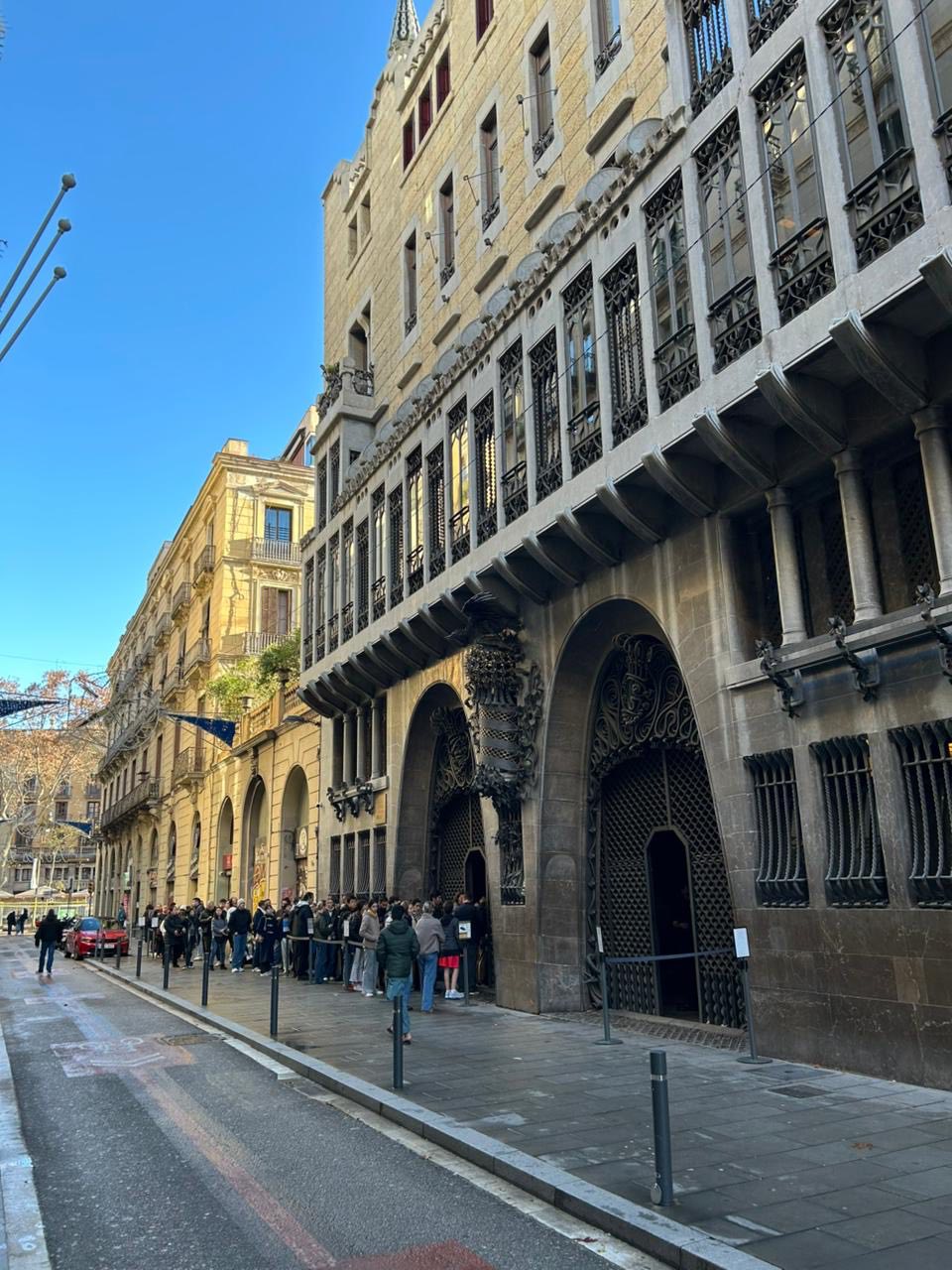
You’ll step onto La Rambla and immediately feel the pulse of the city. It’s not just a street, it’s a moving corridor of life. Street performers freeze mid-motion, flower stalls spill color into your path, and the constant flow of people creates an energy that’s hard to ignore. You’re not just walking here, you’re part of the scene.
Stretching about 1.2 kilometers from Plaça de Catalunya to the waterfront near Port Vell, La Rambla sees tens of thousands of visitors daily, especially between 11:00 AM and 10:00 PM. It’s one of the most visited streets in Europe. Along the way, you’ll pass landmarks like La Boqueria Market, where over 200 food stalls offer everything from fresh juices (€2 to €4) to seafood plates (€10 to €20).
If you go early, around 8:00 AM, you’ll see a completely different side. Locals setting up, quieter cafés, and a slower rhythm that disappears later in the day. At night, it becomes lively again, but you’ll want to stay aware of your belongings due to pickpocketing.
What to do
- Walk the full stretch from Plaça de Catalunya to the sea
- Stop at La Boqueria for quick bites
- Watch street performers and artists
Practical intel
- Entry: Free
- Time needed: 1 to 2 hours
- Busy hours: 11:00 AM to late evening
Best for
First-time visitors, street atmosphere, casual exploration
17) Royal Palace of Madrid, Madrid
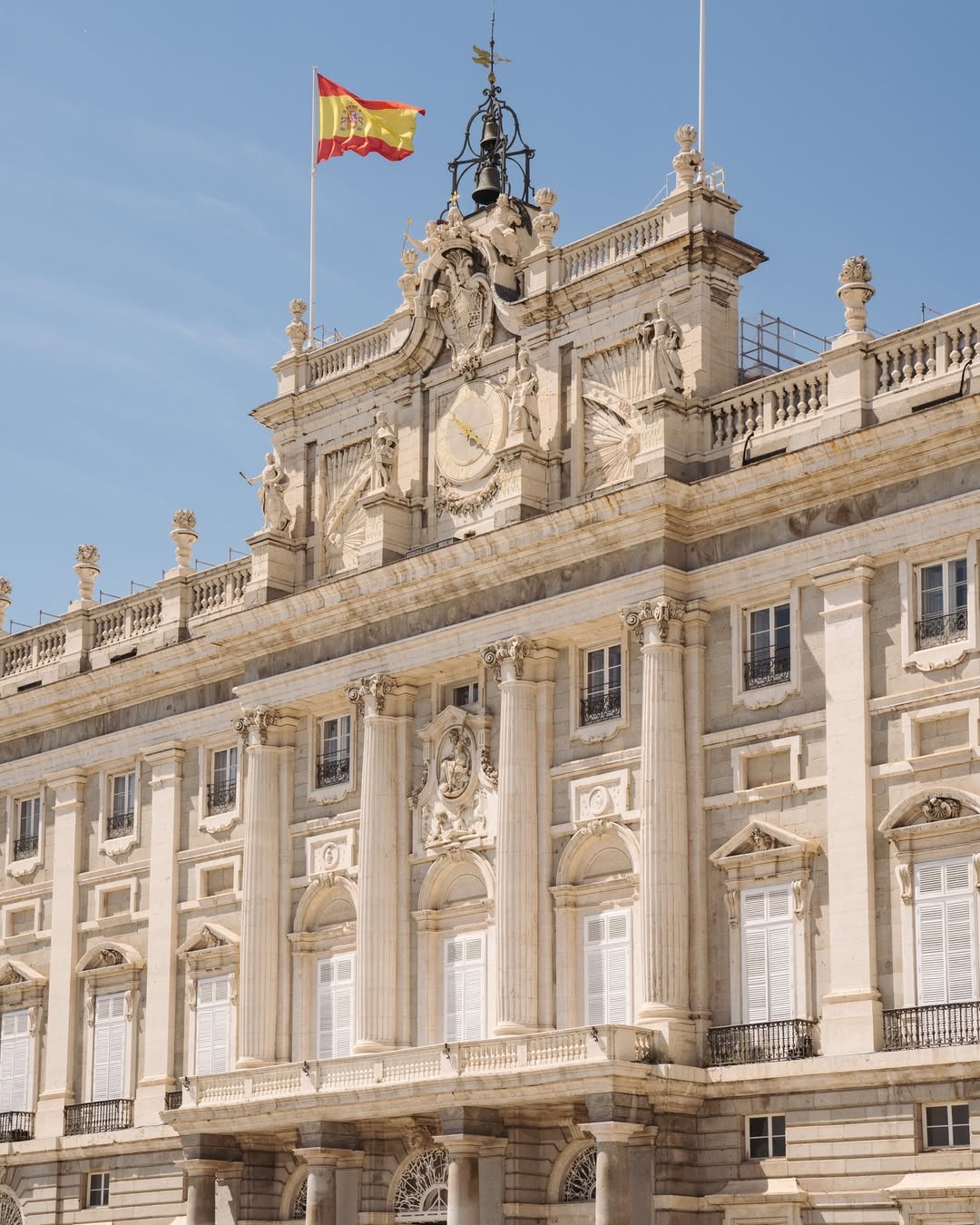
You’ll approach the palace and immediately feel the scale. It’s not just grand, it’s overwhelming in a controlled, symmetrical way. Inside, rooms unfold one after another with chandeliers, frescoed ceilings, and detailed walls that reflect centuries of royal power.
The palace has over 3,400 rooms, making it one of the largest royal residences in Europe. Around 1.5 million people visit each year, but only about 50 rooms are open to the public. If you arrive right at opening around 10:00 AM, you can move through the first sections before the main crowds build.
If you time it right, you might catch the changing of the guard ceremony, which adds a bit of spectacle to the visit.
What to do
- Walk through the main royal chambers
- Visit the Royal Armoury
- Watch the changing of the guard
Practical intel
- Entry: €12 standard
- Time needed: 1.5 to 2 hours
- Best time: Early morning
Best for
History, royal architecture, first-time Madrid visits
18) La Concha Beach, San Sebastián
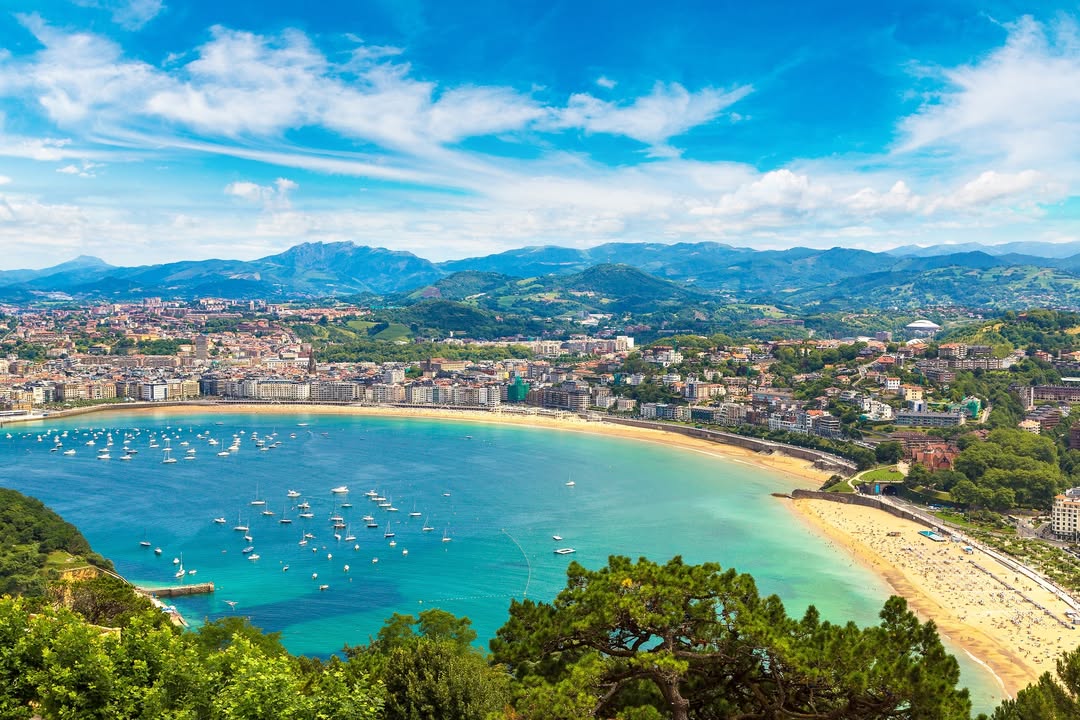
You’ll see the curve of the bay and understand immediately why this is considered one of Europe’s most beautiful urban beaches. The water is calm, the sand is clean, and the setting feels almost too perfect to be real.
The beach stretches about 1.35 kilometers and is backed by a promenade that’s ideal for slow walks. In summer, water temperatures hover around 20 to 22°C, and thousands gather here daily, though it rarely feels overcrowded due to its width.
If you go early morning or just before sunset, the light softens and the atmosphere becomes far more relaxed. It’s the kind of place where you’ll want to slow down without forcing it.
What to do
- Swim or relax on the sand
- Walk the full promenade
- Rent a paddleboard
Practical intel
- Entry: Free
- Time needed: 2 to 3 hours
- Best time: Morning or sunset
Best for
Relaxation, scenic coastal views, slow travel
19) Alcázar of Seville, Seville
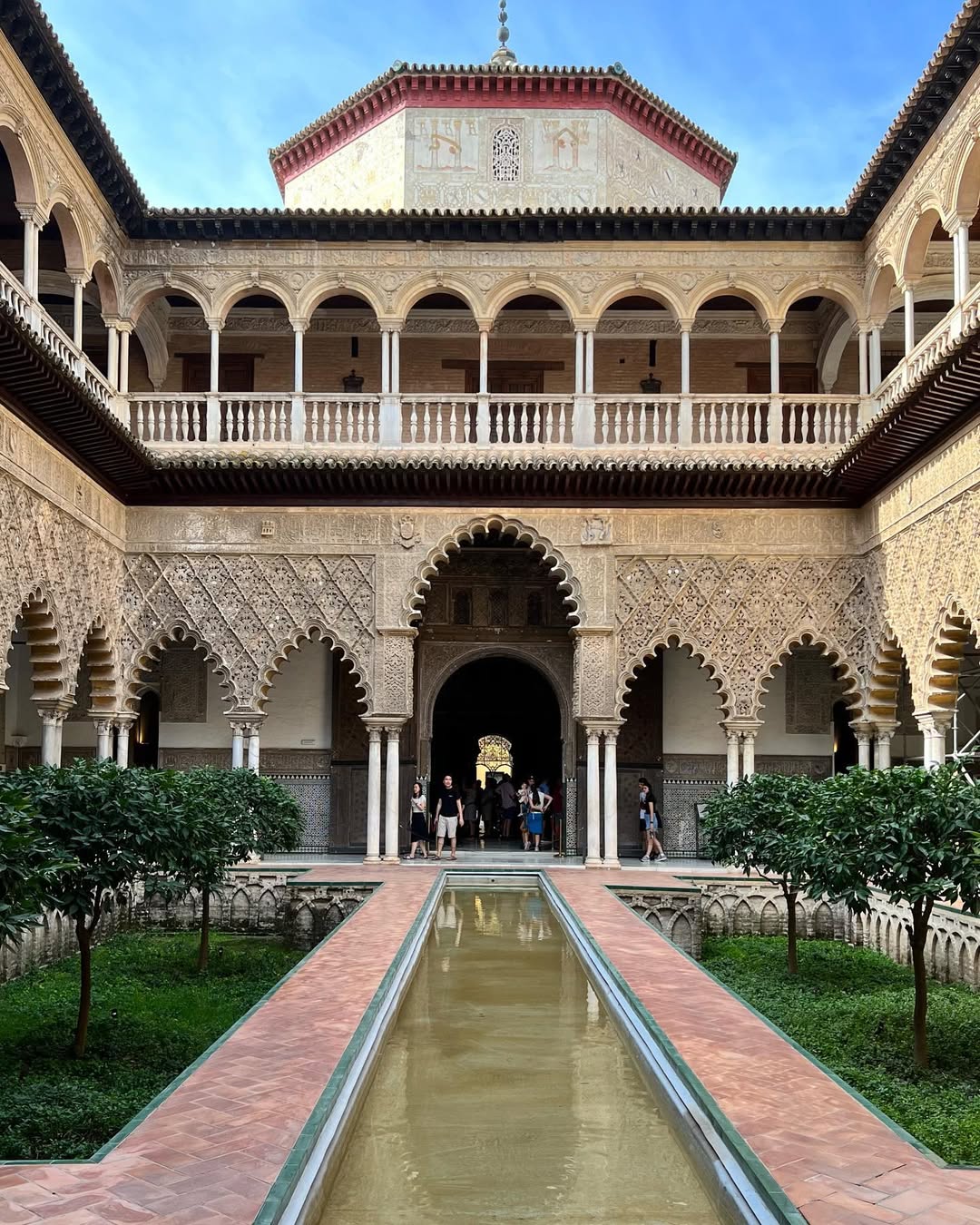
You’ll walk through the entrance and feel like you’ve stepped into a different era. Intricate tilework, lush gardens, and quiet courtyards create a layered experience that unfolds gradually as you move through the space.
Originally developed in the 10th century, the Alcázar is still in use by the Spanish royal family when they visit Seville. The complex covers several hectares, and over 2 million visitors come annually. Midday crowds can be intense, so entering before 10:00 AM or after 4:00 PM makes a noticeable difference.
If you’ve seen Game of Thrones, you might recognize parts of the palace as filming locations, which adds an extra layer of interest.
What to do
- Explore the palace rooms and tilework
- Walk through the gardens and fountains
- Find filming locations from Game of Thrones
Practical intel
- Entry: €13.50
- Time needed: 2 to 3 hours
- Booking: Reserve tickets in advance
Best for
Architecture, gardens, immersive history
20) Costa Brava, Catalonia
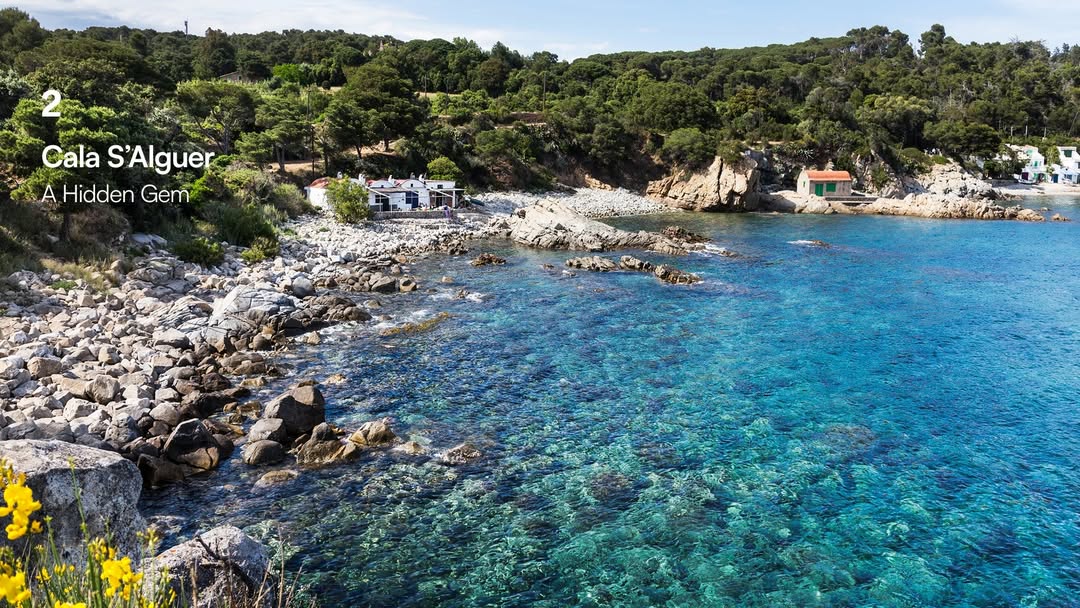
You’ll drive along the coast and keep stopping. The cliffs drop into clear blue water, small coves appear unexpectedly, and each turn feels like a new discovery. It’s less structured than major cities, which makes it feel more personal.
Costa Brava stretches over 200 kilometers from Blanes to the French border. Some of the best coves require short walks of 10 to 20 minutes, which naturally limits crowds. Beachside meals range from €15 to €30, often with fresh seafood caught locally.
If you base yourself in a small town like Cadaqués, you’ll experience a slower pace that contrasts beautifully with Barcelona just 2 hours away.
What to do
- Explore hidden coves and beaches
- Drive the coastal roads
- Visit small seaside towns
Practical intel
- Transport: Car recommended
- Time needed: 1 to 3 days
- Best season: May to September
Best for
Road trips, hidden beaches, relaxed exploration
21) El Retiro Park, Madrid
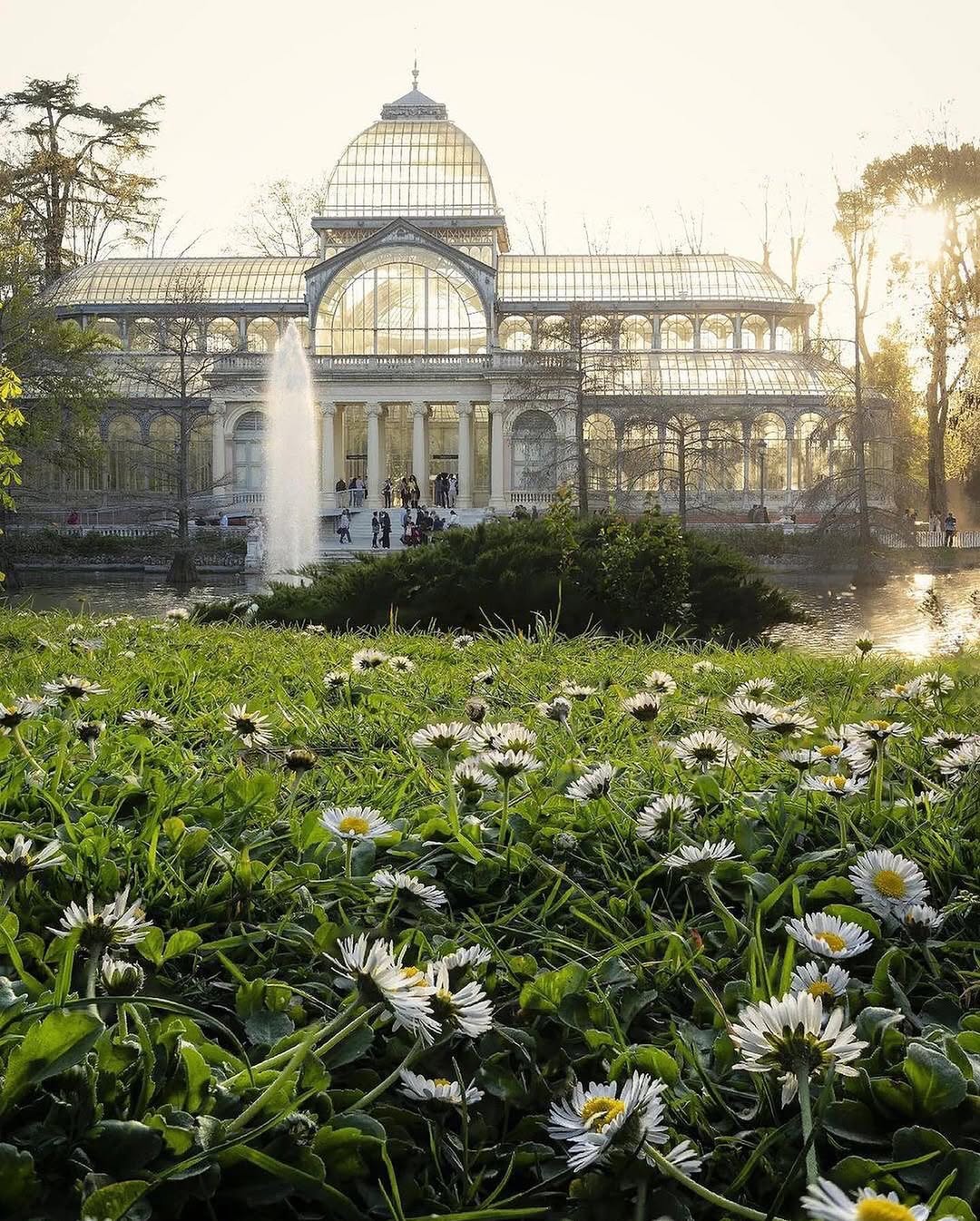
You’ll enter El Retiro and feel Madrid slow down instantly. The traffic noise fades, replaced by the sound of rowboats gliding across the central lake and musicians playing under tree-lined paths. It’s not just a park, it’s where the city breathes.
The park spans about 125 hectares and has over 15,000 trees, making it one of Madrid’s largest green spaces. At its heart sits the large artificial lake, where you can rent a rowboat for around €6 per 45 minutes. The stunning Crystal Palace, built in 1887, often hosts free art exhibitions and is one of the park’s most photographed spots.
If you go in the late afternoon, around 5:00 PM to sunset, you’ll catch the best atmosphere. Locals gather, the light softens, and the park feels alive without being crowded. Weekends are busier, especially near the lake.
What to do
- Rent a rowboat on the central lake
- Visit the Crystal Palace
- Walk shaded paths and watch street performers
Practical intel
- Entry: Free
- Boat rental: ~€6 per 45 minutes
- Time needed: 2 to 3 hours
Best for
Relaxation, local life, slow scenic walks




COMMENTS
Please note that all comments will be checked by our team before being approved.