20 Beautiful Places to Visit in Italy in 2026 That Only People Who Live There Know
Dreaming of a trip filled with breathtaking views, rich history, and timeless charm? These 20 beautiful places to visit in Italy are scenic, iconic, and utterly captivating, perfect for inspiring unforgettable adventures, picture perfect moments, and a deeper love for Italy’s magic.

Italy is a country where every corner feels like a masterpiece, from ancient ruins to dramatic coastlines and timeless villages. In cities like Rome and Florence, you’ll see history, art, and everyday life blend effortlessly.
What makes it special is the contrast. In Venice, you move through quiet canals, while Milan brings grand architecture and a faster pace, each place feeling completely different.
From the cliffs of the Amalfi Coast to the hills of Tuscany, Italy feels like a journey through living postcards. Here are 20 beautiful places to visit, with practical details to help you experience them.
1. Colosseum, Rome
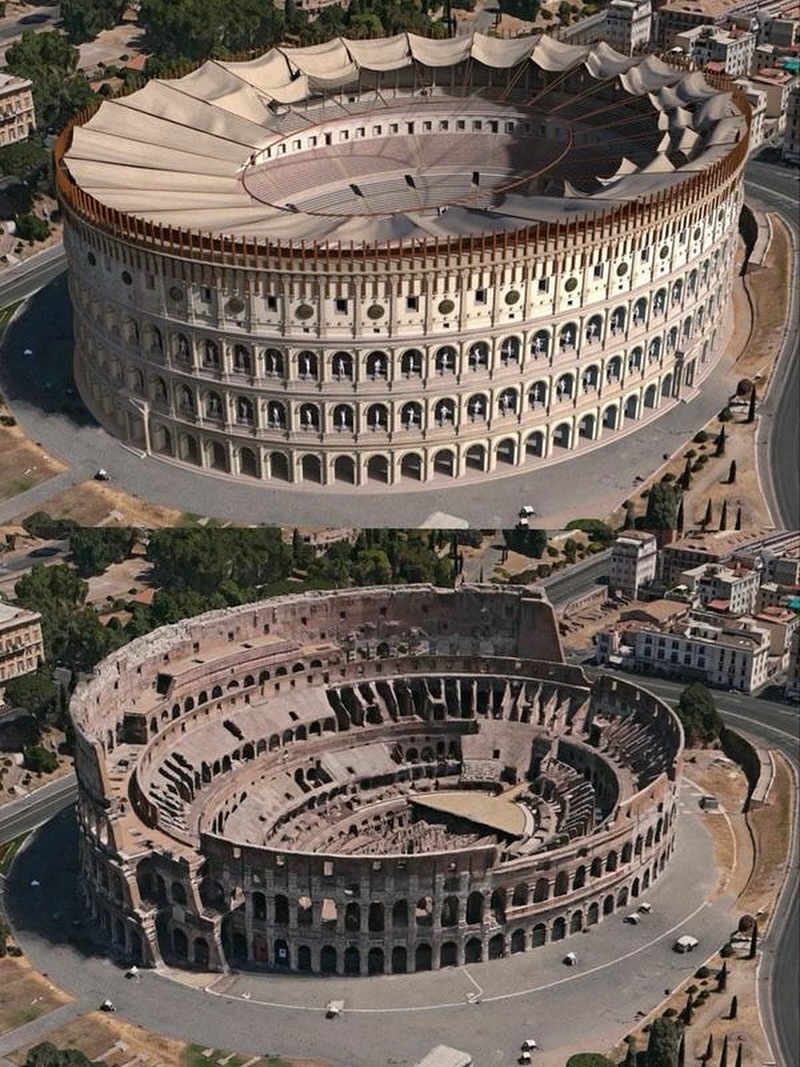
Standing in front of the Colosseum, you immediately feel the scale of ancient Rome pressing in on you. The worn stone arches, rising nearly 48 meters high, still carry the energy of 50,000 spectators who once filled the arena. As you step inside, you’ll notice how surprisingly complex the underground chambers are, almost like a maze beneath history.
Built in 80 AD, this iconic structure attracts over 6 million visitors annually. A standard entry ticket costs around €16 and gives access to the Roman Forum and Palatine Hill, making it one of the best-value historical experiences in Europe. Expect to spend at least 2 to 3 hours exploring properly.
If you go early, around 8:30 AM, you’ll avoid peak crowds and harsh midday heat, especially in summer.
What to do
- Walk through the arena floor and underground levels
- Explore nearby Roman Forum ruins
- Take a guided history tour for deeper context
Practical intel
- Timing: 8:30 AM to 7:00 PM (seasonal variations)
- Cost: €16 standard ticket
- Nearest metro: Colosseo Station
- Peak crowd hours: 10:30 AM to 3:00 PM
Best for
History lovers, first-time visitors, architecture enthusiasts
2. Grand Canal, Venice
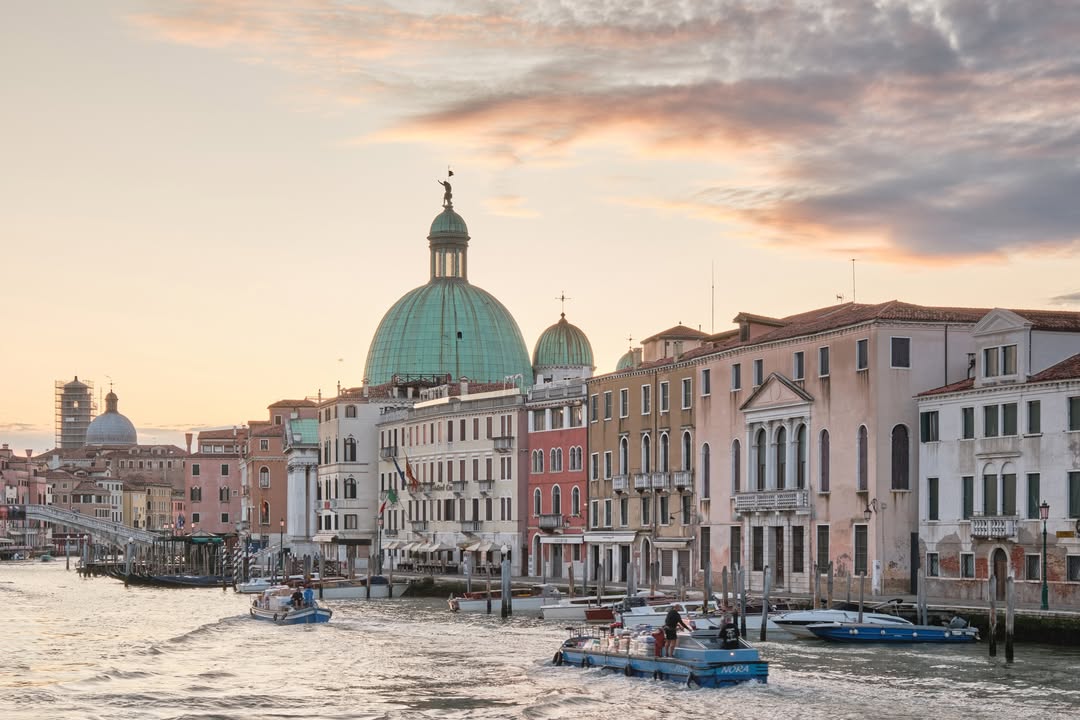
Gliding along the Grand Canal feels like drifting through a living museum. Palaces line both sides, painted in soft pastels that reflect beautifully in the water, and every turn reveals another Renaissance façade. You’ll notice how quiet the city feels once you move away from the main stops.
The canal stretches about 3.8 kilometers and serves as Venice’s main transport route. A Vaporetto ride costs around €9.50 for a single trip, while a private gondola ride starts at €80 for 30 minutes. Millions pass through here yearly, but evenings after 7 PM are noticeably calmer.
If you want the best experience without overspending, take Vaporetto Line 1, which covers the full canal in about 45 minutes.
What to do
- Ride a Vaporetto along the full canal
- Take photos at Rialto Bridge
- Enjoy a sunset gondola ride
Practical intel
- Timing: Open all day
- Cost: €9.50 Vaporetto, €80 gondola
- Duration: 45 minutes to 1 hour
- Best time: Early morning or after sunset
Best for
Couples, photographers, slow travelers
3. Leaning Tower of Pisa, Pisa
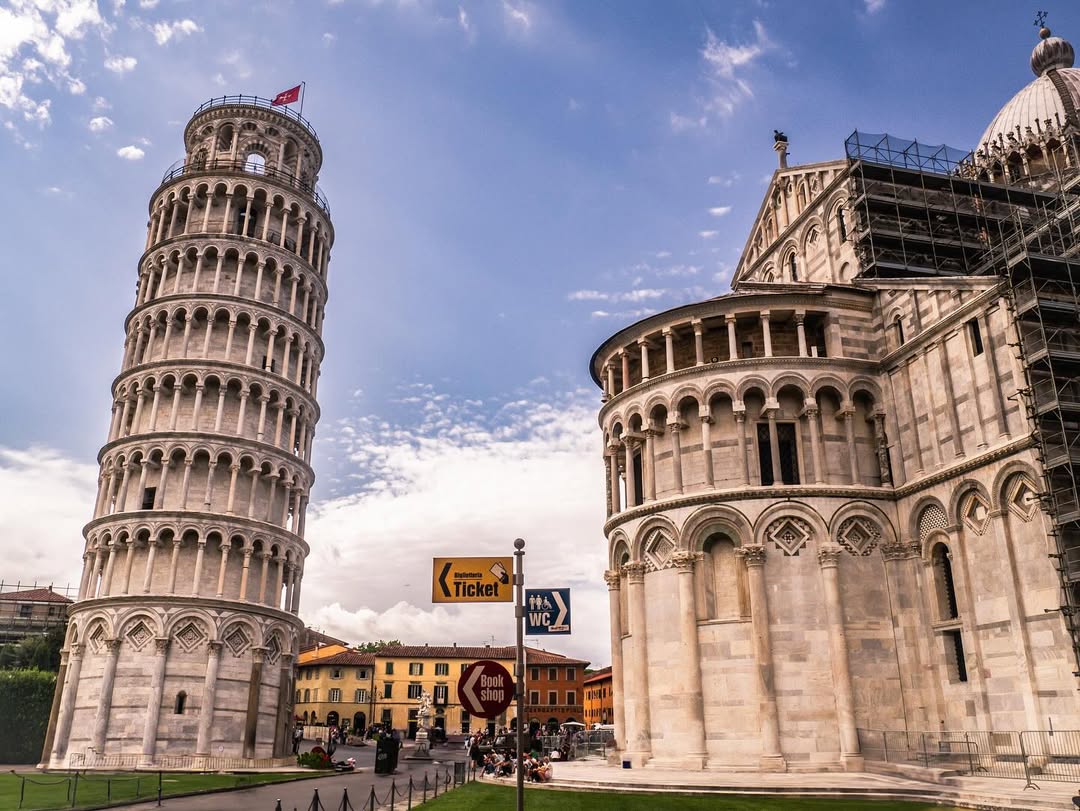
Seeing the Leaning Tower in person is oddly surreal. The tilt is more dramatic than you expect, and you’ll find yourself instinctively adjusting your posture as you look at it. The bright white marble contrasts sharply with the green lawn, making it one of the most photogenic spots in Italy.
The tower stands about 56 meters tall with a tilt of roughly 4 degrees. Entry costs around €20, and only 45 people are allowed inside at a time, so booking ahead is essential. Climbing the 294 steps takes about 30 minutes, including time at the top.
Midday crowds can be intense, so aim for a slot before 10 AM or after 5 PM.
What to do
- Climb to the top for panoramic views
- Take creative “holding the tower” photos
- Visit the nearby cathedral and baptistery
Practical intel
- Timing: 9:00 AM to 8:00 PM
- Cost: €20 climb ticket
- Duration: 1 to 2 hours total visit
- Booking: Strongly recommended in advance
Best for
Iconic photo seekers, quick day trips, families
4. Amalfi Coast
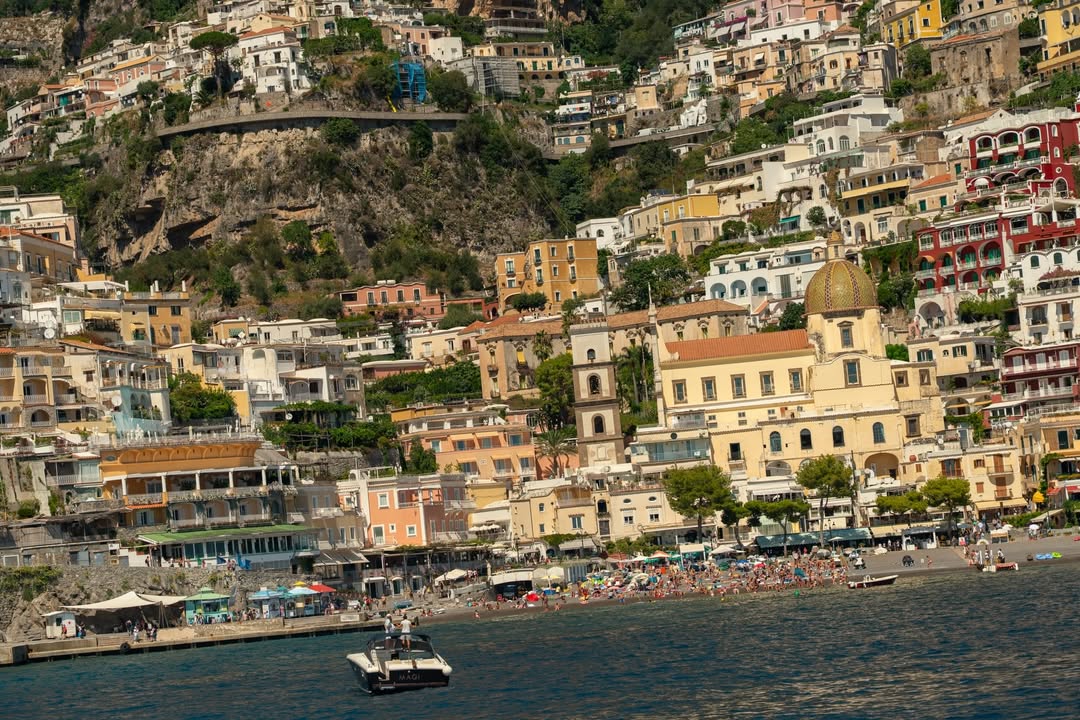
Driving along the Amalfi Coast feels like you’re moving through a postcard that keeps changing. Cliffs drop sharply into turquoise water, and colorful villages cling to the mountainsides. You’ll notice how every turn reveals a completely different perspective of the coastline.
This UNESCO-listed stretch runs about 50 kilometers along southern Italy. Popular towns like Positano and Amalfi can see up to 5 million visitors annually. Expect hotel prices between €150 and €500 per night depending on season. The full coastal drive takes about 2 to 3 hours without stops.
If you visit between April and June or September, you’ll get warm weather without peak summer congestion.
What to do
- Drive or take a bus along the coastal road
- Relax on Positano’s beaches
- Take a boat trip along the coastline
Practical intel
- Timing: Accessible year-round
- Cost: Transport €10 to €50, hotels vary widely
- Duration: 1 to 3 days recommended
- Roads: Narrow and winding, expect traffic
Best for
Scenic lovers, couples, luxury travelers
5. Florence Cathedral, Florence
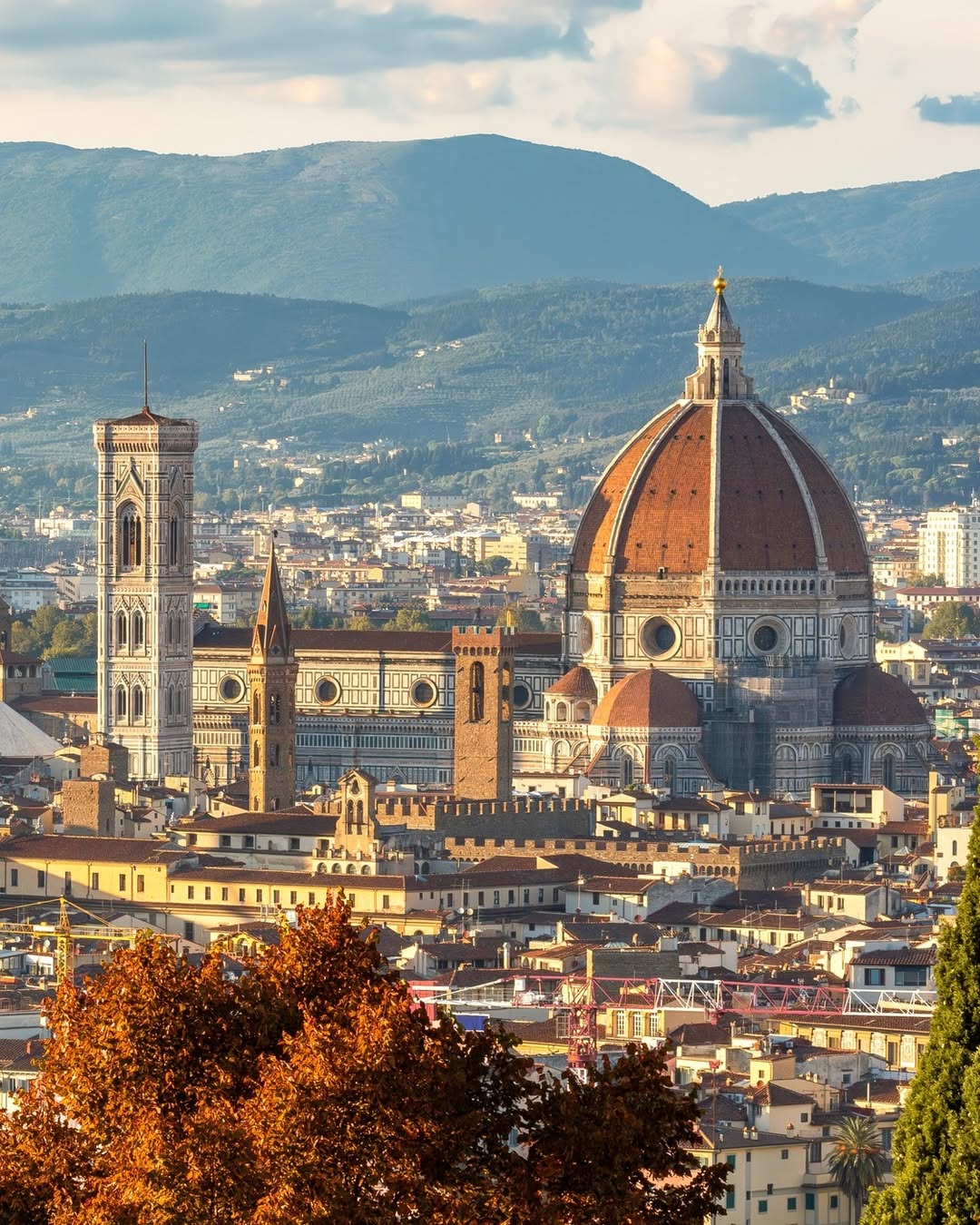
The Florence Cathedral dominates the skyline long before you reach it. Its massive dome, engineered in the 15th century, feels impossibly large as you stand beneath it. You’ll notice the intricate marble patterns in white, green, and pink covering the exterior.
The cathedral complex receives around 4.5 million visitors each year. Entry to the main cathedral is free, but climbing the dome costs about €30 and involves 463 steps. The climb takes around 45 minutes and rewards you with one of the best views in Florence.
If you go early in the morning, you can climb before the queues build up significantly.
What to do
- Climb Brunelleschi’s dome
- Explore the cathedral interior
- Visit the nearby Baptistery
Practical intel
- Timing: 10:00 AM to 5:00 PM (varies by section)
- Cost: Free entry, €30 dome climb
- Duration: 2 to 3 hours
- Booking: Recommended for dome access
Best for
Art lovers, architecture enthusiasts, cultural travelers
6. Cinque Terre

Arriving in Cinque Terre feels like stepping into a painting where every color is turned up. Five cliffside villages cling dramatically above the sea, connected by hiking trails and a scenic train line. As you walk through the narrow lanes, you’ll notice laundry hanging between pastel houses and the scent of fresh seafood drifting through the air.
The region spans about 15 kilometers and includes Monterosso, Vernazza, Corniglia, Manarola, and Riomaggiore. A Cinque Terre Train Card costs around €18 per day and gives unlimited train travel between villages. Hiking the famous Sentiero Azzurro trail takes about 5 to 6 hours end to end.
If you visit early morning or after 6 PM, you’ll experience a quieter, more authentic version of these villages.
What to do
- Hike between villages on coastal trails
- Swim at Monterosso’s beach
- Watch sunset in Manarola
Practical intel
- Timing: Open year-round
- Cost: €18 train pass, trails may have small fees
- Duration: 1 to 2 days ideal
- Best months: April to June, September
Best for
Hikers, photographers, slow explorers
7. Lake Como
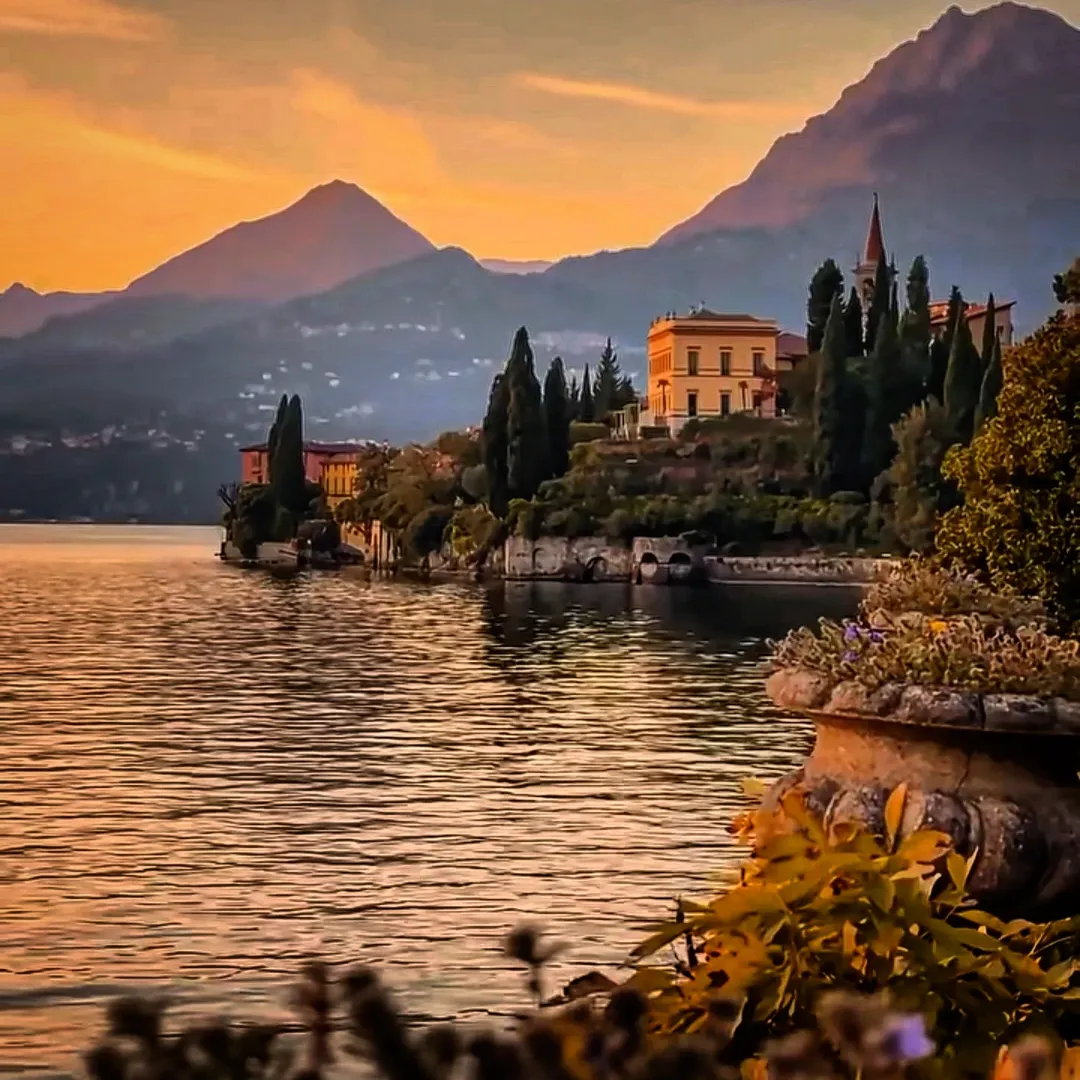
Lake Como has a calm, almost cinematic beauty that unfolds slowly. Surrounded by mountains and dotted with elegant villas, the water reflects everything like glass on still days. You’ll notice how peaceful it feels compared to Italy’s busy cities.
The lake is about 146 square kilometers in size and one of the deepest in Europe at over 400 meters. Ferries between towns like Bellagio and Varenna cost around €15 to €30 depending on distance. Many visitors spend 2 to 3 days here, especially during summer when temperatures hover around 25°C.
If you take a morning ferry, you’ll catch soft light hitting the villas, which makes the views even more memorable.
What to do
- Take a ferry between lakeside towns
- Visit Villa del Balbianello
- Relax in Bellagio’s old town
Practical intel
- Timing: Best from April to October
- Cost: €15 to €30 ferry rides
- Duration: 2 to 3 days recommended
- Access: 1 hour from Milan
Best for
Luxury travelers, couples, relaxation seekers
8. Pompeii, near Naples
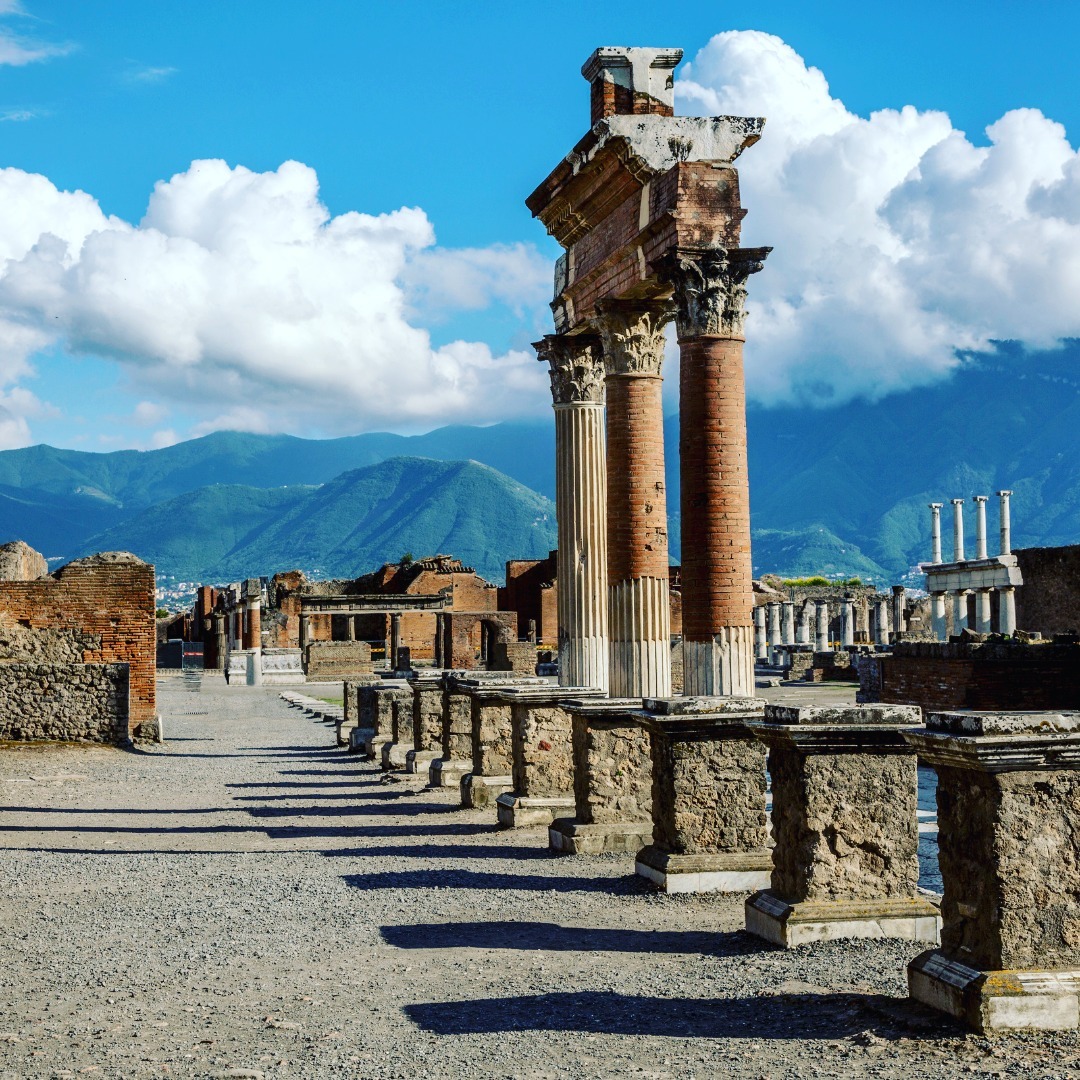
Walking through Pompeii feels like time has been frozen mid-moment. Streets, homes, and even bakeries remain intact under layers of volcanic ash, giving you a rare glimpse into everyday life from nearly 2,000 years ago. You’ll notice how detailed the frescoes and mosaics still are.
This archaeological site covers about 66 hectares, though only around 44 hectares are fully excavated. Entry costs roughly €16, and exploring properly takes 3 to 5 hours. Pompeii receives over 2.5 million visitors annually, so it can get crowded by midday.
If you start right when it opens, you’ll have a cooler and more comfortable experience, especially in summer.
What to do
- Walk ancient Roman streets
- Visit preserved homes and baths
- See plaster casts of eruption victims
Practical intel
- Timing: 9:00 AM to 7:00 PM
- Cost: €16 entry
- Duration: 3 to 5 hours
- Access: 30 minutes from Naples
Best for
History lovers, educational travel, cultural explorers
9. Trevi Fountain, Rome
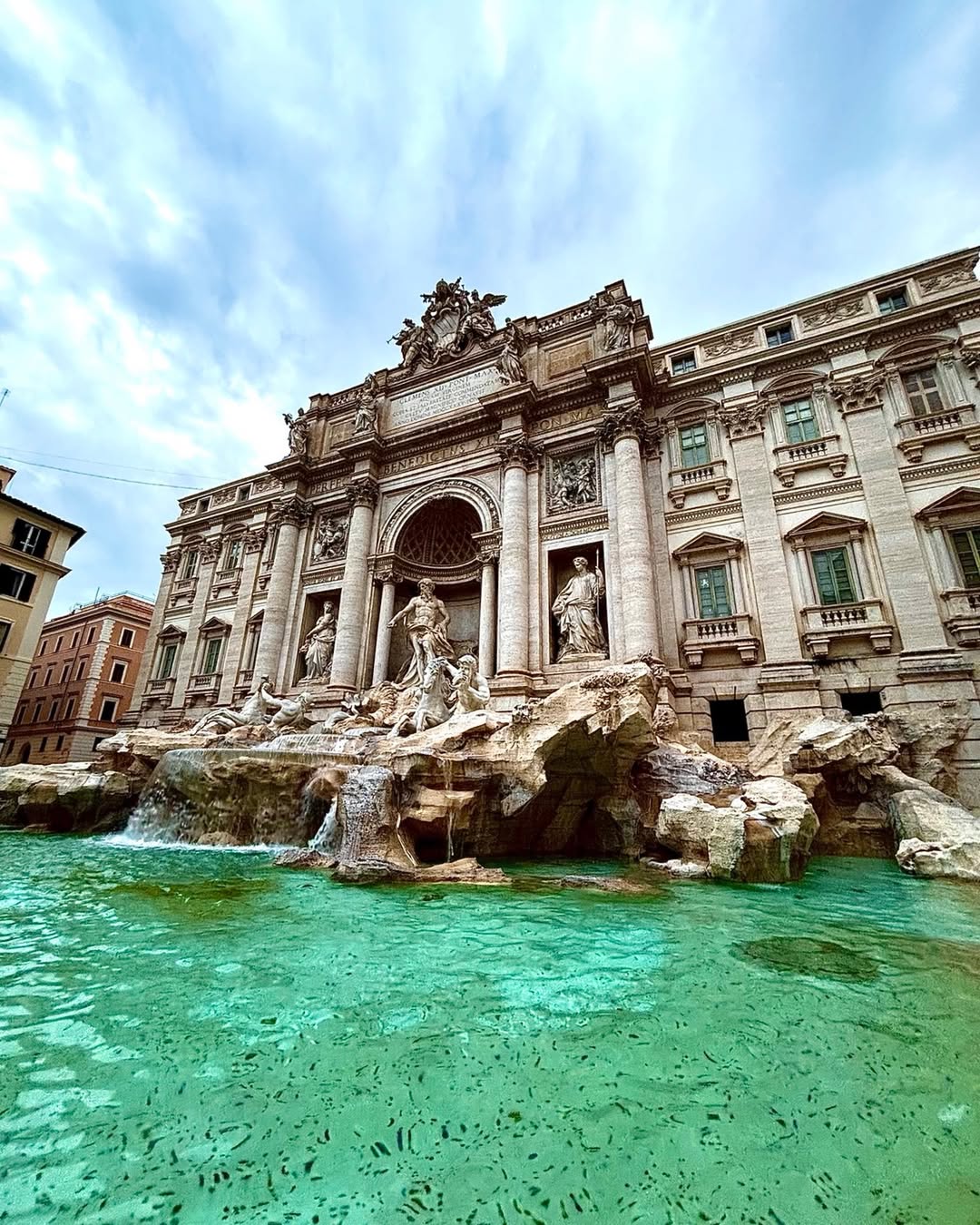
The Trevi Fountain hits you with sound before sight. The rush of water, combined with the sheer scale of the sculpture, creates a dramatic first impression. As you approach, you’ll notice the intricate carvings and the constant crowd gathered around its edge.
Built in 1762, the fountain stands about 26 meters high and 49 meters wide. Visitors toss an estimated €3,000 daily into the water, following the tradition of ensuring a return to Rome. It’s free to visit, but the area can get extremely crowded between 10 AM and 8 PM.
If you go late at night, around 11 PM, you’ll see a quieter and more magical version of the fountain.
What to do
- Toss a coin into the fountain
- Take photos from different angles
- Visit nearby gelato shops
Practical intel
- Timing: Open 24 hours
- Cost: Free
- Duration: 20 to 40 minutes
- Best time: Late evening or early morning
Best for
First-time visitors, couples, quick stops
10. Milan Cathedral, Milan
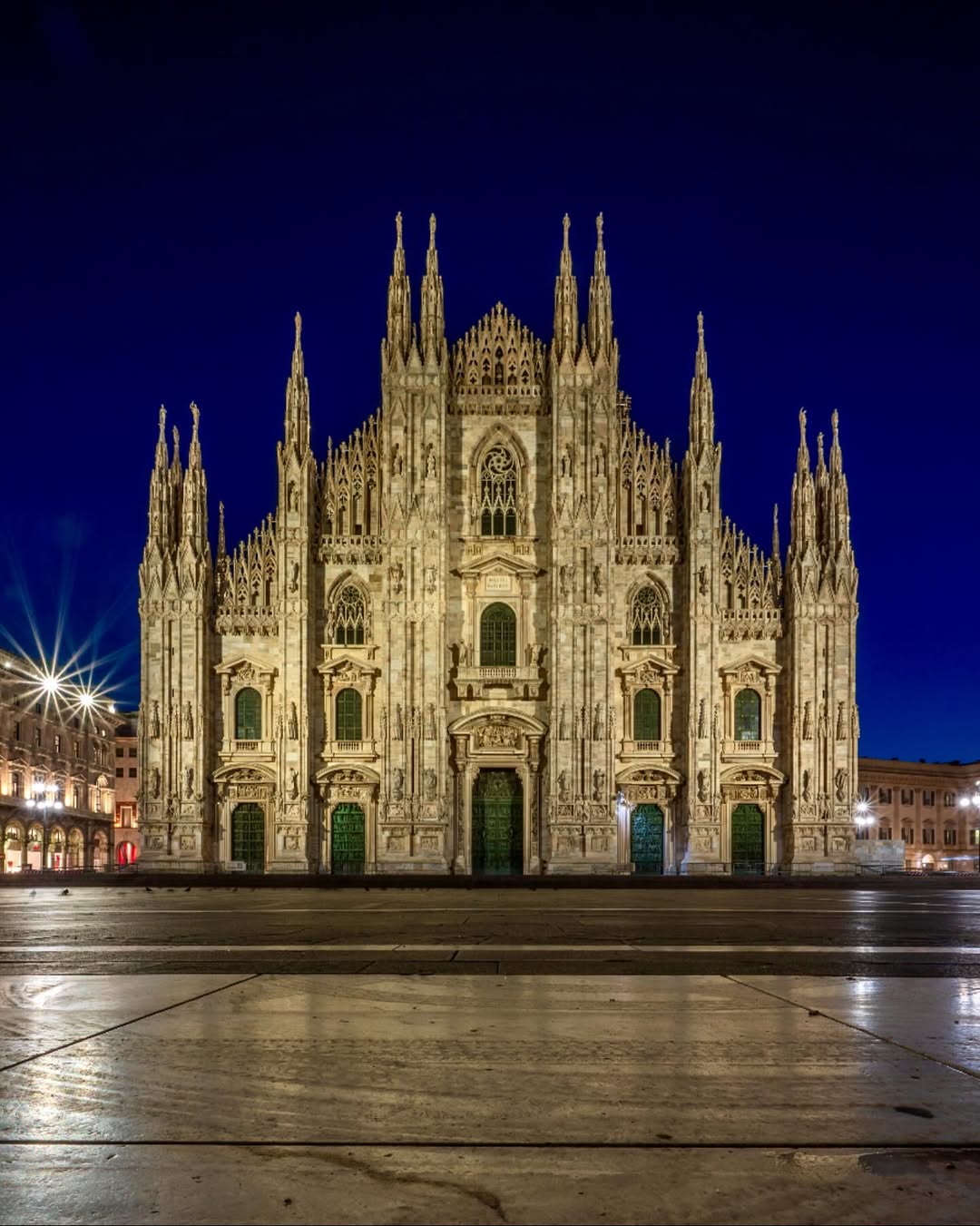
Milan Cathedral feels almost unreal when you first see it. Its white marble façade is covered in thousands of statues and spires, creating a level of detail that’s hard to take in all at once. As you step onto the rooftop terraces, you’ll notice how the city stretches endlessly around you.
Construction began in 1386 and took nearly 600 years to complete. The cathedral can hold up to 40,000 people, making it one of the largest churches in the world. Entry tickets range from €15 to €25 depending on access, with rooftop visits being the highlight.
If you go in the late afternoon, the golden light makes the marble glow beautifully.
What to do
- Walk on the rooftop terraces
- Explore the cathedral interior
- Visit Piazza del Duomo
Practical intel
- Timing: 9:00 AM to 7:00 PM
- Cost: €15 to €25
- Duration: 1.5 to 2 hours
- Access: Central Milan
Best for
Architecture lovers, city explorers, photographers
11. Dolomites
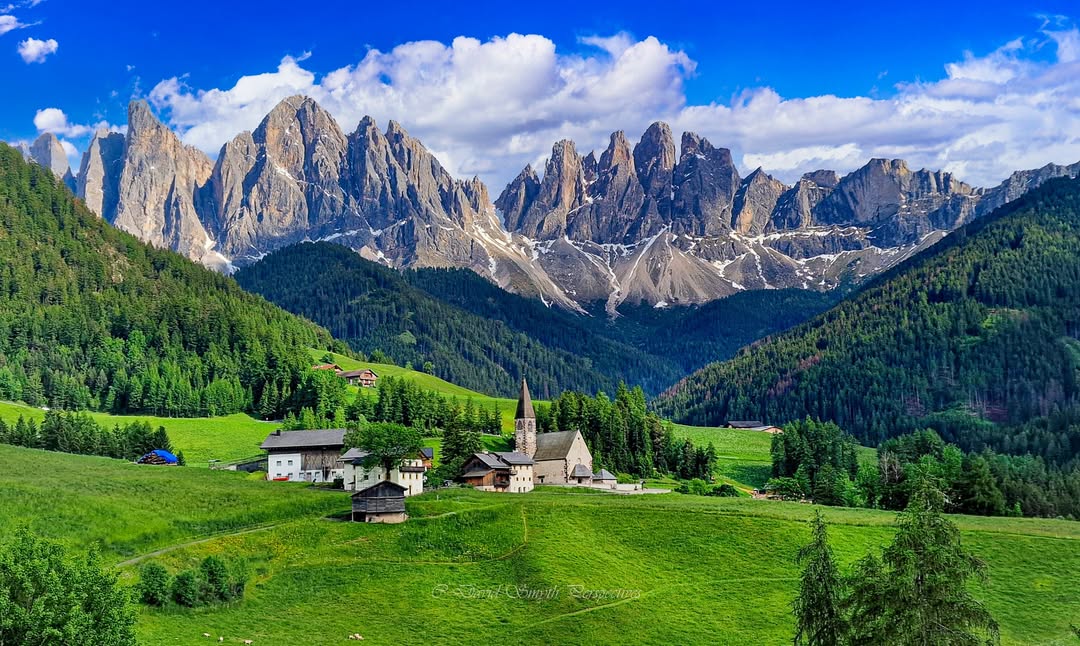
The Dolomites feel vast and almost surreal the moment you arrive. Jagged limestone peaks rise sharply into the sky, often glowing pink at sunrise and sunset in a phenomenon called “alpenglow.” As you stand in the middle of it, you’ll notice how quiet and untouched the landscape feels compared to Italy’s cities.
This UNESCO-listed region spans over 15,000 square kilometers. Popular spots like Tre Cime di Lavaredo require a €30 vehicle entry fee, and hikes range from 2 hours to full-day treks. Summer temperatures average 15 to 25°C, making it perfect for outdoor activities.
If you go early morning, you’ll catch the mountains in their most dramatic light with far fewer crowds.
What to do
- Hike around Tre Cime peaks
- Drive scenic mountain passes
- Take cable cars for panoramic views
Practical intel
- Timing: Best from June to September
- Cost: €30 parking at key sites, cable cars €20 to €40
- Duration: 2 to 4 days recommended
- Access: 2 to 3 hours from Venice
Best for
Nature lovers, hikers, photographers
12. Capri

Capri immediately feels more refined and polished than most coastal destinations. The deep blue water contrasts sharply with white cliffs, and the entire island has a relaxed but upscale energy. You’ll notice how every viewpoint seems designed for a perfect photo.
The island is about 10 square kilometers in size but attracts over 2 million visitors each year. A ferry from Naples costs around €25 to €50 one way and takes about 50 to 80 minutes. The famous Blue Grotto entry costs about €14, though wait times can exceed 1 hour in peak season.
If you stay overnight instead of day-tripping, you’ll experience a much quieter, more authentic Capri after sunset.
What to do
- Visit the Blue Grotto
- Ride the chairlift to Monte Solaro
- Walk through Capri town
Practical intel
- Timing: April to October best
- Cost: Ferry €25 to €50, grotto €14
- Duration: 1 to 2 days
- Crowds: Peak from 11 AM to 4 PM
Best for
Luxury travelers, couples, scenic seekers
13. Verona Arena, Verona
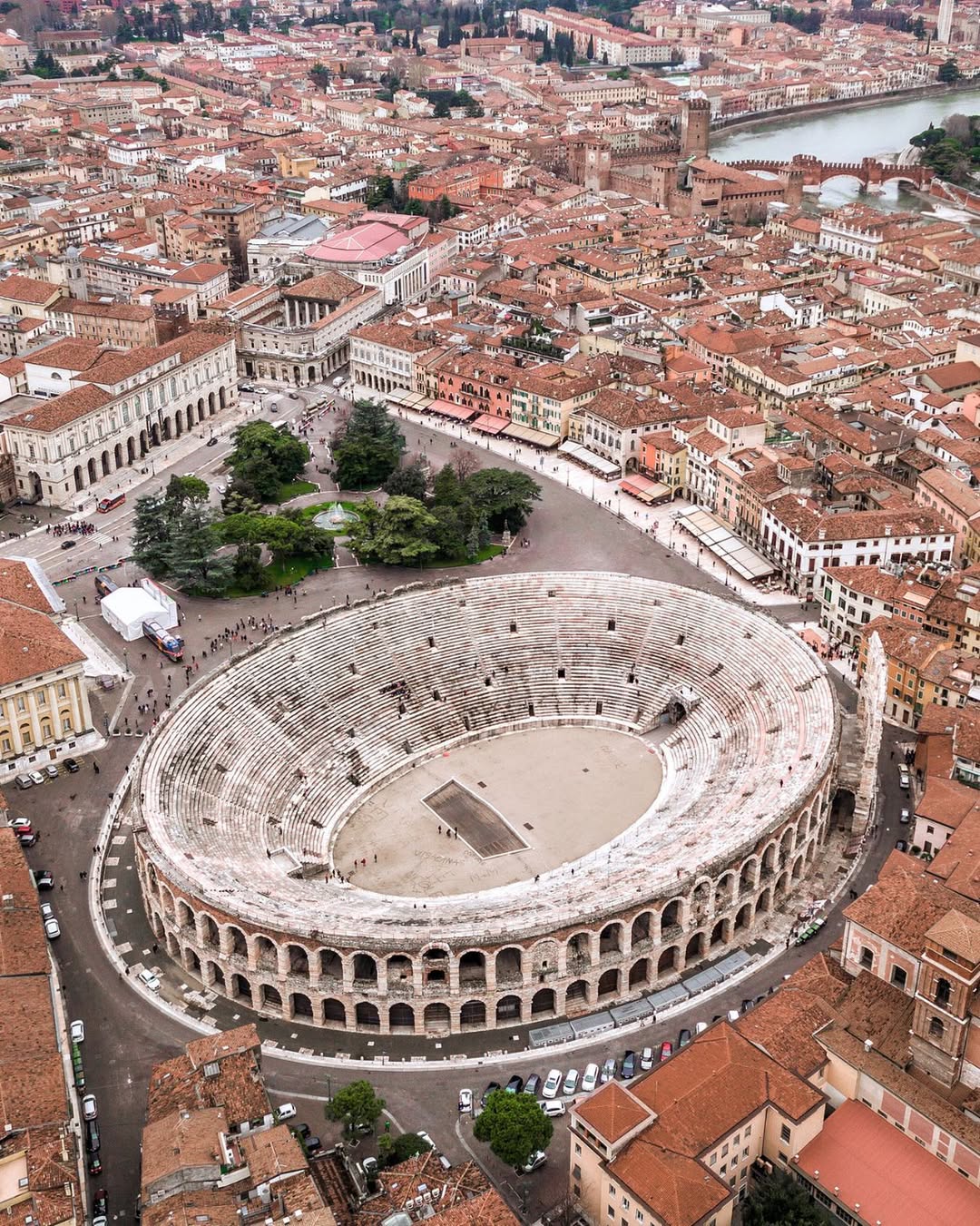
The Verona Arena surprises you with its scale right in the middle of the city. Unlike many ancient structures, it still feels alive, especially when you step inside and imagine thousands of people watching performances under the open sky. You’ll notice how well-preserved the stone seating is.
Built in the 1st century, the arena can hold around 30,000 spectators. Entry during the day costs about €12, but opera tickets during the summer festival range from €25 to over €200. The site receives over 500,000 visitors annually.
If you visit during an evening performance, the atmosphere becomes unforgettable.
What to do
- Tour the arena interior
- Attend an opera or concert
- Explore Verona’s old town
Practical intel
- Timing: 9:00 AM to 7:00 PM
- Cost: €12 entry, higher for events
- Duration: 1 to 2 hours
- Access: Central Verona
Best for
Culture lovers, history fans, unique experiences
14. Siena Historic Center, Siena
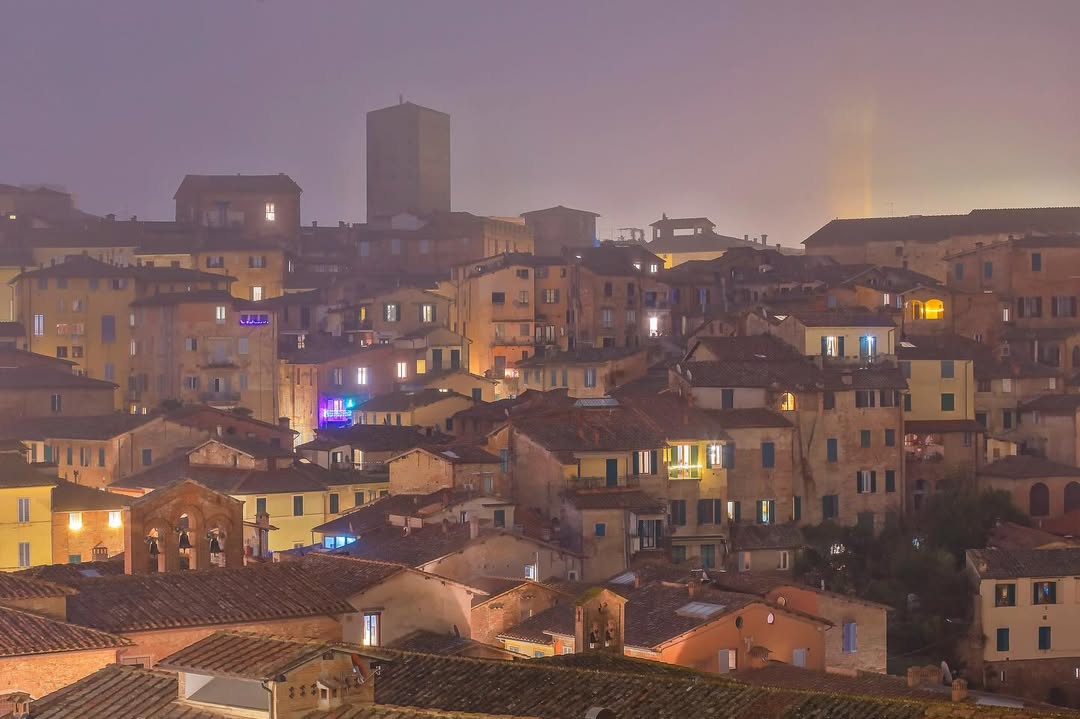
Siena feels like stepping back into the Middle Ages. Narrow streets wind between brick buildings, and suddenly open into the stunning Piazza del Campo, shaped like a shell. You’ll notice how different it feels from Florence, quieter, more intimate, and deeply authentic.
The historic center is a UNESCO site and hosts the famous Palio horse race twice a year in July and August, drawing around 40,000 spectators. The cathedral entry costs about €10 to €15, and most visitors spend 3 to 4 hours exploring the city.
If you go early morning, the streets are nearly empty and far more atmospheric.
What to do
- Walk Piazza del Campo
- Visit Siena Cathedral
- Climb Torre del Mangia
Practical intel
- Timing: Open year-round
- Cost: €10 to €15 for major sites
- Duration: Half to full day
- Access: 1 hour from Florence
Best for
History lovers, slow travelers, culture seekers
15. Mount Etna, Sicily
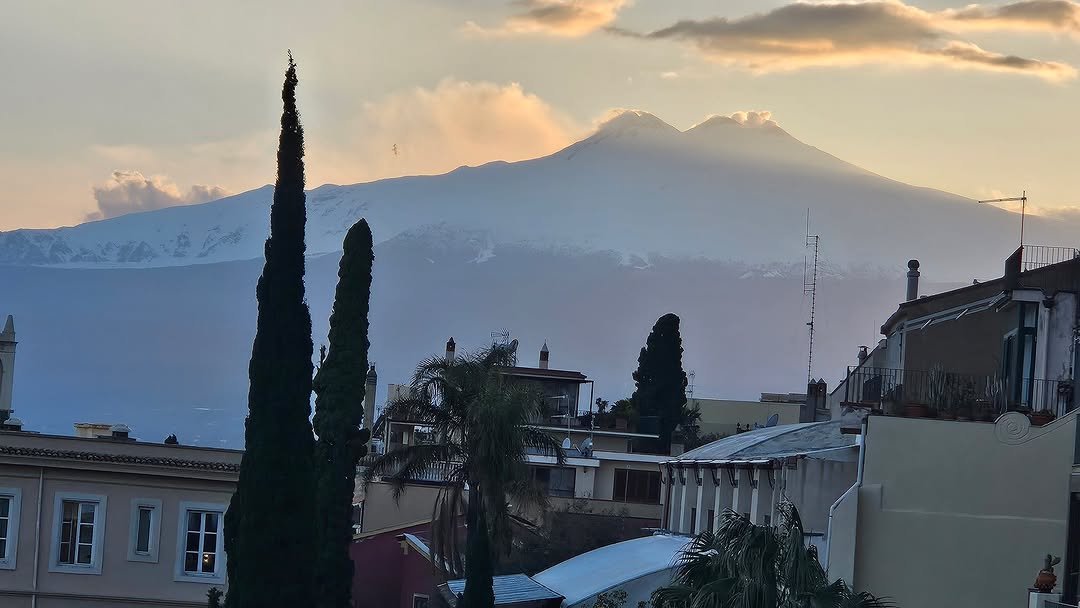
Mount Etna is one of those places where you truly feel the power of nature. Standing on its slopes, you’ll see black lava fields stretching for kilometers, with smoke occasionally rising from the summit. It’s raw, dramatic, and completely different from Italy’s usual scenery.
At over 3,300 meters tall, it’s Europe’s highest active volcano. Guided tours with cable car access cost around €50 to €100 and typically take 4 to 6 hours. Etna erupts frequently, but visits are generally safe with regulated access zones.
If you go in the morning, visibility is clearer and winds are calmer, making the experience much better.
What to do
- Take a guided volcano tour
- Ride cable cars up the slopes
- Walk across lava fields
Practical intel
- Timing: Year-round, best April to October
- Cost: €50 to €100 tours
- Duration: Half to full day
- Access: 1 hour from Catania
Best for
Adventure seekers, nature lovers, unique experiences
16. St. Mark’s Basilica, Venice
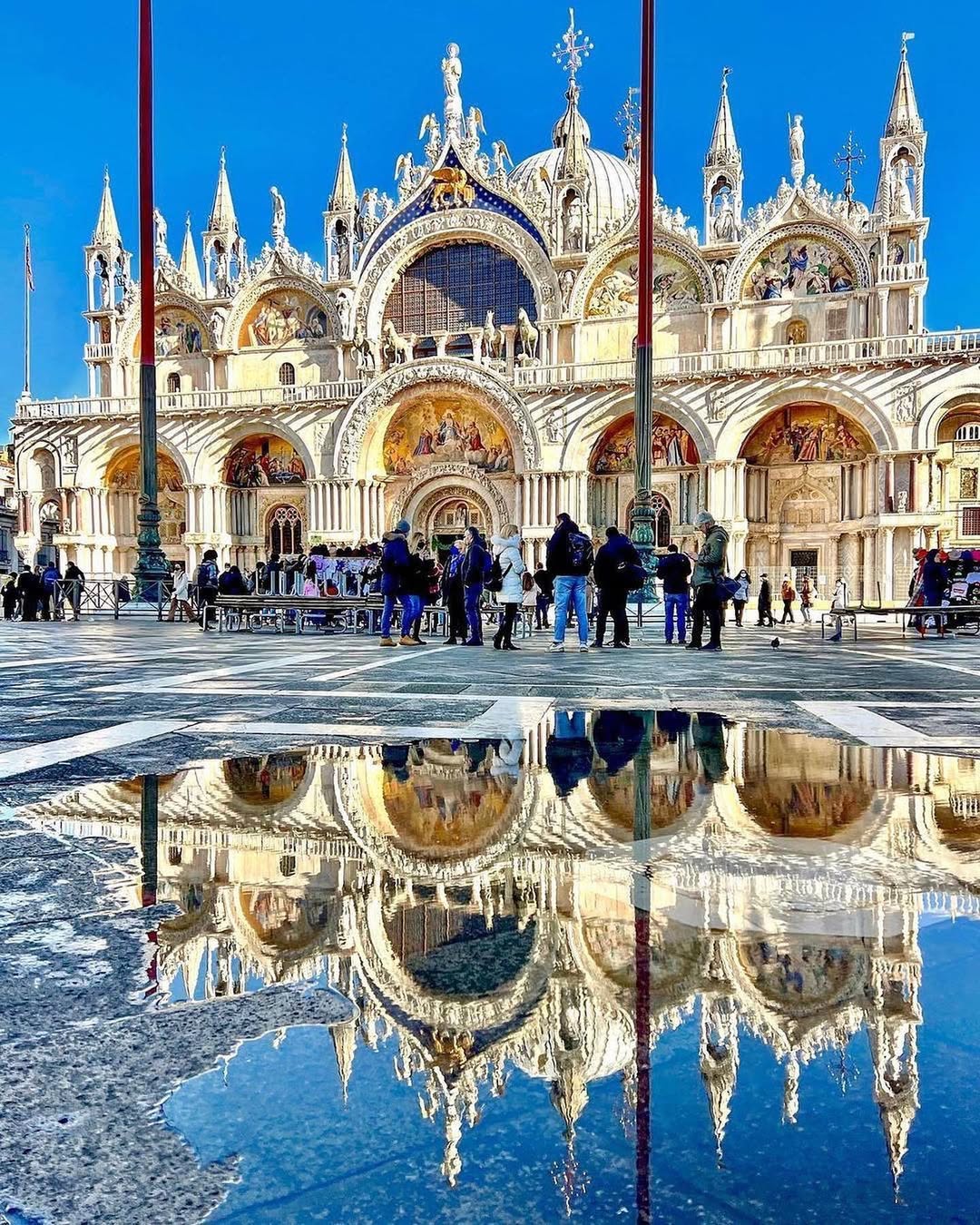
The moment you step into St. Mark’s Basilica, everything feels golden. Light reflects off intricate mosaics that cover over 8,000 square meters of the interior, creating a glowing, almost surreal atmosphere. You’ll notice how every surface seems deliberately designed to impress.
Built in the 11th century, the basilica sits right on Piazza San Marco and receives millions of visitors annually. Entry to the main basilica is free, but access to the terrace costs around €7, offering one of the best views over Venice.
If you go early, before 9:30 AM, you’ll avoid long queues that can stretch beyond 1 hour during peak months.
What to do
- Explore the golden mosaics inside
- Climb to the terrace for views
- Walk through Piazza San Marco
Practical intel
- Timing: 9:30 AM to 5:15 PM
- Cost: Free entry, €7 terrace
- Duration: 1 to 1.5 hours
- Dress code: Shoulders and knees covered
Best for
Art lovers, architecture enthusiasts, first-time visitors
17. Uffizi Gallery, Florence
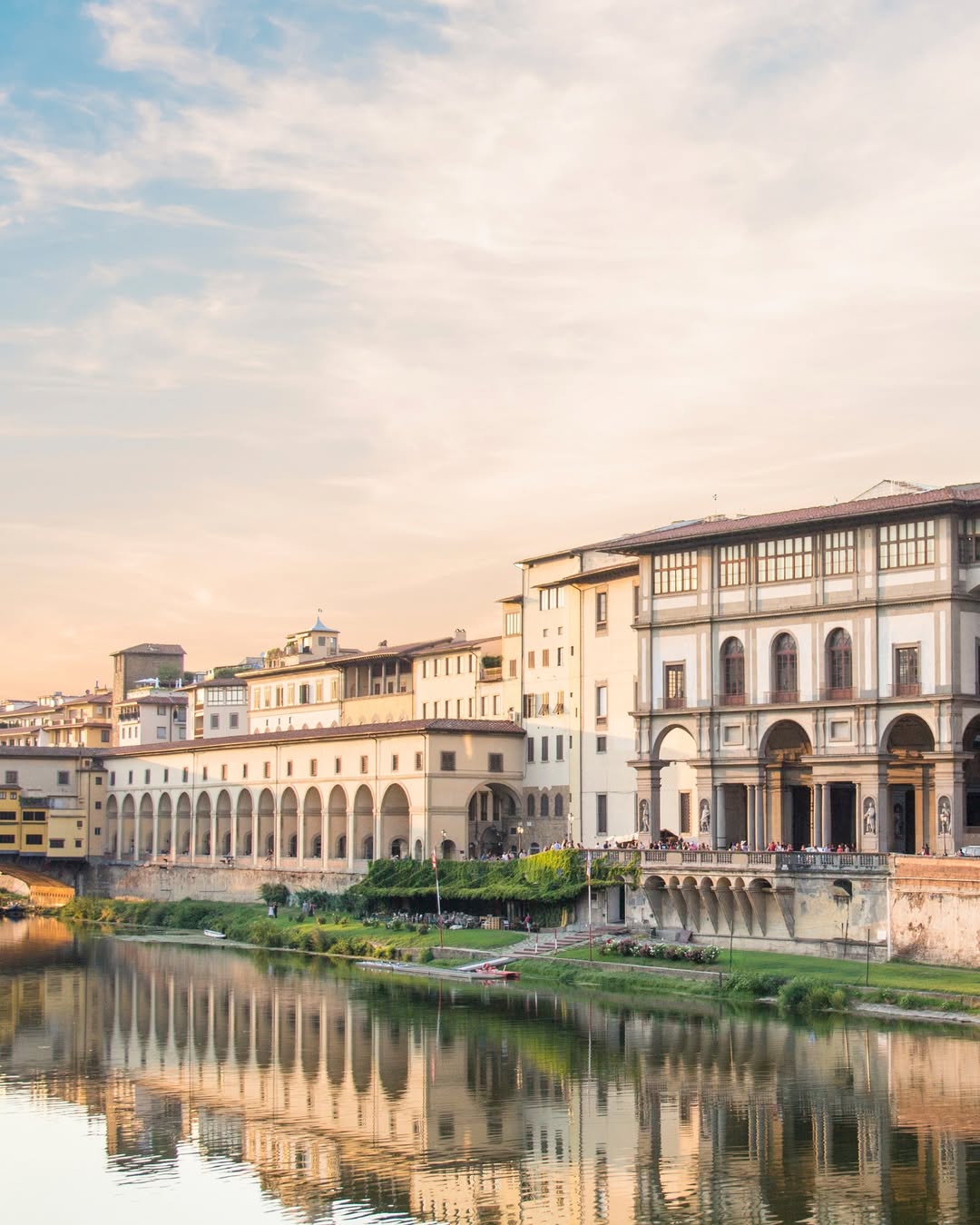
Walking through the Uffizi Gallery feels like moving through a timeline of Renaissance genius. You’ll come face-to-face with works by Botticelli, Leonardo da Vinci, and Michelangelo, and you’ll notice how each room builds on the last in both scale and impact.
The gallery houses over 100,000 works, though only a fraction is displayed. Entry costs around €20, and the average visit lasts 2 to 3 hours. It attracts more than 2 million visitors per year, so booking a timed entry is essential.
If you choose a late afternoon slot, crowds tend to thin out slightly.
What to do
- See “The Birth of Venus”
- Walk through Renaissance halls
- Enjoy views of the Arno River
Practical intel
- Timing: 8:15 AM to 6:30 PM
- Cost: ~€20
- Duration: 2 to 3 hours
- Booking: Strongly recommended
Best for
Art lovers, culture enthusiasts, history seekers
18. San Gimignano
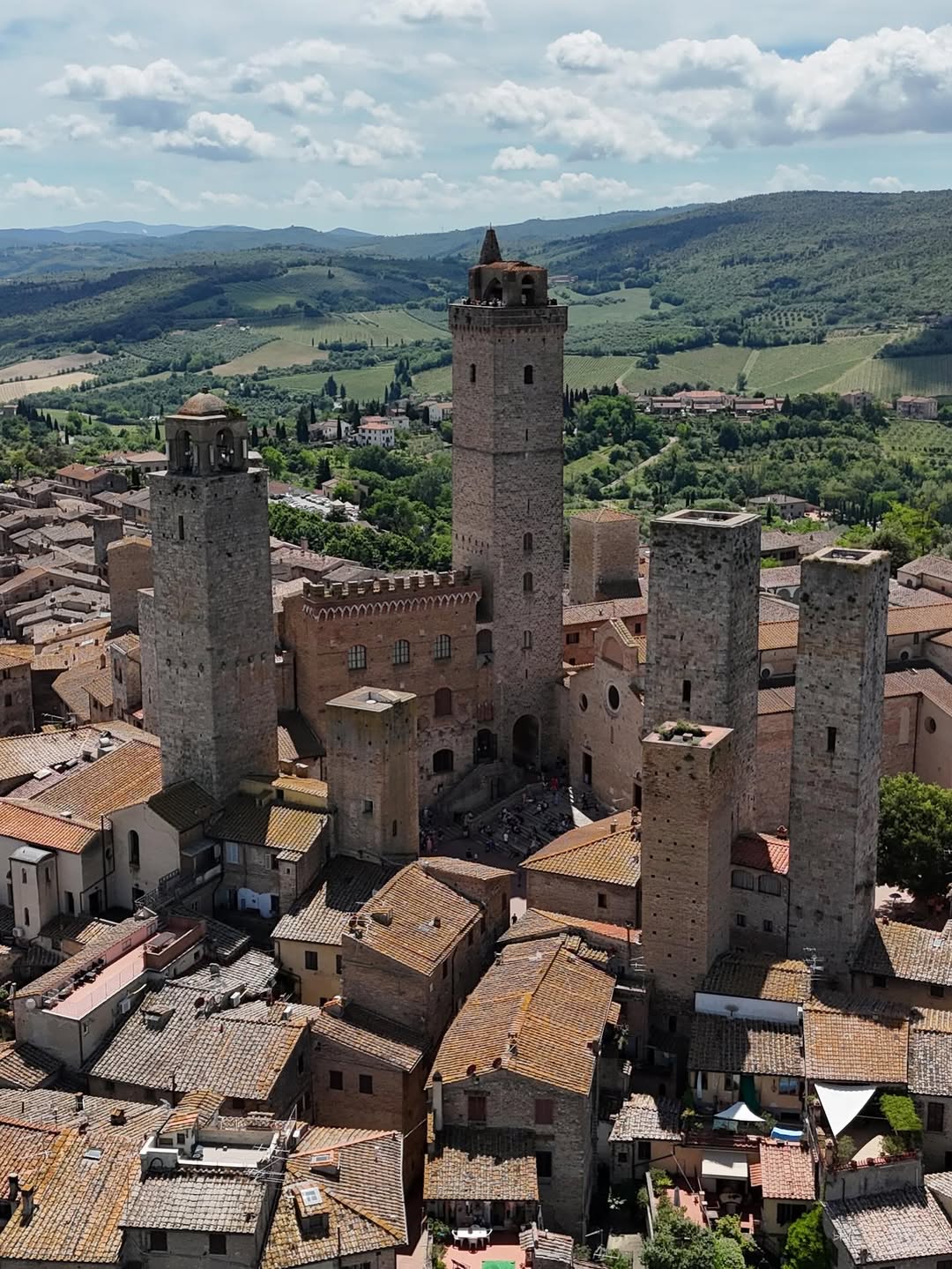
San Gimignano feels like a skyline frozen in the Middle Ages. Its tall stone towers rise above the rolling Tuscan countryside, and as you walk through the narrow streets, you’ll notice how intact and authentic everything feels.
Known as the “Town of Fine Towers,” it once had 72 towers, with 14 still standing today. The town sees around 3 million visitors annually, yet most stay only a few hours. Entry to the town is free, but tower climbs cost about €9.
If you stay into the evening, you’ll experience a quieter version after day-trippers leave.
What to do
- Climb Torre Grossa
- Walk medieval streets
- Try award-winning gelato
Practical intel
- Timing: Open all day
- Cost: Free entry, €9 tower climb
- Duration: 2 to 4 hours
- Access: 1 hour from Florence
Best for
Scenic lovers, photographers, relaxed exploration
19. Bologna Historic Center, Bologna
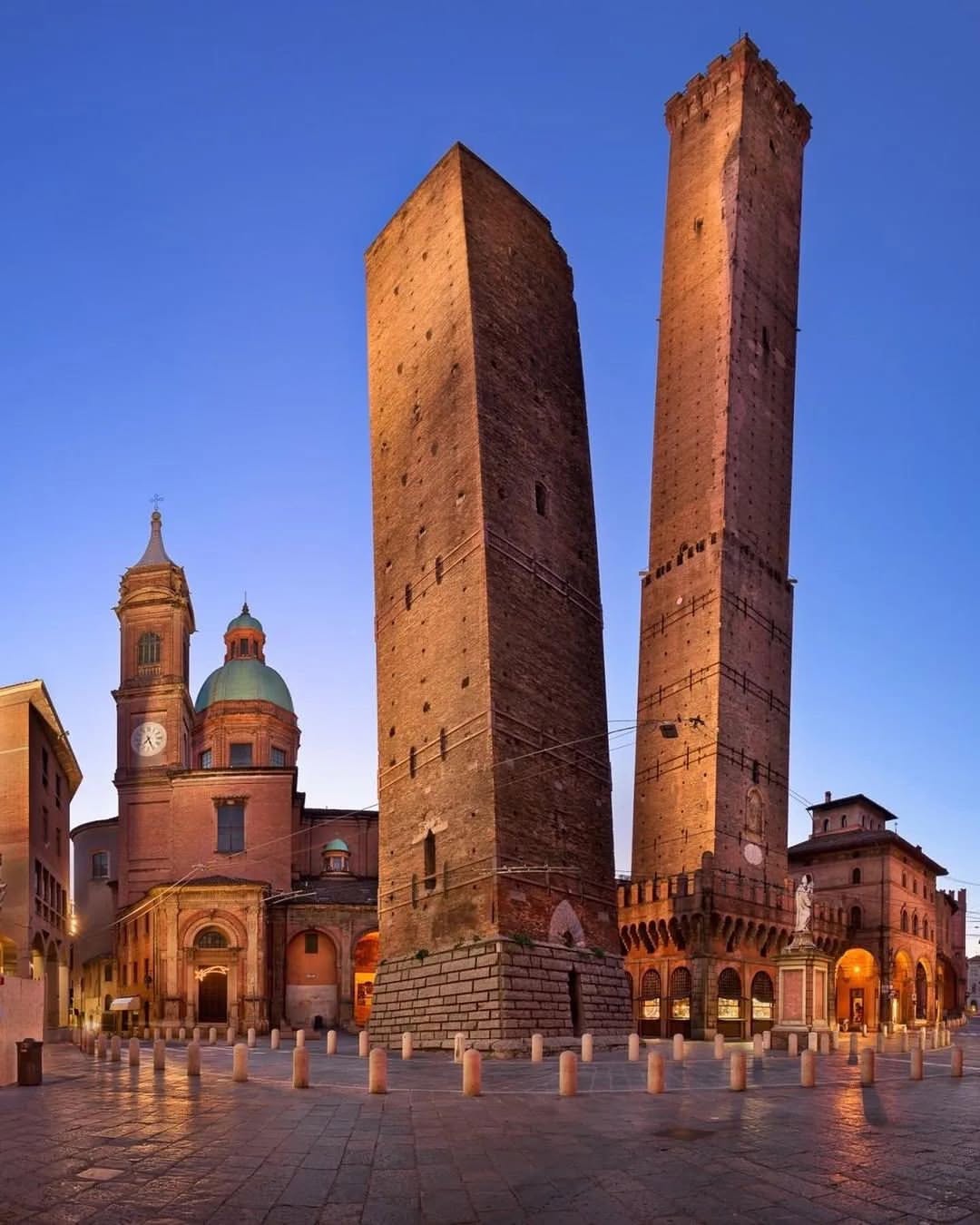
Bologna’s historic center feels lively but less overwhelming than Italy’s bigger cities. Endless porticoes stretch for nearly 40 kilometers, giving you shaded walkways that make exploring comfortable even in summer. You’ll notice how food culture is deeply woven into everyday life here.
The city is home to the oldest university in the world, founded in 1088. Climbing the Asinelli Tower costs about €5 and involves nearly 500 steps, rewarding you with sweeping views. Most visitors spend 1 to 2 days exploring.
If you go in the evening, the atmosphere becomes more local and relaxed, especially around food markets.
What to do
- Climb Asinelli Tower
- Walk under the porticoes
- Explore local food markets
Practical intel
- Timing: Year-round destination
- Cost: €5 tower climb
- Duration: 1 to 2 days
- Access: 1 hour from Florence
Best for
Food lovers, culture seekers, city explorers
20. Val d’Orcia
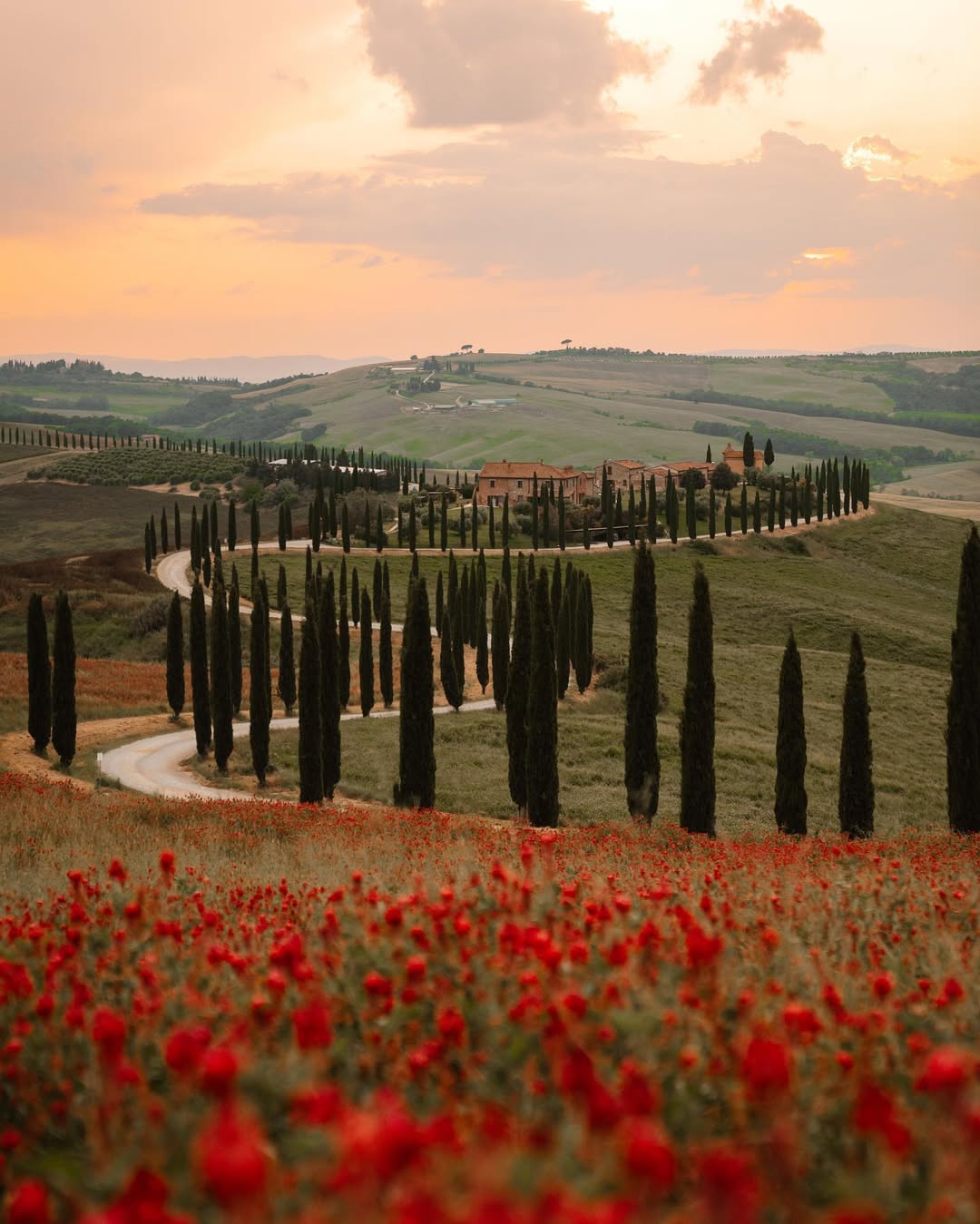
Val d’Orcia is the Italy you imagine before you even arrive. Rolling hills, cypress-lined roads, and golden fields stretch in every direction. As you drive through, you’ll notice how every turn looks like a perfectly composed photograph.
This UNESCO-listed region covers about 600 square kilometers and includes small towns like Pienza and Montalcino. Most travelers spend 1 to 3 days here, with agriturismo stays ranging from €80 to €250 per night.
If you visit during sunrise or sunset, the soft light transforms the entire landscape.
What to do
- Drive scenic countryside roads
- Visit Pienza and Montalcino
- Stay in a farmhouse
Practical intel
- Timing: Best April to June, September
- Cost: Variable accommodation €80 to €250
- Duration: 1 to 3 days
- Transport: Car recommended
Best for
Photographers, couples, slow travel lovers




COMMENTS
Please note that all comments will be checked by our team before being approved.