20 Most Beautiful Places to Visit in Switzerland in 2026 That Most Tourists Miss On Their First Trip
Dreaming of a destination that feels straight out of a postcard? These 20 most beautiful places to visit in Switzerland are scenic, serene, and simply breathtaking, offering unforgettable landscapes and picture perfect moments that make every journey feel magical.

Switzerland feels almost unreal the first time you see it. Snow-covered peaks rise above quiet villages, lakes mirror entire mountain ranges, and even train journeys feel carefully designed. It is a place where nature and precision come together effortlessly.
What makes it even more special is the variety within short distances. In a single day, you can move from glacier viewpoints above 3,000 meters to calm lakeside towns below. With over 1,500 lakes and towering peaks, the beauty feels constant yet never repetitive.
As you explore, each place reveals a different rhythm, from peaceful valleys to lively alpine hubs. This guide highlights 20 of the most beautiful places in Switzerland, giving you clear and practical insight as you plan your journey.
1. Zermatt & the Matterhorn
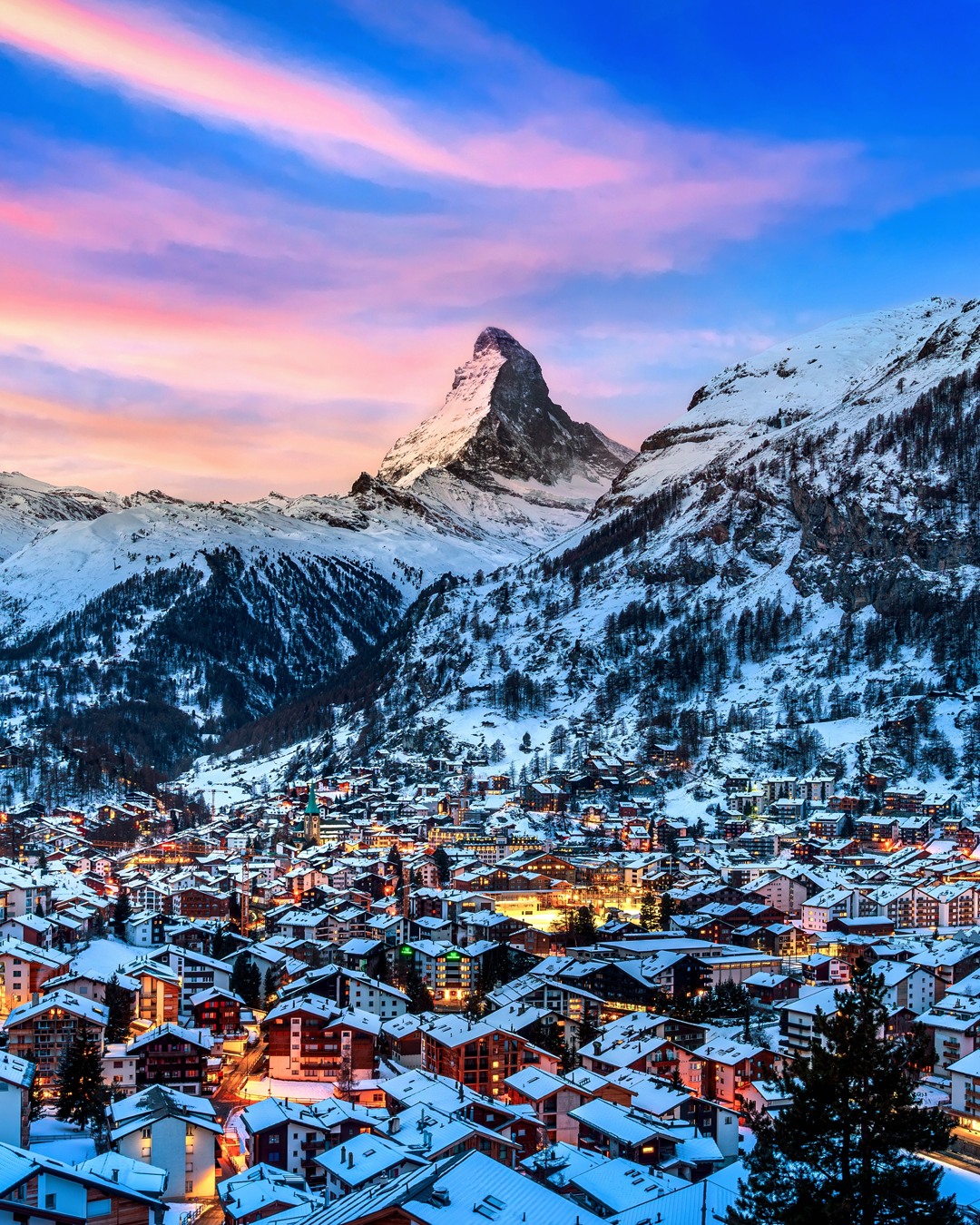
The first thing you’ll notice in Zermatt is silence. No cars, just electric taxis and the crunch of boots on alpine paths. Then your eyes lift and there it is, the Matterhorn rising to 4,478 meters, impossibly sharp, almost unreal. You don’t just see it, you feel its presence from nearly every street corner.
Zermatt sits at 1,620 meters elevation and draws over 2 million visitors annually, yet it still feels intimate if you step away from Bahnhofstrasse. The Gornergrat Railway climbs to 3,089 meters in 33 minutes, giving you one of the clearest panoramic views in the Alps, including 29 peaks over 4,000 meters.
If you go early morning, before 9:00 AM, the light hits the Matterhorn in a soft gold that photographers chase for years. Even a short walk toward the Five Lakes Trail (9.3 km loop) rewards you with mirror reflections if the wind is still.
What to do
- Ride Gornergrat Railway for panoramic alpine views
- Walk the Five Lakes Trail for Matterhorn reflections
- Explore the car-free village streets at sunset
Practical intel
- Best time: June to September for hiking, December to March for skiing
- Gornergrat ticket: ~CHF 120 round trip
- Time needed: 1.5 to 2 days minimum
Best for
Iconic Swiss scenery, photographers, alpine hiking lovers
2. Lauterbrunnen Valley
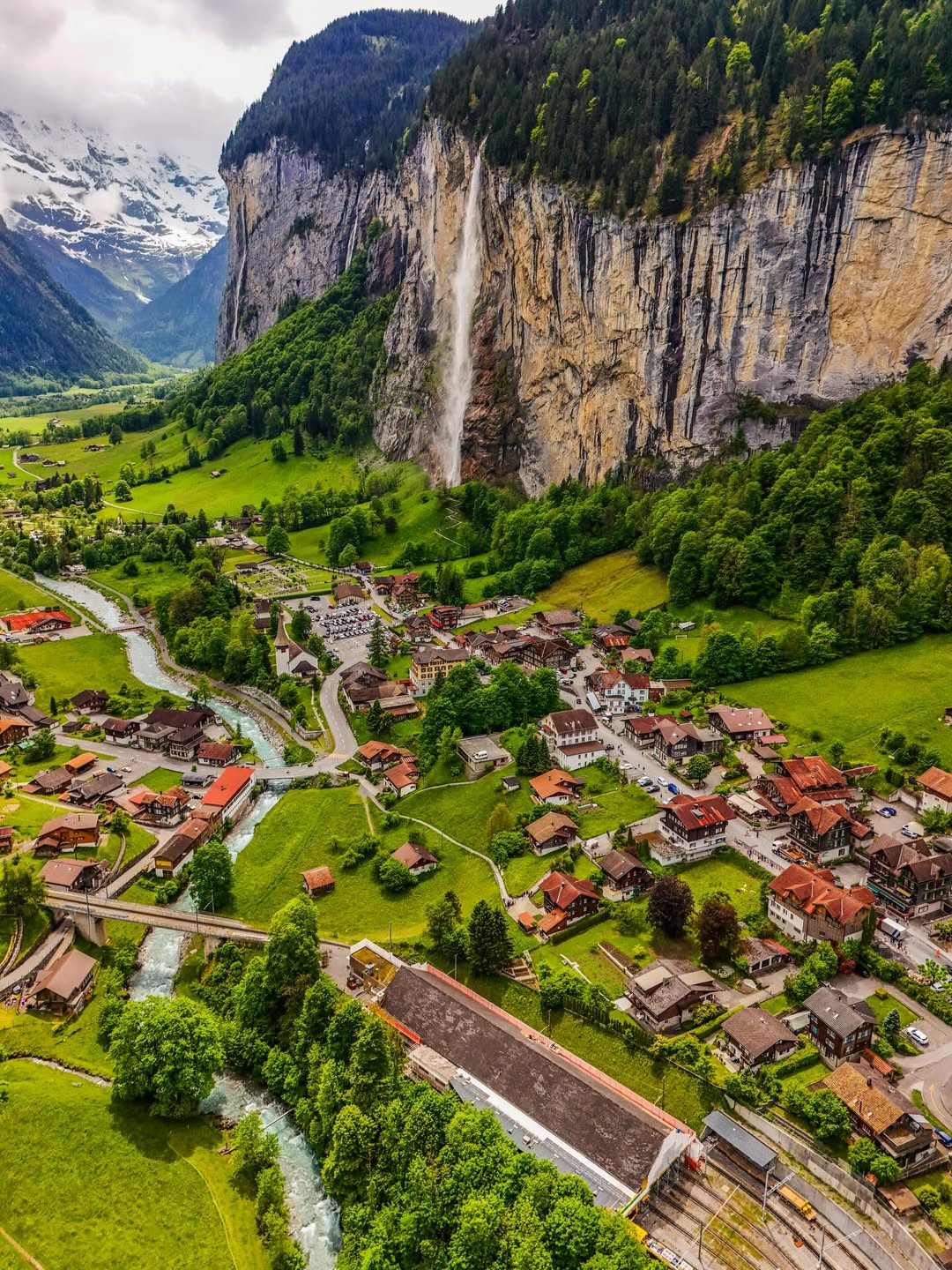
You’ll step into Lauterbrunnen and immediately hear water. Not one waterfall, but dozens. This valley holds 72 waterfalls, including the famous Staubbach Falls dropping nearly 300 meters, one of the highest free-falling waterfalls in Europe.
The valley floor is only about 1 km wide, surrounded by sheer cliffs that rise up to 800 meters. Trains connect seamlessly to nearby villages like Wengen and Mürren, making it a base rather than just a stop. Around 1 million visitors come each year, but most stay briefly, so mornings and evenings feel almost empty.
Walk or bike the 4 km stretch between Lauterbrunnen and Stechelberg. If you go after rainfall or snowmelt in late spring, the waterfalls are at their most powerful and dramatic.
What to do
- Walk beneath Staubbach Falls and feel the mist
- Take cable car to Mürren for cliffside views
- Explore Trümmelbach Falls inside the mountain
Practical intel
- Best time: May to September for waterfalls at peak flow
- Trümmelbach entry: ~CHF 15
- Time needed: 1 full day or use as base for 2–3 days
Best for
Nature immersion, waterfalls, peaceful valley landscapes
3. Lake Lucerne & Surroundings
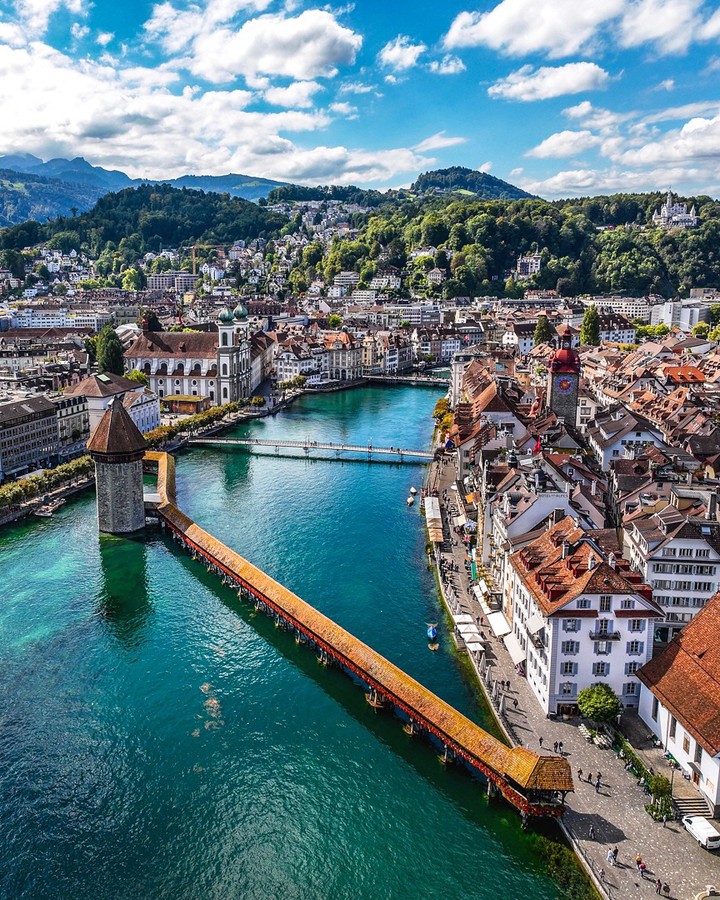
Lake Lucerne feels like multiple landscapes stitched together. One moment you’re in a calm bay, the next you’re surrounded by fjord-like arms cutting deep into mountains. The lake covers 114 square kilometers, with shoreline extending over 150 km.
The town of Lucerne sits at its edge, with the iconic Kapellbrücke bridge dating back to the 14th century. From here, you can take a 1-hour boat ride or a full 3-hour cruise across the lake. Mount Pilatus rises nearby to 2,128 meters, reachable via the world’s steepest cogwheel railway with a gradient of 48 percent.
If you go in late afternoon, the light softens across the water and the mountains turn deep blue. It is the kind of place where you slow down without trying.
What to do
- Take a scenic lake cruise
- Ride up Mount Pilatus or Mount Rigi
- Walk Lucerne’s old town and Chapel Bridge
Practical intel
- Boat cruises: CHF 30 to 80 depending on duration
- Pilatus railway: ~CHF 78 one way
- Time needed: 1 to 2 days
Best for
Relaxed scenery, first-time visitors, lake and mountain mix
4. Interlaken
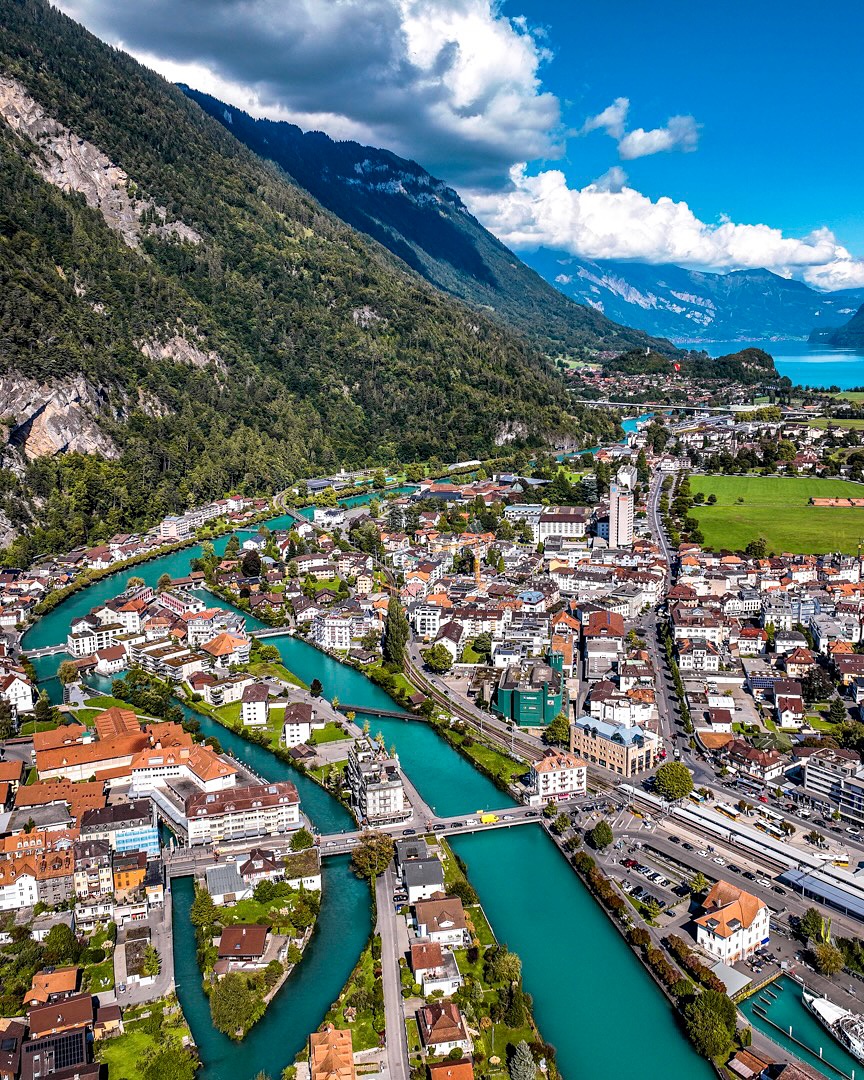
Interlaken sits between Lake Thun and Lake Brienz, acting as the gateway to the Bernese Oberland. You’ll notice the color contrast immediately, Lake Brienz’s turquoise versus Lake Thun’s deep blue, both within 10 minutes of town.
At just 568 meters elevation, Interlaken is more accessible than higher alpine villages, but it connects directly to high-altitude experiences like Jungfraujoch at 3,454 meters. Around 1.3 million tourists pass through annually, making it one of Switzerland’s busiest hubs.
If you want energy and adventure, this is where you base yourself. Early mornings offer quieter lakeside walks, while afternoons fill with paragliders landing in Höhematte Park.
What to do
- Paraglide over Interlaken valley
- Take train to Jungfraujoch
- Walk along Lake Brienz shoreline
Practical intel
- Paragliding: CHF 150 to 200
- Jungfraujoch trip: ~CHF 200 round trip
- Time needed: 2 to 3 days
Best for
Adventure seekers, central base, easy transport connections
5. St. Moritz
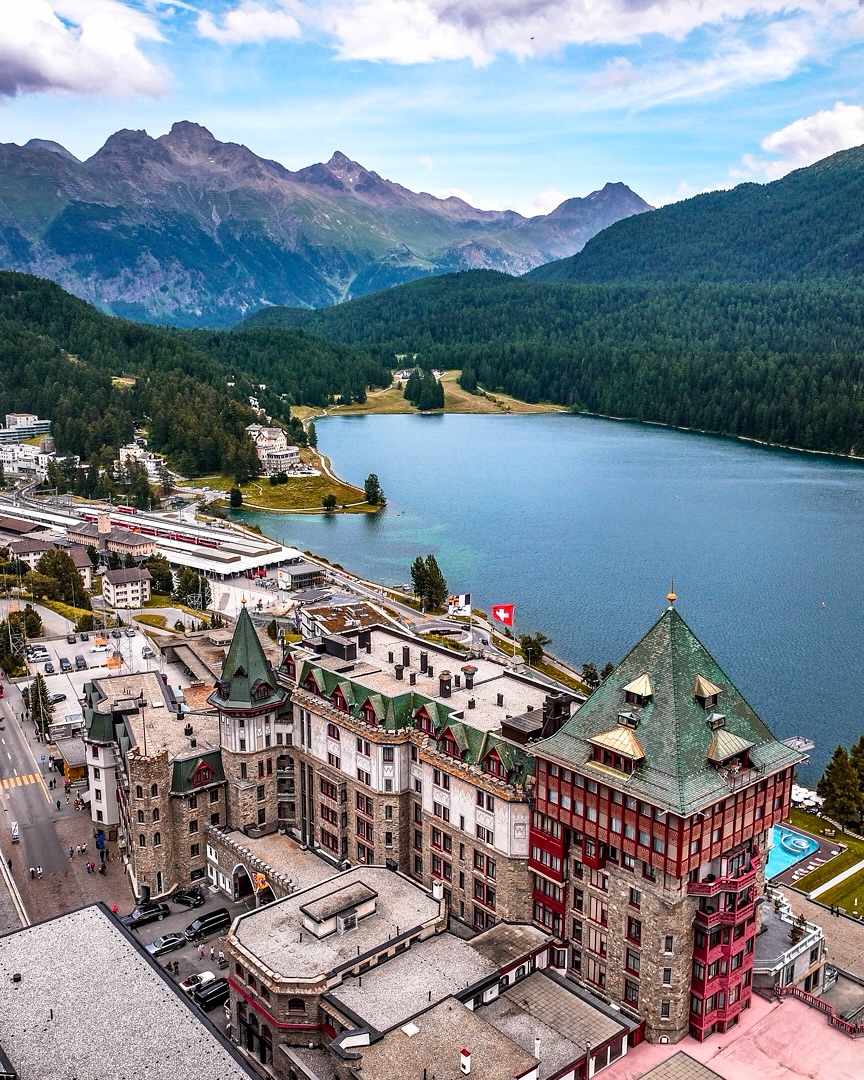
St. Moritz feels different from the rest of Switzerland. It is sharper, brighter, and more refined. Sitting at 1,822 meters, it receives around 300 sunny days per year, which explains its reputation as a winter luxury destination.
The frozen lake in winter hosts events like polo and horse racing, while summer reveals hiking trails stretching over 580 km in the Engadin valley. This is also the birthplace of winter tourism, hosting the Winter Olympics twice in 1928 and 1948.
If you visit in winter, step onto the lake itself. If you visit in summer, take the Bernina Express, one of the world’s most scenic train routes climbing to 2,253 meters at Ospizio Bernina.
What to do
- Ride the Bernina Express
- Walk or skate on the frozen lake (winter)
- Hike Engadin valley trails
Practical intel
- Bernina Express: CHF 70 to 150 depending on class
- Best time: December to March for winter, June to September for hiking
- Time needed: 2 days
Best for
Luxury travel, scenic trains, sunny alpine escapes
6. Grindelwald & First Cliff Walk
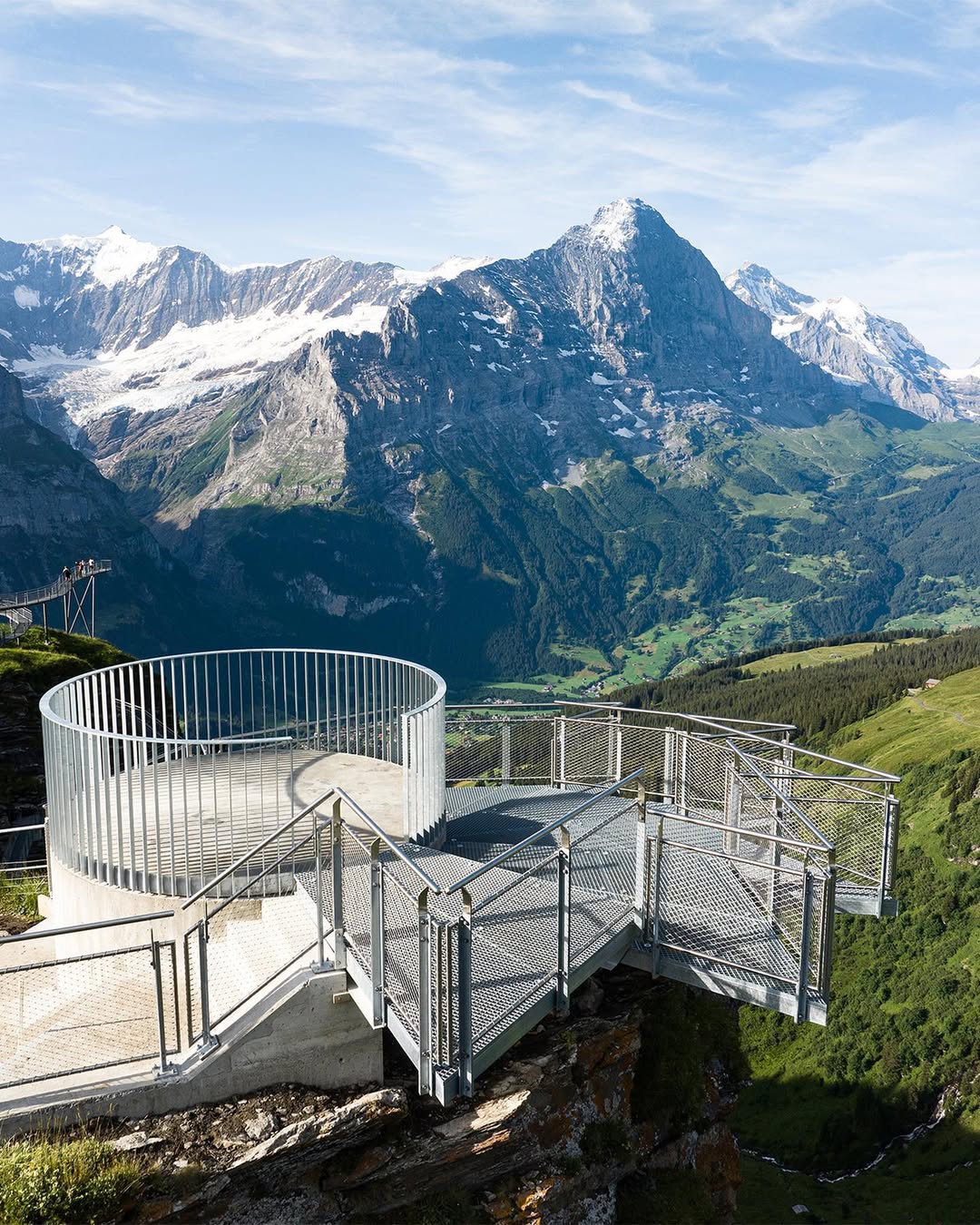
You arrive in Grindelwald and it feels like you’ve stepped inside a postcard that refuses to look staged. Wooden chalets sit beneath towering peaks like the Eiger, rising to 3,967 meters, and every direction seems designed for drama.
Grindelwald sits at 1,034 meters elevation and is one of the main gateways to the Jungfrau region, drawing hundreds of thousands of visitors each year. The cable car to First takes about 25 minutes, and from there, the famous First Cliff Walk suspends you along a metal path hugging the mountain edge with a drop of several hundred meters below.
If you go early morning, you’ll avoid queues and get clearer mountain visibility. The short hike to Bachalpsee (about 1 hour one way) gives you one of the most perfect alpine lake reflections in Switzerland.
What to do
- Walk the First Cliff Walk
- Hike to Bachalpsee lake
- Take the First Flyer zipline
Practical intel
- First cable car: ~CHF 68 round trip
- Best time: June to October
- Time needed: 1 full day
Best for
Classic alpine views, moderate hiking, adrenaline activities
7. Montreux & Lake Geneva Riviera
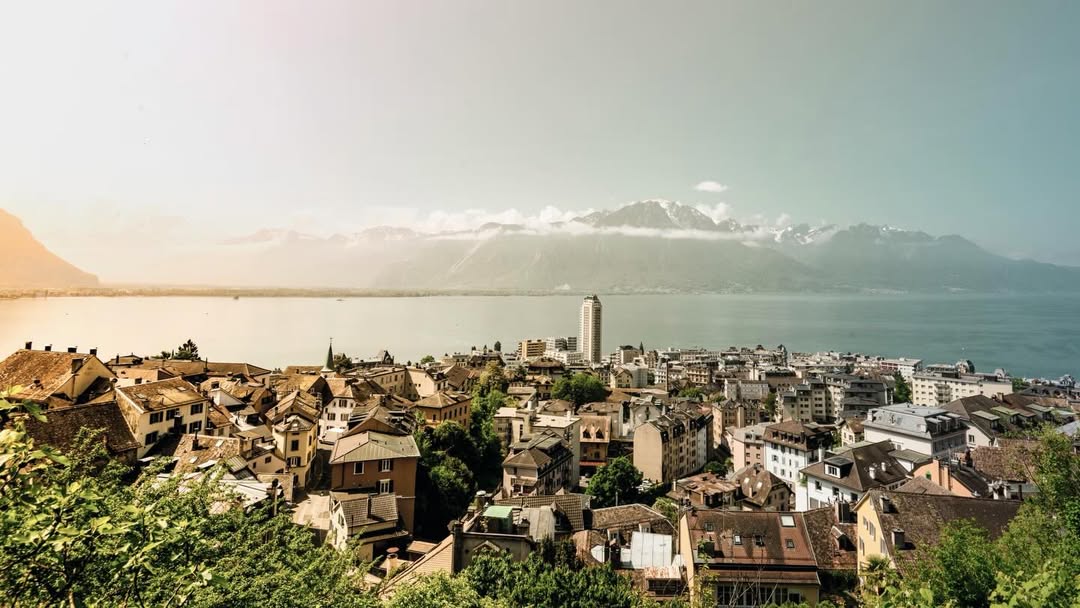
Montreux feels almost Mediterranean. Palm trees line the promenade, Lake Geneva stretches endlessly, and the Alps rise quietly behind you. The air is softer here, and you’ll notice a slower, more relaxed rhythm compared to the mountain villages.
The town sits along Lake Geneva (580 square kilometers), Europe’s largest alpine lake. Just outside lies the iconic Château de Chillon, a medieval castle dating back to the 12th century, visited by over 400,000 people annually. The lakeside walk between Montreux and the castle is about 3 km, completely flat and scenic.
If you visit in July, the Montreux Jazz Festival transforms the town, attracting around 250,000 visitors. Outside festival season, evenings along the promenade are quiet and almost cinematic.
What to do
- Walk to Château de Chillon
- Stroll the lakeside promenade
- Explore Lavaux vineyards nearby
Practical intel
- Castle entry: ~CHF 13
- Best time: April to October
- Time needed: 1 to 2 days
Best for
Romantic scenery, lakeside walks, cultural experiences
8. Appenzell
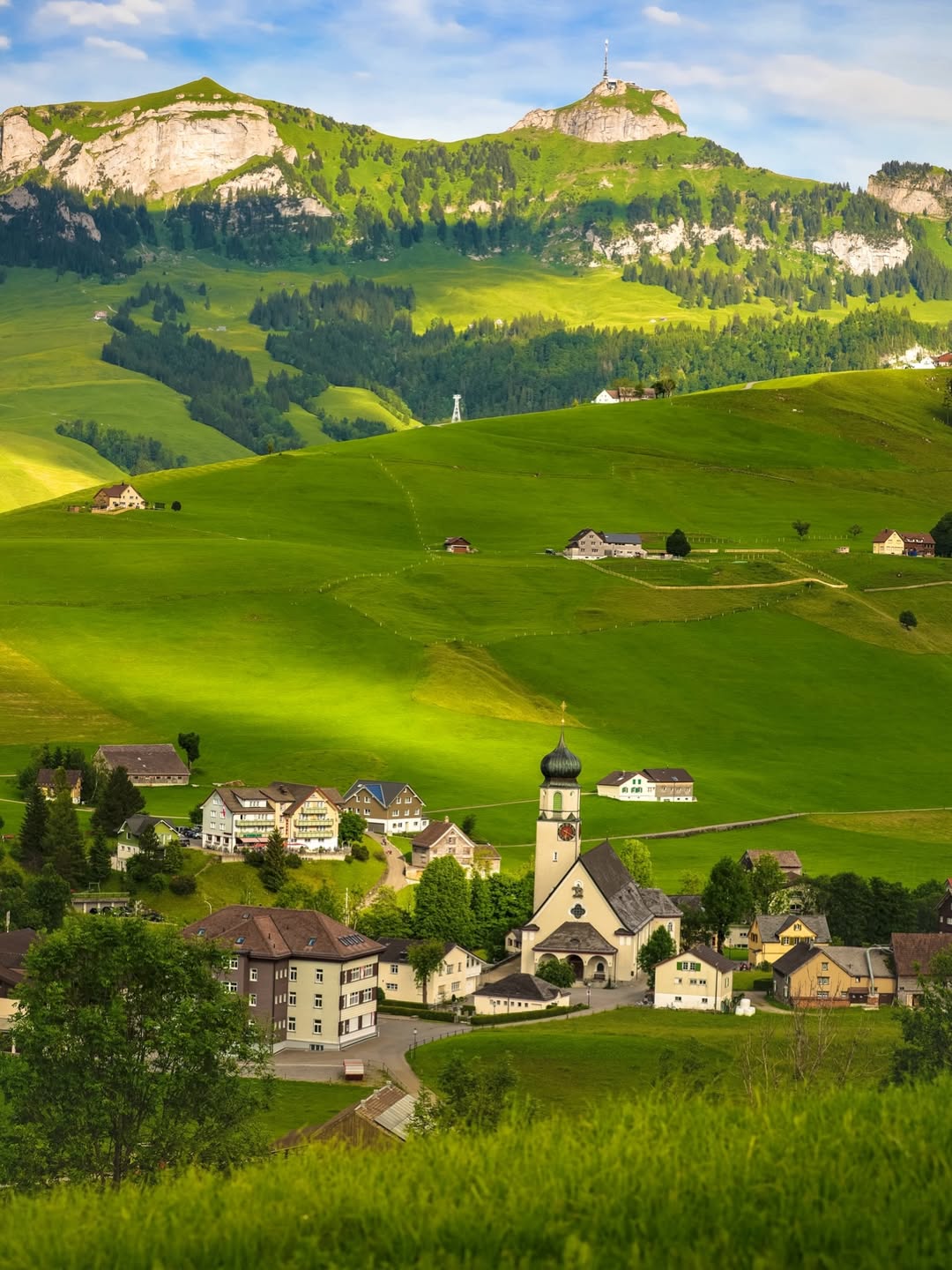
Appenzell feels untouched by time. You’ll notice brightly painted houses, traditional clothing, and a pace of life that hasn’t rushed to modernize. It’s a cultural experience as much as a scenic one.
This small town has a population of just around 7,000 people, yet it serves as the gateway to the Alpstein mountains. From here, you can reach Ebenalp (1,644 meters) via cable car in under 10 minutes, followed by a short hike to the famous cliffside restaurant Äscher.
If you go early in the day, you’ll beat both tour groups and hikers. The contrast between the quiet town and the dramatic cliffs above is something you’ll remember long after you leave.
What to do
- Ride cable car to Ebenalp
- Visit Äscher cliff restaurant
- Walk through the colorful old town
Practical intel
- Cable car: ~CHF 38 round trip
- Best time: May to September
- Time needed: Half day to 1 day
Best for
Cultural charm, off-the-beaten-path feel, scenic hikes
9. Aletsch Glacier
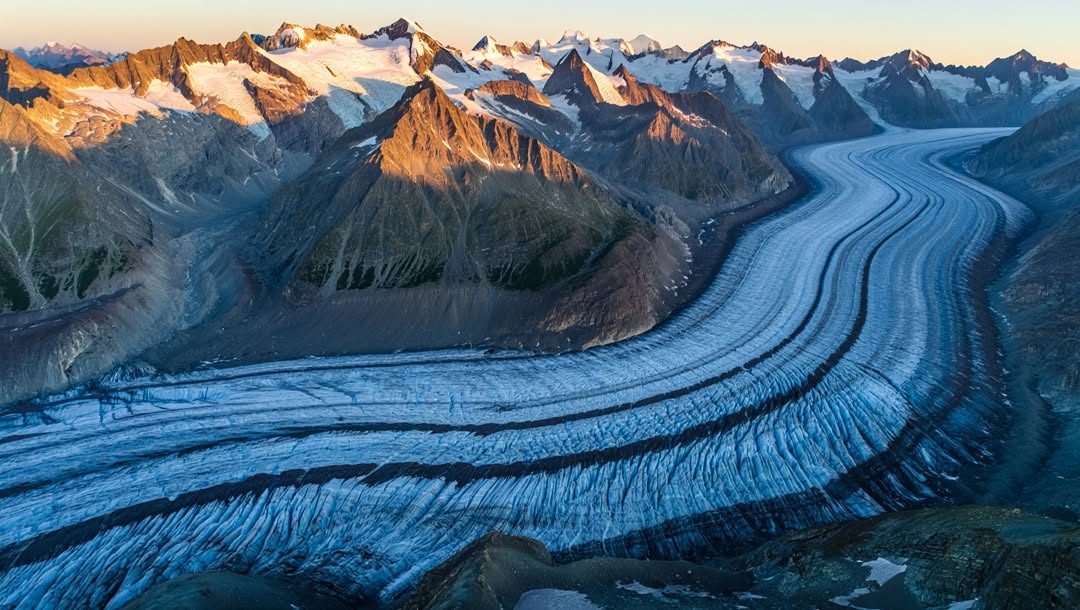
The scale here is hard to process at first. The Aletsch Glacier stretches for 23 kilometers, making it the largest glacier in the Alps, and part of a UNESCO World Heritage Site.
From viewpoints like Eggishorn at 2,869 meters, you’ll see a massive river of ice winding through the mountains. It moves slowly, about 200 meters per year, which is something you don’t feel but know is happening beneath the surface.
If you go on a clear day, visibility can extend for dozens of kilometers. Guided glacier walks are possible, but even standing at a viewpoint gives you a sense of scale that photos never fully capture.
What to do
- Take cable car to Eggishorn viewpoint
- Join a guided glacier walk
- Hike along panoramic ridges
Practical intel
- Cable car access: ~CHF 50 to 70
- Best time: June to September
- Time needed: 1 day
Best for
Unique landscapes, geology lovers, dramatic scale
10. Sion
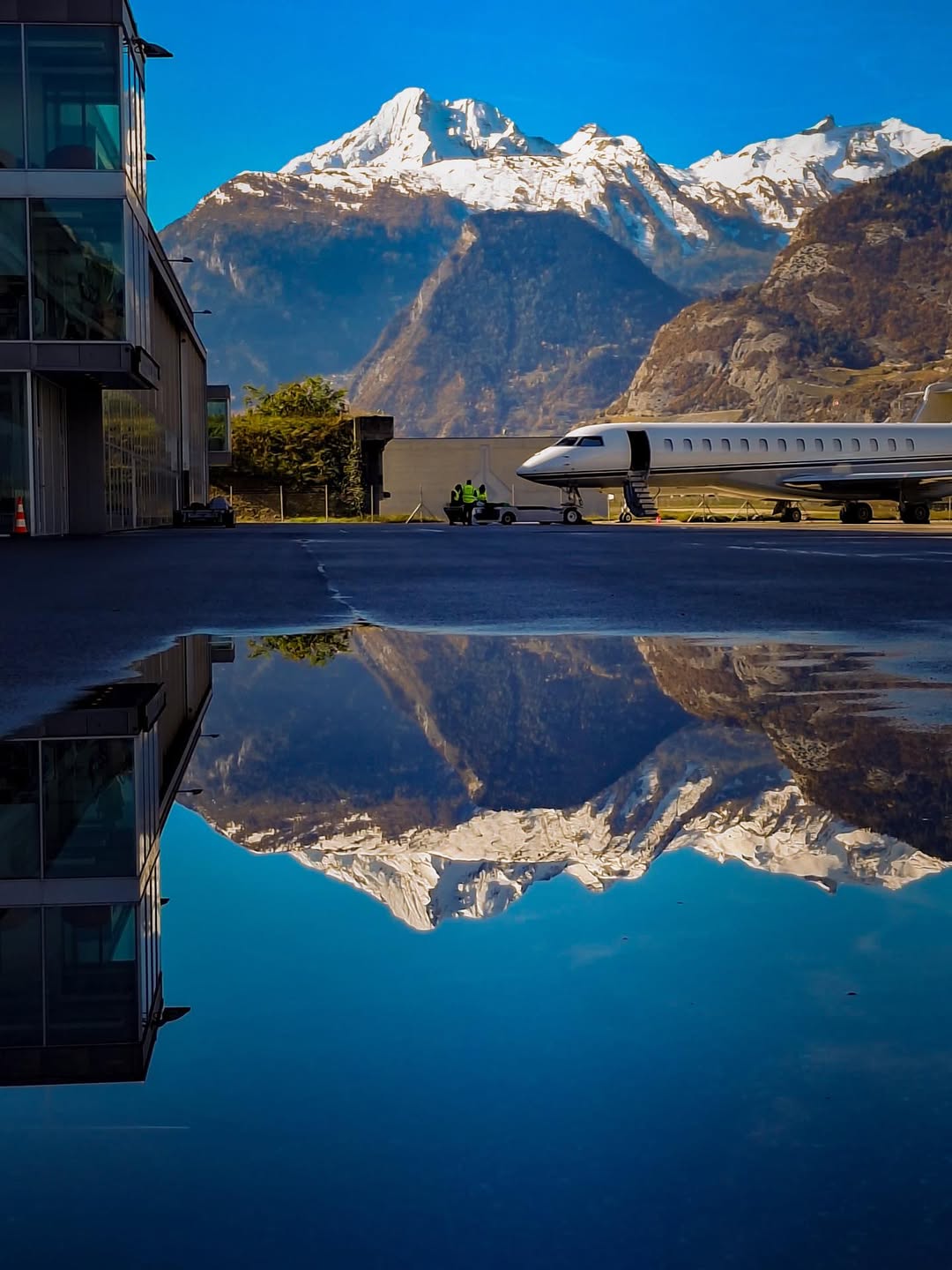
Sion offers something visually striking and historically rich. Two castles, Valère and Tourbillon, sit on separate rocky hills rising above the town, giving it a dramatic skyline you won’t see elsewhere in Switzerland.
The town is one of the oldest in the country, with settlements dating back over 7,000 years. Walking up to Valère Basilica takes about 15 to 20 minutes, and from the top, you get a full view of the Rhône Valley stretching across miles of vineyards.
If you go in late afternoon, the golden light hits the stone structures in a way that feels almost cinematic. It’s quieter than major tourist hubs, with far fewer crowds even in peak season.
What to do
- Climb to Valère Basilica
- Visit Tourbillon Castle ruins
- Explore old town streets and vineyards
Practical intel
- Entry to sites: often free or under CHF 10
- Best time: April to October
- Time needed: Half day
Best for
History, unique landscapes, quieter travel experience
11. Wengen
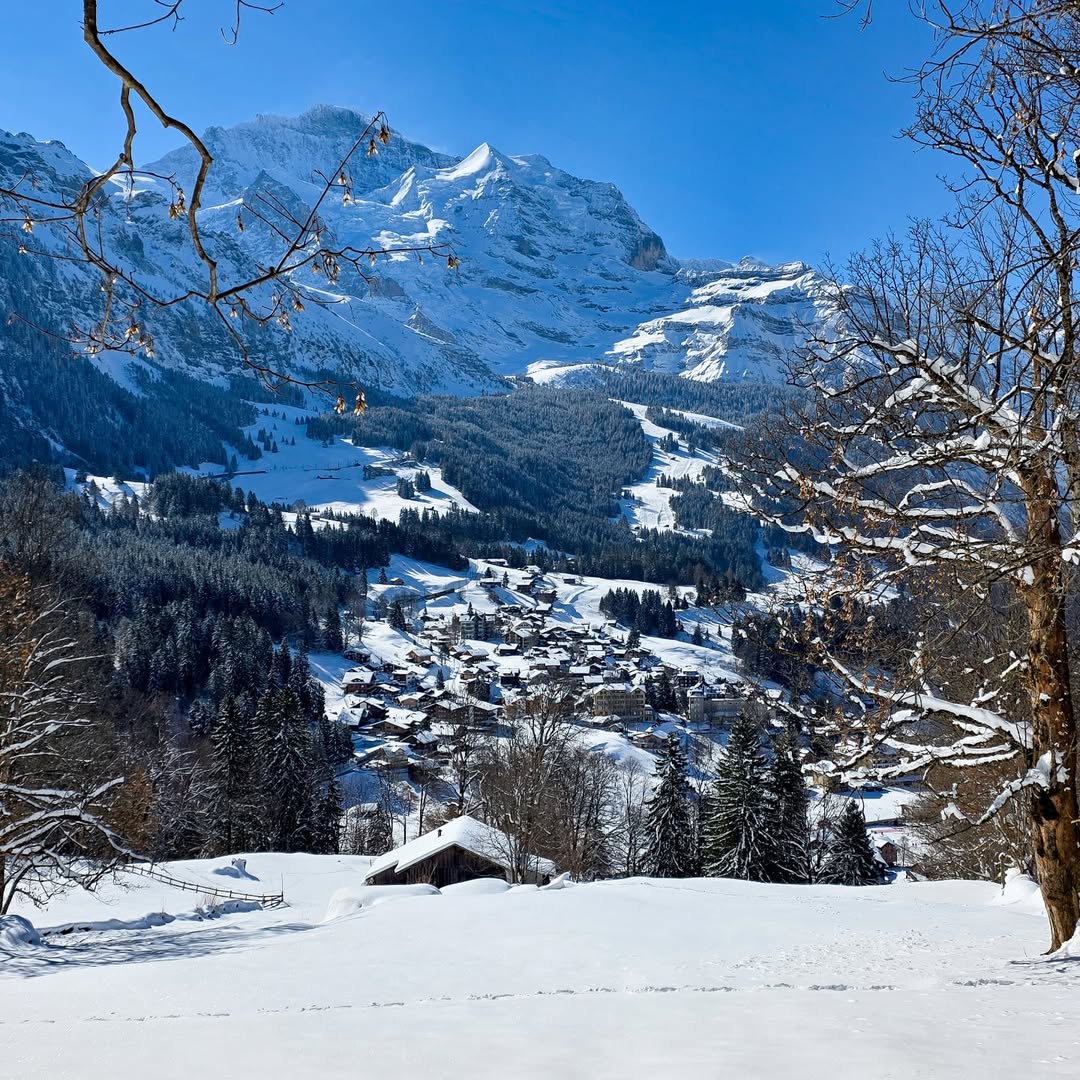
You reach Wengen by train, and that’s your first clue this place is different. No cars, just quiet lanes and uninterrupted views over the Lauterbrunnen Valley. At 1,274 meters elevation, it sits perfectly above the valley, giving you that “floating village” feeling.
Wengen hosts the famous Lauberhorn ski race, the longest downhill race in the world at 4.5 km, but in summer it transforms into a peaceful hiking base. The train from Lauterbrunnen takes just 14 minutes, climbing steadily with views that get better at every turn.
If you stay overnight, you’ll notice how calm it becomes after day visitors leave. Early mornings here feel almost private, especially if you step out before 8:00 AM.
What to do
- Ride the train up from Lauterbrunnen
- Hike panoramic trails toward Kleine Scheidegg
- Enjoy valley views from quiet viewpoints
Practical intel
- Train fare: ~CHF 14 one way
- Best time: June to September or ski season
- Time needed: 1 day or overnight stay
Best for
Peaceful stays, scenic viewpoints, car-free alpine villages
12. Ascona
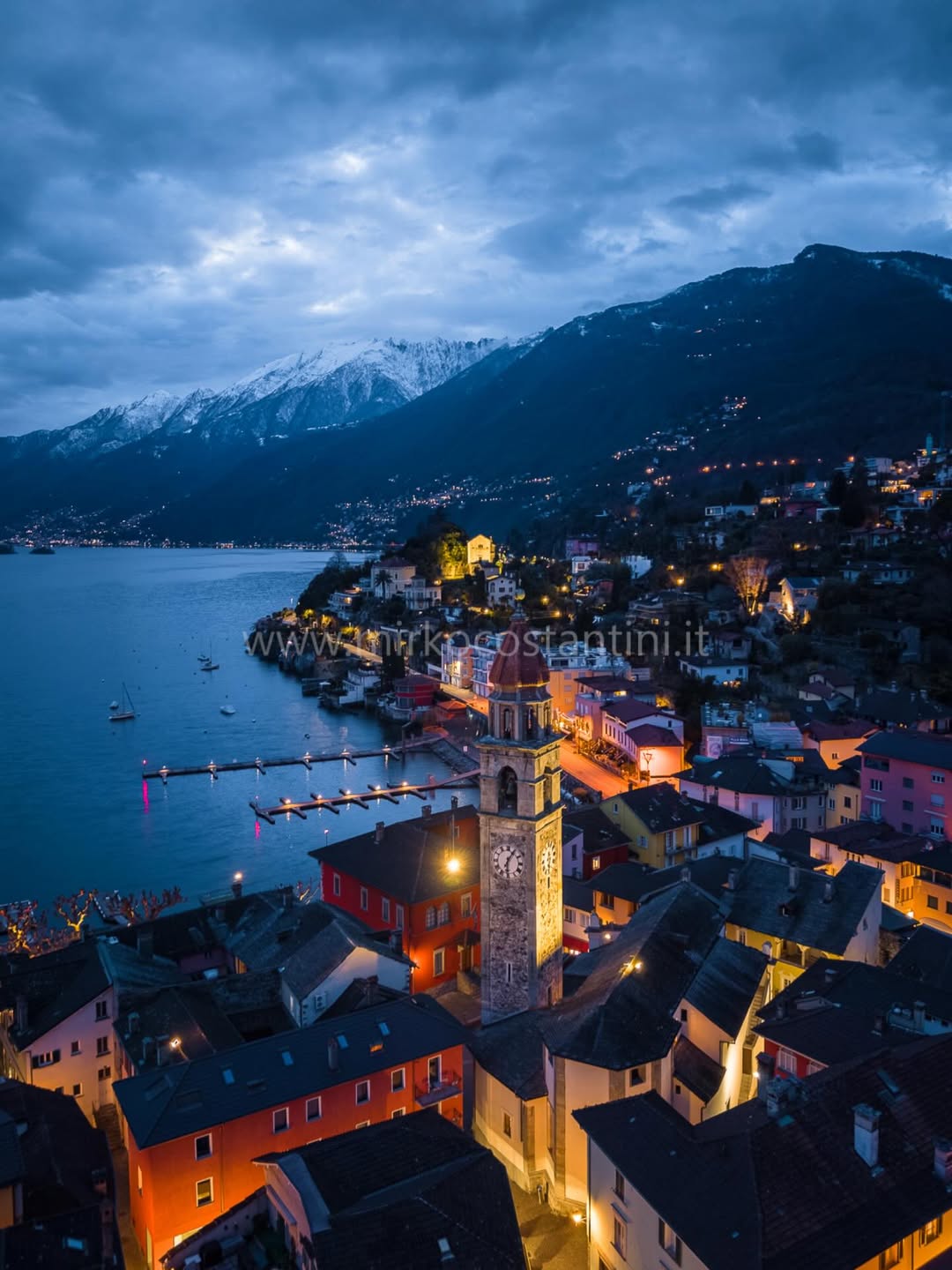
Ascona doesn’t feel like typical Switzerland. You’ll notice palm trees, pastel buildings, and a lakeside promenade that feels closer to Italy than the Alps. That’s because it sits in the Ticino region, where Italian influence shapes everything from food to architecture.
Located on Lake Maggiore, Ascona enjoys some of the warmest weather in Switzerland, with summer temperatures often reaching 28°C to 30°C. The old town is compact and walkable in under 1 hour, but the atmosphere encourages you to linger much longer.
If you go in the evening, the promenade fills with soft light, reflections on the lake, and a relaxed energy that’s completely different from the mountain towns.
What to do
- Walk along the lakeside promenade
- Explore old town cafés and boutiques
- Take a boat ride on Lake Maggiore
Practical intel
- Best time: May to September
- Boat rides: CHF 20 to 60
- Time needed: Half day to 1 day
Best for
Warm weather, lakeside relaxation, Italian-style atmosphere
13. Oeschinen Lake
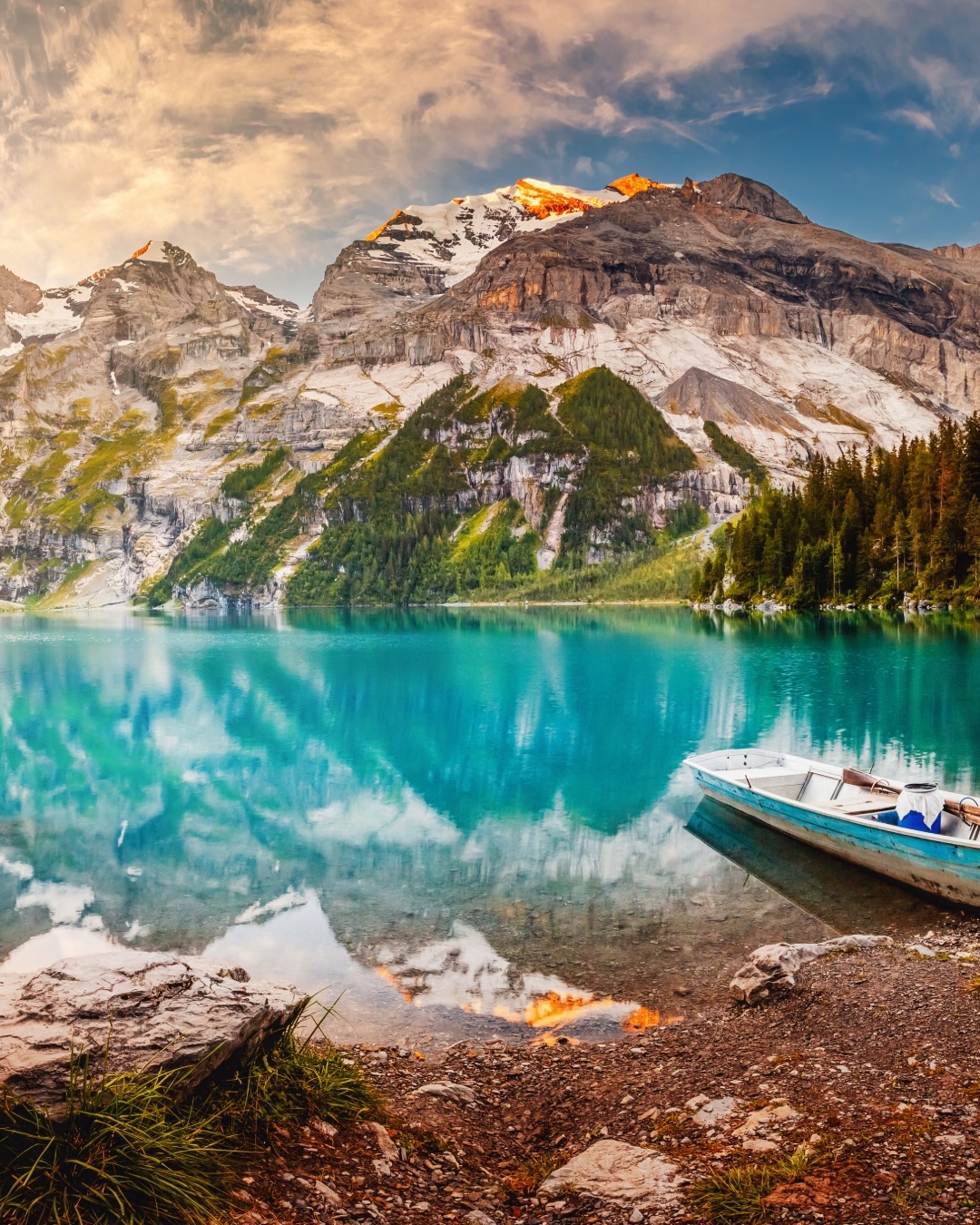
Oeschinen Lake looks almost unreal when you first see it. A deep turquoise lake surrounded by steep cliffs and snow-dusted peaks, sitting at 1,578 meters elevation above Kandersteg.
The lake is part of a UNESCO World Heritage Site, and you can reach it via a 10-minute cable car followed by a 20 to 30 minute walk. The water temperature rarely exceeds 20°C, but on warm days, you’ll still see people swimming.
If you walk a bit further along the shoreline, away from the main viewpoint, the crowds thin out quickly. That’s where the experience shifts from popular to peaceful.
What to do
- Hike around the lake (about 1.5 to 2 hours)
- Rent a rowing boat
- Picnic with mountain views
Practical intel
- Cable car: ~CHF 30 round trip
- Best time: June to September
- Time needed: Half to full day
Best for
Alpine lakes, easy hikes, relaxed nature days
14. Bern
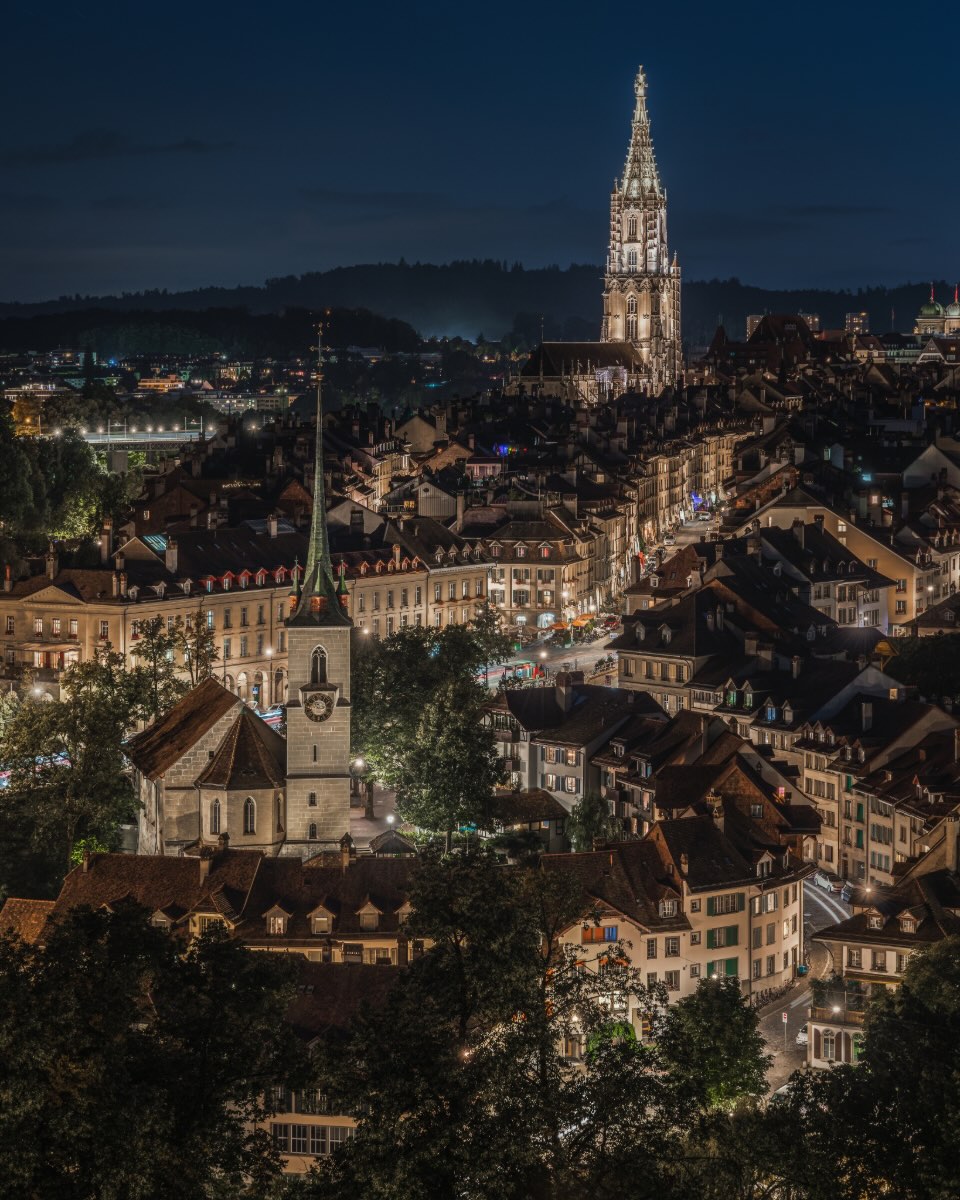
Bern feels understated at first, but the longer you walk, the more it reveals itself. The old town sits on a peninsula surrounded by the Aare River, with medieval arcades stretching for 6 kilometers, one of the longest covered shopping promenades in Europe.
It’s a UNESCO World Heritage Site, and many of its buildings date back to the 12th century. The Zytglogge clock tower performs a mechanical show every hour, drawing small crowds that gather just minutes before the bells ring.
If you go in late afternoon, the sandstone buildings take on a warm golden tone. Walk down toward the river, and you’ll see locals swimming in the Aare during summer months.
What to do
- Visit Zytglogge clock tower
- Walk through arcaded streets
- Relax by the Aare River
Practical intel
- Entry to clock tower: ~CHF 20 guided
- Best time: April to October
- Time needed: 1 day
Best for
History, architecture, slower city exploration
15. Glacier Express
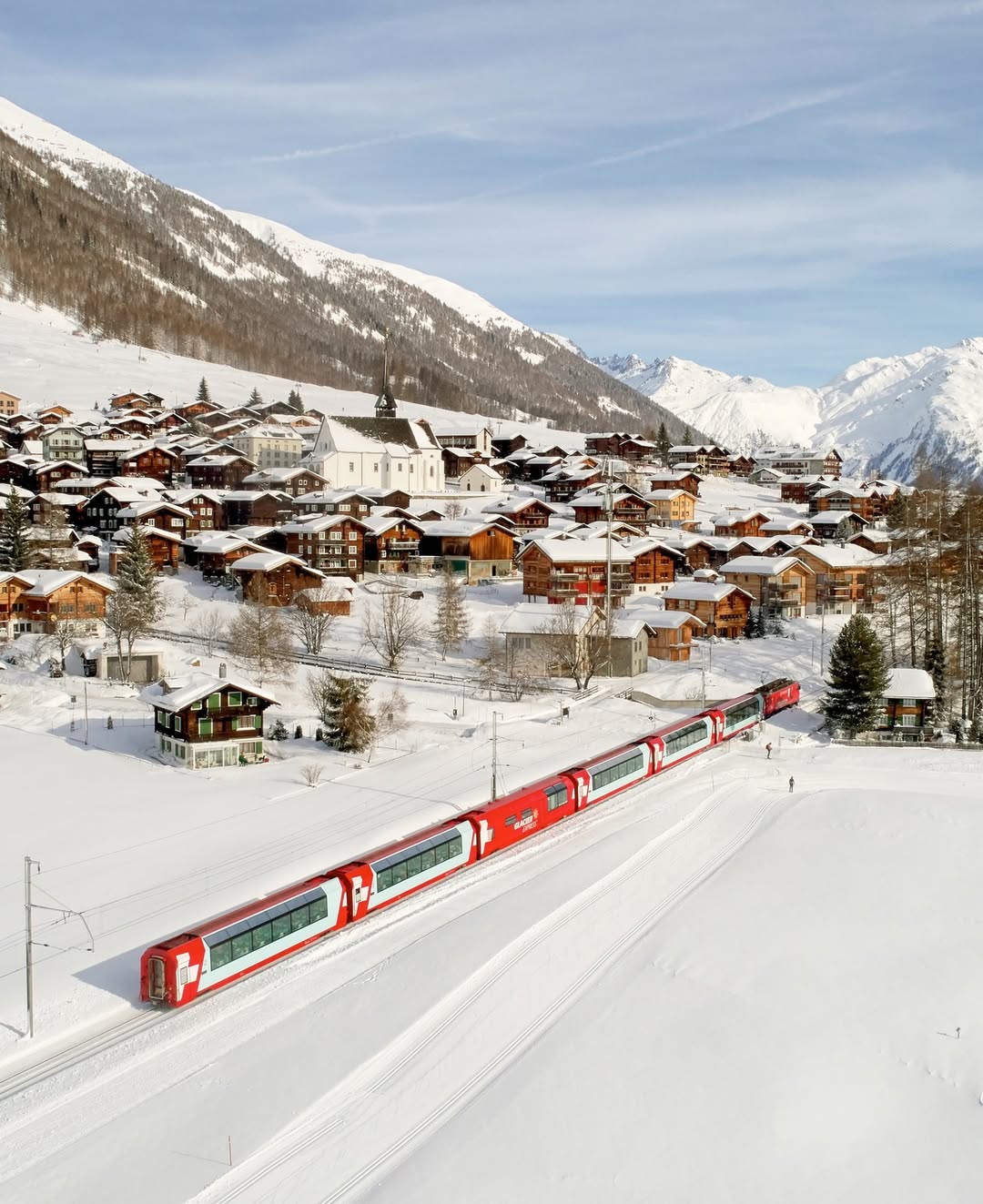
This isn’t a place in the traditional sense, but it might be one of the most beautiful journeys you take in Switzerland. The Glacier Express connects Zermatt to St. Moritz, covering 291 kilometers in about 8 hours.
You’ll pass through 91 tunnels and over 291 bridges, including the famous Landwasser Viaduct, where the train curves dramatically over a deep valley. The panoramic windows make the experience immersive, especially as landscapes shift from glaciers to forests to alpine villages.
If you choose a midday departure, you’ll get the best light for most of the journey. It’s not about speed, it’s about watching Switzerland unfold slowly in front of you.
What to do
- Take the full Glacier Express route
- Stop at scenic towns along the way
- Enjoy onboard panoramic views
Practical intel
- Ticket: CHF 150 to 300 depending on class
- Best time: Year-round, especially winter and autumn
- Time needed: Full day
Best for
Scenic travel, relaxed exploration, photography from comfort
16. Saas-Fee
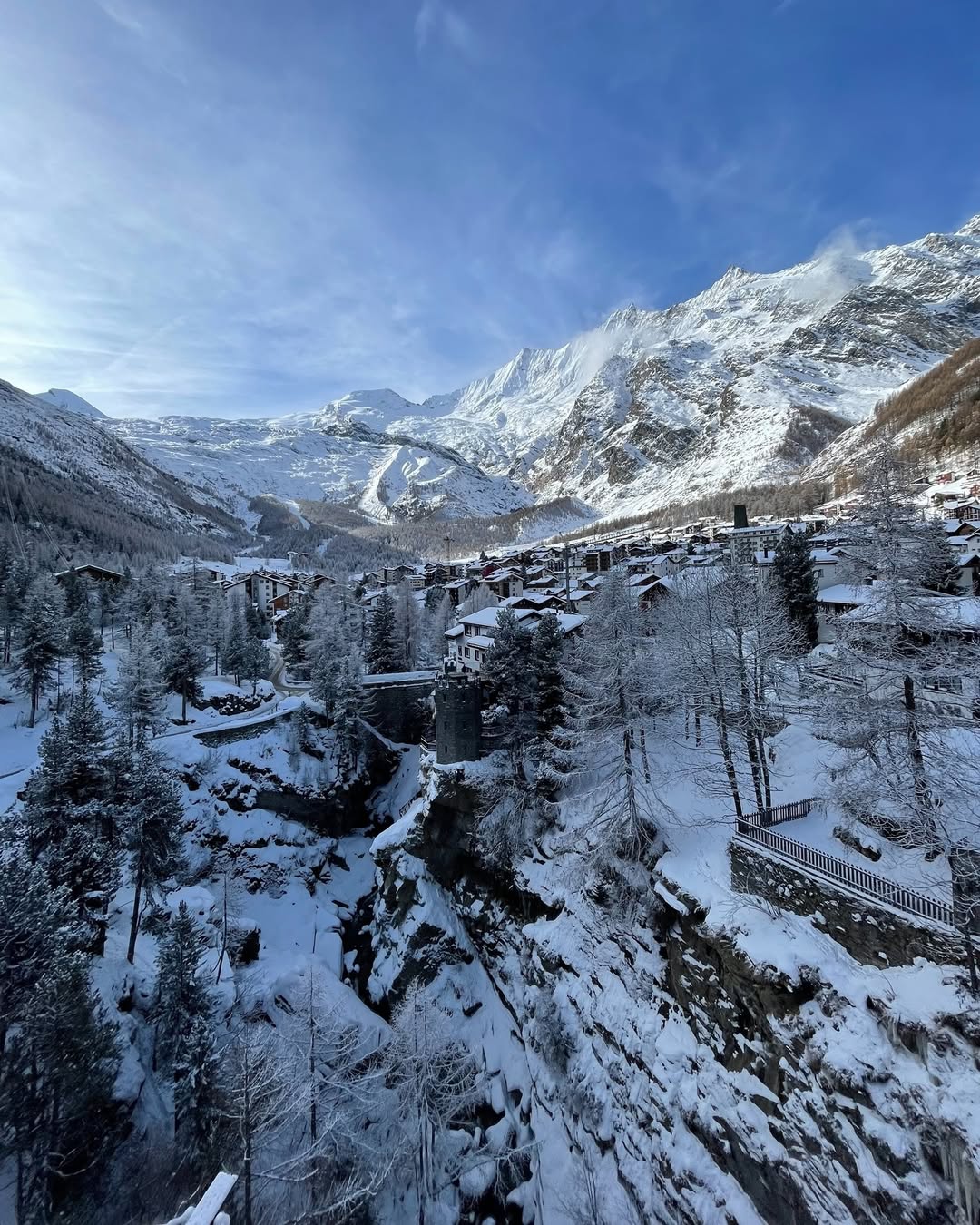
You arrive in Saas-Fee and immediately notice how enclosed it feels, like a hidden amphitheater surrounded by peaks. This village sits at 1,800 meters elevation, with 13 mountains over 4,000 meters forming a dramatic skyline around you.
It’s completely car-free, much like Zermatt, but quieter, with fewer than 2,000 residents. The Mittelallalin station takes you up to 3,500 meters, where you can walk inside the world’s largest ice pavilion carved into a glacier.
If you go early or outside peak ski months, the stillness is striking. You’re surrounded by massive glaciers, yet everything feels calm and contained.
What to do
- Visit the glacier ice pavilion
- Ride cable car to Mittelallalin
- Walk through the quiet alpine village
Practical intel
- Cable car: ~CHF 70 to 100
- Best time: December to March for snow, July to September for hiking
- Time needed: 1 to 2 days
Best for
Glacier experiences, quiet alpine escape, high-altitude views
17. Creux du Van
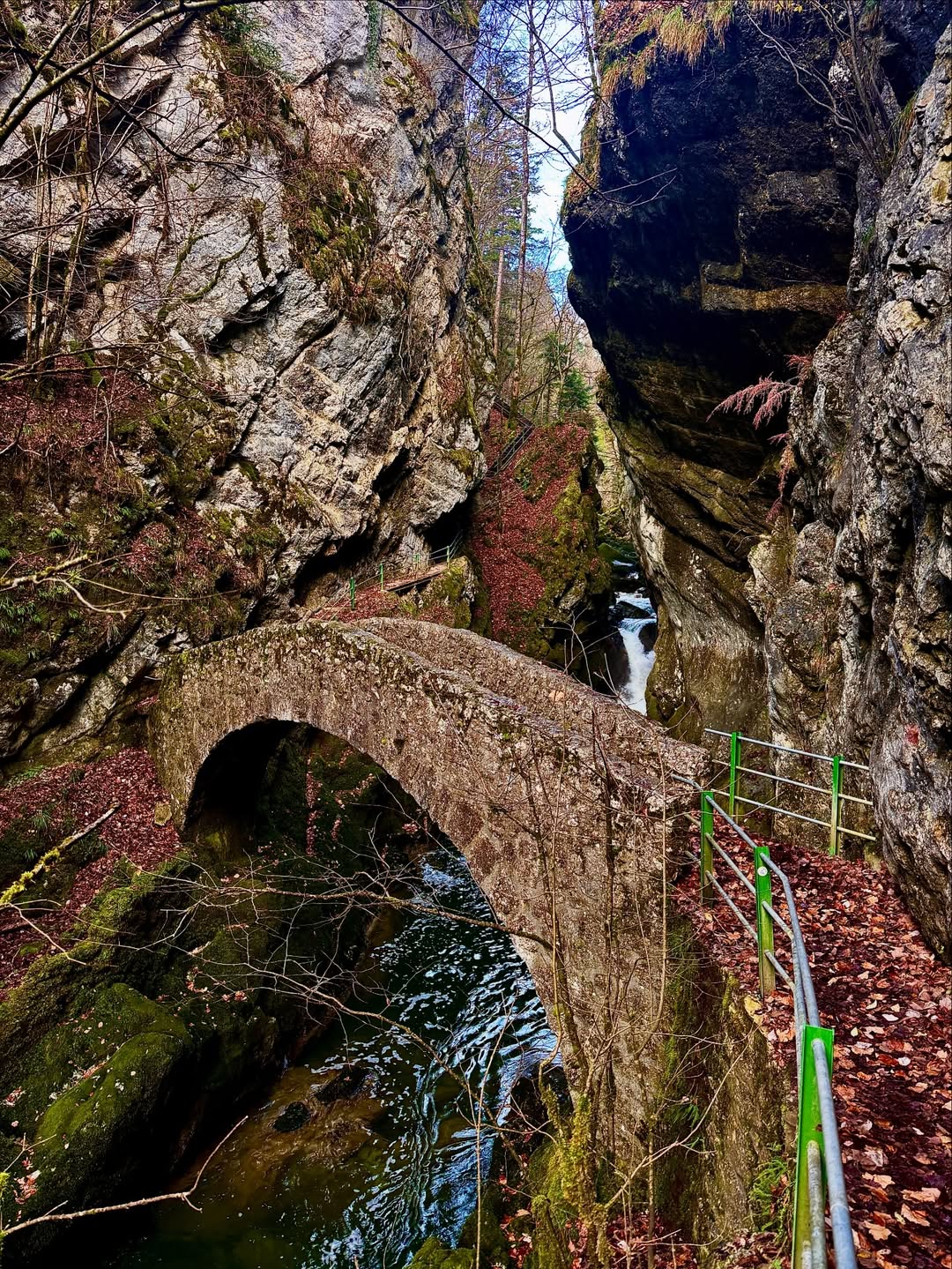
Creux du Van feels unexpected. Instead of sharp alpine peaks, you’re standing at the edge of a massive natural rock amphitheater, about 1,400 meters wide and 200 meters deep, carved over thousands of years.
Located in the Jura Mountains, it’s far less crowded than the Alps. The hike to the viewpoint takes around 1.5 to 2 hours, depending on your starting point, and along the way you might spot ibex or marmots.
If you go early morning or near sunset, the shadows deepen the curved cliffs, making the scale feel even more dramatic.
What to do
- Hike to the rim viewpoint
- Watch for wildlife like ibex
- Walk along the natural amphitheater edge
Practical intel
- Free access
- Best time: May to October
- Time needed: Half day
Best for
Unique geology, quiet hiking, non-touristy landscapes
18. Thun
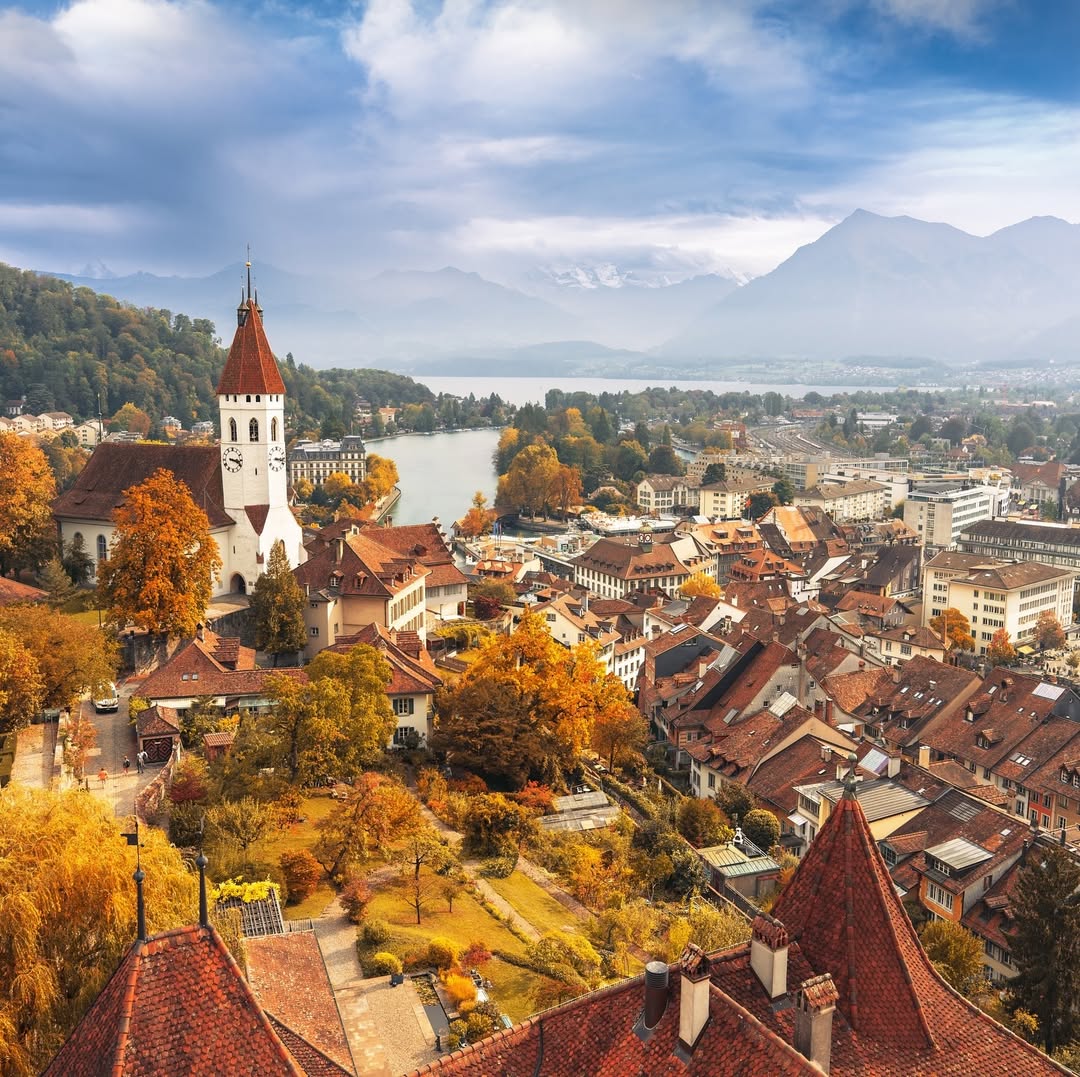
Thun often gets overshadowed by Interlaken, but that’s exactly why it works. You get the same lake and mountain setting with a fraction of the crowds. The town sits on Lake Thun, with clear alpine water flowing directly into the Aare River.
The medieval old town features elevated sidewalks and a castle dating back to the 12th century. From Thun Castle, you get sweeping views across the lake toward the Bernese Alps. The lake itself stretches about 17.5 km in length, offering plenty of quiet shoreline spots.
If you go in the evening, the light over the water is softer and more local life comes out, especially along the riverside.
What to do
- Visit Thun Castle
- Walk along the Aare River
- Take a boat on Lake Thun
Practical intel
- Castle entry: ~CHF 10
- Best time: April to October
- Time needed: Half to full day
Best for
Less crowded lakeside town, relaxed exploration
19. Rheinfall
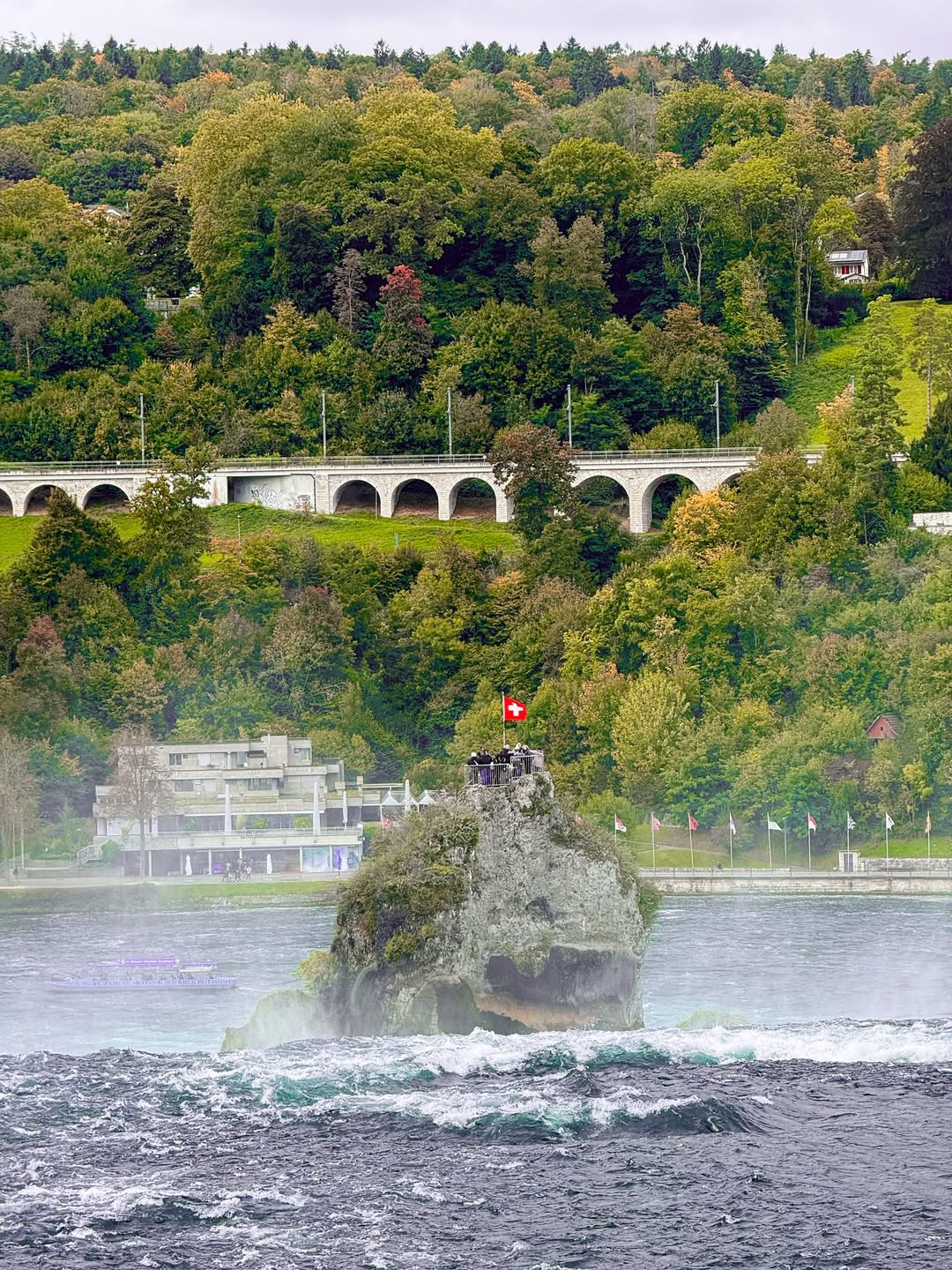
Rheinfall isn’t the tallest waterfall in Europe, but it’s the most powerful. You’ll hear it before you see it. Then suddenly, the Rhine River crashes down across a width of 150 meters, with water volumes reaching up to 600 cubic meters per second in summer.
Located near Schaffhausen, it’s easily accessible and draws over 1.5 million visitors annually. Viewing platforms bring you surprisingly close, and boat trips take you right into the spray near the central rock.
If you go in late spring or early summer, the flow is at its strongest due to snowmelt. That’s when the experience feels most intense.
What to do
- Take a boat ride to the central rock
- Walk across viewing platforms
- Visit nearby Schloss Laufen
Practical intel
- Boat ride: ~CHF 10 to 20
- Best time: May to July for peak flow
- Time needed: 2 to 3 hours
Best for
Powerful natural sights, short visits, easy access
20. Engelberg
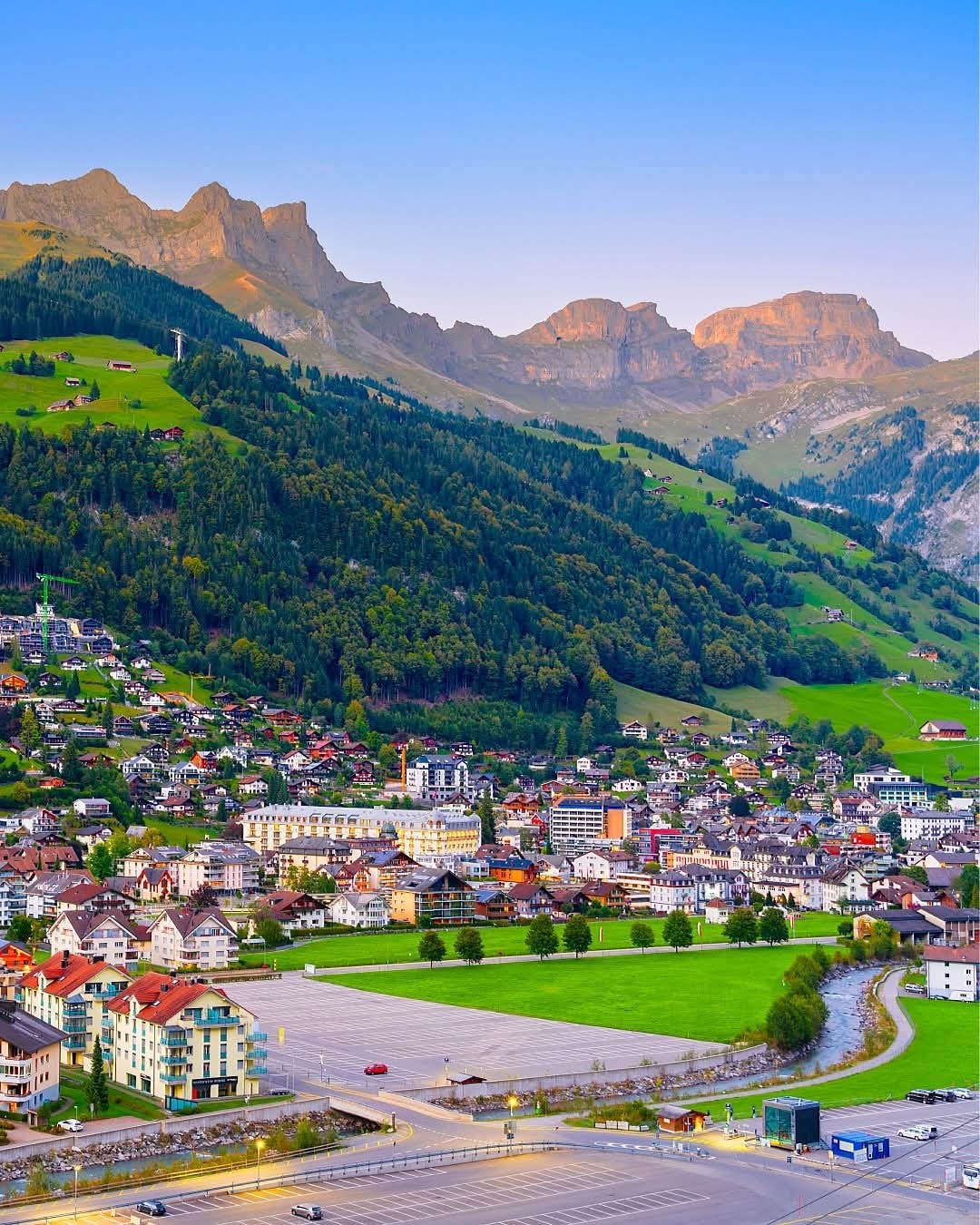
Engelberg feels like a quieter alternative to more famous alpine resorts, yet it offers one of Switzerland’s most dramatic experiences. The highlight is Mount Titlis, rising to 3,238 meters, accessible via a rotating cable car known as the Titlis Rotair.
The journey to the top takes about 30 minutes, passing glaciers and steep rock faces. At the summit, you’ll find a suspension bridge, glacier cave, and panoramic viewpoints that stretch for miles on clear days.
If you go early, before the first wave of tour groups, the experience feels far more personal. The contrast between the peaceful village and the high-altitude drama is striking.
What to do
- Ride Titlis Rotair cable car
- Walk the Titlis Cliff Walk bridge
- Explore glacier cave
Practical intel
- Cable car: ~CHF 96 round trip
- Best time: Year-round
- Time needed: 1 full day
Best for
High-altitude adventure, glacier views, fewer crowds than major hubs




COMMENTS
Please note that all comments will be checked by our team before being approved.