25 Best Places to Visit in Italy for First Timers That You Won’t Find In Any Guidebook
Planning your very first Italian adventure and not sure where to begin? These 25 best places to visit in Italy for first timers are iconic, diverse, and effortlessly charming, perfect for helping you experience the country’s highlights, rich culture, and unforgettable landscapes with ease.

Italy has a way of pulling you in slowly, then completely. You’ll notice it first in the small details, the sound of espresso cups, the texture of old streets, and the feeling that every corner has a story.
For a first-time visit, it offers a perfect mix of famous landmarks, coastal beauty, and local experiences. Getting around is easier than it looks, with most major cities connected by fast trains in 1 to 3 hours.
This guide highlights the places that give you the strongest introduction without overwhelming your trip. Here are 25 unforgettable spots across Italy, each offering a different side of the country while keeping your journey smooth and well-paced.
1. Rome
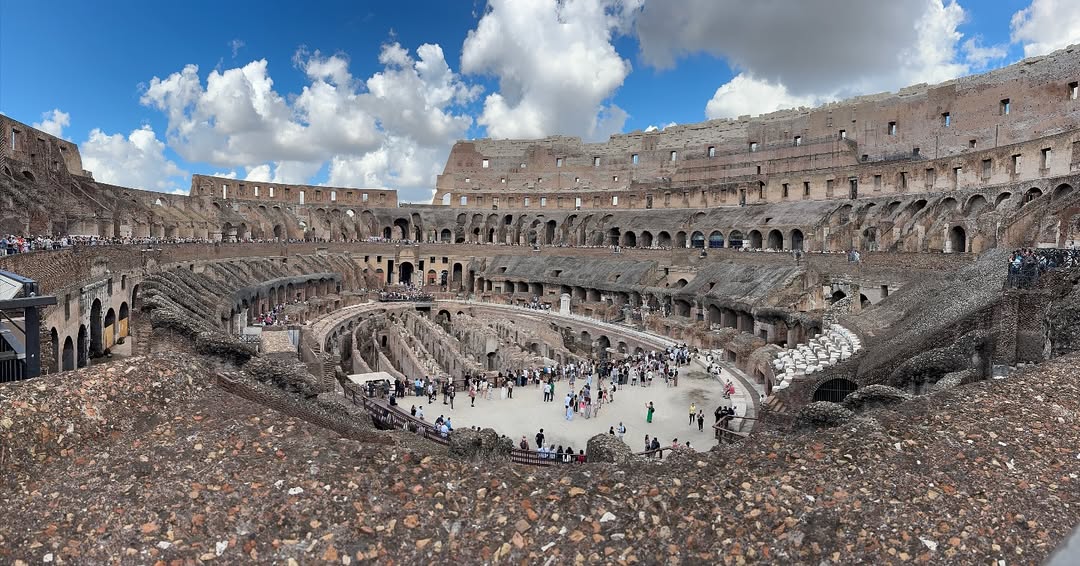
You’ll feel it immediately in Rome. The hum of scooters, the warm stone glowing under late afternoon light, and the sheer density of history around you. Walking through the city feels like stepping across 2,500 years in a single afternoon, where ancient ruins sit just meters from busy cafés.
Rome receives over 10 million visitors a year, yet if you explore early, especially before 8:30 AM, you’ll notice a surprising calm. The Colosseum alone draws around 7 million visitors annually, and entry tickets typically cost €16. Most major sites sit within a 3 km radius, making walking the best way to absorb the city.
If you go, plan your key landmarks early in the morning or late evening. Midday crowds are intense, especially from April to October.
What to do
- Walk from the Colosseum to the Roman Forum and Palatine Hill
- Toss a coin at the Trevi Fountain
- Wander Trastevere at sunset
Practical intel
- Ideal stay: 3 days
- Daily budget: €80 to €150
- Best months: April to June, September to October
Best for: History lovers, first-time Europe travelers, culture immersion
2. Florence
/
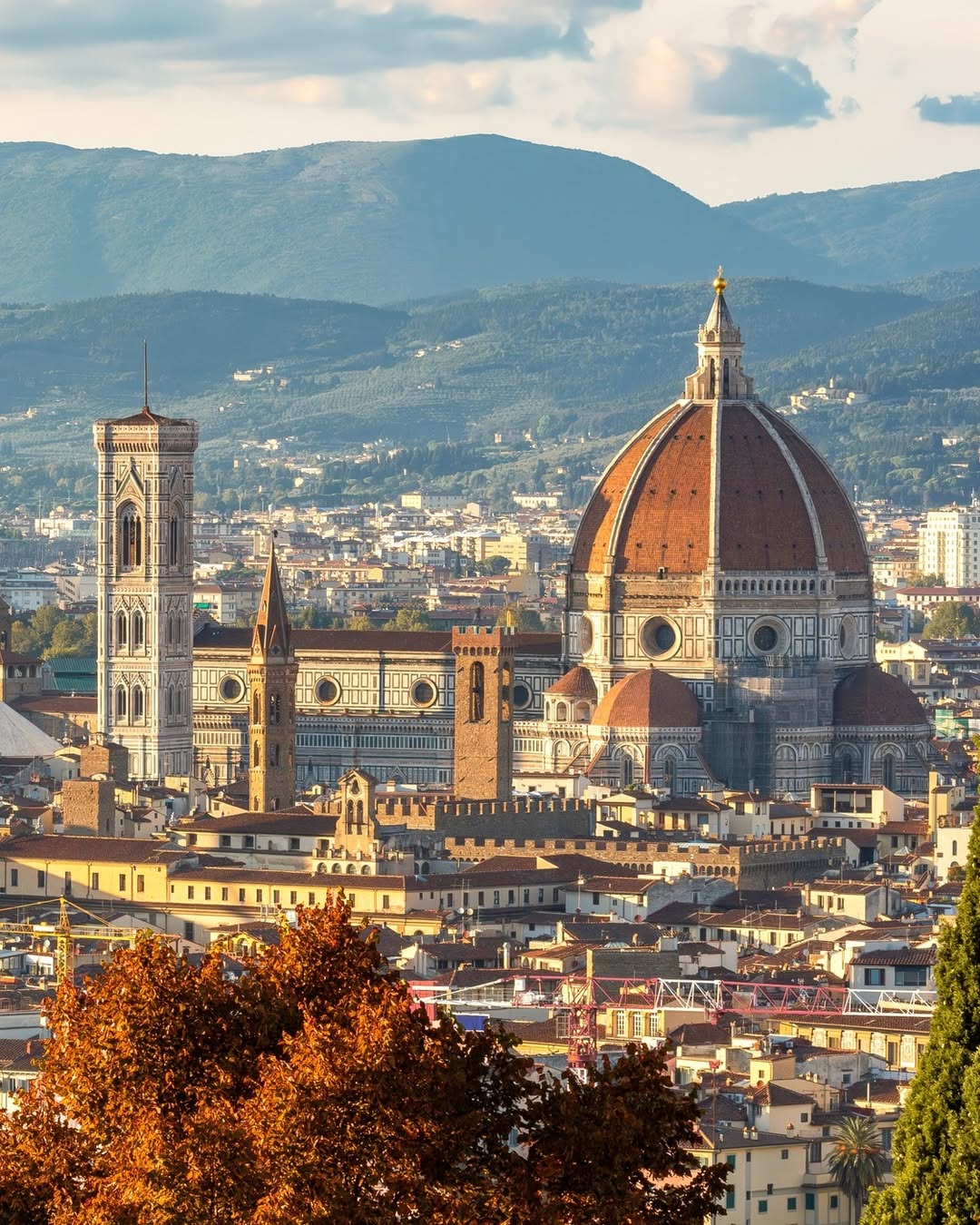
Florence feels like a living museum, but one you can actually enjoy at a relaxed pace. You’ll notice the Renaissance influence everywhere, from the symmetry of buildings to the golden glow of terracotta rooftops seen from above.
The historic center is compact at just about 5 square kilometers, and you can cross it in 25 minutes on foot. The Uffizi Gallery holds over 100,000 artworks, and timed entry tickets cost around €25. Expect queues of 1 to 2 hours without advance booking.
Climb the Duomo early if you can. The 463 steps are steep, but the view at the top gives you a full sense of Florence’s layout.
What to do
- Visit the Uffizi and Accademia
- Climb Brunelleschi’s Dome
- Watch sunset from Piazzale Michelangelo
Practical intel
- Ideal stay: 2 to 3 days
- Daily budget: €90 to €160
- Book museum tickets at least 3 days ahead
Best for: Art lovers, architecture enthusiasts, walkable cities
3. Venice
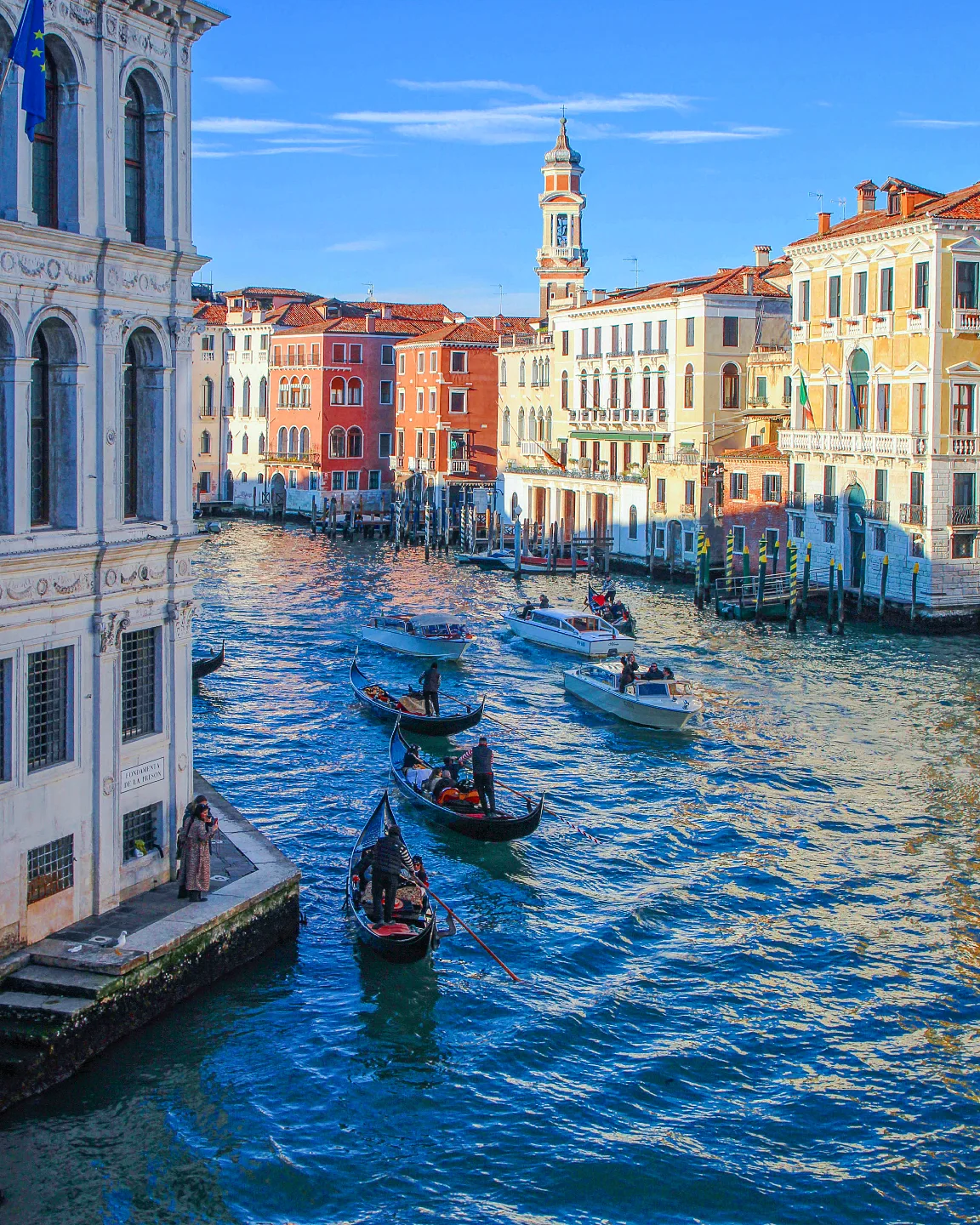
Venice feels almost unreal. You’ll hear water instead of traffic, and every turn reveals another quiet canal or ornate bridge. It’s a city best explored without a strict plan.
The historic center has about 150 canals and over 400 bridges. A gondola ride costs roughly €80 for 30 minutes, typically shared between up to 5 people. Visitor numbers can exceed 20 million annually, making early mornings and late evenings the best times to explore.
Stay overnight if possible. After 7 PM, day-trippers leave, and Venice becomes dramatically quieter.
What to do
- Ride a vaporetto along the Grand Canal
- Visit St. Mark’s Basilica
- Get lost in the back alleys
Practical intel
- Ideal stay: 2 days
- Vaporetto pass: €25 per day
- Avoid midday crowds near St. Mark’s Square
Best for: Romantic travel, photography, unique experiences
4. Amalfi Coast
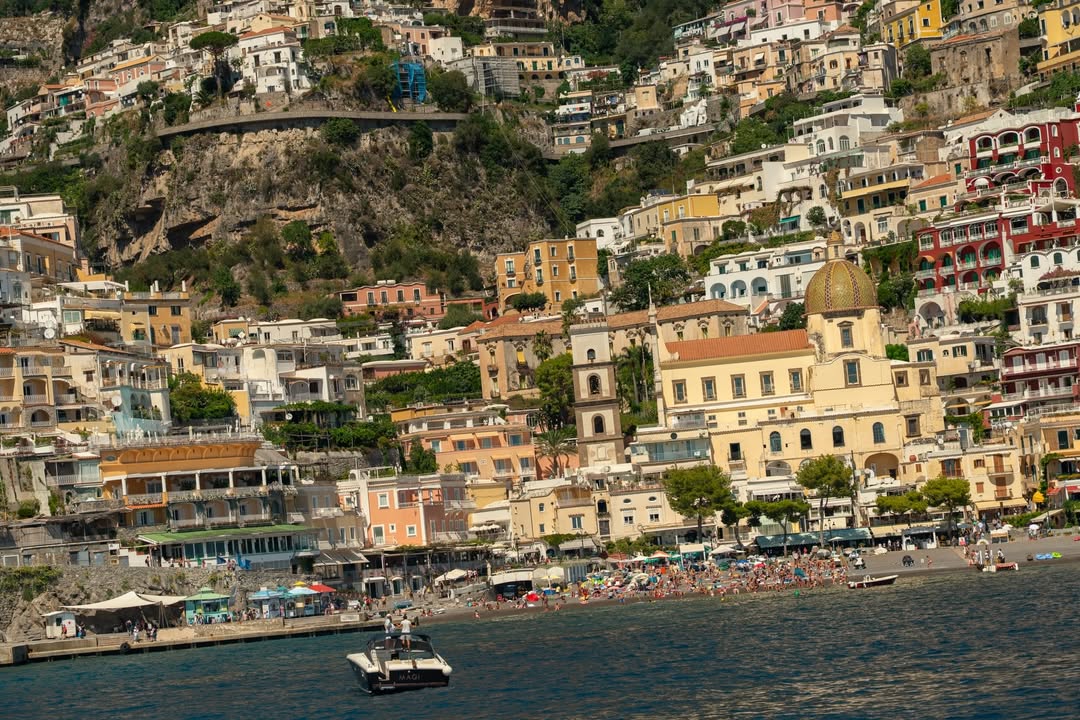
The coastal stretch runs about 50 km, with highlights like Positano and Amalfi. Summer prices are high, with hotels averaging €200 to €500 per night. Bus rides along the coast cost about €3 but can take longer due to traffic.
If you go, consider staying in Sorrento or Salerno for better value and access.
What to do
- Explore Positano’s beaches
- Visit Amalfi Cathedral
- Take a boat tour along the coast
Practical intel
- Ideal stay: 2 to 3 days
- Best months: May, June, September
- Avoid driving if you’re not confident
Best for: Scenic beauty, couples, coastal escapes
5. Milan
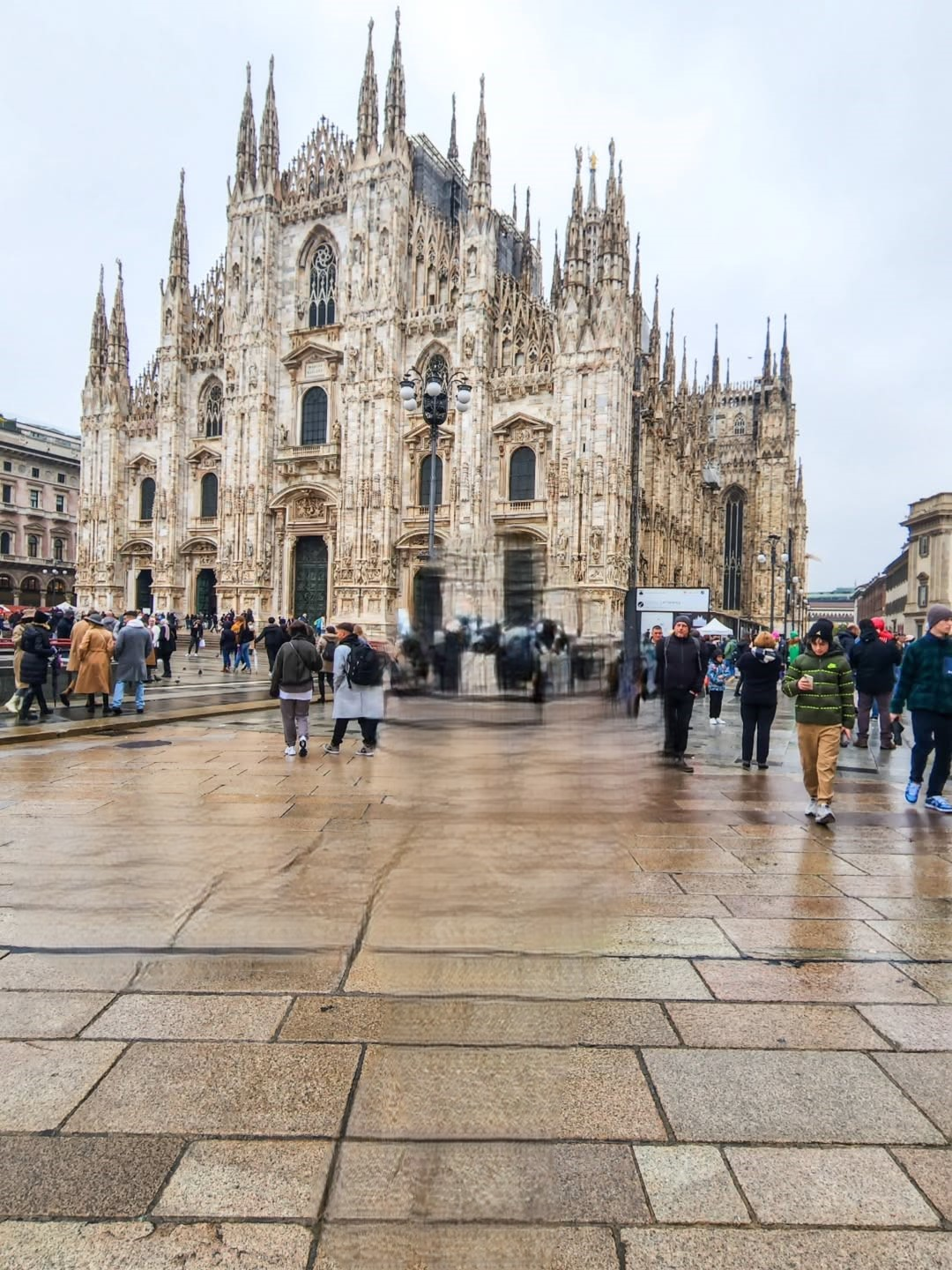
Milan feels modern, fast, and stylish. It’s Italy’s financial capital, but it still holds iconic cultural treasures that are easy to access in a short visit.
The Duomo di Milano took nearly 600 years to complete, and rooftop access costs about €15. The Last Supper requires booking weeks in advance, with tickets around €15.
You’ll notice Milan works best as a 1 to 2 day stop rather than a long stay.
What to do
- Visit the Duomo rooftop
- See The Last Supper
- Walk through Galleria Vittorio Emanuele II
Practical intel
- Ideal stay: 1 to 2 days
- Daily budget: €100 to €180
- Book major attractions early
Best for: Fashion, quick city stops, modern Italy
6. Cinque Terre
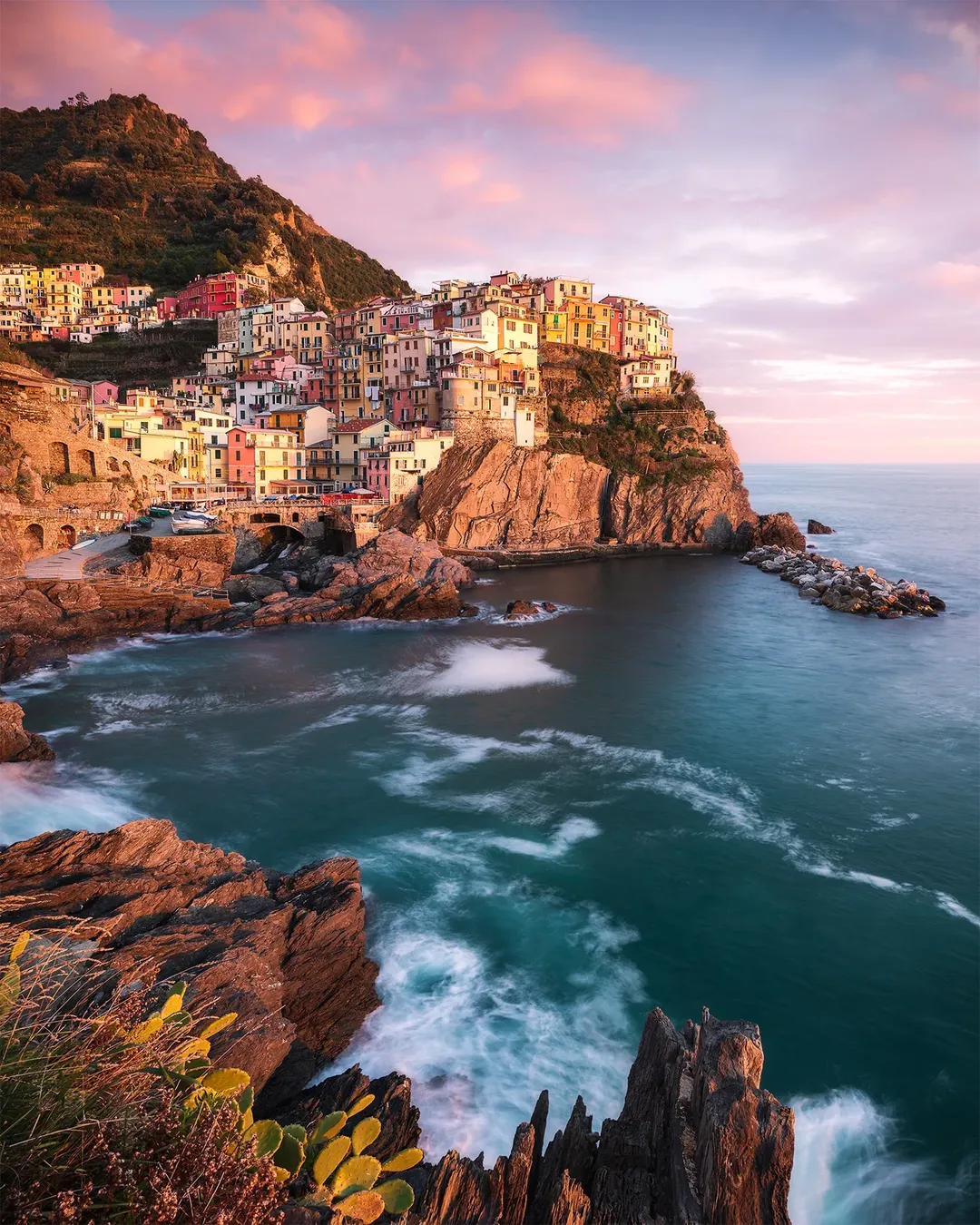
Cinque Terre feels like stepping into a postcard. Five small villages cling to cliffs, connected by hiking trails and train lines.
The coastline spans about 12 km, and a train pass between villages costs roughly €18 per day. Hiking the famous Sentiero Azzurro can take 5 to 6 hours depending on pace.
Start early in the morning. By midday, cruise ship visitors can crowd the narrow streets.
What to do
- Hike between villages
- Swim in Monterosso
- Watch sunset in Manarola
Practical intel
- Ideal stay: 2 days
- Best months: April to June, September
- Wear proper shoes for hiking
Best for: Nature lovers, photographers, light adventure
7. Naples
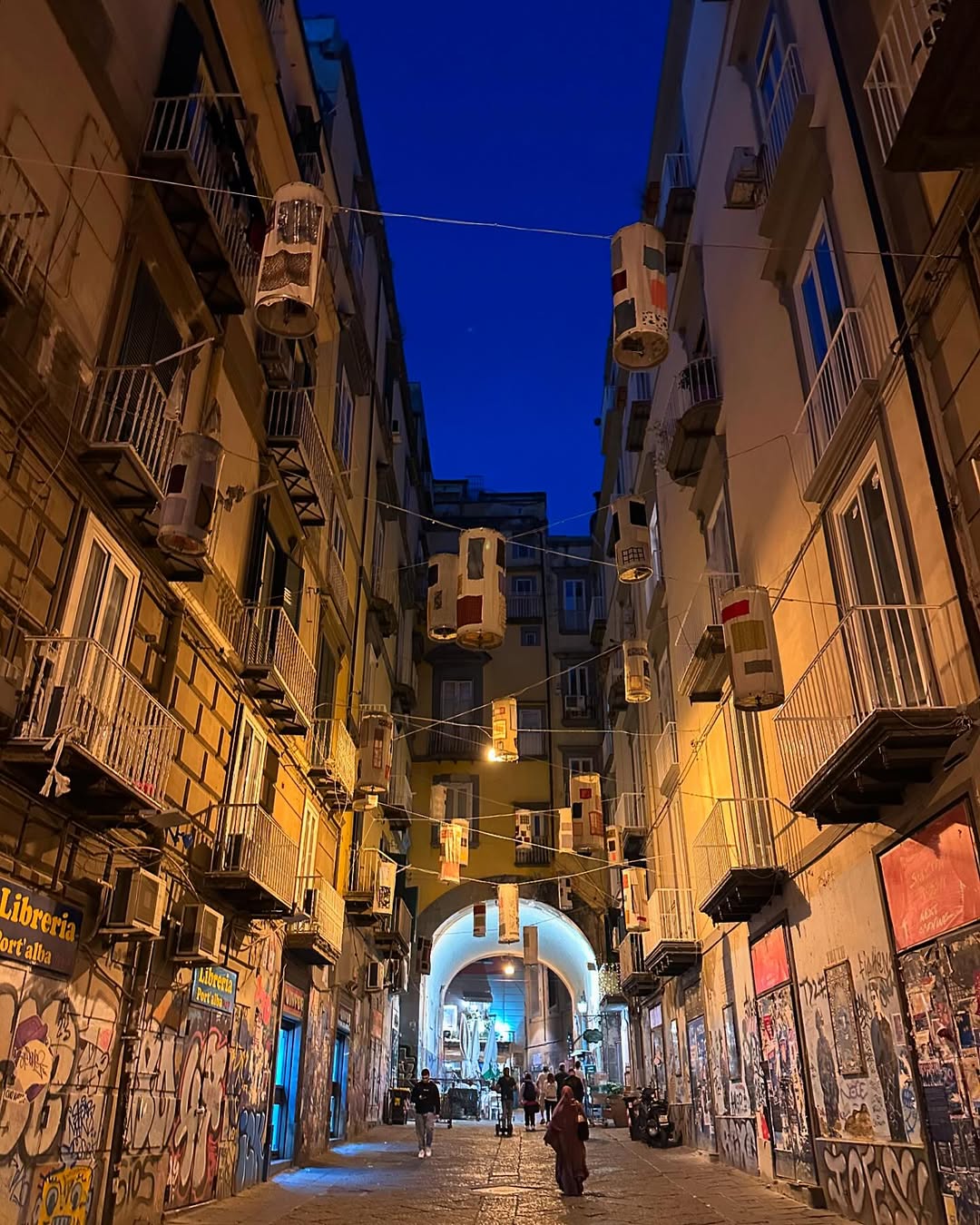
Naples is intense, raw, and full of character. You’ll notice a different energy here compared to northern Italy. It feels less polished but far more alive.
It’s the birthplace of pizza, with a classic Neapolitan pizza costing as little as €5 to €8. The city is also the gateway to Pompeii, which lies about 25 km away and draws over 2.5 million visitors annually.
Give Naples a chance. It may feel chaotic at first, but it quickly grows on you.
What to do
- Eat authentic pizza
- Visit Pompeii ruins
- Explore Spaccanapoli street
Practical intel
- Ideal stay: 2 days
- Budget: €70 to €130 per day
- Use trains for nearby trips
Best for: Food lovers, history, authentic local feel
8. Bologna
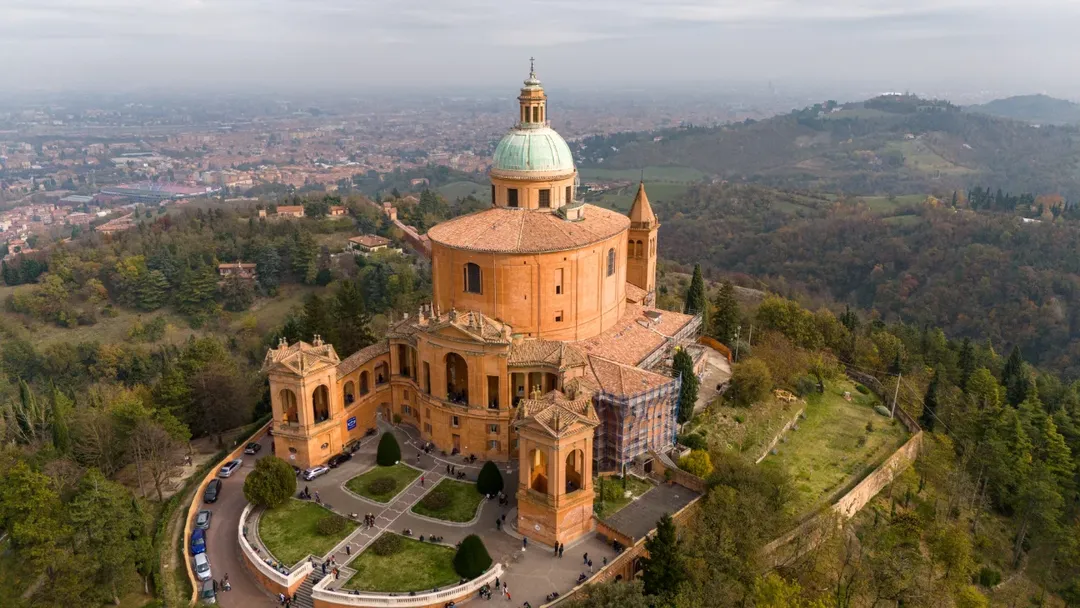
Bologna feels warm and lived-in. You’ll notice fewer tourists and more locals, especially in the evenings when the city fills with students and families.
The city has over 40 km of porticoes, perfect for walking in any weather. It’s also Italy’s food capital, where meals average €15 to €25 and feel deeply authentic.
Climb the Asinelli Tower for one of the best city views. It’s 498 steps to the top.
What to do
- Eat tagliatelle al ragù
- Walk under the porticoes
- Climb Asinelli Tower
Practical intel
- Ideal stay: 1 to 2 days
- Budget: €80 to €140
- Great train connections
Best for: Food, local vibe, slower travel
9. Lake Como
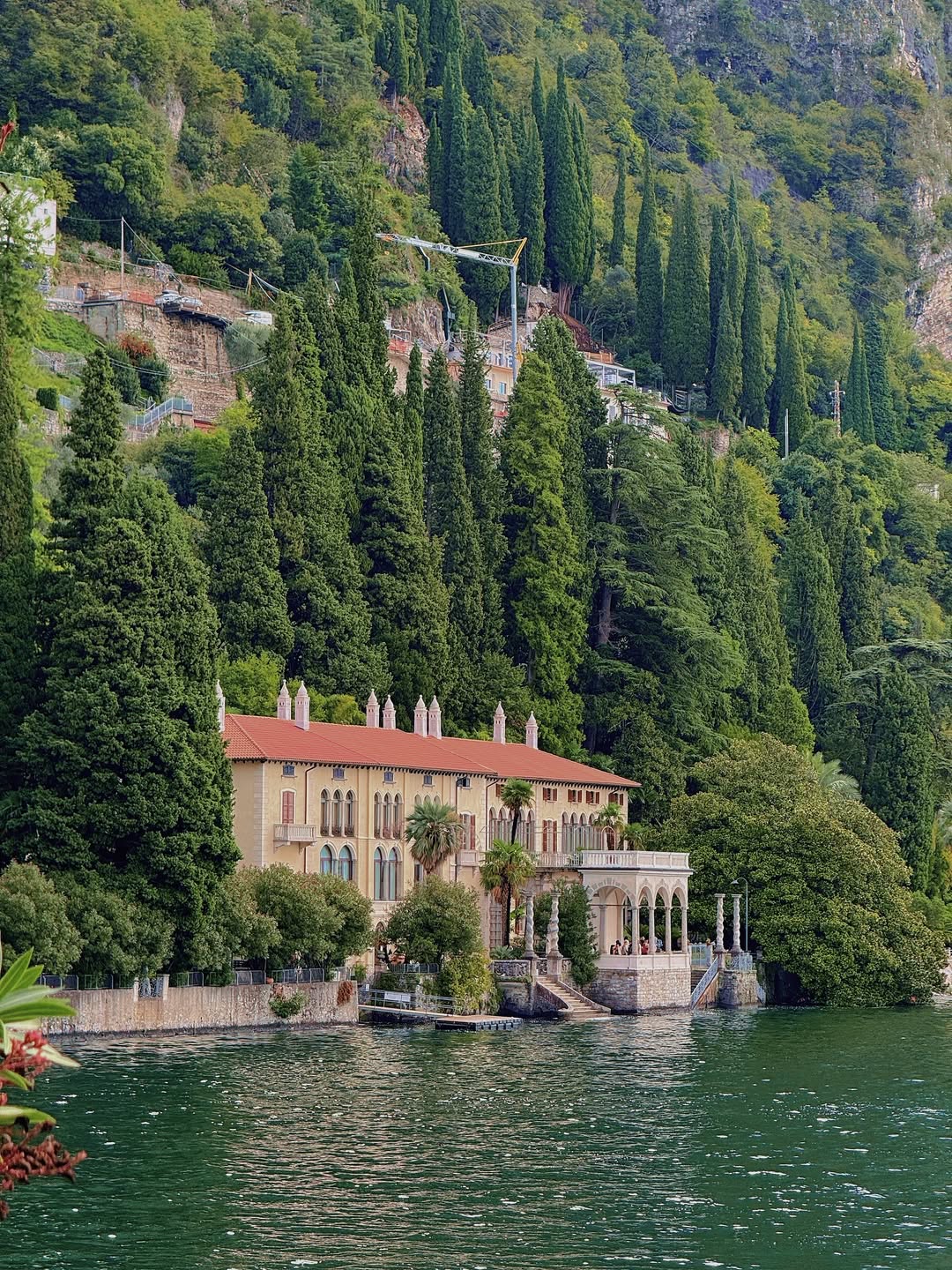
Lake Como feels calm and refined. You’ll notice elegant villas, still water, and mountain backdrops that shift color throughout the day.
The lake stretches about 46 km, and ferry rides between towns cost €10 to €30 depending on distance. Popular towns include Bellagio and Varenna.
Go early or stay overnight. Day trips can feel rushed, especially in peak season.
What to do
- Take a ferry across the lake
- Visit Bellagio
- Relax by the waterfront
Practical intel
- Ideal stay: 1 to 2 days
- Best months: May to September
- Combine with Milan
Best for: Relaxation, scenic beauty, luxury feel
10. Tuscany
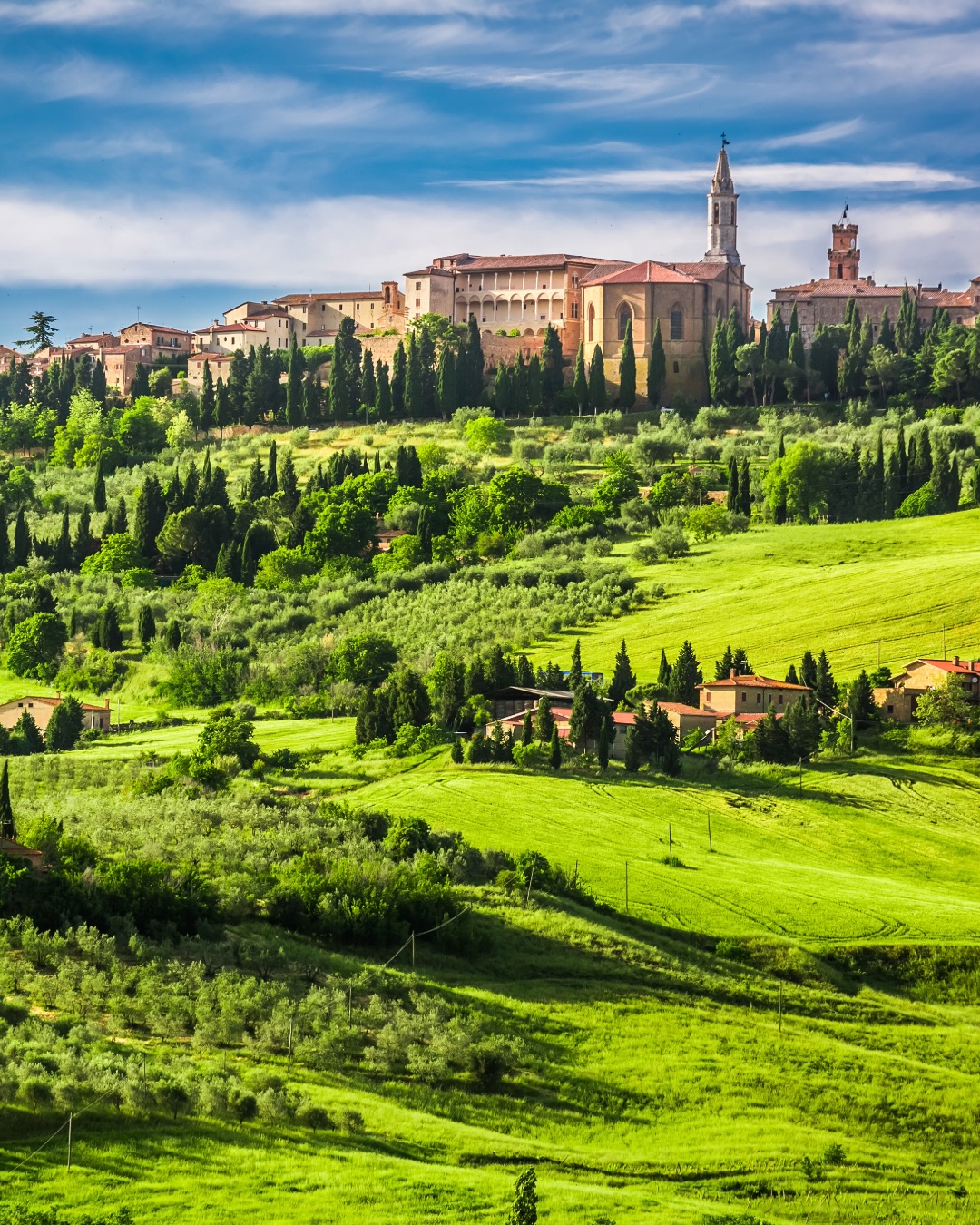
Tuscany feels like classic Italy. Rolling hills, vineyards, and small medieval towns define the landscape.
The region covers over 23,000 square kilometers, so having a car makes a huge difference. Wine tastings cost around €15 to €50 depending on the vineyard.
If you go, slow down. Tuscany is not about rushing between sights.
What to do
- Visit Siena and San Gimignano
- Go wine tasting
- Drive through countryside
Practical intel
- Ideal stay: 3 to 5 days
- Budget: €100 to €200 per day
- Best explored by car
Best for: Road trips, wine, countryside escape
11. Verona
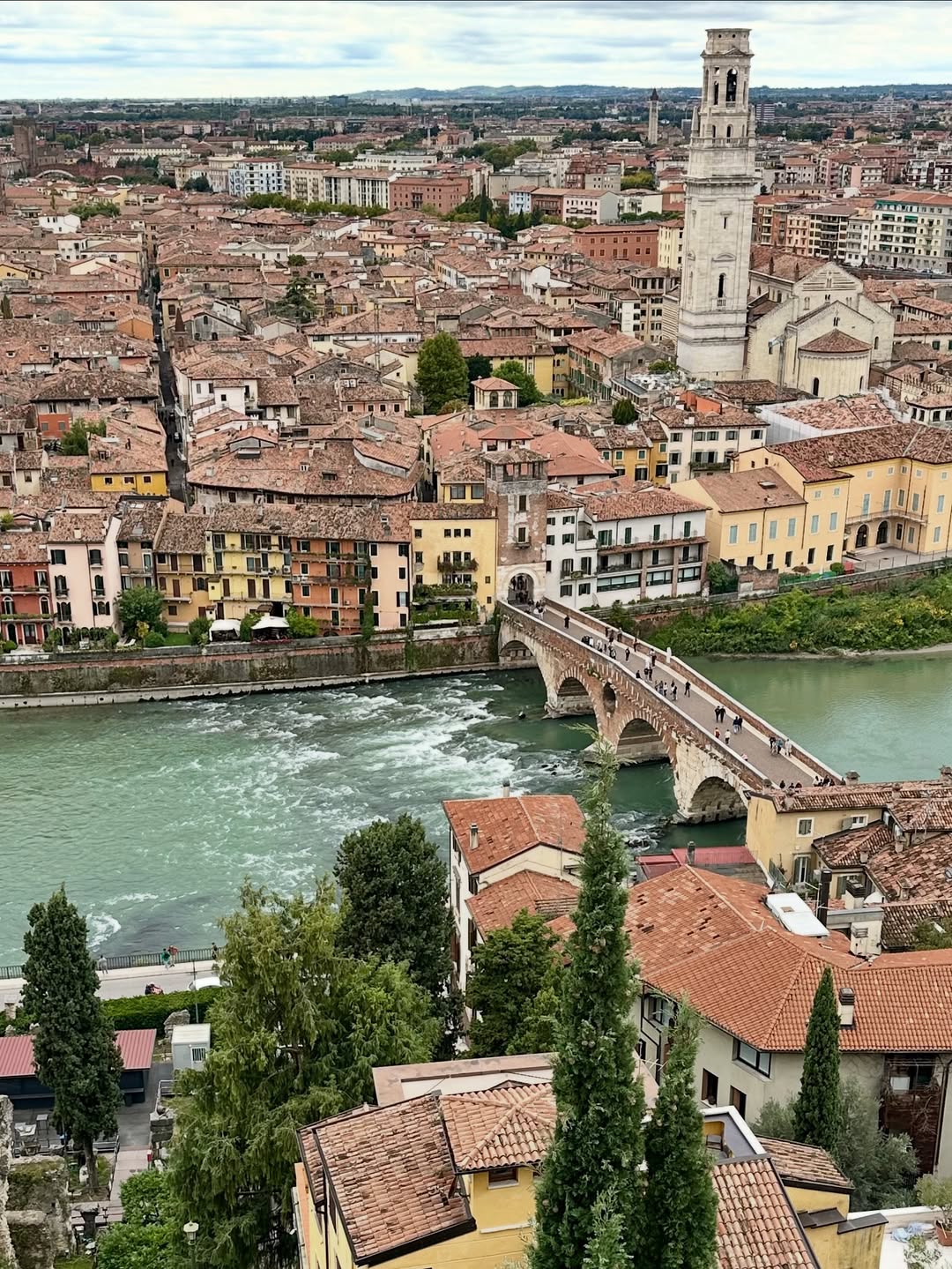
You’ll feel a softer, more intimate version of Italy in Verona. The city has a romantic rhythm, with stone streets, quiet piazzas, and a sense of history that feels lived-in rather than overwhelming.
The Verona Arena is over 2,000 years old and still hosts concerts with up to 15,000 seats. Entry during the day costs around €10. The compact historic center can be explored in about 4 to 5 hours at a relaxed pace.
If you go, stay into the evening. Verona becomes noticeably quieter after day-trippers leave.
What to do
- Visit Juliet’s Balcony
- Explore the Arena
- Walk along the Adige River
Practical intel
- Ideal stay: 1 to 2 days
- Budget: €80 to €140 per day
- Easy train stop between Milan and Venice
Best for: Romance, short stays, Shakespeare fans
12. Siena
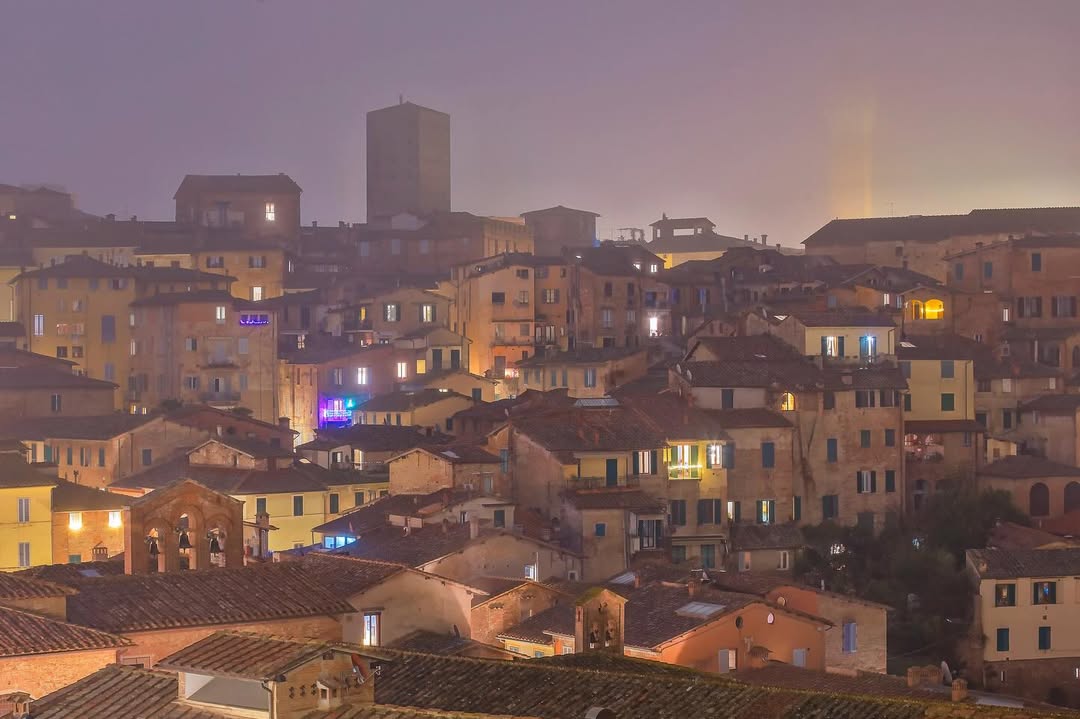
Siena feels like stepping into a perfectly preserved medieval world. You’ll notice narrow winding streets that suddenly open into dramatic spaces like Piazza del Campo.
The Piazza del Campo hosts the famous Palio horse race twice a year, drawing tens of thousands of spectators. The cathedral entry costs about €10 to €15, and climbing Torre del Mangia takes around 30 minutes with 400 steps.
Arrive early in the morning if you want to experience the square before crowds fill it.
What to do
- Visit Siena Cathedral
- Climb Torre del Mangia
- Sit in Piazza del Campo
Practical intel
- Ideal stay: 1 day or overnight
- Budget: €70 to €130
- Best reached from Florence in 1.5 hours
Best for: Medieval charm, photography, slower pace
13. Turin
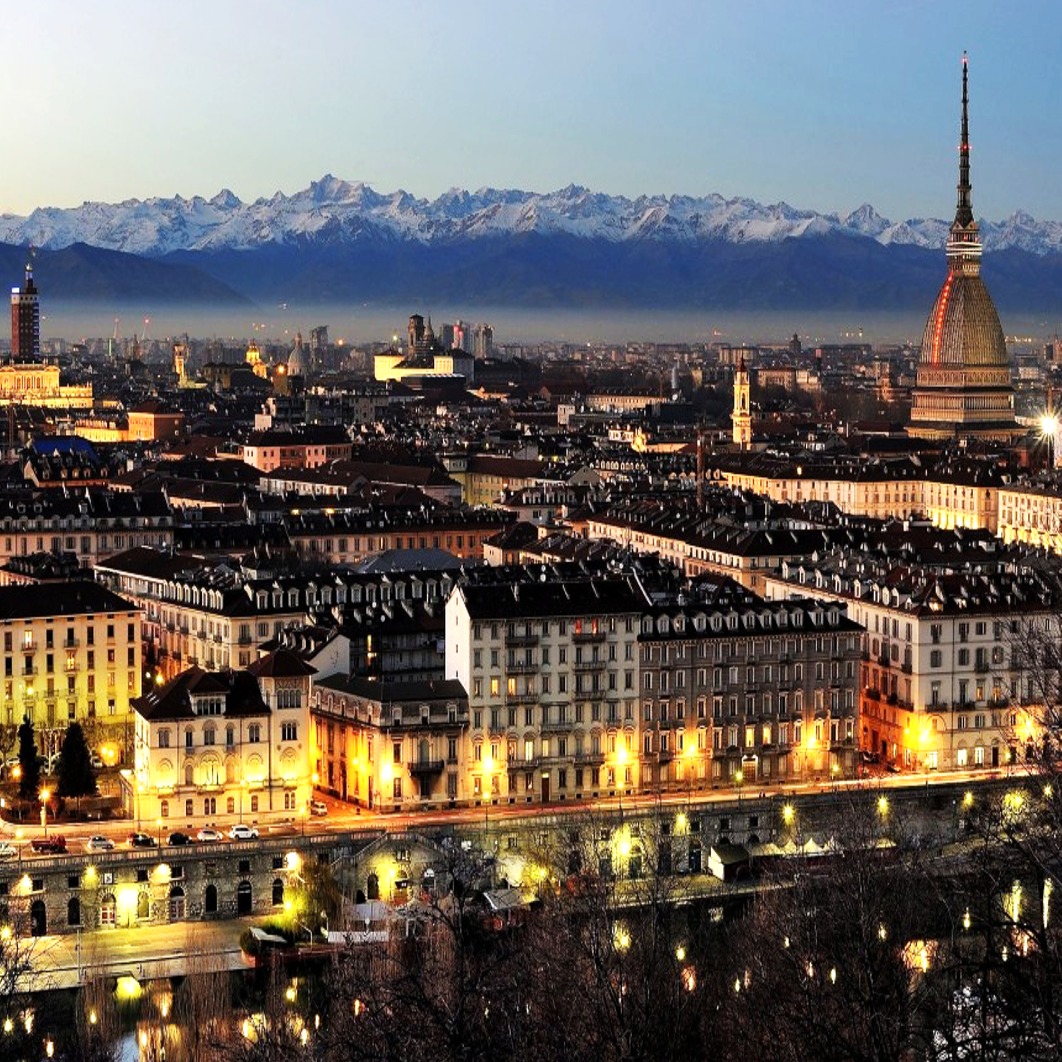
Turin feels elegant and understated. You’ll notice wide boulevards, grand cafés, and a quieter atmosphere compared to Milan.
The Mole Antonelliana stands at 167 meters and houses the National Cinema Museum, with tickets around €15. Turin also has over 18 km of arcades, making it one of the most walkable cities in northern Italy.
Try to visit in winter or early spring. The Alps nearby add a crisp, scenic backdrop.
What to do
- Visit the Cinema Museum
- Walk Piazza Castello
- Try local chocolate and coffee
Practical intel
- Ideal stay: 1 to 2 days
- Budget: €80 to €150
- Less crowded than Milan
Best for: Architecture, food, relaxed city vibes
14. Matera

Matera feels unlike anywhere else in Italy. You’ll notice ancient stone dwellings carved into cliffs, creating a layered cityscape that looks almost prehistoric.
The Sassi districts date back over 9,000 years, making them one of the oldest continuously inhabited areas in the world. Entry to cave homes and museums ranges from €3 to €10.
Stay overnight if you can. At night, the entire city glows softly, and the atmosphere becomes unforgettable.
What to do
- Explore Sassi cave districts
- Visit rock churches
- Walk viewpoints at sunset
Practical intel
- Ideal stay: 1 to 2 days
- Budget: €80 to €160
- Less accessible, plan transport carefully
Best for: Unique landscapes, history, photography
15. Pisa
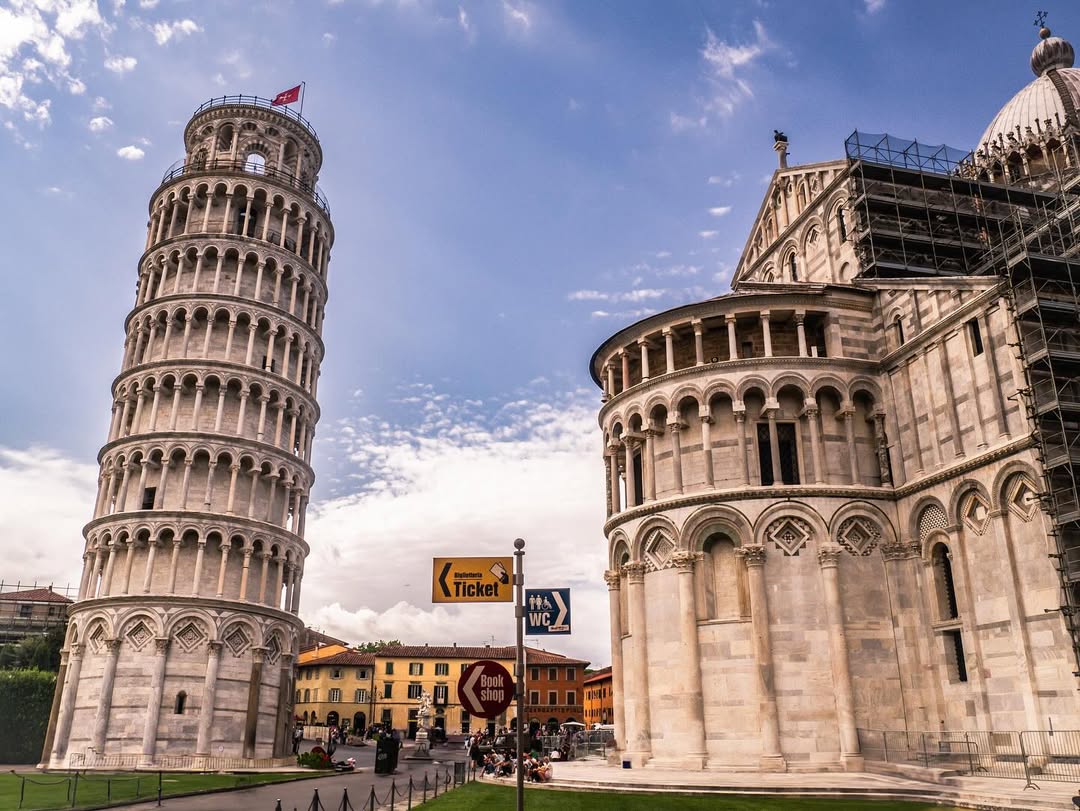
Pisa surprises you. Beyond the famous tower, the city feels relaxed and student-driven, with a slower rhythm compared to nearby Florence.
The Leaning Tower of Pisa stands at about 56 meters tall, and climbing it involves 294 steps. Tickets cost around €20 and often sell out a day in advance.
Spend a bit more time beyond the tower. You’ll notice quieter streets and local cafés just a few minutes away.
What to do
- Climb the Leaning Tower
- Visit Pisa Cathedral
- Walk along the Arno River
Practical intel
- Ideal stay: Half day to 1 day
- Budget: €60 to €120
- Easy train access from Florence
Best for: Iconic landmarks, quick stops
16. Palermo
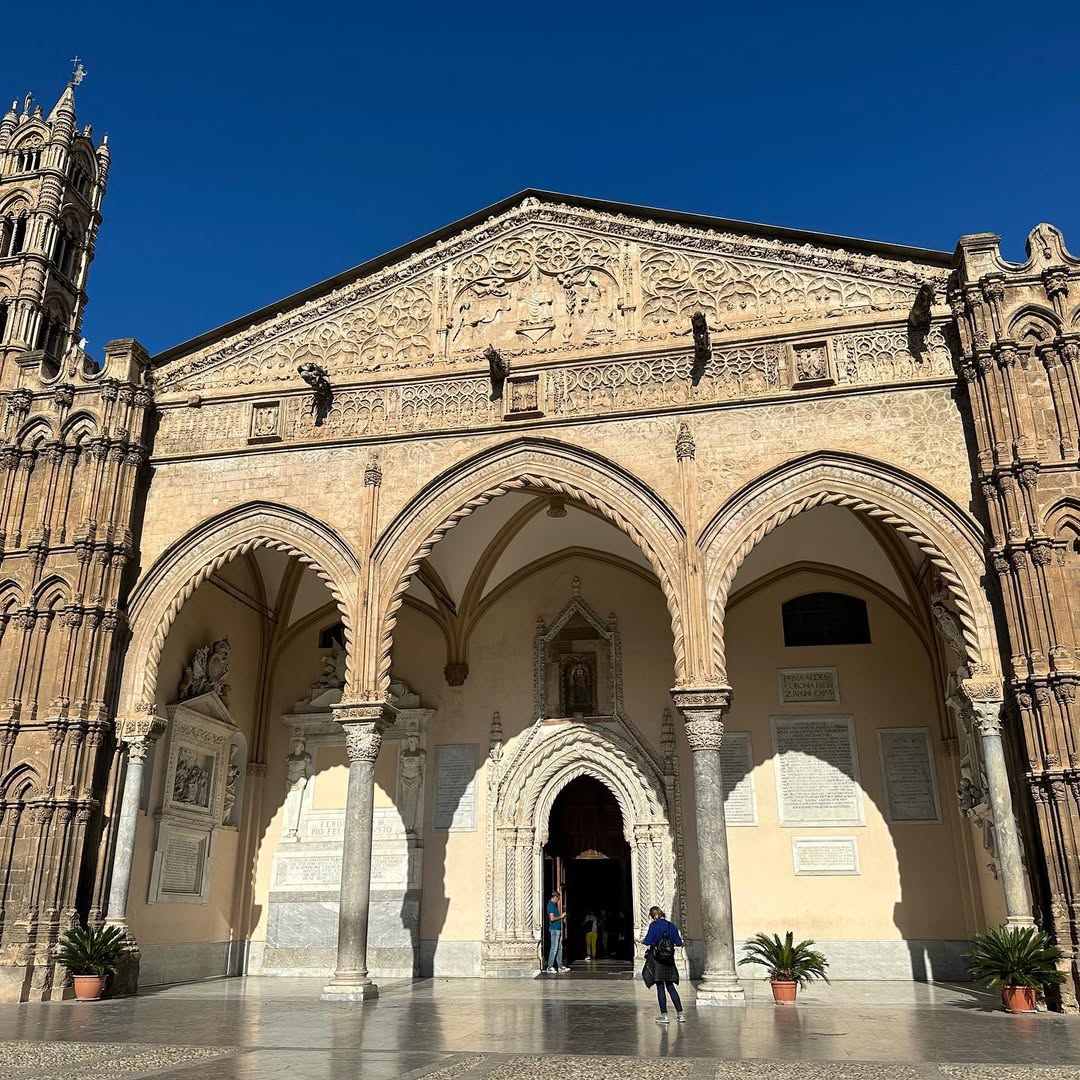
Palermo feels bold, layered, and full of contrasts. You’ll notice Arab, Norman, and Italian influences blending into one vibrant city.
Street food is a highlight, with dishes costing as little as €3 to €6. The Palermo Cathedral showcases centuries of architectural styles, and entry to rooftop areas costs around €7.
Give yourself time to adjust. Palermo can feel chaotic at first, but it rewards curiosity.
What to do
- Try street food markets
- Visit Palermo Cathedral
- Explore historic streets
Practical intel
- Ideal stay: 2 days
- Budget: €70 to €130
- Best visited October to April
Best for: Food, culture, authentic Sicily
17. Taormina
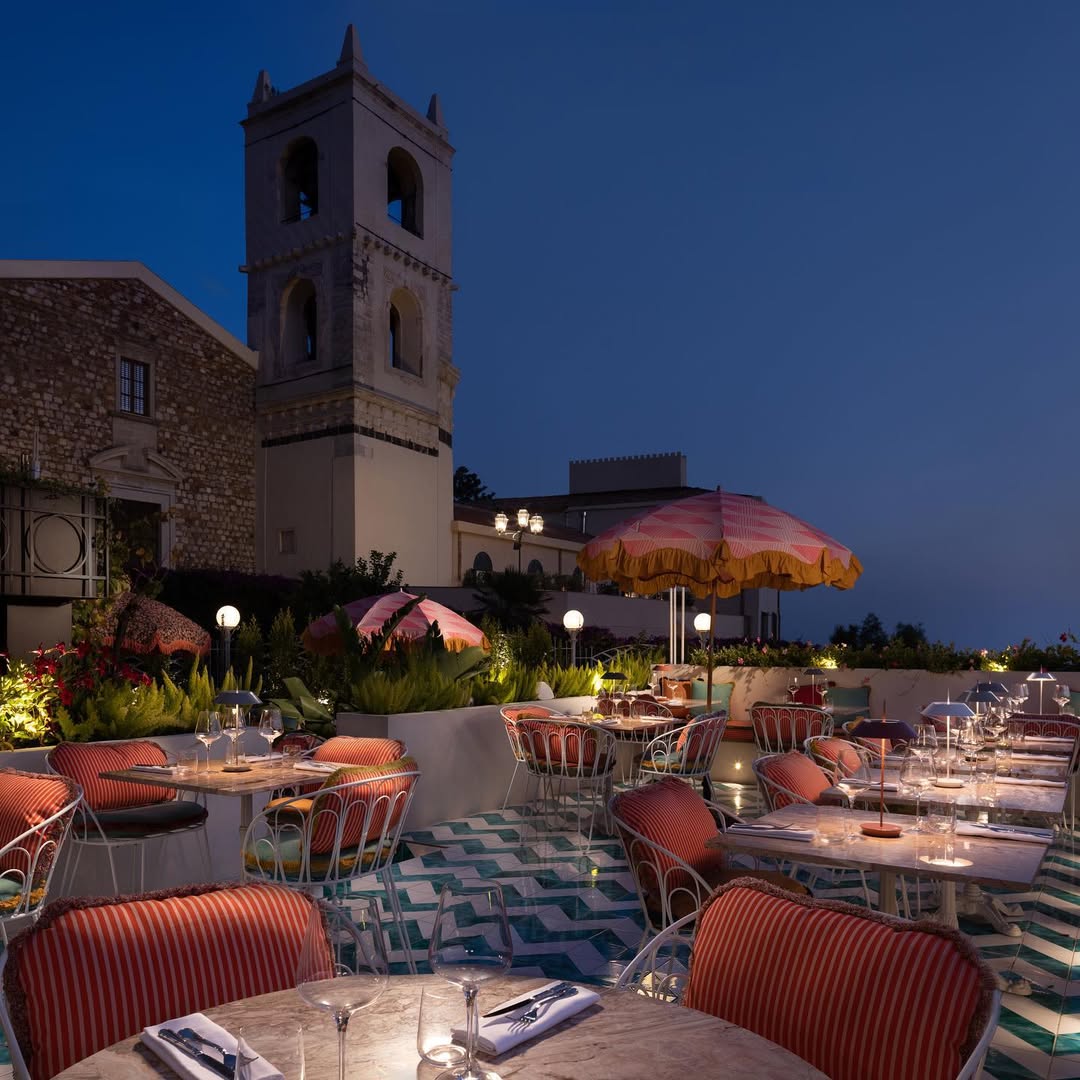
Taormina feels cinematic. You’ll notice sweeping sea views, ancient ruins, and a polished atmosphere that draws travelers from around the world.
The Teatro Antico di Taormina offers views of Mount Etna and the sea, with entry around €13. The town sits about 200 meters above sea level, adding to its dramatic setting.
Go early or late in the day to avoid peak crowds, especially in summer.
What to do
- Visit the ancient theatre
- Walk Corso Umberto
- Relax at nearby beaches
Practical intel
- Ideal stay: 1 to 2 days
- Budget: €100 to €200
- Combine with Sicily trip
Best for: Views, luxury feel, scenic beauty
18. Bergamo

Bergamo feels like two cities in one. You’ll notice the modern lower town, then suddenly rise into the historic Città Alta with its medieval walls and quiet charm.
The Venetian walls stretch over 6 km and are a UNESCO site. A funicular ride to the upper town costs about €1.50 and takes just a few minutes.
Walk the walls at sunset. It’s one of the most underrated experiences in northern Italy.
What to do
- Ride the funicular
- Walk city walls
- Explore Piazza Vecchia
Practical intel
- Ideal stay: 1 day
- Budget: €70 to €130
- Close to Milan
Best for: Hidden gems, short trips
19. Parma
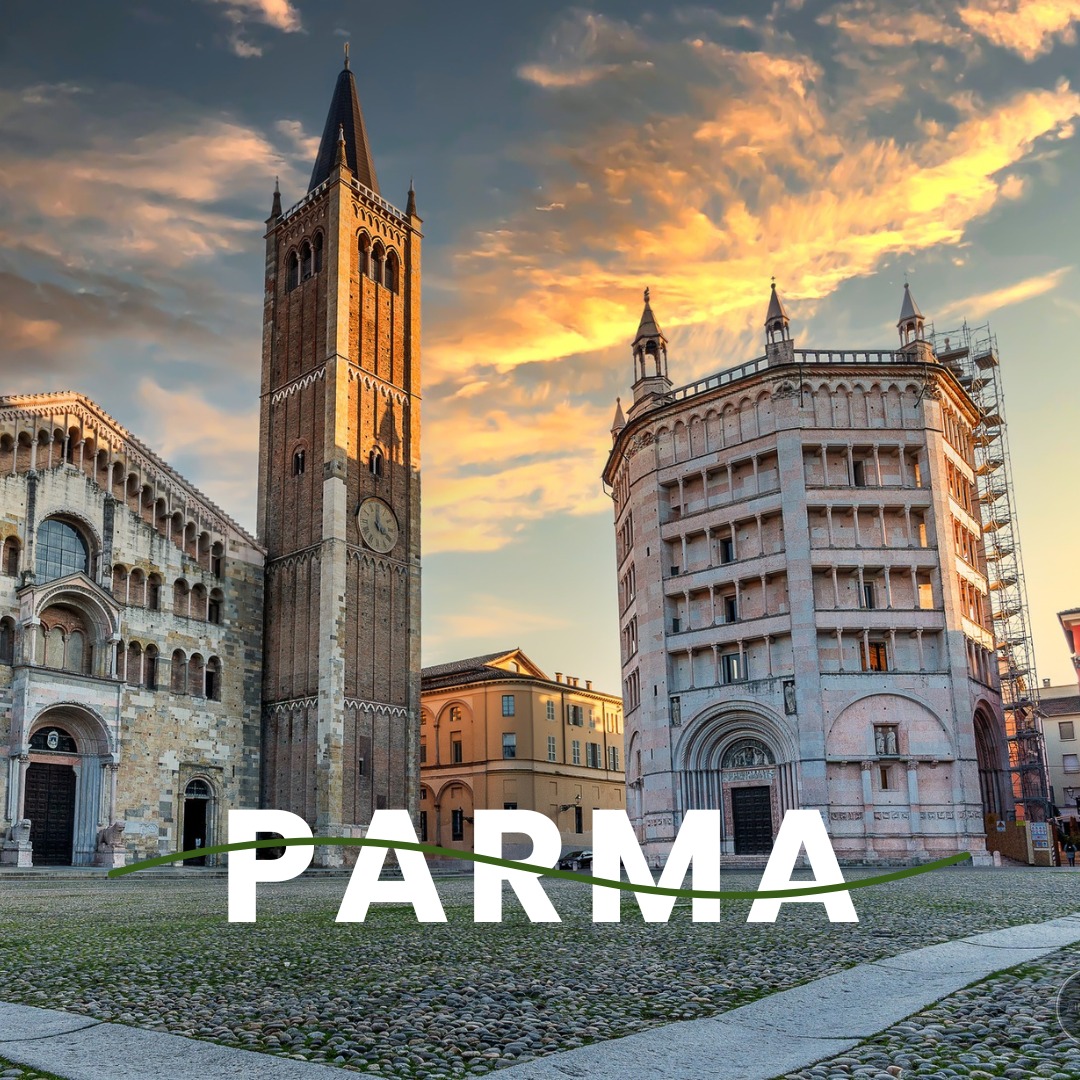
Parma feels refined and quietly indulgent. You’ll notice a strong culinary identity that shapes the entire city experience.
It’s the home of Parmigiano Reggiano and Prosciutto di Parma, with tasting tours costing around €20 to €60. The city center is compact and easily walkable within 30 minutes.
If you love food, Parma deserves more than a quick stop.
What to do
- Visit food producers
- Explore Parma Cathedral
- Enjoy local restaurants
Practical intel
- Ideal stay: 1 to 2 days
- Budget: €90 to €160
- Best reached by train
Best for: Food lovers, authentic Italy
20. Dolomites
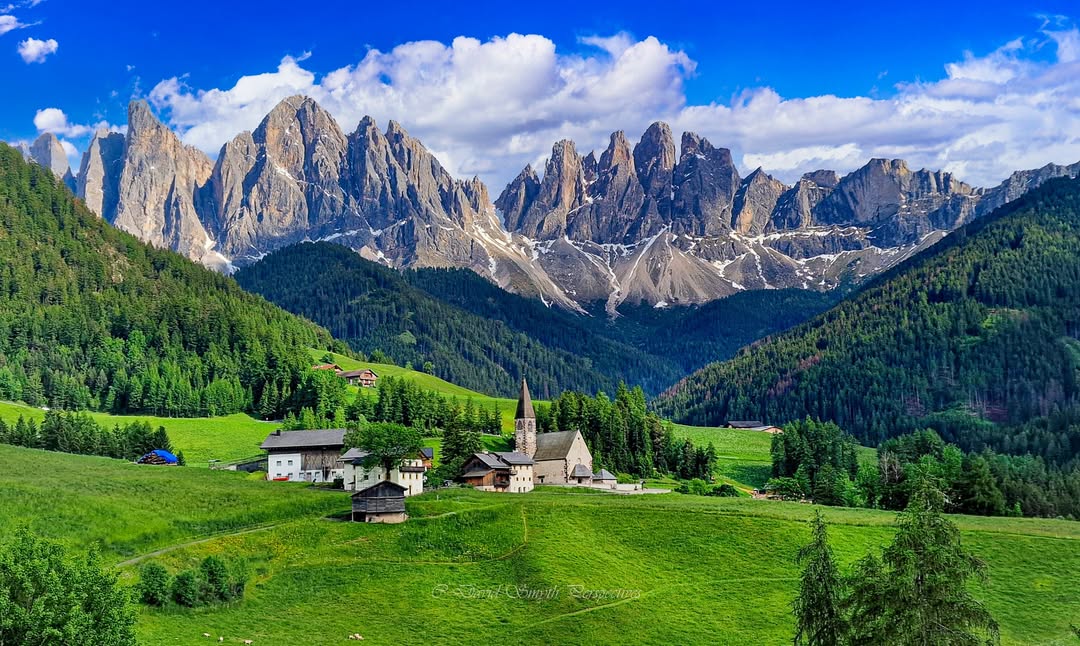
The Dolomites feel vast and dramatic. You’ll notice sharp peaks, green valleys, and air that feels noticeably fresher.
This mountain range spans over 15,000 square kilometers. Cable cars cost €20 to €40 depending on the route, and hiking trails range from short 2 km walks to full-day treks.
Go in summer for hiking or winter for skiing. Both seasons offer completely different experiences.
What to do
- Hike scenic trails
- Take cable cars
- Visit alpine lakes
Practical intel
- Ideal stay: 2 to 4 days
- Budget: €100 to €200
- Best explored with a car
Best for: Nature, adventure, mountain scenery
21. Capri
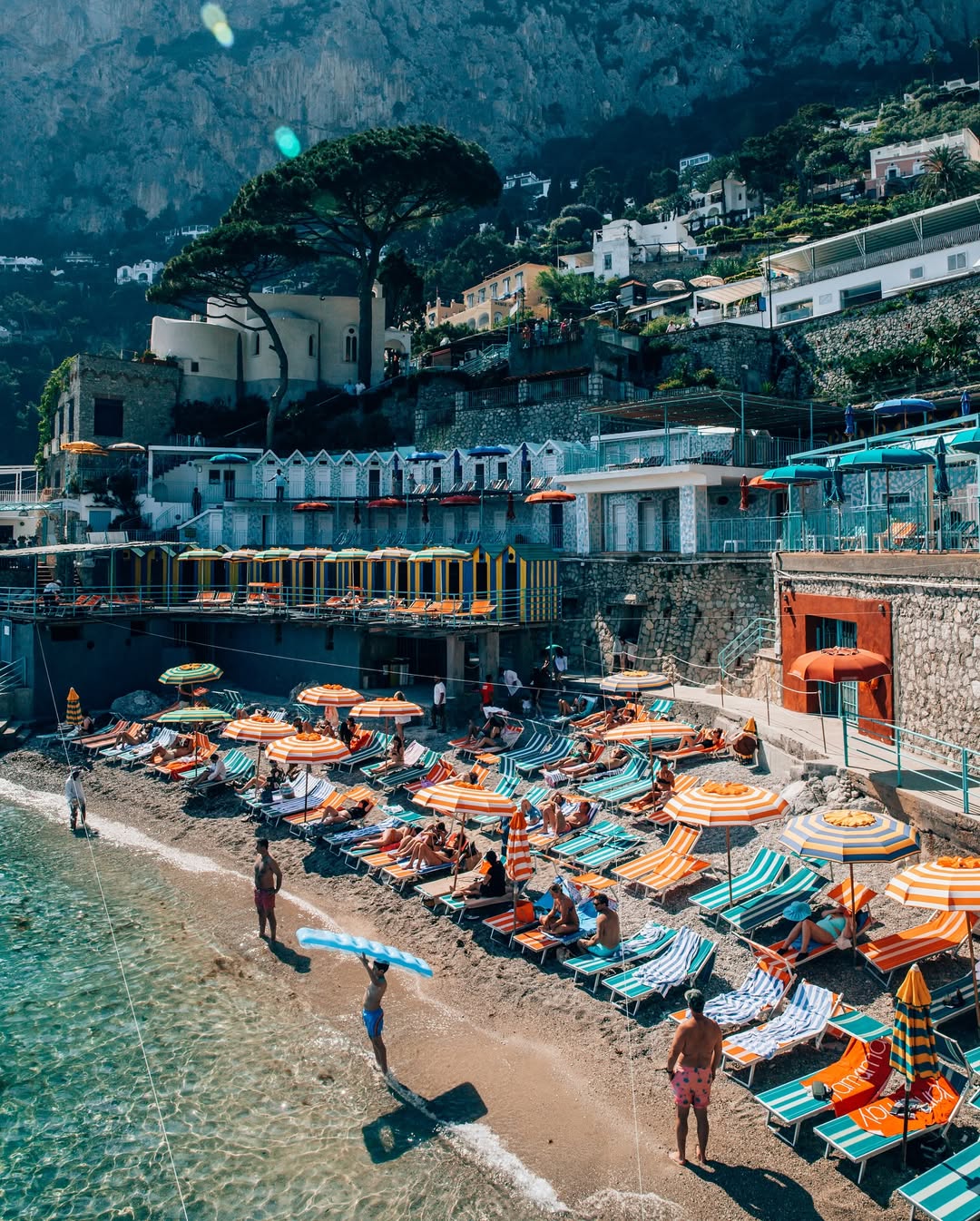
You’ll notice the shift the moment you arrive in Capri. The air feels lighter, the water turns a brighter blue, and everything moves at a slightly slower, more luxurious pace. It’s the kind of place where even a short walk feels cinematic.
The island is just 10 km², yet it attracts over 2 million visitors annually. A boat tour around the island costs about €20 to €40, and entry to the Blue Grotto is around €14. Ferries from Naples take 40 to 80 minutes depending on the type.
If you go, stay overnight if possible. Day-trippers leave by late afternoon, and the island becomes far more peaceful.
What to do
- Visit the Blue Grotto
- Take a boat around the island
- Walk through Capri town
Practical intel
- Ideal stay: 1 to 2 days
- Budget: €120 to €250 per day
- Best months: May, June, September
Best for: Scenic beauty, luxury feel, island escape
22. Lucca
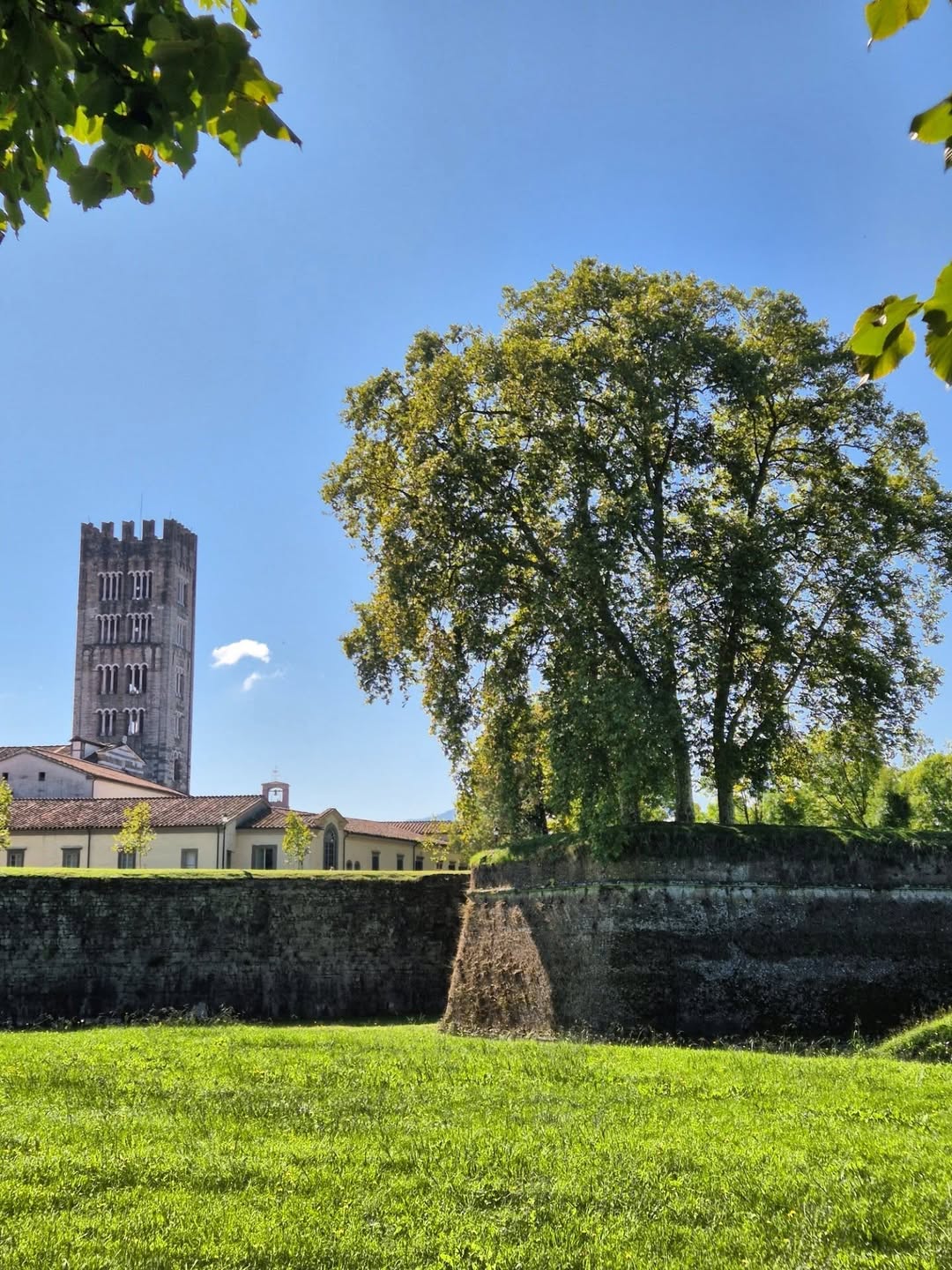
Lucca feels calm, balanced, and surprisingly uncrowded. You’ll notice tree-lined walls surrounding the city, creating a peaceful contrast to busier Tuscan destinations.
The Renaissance walls stretch about 4.2 km and are wide enough for cycling or walking. Bike rentals cost around €5 to €10 per hour. The entire historic center can be explored in about half a day, but it rewards a slower pace.
If you go, rent a bike and circle the walls. It’s one of the simplest yet most satisfying experiences in Tuscany.
What to do
- Cycle along the city walls
- Visit Piazza dell’Anfiteatro
- Climb Guinigi Tower
Practical intel
- Ideal stay: 1 day
- Budget: €70 to €130
- Easy day trip from Pisa or Florence
Best for: Relaxed travel, cycling, hidden charm
23. Ravenna

Ravenna feels quiet at first, but once you step inside its churches, everything changes. You’ll notice shimmering mosaics covering entire walls, telling stories in incredible detail.
The city holds 8 UNESCO World Heritage sites, with combined entry tickets costing about €12 to €15. The mosaics date back to the 5th and 6th centuries and are among the best-preserved in the world.
Plan at least half a day indoors. The real magic here is inside buildings, not in the streets.
What to do
- Visit Basilica di San Vitale
- Explore mosaic sites
- Walk the historic center
Practical intel
- Ideal stay: 1 day
- Budget: €70 to €120
- Less crowded than major cities
Best for: Art, history, quiet exploration
24. Orvieto
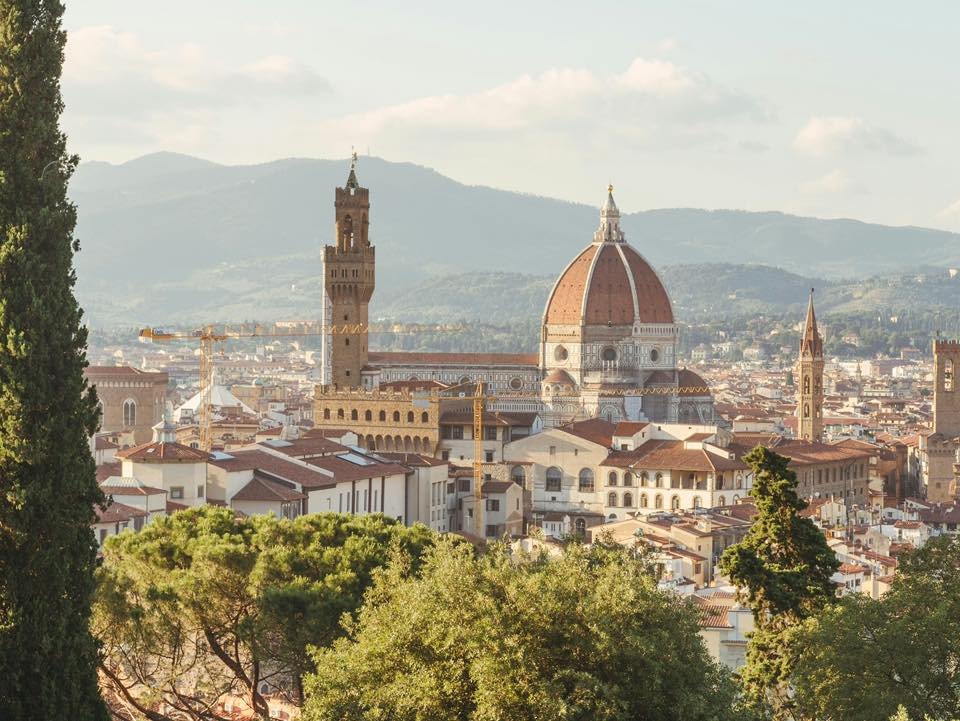
Orvieto feels dramatic the moment you see it. The town sits high on a volcanic rock plateau, and the approach alone makes it memorable.
The Orvieto Cathedral features a detailed façade that stands out even among Italy’s many cathedrals. Entry is about €5, and the underground city tours cost around €8 to €10. Trains from Rome take about 1 hour, followed by a short funicular ride.
If you go, explore underground tunnels. They reveal a completely different side of the town.
What to do
- Visit Orvieto Cathedral
- Explore underground caves
- Walk panoramic viewpoints
Practical intel
- Ideal stay: Half day to 1 day
- Budget: €60 to €110
- Easy from Rome
Best for: Unique landscapes, quick escapes
25. Sorrento
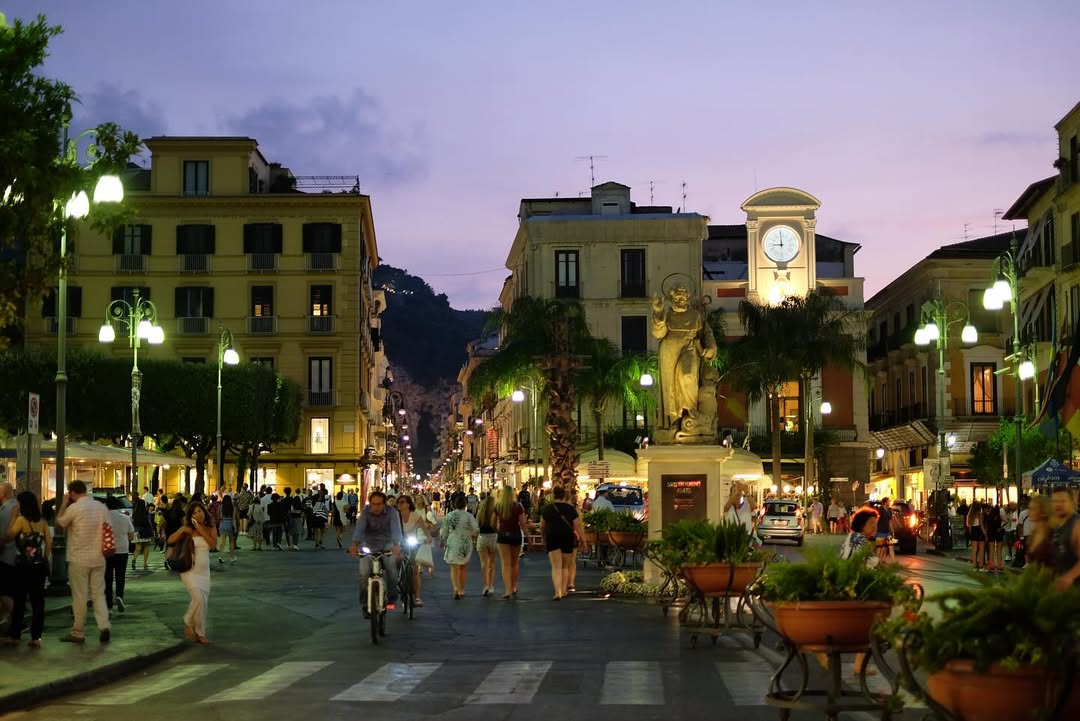
Sorrento feels like a perfect base with a view. You’ll notice sweeping coastal cliffs, calm sea views, and easy access to some of Italy’s most famous destinations.
It sits about 50 km from Naples and connects easily to Capri, Pompeii, and the Amalfi Coast. Hotels here are often 20 to 30 percent cheaper than Positano, with ferry tickets to Capri costing around €20 to €50.
If you want the Amalfi experience without the intensity, Sorrento is a smart choice.
What to do
- Take a day trip to Capri
- Walk Marina Grande
- Enjoy coastal views
Practical intel
- Ideal stay: 2 to 3 days
- Budget: €90 to €180
- Excellent transport connections
Best for: Base location, scenic stays, balanced travel




COMMENTS
Please note that all comments will be checked by our team before being approved.