22 Cheapest Places to Visit in France For 2026 That Are Taking Over High-End Budget Travel Trends
Planning a French getaway without stretching your budget? These 22 cheapest places to visit in France are affordable, charming, and full of hidden gems, helping you explore beautiful destinations, savor local culture, and make the most of every euro.

France has a reputation for being expensive, but that’s only part of the story. Step beyond Paris and the Riviera, and you’ll find cities where your daily budget can stay under €70 while still enjoying the experience.
These destinations offer historic streets, local food, and authentic atmosphere without the heavy crowds or inflated prices. You’ll quickly notice that transport, meals, and accommodation become far more affordable off the main tourist trail.
With a bit of planning, you can explore different regions, from coastal towns to mountain cities, while keeping costs low. These 22 cheapest places to visit in France prove you don’t need a big budget to experience the country properly.
1. Lille (Northern France)
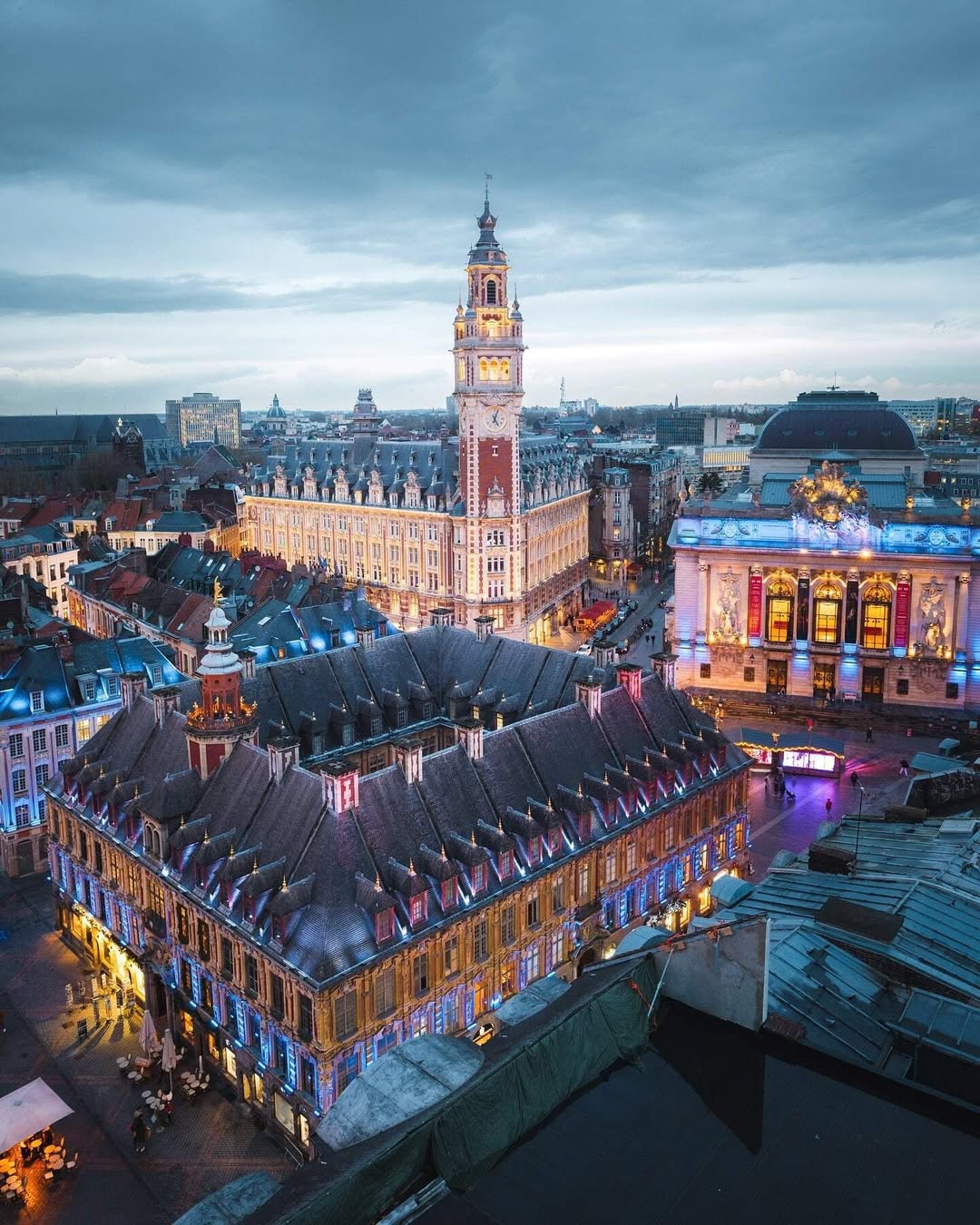
You’ll notice Lille immediately feels lively yet manageable, with its Flemish-style buildings and compact old town. Walking through Vieux Lille, the cobbled streets and colorful facades give you that postcard-perfect France experience without the Paris-level prices.
What makes Lille especially budget-friendly is its food and accommodation scene. You can find decent hotels starting around €50–€80 per night, and local meals like carbonnade flamande cost about €12–€15. The city is also just 1 hour from Paris by train, which keeps transport costs surprisingly low if you plan ahead.
If you go midweek, you’ll notice fewer crowds and better hotel deals. Lille also has a strong student population, which keeps prices grounded and nightlife affordable.
What to do
- Explore Grand Place and Vieux Lille
- Visit Palais des Beaux-Arts (entry ~€7)
- Try local bakeries and street food
Practical intel
- Best time: April to June, September
- Budget per day: €60–€90
- Walkability: Very high
Best for: Culture on a budget + short city breaks
2. Nantes (Western France)
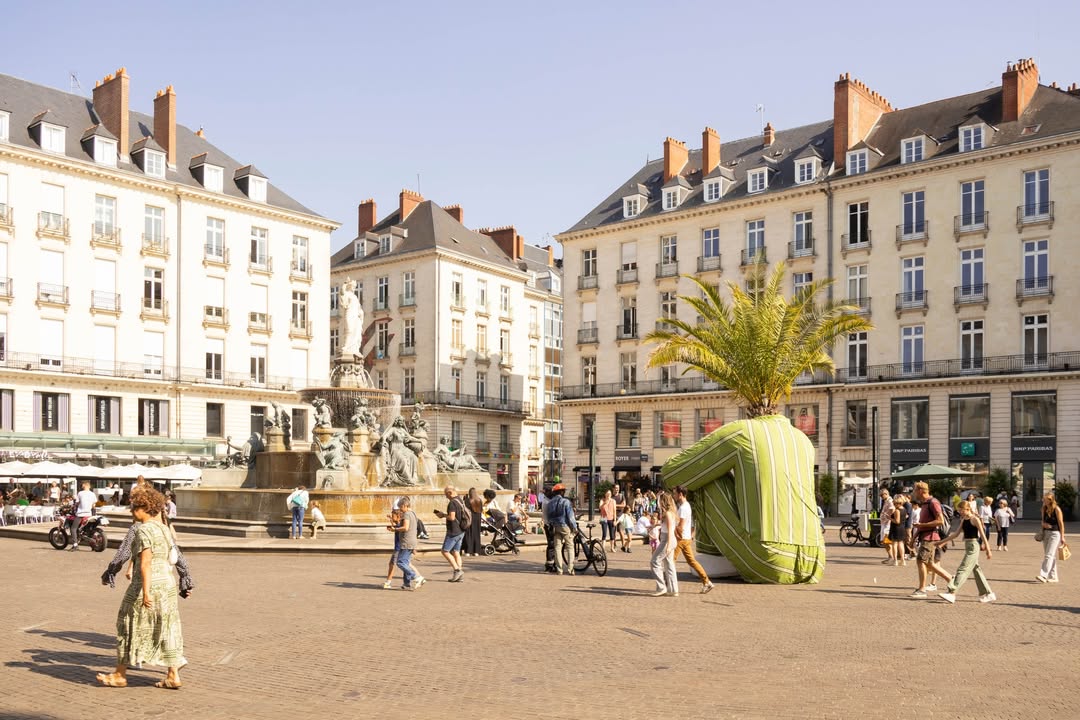
Nantes surprises you with its creativity. You’ll find giant mechanical animals roaming the city at Les Machines de l’Île, which feels like stepping into a surreal art installation rather than a typical tourist attraction.
It’s one of the cheapest major cities in western France. Public transport costs about €1.80 per ride, and many attractions are free with the Nantes Pass (~€27 for 24 hours). Budget hotels often range between €45–€75, which is significantly lower than nearby coastal cities.
If you explore by bike, you’ll cover most highlights in a single day. The city’s green spaces and riverside paths make it feel relaxed, not rushed.
What to do
- Ride the Grand Elephant at Les Machines de l’Île
- Walk along the Loire River
- Visit Château des Ducs de Bretagne
Practical intel
- Best time: May to October
- Budget per day: €55–€85
- Bike rentals: ~€10 per day
Best for: Creative travelers + slow exploration
3. Strasbourg (Eastern France)
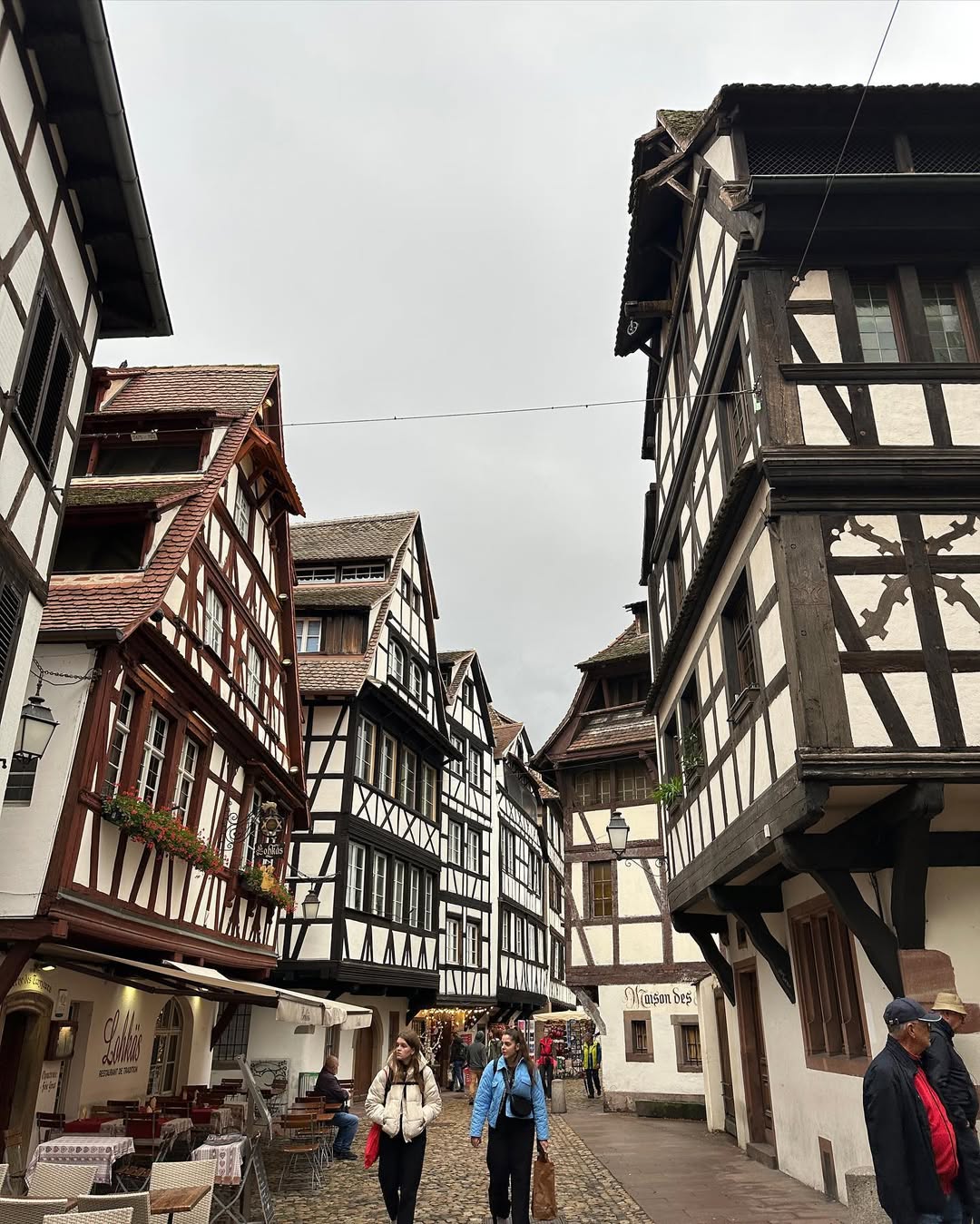
Strasbourg feels like a blend of France and Germany, with timber-framed houses and canals weaving through the historic center. When you walk through La Petite France, you’ll feel like you’ve stepped into a storybook.
Despite its beauty, it can be surprisingly affordable if you avoid peak Christmas market season. Guesthouses start around €60–€90, and you can eat hearty Alsatian dishes for €10–€14. Many of the best experiences, like walking the old town or visiting the cathedral, are completely free.
Early mornings are worth it here. You’ll get quiet streets and soft light reflecting off the canals, which changes the whole mood of the city.
What to do
- Visit Strasbourg Cathedral (free entry)
- Wander La Petite France
- Try tarte flambée in local eateries
Practical intel
- Best time: March to May, September
- Budget per day: €60–€95
- Avoid: December if on a tight budget
Best for: Scenic charm + architecture lovers
4. Montpellier (Southern France)
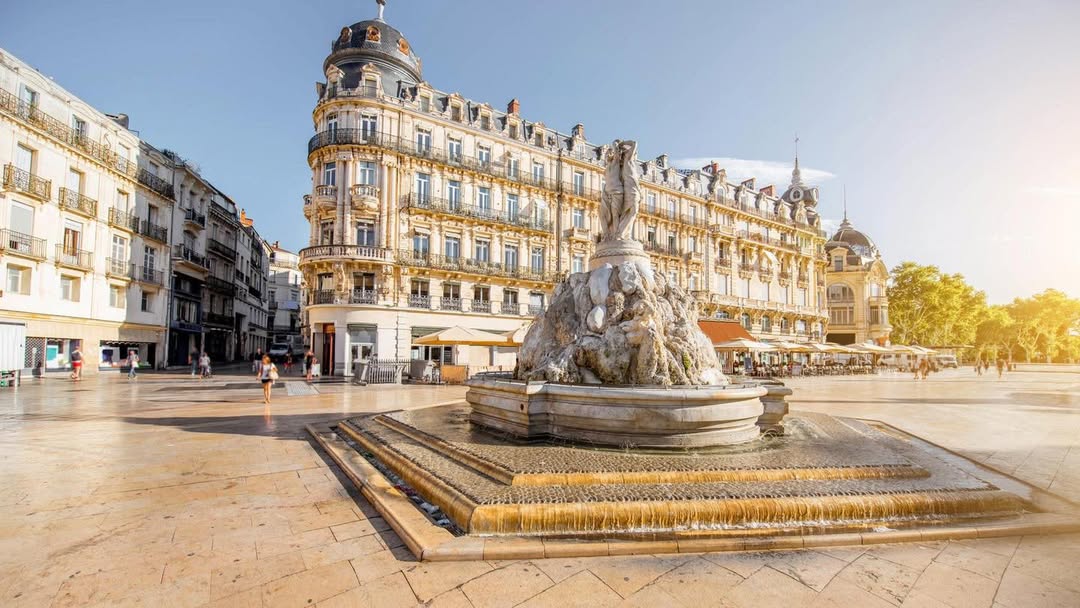
Montpellier gives you Mediterranean energy without the high prices of Nice or Cannes. You’ll notice lively squares, street performers, and sunlit alleys that feel effortlessly vibrant.
Accommodation is one of the biggest savings here. Budget hotels and hostels range from €40–€70, and tram tickets cost about €1.60. Even better, beaches like Palavas-les-Flots are only 10–15 km away, reachable by bus for under €2.
If you go in shoulder season, you’ll still get warm weather but avoid tourist crowds. That’s when Montpellier feels most authentic.
What to do
- Explore Place de la Comédie
- Take a day trip to nearby beaches
- Wander the medieval Écusson district
Practical intel
- Best time: April to June, September
- Budget per day: €55–€85
- Beach access: ~20 minutes by bus
Best for: Warm weather + coastal vibe on a budget
5. Clermont-Ferrand (Central France)
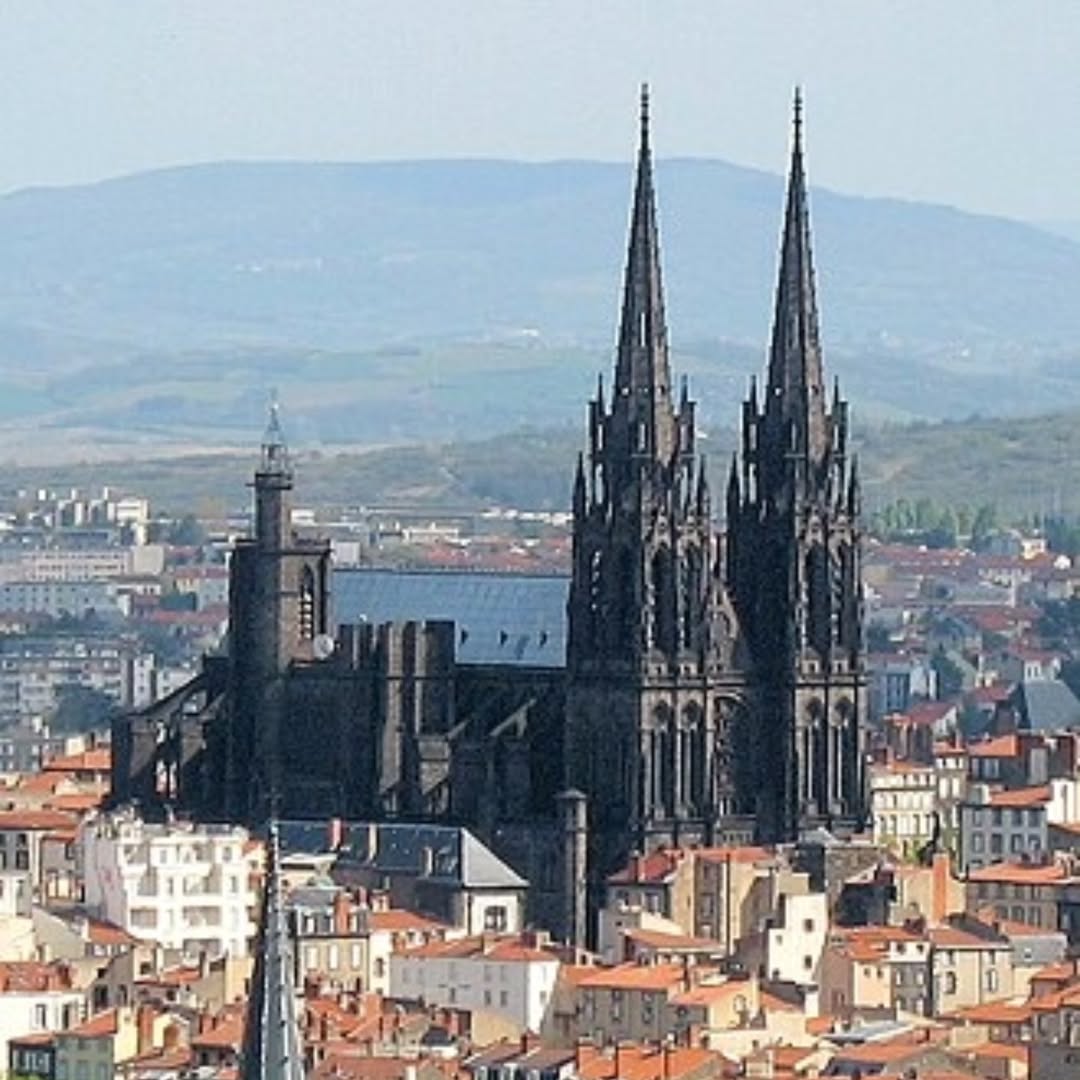
Clermont-Ferrand feels raw and less touristy, surrounded by volcanic landscapes that are unlike anywhere else in France. The black volcanic stone buildings give the city a dramatic, almost cinematic look.
This is one of the cheapest destinations on this list. You can find accommodations for €35–€65, and meals often cost under €12. Nature is the highlight here, and most of it is free, especially hikes in the Chaîne des Puys, a UNESCO-listed volcanic range.
If you enjoy quiet destinations, this is where you’ll slow down. You won’t find crowds, but you’ll get space, scenery, and authenticity.
What to do
- Hike the Chaîne des Puys volcanoes
- Visit Clermont Cathedral
- Explore local markets
Practical intel
- Best time: May to September
- Budget per day: €45–€75
- Transport: Car or regional trains recommended
Best for: Nature + off-the-beaten-path travel
6. Toulouse (Southwest France)
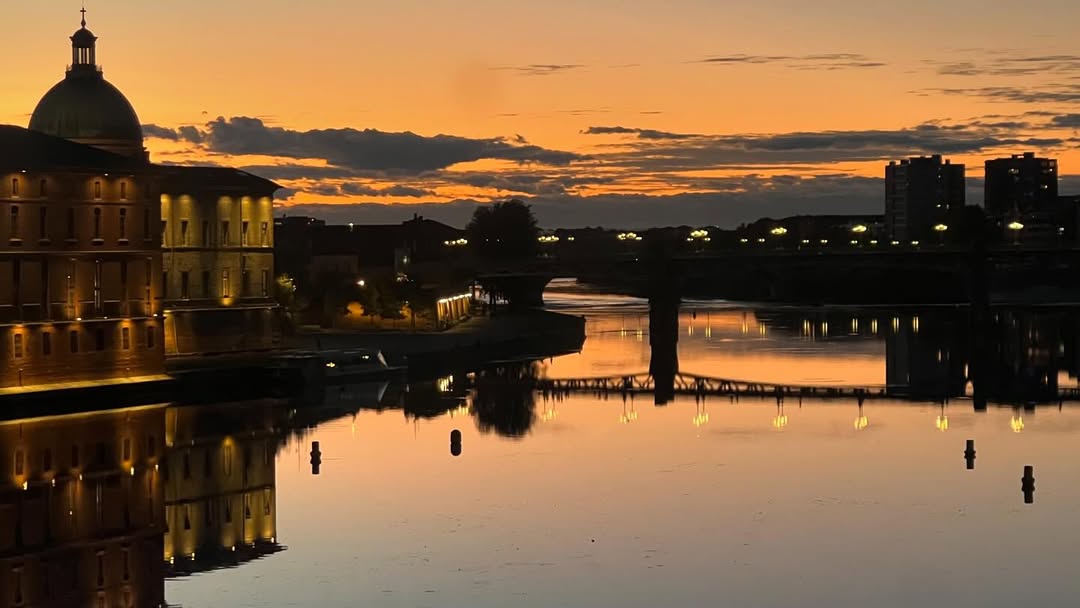
You’ll notice Toulouse glowing in warm pink tones, especially in the late afternoon when the brick buildings reflect sunlight across the city. It feels lively but not overwhelming, with wide squares and a strong café culture that pulls you in.
Costs stay reasonable because Toulouse is a student-heavy city. Budget hotels often range from €50–€80, and meals like cassoulet or sandwiches cost €8–€14. Public transport day passes are around €6, making it easy to explore without extra expense.
If you walk along the Garonne River at sunset, you’ll get one of the best free experiences in the city. That’s when Toulouse feels most atmospheric.
What to do
- Visit Place du Capitole
- Walk along the Garonne River
- Explore Basilique Saint-Sernin
Practical intel
- Best time: April to June, October
- Budget per day: €60–€90
- Transport pass: ~€6/day
Best for: Warm city vibes + food lovers
7. Dijon (Burgundy)

Dijon feels elegant but accessible. As you walk through its medieval streets, you’ll notice well-preserved architecture, quiet courtyards, and a slower rhythm that makes it easy to explore without rushing.
It’s cheaper than most wine-region destinations in France. Hotels range from €45–€75, and you can enjoy local specialties like boeuf bourguignon for €12–€18. Many attractions, including historic walking trails marked by the owl symbols, are completely free.
If you follow the Owl Trail, you’ll cover about 22 key landmarks in 1.5 to 2 hours without spending anything.
What to do
- Follow the Owl Trail through the old town
- Visit the Palace of the Dukes
- Taste local mustard and wines
Practical intel
- Best time: May to September
- Budget per day: €55–€85
- Walking trail: ~3 km
Best for: History + affordable wine culture
8. Grenoble (French Alps)
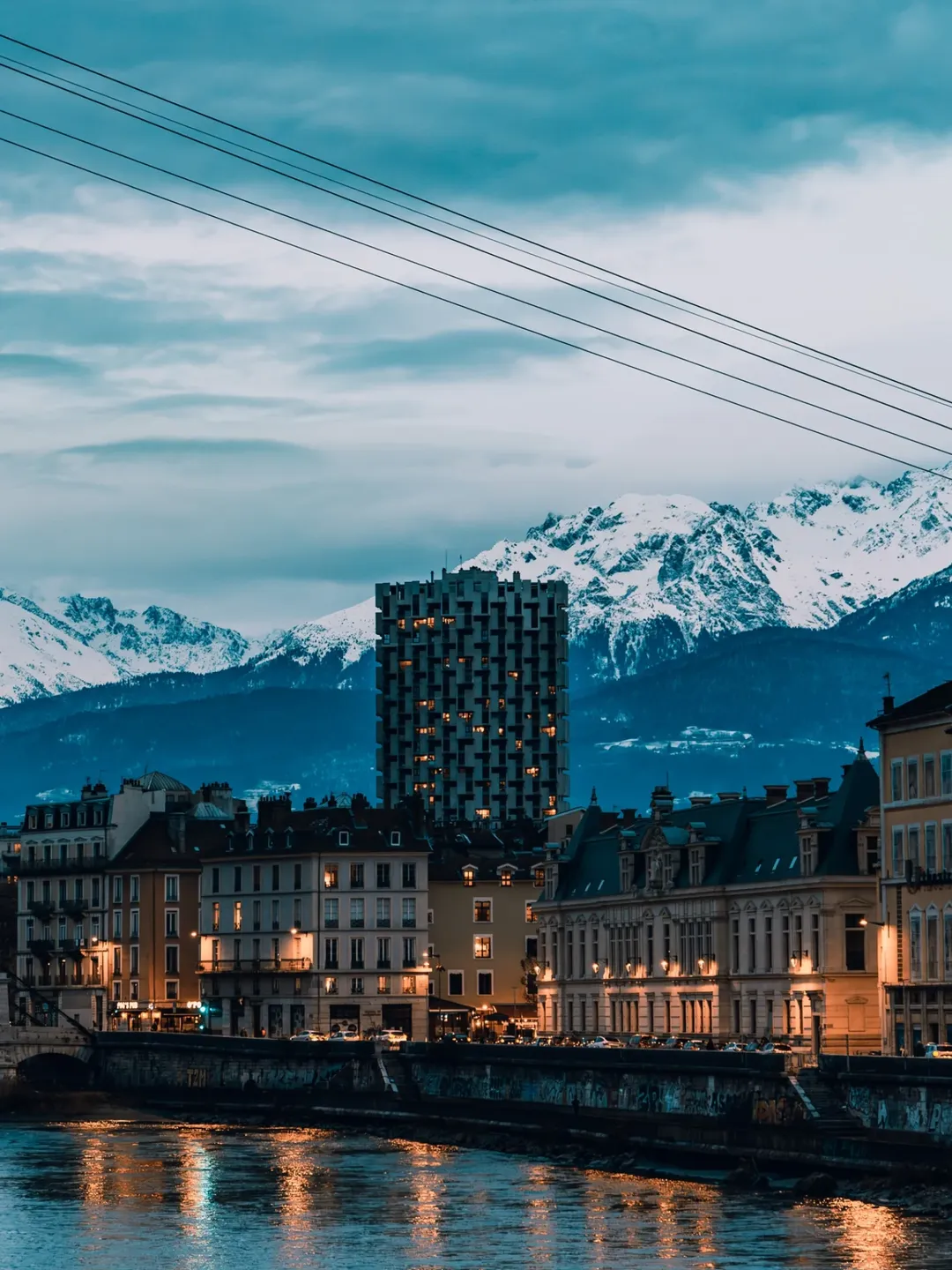
Grenoble gives you mountain scenery without resort-level pricing. You’ll see dramatic alpine peaks from almost every street, which makes even a simple walk feel like an experience.
It’s one of the cheapest gateways to the Alps. Accommodation starts around €40–€70, and cable car rides to the Bastille cost about €9 round-trip. Outdoor activities like hiking are mostly free, which keeps daily costs low.
If you take the cable car up, plan about 2–3 hours to explore viewpoints and trails. The views stretch across the entire valley.
What to do
- Ride the Bastille cable car
- Hike nearby mountain trails
- Explore the old town
Practical intel
- Best time: June to September, winter for snow
- Budget per day: €50–€80
- Cable car: ~€9
Best for: Mountains + active travelers
9. Poitiers (Western France)
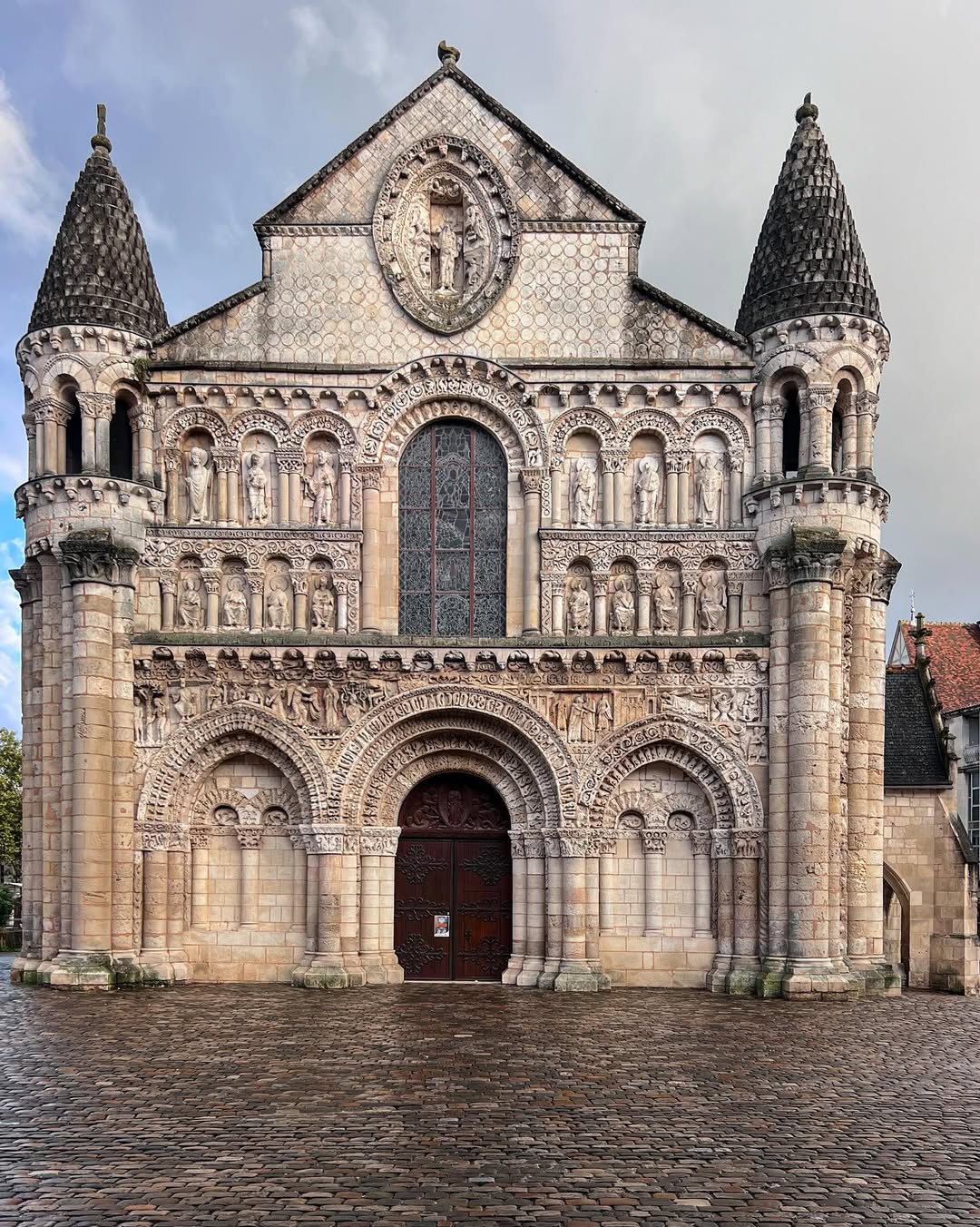
Poitiers feels quiet and deeply historic. You’ll notice Romanesque churches and narrow streets that feel untouched by mass tourism, which gives the whole place a more authentic atmosphere.
It’s one of the most budget-friendly cities in France. Accommodation can drop as low as €35–€65, and meals often cost under €10–€12. Many historic sites are free or under €5, which makes it easy to explore extensively on a small budget.
If you combine the city with a visit to Futuroscope, you’ll get a mix of old and futuristic experiences within a 10 km radius.
What to do
- Visit Notre-Dame la Grande
- Walk through the historic center
- Explore Futuroscope theme park
Practical intel
- Best time: April to June, September
- Budget per day: €45–€75
- Futuroscope ticket: ~€40
Best for: Quiet travel + history lovers
10. Perpignan (Near Spain)
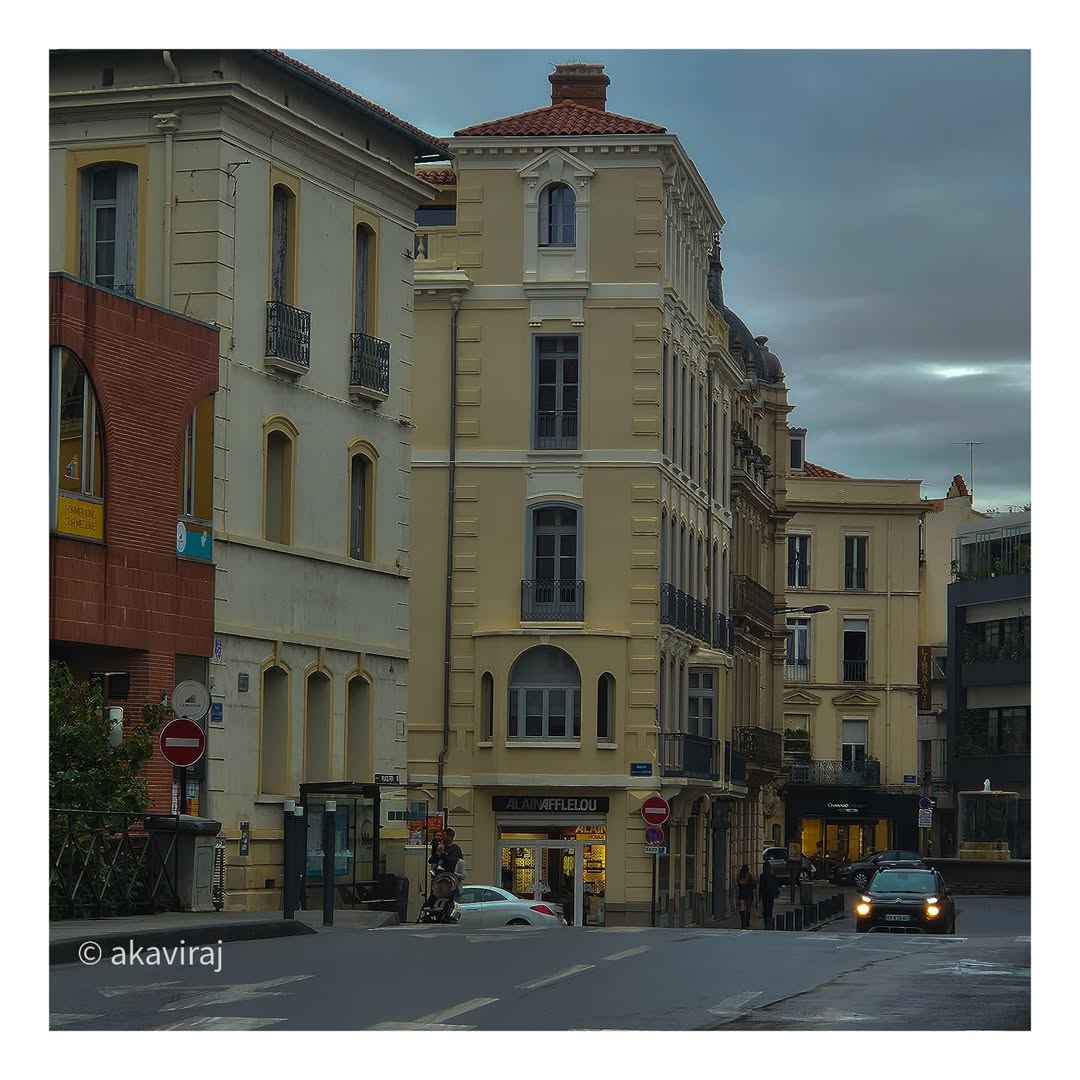
Perpignan feels different from most French cities. You’ll notice Catalan influences in the architecture, food, and even the pace of life. It feels warmer, looser, and slightly more relaxed.
Prices are lower than most Mediterranean destinations. Hotels range from €40–€70, and meals like tapas-style dishes cost €8–€15. Beaches are about 15 km away, accessible by bus for a few euros.
If you go in early summer, you’ll enjoy warm weather without peak-season pricing. That’s when Perpignan gives you the best value.
What to do
- Visit Palace of the Kings of Majorca
- Explore the old town
- Take a short trip to nearby beaches
Practical intel
- Best time: May to June, September
- Budget per day: €50–€80
- Beach distance: ~15 km
Best for: Culture + beach combination on a budget
11. Limoges (Central France)
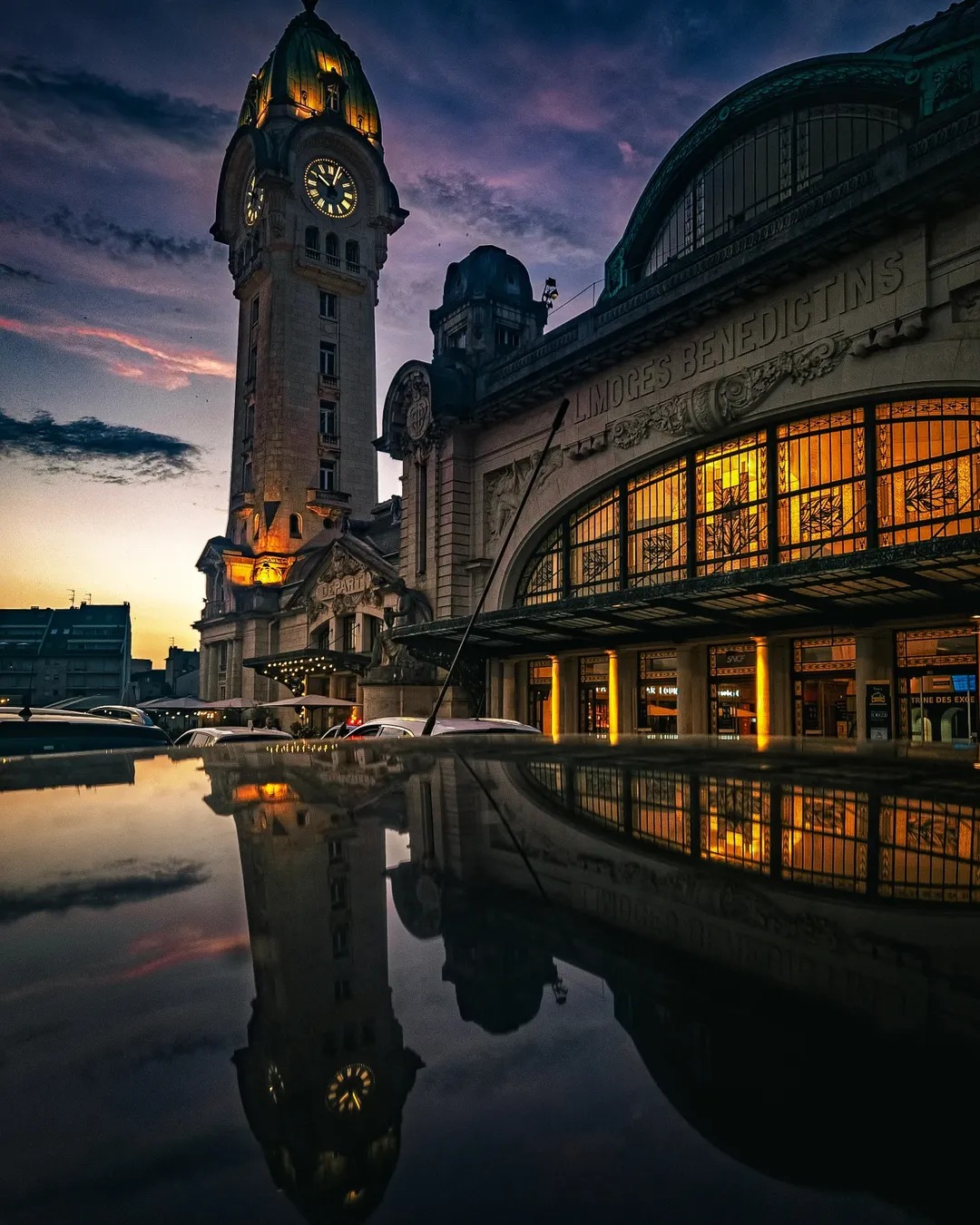
You’ll notice right away that Limoges feels calm and unpolished in a good way. The old town has half-timbered houses and quiet lanes where you can walk for 20–30 minutes without hitting crowds, which is rare in France.
It’s one of the cheapest cities for accommodation. Budget stays start around €35–€60, and meals often cost €9–€12. Limoges is also famous for porcelain, and many workshops and museums cost under €5 or are free on certain days.
If you go early in the morning, the historic quarter feels almost empty, which makes it much more immersive.
What to do
- Visit the Limoges Fine Arts Museum
- Explore the old butcher’s quarter
- Browse porcelain shops
Practical intel
- Best time: May to September
- Budget per day: €45–€70
- Museum entry: ~€5
Best for: Slow travel + low daily spend
12. Reims (Champagne Region)
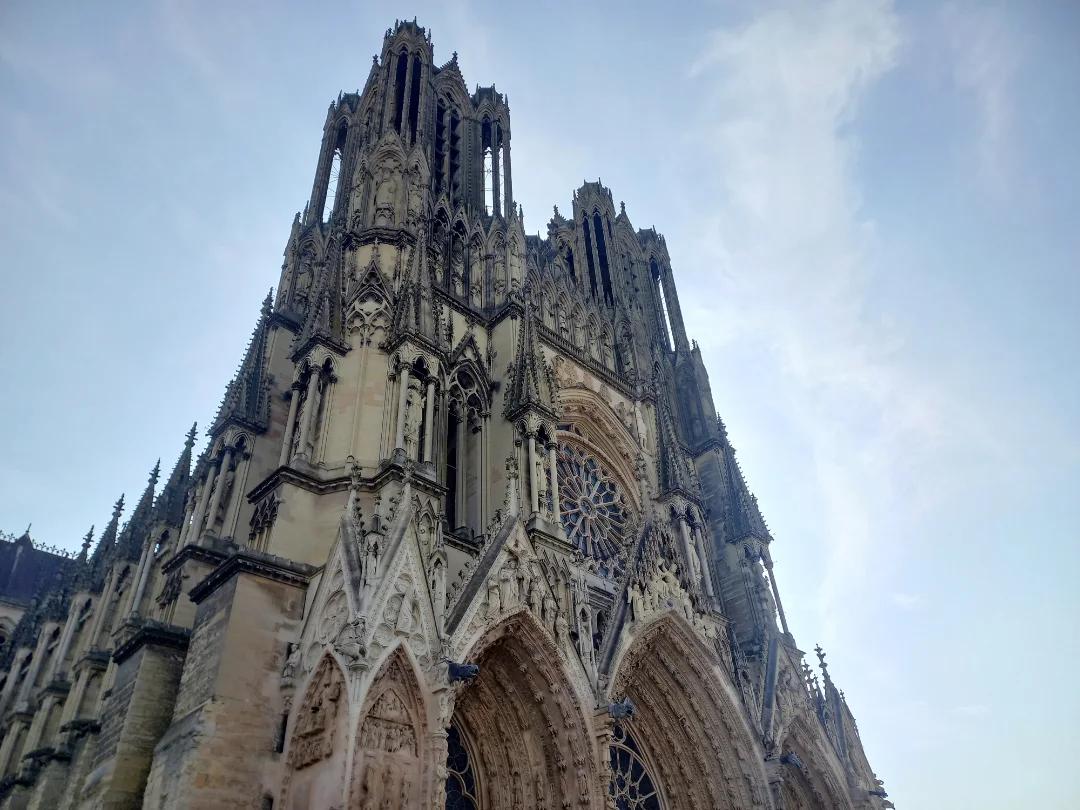
Reims gives you a taste of luxury without the price tag if you approach it smartly. You’ll notice grand cathedrals and champagne houses, but also plenty of affordable corners if you skip premium tours.
Accommodation ranges from €50–€85, and you can find casual meals for €10–€15. The highlight, Reims Cathedral, is completely free and takes about 1–2 hours to explore properly.
If you want champagne without overspending, many smaller houses offer tastings from €10–€15, which is far cheaper than the big brands.
What to do
- Visit Reims Cathedral
- Walk through the historic center
- Try budget champagne tastings
Practical intel
- Best time: April to June, September
- Budget per day: €60–€90
- Tastings: from €10
Best for: Elegant atmosphere on a budget
13. Angers (Loire Valley)
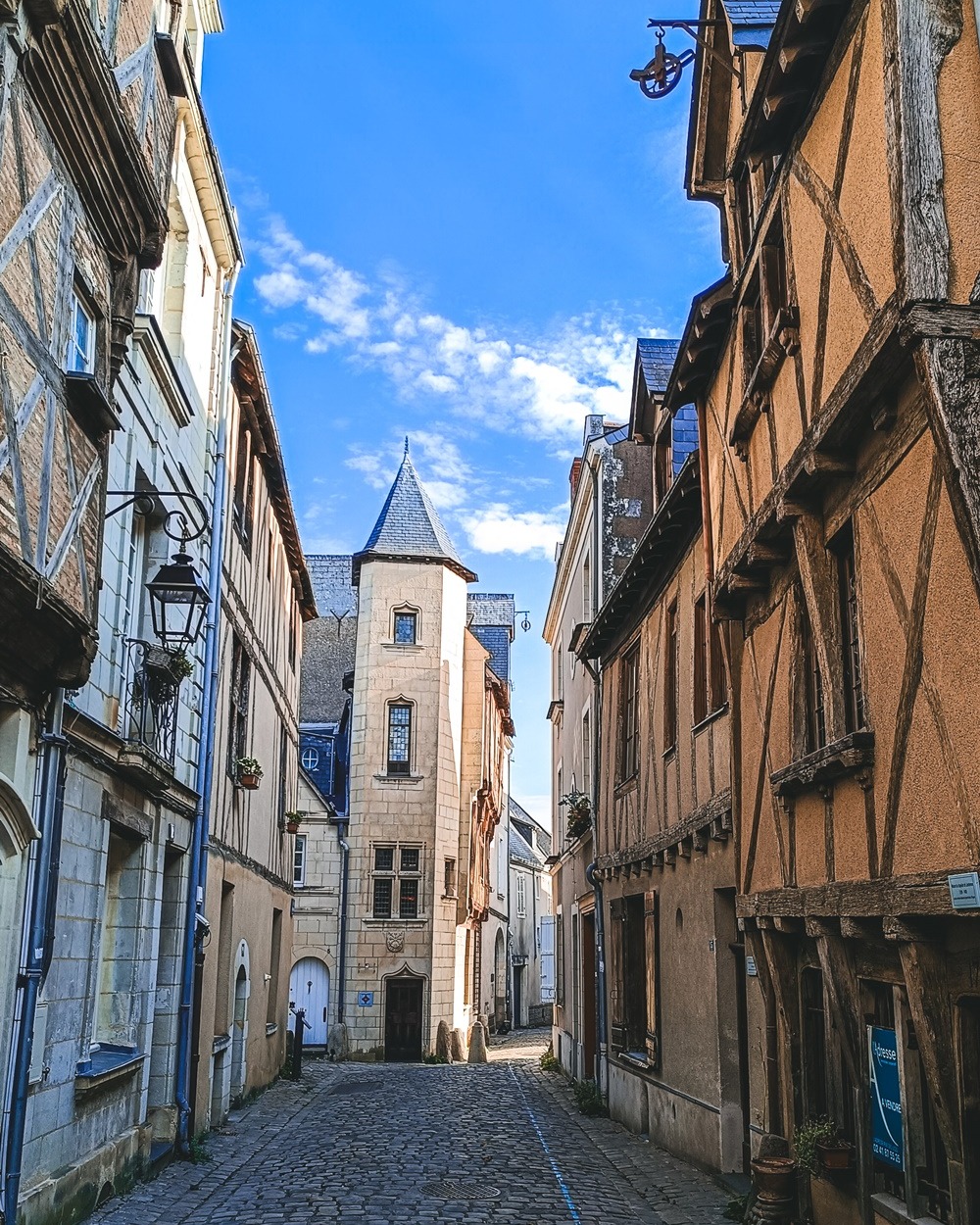
Angers feels green, open, and easygoing. You’ll notice wide riverside paths and fewer tourists compared to other Loire Valley towns, which makes exploring feel more relaxed.
It’s cheaper than nearby château-heavy destinations. Hotels range from €45–€75, and meals cost around €10–€14. The standout, Château d’Angers, costs about €11 and can take 2–3 hours to fully explore.
If you rent a bike for about €10 per day, you can cover a large part of the Loire Valley without expensive tours.
What to do
- Visit Château d’Angers
- Cycle along the Maine River
- Explore local markets
Practical intel
- Best time: May to September
- Budget per day: €55–€85
- Bike rental: ~€10/day
Best for: Castles + relaxed countryside vibe
14. Metz (Northeast France)
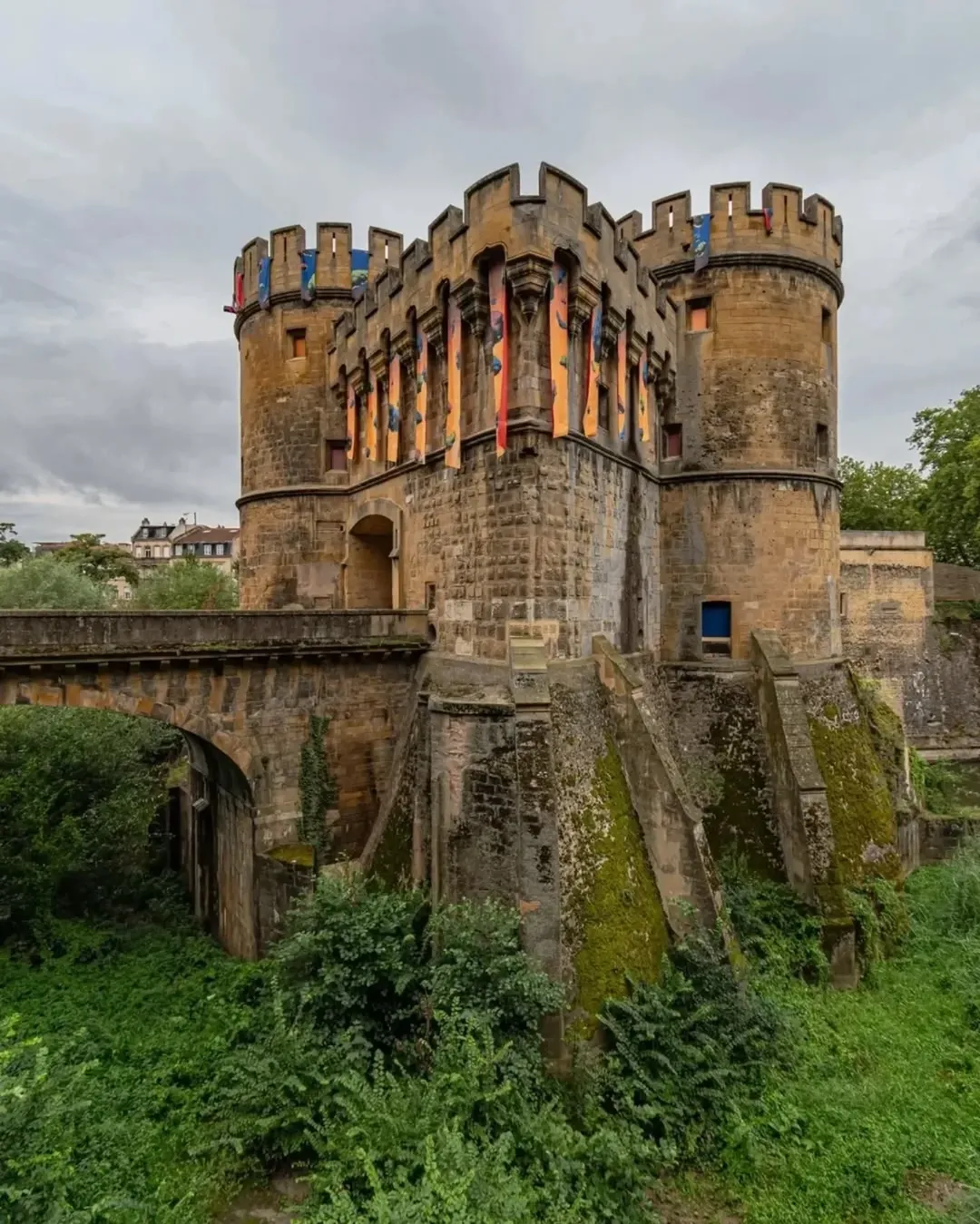
Metz feels refined but quiet. You’ll notice golden stone buildings and wide open squares that make the city feel spacious and easy to navigate.
Prices stay low because it’s not heavily touristed. Accommodation starts around €40–€70, and meals average €10–€15. The main highlight, Metz Cathedral, is free and known for having one of the largest expanses of stained glass in Europe.
If you go in the late afternoon, the light through the stained glass creates a completely different experience compared to midday.
What to do
- Visit Metz Cathedral
- Walk along the Moselle River
- Explore Centre Pompidou-Metz
Practical intel
- Best time: April to June, September
- Budget per day: €50–€80
- Museum entry: ~€12
Best for: Architecture + peaceful city breaks
15. Nîmes (Southern France)
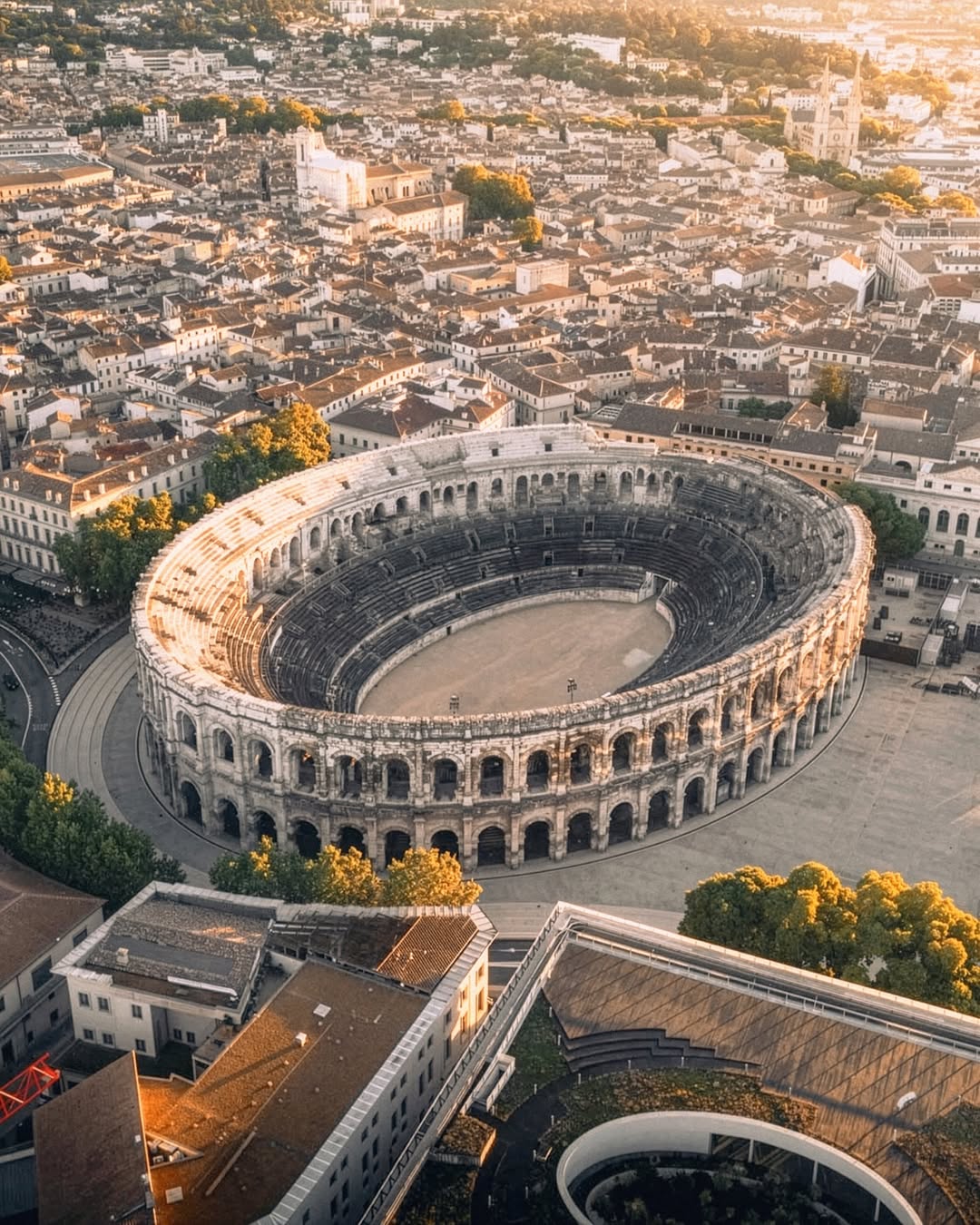
Nîmes gives you Roman history without the crowds or costs of Rome. You’ll notice ancient structures integrated into everyday city life, which makes the experience feel more real and less staged.
It’s relatively affordable for southern France. Hotels range from €45–€80, and meals cost about €10–€16. The Arena of Nîmes entry is around €10, and you’ll need about 1–2 hours to explore it fully.
If you visit early in the day, you’ll avoid both heat and crowds, which makes a big difference in summer.
What to do
- Explore the Arena of Nîmes
- Visit Maison Carrée
- Walk through Jardins de la Fontaine
Practical intel
- Best time: April to June, September
- Budget per day: €55–€85
- Arena entry: ~€10
Best for: History + warm weather
16. Brest (Brittany, Northwest France)

You’ll notice Brest feels different from classic French cities. It has a raw, coastal energy with wide harbor views and a working-port atmosphere rather than postcard charm. That actually works in your favor because prices stay lower.
Accommodation often starts around €40–€70, and seafood meals can be found for €12–€18 if you avoid tourist spots. One of the highlights, Océanopolis, costs about €22, but you can easily balance that with free coastal walks and viewpoints.
If you walk along the harbor in the evening, you’ll get that Atlantic breeze and a quieter, more local experience.
What to do
- Visit Océanopolis
- Walk the harbor and coastal paths
- Explore Brest Castle
Practical intel
- Best time: May to September
- Budget per day: €55–€85
- Ocean museum: ~€22
Best for: Coastal atmosphere + fewer tourists
17. Amiens (Northern France)
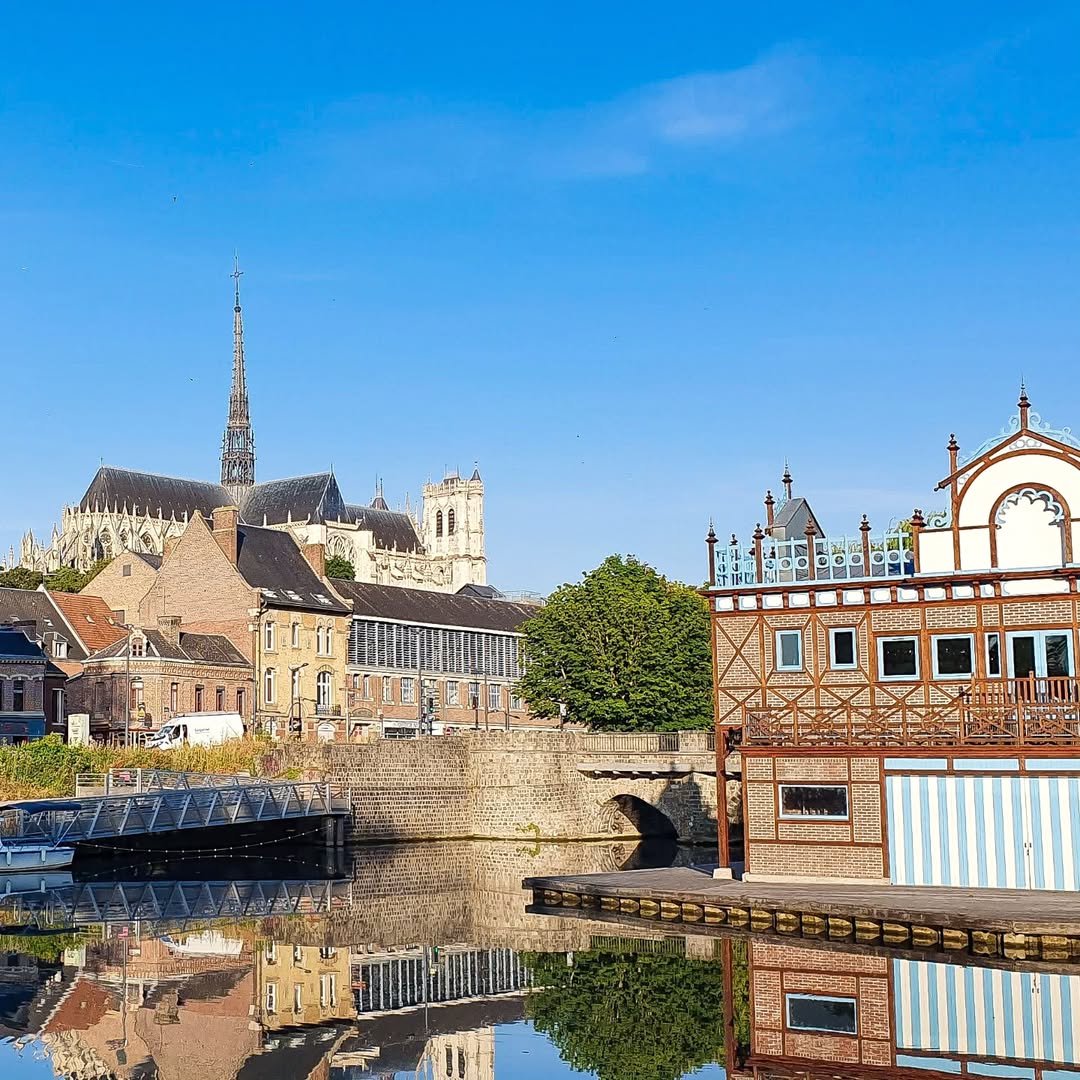
Amiens feels gentle and easy to explore. You’ll notice canals weaving through the city and a relaxed pace that makes it ideal for a low-cost, low-stress visit.
It’s very budget-friendly. Hotels range from €40–€75, and meals cost €10–€14. The standout, Amiens Cathedral, is free and takes about 1–2 hours to fully appreciate.
If you explore the floating gardens known as “hortillonnages,” expect to spend around €15 for a boat tour that lasts about 45 minutes.
What to do
- Visit Amiens Cathedral
- Take a boat through hortillonnages
- Walk along the canals
Practical intel
- Best time: April to June, September
- Budget per day: €50–€80
- Boat tour: ~€15
Best for: Quiet charm + unique waterways
18. Tours (Loire Valley)
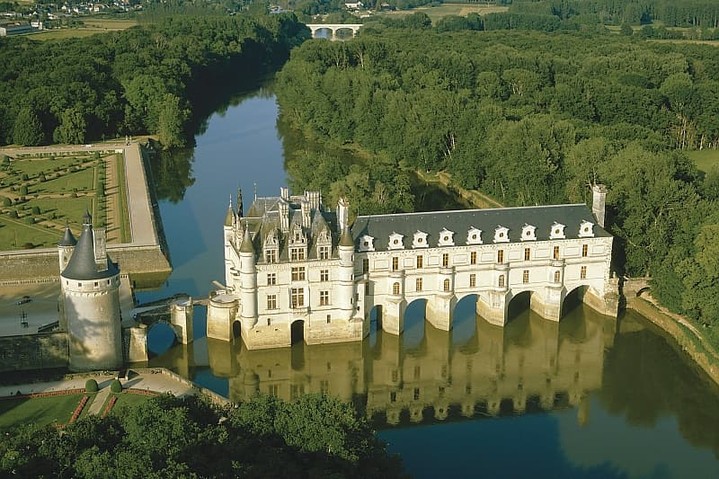
Tours feels lively yet approachable. You’ll notice a mix of students, historic squares, and easy access to famous Loire Valley castles without paying premium prices to stay right next to them.
Accommodation ranges from €50–€80, and meals cost about €10–€15. From here, you can reach multiple châteaux within 30–60 minutes by train or bus, which saves money compared to staying in tourist-heavy towns.
If you base yourself here for 2–3 days, you can explore several castles while keeping your nightly costs low.
What to do
- Explore Place Plumereau
- Visit nearby Loire Valley châteaux
- Walk along the Loire River
Practical intel
- Best time: May to September
- Budget per day: €60–€90
- Day trips: ~€10–€20 transport
Best for: Budget base for castle-hopping
19. Le Havre (Normandy Coast)
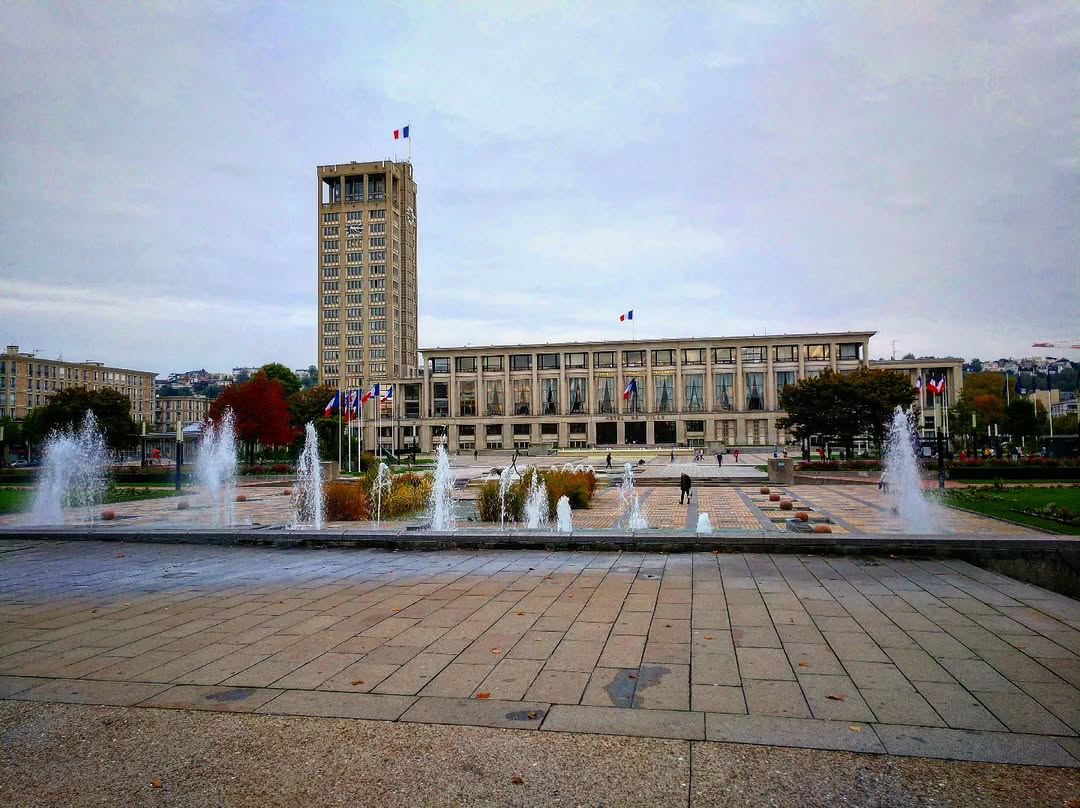
Le Havre feels modern and open, quite different from medieval France. You’ll notice clean lines and wide streets because much of the city was rebuilt, which gives it a unique architectural identity.
It’s one of the cheapest coastal cities in northern France. Hotels start around €45–€75, and meals cost €10–€15. The beach is free, and you can spend hours walking along the seafront without spending anything.
If you go at sunset, the light over the English Channel adds a completely different mood to the city.
What to do
- Walk along Le Havre beach
- Visit modern architecture sites
- Explore local markets
Practical intel
- Best time: May to September
- Budget per day: €55–€85
- Beach access: Free
Best for: Budget coastal getaway
20. Saint-Étienne (Central-East France)
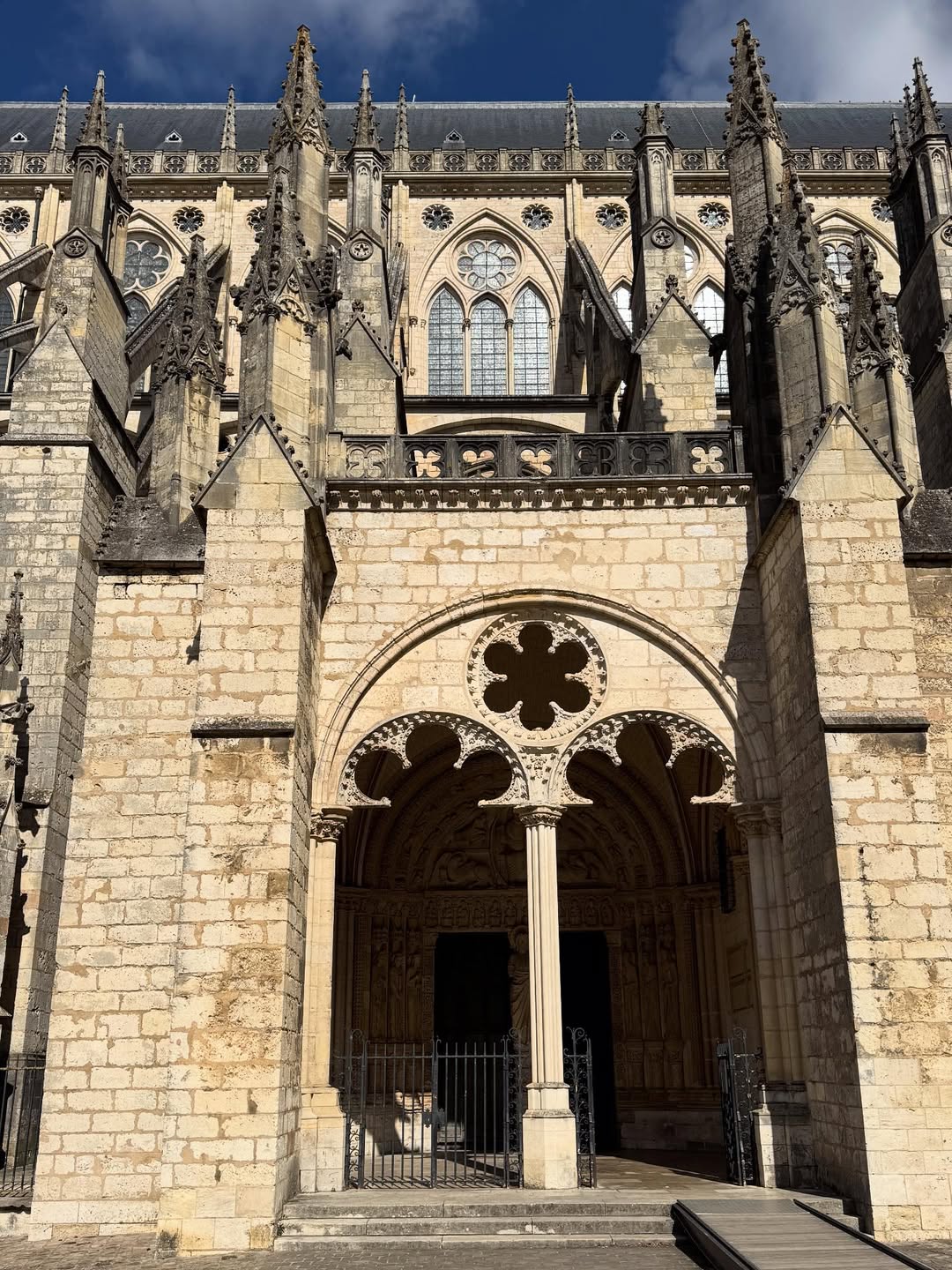
Saint-Étienne feels industrial but creative. You’ll notice design studios, art spaces, and a younger crowd that gives the city a slightly edgy feel.
It’s one of the cheapest urban destinations in France. Accommodation can go as low as €35–€65, and meals often cost €8–€12. Museums and design spaces typically charge under €10.
If you visit during the design events or exhibitions, you’ll get a much richer experience without paying big-city prices.
What to do
- Visit the Museum of Modern Art
- Explore design districts
- Walk through city parks
Practical intel
- Best time: April to June, September
- Budget per day: €45–€70
- Museum entry: ~€8–€10
Best for: Creative vibe + ultra-low budget
21. Besançon (Eastern France)

You’ll notice Besançon wrapped almost completely by a loop of the Doubs River, which gives the city a natural, almost hidden feel. Walking through the old town, you get pastel buildings, quiet streets, and far fewer tourists than you’d expect for a place this scenic.
It’s very affordable compared to other historic cities. Budget accommodation ranges from €40–€70, and meals cost around €10–€14. The highlight, Citadel of Besançon, costs about €11 and can easily take 2–3 hours to explore, including museums and panoramic viewpoints.
If you go early in the morning or late afternoon, the river reflections and soft light make the city feel even more atmospheric.
What to do
- Visit the Citadel of Besançon
- Walk along the Doubs River loop
- Explore the old town streets
Practical intel
- Best time: May to September
- Budget per day: €50–€80
- Citadel entry: ~€11
Best for: Scenic history + peaceful exploration
22. La Rochelle (Atlantic Coast)
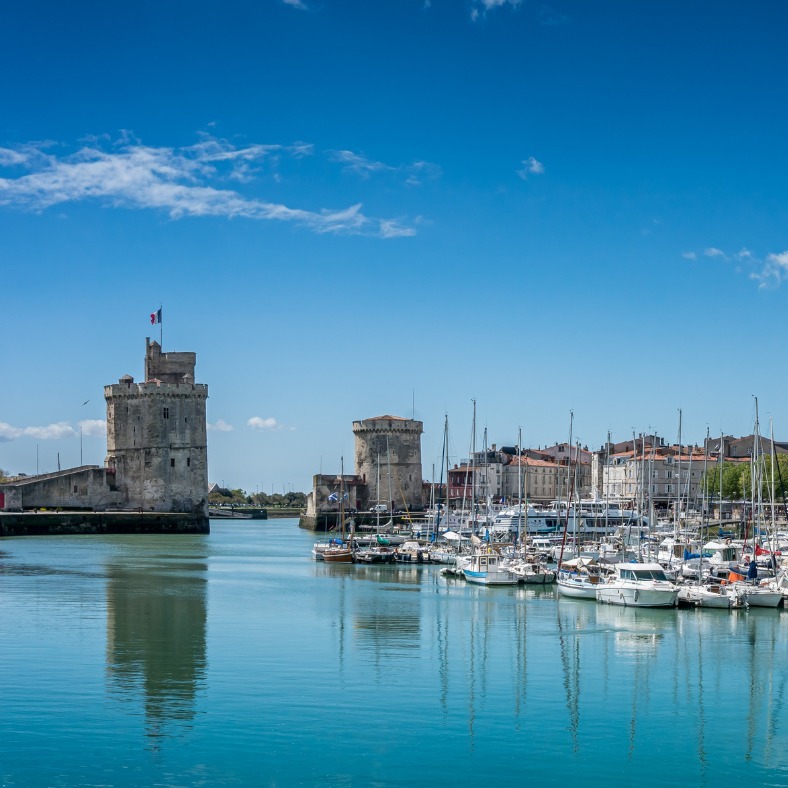
La Rochelle feels instantly refreshing. You’ll notice old harbor towers, sea air, and a relaxed coastal rhythm that makes it easy to slow down without spending heavily.
While it’s a coastal destination, it can still be affordable if you book early. Hotels range from €50–€85, and meals cost about €12–€18. The harbor area and beaches are free, which helps balance your daily costs.
If you rent a bike for around €10–€15, you can explore nearby islands or coastal paths, turning a simple visit into a full-day experience.
What to do
- Walk around the Old Port
- Visit the harbor towers
- Cycle along the coast
Practical intel
- Best time: May to June, September
- Budget per day: €60–€90
- Bike rental: ~€10–€15
Best for: Budget-friendly seaside atmosphere




COMMENTS
Please note that all comments will be checked by our team before being approved.