21 Dreamy Places to Visit in Switzerland For 2026 That Experts Keep Secret For Their Top Luxury Clients
Ready to step into a real life fairytale surrounded by mountains and lakes? These 21 dreamy places to visit in Switzerland are magical, peaceful, and picture perfect, offering breathtaking views and unforgettable escapes that feel straight out of a dream.

Switzerland feels almost unreal the moment you arrive. You notice it in the quiet alpine villages, the clear turquoise lakes, and the mountains rising in every direction. Even a short trip feels like moving through completely different worlds.
What makes it even better is how easy everything is to reach. Within 1 to 3 hours, you can go from high glaciers above 3,000 meters to warm lakes in the south. Trains run on time, and most scenic spots are just minutes from stations or cable cars.
As you visit places like Zermatt and Lauterbrunnen Valley, you’ll realize the magic isn’t just the views. It’s how simple and personal the experience feels. Here are 21 dreamy places to explore.
1) Lauterbrunnen Valley
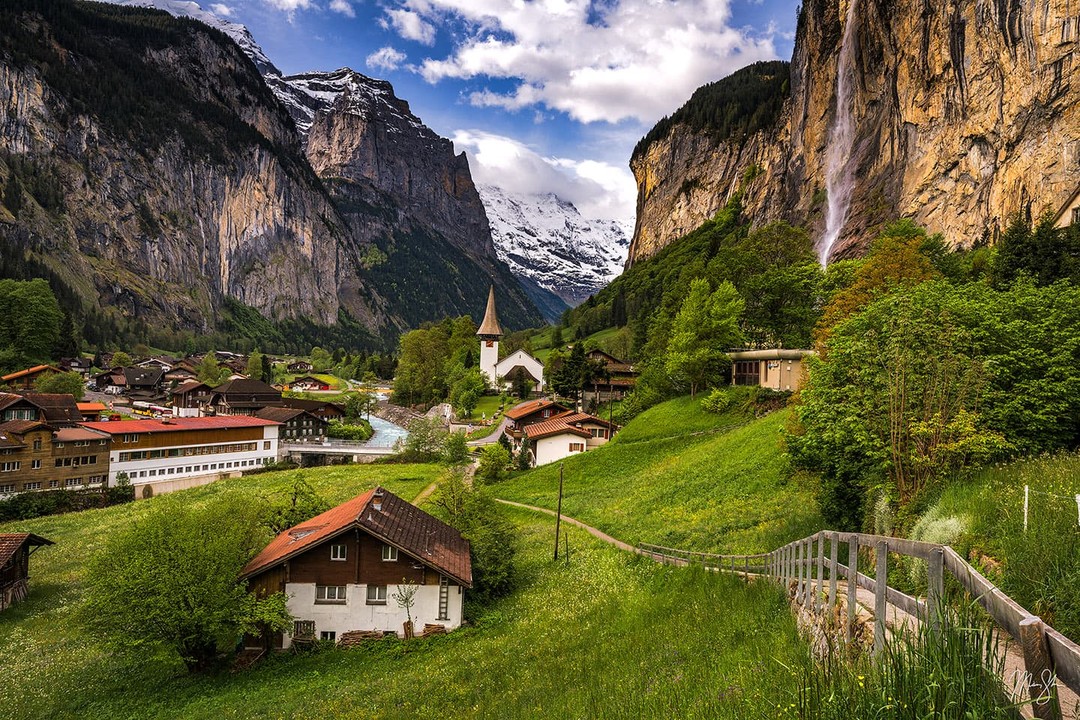
You’ll step into Lauterbrunnen and immediately hear it before you fully see it. Waterfalls. Not one or two, but dozens cascading from cliffs nearly 300 meters high, creating a constant soft roar that fills the valley. The air feels cooler here, slightly misty, and if you arrive early, the entire valley looks like it belongs in a dream sequence.
This valley is home to 72 waterfalls, with the most famous being Staubbach Falls, dropping almost 297 meters. The village itself sits at about 800 meters elevation, surrounded by vertical rock walls that rise dramatically on both sides. You can walk the entire valley floor in about 2–3 hours, or take cable cars up to nearby alpine villages like Mürren.
If you go just after sunrise, you’ll notice how empty it feels compared to midday crowds. That’s your moment to walk slowly, hear the waterfalls clearly, and actually feel the scale of the place.
What to do
- Walk or cycle the valley trail from Lauterbrunnen to Stechelberg
- Visit Trümmelbach Falls inside the mountain
- Take the cable car up to Mürren for a panoramic view
Practical intel
- Best time: May to September for full waterfall flow
- Cost: Free to explore valley, Trümmelbach Falls about CHF 15
- Time needed: Half-day to full day
- Access: 20 minutes by train from Interlaken
Best for: Nature lovers, photographers, peaceful immersion
2) Zermatt
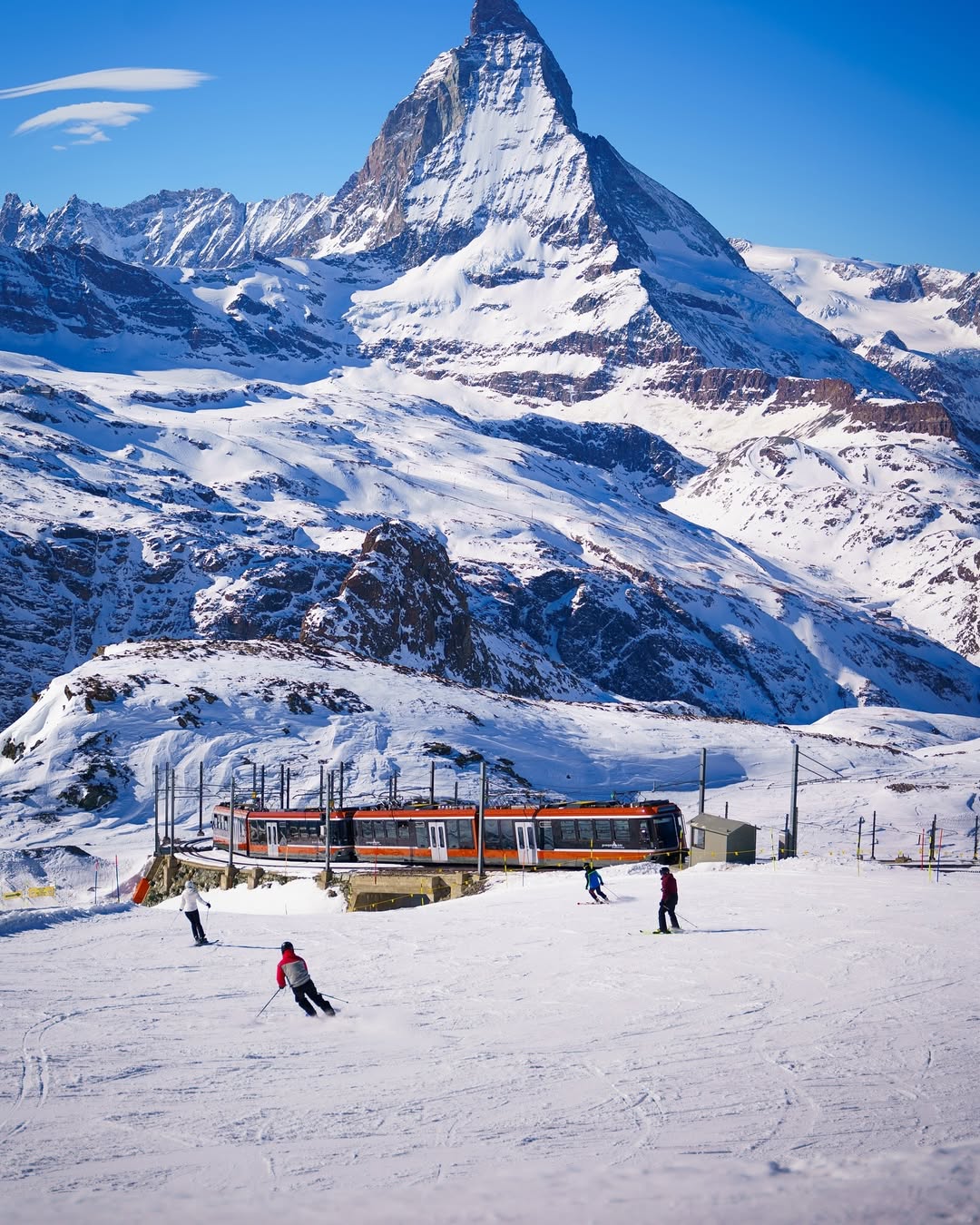
Zermatt feels like a perfectly curated alpine village, but what makes it unforgettable is the constant presence of the Matterhorn. You’ll catch glimpses of it between buildings, then suddenly it reveals itself fully, rising to 4,478 meters with a sharp, almost unreal symmetry.
The town itself is car-free, which changes the entire atmosphere. Electric taxis glide quietly, and you’ll notice how clean and calm everything feels. Zermatt sits at 1,620 meters, and from here, you can take cable cars up to 3,883 meters at Klein Matterhorn, where snow exists year-round.
If you’re willing to wake up early, head to the Matterhorn viewpoint at sunrise. The light hits the peak in a way that feels almost staged.
What to do
- Ride the Glacier Paradise cable car to the highest station in Europe
- Walk the Five Lakes Trail for Matterhorn reflections
- Explore the old village streets
Practical intel
- Best time: December to March for snow, July to September for hiking
- Cost: Cable cars CHF 95–120 round trip
- Time needed: 1–2 days
- Access: 3.5 hours by train from Zurich
Best for: Iconic views, alpine luxury, hiking
3) Lake Oeschinen
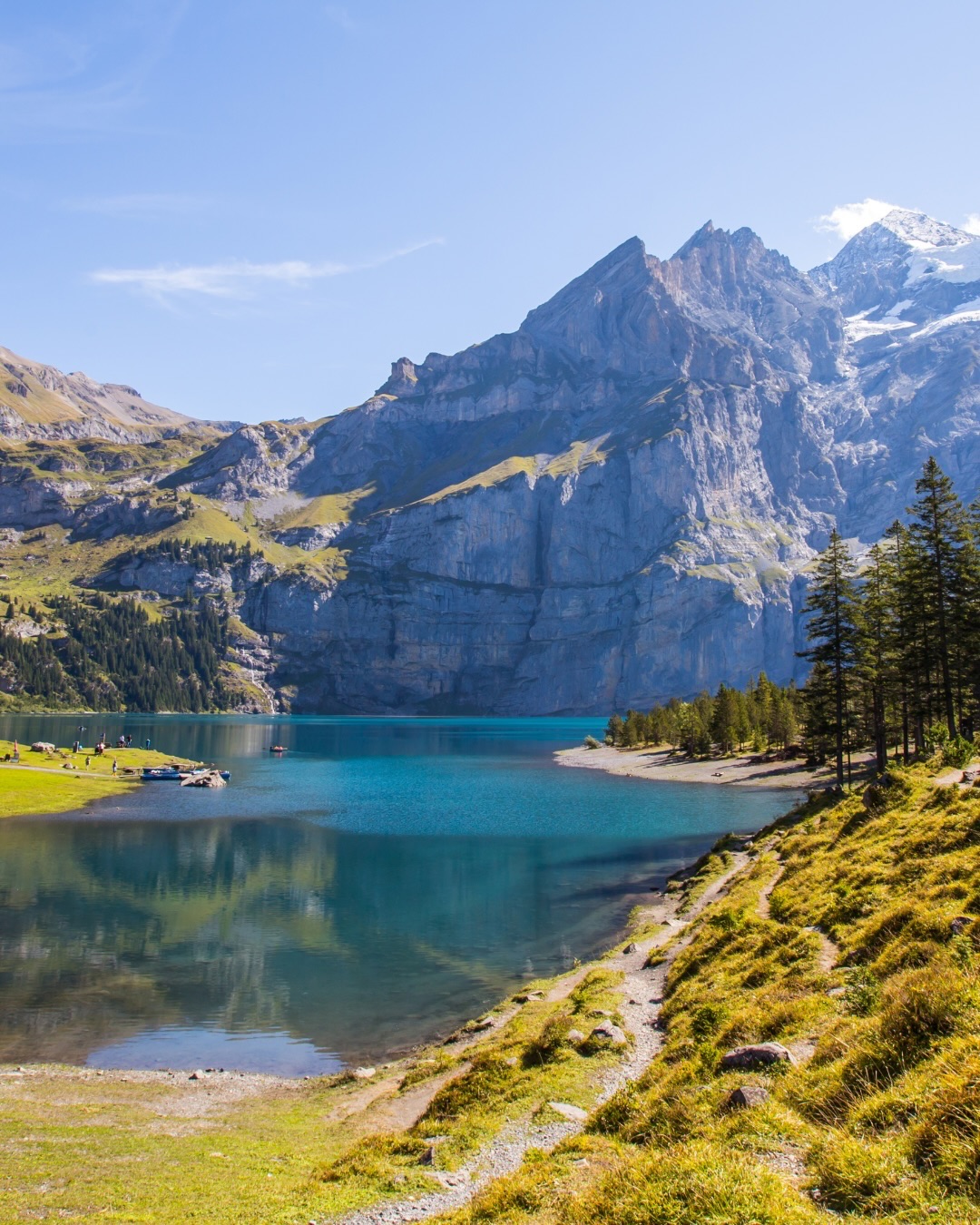
Lake Oeschinen feels like a secret even though it isn’t. When you first see it, the water looks impossibly blue, almost like it’s been edited. Surrounded by cliffs and alpine meadows, the silence here is striking, broken only by the occasional cowbell in the distance.
The lake sits at 1,578 meters, and you reach it via a cable car from Kandersteg followed by a 20–30 minute walk. The full loop hike around the lake takes about 1.5 to 2 hours, and if you’re brave, the water temperature in summer is around 14–18°C, cold but swimmable.
If you walk a little further beyond the main viewpoint, you’ll find quieter spots where you can sit alone and take it in without interruption.
What to do
- Rent a rowboat on the lake
- Hike the panoramic trail above the lake
- Picnic along the shoreline
Practical intel
- Best time: June to October
- Cost: Cable car CHF 30–40 round trip
- Time needed: Half-day
- Access: 1 hour from Interlaken
Best for: Calm landscapes, short hikes, slow travel
4) St. Moritz
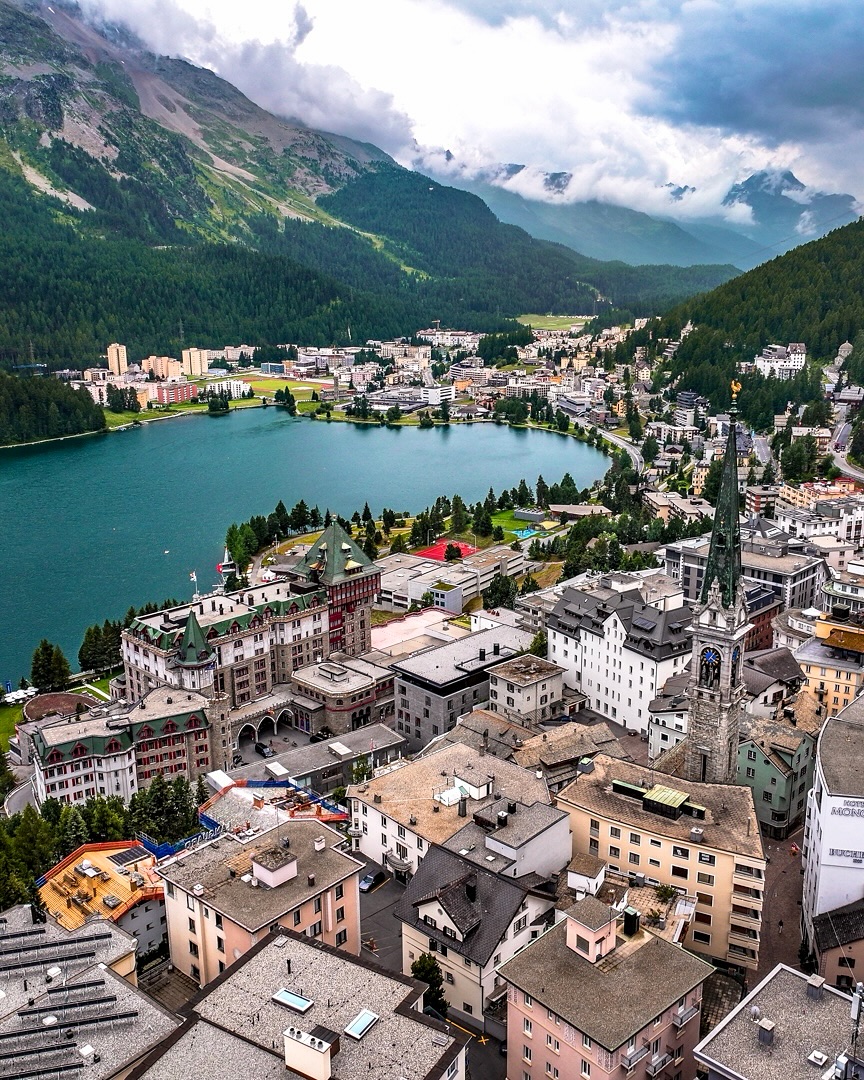
St. Moritz has a different kind of dreaminess. It’s polished, elegant, and sits beside a frozen lake in winter or a shimmering one in summer. You’ll notice the light first. Locals claim it gets over 300 sunny days a year, which gives everything a crisp, almost glowing look.
The town is at 1,822 meters, and it’s known as one of the birthplaces of winter tourism. The nearby ski areas stretch across 350 kilometers of pistes, and in summer, the same landscape turns into hiking and cycling trails.
Even if you’re not here for luxury, just walking around the lake takes about 1 hour and gives you that full alpine atmosphere.
What to do
- Walk or cycle around Lake St. Moritz
- Take the Bernina Express scenic train
- Visit Corviglia for panoramic views
Practical intel
- Best time: February for winter events, September for fewer crowds
- Cost: Higher range, meals CHF 25–60
- Time needed: 1–2 days
- Access: 3 hours from Zurich
Best for: Luxury travel, winter sports, scenic rail journeys
5) Jungfraujoch
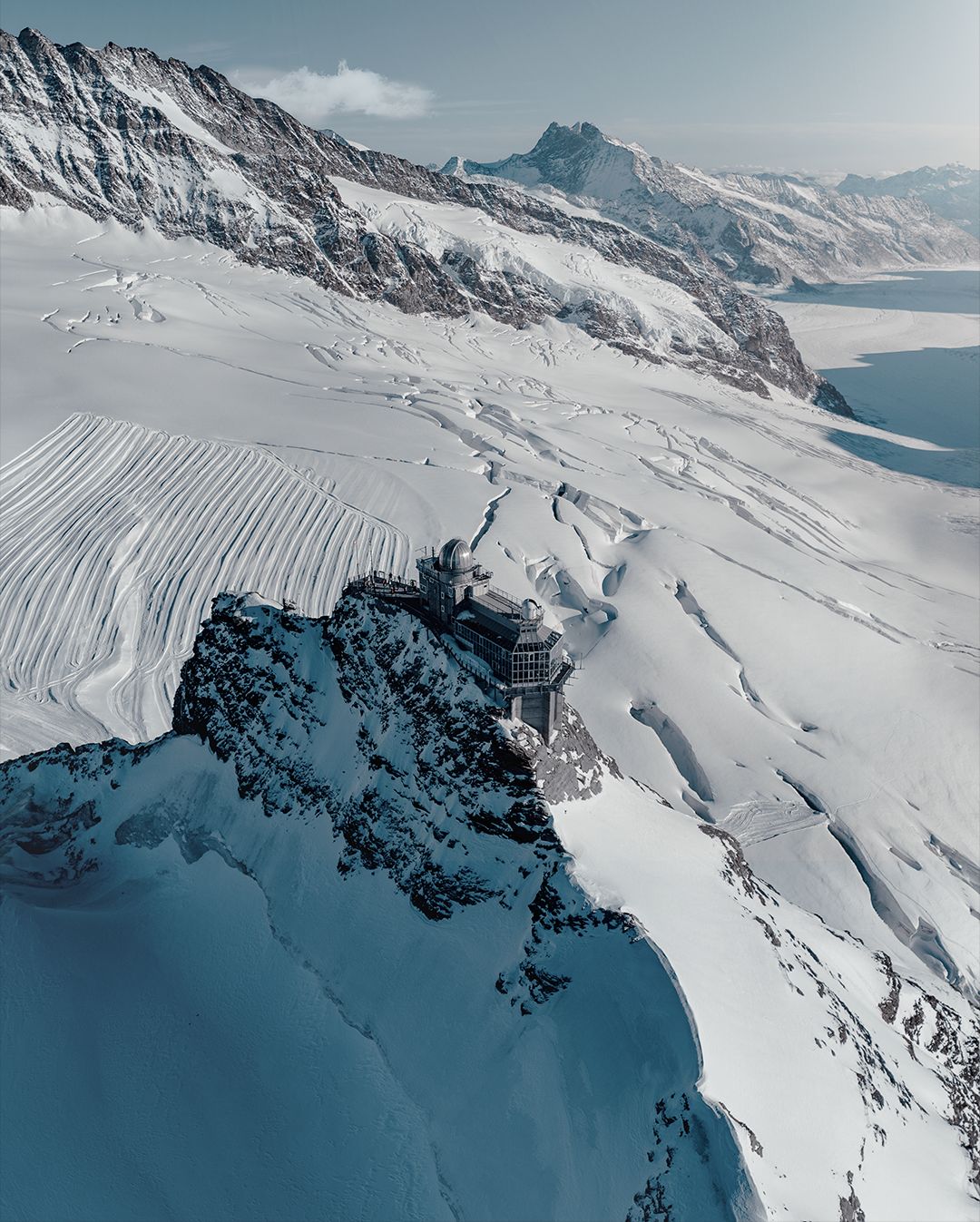
This is one of those places that sounds touristy until you actually go. The journey itself is the highlight. You board a train that climbs through tunnels inside the mountains, emerging at 3,454 meters, the highest railway station in Europe.
When you step out, the air feels thinner, colder, sharper. You’re surrounded by glaciers stretching for over 20 kilometers, and the silence up there feels completely different from anywhere below.
Try to spend at least 2–3 hours here, even though many people rush through. Walk out onto the glacier plateau and give yourself time to adjust to the altitude.
What to do
- Walk on the Aletsch Glacier viewpoint
- Visit the Ice Palace inside the glacier
- Take in views from the Sphinx Observatory
Practical intel
- Best time: Year-round, but clearer views in summer mornings
- Cost: CHF 150–220 round trip
- Time needed: Half to full day
- Access: Train from Interlaken via Grindelwald
Best for: Bucket-list experiences, high-altitude views, unique journeys
6) Wengen
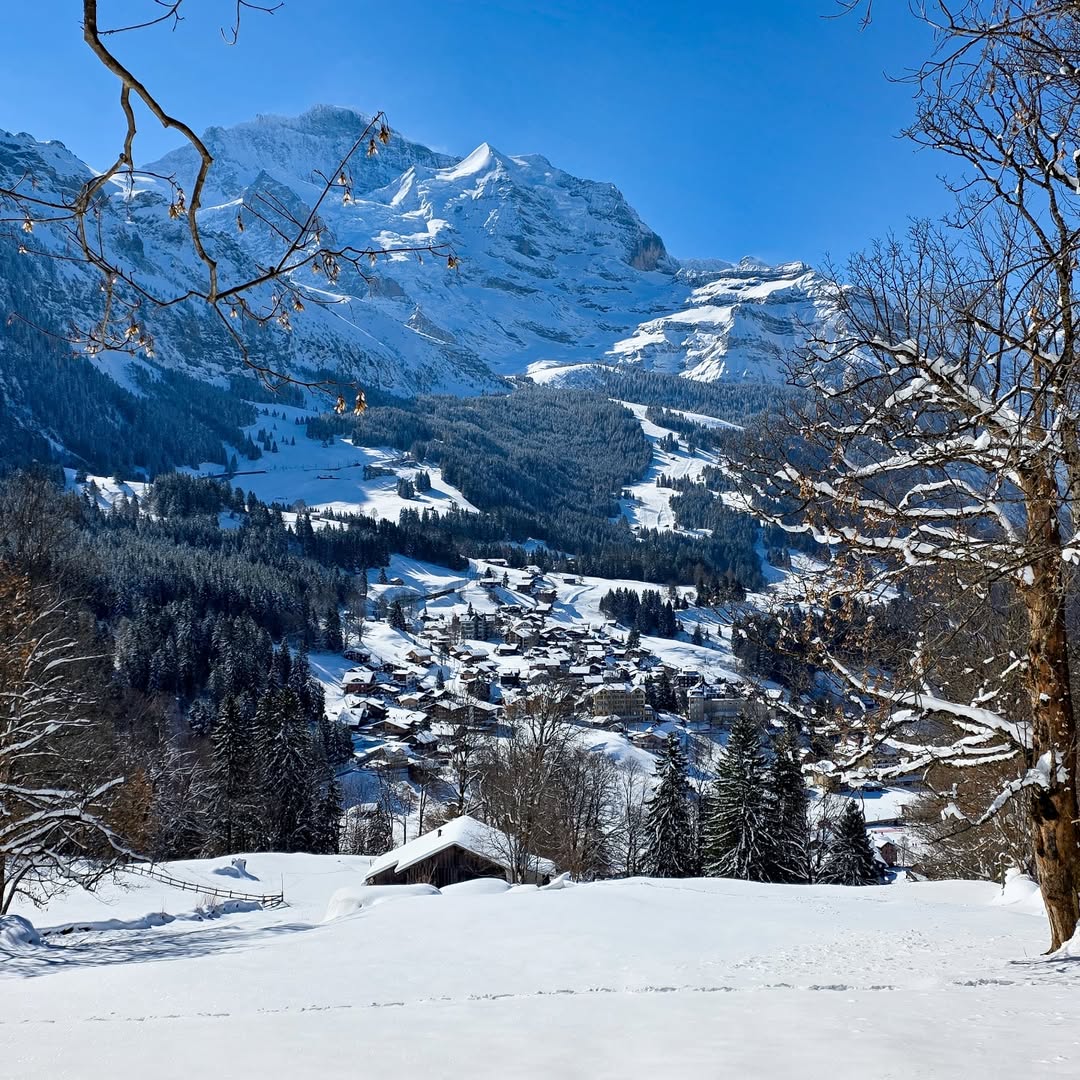
Wengen feels like a balcony suspended above the Lauterbrunnen Valley. You arrive by train, and immediately notice there are no cars, just quiet streets and uninterrupted mountain views. The village sits at 1,274 meters, facing directly toward the Jungfrau massif, and the sense of openness here is striking.
Unlike Lauterbrunnen below, Wengen gives you elevation without effort. From the main viewpoint, you’ll see the valley drop nearly 800 meters beneath you. The famous Jungfraujoch railway also passes through here, making it a key but peaceful base.
If you stay overnight, evenings are incredibly calm. After 6 pm, most day visitors leave, and you’ll feel like you have the entire mountain to yourself.
What to do
- Walk the panoramic trails toward Kleine Scheidegg
- Watch sunset over the Jungfrau peaks
- Explore the quiet village streets
Practical intel
- Best time: June to September, January for ski season
- Cost: Train from Lauterbrunnen CHF 7–10
- Time needed: Half-day to overnight
- Access: 15 minutes by cogwheel train
Best for: Quiet alpine stays, scenic walks, slow travel
7) Grindelwald First
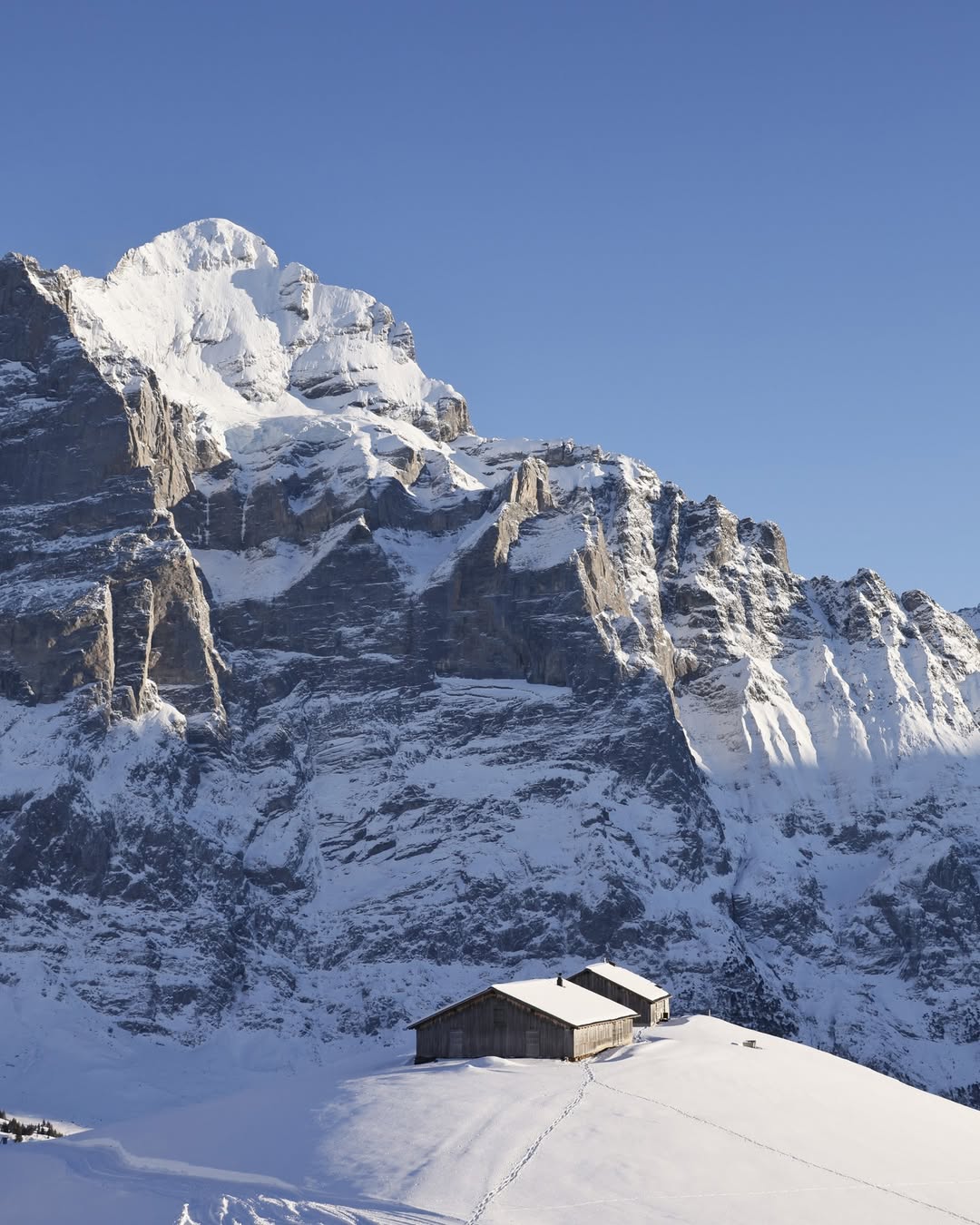
Grindelwald First feels like Switzerland turned up to maximum intensity. You take a gondola ride that climbs from 1,034 meters to 2,168 meters in about 25 minutes, and suddenly you’re standing above dramatic cliffs and deep valleys.
The highlight is the First Cliff Walk, a metal walkway hugging the edge of a cliff with a drop of several hundred meters beneath you. It’s safe, but your senses will definitely wake up. On clear days, visibility stretches across multiple alpine peaks.
If you go early in the morning, you’ll avoid long queues that can reach 1–2 hours in peak summer. The experience is much better when it’s quiet.
What to do
- Walk the First Cliff Walk
- Hike to Bachalpsee lake, about 1 hour each way
- Try the First Flyer zipline
Practical intel
- Best time: June to October
- Cost: Gondola CHF 60–75 round trip
- Time needed: 3–5 hours
- Access: 30 minutes from Interlaken
Best for: Adventure, dramatic views, short hikes
8) Appenzell
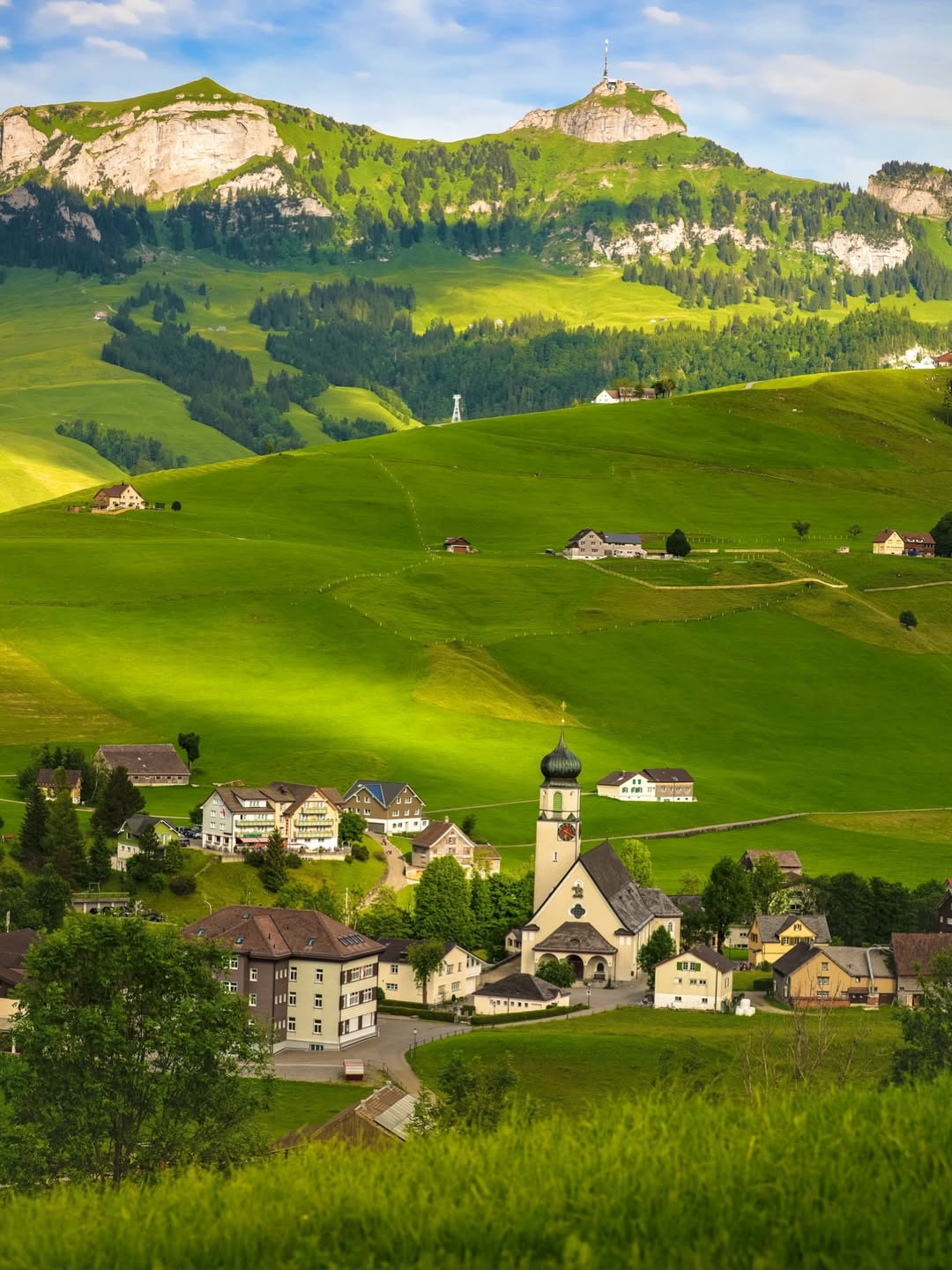
Appenzell feels completely different from the Alps you might expect. You’ll notice colorful houses, traditional shops, and locals walking around in regional dress, especially during festivals. The town sits at about 780 meters, surrounded by rolling green hills rather than towering peaks.
It’s a small place, with a population of around 7,000 people, but it offers access to the Alpstein mountains just nearby. Within 20–30 minutes, you can go from a quiet village street to a rugged mountain trail.
If you visit on a weekday morning, the town feels especially authentic, with fewer tourists and more local life unfolding naturally.
What to do
- Walk through the painted old town
- Take a cable car up to Ebenalp
- Try local cheese and traditional restaurants
Practical intel
- Best time: May to October
- Cost: Cable car CHF 30–40
- Time needed: Half-day to full day
- Access: 2 hours from Zurich
Best for: Culture, traditions, relaxed pace
9) Aletsch Glacier
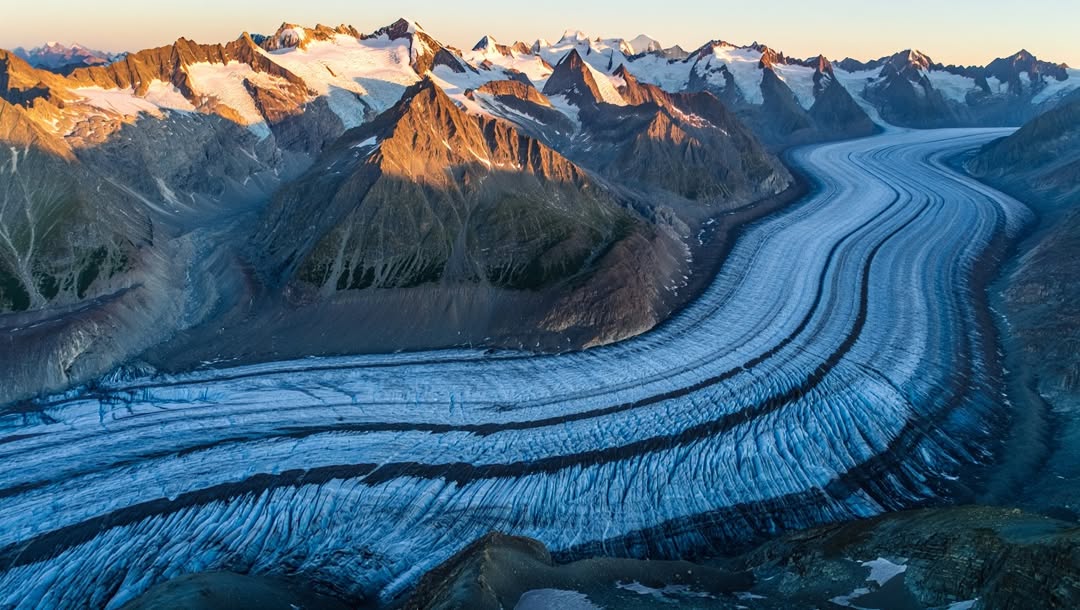
The Aletsch Glacier doesn’t feel real at first. It stretches for about 23 kilometers, making it the largest glacier in the Alps, and when you stand above it, it looks like a frozen river flowing through the mountains.
The best viewpoints are from Bettmerhorn or Eggishorn, both above 2,800 meters. From here, you can see the glacier’s full width, which reaches up to 1.5 kilometers across in some sections.
If you go on a clear morning, you’ll get the sharpest contrast between the white glacier and dark mountain ridges. Afternoon clouds can often reduce visibility.
What to do
- Take the cable car to Eggishorn viewpoint
- Walk along the glacier panorama trail
- Join a guided glacier hike
Practical intel
- Best time: June to September
- Cost: Cable cars CHF 50–80
- Time needed: Half-day
- Access: 2–3 hours from Interlaken
Best for: Epic landscapes, geology, photography
10) Montreux & Lake Geneva
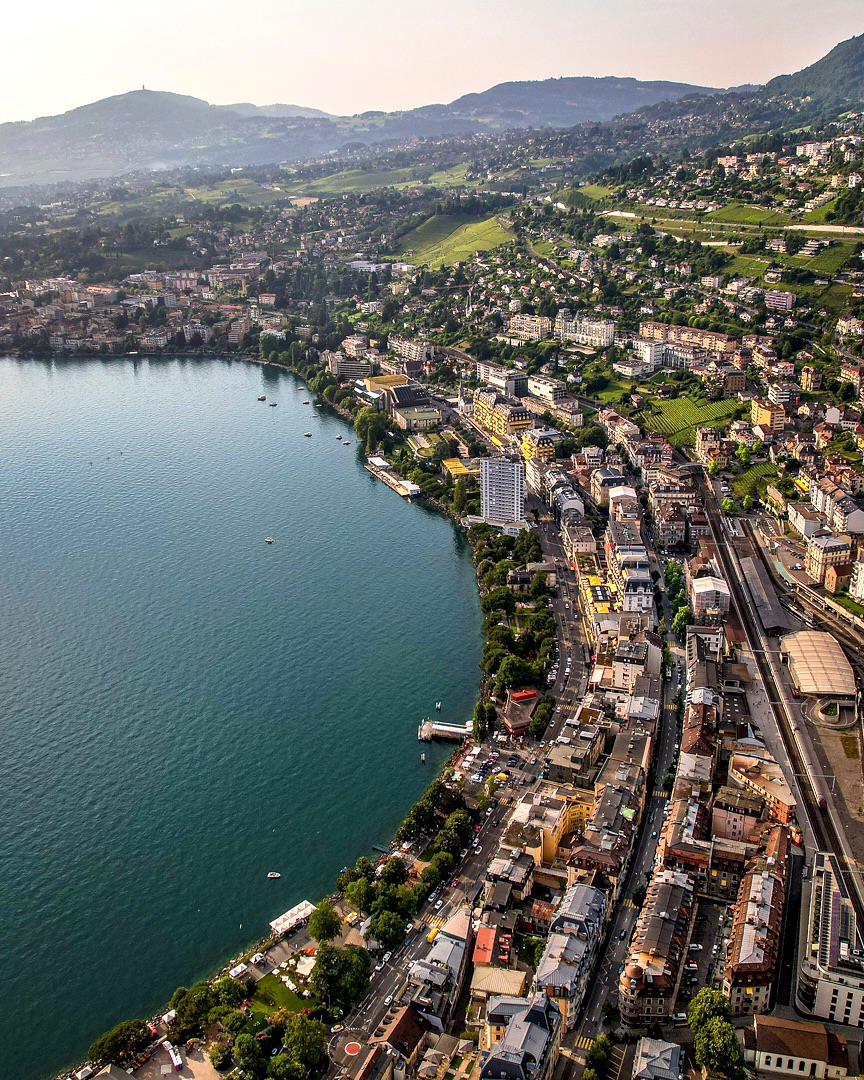
Montreux feels softer and more relaxed compared to alpine destinations. You’ll notice palm trees, lakeside promenades, and a completely different climate. Sitting on the shores of Lake Geneva, it enjoys milder weather with summer temperatures around 20–28°C.
The lakeside walk stretches for about 4 kilometers, lined with flowers and sculptures. Just nearby is Chillon Castle, one of Switzerland’s most visited historic sites, attracting over 400,000 visitors annually.
If you walk along the lake in the evening, especially during sunset, the light reflecting off the water and mountains creates a calm, almost Mediterranean feeling.
What to do
- Walk the lakeside promenade
- Visit Chillon Castle
- Take a boat cruise on Lake Geneva
Practical intel
- Best time: May to September
- Cost: Castle entry CHF 13–15
- Time needed: Half-day to full day
- Access: 1 hour from Lausanne
Best for: Relaxation, lakeside scenery, culture
11) Sion
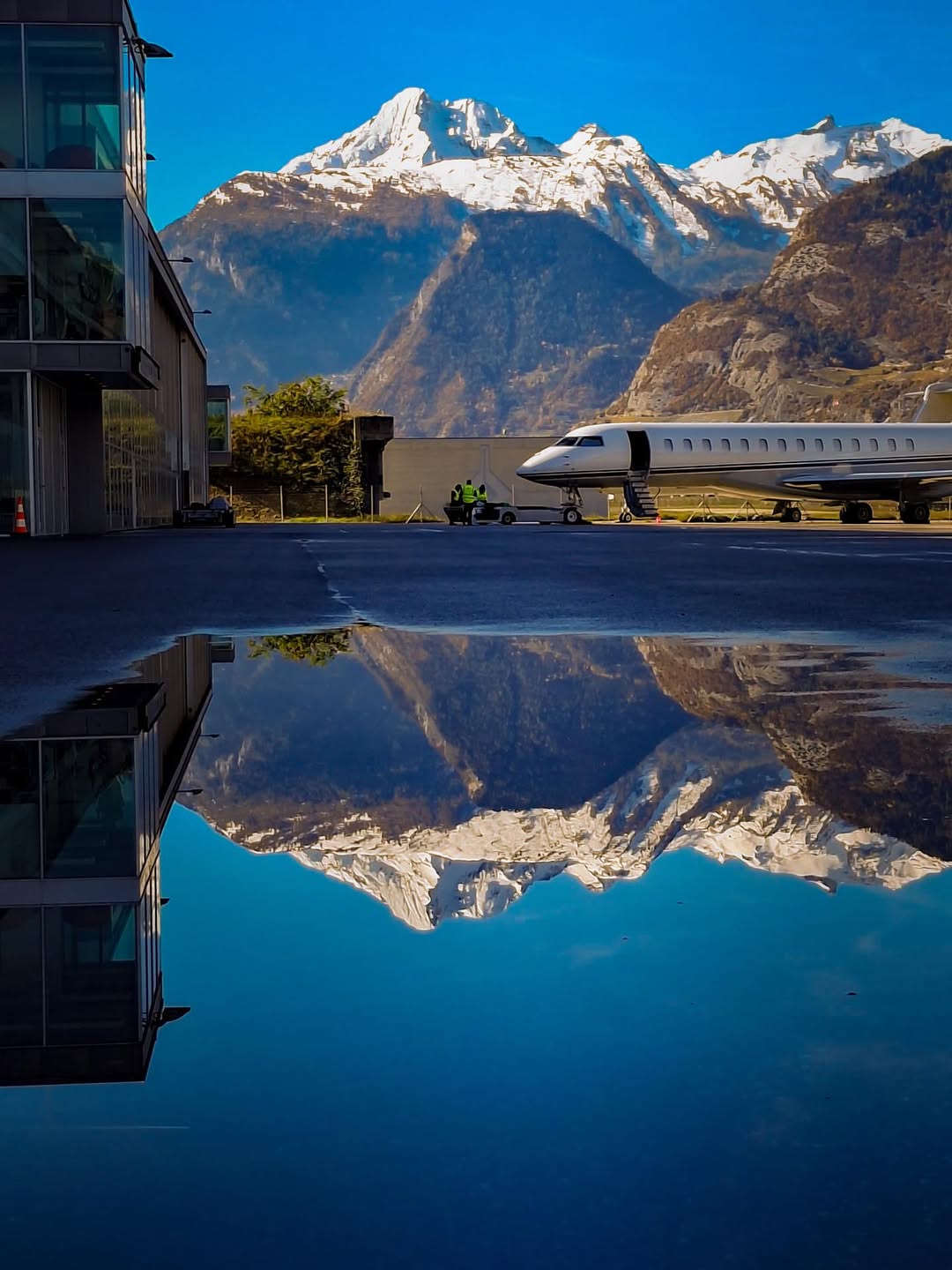
Sion feels like a quiet secret tucked into the Rhône Valley. What you’ll notice first are the two hilltop landmarks rising above the town, Valère Basilica and Tourbillon Castle, sitting about 100 meters above the valley floor. The climb up is short but steep, taking around 15–20 minutes, and the views stretch across vineyards and mountains.
The old town itself dates back over 2,000 years, making it one of the oldest settlements in Switzerland. Narrow streets, small cafés, and sun-warmed stone buildings give it a slower, almost southern-European feel compared to the Alps.
If you go in the late afternoon, the golden light hits the hills and vineyards beautifully. It’s the best time to take your time and explore without rushing.
What to do
- Climb to Tourbillon Castle for panoramic views
- Explore the old town streets and small shops
- Visit Valère Basilica and its historic organ
Practical intel
- Best time: April to October
- Cost: Free to explore main areas
- Time needed: 2–4 hours
- Access: 2 hours from Geneva
Best for: History, quiet charm, scenic viewpoints
12) Ascona
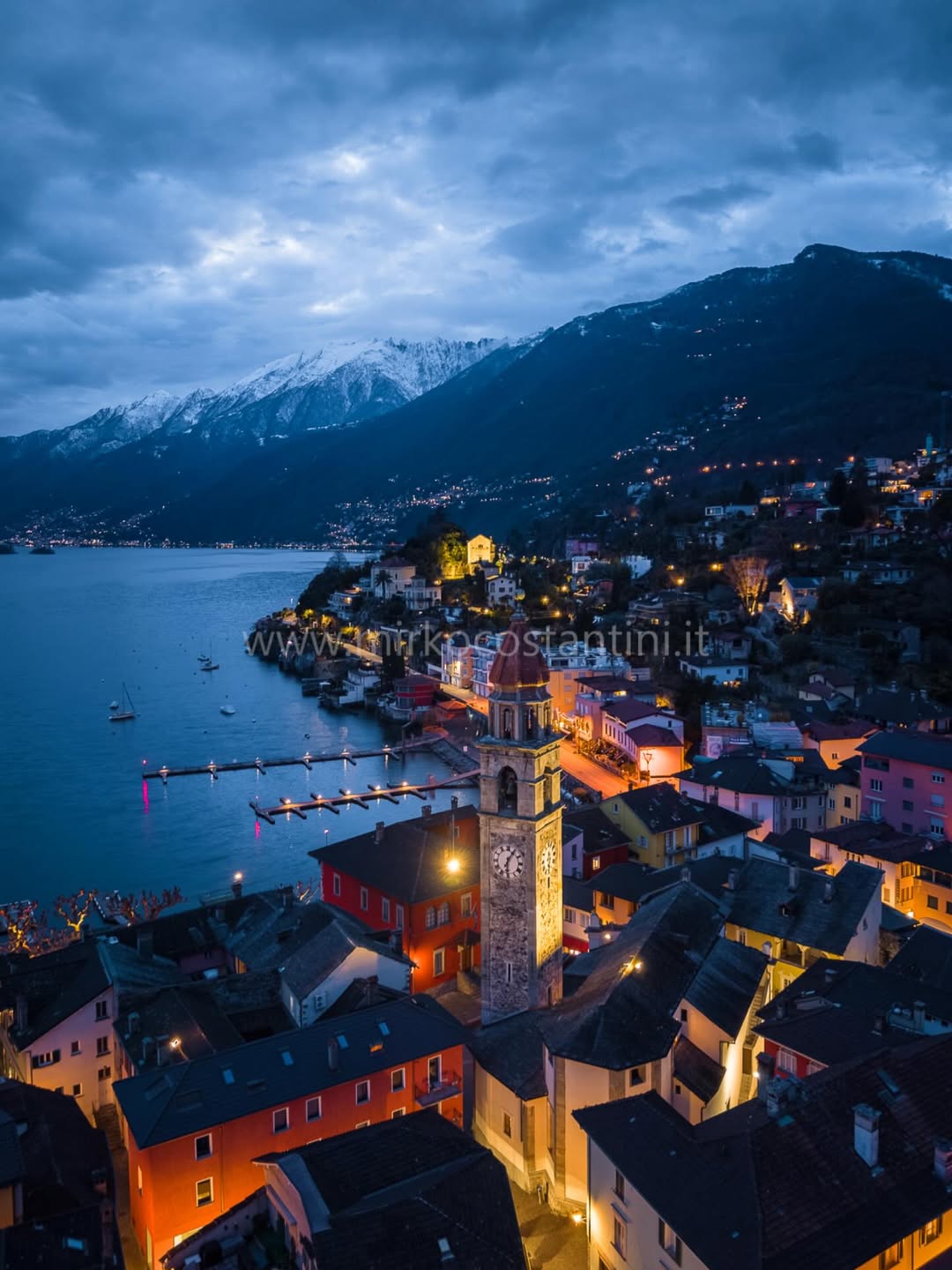
Ascona feels like you’ve crossed into Italy without leaving Switzerland. You’ll notice palm trees, colorful lakeside buildings, and a much warmer atmosphere. Sitting on Lake Maggiore, temperatures in summer often reach 25–30°C, making it one of the sunniest spots in the country.
The lakeside promenade is compact but lively, stretching for about 1.5 kilometers, filled with cafés and restaurants. Boats run frequently across the lake, connecting nearby towns in 15–30 minutes.
If you visit in the evening, the entire waterfront becomes softer and more relaxed. It’s one of those places where you’ll naturally slow down and stay longer than planned.
What to do
- Walk along the lakeside promenade
- Take a boat trip on Lake Maggiore
- Explore nearby villages like Brissago
Practical intel
- Best time: May to September
- Cost: Boat rides CHF 20–50
- Time needed: Half-day to full day
- Access: 3 hours from Zurich
Best for: Warm weather, lakeside relaxation, Italian vibe
13) Creux du Van
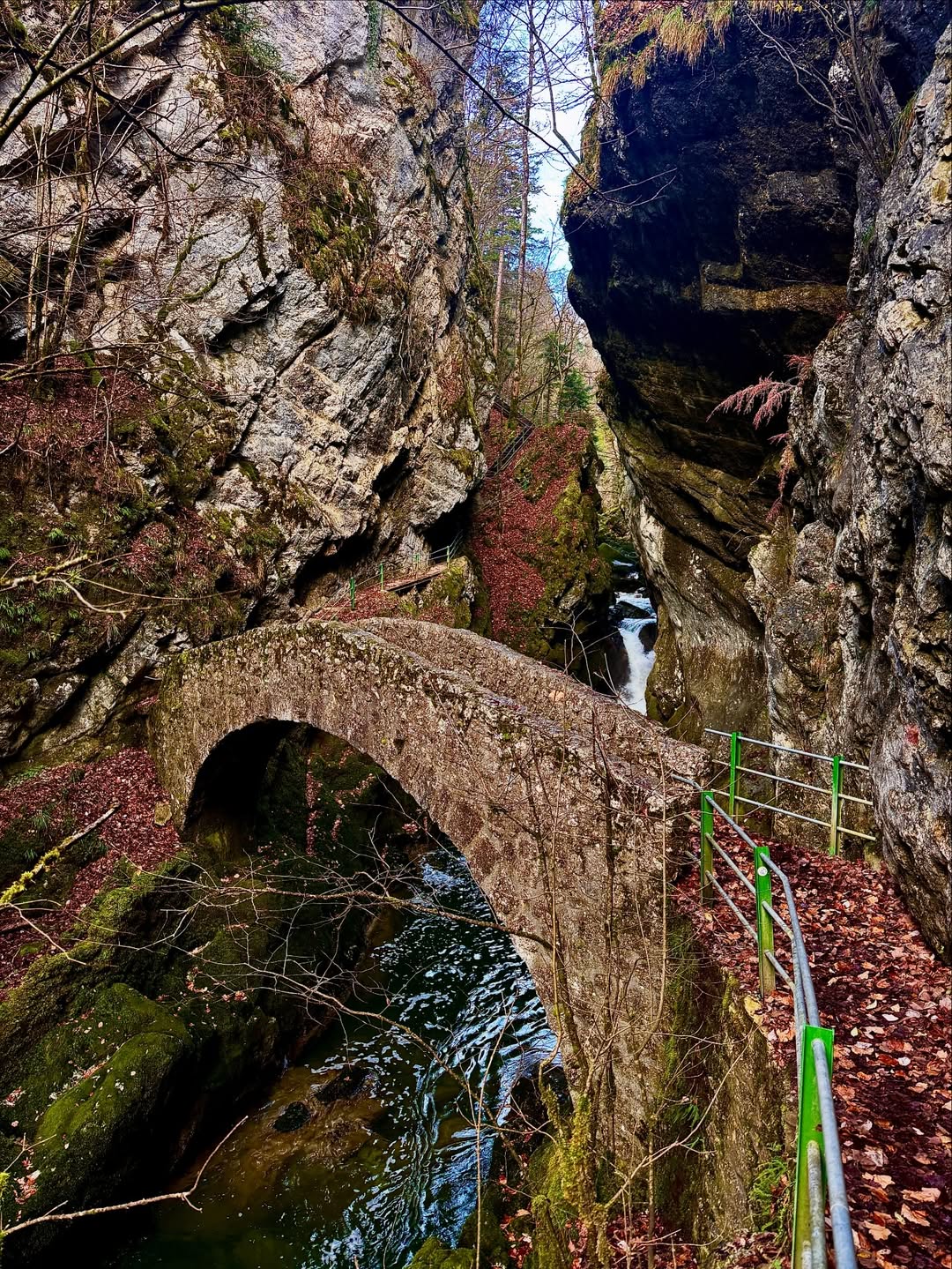
Creux du Van feels dramatic in a completely different way. You walk through quiet forests, and then suddenly the land drops away into a विशाल طبیعی amphitheater. The rock wall stretches about 1,200 meters wide and 160 meters deep, forming a perfect crescent shape.
The hike to the viewpoint takes around 1.5 to 2 hours, depending on your route. Along the way, you might spot ibex or marmots, especially in the early morning. The edge itself has no barriers in many sections, which makes the experience feel raw and real.
If you arrive just after sunrise, you’ll often find low clouds sitting inside the bowl, creating an almost surreal scene.
What to do
- Hike to the main viewpoint
- Walk along the cliff edge trail
- Watch for wildlife in the early hours
Practical intel
- Best time: May to October
- Cost: Free
- Time needed: 3–5 hours
- Access: 1.5 hours from Neuchâtel
Best for: Hikers, raw landscapes, unique geology
14) Andermatt
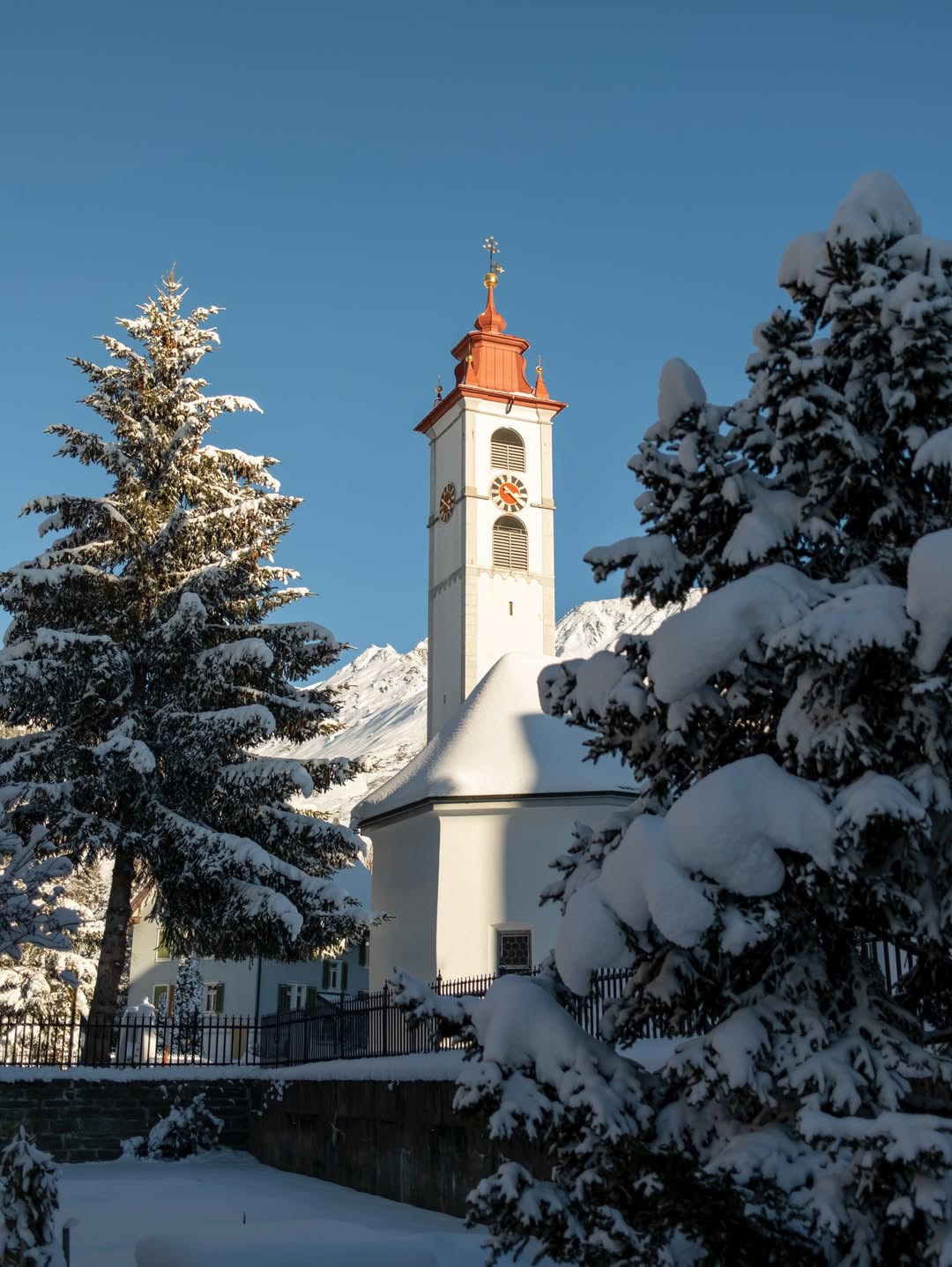
Andermatt feels like a crossroads of the Swiss Alps. You’ll notice how multiple mountain passes meet here, including the famous Gotthard Pass. The village sits at 1,444 meters, surrounded by rugged peaks that feel less polished and more wild.
In winter, it connects to over 180 kilometers of ski terrain, while in summer, it becomes a hub for hiking and cycling across high-altitude passes. Despite its growing popularity, it still feels quieter than places like Zermatt.
If you drive or take a train through here, consider stopping even briefly. The surrounding landscapes are some of the most underrated in Switzerland.
What to do
- Explore the old village center
- Take a scenic drive over Gotthard Pass
- Hike nearby alpine trails
Practical intel
- Best time: June to September, December to March
- Cost: Moderate to high depending on activities
- Time needed: Half-day to 1 day
- Access: 2 hours from Zurich
Best for: Alpine exploration, scenic routes, quieter stays
15) Blausee
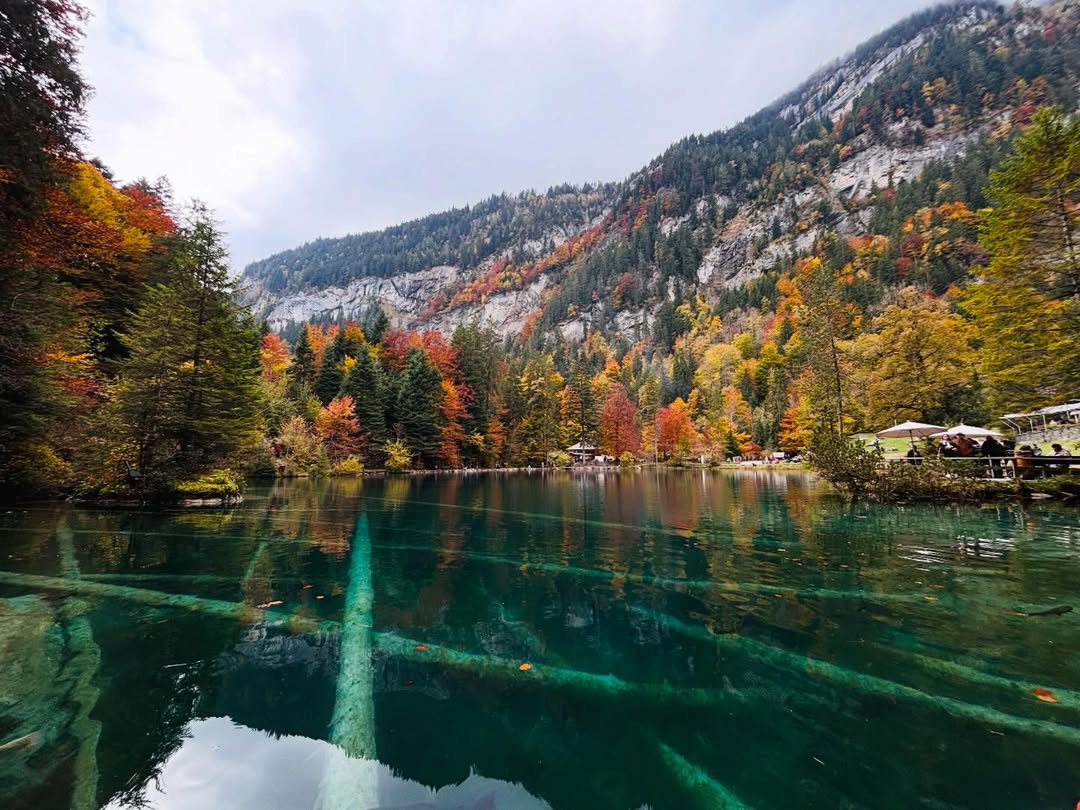
Blausee feels almost unreal the moment you see it. The lake is small, only about 0.64 hectares, but the water is so clear and intensely blue that it looks artificial. Surrounded by forest, it feels enclosed and peaceful, almost like a hidden sanctuary.
You can walk around the entire lake in about 10–15 minutes, but most people end up staying longer just to sit and take it in. There’s even a glass-bottom boat that lets you see underwater details clearly.
If you go early in the morning, before tour groups arrive around 10–11 am, the lake is at its most calm and reflective.
What to do
- Walk the circular path around the lake
- Take a glass-bottom boat ride
- Relax and enjoy the quiet forest setting
Practical intel
- Best time: Year-round, especially autumn for colors
- Cost: Entry CHF 10–12
- Time needed: 1–2 hours
- Access: 20 minutes from Kandersteg
Best for: Short stops, peaceful moments, unique scenery
16) Soglio
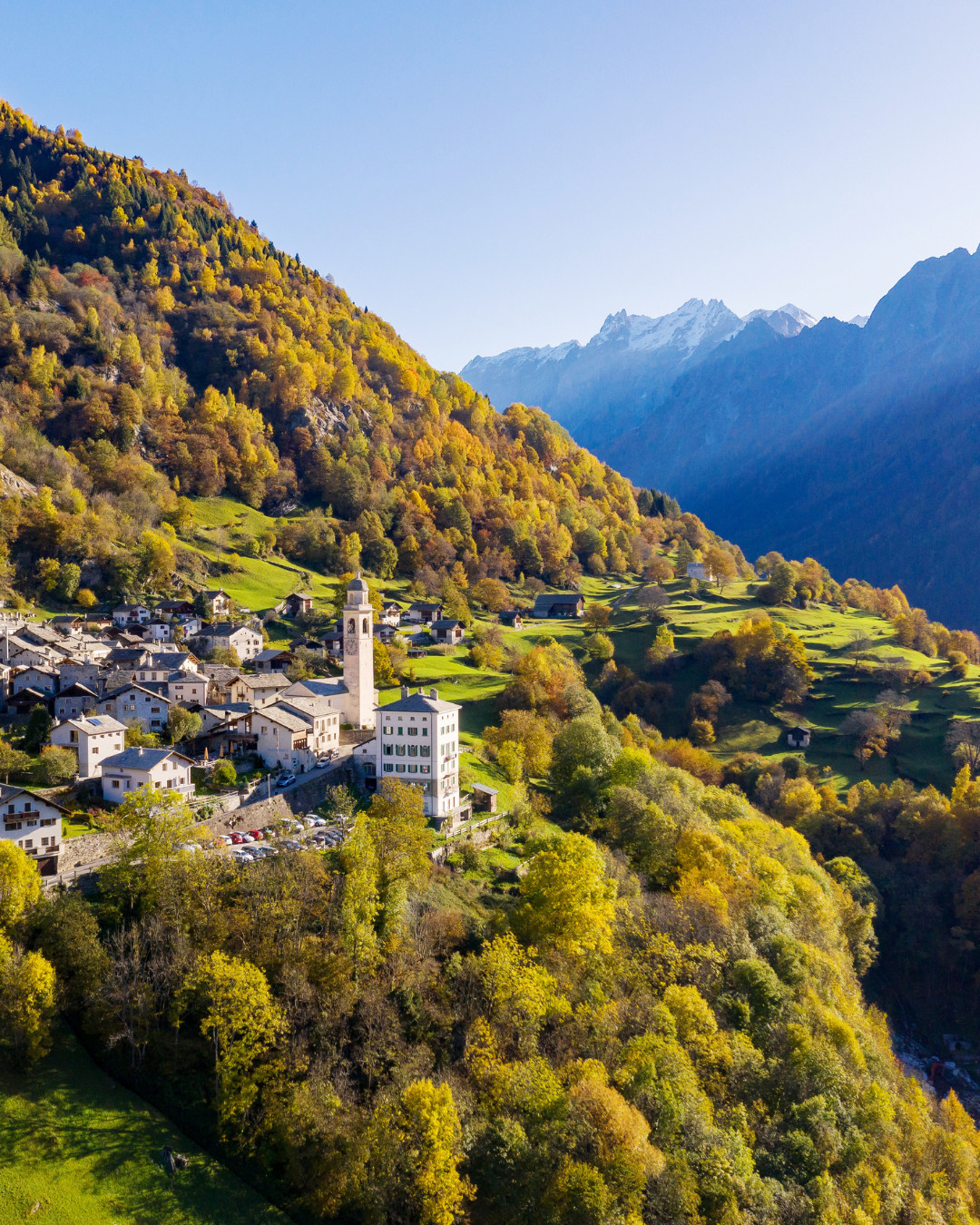
Soglio feels like a village suspended in time. Perched at about 1,090 meters in the Bregaglia Valley, you’ll notice narrow stone lanes, quiet houses, and a view that stretches across granite peaks that look almost painted. The air feels still here, and even a short walk becomes something you slow down for.
The village is small, with fewer than 300 residents, and that’s part of its charm. From the main viewpoint, you can see the Sciora mountain group rising sharply, and if you stay overnight, you’ll notice how silent it becomes after sunset.
If you go in late afternoon, the light softens across the valley and the entire place feels cinematic without trying.
What to do
- Walk through the old village paths
- Enjoy panoramic views of the Bregaglia Valley
- Sit at a quiet café and take it in slowly
Practical intel
- Best time: May to October
- Cost: Free to explore
- Time needed: 2–3 hours or overnight stay
- Access: 1.5 hours from St. Moritz
Best for: Peaceful escapes, authentic villages, slow travel
17) Rigi Kulm
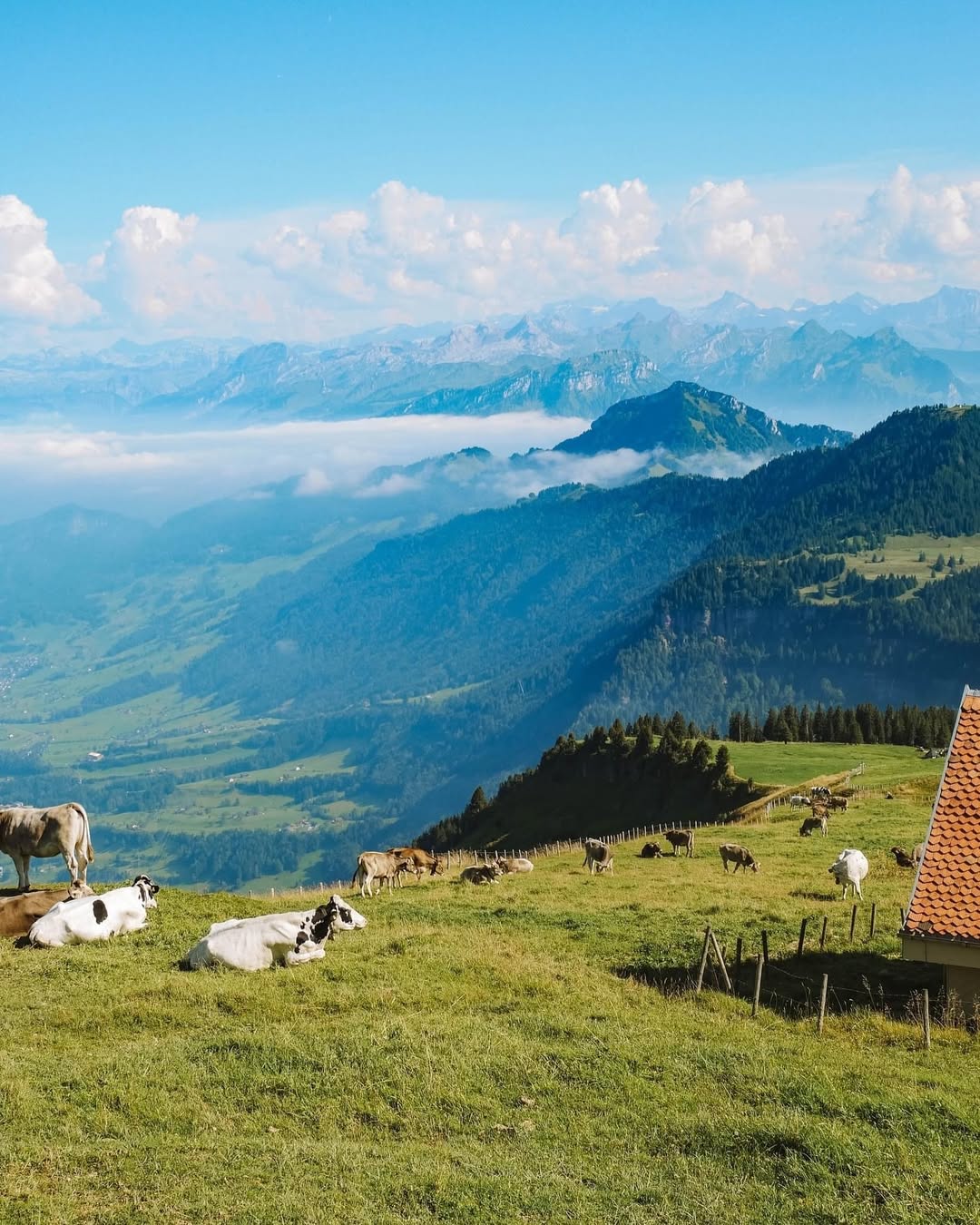
Rigi Kulm is often called the “Queen of the Mountains,” and once you reach the top, you’ll understand why. At 1,798 meters, the summit gives you sweeping views over 13 lakes and a wide stretch of the Swiss Plateau.
The journey itself is part of the experience. You can take Europe’s oldest mountain railway from Vitznau, operating since 1871, and reach the summit in about 30 minutes. The gradual climb gives you time to watch the landscape change.
If you go at sunrise, which requires an early start, you’ll likely share the summit with only a handful of people. That’s when it feels truly special.
What to do
- Take the cogwheel train to the summit
- Watch sunrise or sunset from the top
- Walk the panoramic ridge trails
Practical intel
- Best time: Year-round
- Cost: CHF 70–90 round trip
- Time needed: Half-day
- Access: 1 hour from Lucerne
Best for: Panoramic views, easy mountain access, scenic rides
18) Arosa
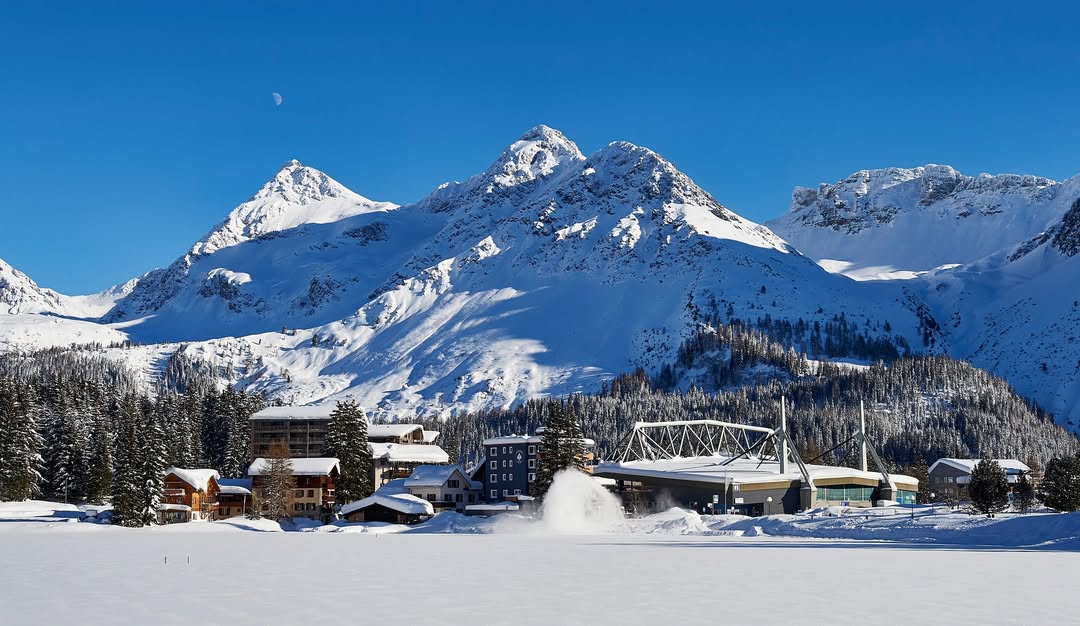
Arosa feels open and spacious in a way that many alpine resorts don’t. Sitting at 1,775 meters, it’s surrounded by peaks but built around a central lake, which gives it a more relaxed and balanced atmosphere.
The area offers over 225 kilometers of hiking trails in summer and extensive ski terrain in winter. What stands out is how easy it is to combine activities here. You can walk around the lake in about 40 minutes, then take a cable car up for higher views within the same day.
If you go early in the morning, the lake reflects the mountains perfectly, and the entire scene feels calm and undisturbed.
What to do
- Walk around Obersee lake
- Take a cable car up to Weisshorn
- Explore nearby hiking trails
Practical intel
- Best time: June to September, December to March
- Cost: Cable cars CHF 40–70
- Time needed: Half-day to 1–2 days
- Access: 2.5 hours from Zurich
Best for: Balanced trips, outdoor activities, relaxed alpine vibe
19) Rhine Falls
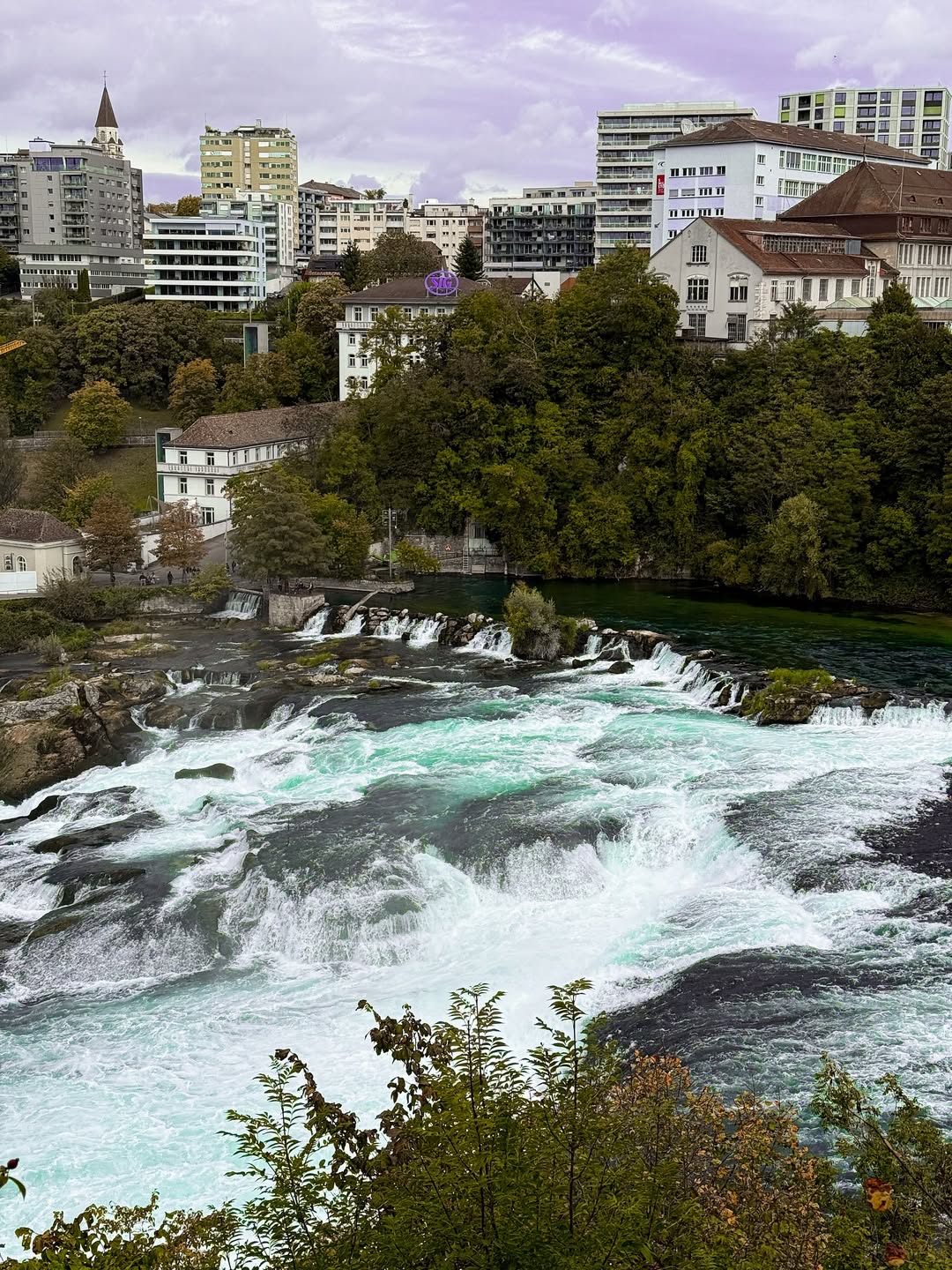
Rhine Falls is powerful in a completely different way from the quiet alpine spots. You’ll hear it before you see it. Europe’s largest waterfall, it spans about 150 meters wide and drops 23 meters, with up to 600,000 liters of water per second flowing in summer.
You can get surprisingly close. Viewing platforms bring you within just a few meters of the crashing water, and boat rides take you to the rock in the center of the falls in about 15 minutes.
If you visit early or late in the day, the crowds thin out significantly, and the experience feels less chaotic.
What to do
- Walk the viewing platforms
- Take a boat ride to the central rock
- Visit nearby Schloss Laufen
Practical intel
- Best time: June to August for maximum water flow
- Cost: Viewing free, boat rides CHF 10–20
- Time needed: 1–2 hours
- Access: 1 hour from Zurich
Best for: Dramatic natural power, short visits, easy access
20) Engelberg
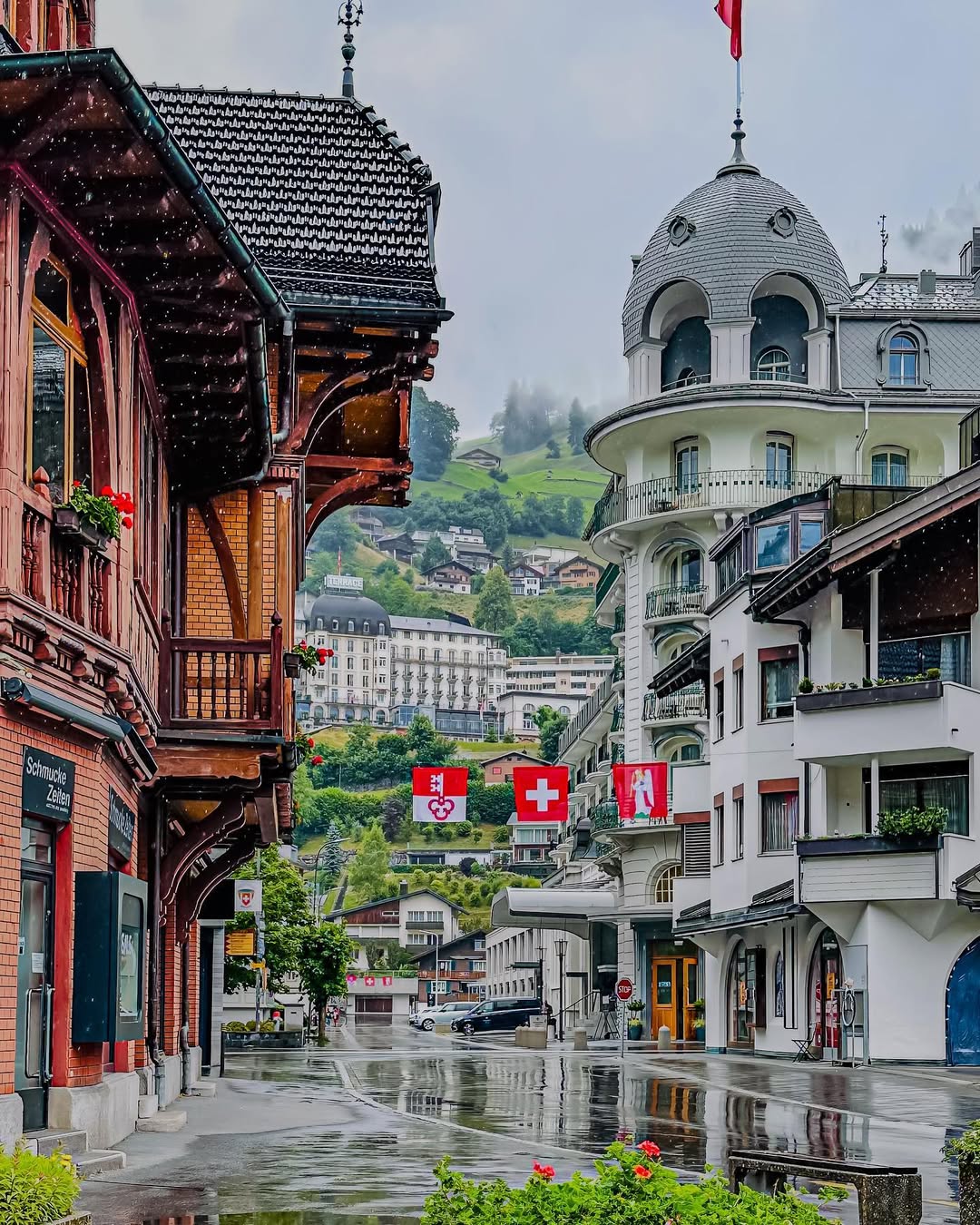
Engelberg feels like a gateway to high alpine adventure without the intensity of bigger resorts. Sitting at 1,000 meters, it’s surrounded by peaks that rise sharply above, including Mount Titlis, which reaches 3,238 meters.
The journey to the top is what makes this place memorable. The rotating cable car to Titlis takes about 30 minutes, slowly revealing glaciers and snowfields even in summer. Up top, temperatures can drop below 0°C, even when it’s warm in the valley.
If you go midweek, you’ll find fewer crowds compared to weekends, especially on the Titlis route.
What to do
- Ride the rotating cable car to Mount Titlis
- Walk the Titlis Cliff Walk suspension bridge
- Explore the village and monastery
Practical intel
- Best time: Year-round
- Cost: Cable car CHF 90–120
- Time needed: Half-day to full day
- Access: 45 minutes from Lucerne
Best for: Glacier experiences, easy adventure, scenic lifts
21) Verzasca Valley
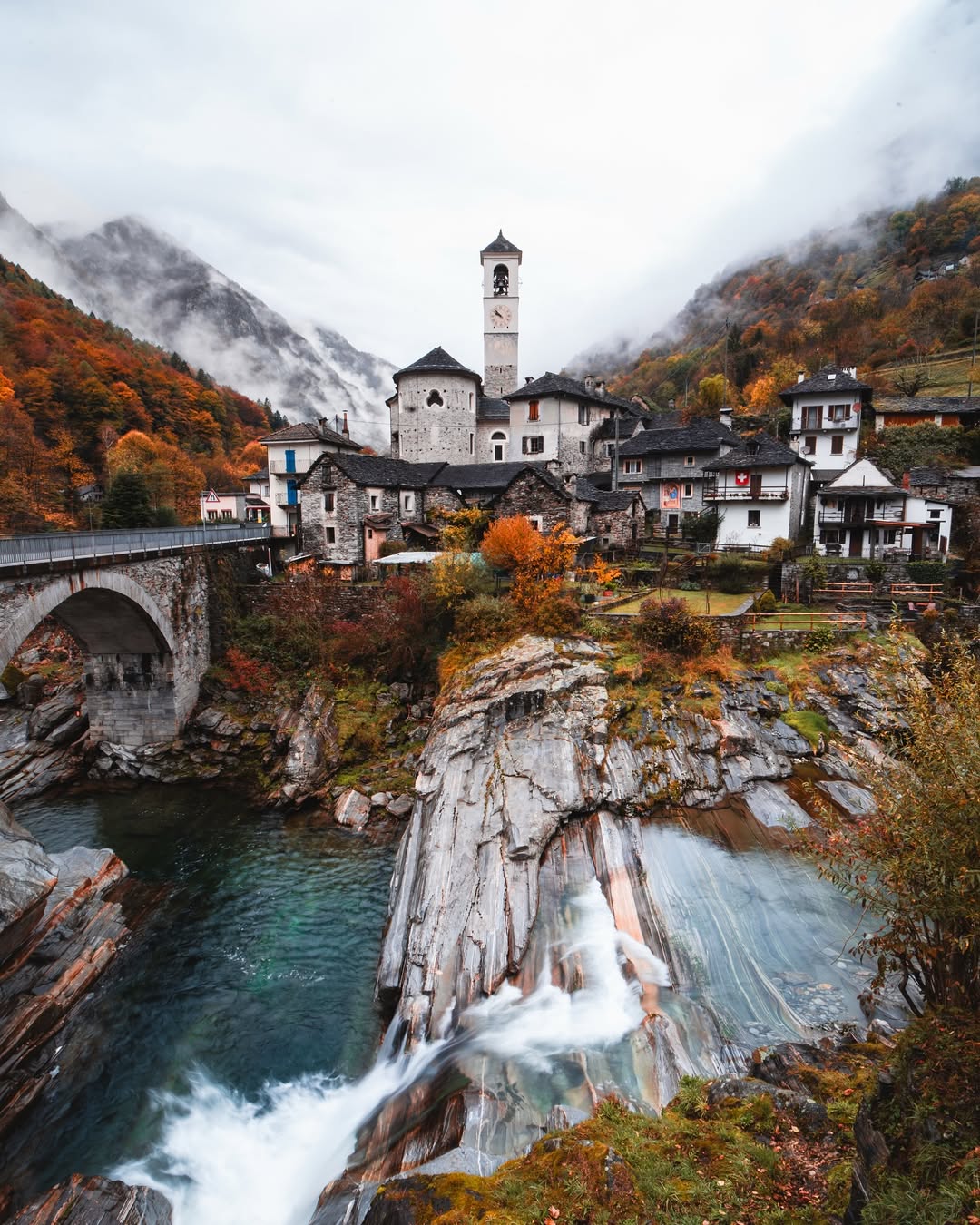
Verzasca Valley feels almost unreal the moment you see the water. It’s not just clear, it’s a deep emerald color that lets you see straight to the rocky bottom even at several meters depth. The river winds through smooth stone formations, and you’ll notice how quiet it feels once you move away from the main bridge areas.
The valley stretches for about 25 kilometers, starting near Gordola and climbing into the mountains. One of the highlights is the famous stone bridge in Lavertezzo, Ponte dei Salti, which dates back to the 17th century. In summer, water temperatures range between 10 to 15°C, which is refreshing but quite cold if you decide to swim.
If you go early in the morning or later in the afternoon, you’ll avoid the midday crowds that gather around the bridge. Walk just 10–15 minutes upstream or downstream, and you’ll often find completely quiet spots.
What to do
- Walk across Ponte dei Salti in Lavertezzo
- Swim or relax by the river pools
- Drive or cycle through the valley for scenic stops
Practical intel
- Best time: June to September
- Cost: Free
- Time needed: Half-day to full day
- Access: 30 minutes from Locarno
Best for: Unique landscapes, peaceful escapes, summer relaxation




COMMENTS
Please note that all comments will be checked by our team before being approved.