23 Hidden Gems in Italy You Must Visit in 2026 That Offer The Best Secret Views
Looking to explore Italy beyond the usual tourist hotspots? These 23 hidden gems in Italy you must visit are charming, lesser known, and full of character, perfect for uncovering authentic experiences, quiet beauty, and unforgettable moments off the beaten path.

Italy has its icons, but the real magic lies beyond them. In quiet villages, hidden coastlines, and mountain towns, you’ll find places that feel untouched and personal.
These hidden gems offer fewer crowds, slower moments, and a deeper connection to the landscape and culture. It’s where Italy feels more local and more real.
Step slightly off the usual route, and everything changes. Here are 23 hidden gems in Italy that reward curiosity without the crowds or clichés.
1. Civita di Bagnoregio
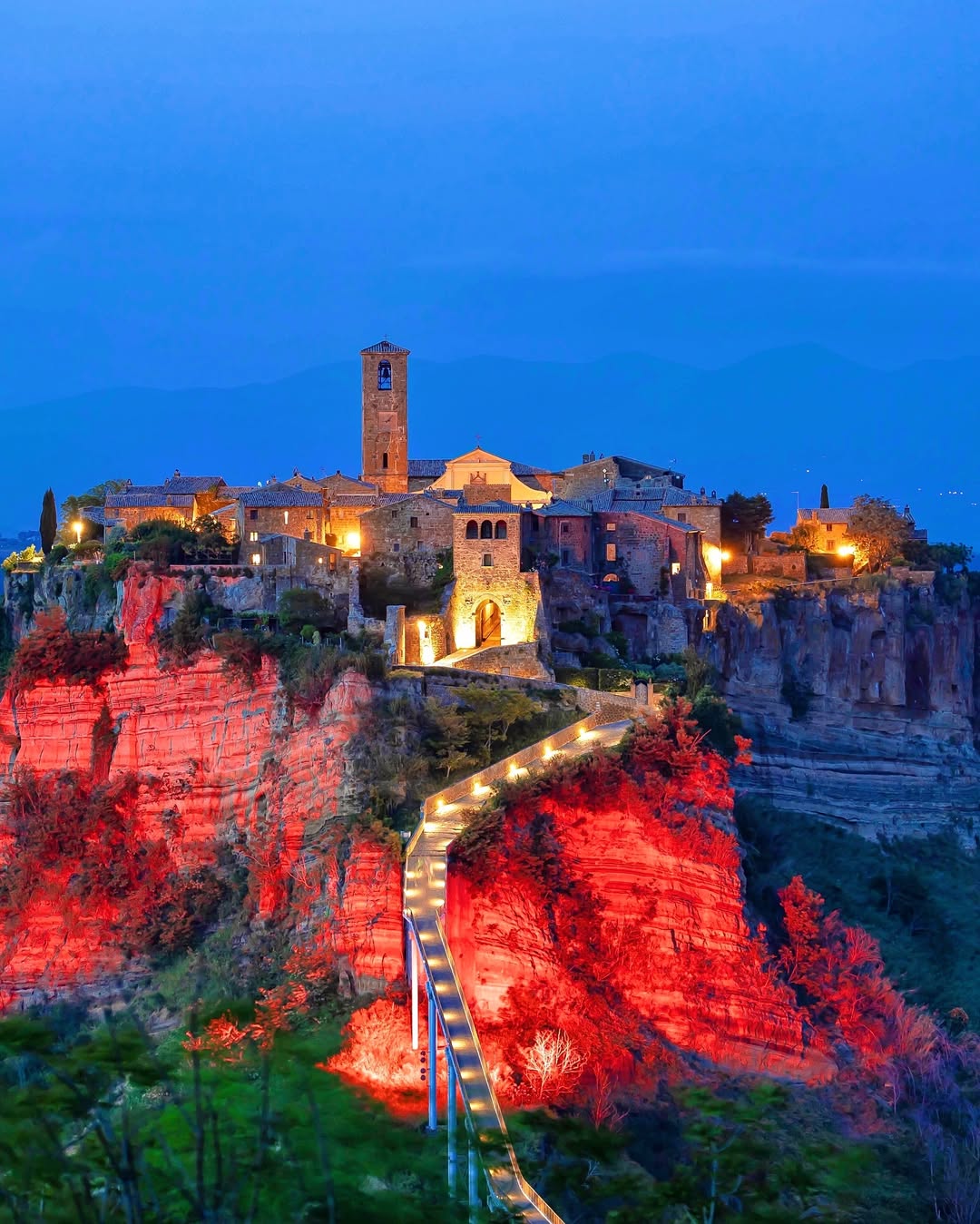
The moment you start walking across the long pedestrian bridge, you’ll feel it. Civita sits on a crumbling volcanic plateau, surrounded by dramatic valleys that look almost lunar. With fewer than 15 permanent residents, the silence is striking. You’ll hear your footsteps echo against medieval stone.
This tiny village dates back over 2,500 years and is often called “the dying city” because erosion slowly chips away at its cliffs. Entry costs about €5, and most visitors spend 2 to 3 hours wandering its narrow alleys. It’s located about 120 km north of Rome, making it doable as a day trip.
If you go early in the morning or near sunset, you’ll avoid the midday tour groups. Stay overnight if you can. After 6 PM, the place feels entirely yours.
What to do
- Walk the bridge at sunrise for near-empty views
- Explore Piazza San Donato and hidden alleys
- Stop at a local trattoria for handmade pasta
Practical intel
- Entry: ~€5
- Time needed: 2 to 4 hours
- Best time: Early morning or evening
- Access: 20-minute walk from parking area
Best for
Atmospheric solitude, photographers, slow travel lovers
2. Procida
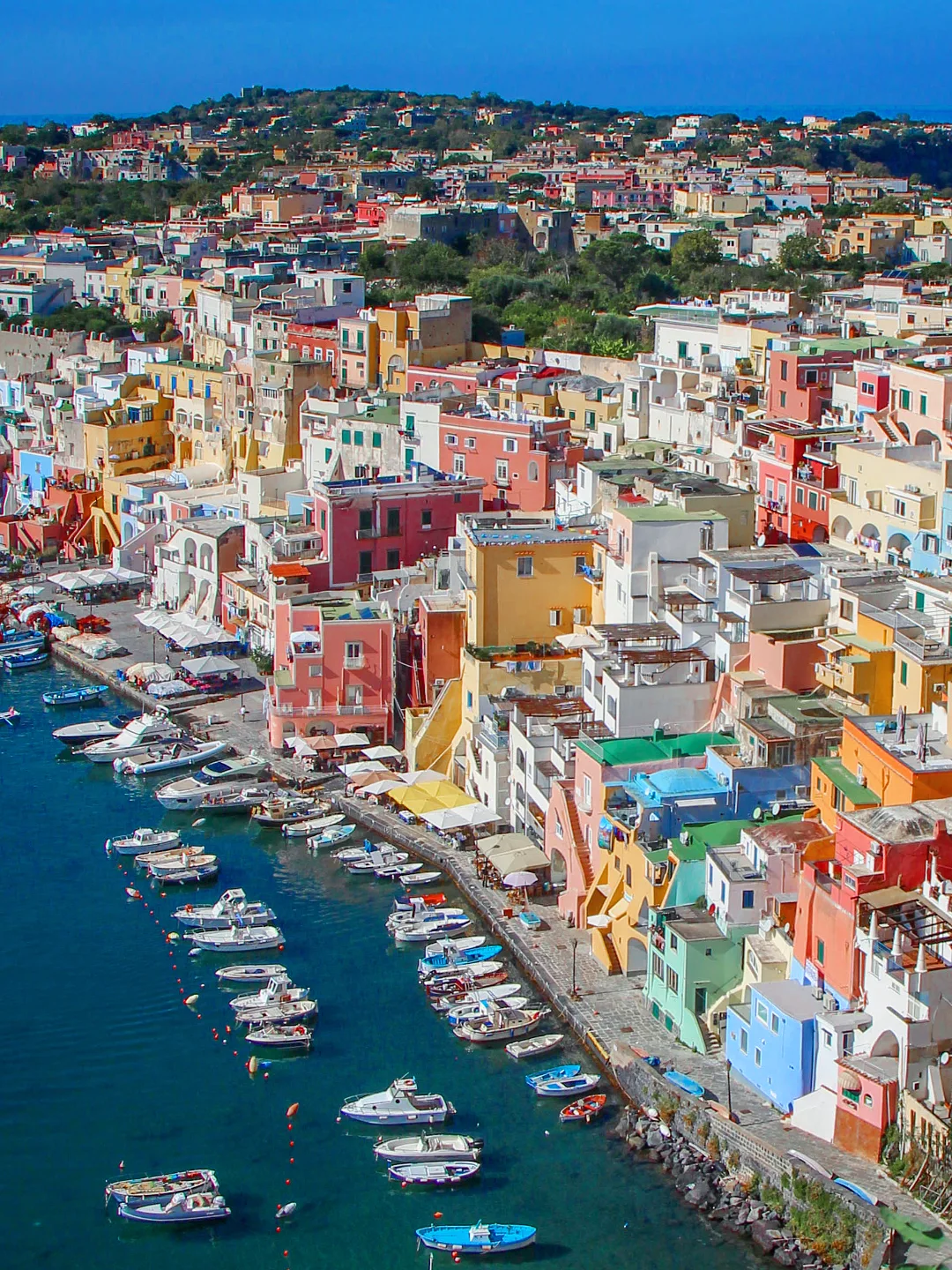
You’ll notice the colors first. Pastel houses stacked like a painting, but without the overwhelming crowds of Capri. Procida feels lived-in, authentic, and refreshingly unpolished. Fishing boats bob quietly in the marina, and laundry hangs between buildings.
It’s the smallest island in the Bay of Naples, just 4 square kilometers, and was named Italy’s Capital of Culture in 2022. Ferries from Naples take about 40 minutes, costing €15 to €25. Most visitors stay for a full day or overnight.
Head to Marina Corricella, the island’s most photogenic spot, especially in the late afternoon when the light softens the colors. You’ll feel like you discovered something most travelers skip.
What to do
- Walk through Marina Corricella
- Rent a scooter to explore the island in 2 to 3 hours
- Swim at Chiaiolella Beach
Practical intel
- Ferry: 40 to 60 minutes from Naples
- Ideal stay: 1 to 2 days
- Budget: Moderate, cheaper than Capri
- Best season: May to September
Best for
Colorful coastal charm without heavy tourism
3. Val di Funes
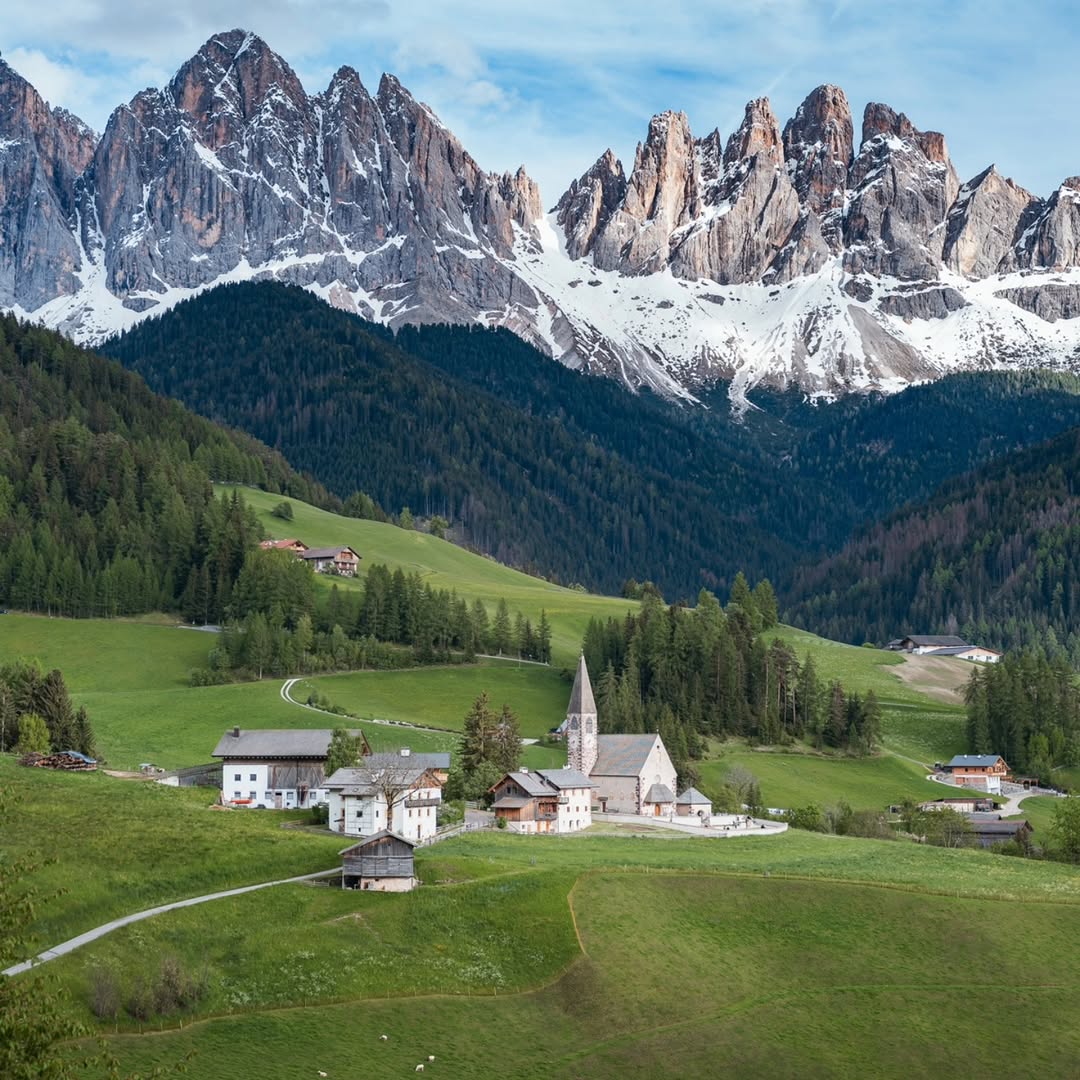
This is where the Dolomites feel almost unreal. You’ll see rolling green meadows, tiny wooden barns, and dramatic jagged peaks rising behind them. It’s quiet, almost cinematic, especially compared to busier alpine towns.
Val di Funes sits about 40 minutes from Bressanone and is known for iconic viewpoints like the Church of St. Johann. Hiking trails range from easy 2 km walks to full-day treks of 10 to 15 km. Parking and access points are well organized but still uncrowded.
Go in early autumn if you can. The golden fields against the pale rock peaks create a contrast that’s hard to forget.
What to do
- Photograph St. Johann Church
- Hike the Adolf Munkel Trail
- Picnic with panoramic views
Practical intel
- Entry: Free, small parking fees (~€5 to €10)
- Time needed: Half day to full day
- Best time: September to early October
- Access: Car recommended
Best for
Nature lovers, hikers, and quiet alpine scenery
4. Scilla
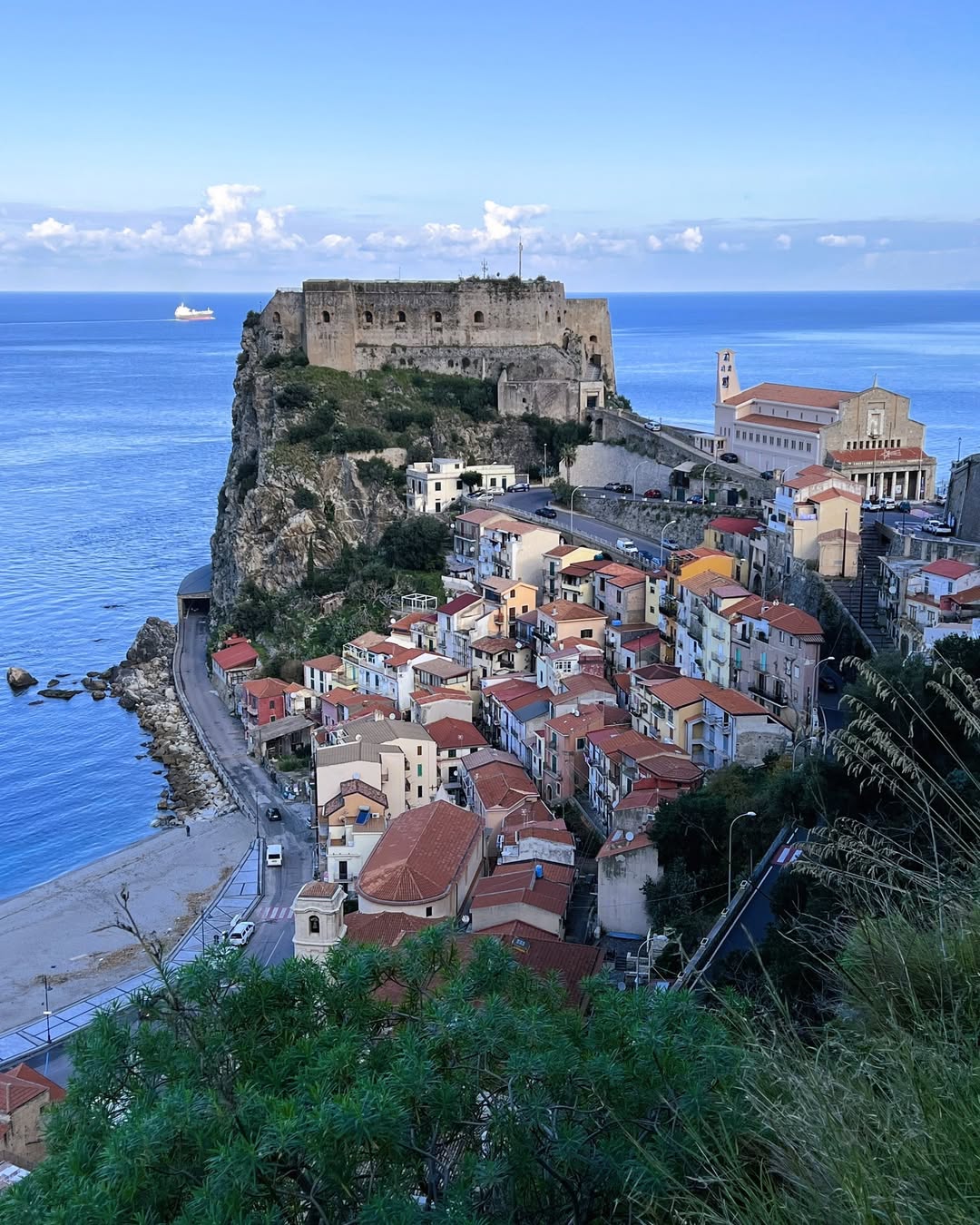
Scilla feels like southern Italy before mass tourism touched it. You’ll walk through Chianalea, a fishing district where houses are built directly over the water. Waves gently hit the stone foundations beneath your feet.
It’s tied to Greek mythology, named after the sea monster Scylla from Homer’s Odyssey. Located about 20 km from Reggio Calabria, it’s easy to reach by train. A meal here often costs €15 to €25, and seafood is as fresh as it gets.
At sunset, the sky reflects off the Tyrrhenian Sea while fishermen prepare their nets. It’s simple, raw, and deeply local.
What to do
- Walk through Chianalea district
- Swim at Spiaggia di Marina Grande
- Dine at a waterfront seafood spot
Practical intel
- Train access from Reggio Calabria: ~30 minutes
- Ideal stay: Half day to 1 day
- Budget: Affordable
- Best time: June to September
Best for
Authentic coastal life and mythology lovers
5. Mantua
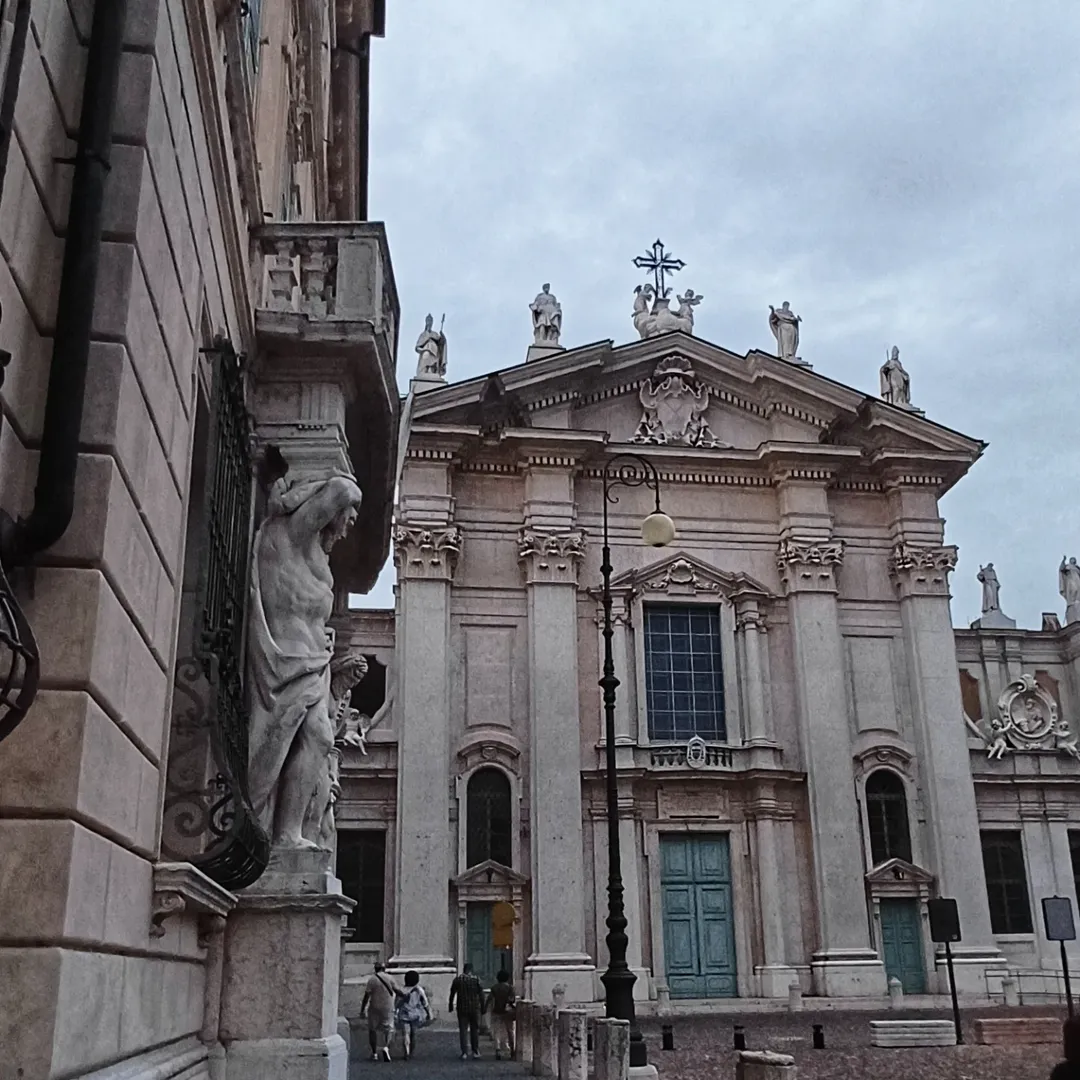
Mantua feels like a Renaissance secret. Surrounded by artificial lakes, the city appears to float, and its architecture is surprisingly grand for how little attention it gets.
It was a major cultural hub under the Gonzaga family and is now a UNESCO-listed city. You’ll find masterpieces inside Palazzo Ducale and Palazzo Te. Entry tickets range from €10 to €15, and most visitors spend 4 to 6 hours exploring.
Unlike Florence or Venice, you won’t be fighting crowds. You’ll have space to actually absorb the art and atmosphere.
What to do
- Visit Palazzo Ducale
- Walk along the lakes at sunset
- Explore Piazza delle Erbe
Practical intel
- Train from Verona: ~45 minutes
- Time needed: 1 full day
- Budget: Moderate
- Best time: Spring or autumn
Best for
Art, architecture, and crowd-free culture
6. Castelmezzano
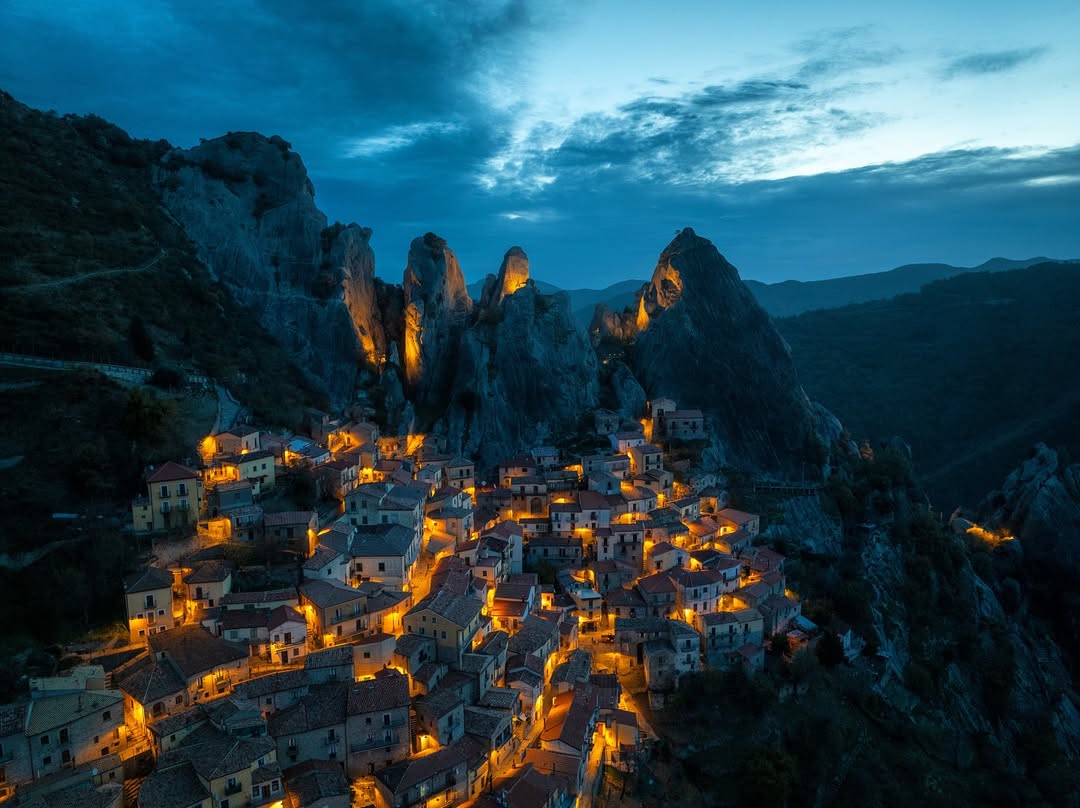
You’ll see it before you fully understand it. Jagged Dolomite-like peaks rise straight out of the earth, and somehow, a village is carved right into them. Castelmezzano feels suspended between rock and sky, with stone houses clinging to impossible slopes.
It’s part of the Lucanian Dolomites and sits about 90 km from Matera. The village has fewer than 800 residents, and walking through its steep stairways feels like navigating a natural fortress. One of the most unique experiences here is the “Flight of the Angel,” a zipline stretching over 1.5 km between Castelmezzano and Pietrapertosa at speeds up to 120 km/h, costing around €35 to €45.
If heights don’t scare you, this is one of the most unforgettable ways to see southern Italy. If they do, simply hiking here is equally powerful.
What to do
- Try the Flight of the Angel zipline
- Hike the Seven Stones Path (Sentiero delle Sette Pietre)
- Wander the village staircases at sunset
Practical intel
- Time needed: 3 to 5 hours
- Best season: April to October
- Access: Car recommended
- Budget: Low to moderate
Best for
Adventure seekers and dramatic landscapes
7. Orta San Giulio
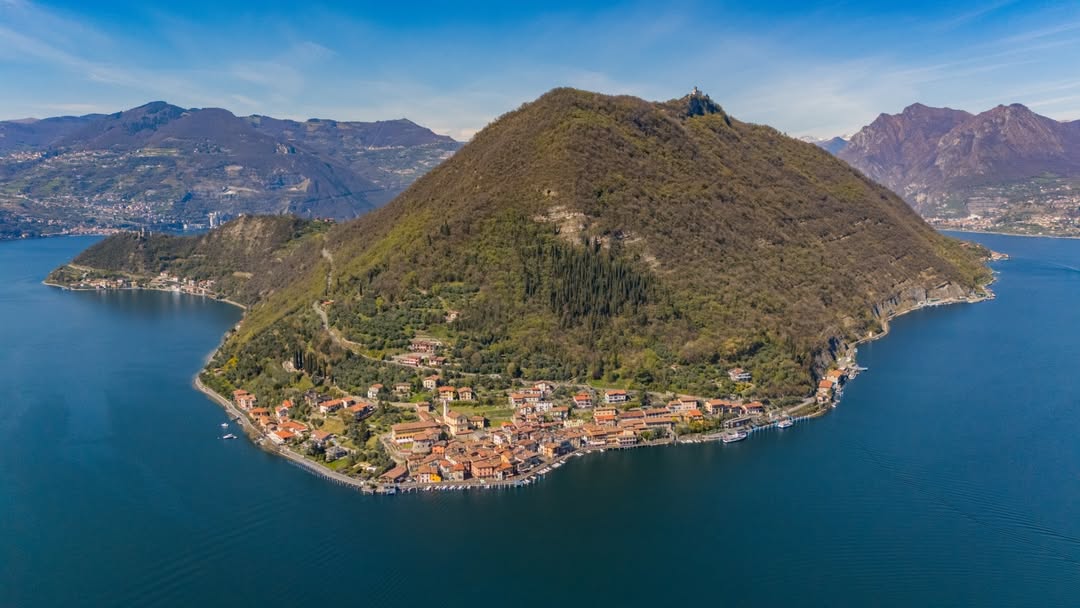
If Lake Como feels too polished, Orta San Giulio is its quieter, more intimate cousin. You’ll notice how calm everything is. The lake is smaller, the crowds thinner, and the atmosphere almost meditative.
The town sits on Lake Orta, about 90 km from Milan. A short 5-minute boat ride takes you to Isola San Giulio, a tiny island dominated by a 12th-century basilica. Ferries cost around €5 round trip, and most visitors spend 3 to 4 hours here.
Walk the “Path of Silence” around the island. It’s designed for reflection, and you’ll naturally lower your voice as you go.
What to do
- Take a boat to Isola San Giulio
- Walk along the lakeside promenade
- Explore narrow medieval streets
Practical intel
- Boat ride: ~€5
- Ideal visit: Half day to 1 day
- Best time: May to September
- Access: Train + short taxi or car
Best for
Quiet romance and slow lakeside travel
8. Pitigliano
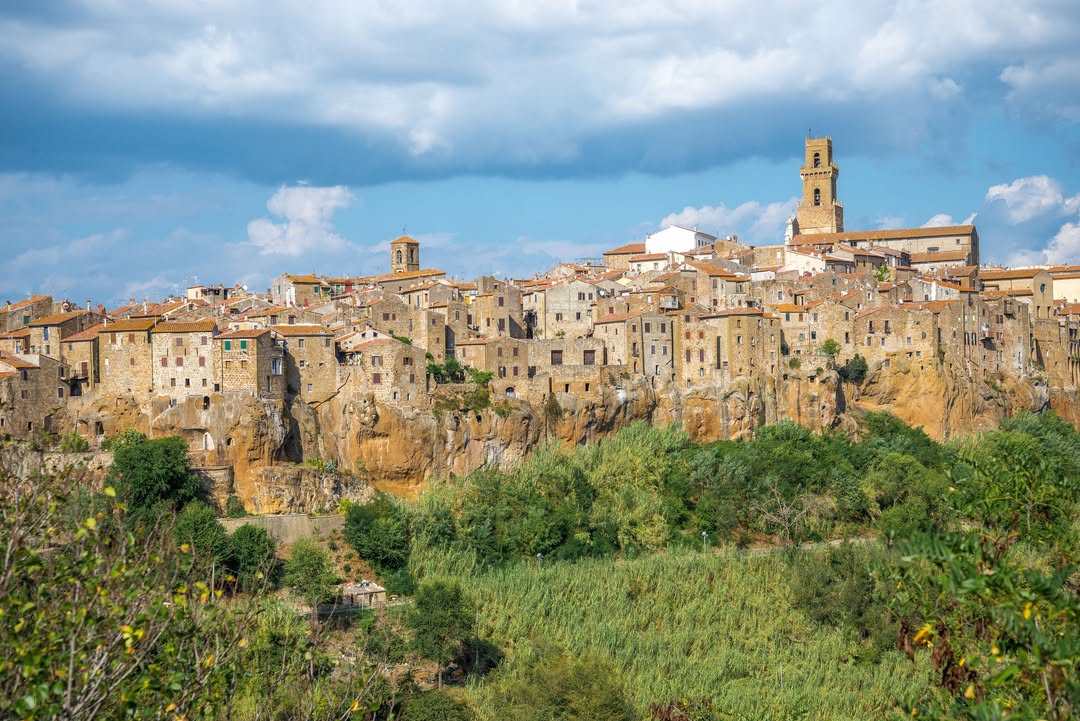
At first glance, Pitigliano looks like it’s growing out of the cliff itself. Built on volcanic tuff rock, the entire town glows golden, especially in late afternoon light. You’ll feel like you’ve discovered a forgotten Tuscan world.
Located about 80 km south of Siena, Pitigliano has a rich Jewish history and was once called “Little Jerusalem.” Entry to major sites like the Orsini Fortress is around €5, and exploring the town takes about 2 to 3 hours.
Don’t miss the ancient “vie cave,” sunken roads carved into rock walls that can rise up to 20 meters high. Walking through them feels almost otherworldly.
What to do
- Explore the Vie Cave pathways
- Visit the Jewish Quarter and synagogue
- Enjoy panoramic views from the town edges
Practical intel
- Time needed: 2 to 4 hours
- Best time: Late afternoon for lighting
- Budget: Affordable
- Access: Car recommended
Best for
History lovers and unique landscapes
9. Rocca Calascio
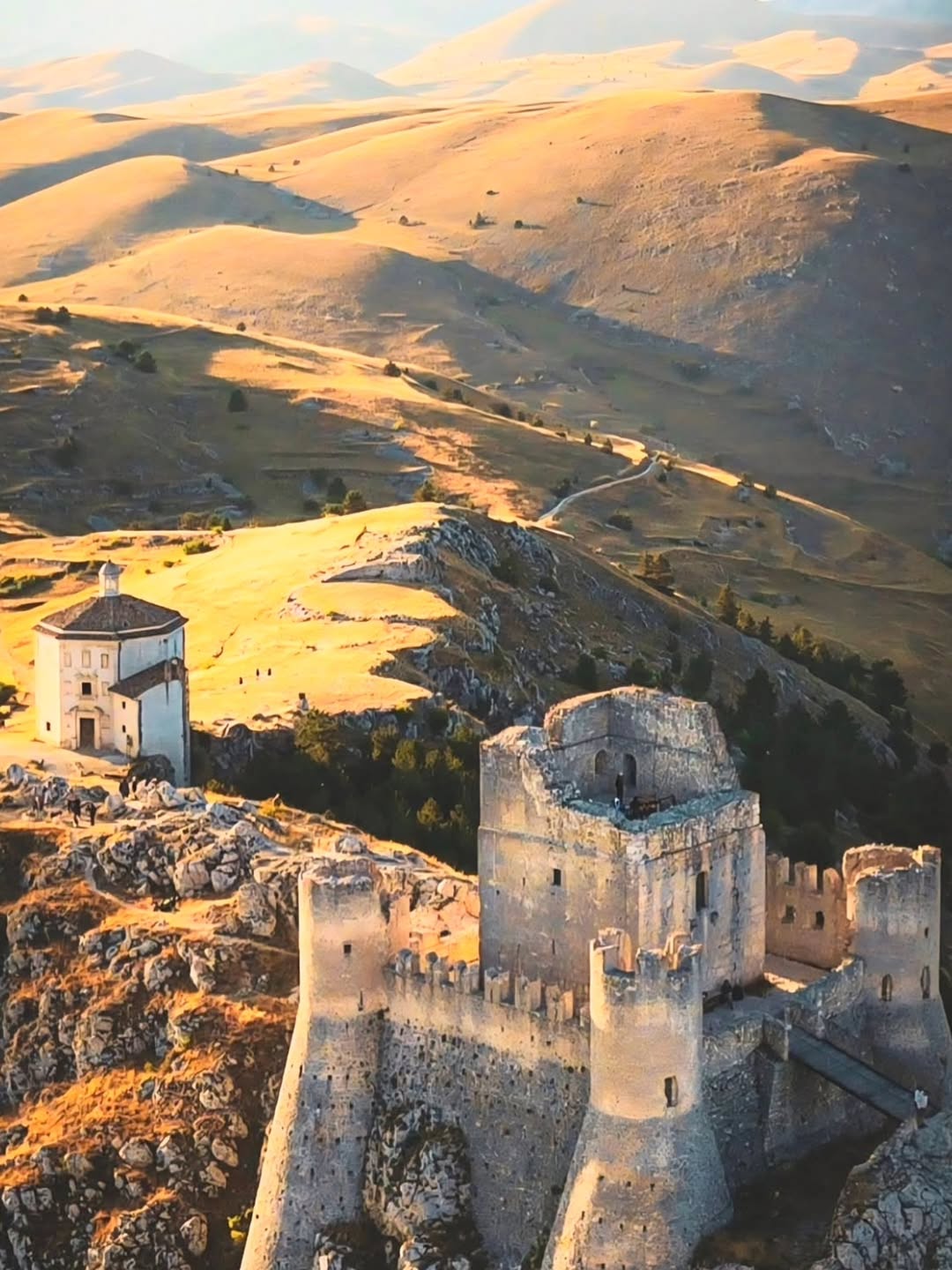
You’ll feel the altitude here. Sitting at 1,460 meters above sea level, Rocca Calascio is one of the highest fortresses in Italy. The wind, the silence, and the sweeping mountain views create an almost cinematic experience.
It’s located in the Gran Sasso National Park, about 2 hours from Rome by car. The final stretch requires a 20 to 30-minute uphill walk, but the reward is worth every step. Entry is free, and most people spend 1 to 2 hours exploring.
If the landscape feels familiar, it’s because films like The Name of the Rose were shot here. Sunrise and sunset completely transform the atmosphere.
What to do
- Walk up to the fortress ruins
- Visit the nearby Santa Maria della Pietà church
- Take panoramic photos of the Apennines
Practical intel
- Entry: Free
- Walk: 20 to 30 minutes uphill
- Best time: Sunrise or sunset
- Access: Car required
Best for
Epic views and cinematic landscapes
10. Comacchio
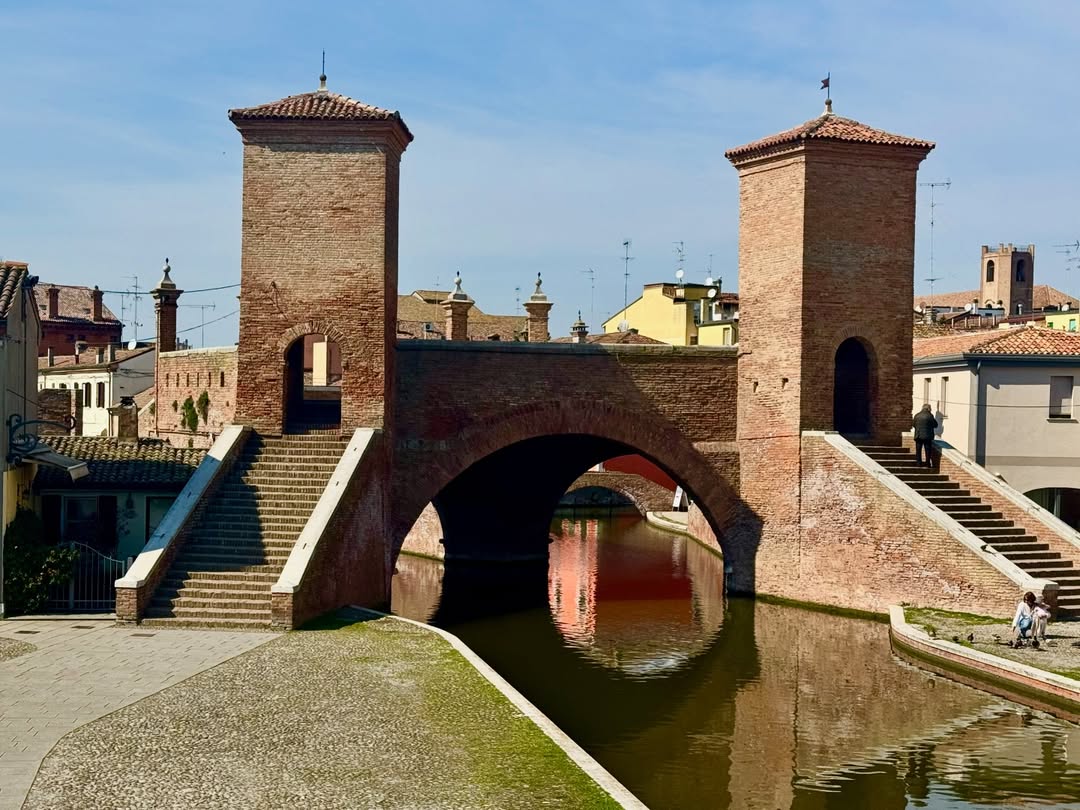
Often called “Little Venice,” Comacchio has canals, bridges, and pastel buildings, but without the overwhelming crowds. You’ll notice how relaxed everything feels. Locals cycle along canals, and life moves slowly.
It sits within the Po Delta, about 50 km from Ferrara. The town is famous for its eel fishing tradition, and you can even visit the Manifattura dei Marinati to see how it’s prepared. Entry is around €2 to €5, and a full visit takes 3 to 5 hours.
The Trepponti bridge, with its five staircases, is the heart of the town. It’s especially beautiful in the evening when lights reflect on the water.
What to do
- Walk across the Trepponti bridge
- Visit the eel museum
- Take a boat tour through the lagoons
Practical intel
- Time needed: Half day
- Budget: Very affordable
- Best time: Spring or early autumn
- Access: Car or bus from Ferrara
Best for
Canal charm without Venice-level crowds
11. Sperlonga
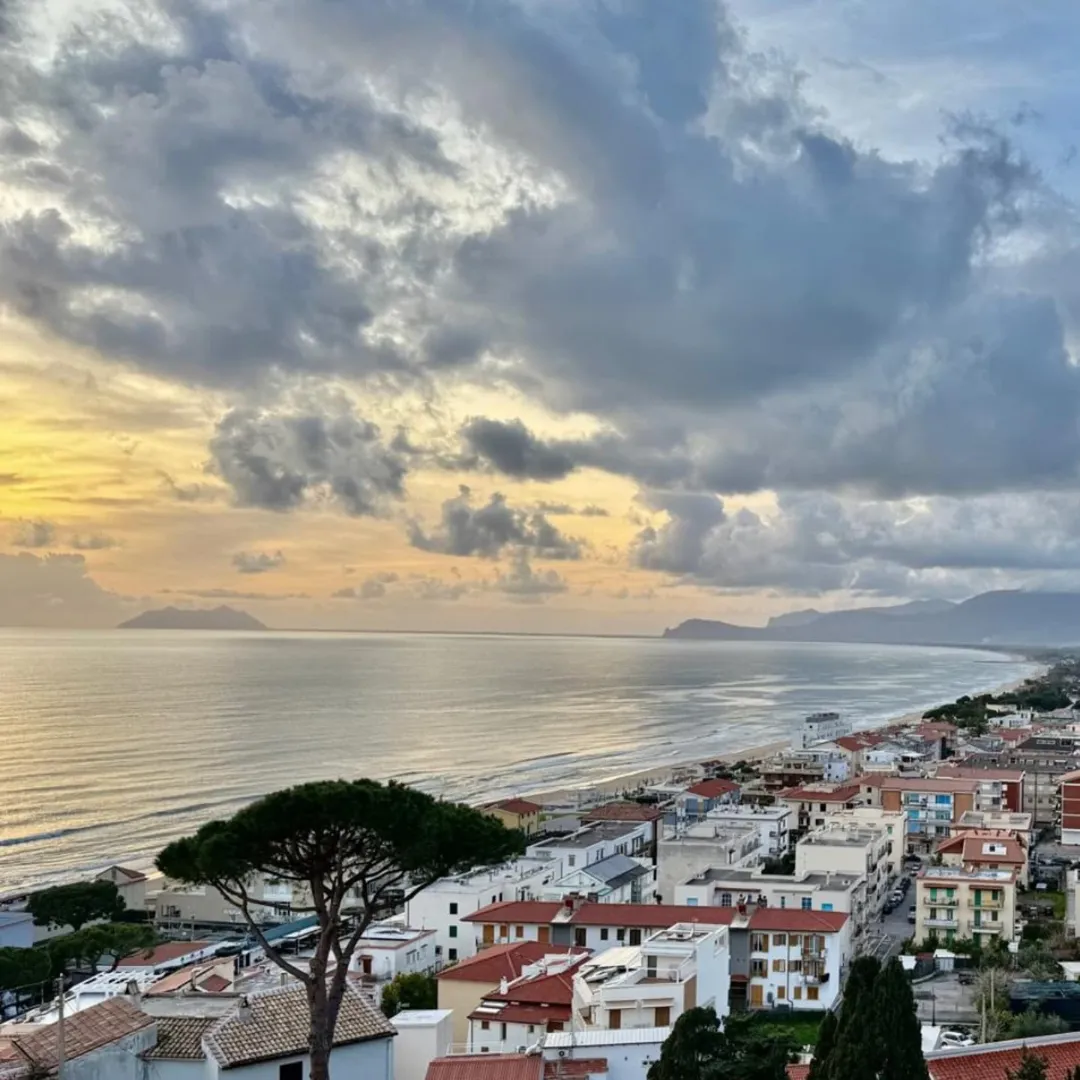
You’ll arrive expecting just another beach town, but Sperlonga surprises you immediately. Whitewashed houses spill down toward a turquoise sea, and the old town feels almost Greek in its simplicity. As you walk uphill through narrow lanes, you’ll catch glimpses of the coastline at every turn.
It sits roughly halfway between Rome and Naples, about 120 km from Rome. Beaches here are Blue Flag certified, and renting a sunbed costs around €20 to €30 per day. The town is also home to the ancient Villa of Emperor Tiberius, where entry is about €5 and takes 1 to 2 hours to explore.
If you stay into the evening, the town softens. Restaurants light up, and the sea breeze cools everything down just enough.
What to do
- Relax on Spiaggia di Ponente
- Visit Tiberius’ Villa and grotto
- Wander the old town at sunset
Practical intel
- Time needed: Half day to full day
- Best time: May to September
- Budget: Moderate
- Access: Train to Fondi + taxi
Best for
Beach lovers who want charm without chaos
12. Dozza
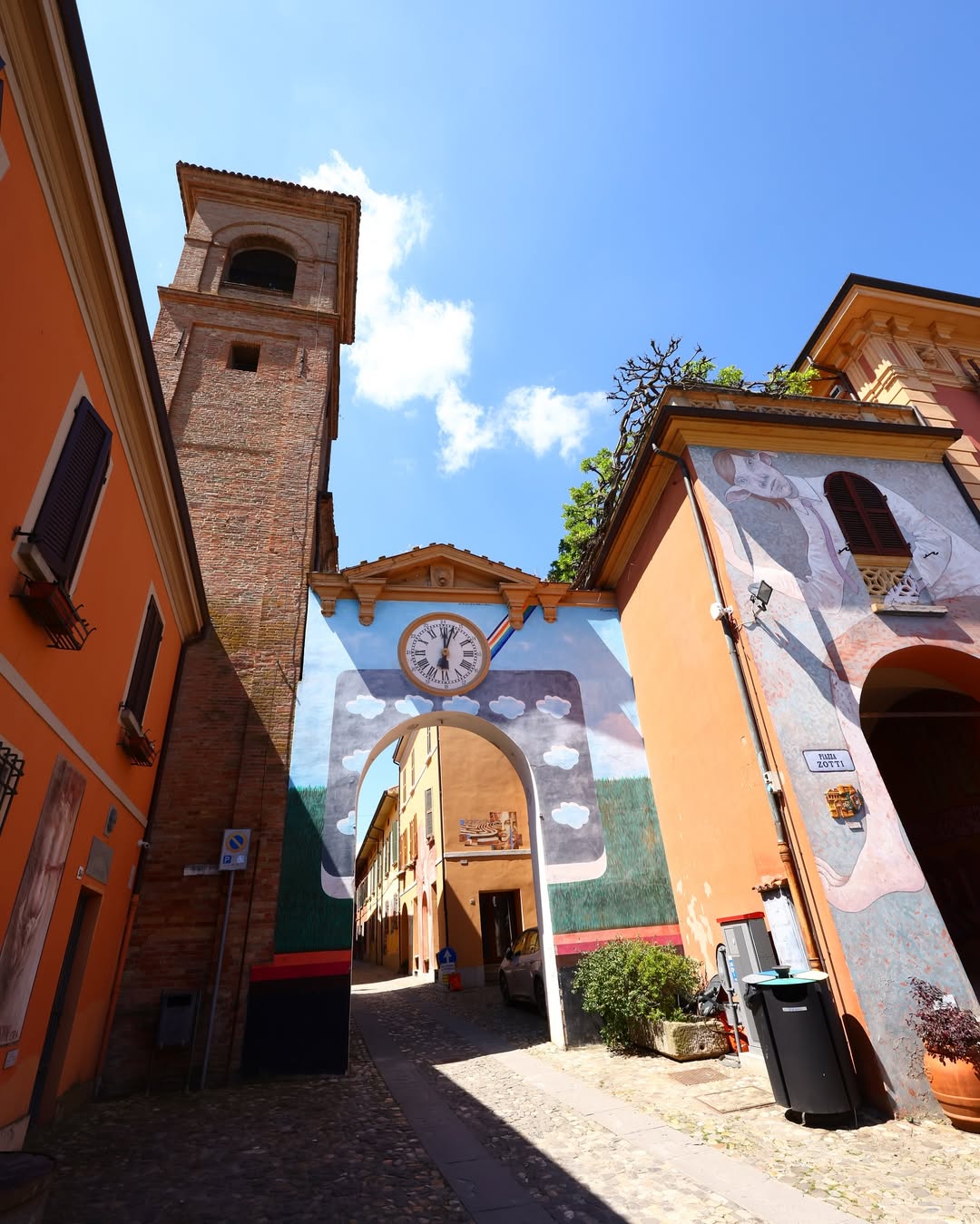
Dozza feels like walking inside an open-air gallery. You’ll notice murals on nearly every wall, from small doorways to entire building facades. It’s not random either. Every two years, artists come here to add new works during the Biennale del Muro Dipinto.
Located about 30 km from Bologna, the village is compact and easy to explore in 1 to 2 hours. Entry is free, though the Rocca Sforzesca fortress museum costs around €6 and gives panoramic views over vineyards.
Take your time here. The details are everywhere, and you’ll keep spotting new pieces the longer you wander.
What to do
- Walk the mural-covered streets
- Visit Rocca Sforzesca
- Taste local wines at the Enoteca
Practical intel
- Time needed: 1 to 3 hours
- Best time: Spring or autumn
- Budget: Low
- Access: Car recommended
Best for
Art lovers and short cultural stops
13. Marzamemi
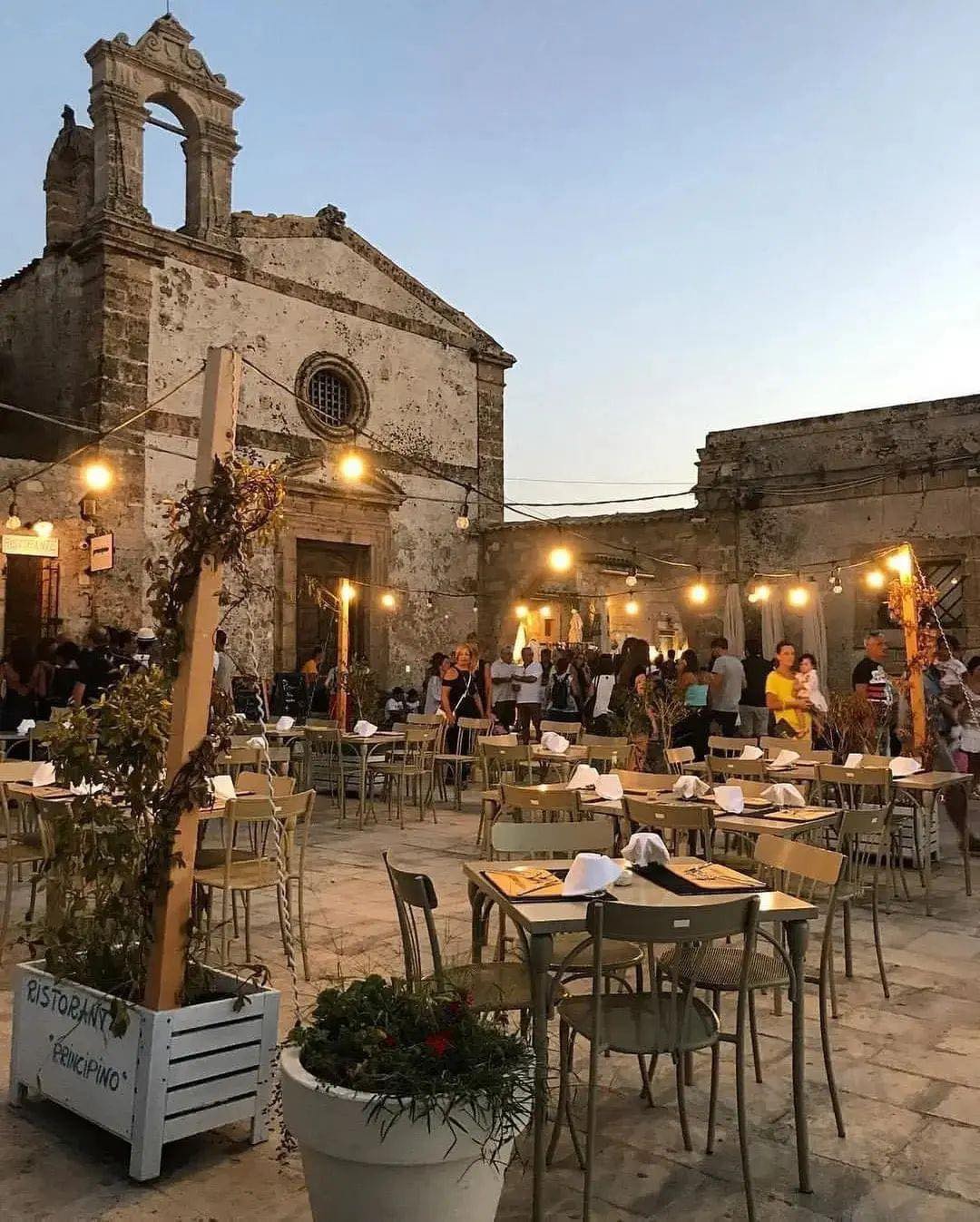
Marzamemi feels effortlessly stylish without trying. The main square, Piazza Regina Margherita, opens up to the sea, surrounded by honey-colored buildings and simple wooden chairs. You’ll hear soft music, clinking glasses, and waves in the background.
It’s located on Sicily’s southeastern coast, about 50 km from Syracuse. The village is small, and you can explore it in 2 to 3 hours, but staying overnight lets you experience its evening energy. Meals here range from €20 to €40, with a strong focus on tuna and seafood traditions.
Come in the late afternoon. The light turns golden, and the entire square starts to glow.
What to do
- Sit in Piazza Regina Margherita
- Swim at nearby beaches
- Try local tuna specialties
Practical intel
- Time needed: Half day or overnight
- Best time: June to September
- Budget: Moderate
- Access: Car required
Best for
Relaxed coastal evenings and food
14. Bagni San Filippo
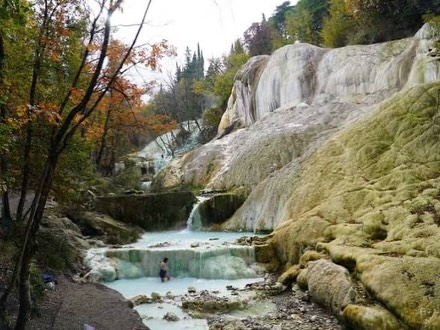
This is one of those places that feels almost hidden even when you’re standing in it. White calcium formations rise through the forest, with warm thermal المياه flowing over them into natural pools. Steam drifts through the trees, especially on cooler mornings.
Bagni San Filippo is about 60 km from Siena and completely free to access. Water temperatures hover around 40°C, and most people spend 1 to 2 hours soaking and exploring. The most famous formation, the “White Whale,” looks like a frozen waterfall.
Go early in the morning if you can. By midday, more visitors arrive, but early on, it feels almost untouched.
What to do
- Soak in natural thermal pools
- Walk to the White Whale formation
- Relax in quieter upstream spots
Practical intel
- Entry: Free
- Time needed: 1 to 3 hours
- Best time: Morning or off-season
- Access: Car required + short walk
Best for
Nature lovers and unique relaxation
15. Triora
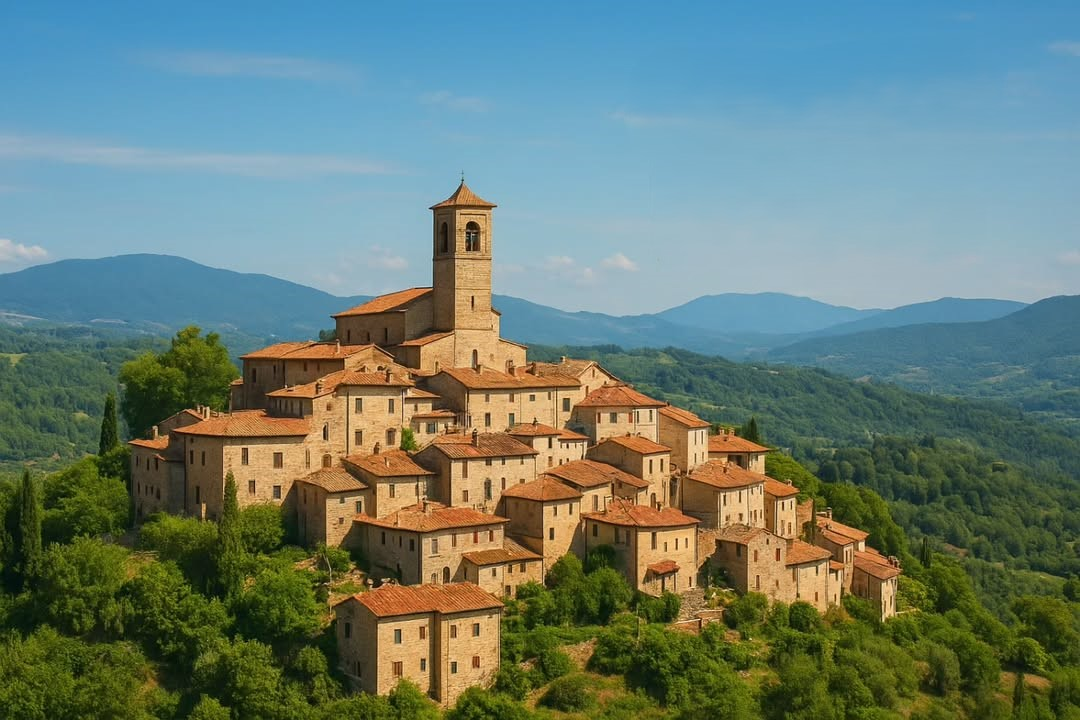
Triora carries a different kind of atmosphere. Perched high in the Ligurian mountains, it’s known as Italy’s “witch village” due to 16th-century witch trials. Walking through its stone alleys, you’ll feel a mix of mystery and history.
It’s about 50 km inland from the Ligurian coast and sits at 780 meters elevation. The Ethnographic and Witchcraft Museum costs around €3 to €5 and adds context to the village’s past. Most visitors spend 2 to 3 hours here.
Fog often rolls in during the late afternoon, which only adds to the mood. It’s quiet, a little eerie, and completely unforgettable.
What to do
- Visit the Witchcraft Museum
- Explore medieval alleys and ruins
- Hike surrounding mountain trails
Practical intel
- Time needed: 2 to 4 hours
- Best time: Autumn for atmosphere
- Budget: Low
- Access: Car recommended
Best for
History with a mysterious edge
16. San Fruttuoso Abbey
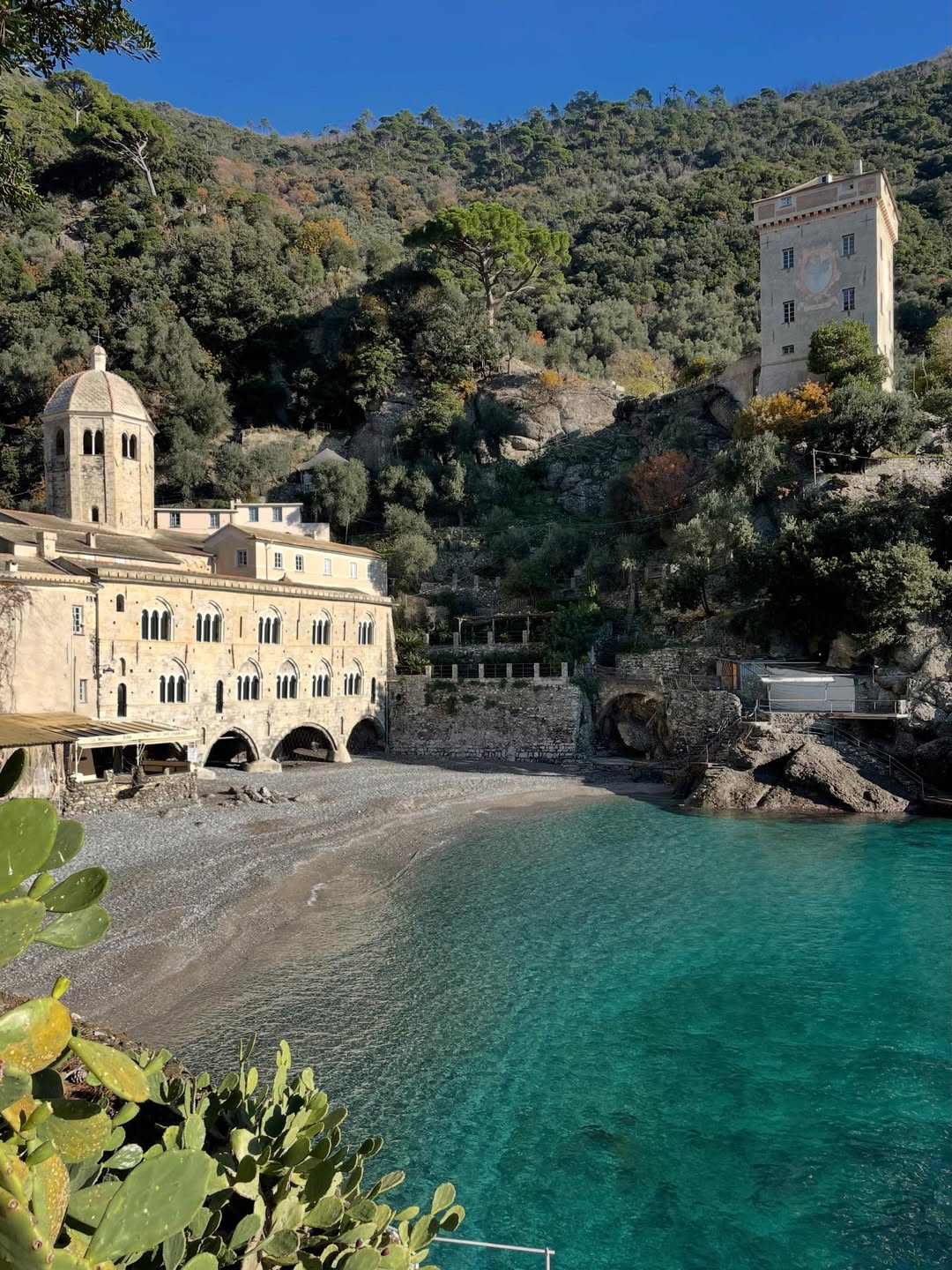
You don’t just arrive here. You earn it. Hidden in a small cove between Portofino and Camogli, San Fruttuoso is only accessible by boat or a 1.5 to 2 hour hike through coastal trails. When you finally step onto the beach, the abbey appears almost unreal against emerald water.
The abbey dates back to the 10th century and entry costs around €9. The beach itself is small, just about 200 meters wide, but the setting is unforgettable. Boats from Camogli or Portofino take about 30 minutes and cost €15 to €25.
If you go early or late in the day, you’ll feel like you’ve discovered a secret Mediterranean sanctuary.
What to do
- Swim in the protected bay
- Visit the historic abbey
- Hike the coastal trail for panoramic views
Practical intel
- Access: Boat or hike only
- Time needed: Half day
- Budget: Moderate
- Best time: May to September
Best for
Secluded coastal beauty and adventure
17. Castelluccio di Norcia
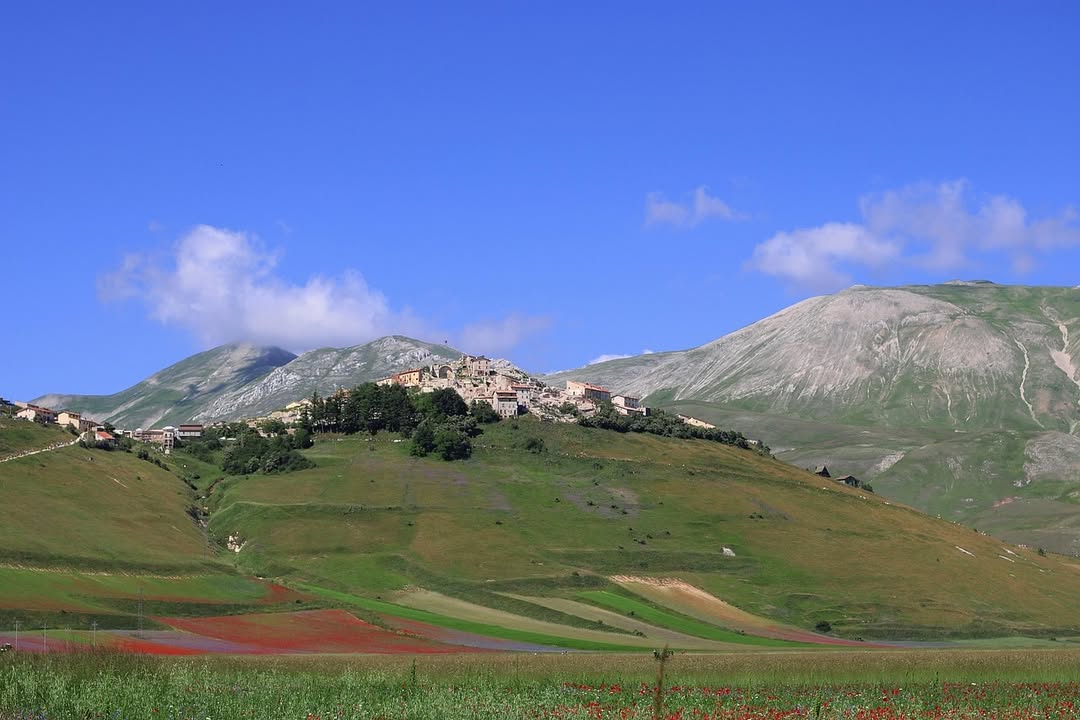
For a few weeks each year, this place transforms completely. The plains below Castelluccio explode into color during the “Fioritura,” with wildflowers stretching for kilometers in reds, yellows, and purples.
The village sits at 1,452 meters above sea level inside Sibillini Mountains National Park. It’s about 30 km from Norcia, and during peak bloom in June and July, thousands visit daily. Outside that window, it’s quiet and raw.
Even when the flowers fade, the open landscape and high-altitude air make it worth the journey.
What to do
- Walk through blooming plains (June to July)
- Hike surrounding trails
- Photograph panoramic landscapes
Practical intel
- Time needed: Half day
- Best time: Late June to mid-July
- Budget: Low
- Access: Car required
Best for
Seasonal natural spectacle
18. Cervo
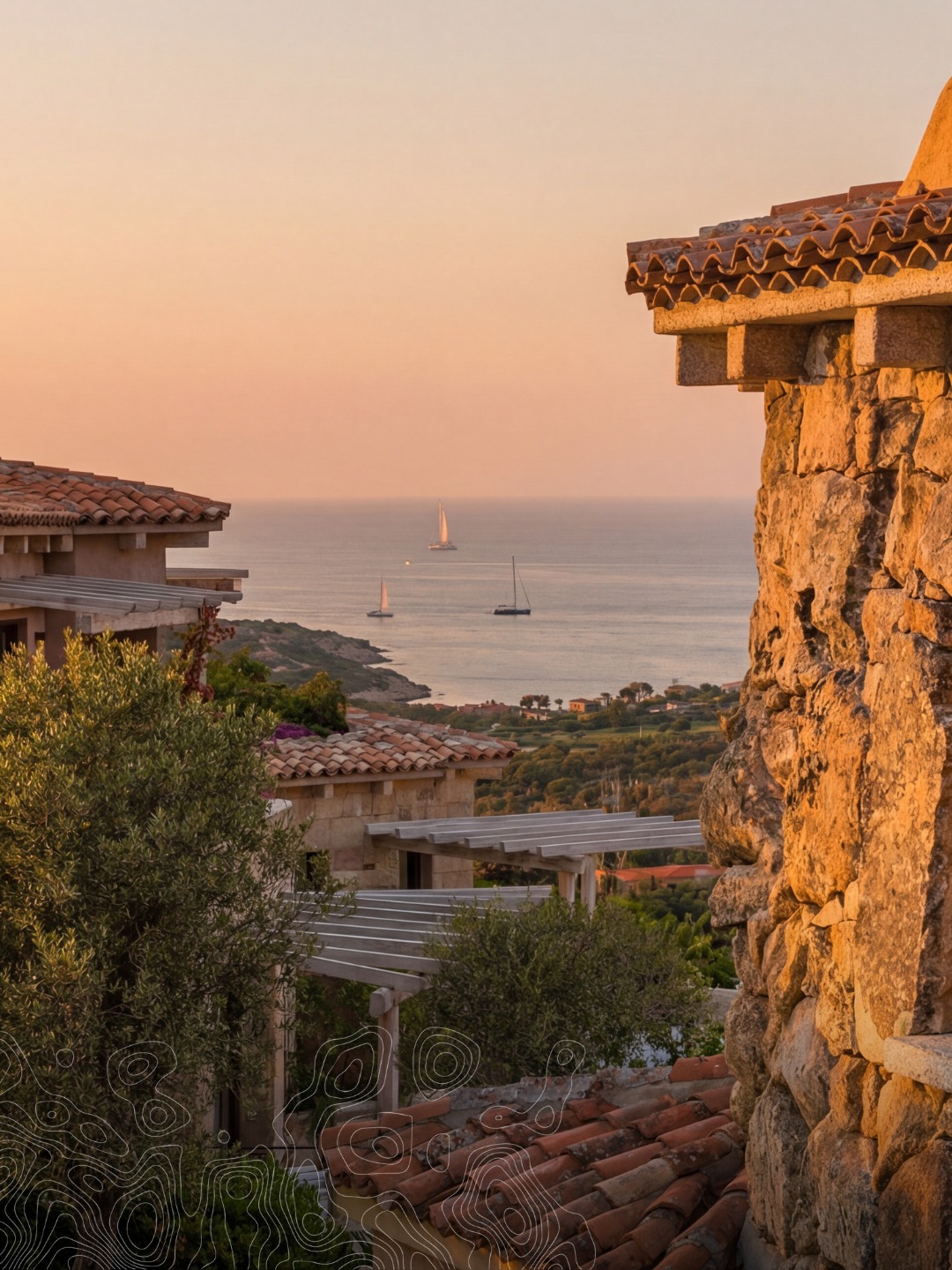
Cervo feels like a quieter version of the Italian Riviera. You’ll climb stone staircases through a medieval village that opens up to sea views at every level. At the top, the baroque Church of San Giovanni Battista overlooks everything.
Located about 10 km from Imperia, it’s small enough to explore in 1 to 2 hours. The town hosts an international chamber music festival each summer, bringing subtle cultural energy without overwhelming the space.
Come in the late afternoon. The golden light hits the buildings and sea in a way that feels almost staged.
What to do
- Climb to the church viewpoint
- Wander narrow alleys
- Relax at nearby beaches
Practical intel
- Time needed: 1 to 3 hours
- Best time: Spring to early autumn
- Budget: Low
- Access: Car or train nearby
Best for
Quiet Riviera charm
19. Bosa
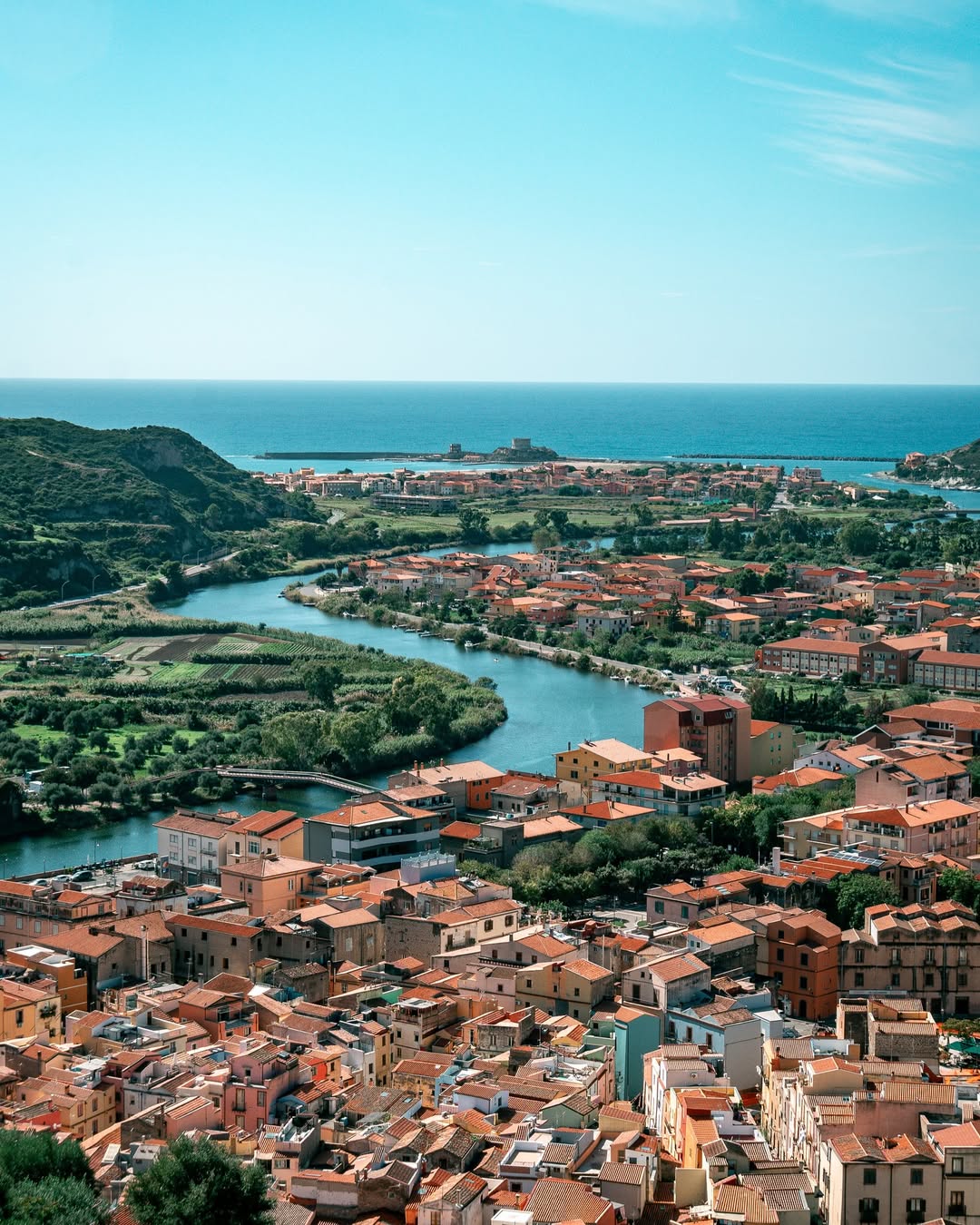
Bosa feels playful. Brightly colored houses line the Temo River, the only navigable river in Sardinia, and a medieval castle rises above it all. It’s vibrant but still local, not overrun.
It’s about 45 km from Alghero, and you can explore the town in 3 to 4 hours. Malaspina Castle entry is around €5 and gives wide views over the town and coastline.
Walk along the river at sunset. The reflections double the colors, and the atmosphere slows down noticeably.
What to do
- Visit Malaspina Castle
- Walk along the riverfront
- Explore historic streets
Practical intel
- Time needed: Half day
- Best time: April to October
- Budget: Affordable
- Access: Car recommended
Best for
Colorful scenery and relaxed pace
20. Furore Fjord
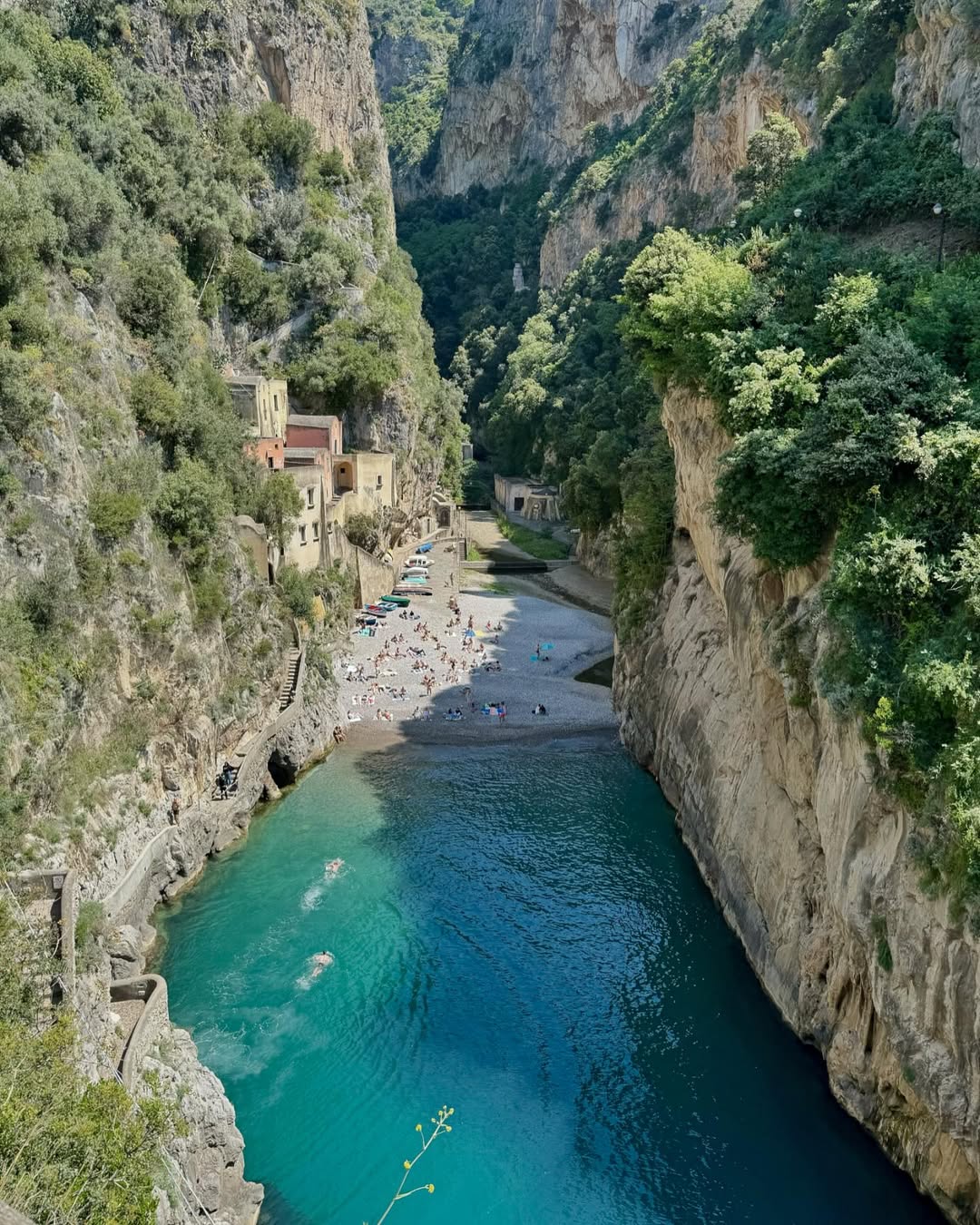
This is one of the most dramatic spots on the Amalfi Coast, yet many people miss it. A narrow fjord cuts into the cliffs, with a small hidden beach at the bottom and a bridge towering about 30 meters above.
It’s located between Amalfi and Positano. Access requires descending about 200 steps, which keeps crowds relatively low. Entry is free, and most people spend 1 to 2 hours here.
If you time it right, you might see cliff divers jumping from the bridge during summer events.
What to do
- Swim in the secluded cove
- Walk down the staircase
- Photograph the dramatic cliffs
Practical intel
- Entry: Free
- Time needed: 1 to 2 hours
- Best time: Morning for sunlight
- Access: Bus or car + stairs
Best for
Hidden coastal drama
21. Sabbioneta
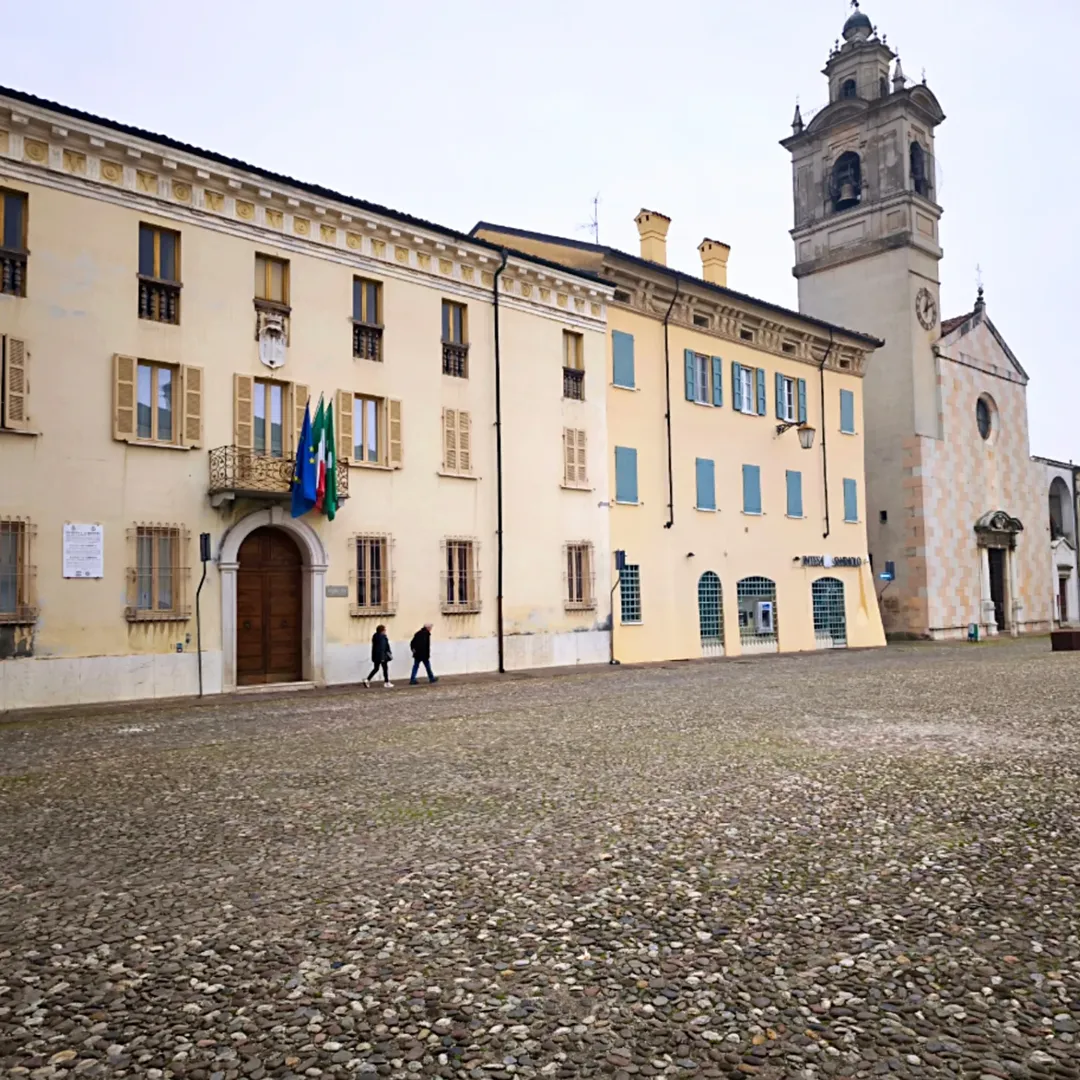
Sabbioneta feels precise. Built in the 16th century as an “ideal city,” its layout is geometric, balanced, and surprisingly modern in concept. You’ll notice how everything aligns.
It’s about 30 km from Mantua and is a UNESCO World Heritage site. Combined tickets for major attractions cost around €10, and exploring takes 2 to 3 hours.
Unlike busier historic cities, here you’ll have space to actually notice the design details.
What to do
- Visit Teatro all’Antica
- Walk along city walls
- Explore Piazza Ducale
Practical intel
- Time needed: 2 to 3 hours
- Best time: Spring or autumn
- Budget: Low
- Access: Car recommended
Best for
Architecture and quiet history
22. Erice
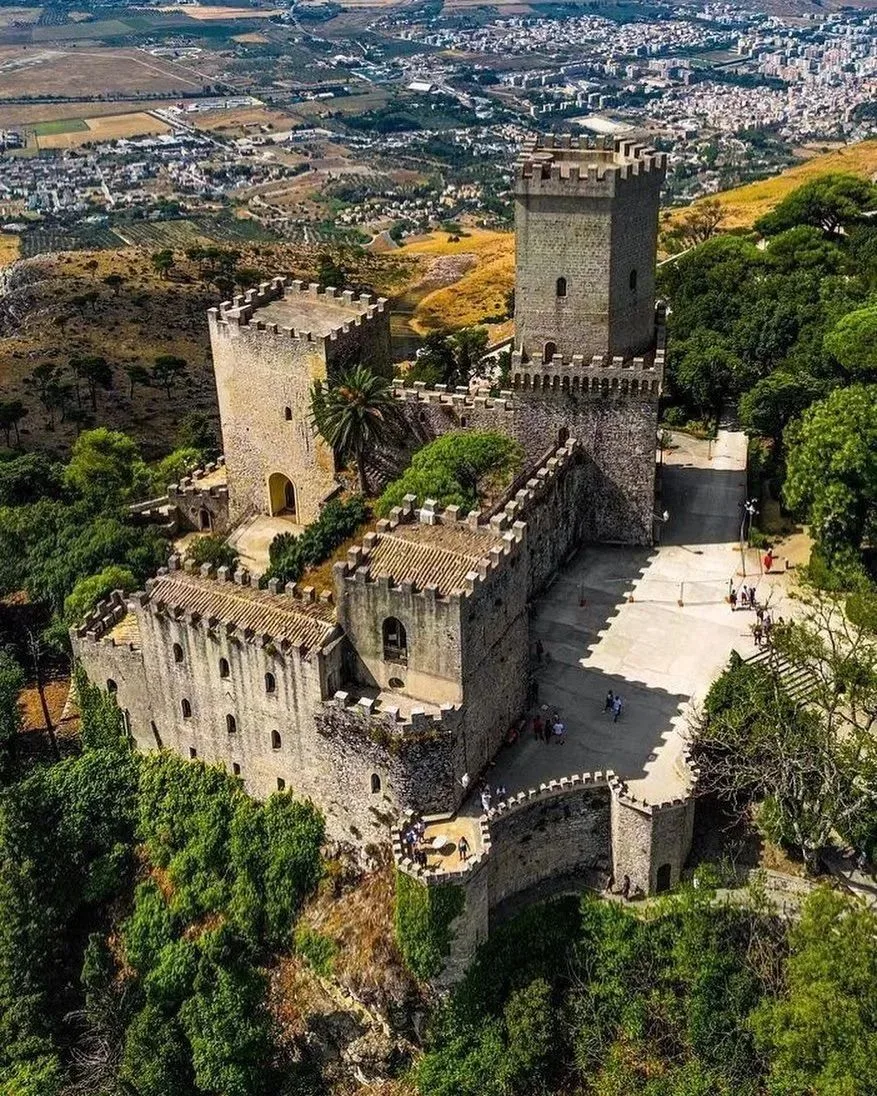
Perched 750 meters above sea level, Erice feels suspended in the clouds. Cobblestone streets, stone walls, and sudden views of the sea below create a constant sense of elevation.
It’s about 15 km from Trapani, and you can reach it by cable car in 10 minutes for around €10 round trip. Most visitors spend 2 to 4 hours exploring.
Fog often rolls through unexpectedly, giving the town an almost mystical feel.
What to do
- Walk medieval streets
- Visit Venus Castle ruins
- Take the cable car
Practical intel
- Cable car: ~€10
- Time needed: Half day
- Best time: Spring or autumn
- Access: Cable car or car
Best for
Mountain views and atmosphere
23. Lago di Braies
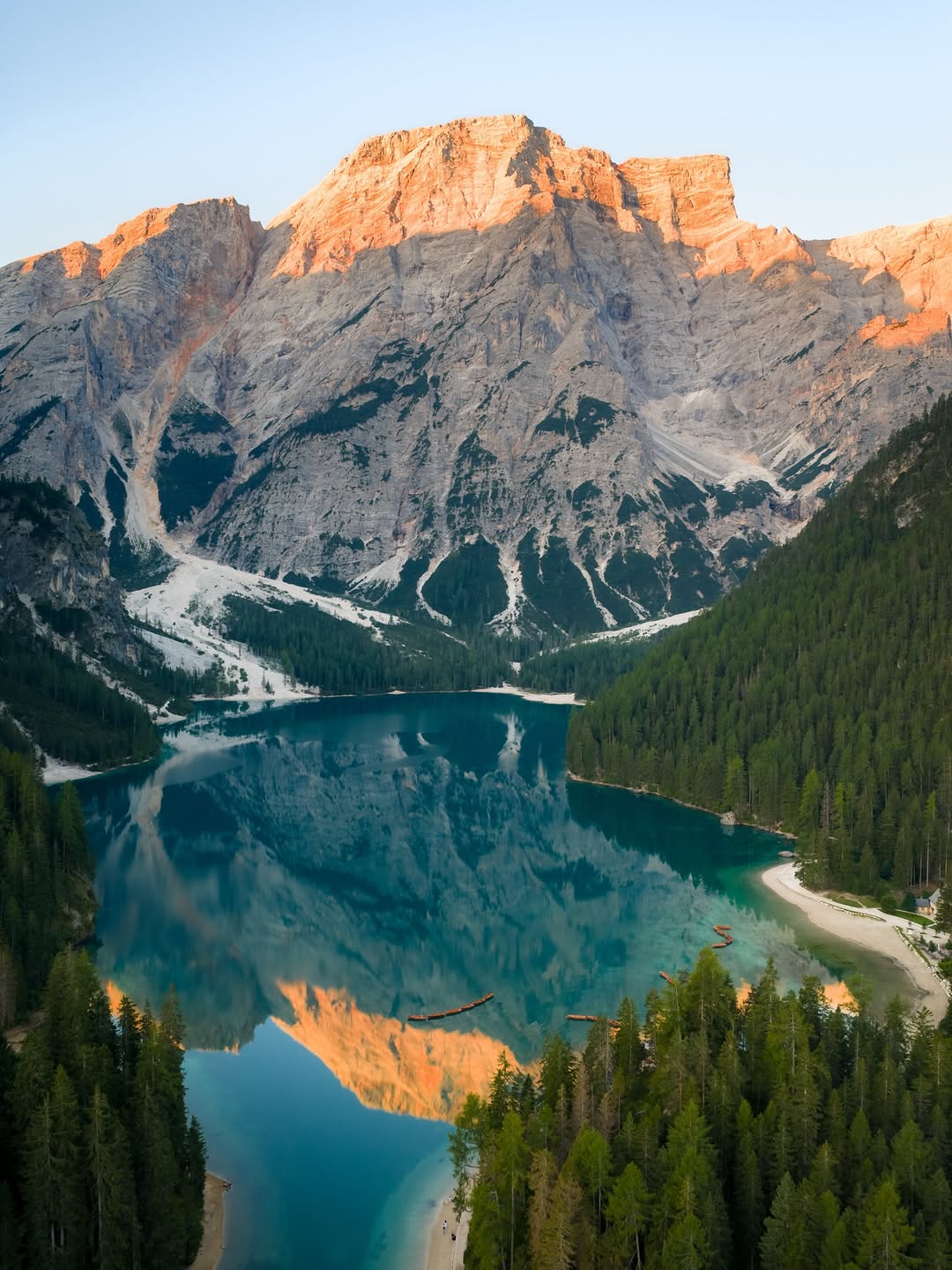
You’ve probably seen photos, but being here feels different. The water shifts between emerald and deep blue, reflecting steep Dolomite peaks that rise directly from the shoreline.
It’s about 100 km from Bolzano, and the full loop around the lake is 3.5 km, taking roughly 1.5 hours. Rowboats cost around €30 for 30 minutes in peak season.
Arrive before 9 AM if you want to experience the lake without heavy crowds. By midday, it gets busy.
What to do
- Walk the lake loop
- Rent a wooden rowboat
- Photograph sunrise reflections
Practical intel
- Entry: Free, parking ~€10
- Time needed: 2 to 3 hours
- Best time: Early morning
- Access: Car or shuttle
Best for
Iconic alpine scenery without long hikes




COMMENTS
Please note that all comments will be checked by our team before being approved.