24 Hidden Gems in Switzerland For 2026 That Most Tourists Miss When Sticking To The Main Cities
Looking to uncover Switzerland’s best kept secrets beyond the usual hotspots? These 24 hidden gems in Switzerland are quiet, enchanting, and wonderfully offbeat, perfect for discovering lesser known beauty, escaping the crowds, and experiencing a more intimate side of this stunning country.

Switzerland is often known for its famous peaks and cities, but beyond them lies a quieter, more intimate side. These hidden gems let you step away from the crowds and into places that feel personal and untouched.
As you explore, you begin to notice the small details. The sound of a distant waterfall, the calm of an alpine lake at sunrise, or the slow rhythm of a traditional village. It becomes less about checking places off and more about truly experiencing them.
That is what makes these spots special. It is not just their beauty, but how they make you feel. Here are 24 hidden gems in Switzerland that offer a deeper, more authentic travel experience.
1. Val Verzasca (Ticino)
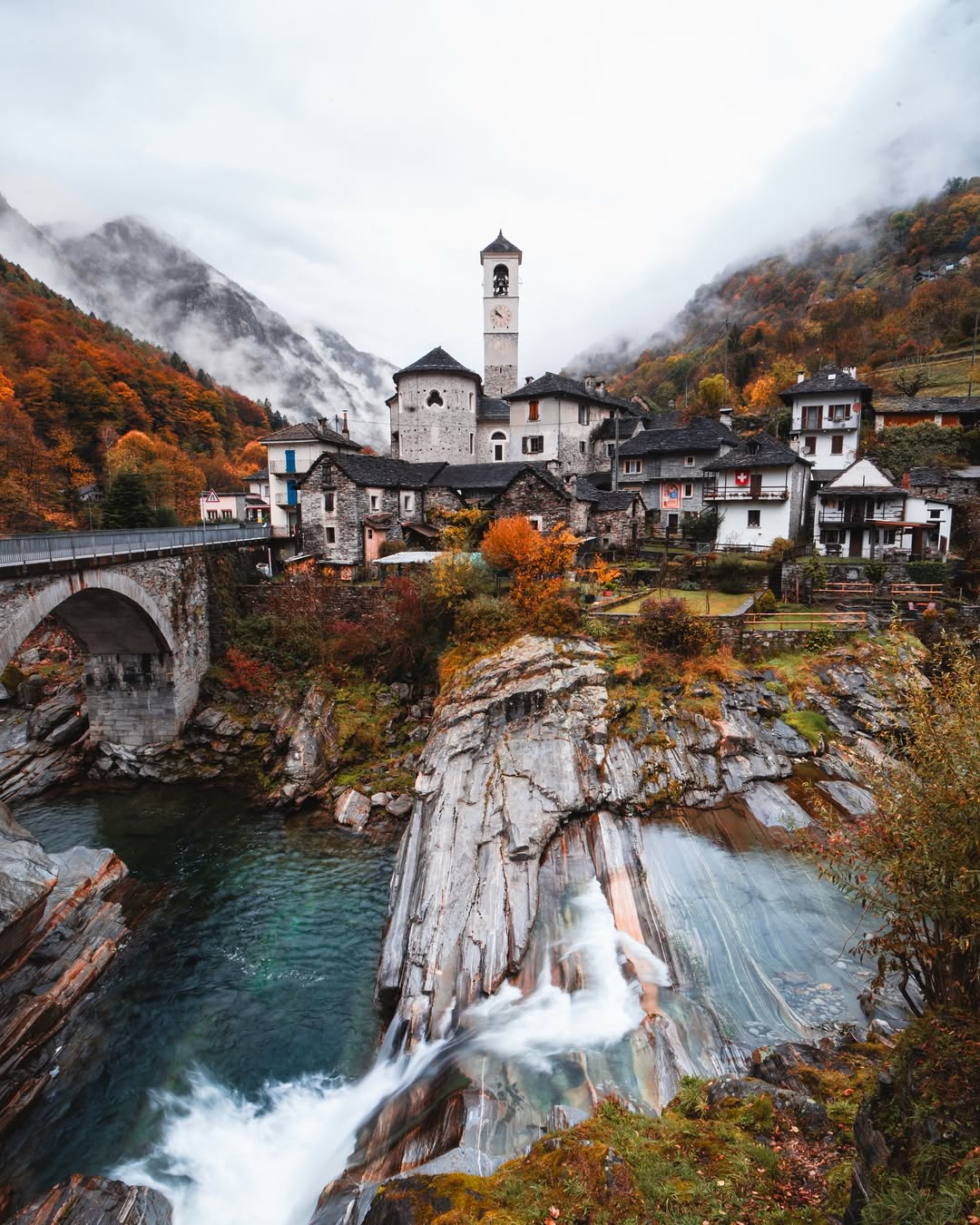
The first thing you’ll notice is the water. It is impossibly clear, with emerald and turquoise tones that shift as clouds pass overhead. As you walk along the stone paths near Lavertezzo, the sound of rushing water echoes through the valley, and the famous double-arched Roman bridge suddenly appears like something out of a painting.
Val Verzasca stretches roughly 25 km, and the river remains one of the cleanest in Europe. In summer, water temperatures hover around 10–15°C, which explains why locals dip in briefly rather than swim for long. The valley is less crowded than nearby Lake Maggiore, even in peak July and August.
If you go early in the morning, you’ll have entire sections of the river to yourself. By midday, day-trippers start arriving, especially near the bridge.
What to do
- Walk across the Ponte dei Salti and explore nearby rock pools
- Take a short hike toward Sonogno village
- Try a quick cold plunge in the natural basins
Practical intel
- Best time: May to September, early morning for fewer crowds
- Cost: Free access, parking around CHF 5–10
- Getting there: 30 minutes from Locarno by car
Best for
Nature lovers, photographers, quiet exploration
2. Aletsch Forest (Valais)
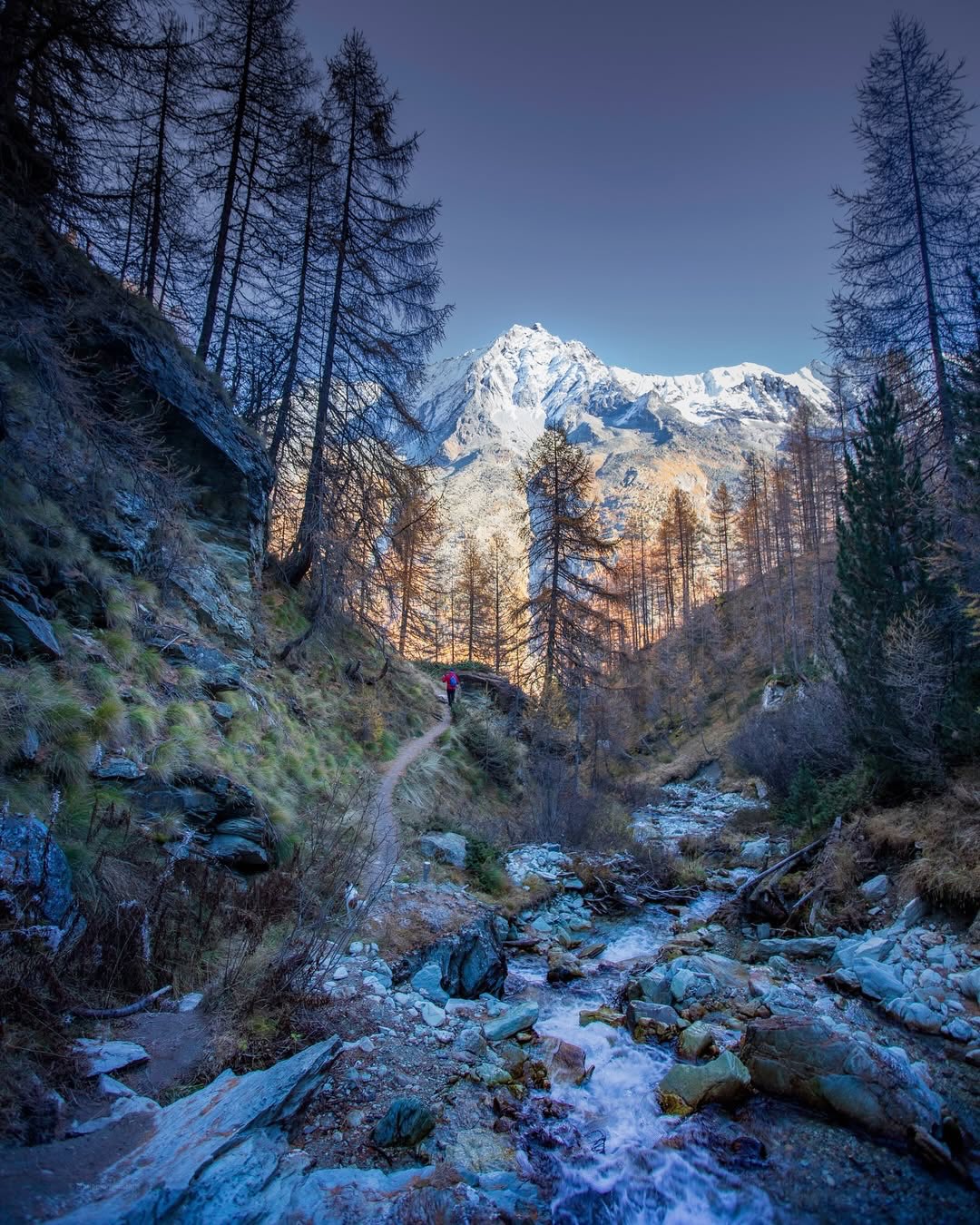
Walking here feels ancient. The trees are twisted and weathered, some over 900 years old, and the air carries a resinous scent that instantly slows your pace. Through breaks in the forest, you’ll catch sudden glimpses of the massive Aletsch Glacier, the largest in the Alps.
The forest sits above 2,000 meters elevation and forms part of the Aletsch Glacier UNESCO area. Trails range from 3 km easy loops to 12 km hikes, and despite the global recognition, visitor density is surprisingly low compared to Zermatt or Jungfrau.
If you go in late September, the golden larch trees create a surreal contrast against the icy blue glacier.
What to do
- Hike from Riederalp to Moosfluh viewpoint
- Spot ancient Swiss stone pines
- Pause at glacier viewpoints for long scenic breaks
Practical intel
- Best time: June to October
- Cable car access from Mörel to Riederalp
- Expect 2–5 hours depending on route
Best for
Hikers, solitude seekers, alpine landscapes without crowds
3. Creux du Van (Neuchâtel)
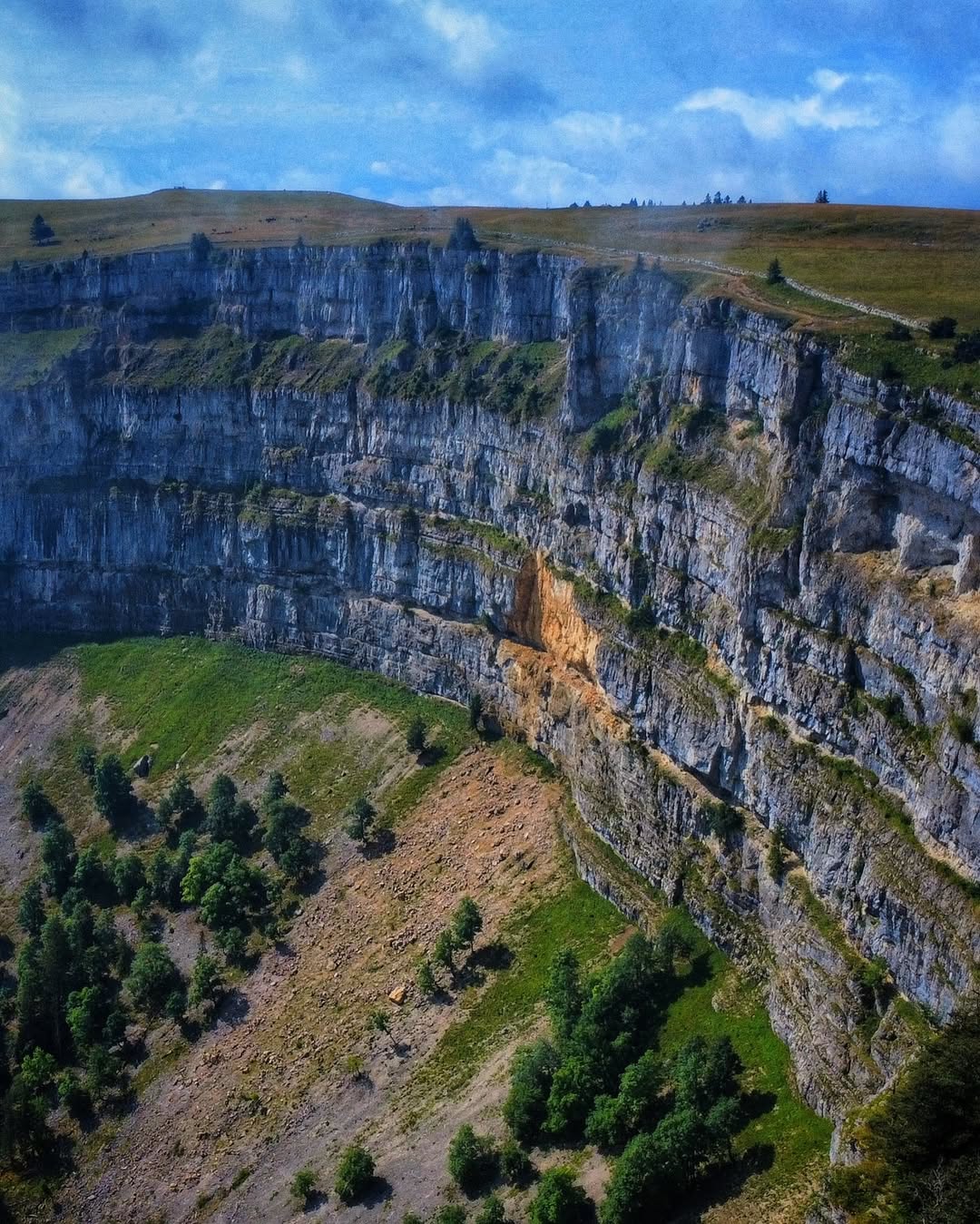
You won’t expect the scale until you reach the edge. Suddenly, the ground drops into a विशाल طبیعی amphitheater about 1,600 meters wide and 150 meters deep, with sheer limestone cliffs curving around you. Ibex often graze along the edges, completely unfazed by visitors.
The hike to the top typically takes 1.5 to 2 hours from Noiraigue, covering about 4.5 km one way. Despite its dramatic appearance, it’s still under-visited compared to Switzerland’s headline peaks.
If you arrive around sunrise, the light slowly spills into the bowl, creating a layered shadow effect that feels almost cinematic.
What to do
- Hike to the rim and walk along the cliff edge trail
- Watch for ibex and marmots
- Picnic with panoramic valley views
Practical intel
- Best time: May to October
- Free entry
- Moderate hike with steady incline
Best for
Scenic hikes, wildlife spotting, dramatic viewpoints
4. Soglio (Graubünden)
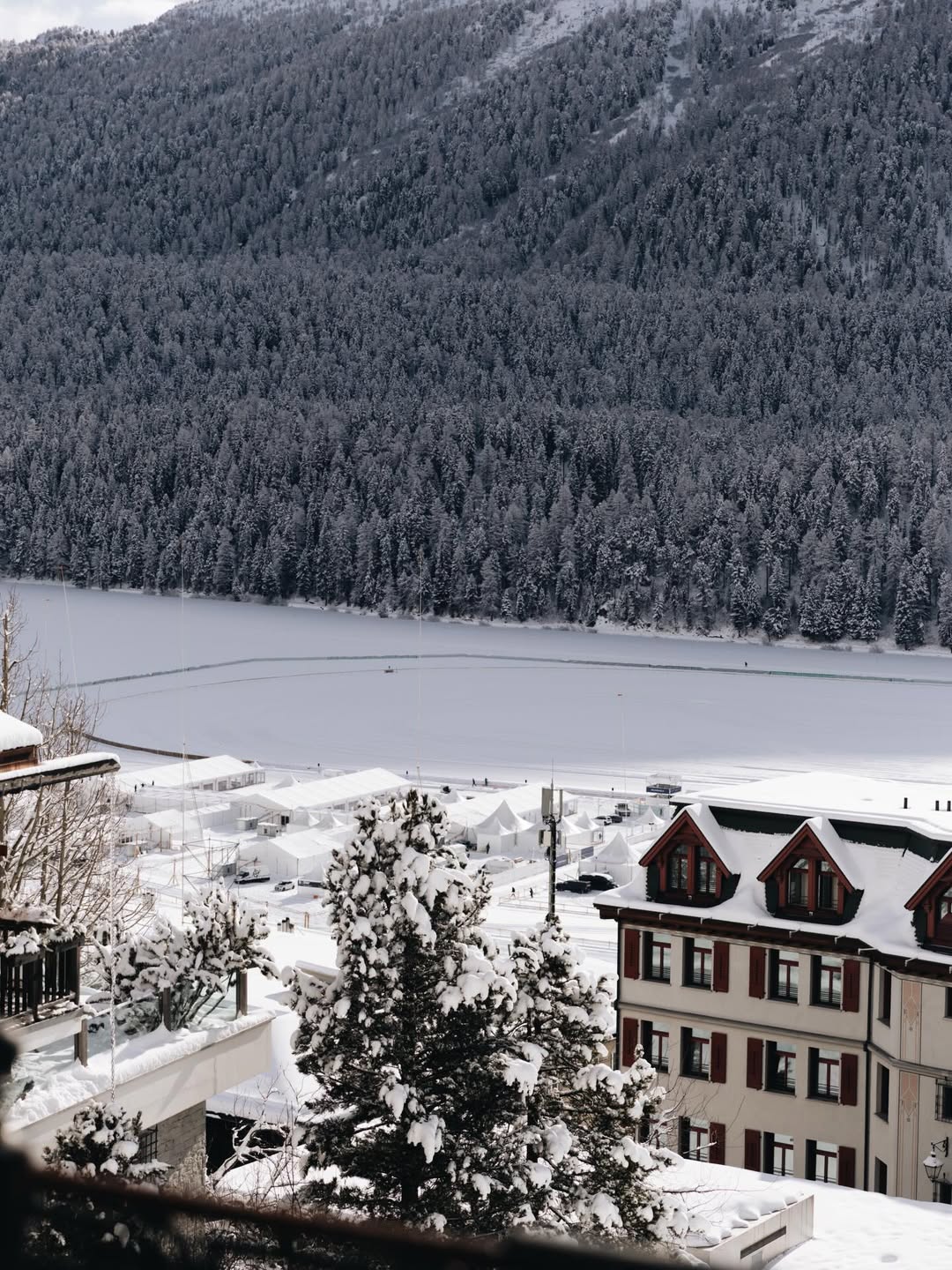
This village feels suspended in time. Stone houses cluster tightly along narrow lanes, and beyond them, the jagged peaks of the Bregaglia range rise sharply. You’ll notice how quiet it is, with only church bells and distant wind breaking the silence.
Soglio sits at 1,090 meters elevation and has fewer than 200 residents. It’s often called the “gateway to paradise,” a phrase coined by painter Giovanni Segantini. Unlike busier alpine villages, you can walk its entire historic center in under 30 minutes.
Late afternoon is the sweet spot, when the mountains glow warm and most day visitors have already left.
What to do
- Wander the old village streets
- Visit Palazzo Salis gardens
- Take a short panoramic hike toward Castasegna
Practical intel
- Best time: May to October
- Free to explore
- Bus access from Chiavenna or St. Moritz
Best for
Slow travel, culture, quiet mountain atmosphere
5. Oeschinen Lake (Bernese Oberland)
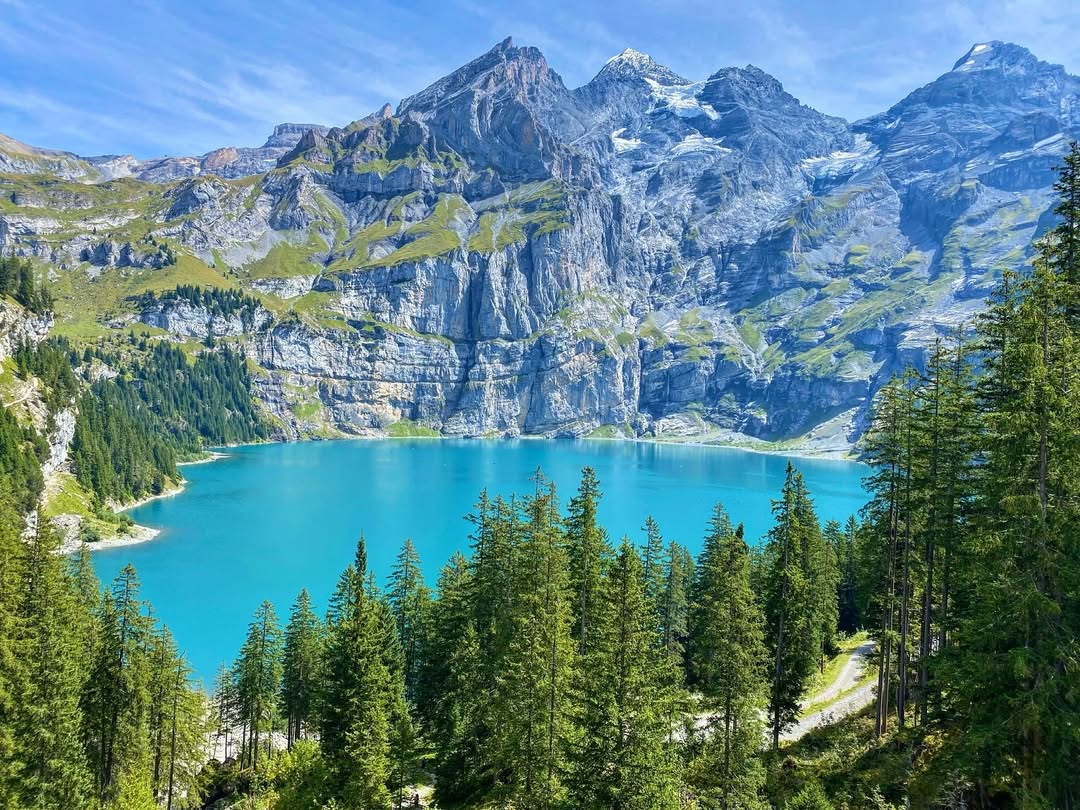
While not completely unknown, most visitors only scratch the surface here. When you reach the lake, the color stands out immediately, a deep alpine blue framed by steep cliffs and waterfalls cascading from heights of over 300 meters.
The lake sits at 1,578 meters and is accessible via a 30-minute gondola ride from Kandersteg, followed by a 25-minute walk. Many people stop at the main viewpoint, but if you continue along the shoreline trail, you’ll find quieter sections within 10–15 minutes.
If you arrive before 9 AM, you’ll experience a completely different place compared to the midday rush.
What to do
- Walk the lakeside trail for quieter views
- Rent a rowboat for about CHF 30 per hour
- Hike toward Oberbärgli for elevated perspectives
Practical intel
- Best time: June to September
- Gondola: ~CHF 30 round trip
- 2 to 4 hours ideal visit time
Best for
Relaxed exploration, alpine lakes, light hiking
6. Binn Valley (Valais)
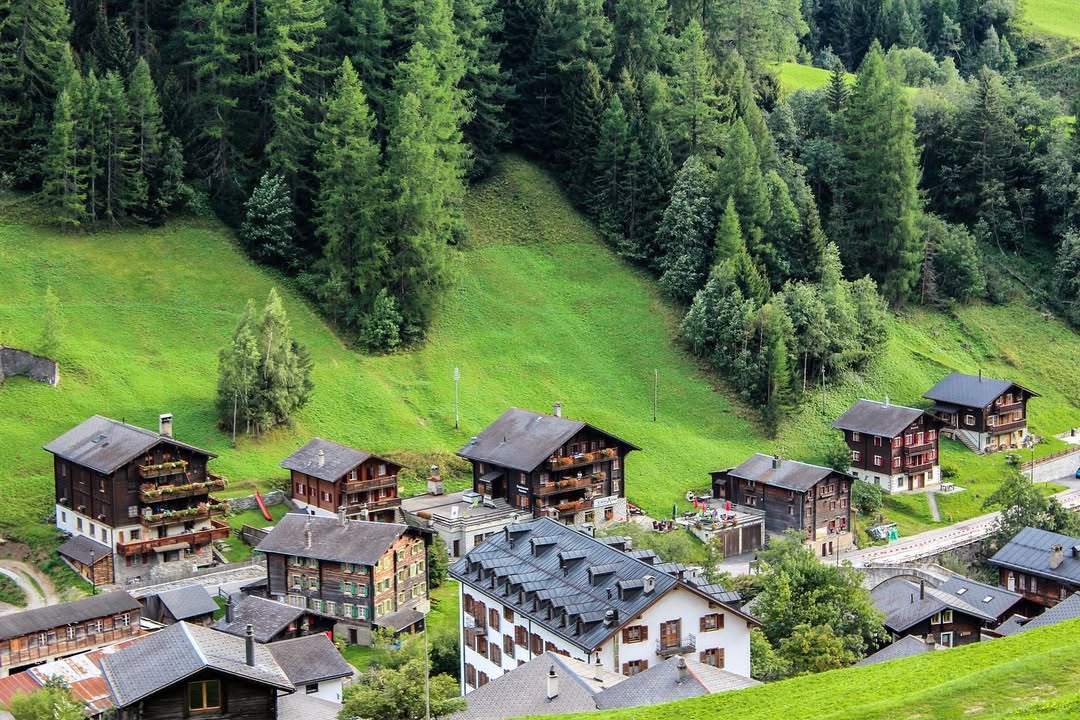
The moment you enter Binn Valley, you’ll feel the shift. The roads narrow, traffic disappears, and the landscape opens into a quiet alpine world where traditional wooden houses sit against steep green slopes. It feels untouched, almost deliberately hidden.
The valley stretches about 10 km and is part of a regional nature park known for rare minerals and biodiversity. There are over 250 km of hiking trails in the wider area, yet visitor numbers remain low compared to nearby Zermatt. The village of Binn itself sits at 1,400 meters elevation.
If you go in late June or early July, wildflowers cover the valley floor. It’s one of the best times to experience it slowly.
What to do
- Hike along the Binntal Landscape Park trails
- Visit old wooden houses in Binn village
- Look for mineral-rich rocks in designated areas
Practical intel
- Best time: June to September
- Free access
- Bus from Brig takes about 45 minutes
Best for
Quiet hiking, nature immersion, off-grid alpine vibes
7. Lauterbrunnen Valley Waterfalls (Bernese Oberland)
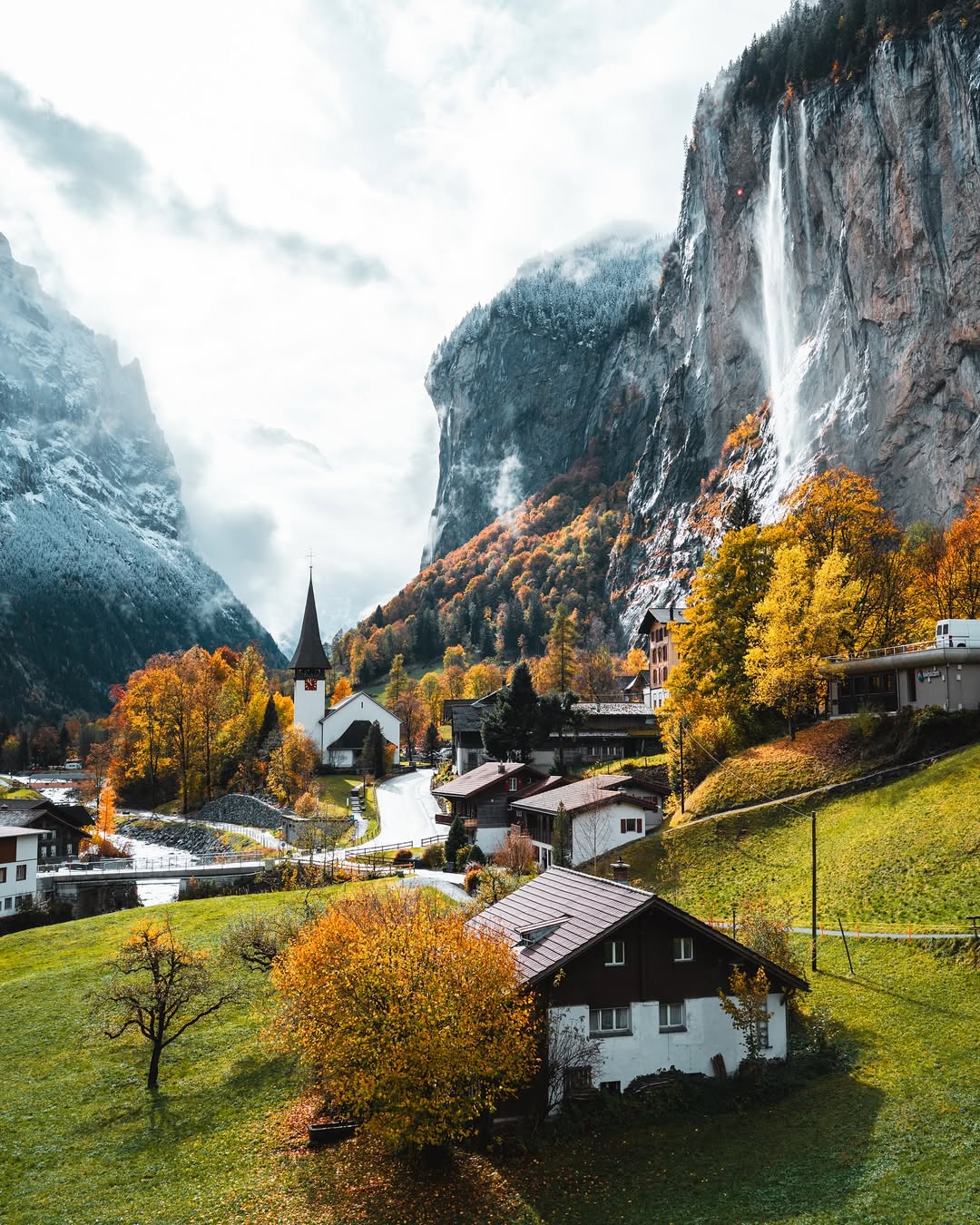
You’ll hear it before you see it. Water cascading from impossible heights, echoing across a valley lined with sheer cliffs. Lauterbrunnen has 72 waterfalls, many dropping from heights of 200 to 300 meters, creating a constant mist in the air.
Most visitors stop at the main village, but the real magic happens when you walk further toward Stechelberg. The full valley walk is about 7 km one way, and within 20 minutes, the crowds thin out dramatically.
If you go early morning, the valley feels almost surreal, with low clouds drifting between cliffs and waterfalls catching the first light.
What to do
- Walk or cycle from Lauterbrunnen to Stechelberg
- Visit Trümmelbach Falls inside the mountain
- Stop for photos near Staubbach Falls
Practical intel
- Best time: May to October
- Trümmelbach Falls entry: ~CHF 12
- Flat, easy walking trail
Best for
Scenic walks, waterfalls, relaxed exploration
8. Ascona Old Town (Ticino)
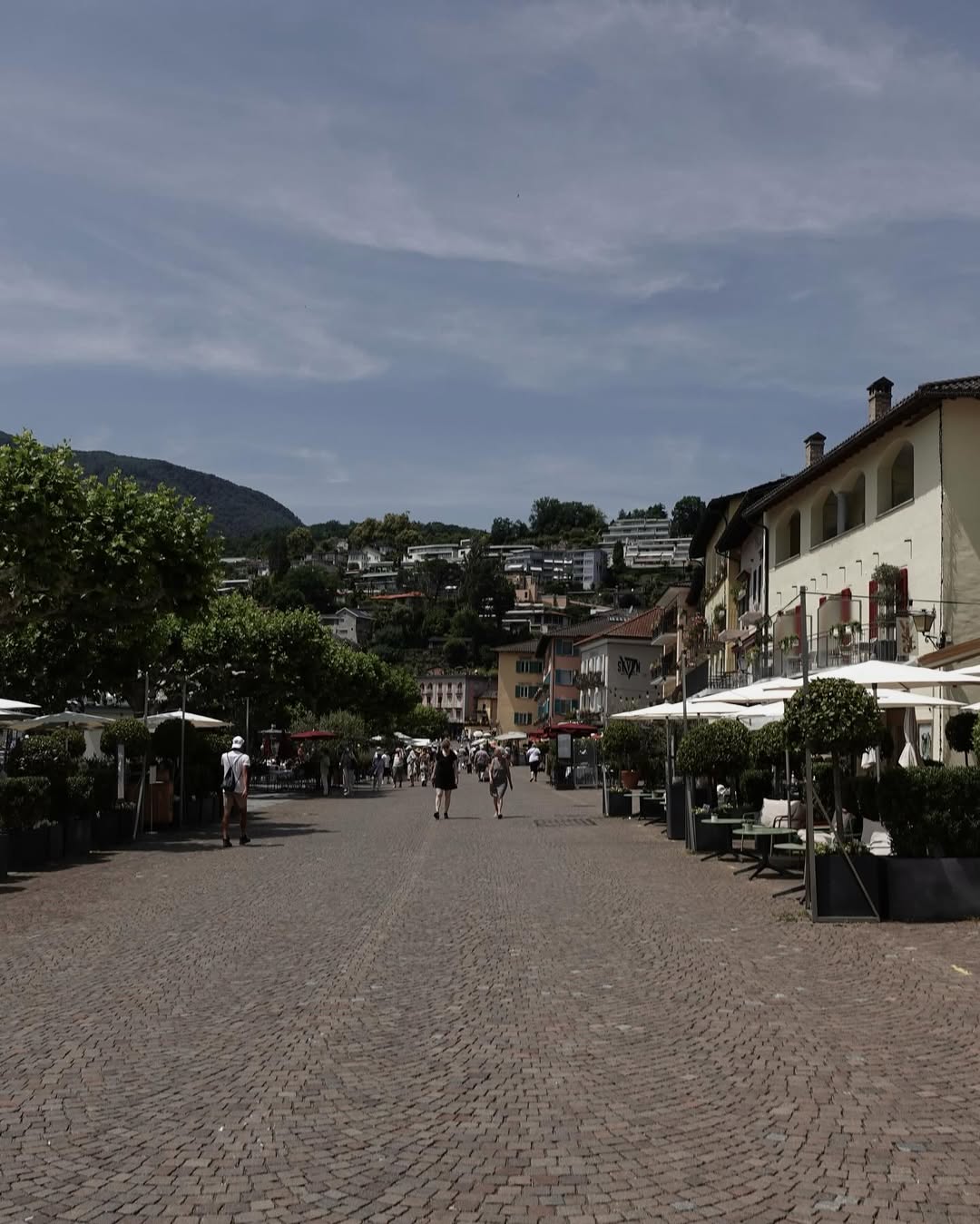
There’s a Mediterranean feel here that you won’t expect in Switzerland. Palm trees line the promenade, pastel buildings reflect off the lake, and the pace is noticeably slower. You’ll notice people lingering over coffee rather than rushing.
Ascona sits on Lake Maggiore, at just 196 meters elevation, making it one of the lowest points in Switzerland. The old town is compact, and you can explore it in about 1 to 2 hours, but it rewards staying longer, especially in the evening.
If you stay until sunset, the light over the lake softens everything. It’s when the town feels most alive.
What to do
- Walk along the lakeside promenade
- Explore narrow streets in the old town
- Take a short boat ride on Lake Maggiore
Practical intel
- Best time: April to October
- Free to explore, cafés CHF 5–10 range
- 10 minutes from Locarno
Best for
Slow travel, lakeside relaxation, culture
9. Morteratsch Glacier (Graubünden)
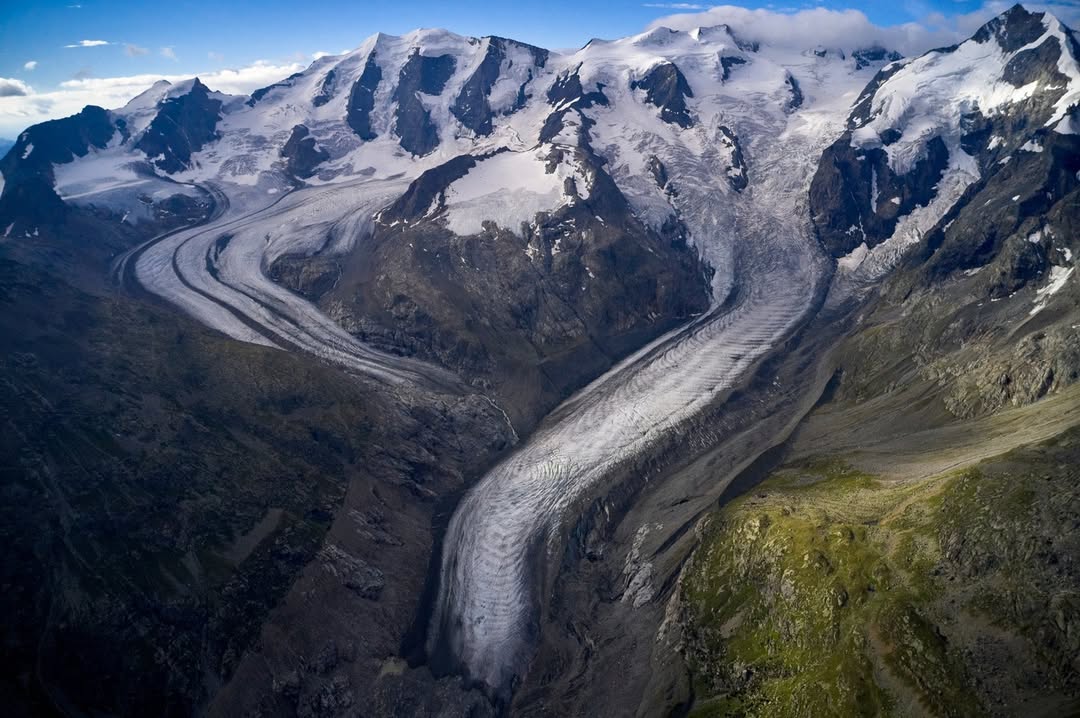
This is one of the easiest glaciers in Switzerland to experience up close. You’ll walk along a well-marked trail where signs show how far the glacier has retreated over time, making the scale of climate change feel very real.
The hike from the station to the glacier viewpoint is about 3 km one way, mostly flat, taking around 1 to 1.5 hours. The glacier itself stretches roughly 7 km, and you can get surprisingly close compared to other alpine glaciers.
If you go in the morning, the light hits the ice in a way that brings out deep blue tones.
What to do
- Walk the glacier trail with educational markers
- Photograph the ice formations
- Continue hiking toward higher alpine routes
Practical intel
- Best time: June to September
- Free access
- Train stop: Morteratsch on the Bernina line
Best for
Accessible glacier experience, light hiking, education
10. Appenzell Village (Appenzell Innerrhoden)
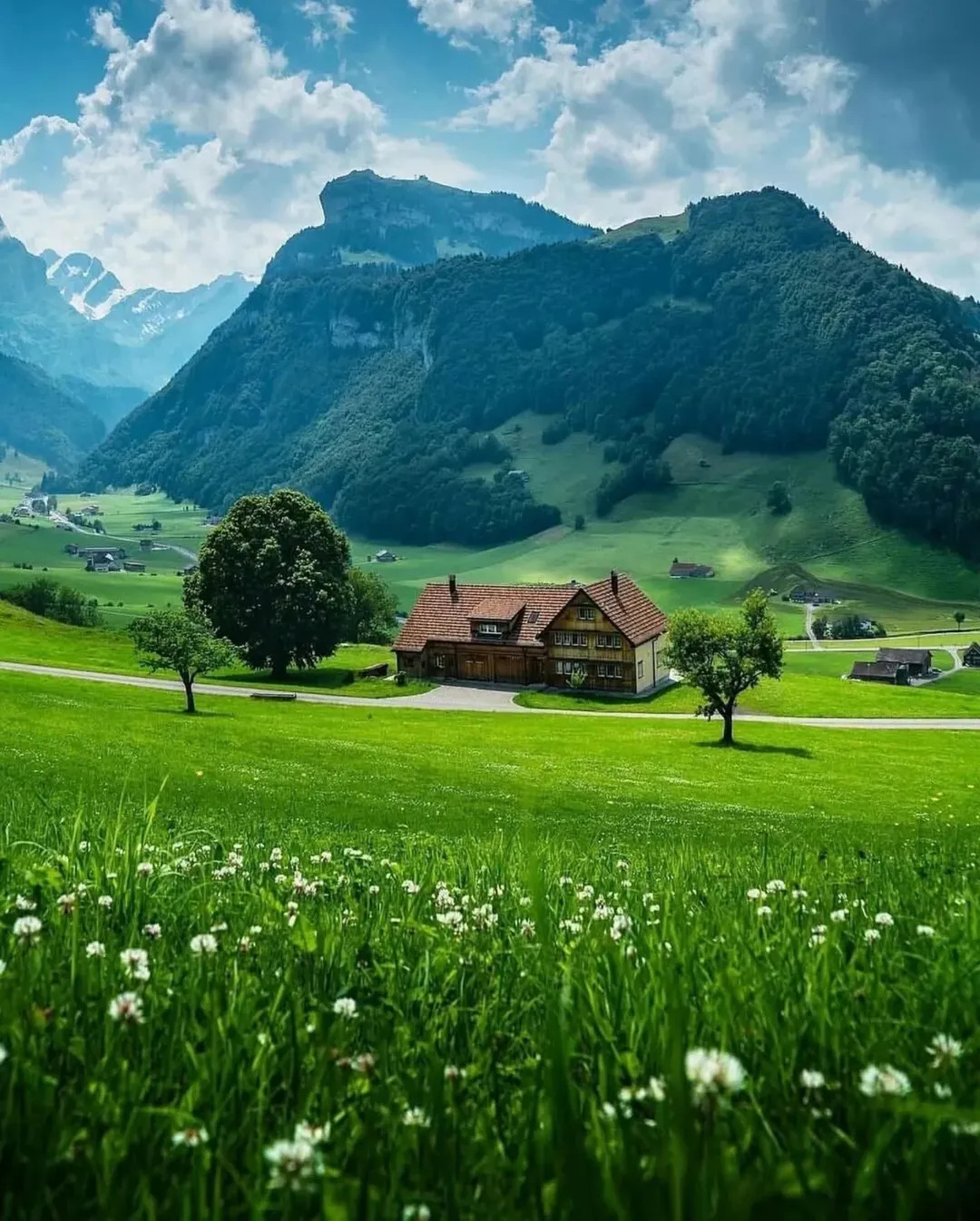
This place feels playful and deeply traditional at the same time. Houses are painted in bright colors with intricate facades, and locals still follow centuries-old customs. You’ll notice the details immediately, from hand-painted signs to people in traditional dress.
The village has around 7,000 residents and sits at 780 meters elevation. It’s compact enough to explore in under 2 hours, but the surrounding hills offer plenty of short hikes. It’s also famous for Appenzeller cheese, produced in the region for over 700 years.
If you go midweek, you’ll avoid day-trip crowds and experience a more authentic rhythm.
What to do
- Walk through the colorful old town
- Visit a local cheese dairy
- Take a short hike into the surrounding hills
Practical intel
- Best time: May to October
- Free village access
- 2-hour train ride from Zurich
Best for
Culture, local traditions, charming small-town feel
11. Rosenlaui Valley (Bernese Oberland)
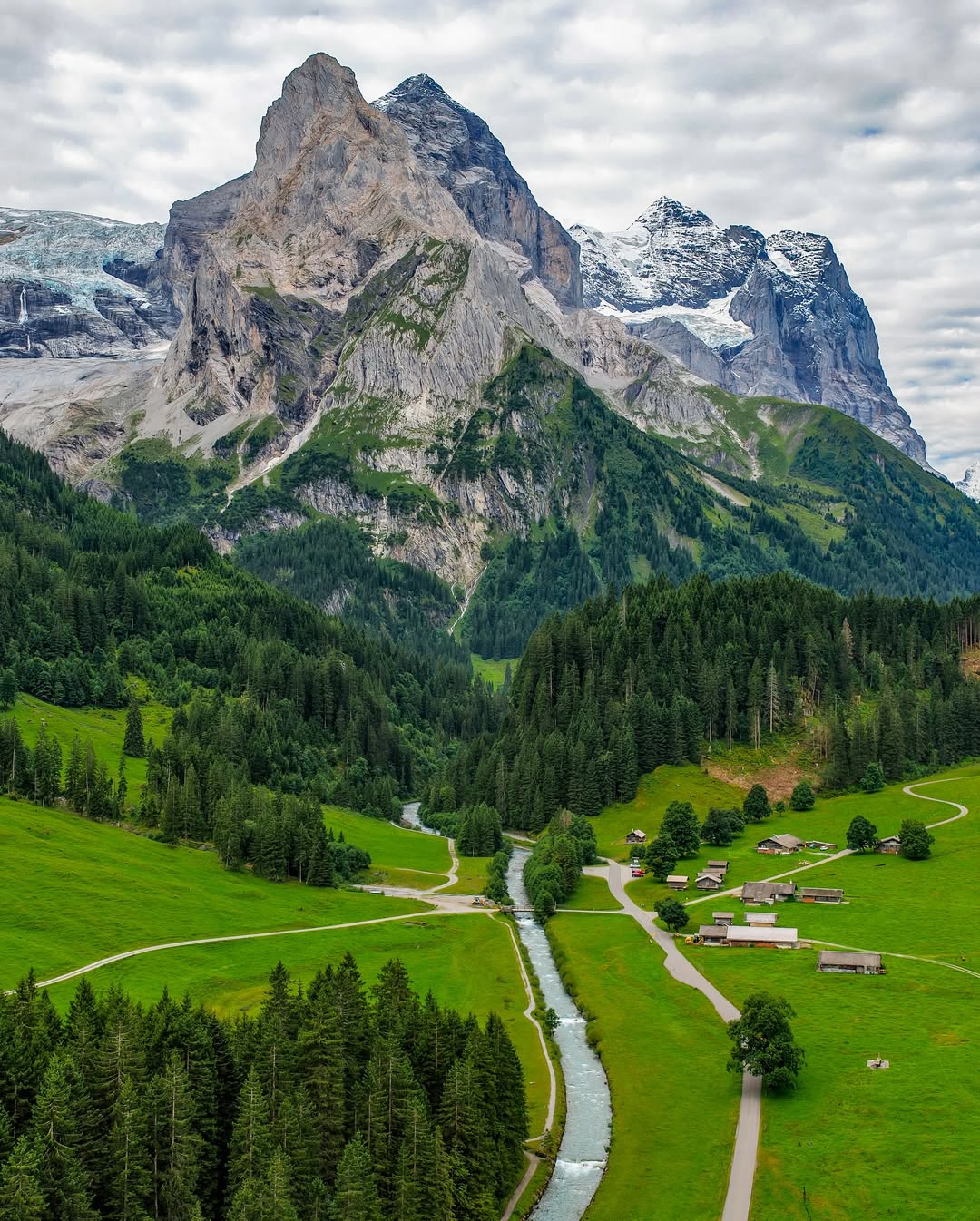
You’ll feel the isolation almost immediately here. The road into Rosenlaui narrows, cliffs rise on both sides, and the sound of waterfalls echoes constantly. It’s one of those valleys where you naturally slow down without trying.
The highlight is the Rosenlaui Glacier Gorge, where wooden walkways take you through narrow rock walls carved by water over thousands of years. The gorge itself is about 200 meters long, and the walk takes 30 to 45 minutes, but the surrounding valley offers several 2 to 5 hour hikes.
If you go early in the day, you’ll hear nothing but rushing water and wind through the trees. By afternoon, a few more hikers arrive, but it never feels crowded.
What to do
- Walk through the Rosenlaui Glacier Gorge
- Hike toward the Rosenlaui Glacier viewpoints
- Stop at the historic Hotel Rosenlaui
Practical intel
- Gorge entry: ~CHF 10
- Best time: May to October
- Access via Meiringen, about 30 minutes by car
Best for
Hidden alpine valleys, short adventures, dramatic nature
12. Lavaux Vineyards (Lake Geneva Region)
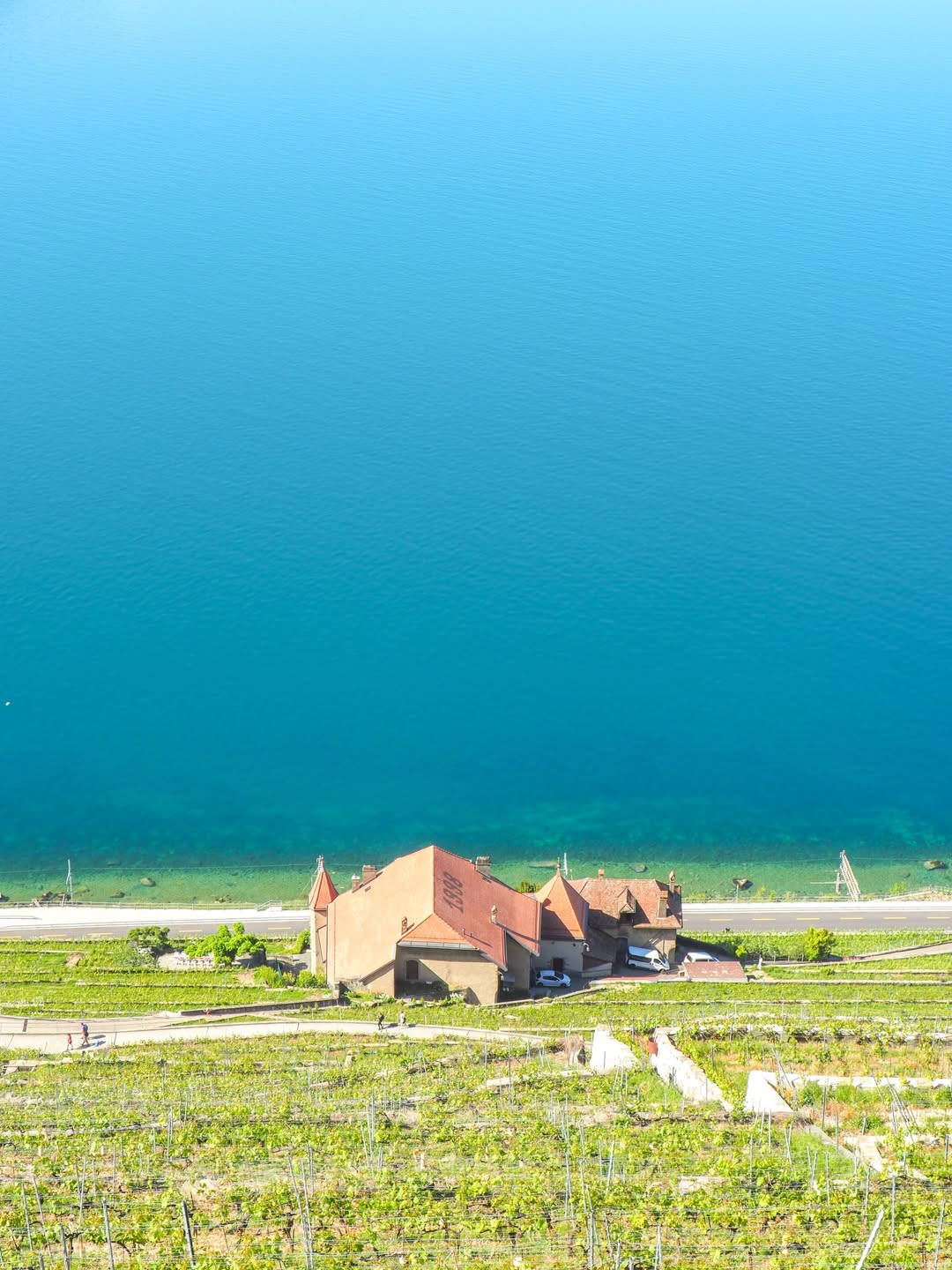
The first thing you’ll notice is the geometry. Endless rows of vineyards cascade down toward Lake Geneva, perfectly aligned, with the Alps rising across the water. It feels both natural and carefully designed at the same time.
Lavaux stretches about 30 km along the lake and is a UNESCO World Heritage site. The walking paths between vineyards cover over 100 km, and you can easily do a 2 to 4 hour section between villages like Saint-Saphorin and Epesses. Wine here has been cultivated since at least the 11th century.
If you go in late afternoon, the light reflects off the lake and warms the terraces, making it one of the most photogenic moments of the day.
What to do
- Walk vineyard trails between small villages
- Taste local Chasselas wines
- Stop at viewpoints overlooking Lake Geneva
Practical intel
- Best time: April to October, harvest in September
- Wine tastings: CHF 10–20
- Easy train access along the lake
Best for
Scenic walks, wine lovers, slow travel
13. Trift Bridge (Bernese Oberland)
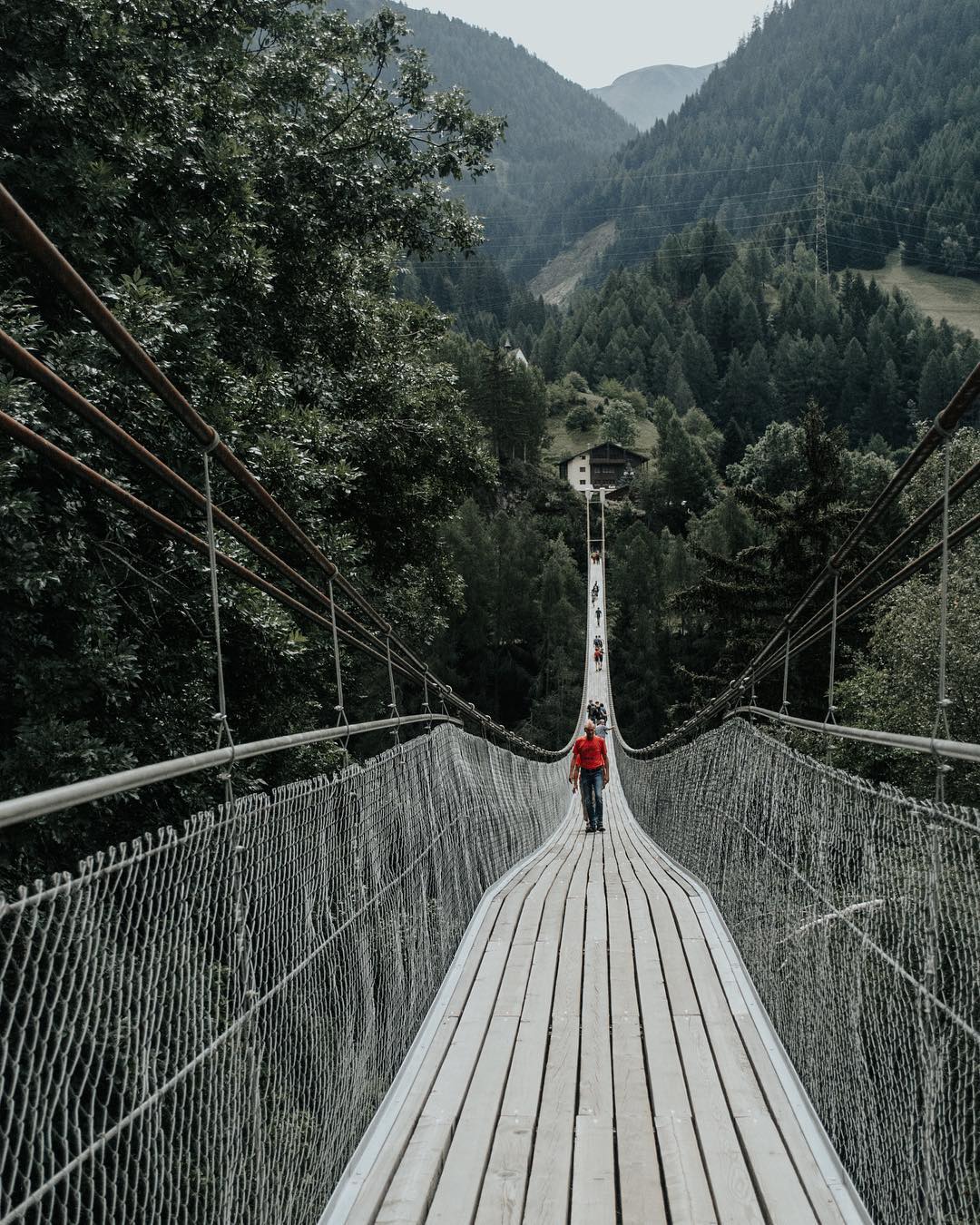
This is not a casual viewpoint. You’ll feel the adrenaline as soon as you step onto the bridge. Suspended high above a glacial valley, Trift Bridge stretches 170 meters long and sits about 100 meters above the ground, swaying slightly as you walk across.
To reach it, you’ll take a cable car and then hike about 1.5 to 2 hours each way. The trail is moderately challenging but well-marked. Unlike Switzerland’s more famous attractions, this one still requires effort, which keeps crowds relatively low.
If you go on a weekday morning, you might have the bridge nearly to yourself. Weather matters here, so clear days are best.
What to do
- Cross the suspension bridge
- Hike to Trift Glacier viewpoints
- Photograph the turquoise glacial lake below
Practical intel
- Cable car: ~CHF 20–30
- Total time: 4 to 6 hours round trip
- Best time: June to October
Best for
Adventure seekers, unique experiences, hiking with a goal
14. Viamala Gorge (Graubünden)
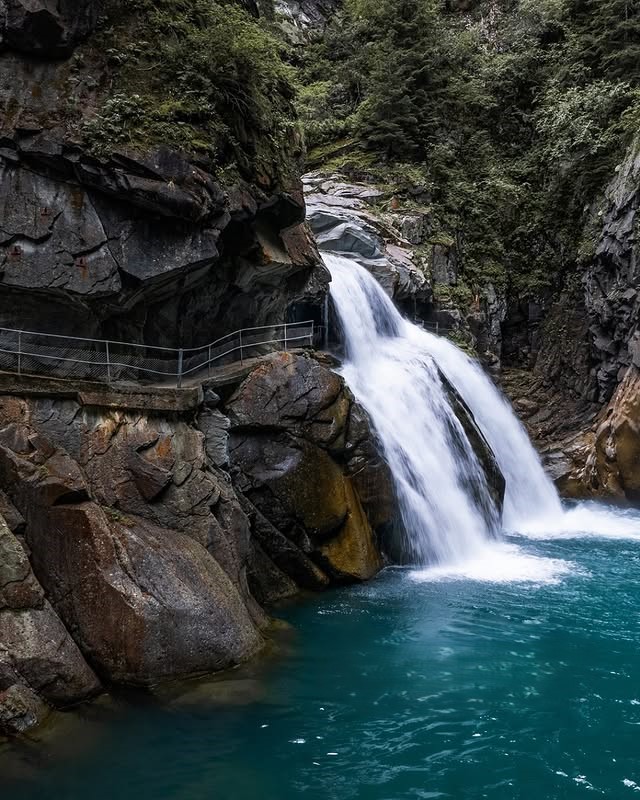
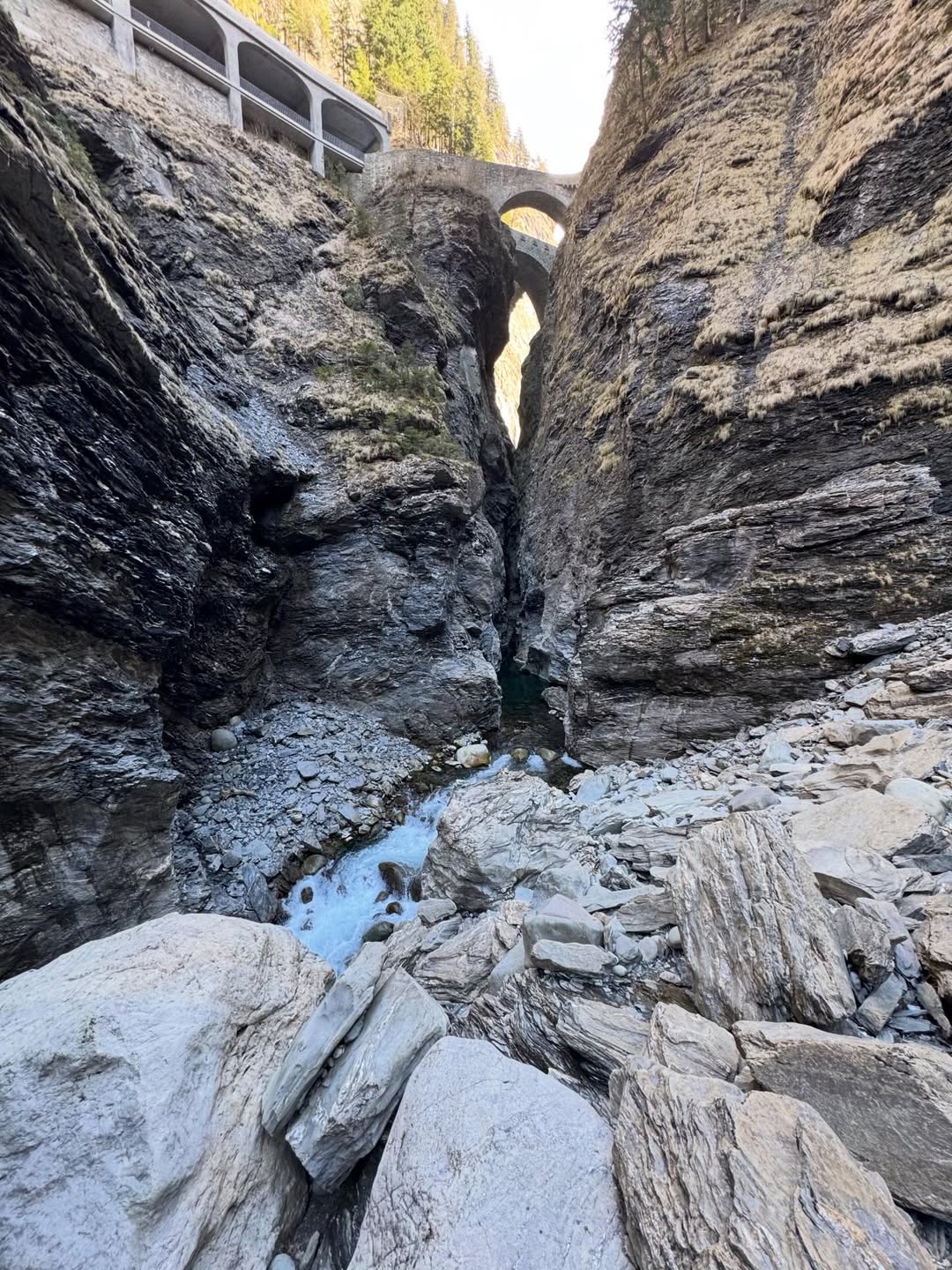
As you descend into Viamala Gorge, the temperature drops and the sound of water intensifies. The rock walls close in tightly, rising up to 300 meters high, while the Rhine River rushes below through a narrow channel.
There are about 359 steps carved into the rock that take you down into the gorge. The visit itself takes around 45 to 60 minutes, but it leaves a strong impression because of how enclosed and powerful the environment feels.
If you go in the morning, the light filters down in thin beams, creating a dramatic contrast between shadow and water.
What to do
- Walk down into the gorge via the staircase
- Observe the river from viewing platforms
- Combine with nearby hikes
Practical intel
- Entry: ~CHF 6–8
- Best time: April to October
- Easy stop along the A13 route
Best for
Short stops, geology lovers, dramatic landscapes
15. Melchsee-Frutt (Central Switzerland)
This place opens up suddenly. After the cable car ride, you arrive on a high plateau surrounded by gentle peaks and dotted with clear alpine lakes. It feels spacious and calm, very different from the sharper, busier Alpine hotspots.
Melchsee-Frutt sits at about 1,920 meters elevation, and the main lake loop is roughly 6 km, taking about 1.5 to 2 hours at a relaxed pace. In winter, it transforms into a quiet ski area, but in summer, it’s all about hiking and stillness.
If you go early or stay overnight, you’ll notice how peaceful it becomes once day visitors leave.
What to do
- Walk around Melchsee lake
- Try fishing in designated areas
- Take gentle hikes toward surrounding peaks
Practical intel
- Cable car: ~CHF 30–40 round trip
- Best time: June to October
- 1 hour from Lucerne
Best for
Relaxed alpine scenery, easy hikes, peaceful escapes
16. Lago di Saoseo (Graubünden)
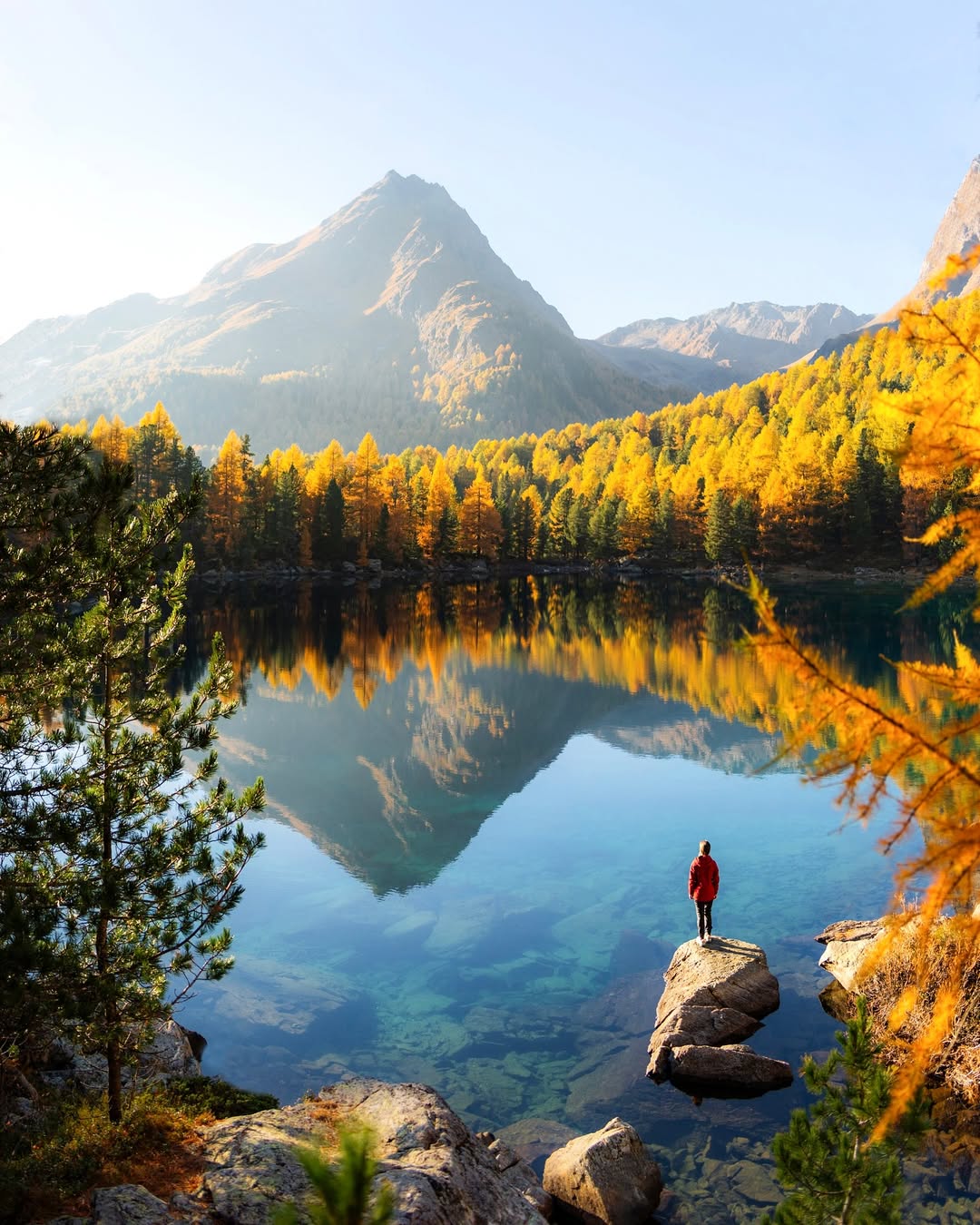
The color here stops you in your tracks. Lago di Saoseo has a deep, almost surreal turquoise tone, surrounded by dense forest and soft alpine meadows. It feels pristine in a way that’s increasingly rare.
The lake sits at about 2,028 meters elevation and is reached via a 1.5 to 2 hour hike from Alp Camp. The trail covers roughly 4 km one way, with a gentle incline. Unlike more famous alpine lakes, you won’t find crowds here, even in peak summer.
If you go in early morning, the water is completely still, reflecting the surrounding trees like glass.
What to do
- Walk the short trail around the lake
- Continue hiking toward Val Viola
- Photograph reflections in calm conditions
Practical intel
- Best time: June to September
- Free access
- Parking at Sfazù, then hike
Best for
Photographers, quiet alpine lakes, peaceful hiking
17. Emmental Valley (Bern)
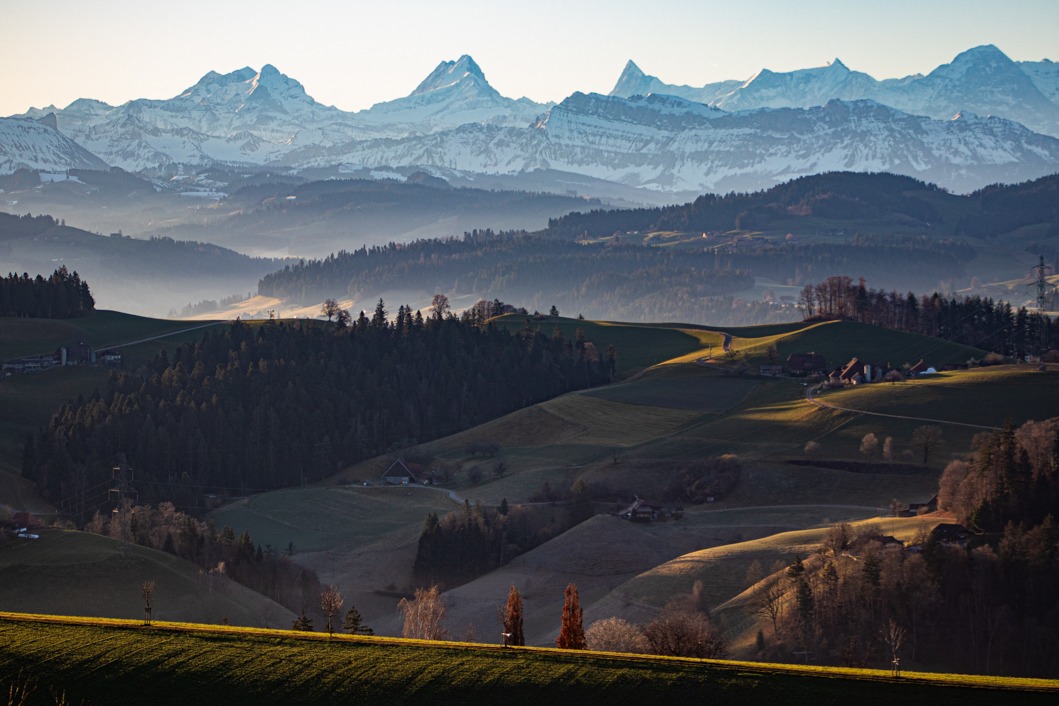
This is the Switzerland you imagine before you arrive. Rolling green hills, scattered farmhouses, and that unmistakable sense of calm. You’ll notice how open the landscape feels compared to the tighter Alpine valleys.
The region covers a large area, but a typical visit might include a 10 to 20 km scenic drive or cycling route. It’s also the birthplace of Emmental cheese, produced here for over 800 years.
If you go in late afternoon, the light softens the hills and creates long shadows, making everything feel even more cinematic.
What to do
- Cycle through rolling countryside routes
- Visit a traditional cheese dairy
- Stop at panoramic viewpoints
Practical intel
- Best time: April to October
- Free to explore
- 45 minutes from Bern
Best for
Slow travel, countryside scenery, food lovers
18. Flims Caumasee (Graubünden)
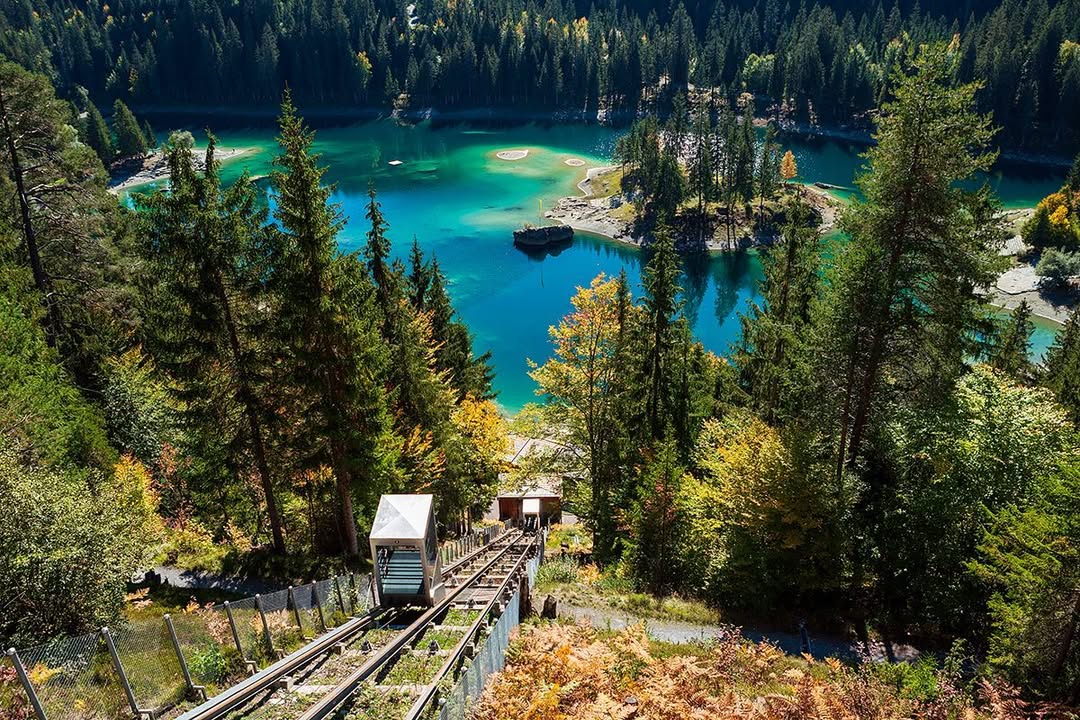
You’ll descend through forest, and then suddenly the lake appears below you in a perfect oval shape, glowing in shades of turquoise and green. It feels almost designed rather than natural.
Caumasee sits at about 997 meters elevation and is easily accessible via a short 10 to 15 minute walk from Flims, including a small elevator section. In summer, water temperatures can reach 20–24°C, making it one of the more comfortable alpine lakes for swimming.
If you go early or later in the evening, you’ll avoid the midday crowds that gather around the main beach.
What to do
- Swim in the clear lake
- Walk the perimeter trail
- Relax on the lakeside areas
Practical intel
- Entry: ~CHF 19 in summer
- Best time: June to September
- Easy access from Flims
Best for
Swimming, relaxing, easy nature access
19. St. Beatus Caves (Bernese Oberland)
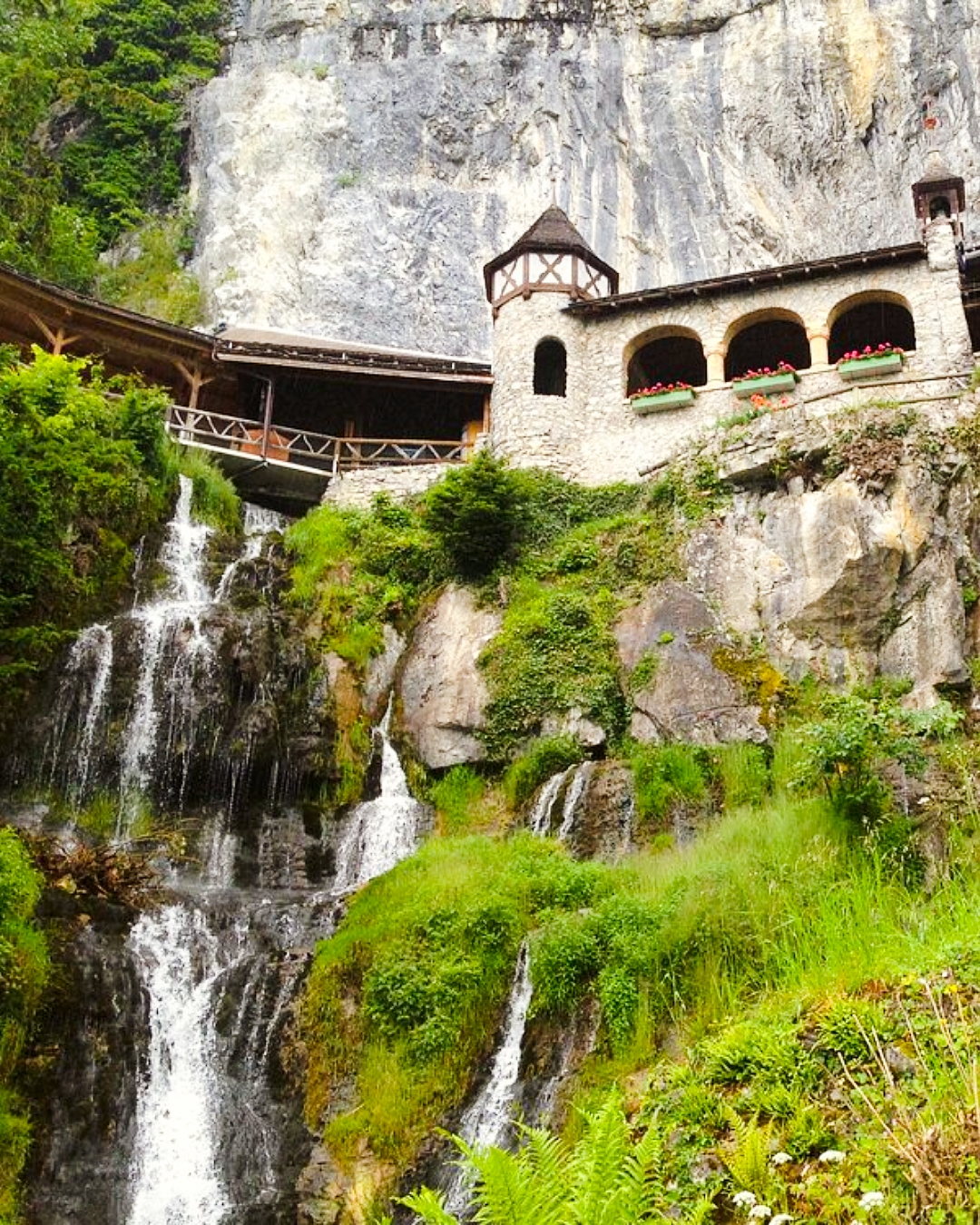
You’ll hear water dripping and echoing before you see anything. Inside, a network of caves stretches over 14 km, though about 1 km is open to visitors, filled with stalactites, underground streams, and illuminated chambers.
The caves sit above Lake Thun, and the visit usually takes about 1 to 1.5 hours. The path inside is well-maintained but includes stairs and uneven sections. Outside, the views over the lake add another layer to the experience.
If you go on a rainy day, this becomes an even better option while most outdoor spots lose appeal.
What to do
- Explore the cave system
- Visit the small on-site museum
- Enjoy views over Lake Thun
Practical intel
- Entry: ~CHF 18–20
- Best time: April to October
- Bus access from Interlaken
Best for
Unique experiences, geology, all-weather activity
20. Morcote (Ticino)
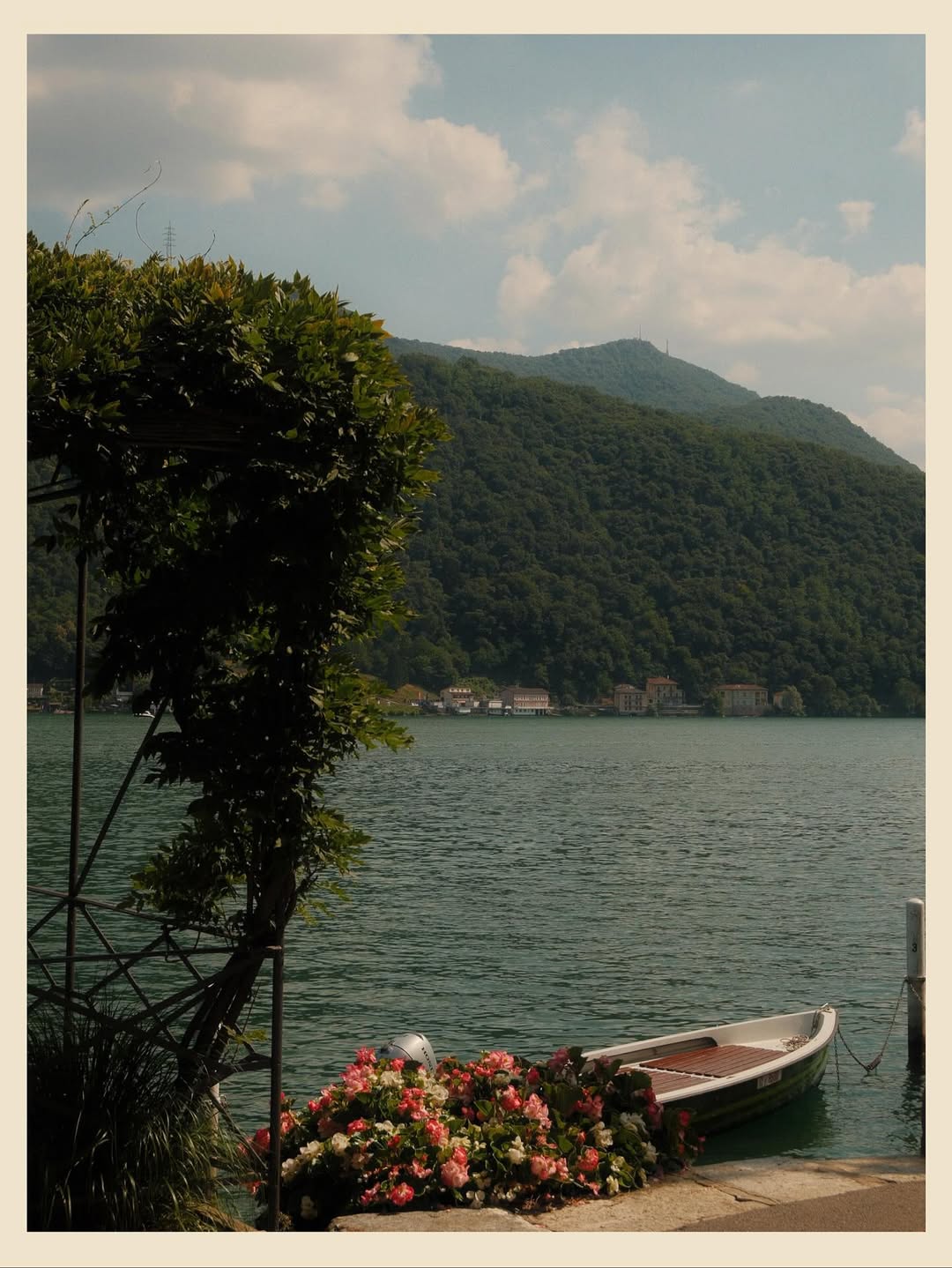
Morcote feels almost Italian in character. Narrow arcaded streets run along the lake, and above them, a steep staircase leads up to a church with sweeping views over Lake Lugano.
The village is small, with under 1,000 residents, and you can explore it in about 1 to 2 hours. The climb to the Church of Santa Maria del Sasso involves around 400 steps, but the view at the top is worth every one.
If you go in the evening, the atmosphere softens, and the lakeside becomes quiet and reflective.
What to do
- Climb to Santa Maria del Sasso
- Walk along the lakeside promenade
- Explore hidden alleys and arcades
Practical intel
- Best time: April to October
- Free village access
- 20 minutes from Lugano
Best for
Romantic spots, lakeside views, quiet exploration
21. Derborence Valley (Valais)
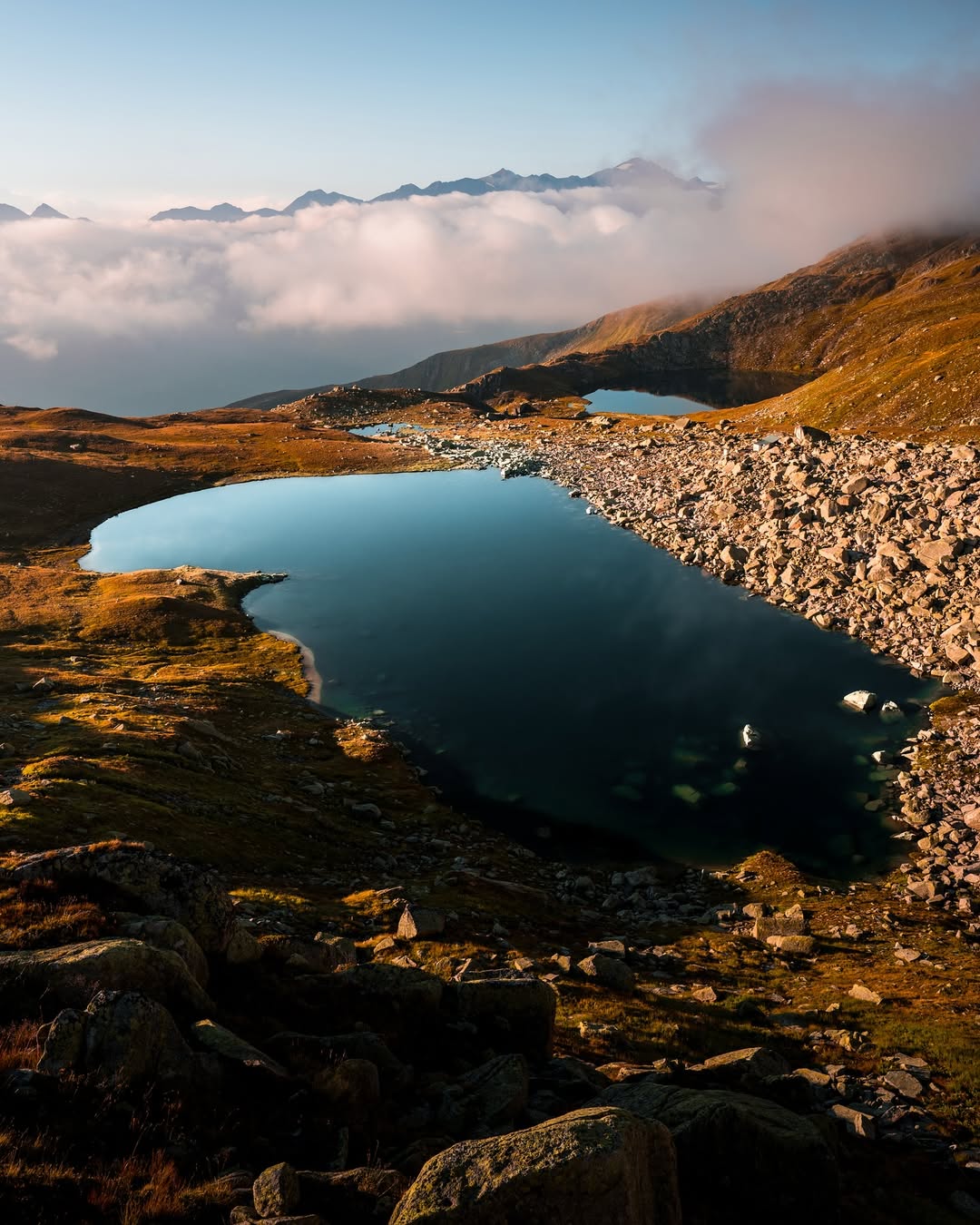
The road alone sets the tone. As you drive into Derborence, you pass through narrow tunnels carved into sheer rock, with cliffs rising almost vertically beside you. It feels remote in a way that’s rare in Switzerland.
This valley was formed by a massive landslide in 1714, creating a natural lake and one of the youngest forests in the Alps. The lake sits at about 1,450 meters elevation, and a full loop hike around it is roughly 4 to 5 km, taking about 1.5 to 2 hours.
If you go early in the morning, the lake is often perfectly still, reflecting the jagged cliffs above.
What to do
- Walk the loop trail around Lac de Derborence
- Drive the scenic cliffside road
- Picnic near the lakeshore
Practical intel
- Best time: June to October
- Free access
- 45 minutes from Sion by car
Best for
Unique landscapes, scenic drives, quiet nature
22. Roffla Gorge (Graubünden)
This one feels interactive. You’re not just looking at the gorge, you’re inside it. A tunnel carved into the rock takes you behind a powerful waterfall, where you can stand just meters from the crashing water.
The visit is short but intense, typically 30 to 45 minutes, with a clearly marked path. The gorge itself channels water through a tight rocky passage, creating a constant roar that fills the space.
If you go midday, sunlight filters through the mist, creating subtle rainbows near the waterfall.
What to do
- Walk through the tunnel to the waterfall
- Stand behind the cascade
- Combine with nearby Viamala Gorge
Practical intel
- Entry: ~CHF 5–7
- Best time: May to October
- Easy roadside stop along A13
Best for
Quick unique stops, families, sensory experiences
23. Evolène Village (Valais)
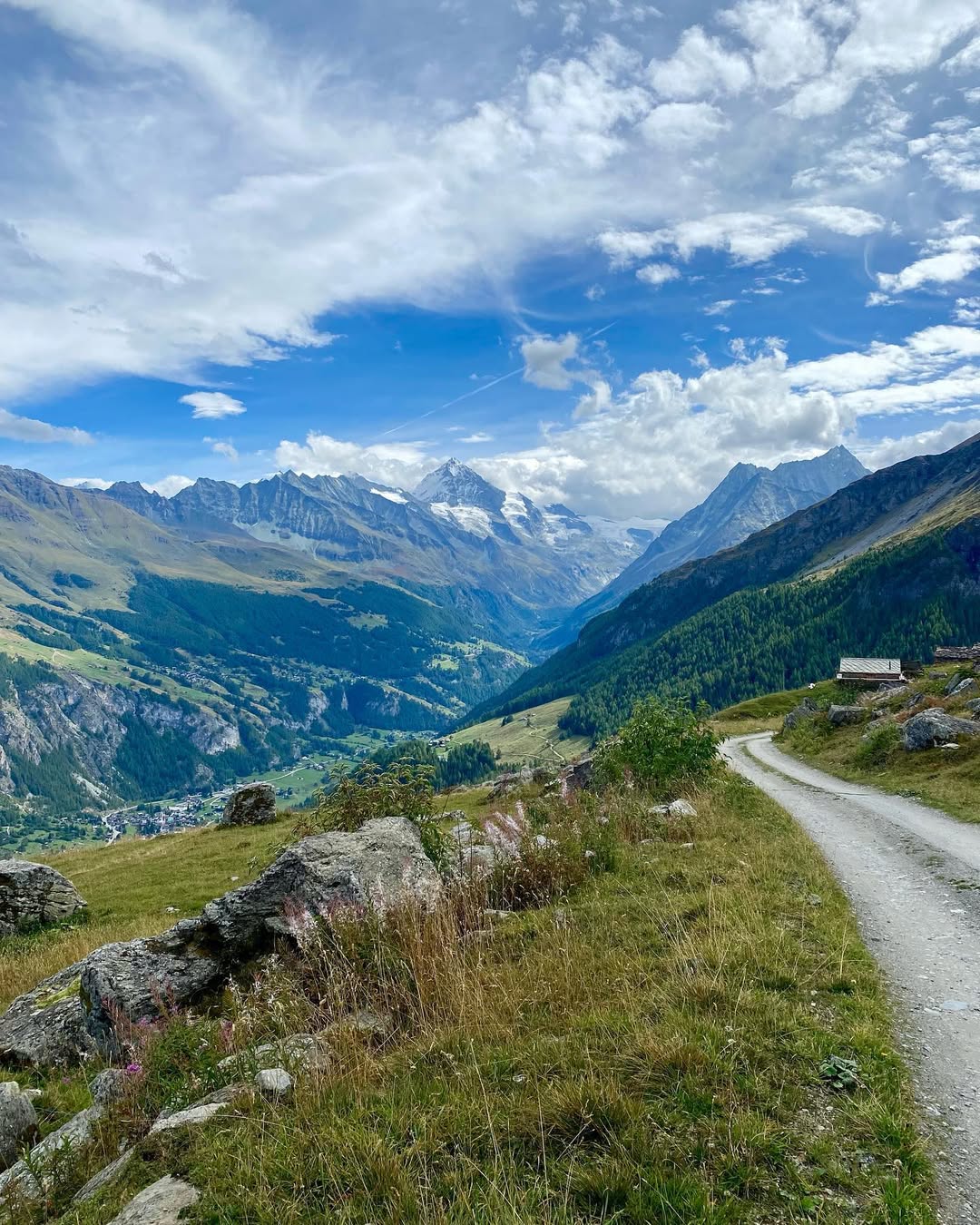
Evolène feels deeply rooted in tradition. Wooden chalets line the streets, and you’ll still see locals wearing traditional dress during festivals. It has a strong cultural identity that hasn’t been diluted by mass tourism.
The village sits at 1,380 meters elevation in the Val d’Hérens and has around 1,700 residents. It’s also a gateway to high alpine hikes, with trails ranging from short walks to full-day treks into surrounding peaks.
If you visit during a local event, especially in summer, you’ll experience music, food, and customs that feel genuinely local.
What to do
- Walk through the historic village center
- Try regional dishes like raclette
- Hike into Val d’Hérens
Practical intel
- Best time: June to September
- Free village access
- 40 minutes from Sion
Best for
Culture, authenticity, alpine traditions
24. Seealpsee (Appenzell)
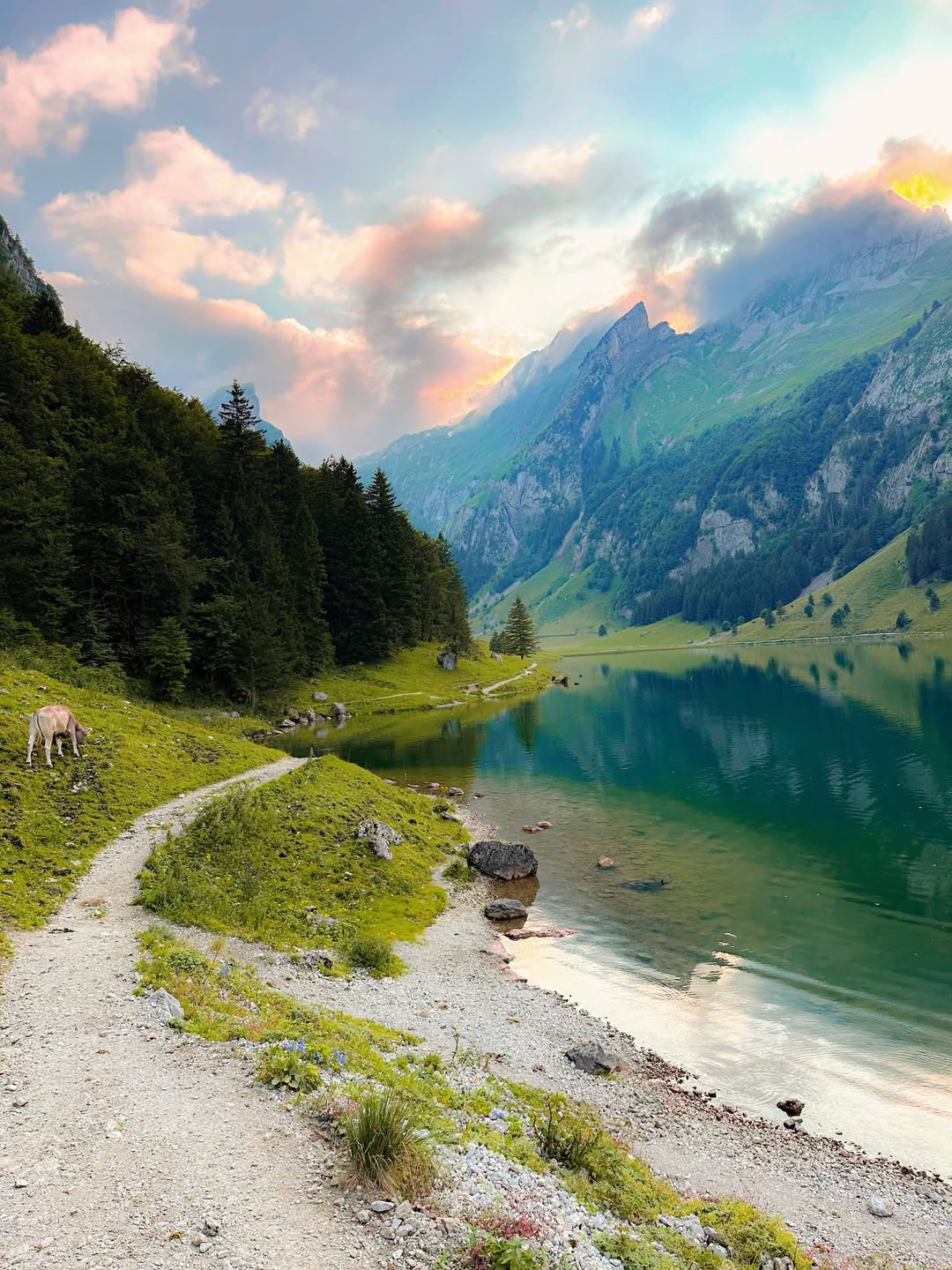
You’ll hear cowbells before you see the lake. Then suddenly, the valley opens and reveals Seealpsee, surrounded by steep green slopes and dramatic rock faces. It feels peaceful yet alive with subtle alpine sounds.
The lake sits at about 1,143 meters elevation and is reached via a 45 to 60 minute hike from Wasserauen, covering about 2.5 km. Despite its beauty, it’s still quieter than many alpine lakes, especially if you go early.
If you stay a bit longer, you’ll notice how the light shifts across the valley, changing the mood completely.
What to do
- Walk around the lake
- Have a meal at a lakeside guesthouse
- Continue hiking toward Ebenalp
Practical intel
- Best time: May to October
- Free access
- Train to Wasserauen, then hike
Best for
Classic alpine scenery, relaxed hiking, photography




COMMENTS
Please note that all comments will be checked by our team before being approved.