23 Summer Places to Visit in Switzerland That Top Skiers Use to Avoid the Massive Tourist Traps
Ready to soak up sunshine in the heart of the Alps? These 23 summer places to visit in Switzerland are scenic, refreshing, and breathtaking, perfect for enjoying crystal-clear lakes, lush valleys, and unforgettable mountain adventures.

Switzerland in summer feels like a perfect reveal. Snow pulls back to the peaks, valleys turn lush green, and lakes glow in unreal shades of turquoise. You will notice how quickly the scenery shifts, even within a short train ride.
As the season opens up, getting around becomes effortless. Scenic trains and cable cars connect places like Interlaken, Zermatt, and Lucerne in just a few hours, taking you from lakeside views to mountain peaks above 3,000 meters in a single day.
At the same time, summer brings a mix of energy and calm. Adventure is everywhere, but quiet villages still offer space to slow down. If you plan your timing well, mornings and evenings often feel peaceful, even in popular spots. Here are 23 summer places to visit in Switzerland worth your time.
1) Zermatt (Valais)
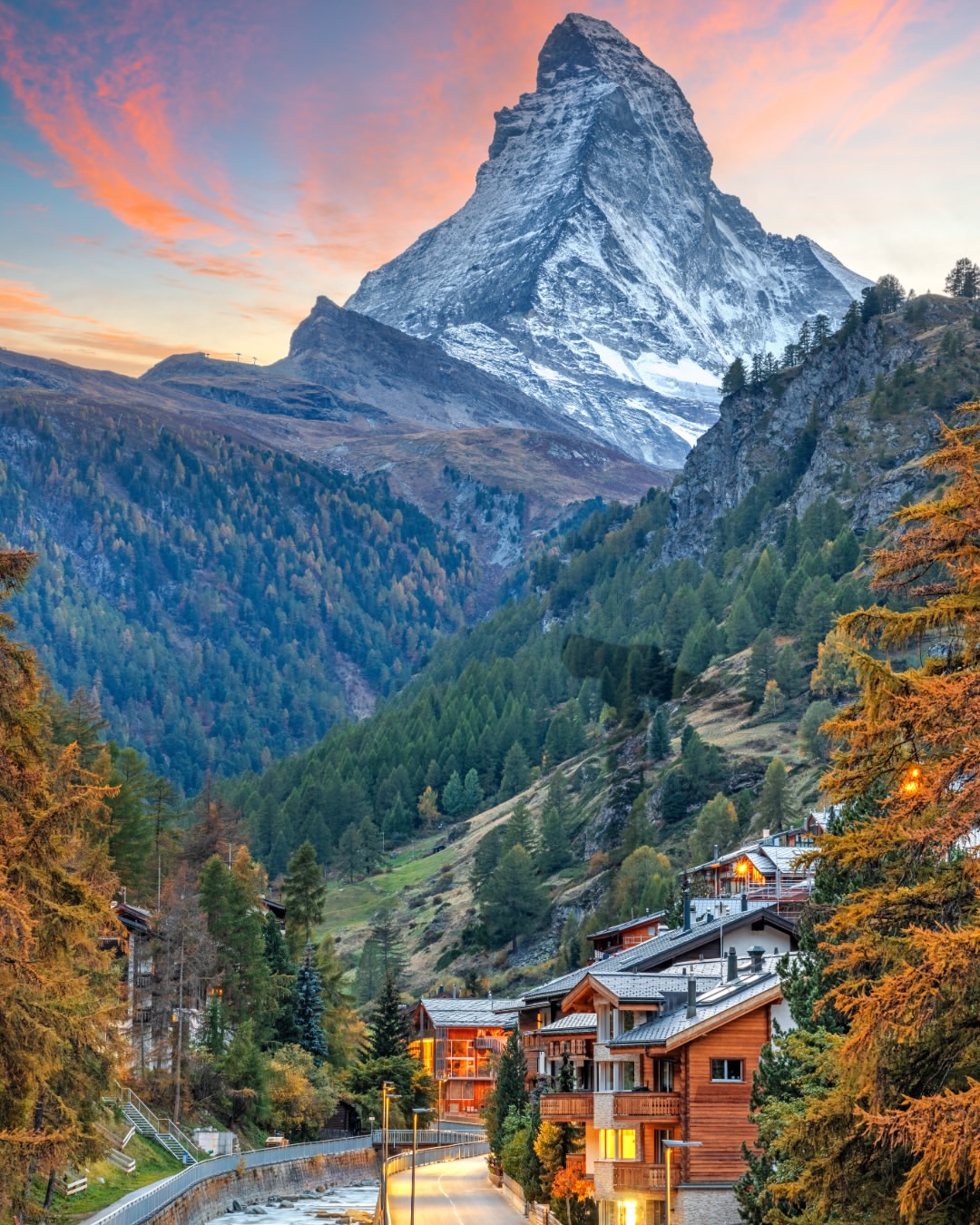
You arrive in Zermatt and the first thing you notice is silence. No cars, just electric shuttles and the crisp mountain air carrying the sound of cowbells. The Matterhorn dominates the skyline at 4,478 meters, and on a clear summer morning, it feels almost unreal how sharply it cuts into the sky.
Zermatt sits at 1,620 meters elevation and serves as a base for over 400 km of hiking trails. In July and August, temperatures hover between 12°C and 22°C, making long hikes comfortable. The Gornergrat Railway takes you up to 3,089 meters in about 33 minutes, offering one of the most panoramic alpine views in Europe.
If you go early, around 7:00 AM, the light hitting the Matterhorn is golden and the crowds are almost nonexistent. You will feel like you have the Alps to yourself.
What to do
- Ride the Gornergrat train for glacier views
- Hike the Five Lakes Walk (about 9.8 km, 3 hours)
- Take a cable car to Matterhorn Glacier Paradise
Practical intel
- Gornergrat ticket: CHF 88 to 132 round trip
- Best time: June to early September
- Car-free village, park at Täsch and take a 12-minute shuttle
Best for
Alpine scenery, photography, serious hiking
2) Interlaken (Bernese Oberland)
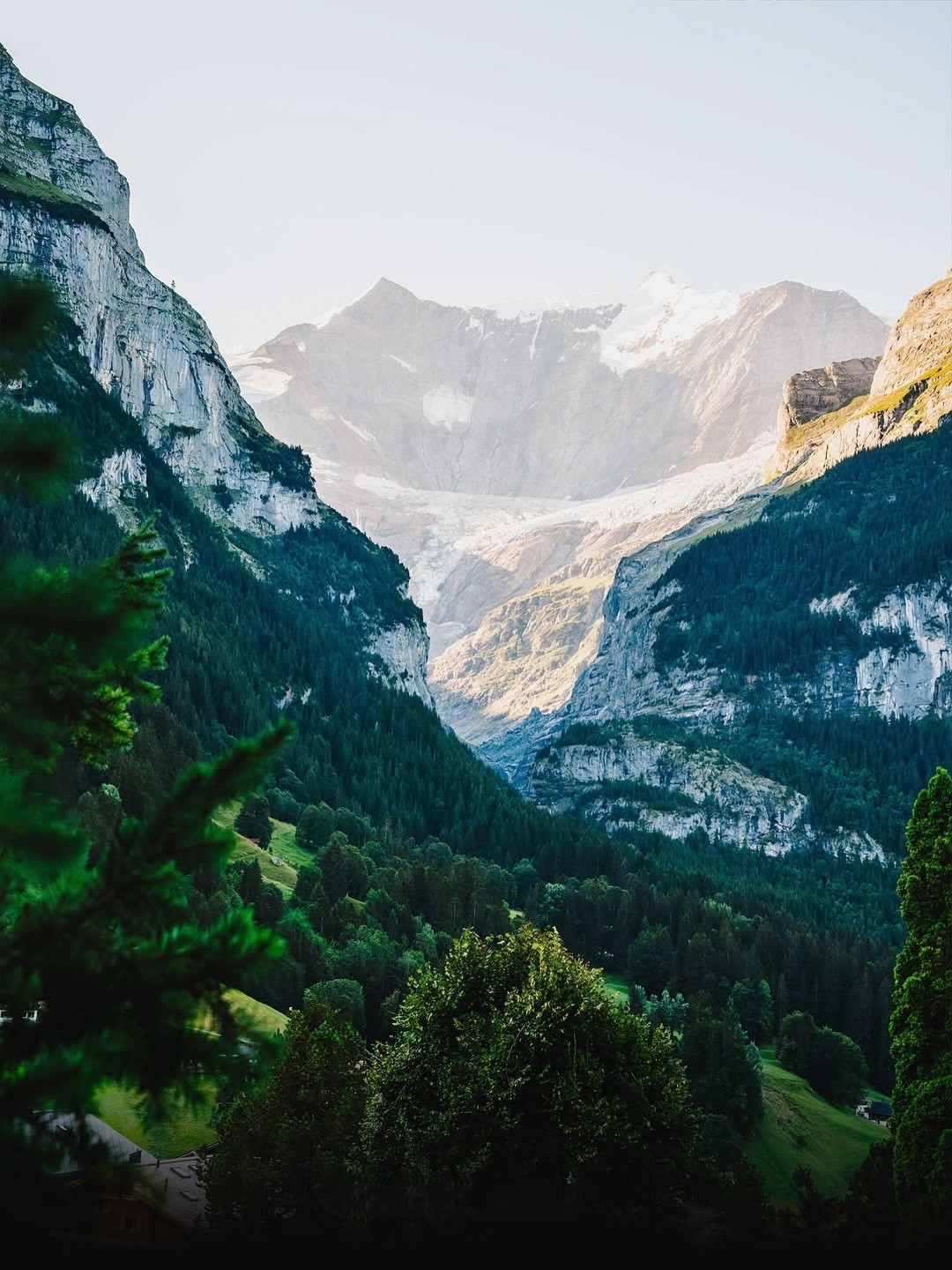
Interlaken feels like a playground dropped between two lakes. You are surrounded by Lake Thun on one side and Lake Brienz on the other, both glowing in shades of blue that look filtered but are not. The town itself is lively, filled with travelers gearing up for adventure.
This region is a gateway to Jungfrau Region peaks, including Jungfraujoch at 3,454 meters. In summer, Interlaken becomes one of Europe’s top adventure hubs with paragliding flights lasting 10 to 20 minutes and canyoning tours running daily. The train to Jungfraujoch takes about 2 hours from Interlaken and costs roughly CHF 150 to 220.
If you stay overnight, plan an early morning trip to Lake Brienz. By 8:00 AM, the water is glassy and the crowds have not arrived yet.
What to do
- Paraglide over Interlaken valley
- Take the Jungfraujoch train
- Cruise on Lake Thun or Lake Brienz
Practical intel
- Paragliding: CHF 160 to 200
- Jungfraujoch tickets vary by season and demand
- Ideal stay: 2 to 3 days
Best for
Adventure sports, scenic train journeys, lake views
3) Lucerne (Central Switzerland)
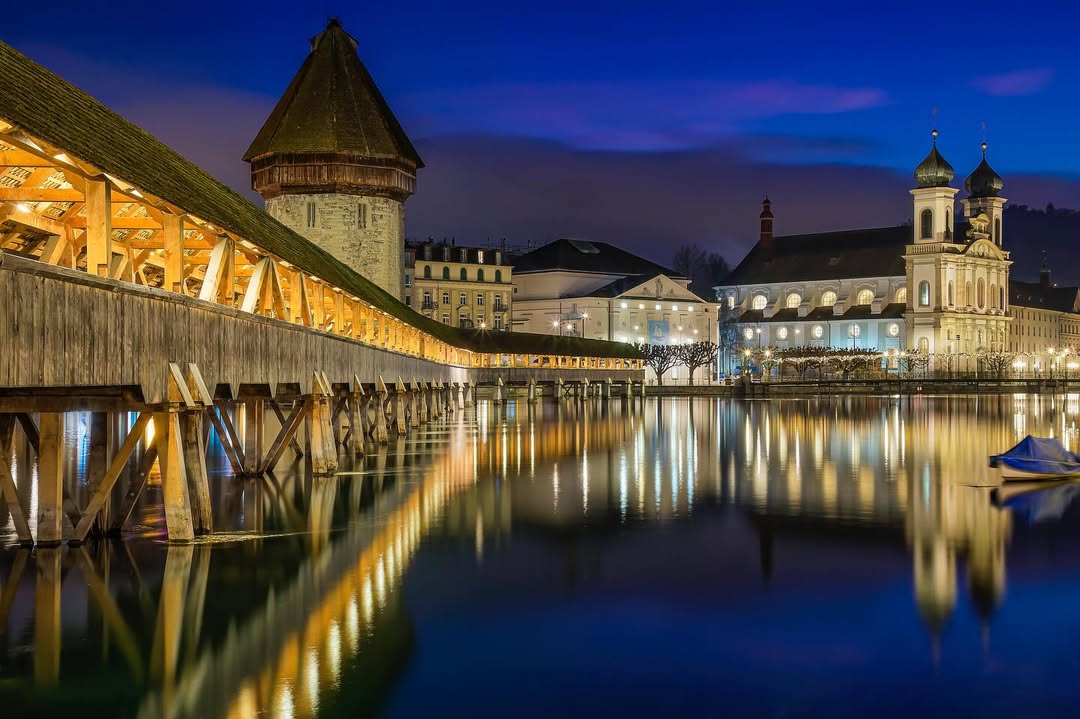
Lucerne greets you with a storybook setting. Wooden bridges, pastel buildings, and the calm expanse of Lake Lucerne. Walking across the Chapel Bridge feels like stepping into a painting, especially in the soft summer light.
The city sits at just 435 meters elevation, so it is warmer than alpine towns, with summer highs around 24°C. From here, you can reach Mount Pilatus via the world’s steepest cogwheel railway with a gradient of 48%, or take a boat and cable car combo up Mount Rigi.
If you time it right, take an evening lake cruise around 6:00 PM. The light softens, and the mountains reflect perfectly in the water.
What to do
- Walk Chapel Bridge and old town
- Take Pilatus cogwheel railway
- Sunset cruise on Lake Lucerne
Practical intel
- Pilatus round trip: CHF 110 to 140
- Lake cruises: CHF 30 to 60
- Compact city, most sights within 15-minute walk
Best for
Relaxed sightseeing, couples, classic Swiss charm
4) St. Moritz (Engadin Valley)
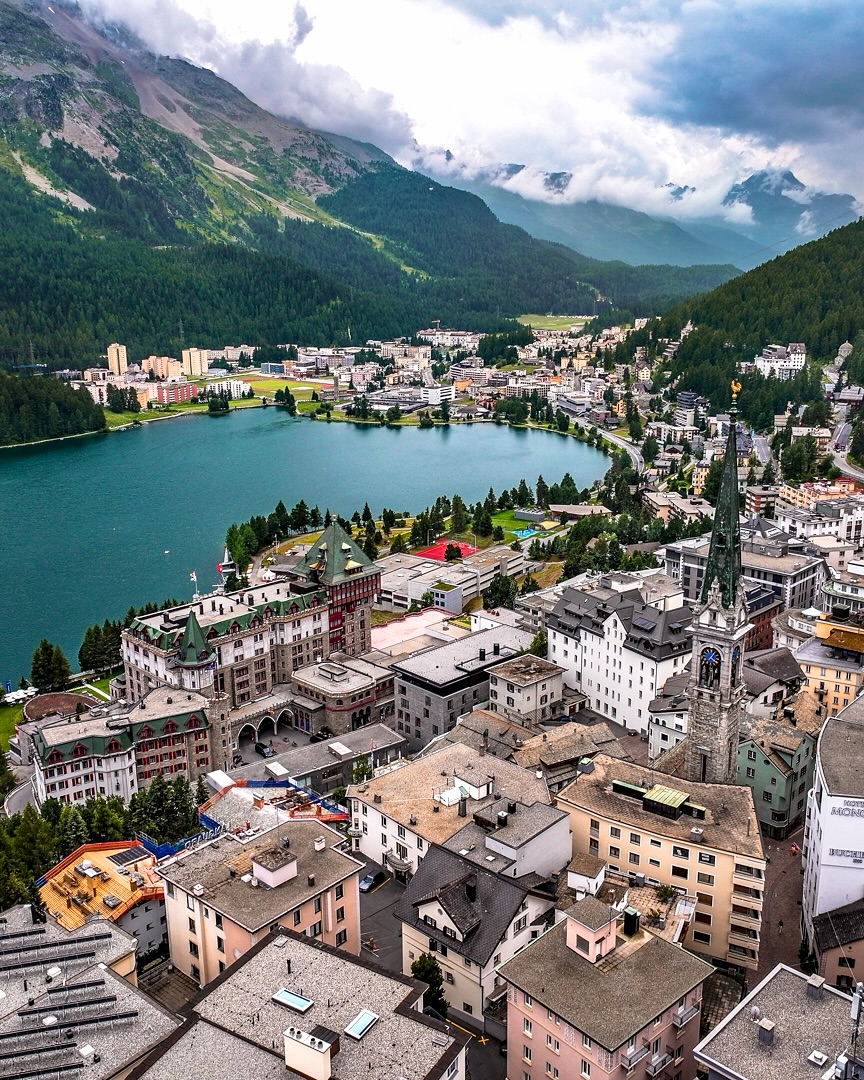
St. Moritz in summer surprises most people. You expect winter luxury, but instead you get wide open alpine landscapes, clear lakes, and over 300 days of sunshine annually. The air feels dry and crisp at 1,822 meters elevation, making it ideal for long outdoor days.
The Engadin Valley offers 580 km of hiking trails and pristine lakes like Lake St. Moritz. Summer temperatures range between 10°C and 20°C, and the famous Glacier Express connects St. Moritz to Zermatt in an 8-hour panoramic train journey.
If you want something memorable, rent a bike and ride around Lake St. Moritz early in the morning. The reflections are sharp and uninterrupted.
What to do
- Ride the Glacier Express
- Hike in Engadin Valley
- Cycle around Lake St. Moritz
Practical intel
- Glacier Express: CHF 150 to 300 depending on class
- Peak season: July and August
- High-end destination, expect premium prices
Best for
Luxury travel, scenic trains, peaceful alpine landscapes
5) Lauterbrunnen Valley (Bernese Alps)
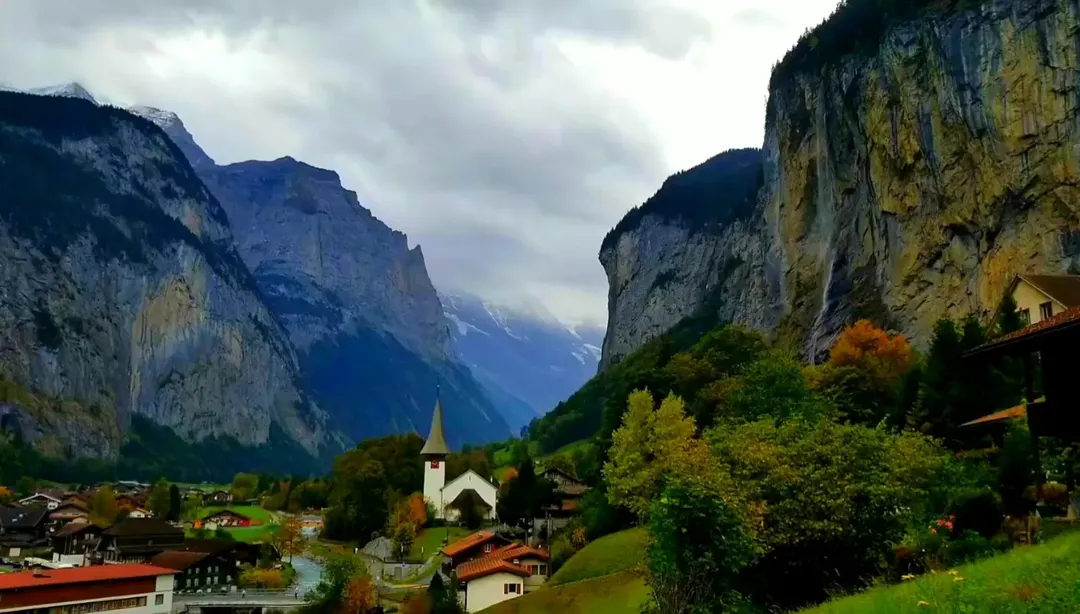
Lauterbrunnen feels almost unreal. A valley carved between vertical cliffs with 72 waterfalls cascading down, including the dramatic Staubbach Falls dropping nearly 300 meters.
The valley sits at 795 meters elevation, and summer temperatures are mild, around 18°C to 25°C. It is a base for reaching car-free villages like Wengen and Mürren, both perched above the valley with incredible views.
If you walk through the valley around late afternoon, you will notice fewer crowds and softer light hitting the waterfalls. It feels calm and cinematic.
What to do
- Walk or bike through Lauterbrunnen Valley
- Visit Staubbach Falls and Trümmelbach Falls
- Take a cable car to Mürren
Practical intel
- Cable car to Mürren: CHF 20 to 30
- Easy valley walk: about 6 km one way
- Best time: June to September
Best for
Nature lovers, photographers, quiet scenic escapes
6) Grindelwald (Bernese Oberland)
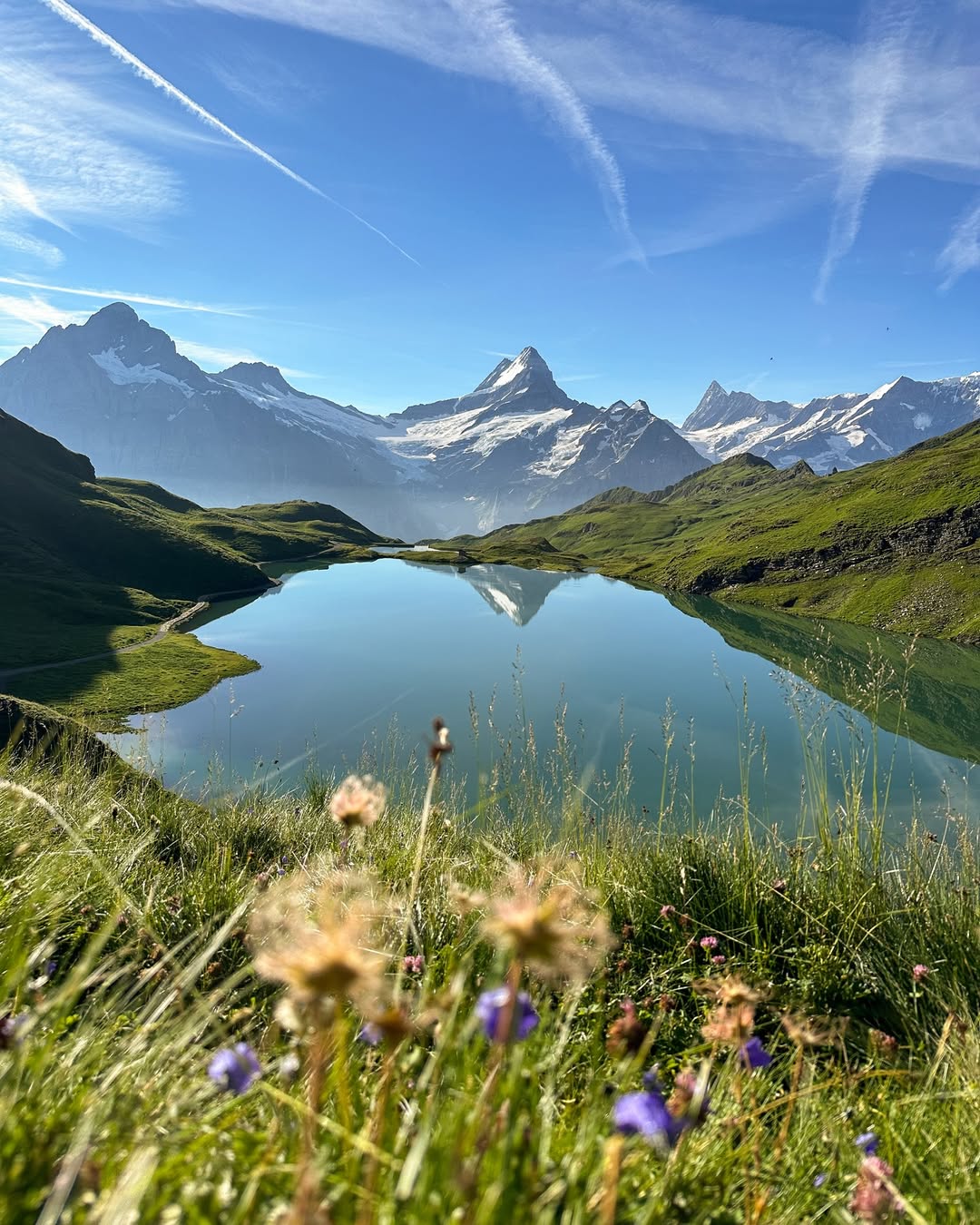
Grindelwald feels like you have stepped into a high-altitude postcard, but with energy. The valley sits at 1,034 meters, framed by the towering north face of the Eiger. In summer, the meadows turn bright green, and you will constantly hear distant cowbells echoing through the valley.
It is one of the best bases for exploring the Jungfrau region, with quick access to First Cliff Walk, a suspended metal walkway hanging over a sheer drop. The gondola to First takes about 25 minutes, and from there you can hike the famous Bachalpsee trail, a 6 km round trip that usually takes around 2 hours.
If you go around 9:00 AM, you will catch clear reflections of the mountains in Bachalpsee before the wind picks up.
What to do
- Walk the First Cliff Walk
- Hike to Bachalpsee lake
- Try the First Flyer zipline
Practical intel
- Gondola to First: CHF 64 to 98 round trip
- Best months: June to September
- Easy train access from Interlaken in 35 minutes
Best for
Balanced adventure, iconic alpine views, mid-level hiking
7) Montreux (Lake Geneva)
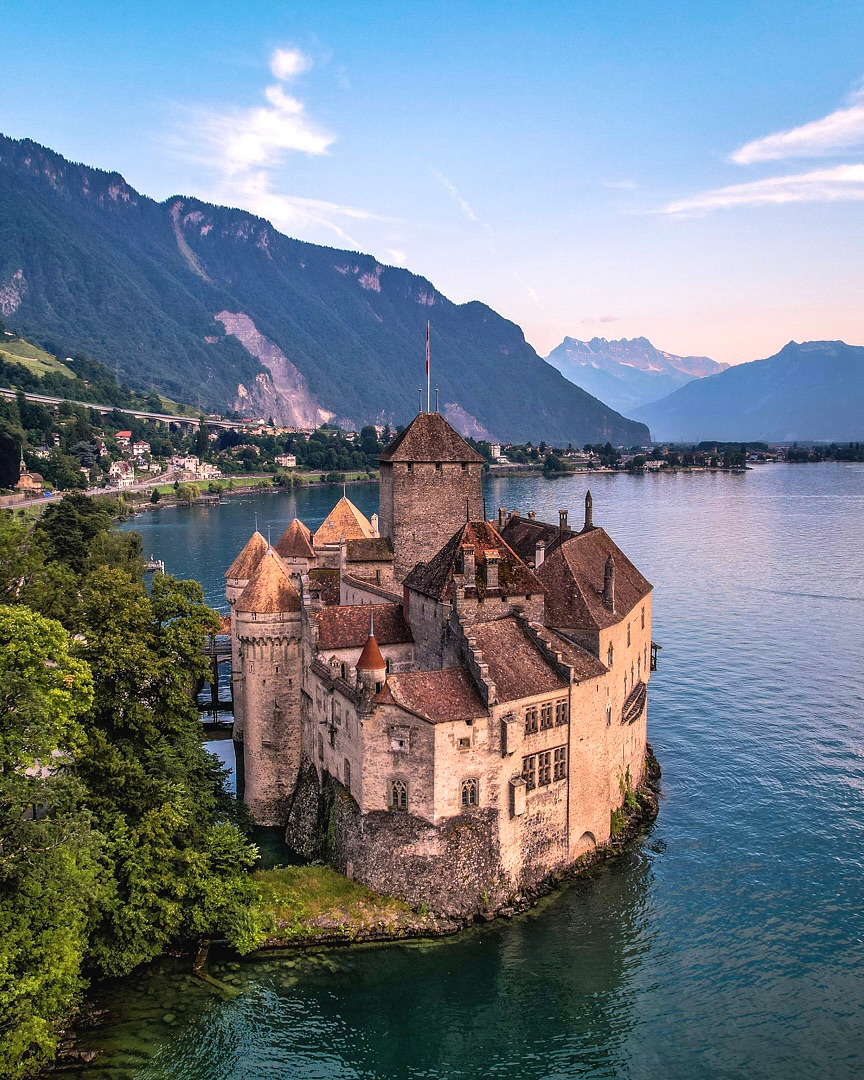
Montreux feels warmer, softer, almost Mediterranean compared to the Alps. Set along Lake Geneva, you will notice palm trees lining the promenade and a slower, more relaxed rhythm.
The highlight here is Château de Chillon, located about 3 km from Montreux. This lakeside castle dates back to the 12th century and attracts over 400,000 visitors annually. You can walk or cycle there along the lake in about 45 minutes.
If you go near sunset, around 7:30 PM in July, the castle reflects beautifully on the lake and the crowds thin out significantly.
What to do
- Visit Château de Chillon
- Walk the Montreux lakeside promenade
- Take a boat cruise on Lake Geneva
Practical intel
- Castle entry: CHF 13.50
- Boat cruises: CHF 30 to 70
- Warmest Swiss region, summer highs around 26°C
Best for
Relaxation, history, lakeside walks
8) Appenzell (Appenzell Innerrhoden)
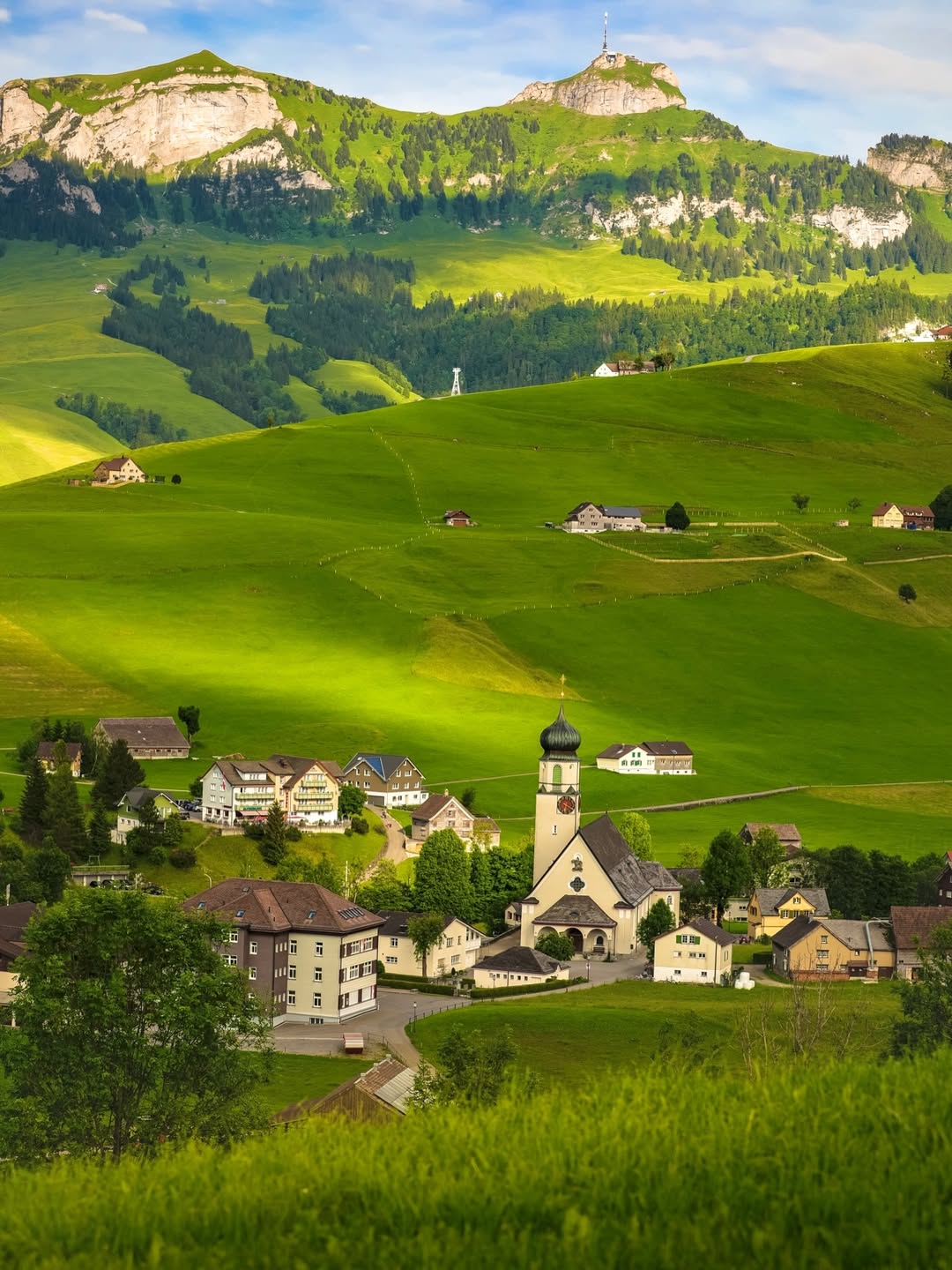
Appenzell feels like Switzerland turned into a living folk painting. The houses are brightly painted, streets are compact, and everything feels intimate and traditional. You will immediately notice how quiet and authentic it feels compared to busier destinations.
The region is famous for access to the Ebenalp and the cliffside Aescher-Wildkirchli restaurant. The cable car to Ebenalp takes about 6 minutes, followed by a 20-minute walk to reach Aescher. The hike is short but visually dramatic.
If you go before 10:00 AM, you will avoid tour groups and experience the place at its calmest.
What to do
- Visit Aescher cliff restaurant
- Ride the Ebenalp cable car
- Walk through Appenzell old town
Practical intel
- Cable car: CHF 34 to 40 round trip
- Ideal visit: half day to 1 day
- Less crowded than major tourist hubs
Best for
Hidden gems, culture, short scenic hikes
9) Ascona (Ticino)
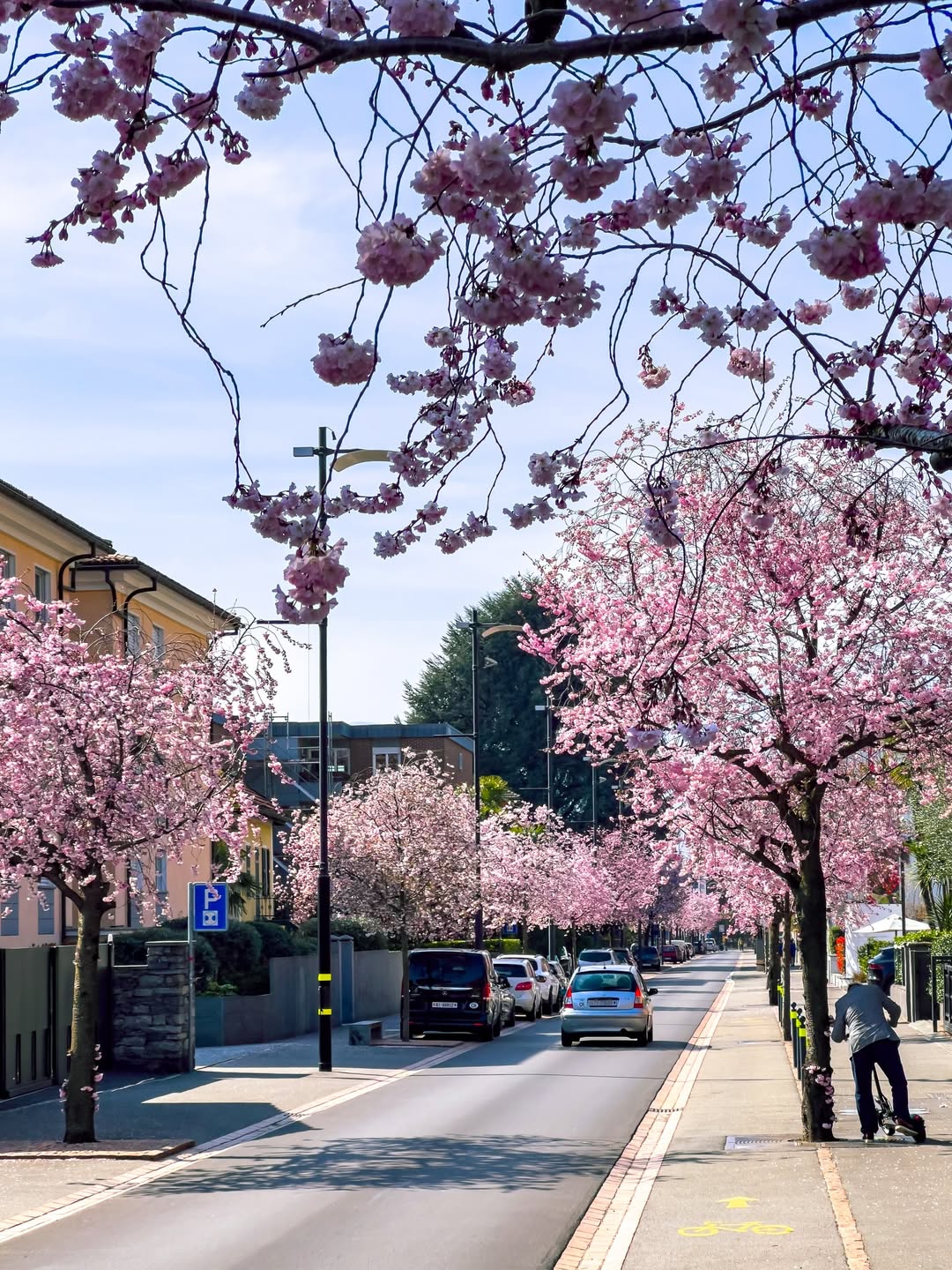
Ascona does not feel like typical Switzerland at all. Located in the Italian-speaking region of Ticino, it has a lakeside promenade filled with pastel buildings, cafes, and a distinctly Mediterranean vibe.
It sits on Lake Maggiore, where summer temperatures often reach 28°C, making it one of the warmest places in the country. You can take boat trips to the Brissago Islands, known for their botanical gardens featuring over 1,700 plant species.
If you stay overnight, an evening walk around 8:00 PM along the promenade feels lively but not crowded, with a golden glow over the lake.
What to do
- Explore Ascona promenade
- Visit Brissago Islands
- Swim or relax by Lake Maggiore
Practical intel
- Boat to islands: CHF 20 to 40
- Warmest region in Switzerland
- Great stop if combining with Italy
Best for
Warm weather, relaxed vibe, lakeside lifestyle
10) Aletsch Glacier (Valais)
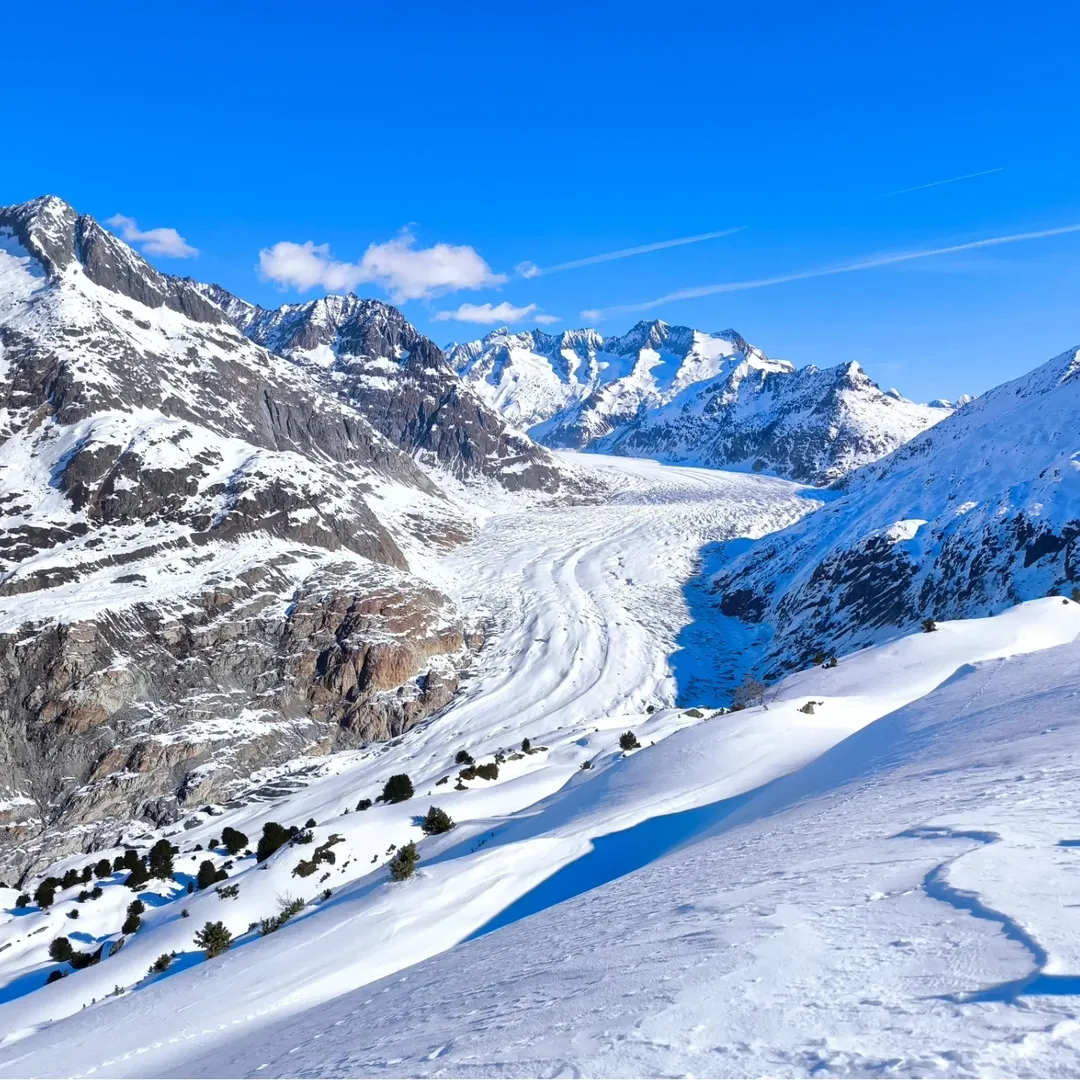
Standing in front of the Aletsch Glacier, you feel scale in a way that photos cannot capture. It stretches over 23 km, making it the largest glacier in the Alps and a UNESCO World Heritage site.
The best access points are via Bettmeralp or Riederalp, both car-free villages. From Bettmerhorn viewpoint at 2,647 meters, you get a sweeping panoramic view of the glacier. Cable cars and lifts take about 20 to 30 minutes to reach the viewpoints.
If you arrive early, around 8:30 AM, the visibility is usually clearest before clouds roll in.
What to do
- View the glacier from Bettmerhorn
- Hike along the Aletsch Panorama Trail (about 14 km)
- Take cable cars to viewpoints
Practical intel
- Cable car passes: CHF 50 to 80
- Best months: July to September
- Moderate hiking required for best views
Best for
Epic landscapes, nature lovers, unique alpine experiences
11) Sion (Valais)
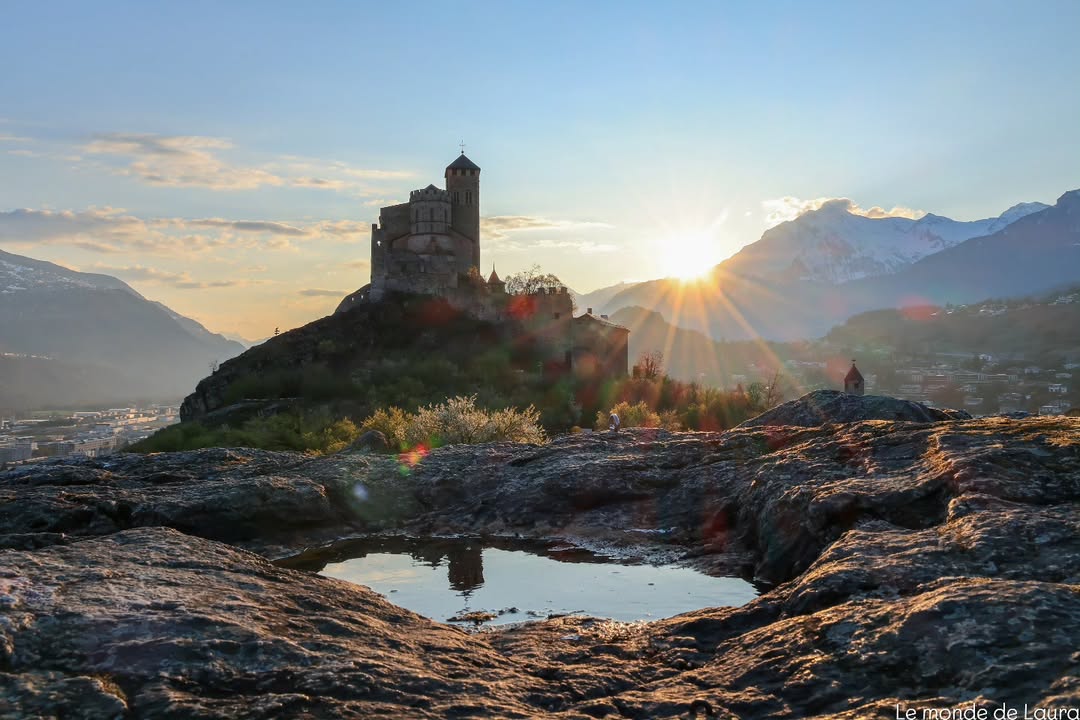
Sion feels like a blend of history and sun-soaked valley life. As you walk through the old town, you will notice two dramatic hilltop landmarks rising above everything: Valère Basilica and Tourbillon Castle. The contrast between medieval stone and bright alpine light is striking.
Sion is one of the driest cities in Switzerland, with over 300 sunny days per year, and summer temperatures often reach 27°C to 32°C. The climb to Tourbillon Castle takes about 20 to 30 minutes, and from the top, you get a full view of the Rhône Valley stretching for kilometers.
If you go in the late afternoon, around 5:30 PM, the heat softens and the light across the valley becomes warm and golden.
What to do
- Climb to Tourbillon Castle
- Visit Valère Basilica
- Walk through Sion old town
Practical intel
- Castle access: free, but uphill walk required
- Ideal visit: 4 to 6 hours
- Easy train access from Lausanne in about 1 hour
Best for
History, warm weather, quieter Swiss cities
12) Wengen (Bernese Oberland)
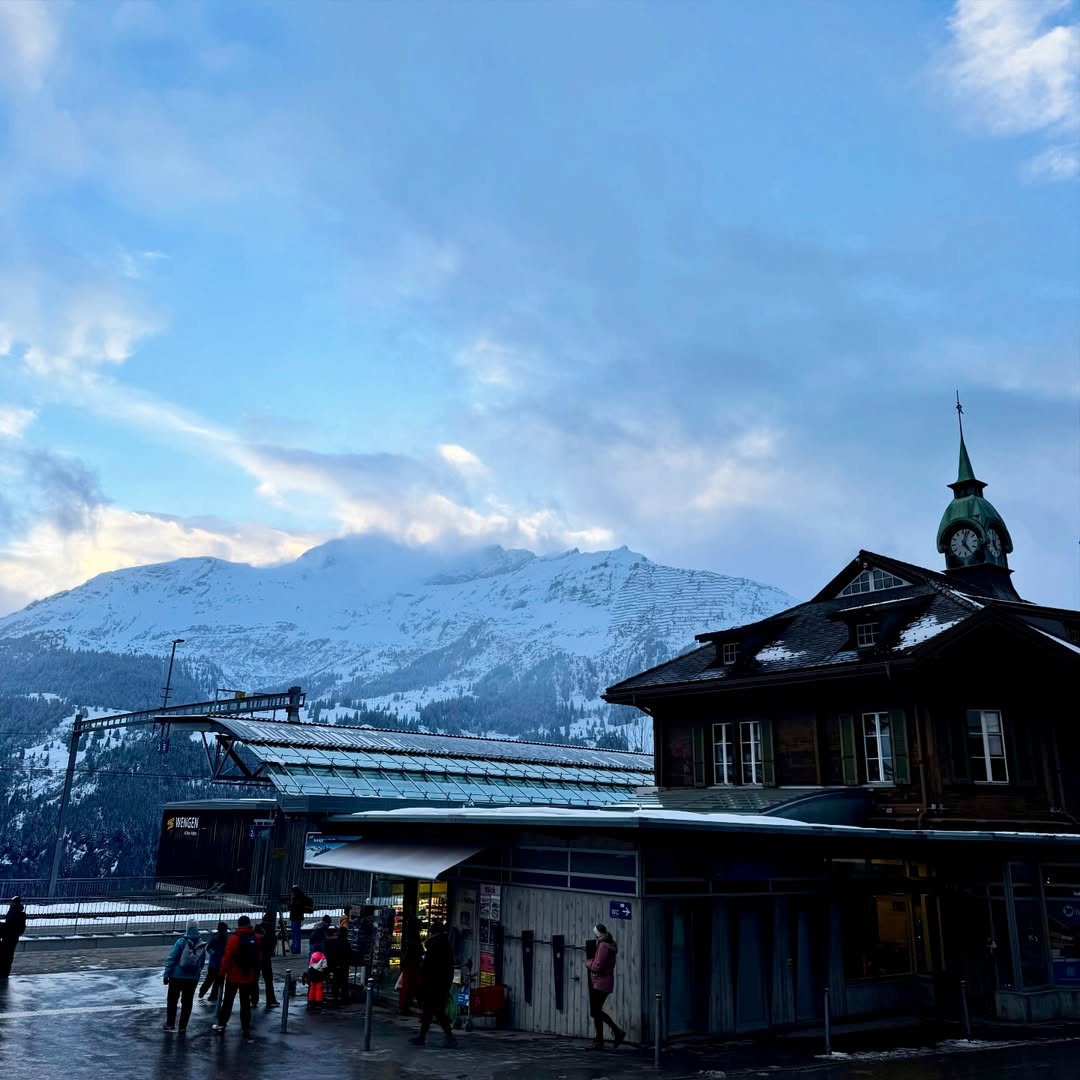
Wengen sits above Lauterbrunnen at 1,274 meters, and the moment you arrive, you will notice how calm it feels. No cars, just narrow paths, wooden chalets, and wide-open views of the Jungfrau massif.
In summer, the village becomes a base for scenic hikes like the trail to Kleine Scheidegg, which takes about 2 to 3 hours depending on pace. The train connection from Lauterbrunnen to Wengen takes just 12 minutes, but the elevation gain makes it feel like a different world.
If you wake up early, around 7:00 AM, the mountains are often cloud-free and the silence is almost complete.
What to do
- Hike to Kleine Scheidegg
- Explore car-free village streets
- Take train rides through Jungfrau region
Practical intel
- Train from Lauterbrunnen: CHF 7 to 12
- Best months: June to September
- Quiet overnight stays compared to Interlaken
Best for
Peaceful stays, scenic hiking, unplugging
13) Oeschinen Lake (Kandersteg)
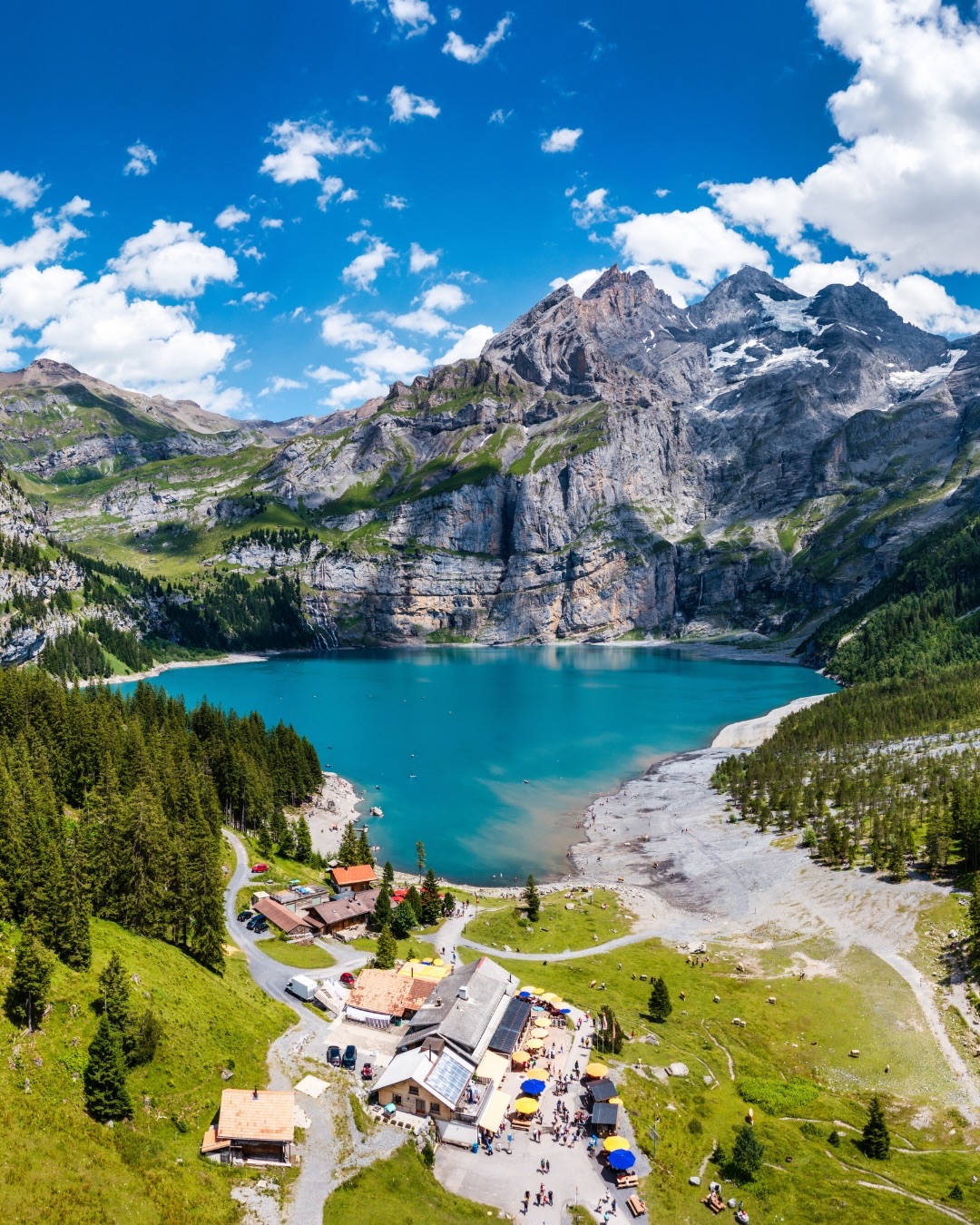
Oeschinen Lake is one of those places where the color stops you in your tracks. The water shifts between turquoise and deep blue depending on the light, surrounded by steep cliffs and alpine pastures.
The lake sits at 1,578 meters elevation and is reachable via a 10-minute cable car from Kandersteg followed by a 25-minute walk. In summer, water temperatures can reach 20°C, which is surprisingly swimmable for an alpine lake. The full loop hike around the lake is about 8 km and takes roughly 2.5 to 3 hours.
If you arrive before 9:00 AM, you will find quiet spots by the shoreline before day visitors arrive.
What to do
- Walk the Oeschinensee loop trail
- Rent a rowboat on the lake
- Swim or picnic by the shore
Practical intel
- Cable car: CHF 30 to 36 round trip
- Rowboat rental: around CHF 25 per hour
- Ideal visit: half day to full day
Best for
Nature immersion, relaxed outdoor days, swimming
14) Flims (Graubünden)
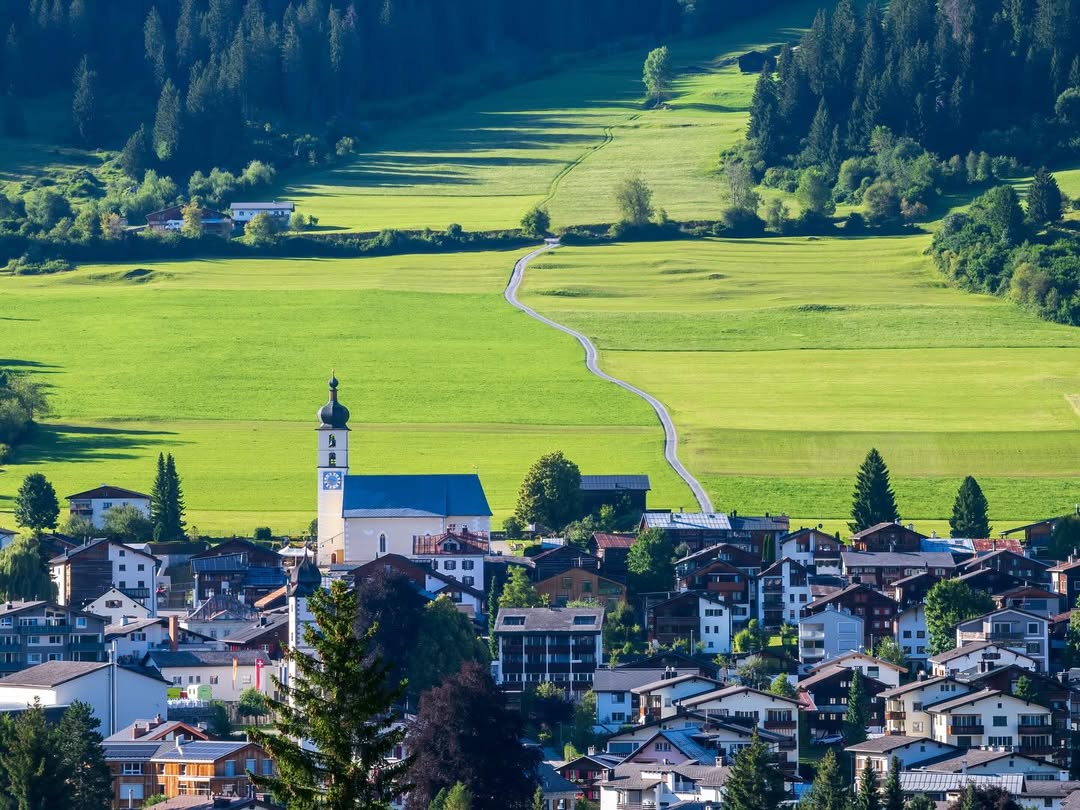
Flims offers a slightly different alpine experience, with forest trails, dramatic rock formations, and one of Switzerland’s most photogenic lakes, Cauma Lake. When you first see it, the water looks almost unreal in its bright turquoise color.
Cauma Lake sits at about 997 meters elevation and is accessed via a short lift or a 10 to 15 minute walk downhill. Entry is controlled in summer, with a fee of around CHF 19, and the area includes swimming zones, sunbathing lawns, and facilities. Water temperatures can reach 21°C to 24°C.
If you go on a weekday morning before 10:00 AM, you will avoid capacity limits and crowds.
What to do
- Swim in Cauma Lake
- Hike the Flims forest trails
- Visit Rhine Gorge viewpoints nearby
Practical intel
- Entry fee: CHF 19
- Best months: July and August
- Family-friendly infrastructure
Best for
Swimming, laid-back days, unique landscapes
15) Saas-Fee (Valais)
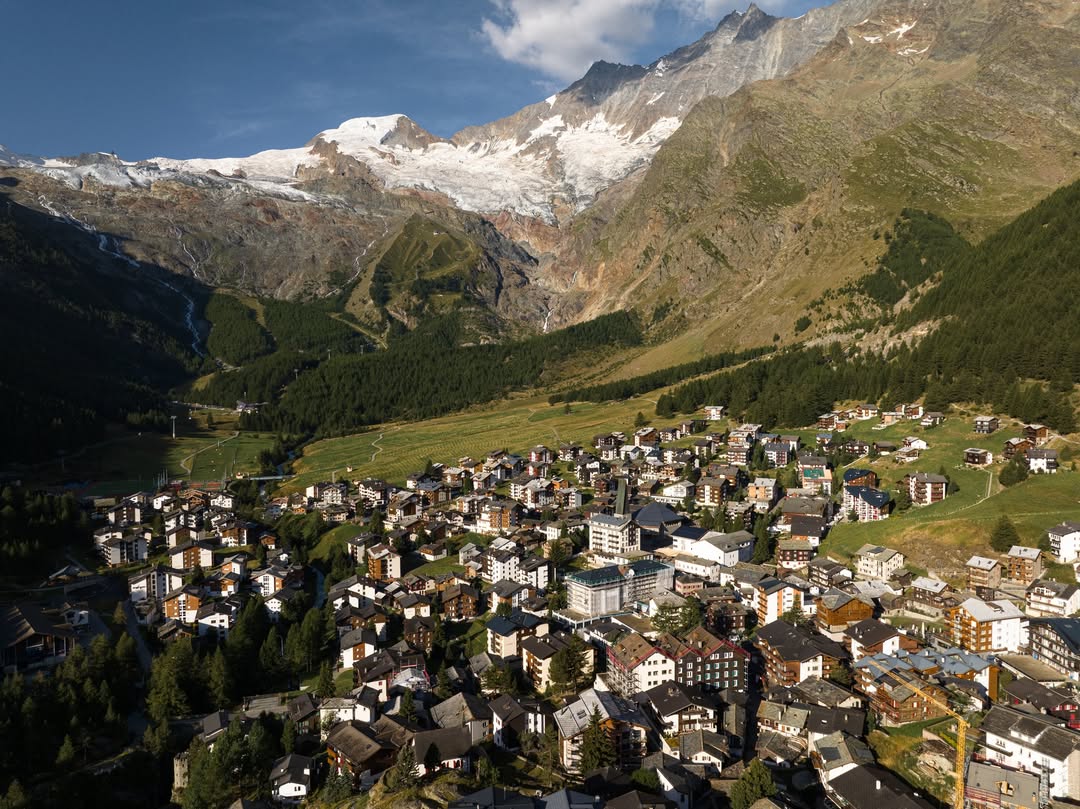
Saas-Fee feels like a quieter alternative to Zermatt, but with equally dramatic surroundings. The village sits at 1,800 meters and is surrounded by 13 peaks over 4,000 meters, creating a near-perfect alpine amphitheater.
One of the highlights is the Mittelallalin, reached via cable car to 3,500 meters in about 45 minutes. Even in summer, you can walk on snow and visit the Ice Pavilion carved into the glacier. Temperatures at the top can drop close to 0°C, even in July.
If you plan it right, go up before 10:00 AM for clearer skies and fewer tour groups.
What to do
- Visit Mittelallalin glacier
- Walk through Saas-Fee village
- Hike alpine trails around the valley
Practical intel
- Cable car to Mittelallalin: CHF 70 to 100
- Car-free village like Zermatt
- Best months: July to September
Best for
High-altitude experiences, fewer crowds, glacier access
16) Schynige Platte (Bernese Oberland)
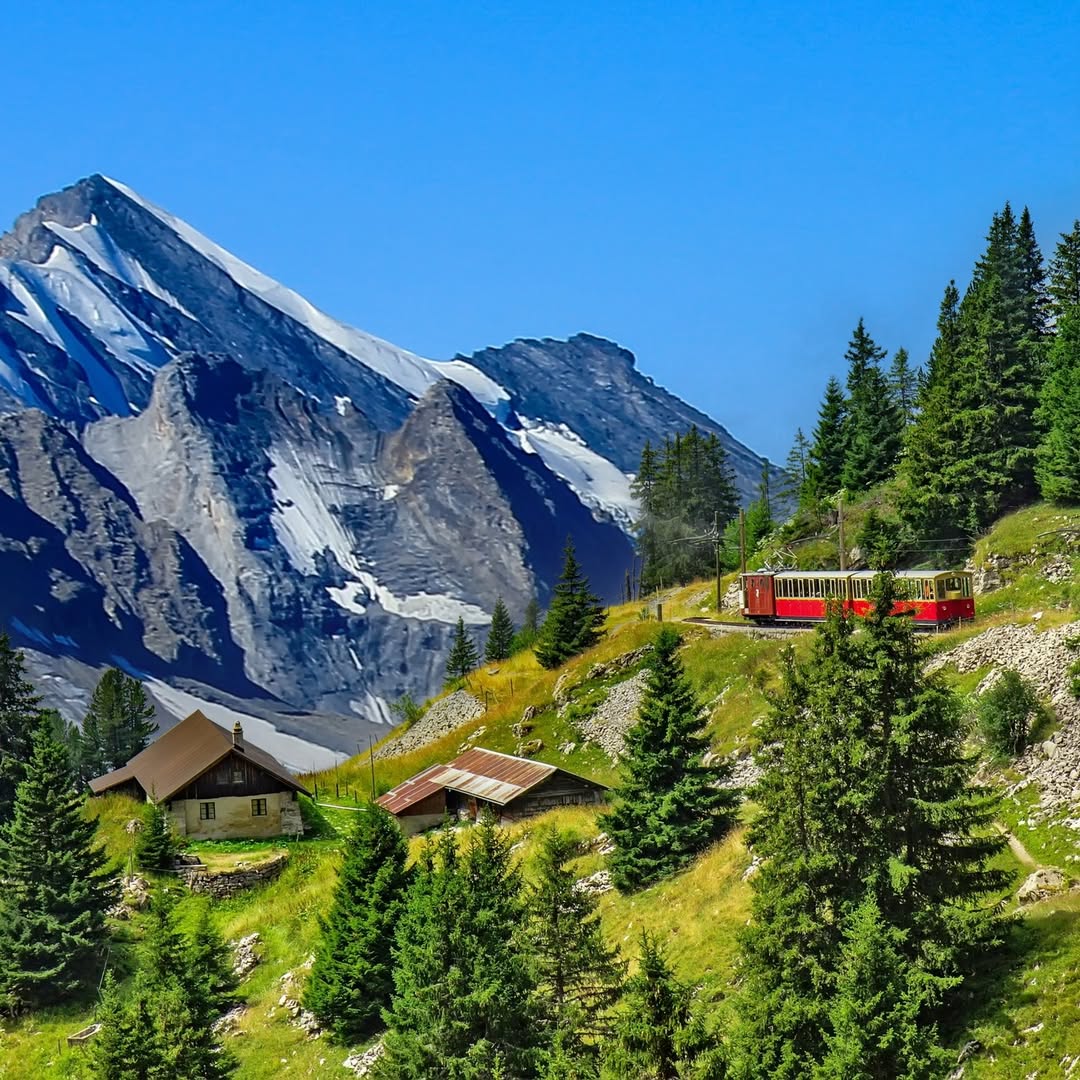
The journey up to Schynige Platte is part of the magic. You will board a vintage cogwheel train from Wilderswil that climbs steadily for about 50 minutes, opening up views of Lake Thun and the Jungfrau peaks as you ascend.
At 1,967 meters, the plateau feels wide and open, with sweeping ridgelines and one of the best panoramic views in Switzerland. The alpine garden here features over 600 plant species, all labeled and native to the region. The Panorama Trail is about 6 km and takes roughly 2 to 3 hours, with constant views.
If you catch the first train around 7:30 AM, the visibility is often crystal clear before clouds build up.
What to do
- Ride the historic cogwheel train
- Walk the Panorama Trail
- Visit the Alpine Garden
Practical intel
- Train ticket: CHF 64 to 96 round trip
- Open season: June to October
- No cars, access only by train
Best for
Panoramic hiking, photography, scenic train rides
17) Verbier (Valais)
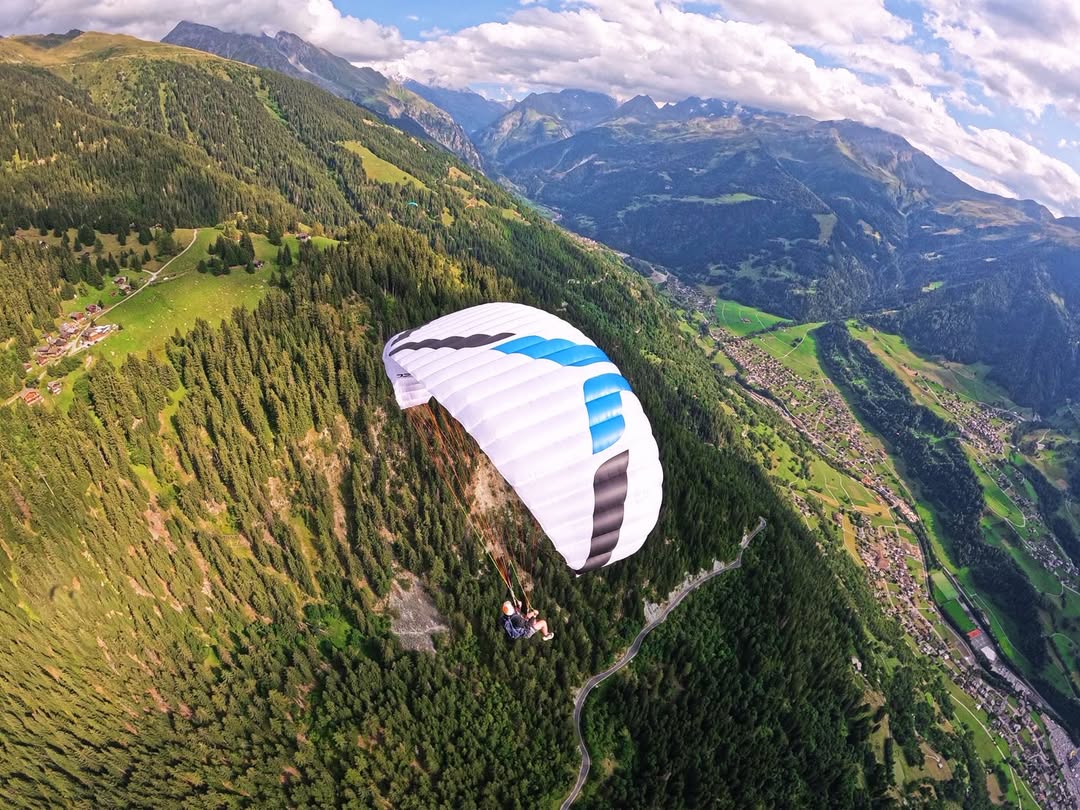
Verbier in summer shifts from a ski resort into a high-altitude adventure base. You will notice the mix of rugged terrain and upscale energy, with hikers, bikers, and paragliders sharing the same dramatic slopes.
The area offers over 500 km of hiking trails and one of the largest lift networks in Switzerland. A standout is Mont Fort at 3,330 meters, reachable by cable car in about 25 to 30 minutes, offering a sweeping 360-degree view that includes the Matterhorn in the distance.
If you go early, around 8:30 AM, the trails are quiet and temperatures are cooler, usually between 10°C and 20°C.
What to do
- Take cable car to Mont Fort
- Hike or mountain bike alpine trails
- Try paragliding over the valley
Practical intel
- Lift passes: CHF 50 to 90 depending on routes
- Peak season: July and August
- Premium pricing for accommodation
Best for
Adventure, high-altitude views, active travelers
18) Soglio (Graubünden)
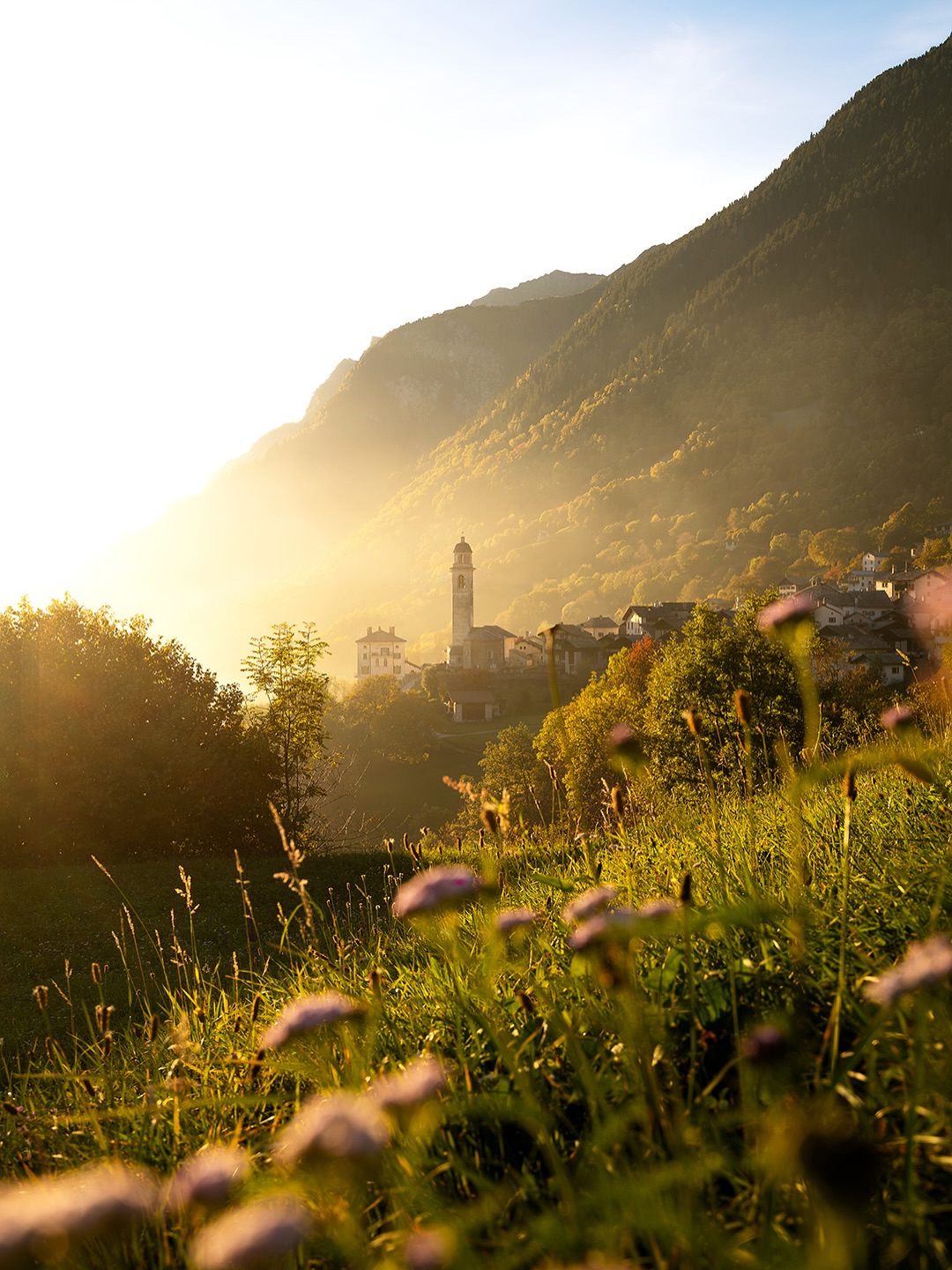
Soglio feels like time has slowed down. This small village sits at 1,090 meters overlooking the Bregaglia Valley, with stone houses, narrow alleys, and a quiet atmosphere that feels untouched.
The views stretch toward the granite peaks of the Sciora Group, which glow pink during sunset. The village is small, you can walk across it in about 20 minutes, but the surrounding hiking trails extend for dozens of kilometers.
If you stay overnight, step outside around 7:00 PM. The light across the valley is soft and the silence is complete.
What to do
- Walk through Soglio village
- Hike scenic valley trails
- Enjoy panoramic viewpoints
Practical intel
- Bus access from St. Moritz in about 1.5 hours
- Ideal stay: half day to 1 night
- Very quiet compared to major destinations
Best for
Hidden gems, slow travel, peaceful scenery
19) Arosa (Graubünden)
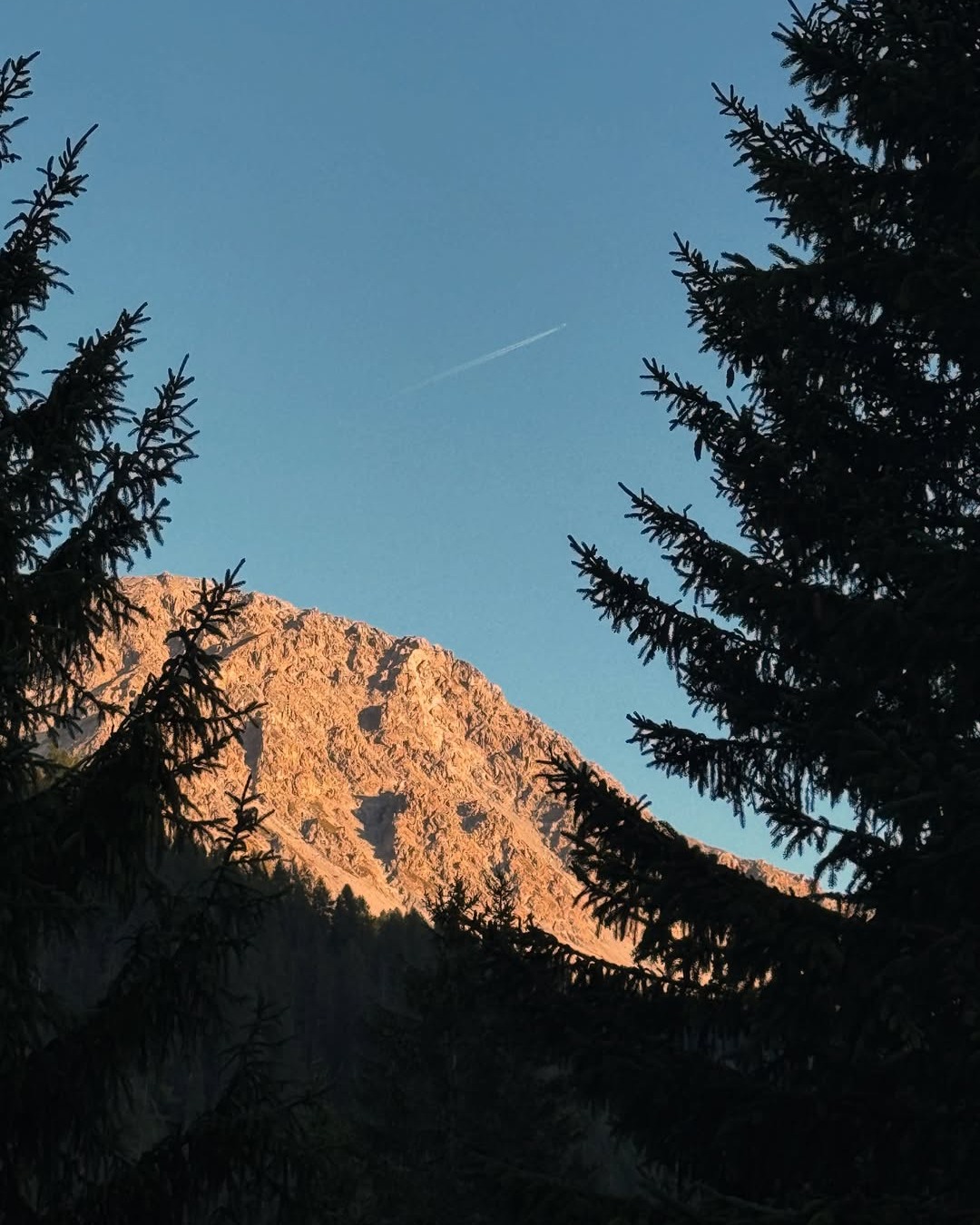
Arosa blends accessibility with alpine beauty. Set at 1,775 meters, the town is surrounded by forests, lakes, and gentle peaks, making it ideal if you want variety without intense effort.
One highlight is Obersee Lake right in the center, and the cable car up to Weisshorn at 2,653 meters, which takes about 20 minutes. The region offers over 200 km of hiking trails, many of them beginner-friendly.
If you visit early in the morning, around 8:00 AM, the lake reflections are at their clearest before the breeze sets in.
What to do
- Ride cable car to Weisshorn
- Walk around Obersee Lake
- Explore easy hiking trails
Practical intel
- Cable car: CHF 40 to 70
- Train journey from Chur: about 1 hour
- Family-friendly destination
Best for
Easy hiking, scenic relaxation, first-time alpine visits
20) Creux du Van (Neuchâtel)
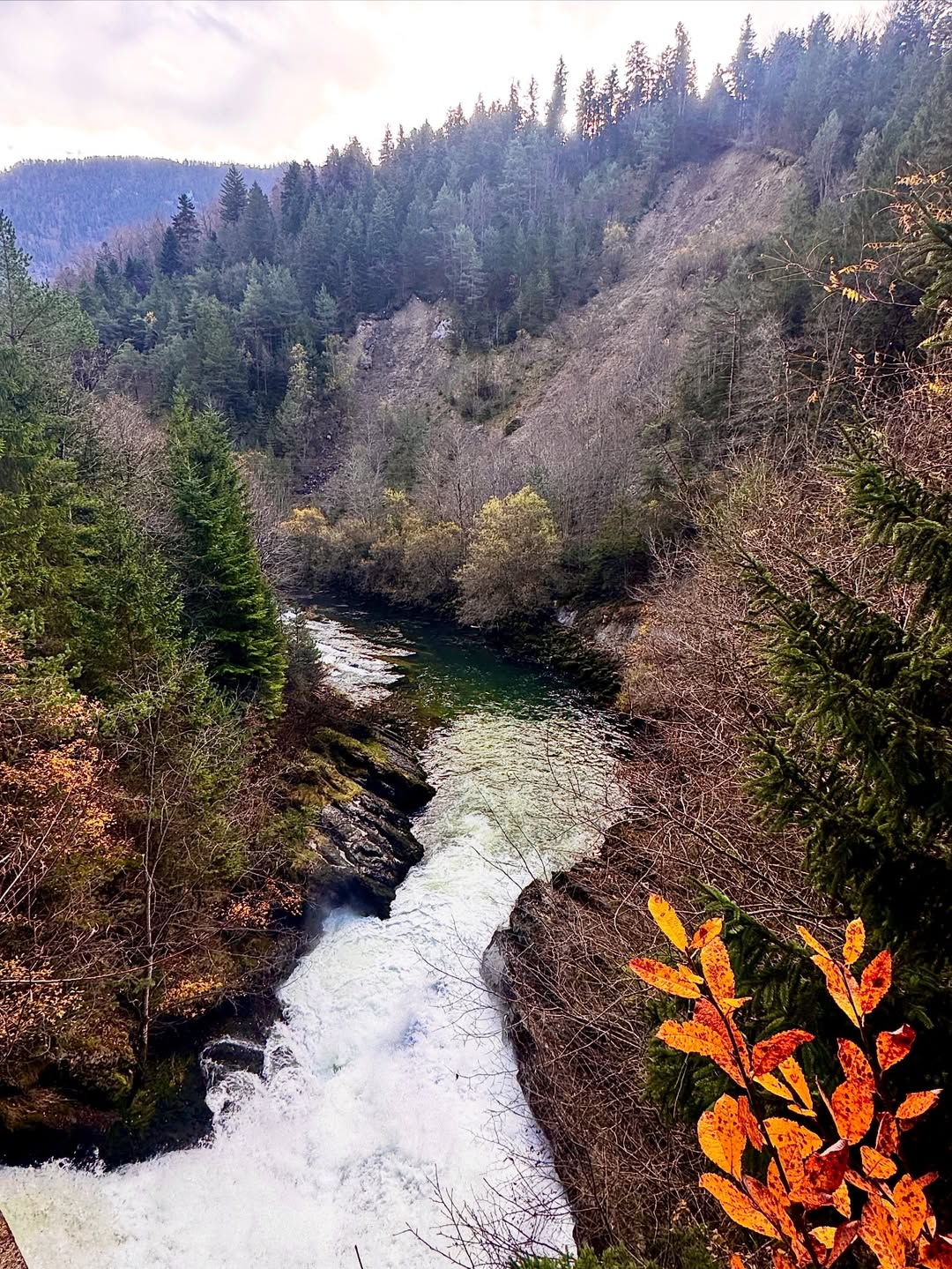
Creux du Van feels completely different from the Alps. It is a massive natural rock amphitheater, about 1,400 meters wide and 160 meters deep, carved into a crescent-shaped cliff.
The hike to the rim takes about 1.5 to 2 hours, depending on your starting point, and once you reach the top, the drop is dramatic and uninterrupted. You may also spot ibex along the cliffs if you go early enough.
If you arrive before 9:00 AM, you will avoid crowds and have a better chance of seeing wildlife.
What to do
- Hike to the cliff edge
- Walk along the rim trail
- Look for ibex and wildlife
Practical intel
- Free access
- Best months: May to September
- Moderate hiking required
Best for
Unique landscapes, hiking, nature photography
21) Engelberg (Central Switzerland)
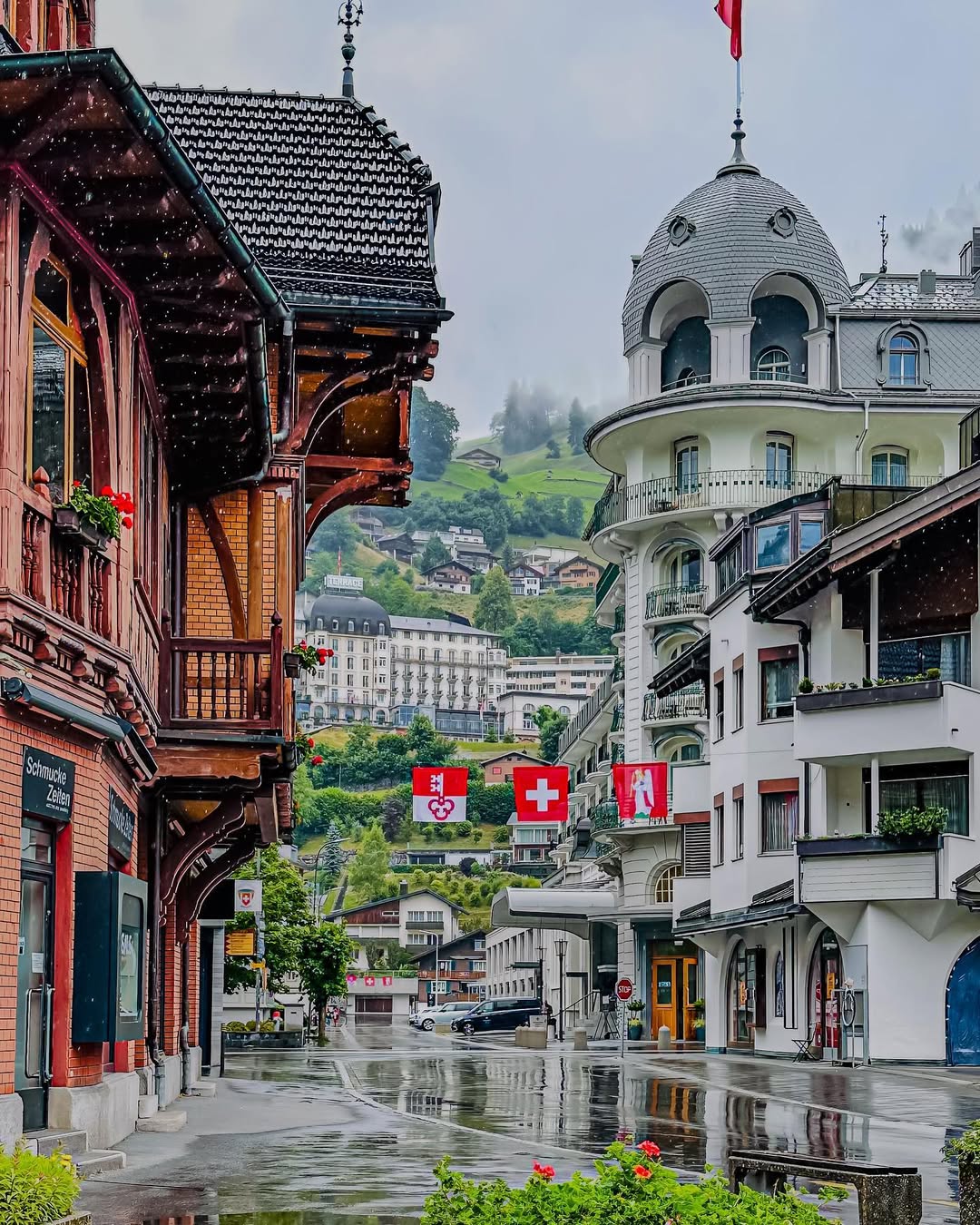
Engelberg feels like a quiet alpine retreat with a dramatic edge. As you arrive, you will notice the valley opening up beneath towering peaks, anchored by the historic Engelberg Abbey, which dates back to 1120 and still operates today.
The main draw in summer is Mount Titlis at 3,238 meters, reached via a series of cable cars including the rotating Titlis Rotair. The full ascent takes about 45 minutes, and even in July, temperatures at the top can sit around 0°C to 5°C. The cliff walk here is Europe’s highest suspension bridge at over 3,000 meters elevation.
If you go early, around 8:30 AM, you will beat the heavy tour groups and get clearer mountain views.
What to do
- Ride the Titlis Rotair cable car
- Walk the Titlis Cliff Walk
- Visit Engelberg Abbey
Practical intel
- Titlis round trip: CHF 96 to 120
- Train from Lucerne: about 45 minutes
- Can be done as a day trip
Best for
Glacier access, high-altitude experiences, easy day trips
22) Rheinfall (Schaffhausen)
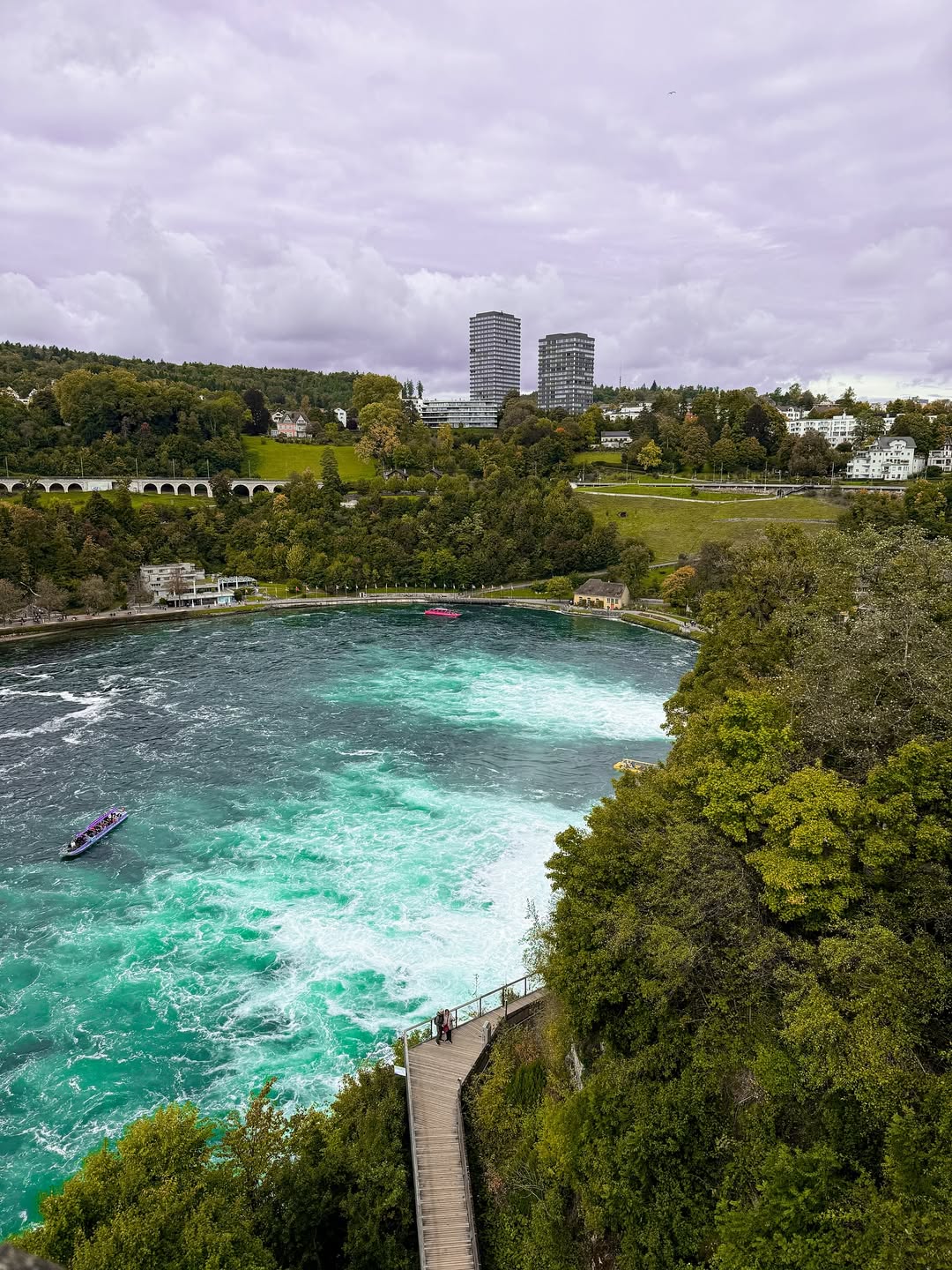
Rheinfall is pure power. You will hear it before you see it. As you get closer, the sound builds into a constant roar, and then suddenly, the largest waterfall in Europe appears, stretching 150 meters wide and dropping 23 meters.
In summer, the water flow can reach up to 600 cubic meters per second, making it especially dramatic between June and August. You can get surprisingly close via viewing platforms, or take a boat ride that brings you right to the central rock in about 15 minutes.
If you visit around 10:00 AM, you get strong light on the falls without the late-day crowds.
What to do
- Walk the viewing platforms
- Take a boat to the central rock
- Explore surrounding trails
Practical intel
- Viewing access: CHF 5
- Boat rides: CHF 10 to 20
- Easy access from Zurich in 1 hour
Best for
Short stops, powerful natural sights, photography
23) Val Verzasca (Ticino)
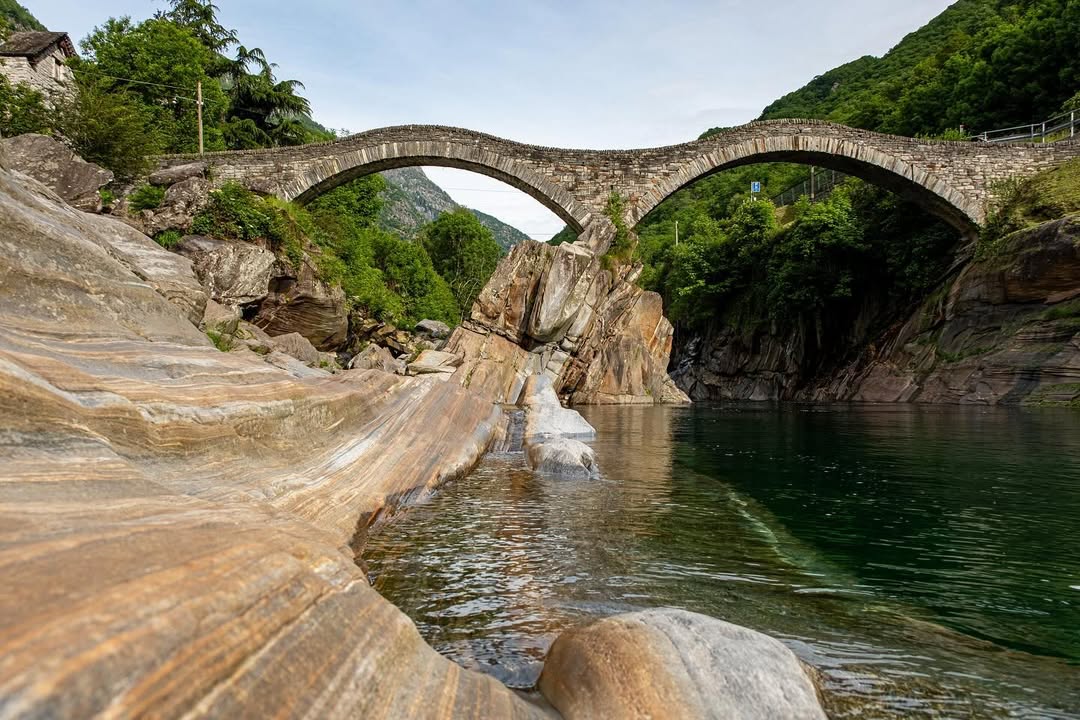
Val Verzasca feels almost tropical compared to the rest of Switzerland. The river runs crystal clear with a striking emerald-green color, flowing over smooth rock formations that look sculpted.
One of the most iconic spots is Verzasca Dam, standing 220 meters high, famous for the opening scene of a James Bond film. Down in the valley, the stone bridge Ponte dei Salti in Lavertezzo arches over the river, creating one of the most photogenic swimming spots in the country.
If you go early, around 9:00 AM, you will find calmer water and fewer swimmers, especially in peak July and August.
What to do
- Swim in the Verzasca River
- Visit Ponte dei Salti
- Walk along the river trails
Practical intel
- Free access to river areas
- Bus from Locarno: about 30 minutes
- Water is cold, typically 10°C to 15°C even in summer
Best for
Swimming, unique landscapes, offbeat experiences



COMMENTS
Please note that all comments will be checked by our team before being approved.