21 Hidden Places to Visit in France That Create A Five Star Fairy Tale Feeling
Craving a French escape that goes beyond the usual tourist trail? These 21 hidden places to visit in France are quiet, charming, and wonderfully undiscovered, perfect for uncovering secret spots, local treasures, and unforgettable moments far from the crowds.

France is often seen through its famous icons, but its real charm lies in the quieter corners you don’t expect. Beyond busy streets and postcard landmarks, you’ll find villages and landscapes that feel personal the moment you arrive.
As you explore these hidden places, the pace begins to change. Mornings are calmer, interactions feel more genuine, and even simple moments, like a quiet street or small café, become memorable.
These lesser-known spots are not just beautiful, they are immersive. Here are 21 hidden places in France that feel like true discoveries, each with its own atmosphere and practical details to help you plan.
1. Rocamadour, Occitanie
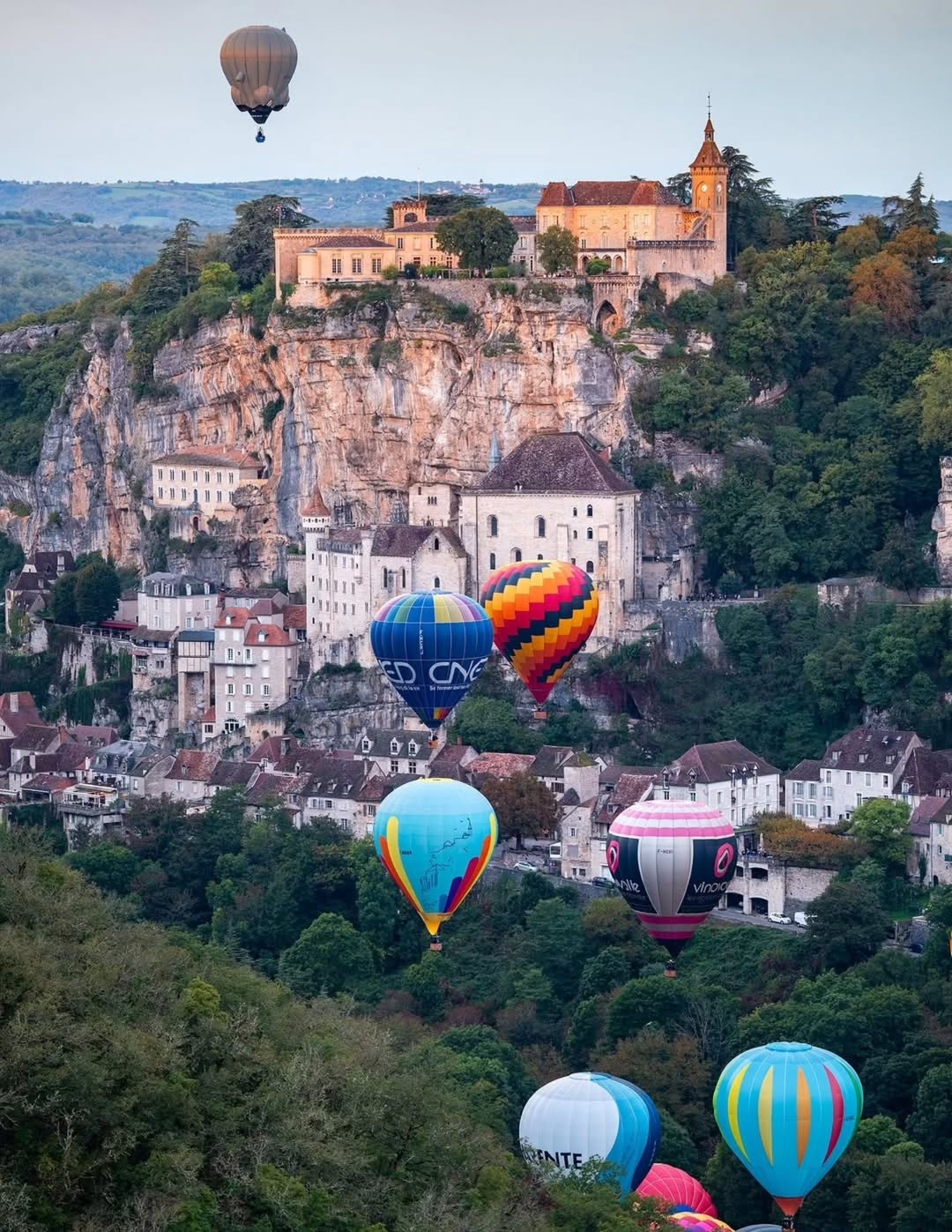
You first see Rocamadour clinging to a sheer limestone cliff, stacked in layers like a medieval dream. As you walk up the 216-step Grand Escalier, you’ll notice the silence broken only by footsteps and church bells echoing across the canyon.
This pilgrimage site dates back to the 12th century and receives around 1.5 million visitors annually, but most stay near the base. If you continue higher toward the château, the crowds thin dramatically and the views stretch over the Alzou Valley for nearly 10 kilometers.
If you go early, before 9 AM, you’ll experience the village almost empty, which completely changes its atmosphere.
What to do
- Climb the Grand Escalier
- Visit the Chapelle Notre-Dame
- Walk to the château viewpoint
Practical intel
- Entry: Free for village, chapel donations €2–€5
- Time needed: 2–3 hours
- Best time: Early morning or sunset
Best for: History lovers and dramatic landscapes
2. Île de Porquerolles, near Hyères
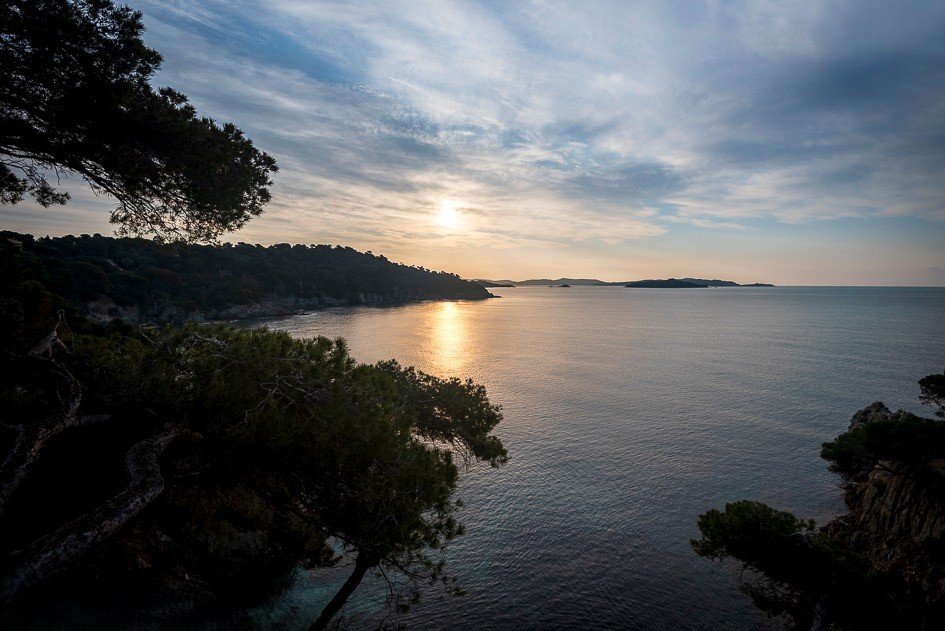
You arrive by ferry and instantly feel the shift. No traffic noise, just wind through pine trees and the faint sound of waves. The island’s white sandy beaches feel closer to the Caribbean than the French Riviera.
The island is just 7 km long, and over 80 percent is protected natural land. Renting a bike for about €15 per day is the best way to explore hidden coves like Plage d’Argent, often less crowded than mainland beaches.
If you cycle inland, you’ll pass vineyards producing around 200,000 bottles annually, many offering tastings for €8 to €15.
What to do
- Cycle across the island
- Swim at Plage Notre-Dame
- Visit local vineyards
Practical intel
- Ferry: €20–€30 round trip
- Time needed: Full day
- No cars allowed
Best for: Beach lovers and slow travel
3. Eguisheim, Alsace
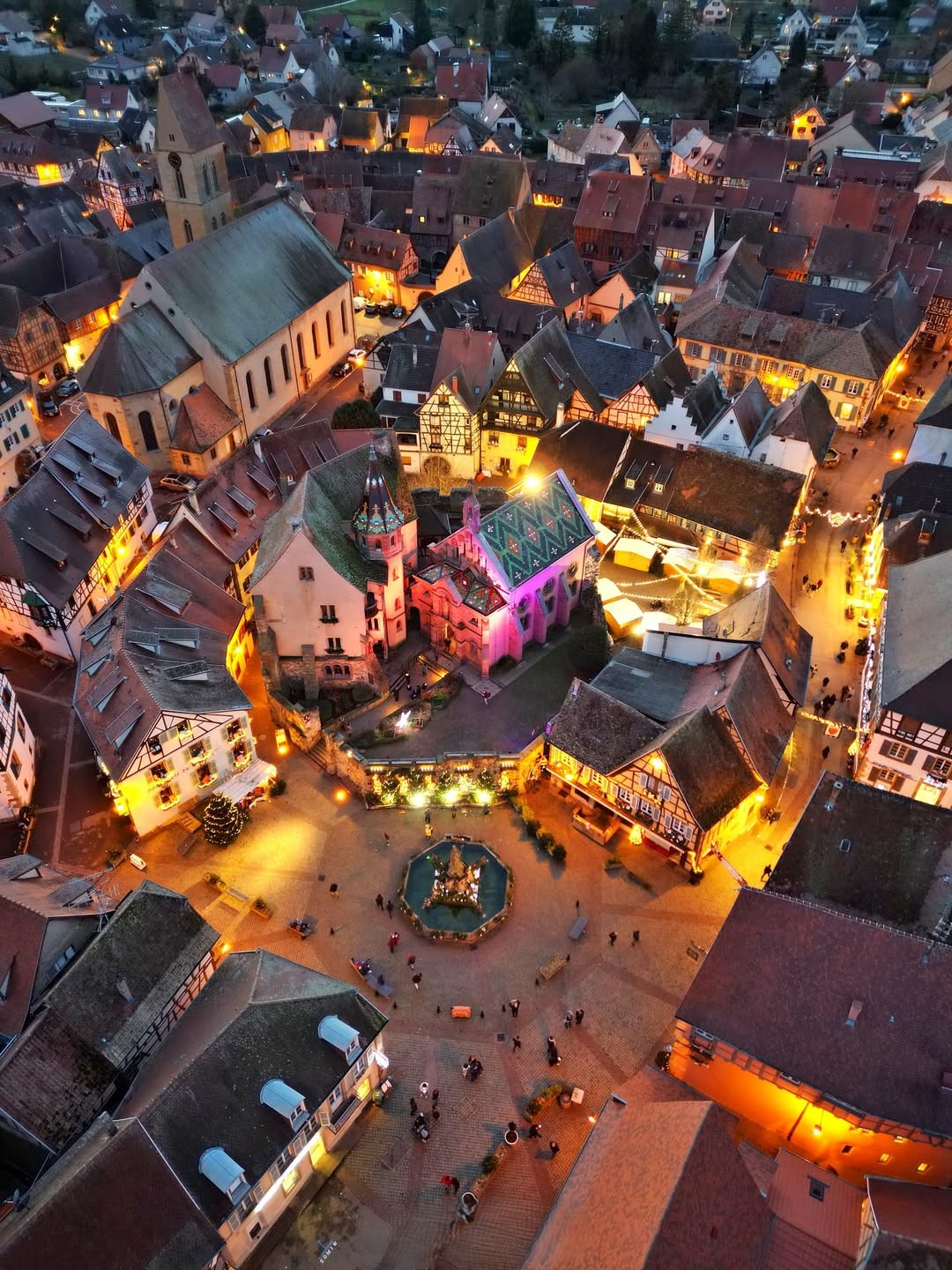
Eguisheim wraps around itself in concentric circles, so as you walk, you feel like you’re looping through a storybook. The pastel houses and flower-covered balconies create a quiet, almost surreal calm.
This village has fewer than 1,800 residents but is consistently ranked among France’s most beautiful villages. It’s just 7 km from Colmar, yet far less crowded, especially outside peak summer afternoons.
If you visit during late spring, you’ll see storks nesting on rooftops, a rare sight in most of Europe.
What to do
- Walk the circular streets
- Visit local wine cellars
- Spot stork nests
Practical intel
- Wine tastings: €5–€10
- Time needed: 2 hours
- Best time: Morning or early evening
Best for: Fairytale scenery and wine culture
4. Gorges du Verdon, Provence
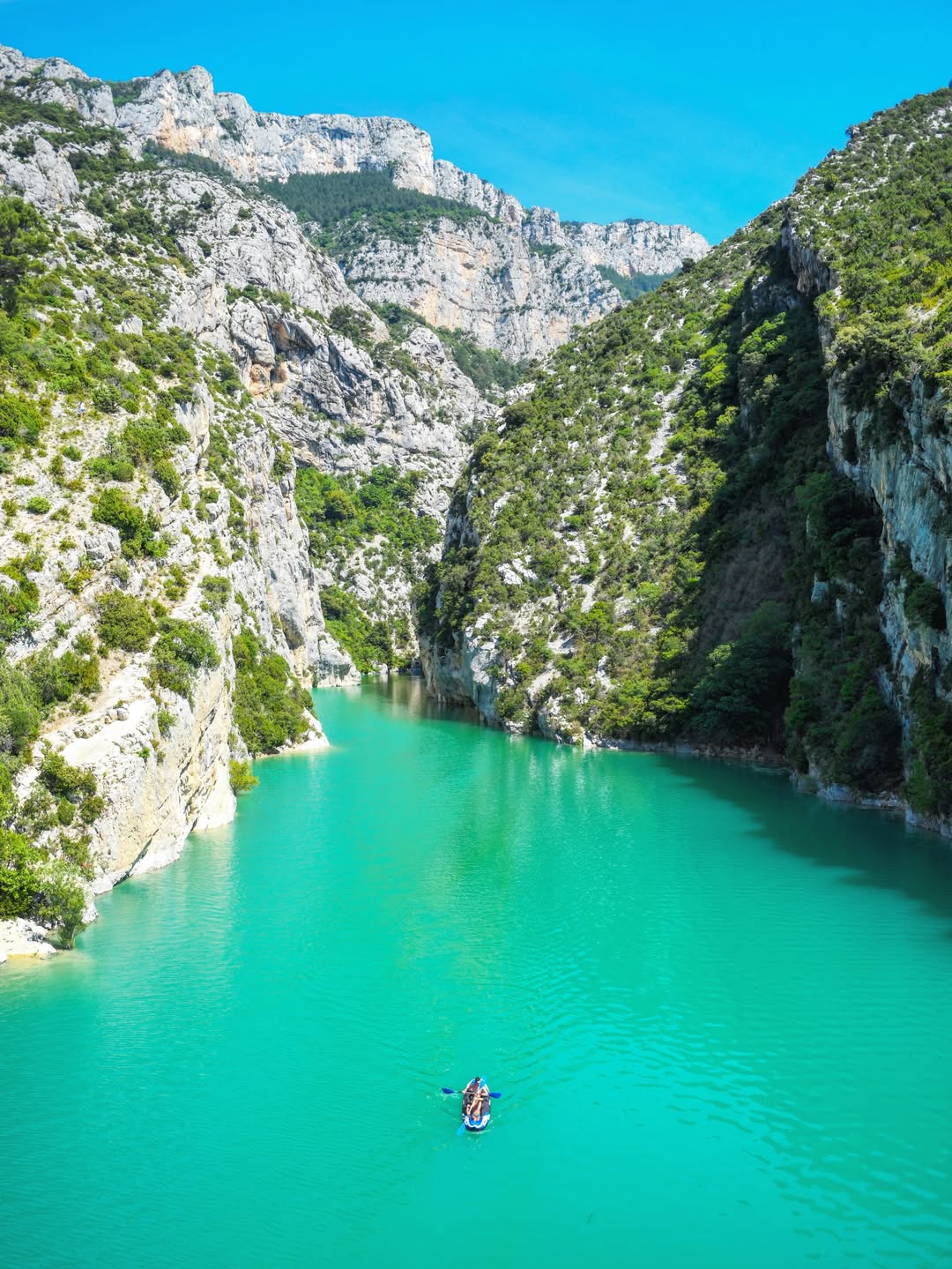
Standing at the edge, you’ll notice the water glowing turquoise nearly 700 meters below. The scale feels overwhelming, yet peaceful at the same time.
The canyon stretches about 25 km and is often called Europe’s Grand Canyon. Kayak rentals start at around €20 per hour, giving you a completely different perspective from inside the gorge.
If you drive the Route des Crêtes, a 23 km loop, you’ll encounter viewpoints every few kilometers, many surprisingly uncrowded compared to the main stops.
What to do
- Kayak in the canyon
- Drive Route des Crêtes
- Hike the Blanc-Martel trail
Practical intel
- Kayak: €20–€40/hour
- Time needed: Half to full day
- Best months: May to September
Best for: Adventure and nature
5. Collonges-la-Rouge, Nouvelle-Aquitaine
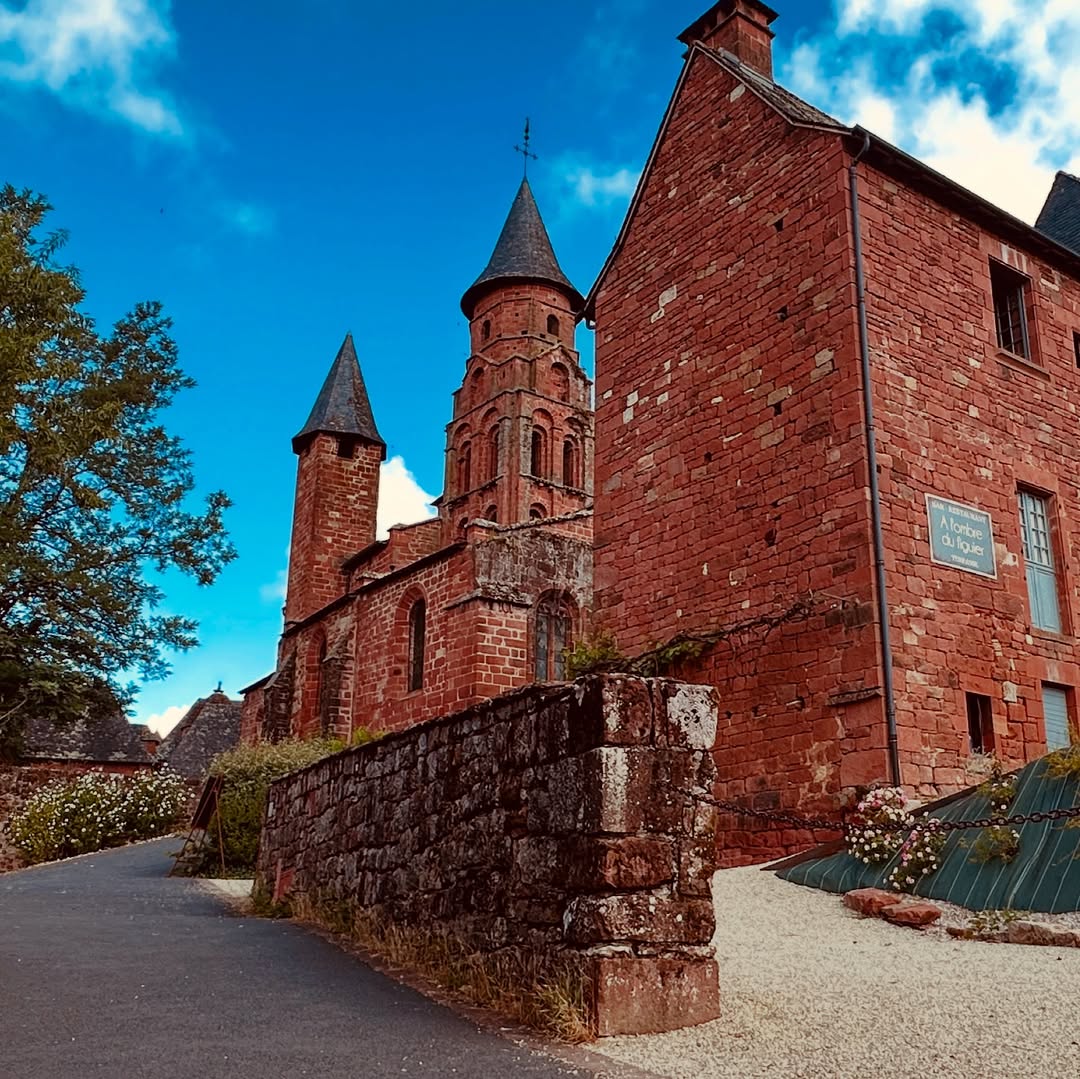
Everything here is red. The sandstone buildings glow differently depending on the time of day, shifting from deep crimson in the morning to warm orange at sunset.
The village dates back to the 8th century and has around 500 residents. Despite its beauty, it sees far fewer visitors than Provence villages, especially outside July and August.
If you stay until evening, you’ll notice how quickly the village empties, leaving a quiet, almost private atmosphere.
What to do
- Wander the narrow lanes
- Visit Saint-Pierre Church
- Photograph the red architecture
Practical intel
- Entry: Free
- Time needed: 1.5–2 hours
- Best time: Sunset
Best for: Unique architecture and photography
6. Canal du Midi, Occitanie
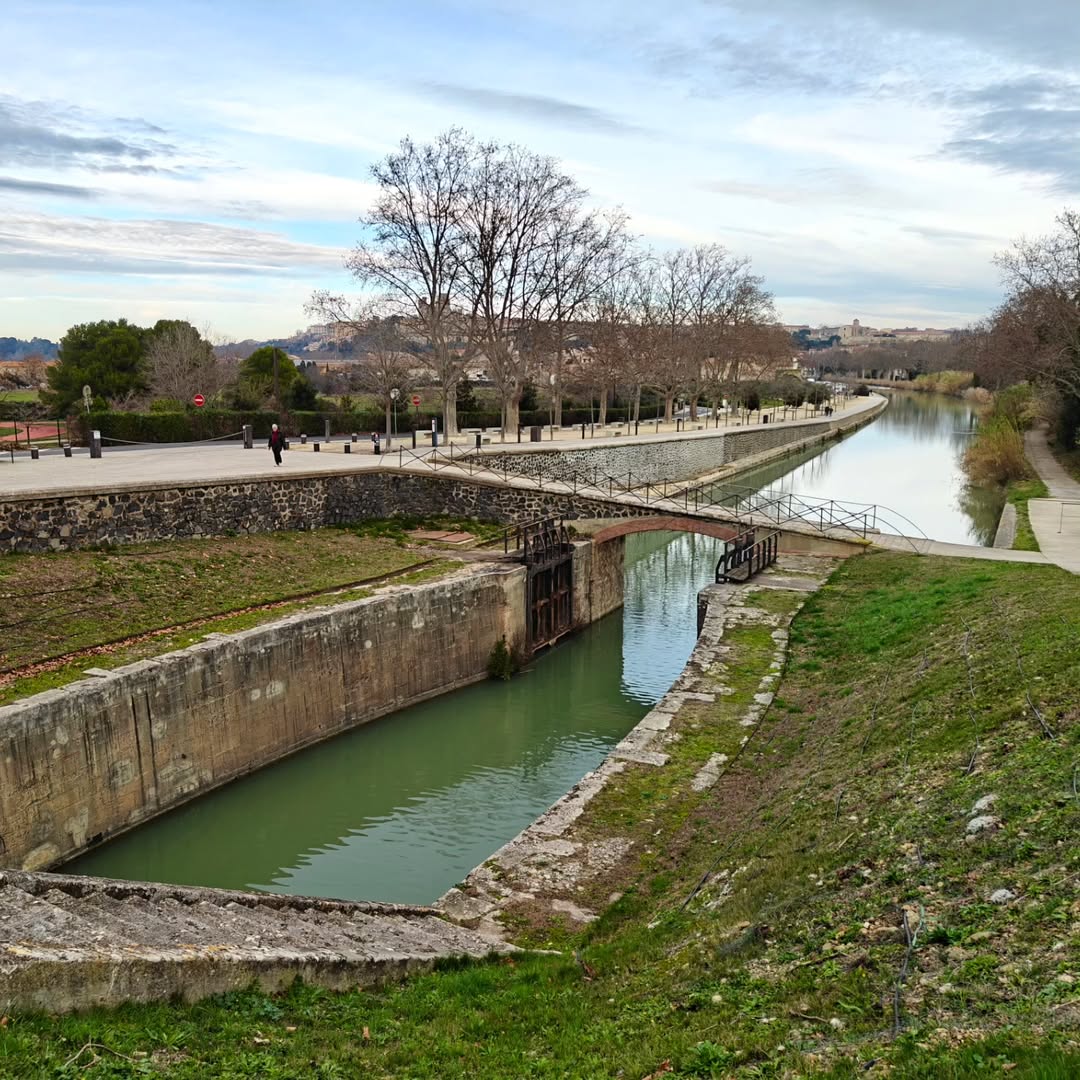
You walk along shaded paths lined with plane trees, the water perfectly still except for the occasional passing boat. It feels slow in the best possible way.
Built in the 17th century, the canal stretches 240 km and connects Toulouse to the Mediterranean. Renting a small boat costs around €150 to €300 per day, but even a simple walk or bike ride gives you the same peaceful rhythm.
If you cycle a 10 km stretch, you’ll pass locks where boats rise and fall by several meters, which is surprisingly fascinating to watch.
What to do
- Cycle along the canal
- Watch lock operations
- Take a boat ride
Practical intel
- Bike rental: €15–€25/day
- Time needed: 2–5 hours
- Best season: Spring or early autumn
Best for: Slow travel and relaxation
7. Plateau de Valensole, Provence
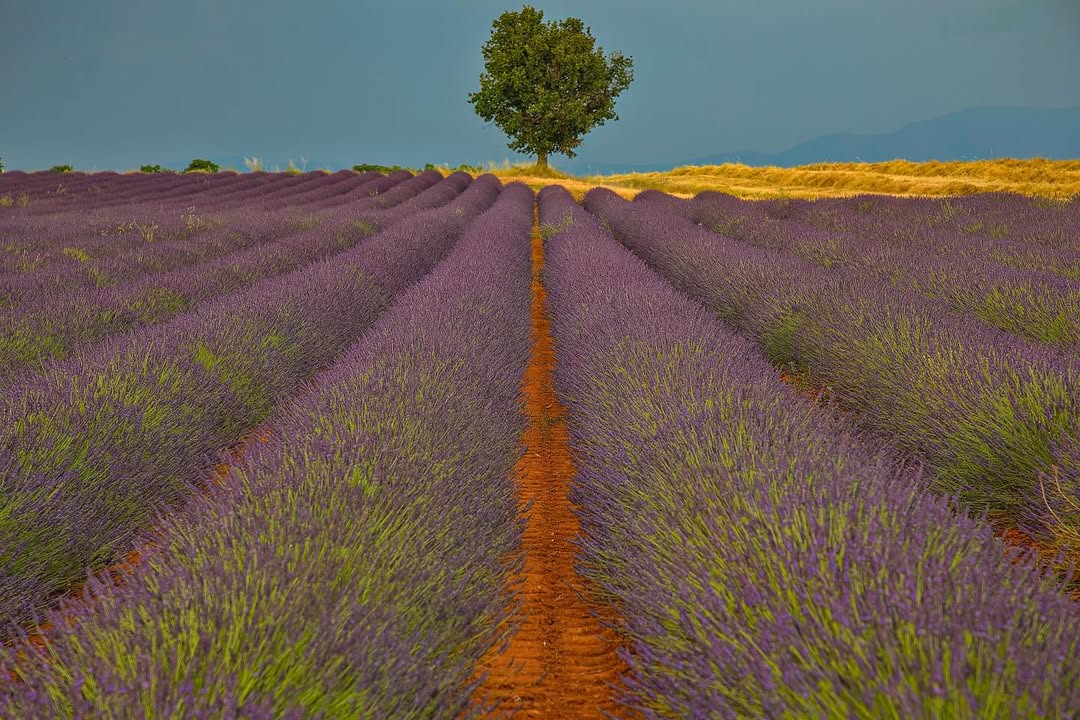
In peak bloom, you’ll see endless rows of purple stretching for kilometers, with the scent of lavender carried by the wind. It’s immersive, not just visual.
The plateau covers around 800 square kilometers, making it one of the largest lavender-producing areas in France. Bloom season typically peaks between late June and mid-July, depending on weather.
If you go at sunrise, you’ll avoid crowds and get softer light, which transforms the landscape completely.
What to do
- Walk through lavender fields
- Visit local distilleries
- Photograph sunrise landscapes
Practical intel
- Entry: Free
- Time needed: 2–4 hours
- Peak bloom: Late June to mid-July
Best for: Nature and photography
8. Annecy Old Town, Haute-Savoie
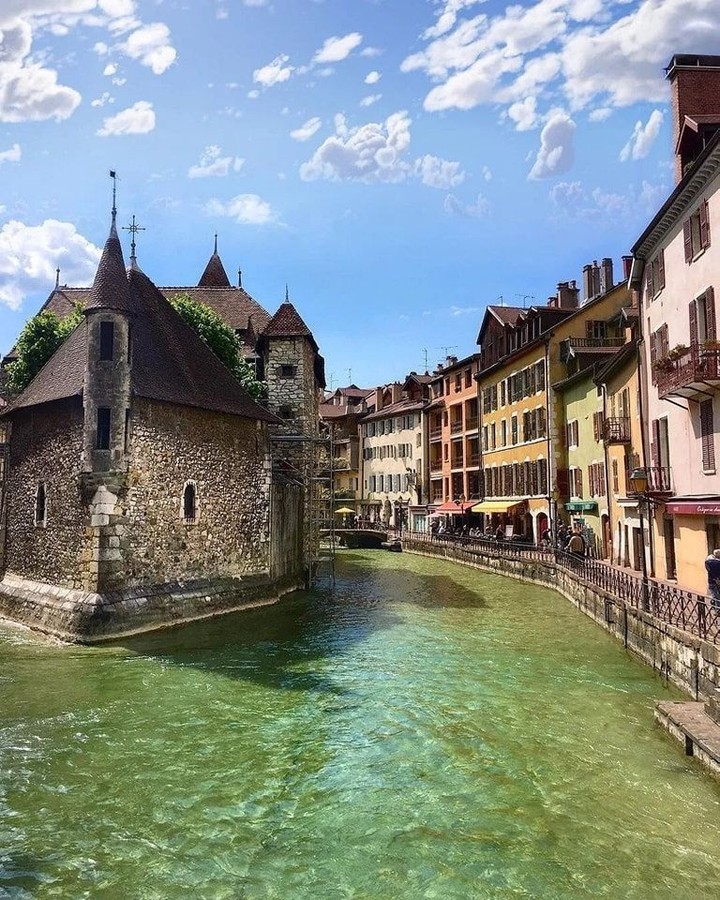
The canals reflect pastel buildings, and you’ll notice flowers everywhere. It feels lively but not overwhelming, especially compared to larger French cities.
Annecy’s old town dates back to the medieval period, and the lake nearby is one of Europe’s cleanest, with visibility up to 6 meters underwater.
If you walk early in the morning, before 10 AM, the canals are calm and far less crowded.
What to do
- Walk along canals
- Visit Palais de l’Île
- Relax by Lake Annecy
Practical intel
- Entry: Free
- Time needed: 3–4 hours
- Best time: Morning
Best for: Scenic walks and lakeside charm
9. Locronan, Brittany
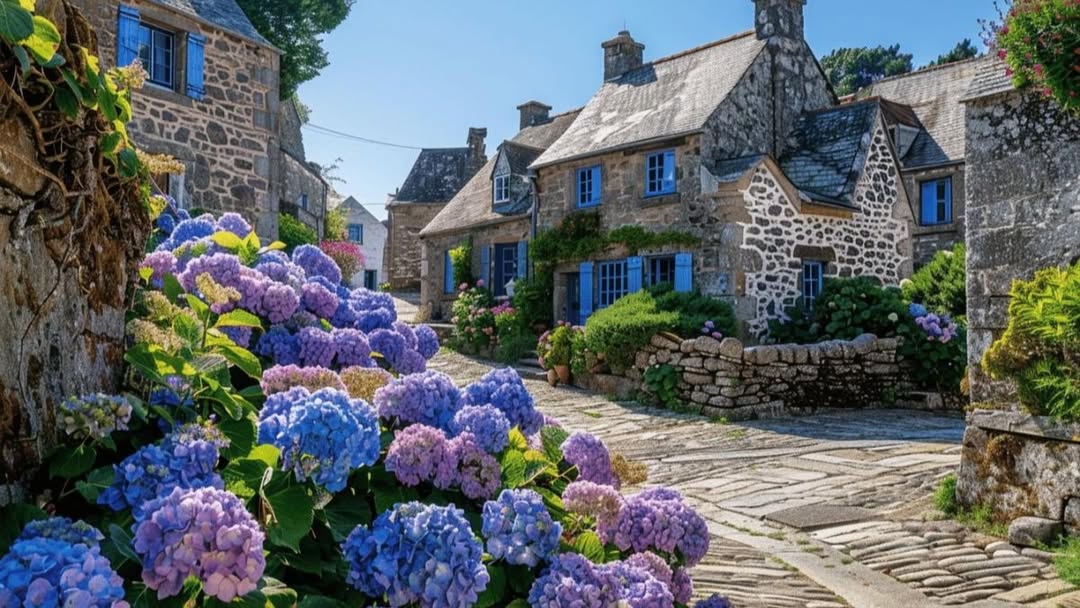
Cobblestone streets and granite houses give Locronan a timeless feel. You’ll notice how quiet it is compared to coastal towns nearby.
The village has been used as a filming location for several historical movies due to its preserved 18th-century architecture. It has fewer than 800 residents, which adds to its stillness.
If you visit in autumn, the atmosphere becomes even more atmospheric with fewer tourists and softer light.
What to do
- Walk the central square
- Explore artisan shops
- Visit Saint-Ronan Church
Practical intel
- Entry: Free
- Time needed: 1.5–2 hours
- Best time: Off-season
Best for: Quiet history and culture
10. Dune du Pilat, near Arcachon
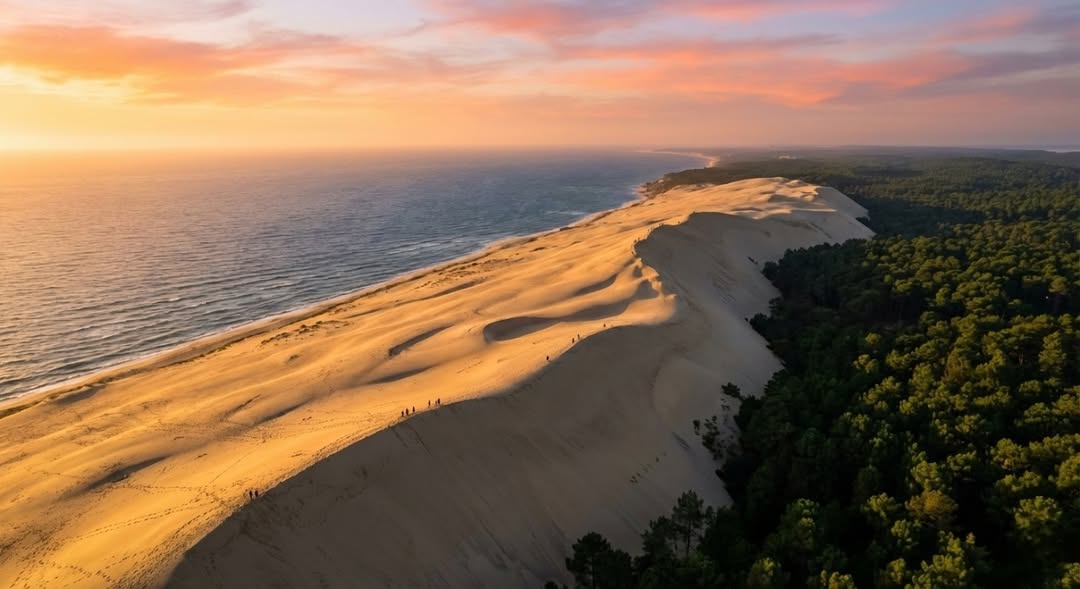
You climb barefoot and feel the sand shift under your feet, and then suddenly you’re standing on Europe’s tallest dune with the Atlantic on one side and forest on the other.
The dune rises about 110 meters high and stretches nearly 2.7 km in length. Around 2 million people visit each year, but most stay near the main access point.
If you walk 10 to 15 minutes along the ridge, you’ll find quieter spots with uninterrupted views.
What to do
- Climb the dune
- Watch sunset over the ocean
- Walk along the ridge
Practical intel
- Entry: Free
- Time needed: 2–3 hours
- Best time: Sunset
Best for: Unique landscapes and views
11. Saint-Cirq-Lapopie, Occitanie
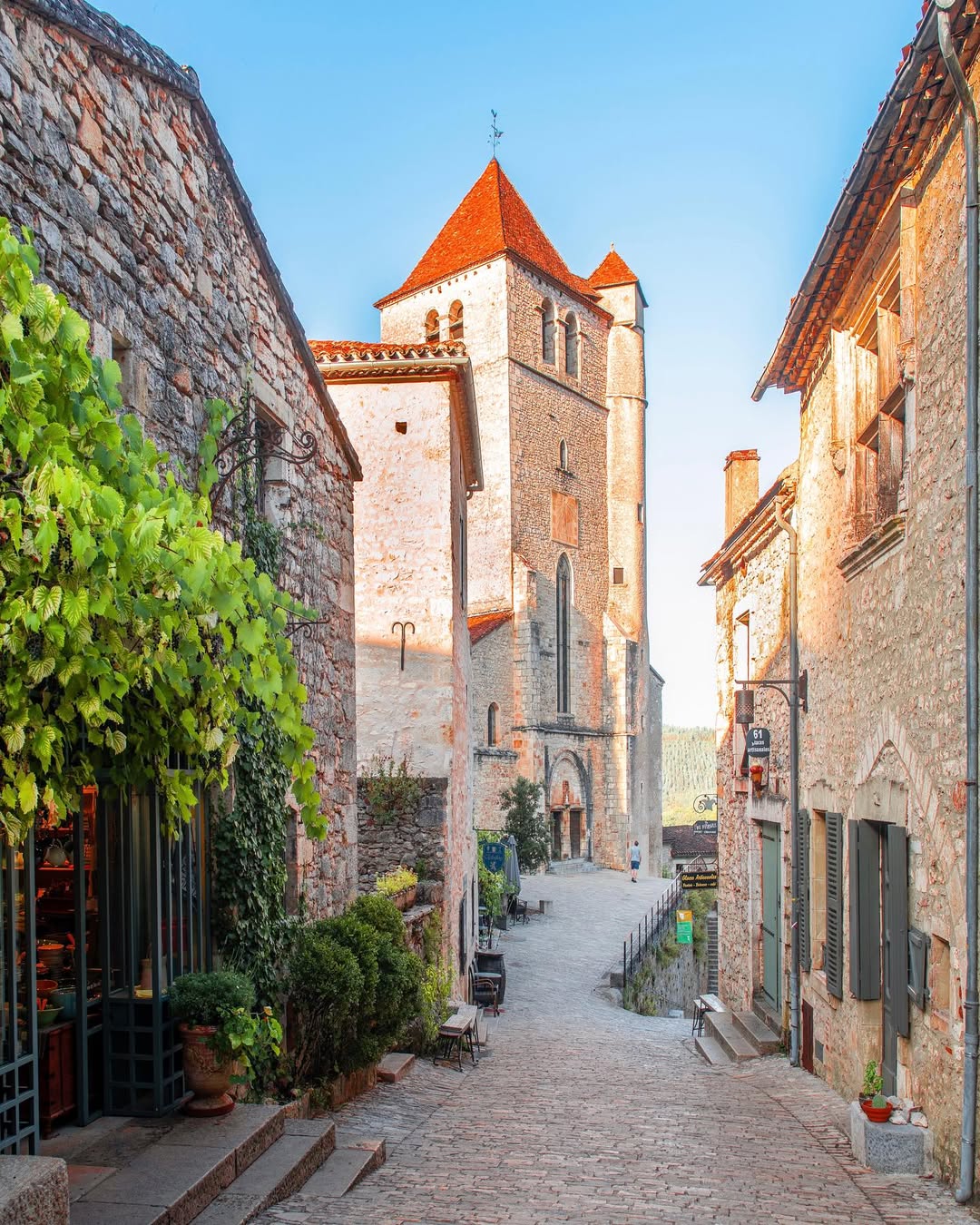
You approach Saint-Cirq-Lapopie from below and suddenly it rises above you, perched 100 meters above the Lot River. The narrow lanes feel untouched, with ivy-covered stone houses and almost no modern distractions in sight.
The village has fewer than 250 residents, yet it draws around 500,000 visitors a year. Most stay near the lower entrance, so if you climb higher toward the fortified church, the crowds thin quickly and the views stretch for over 15 kilometers along the valley.
If you go late in the day, around 6 PM, the village quiets down dramatically and the golden light transforms the stone walls.
What to do
- Climb to the upper viewpoints
- Explore medieval streets
- Walk along the Lot River
Practical intel
- Parking: €5–€8
- Time needed: 2–3 hours
- Best time: Evening
Best for: Dramatic scenery and quiet exploration
12. Abbaye de Sénanque, Provence
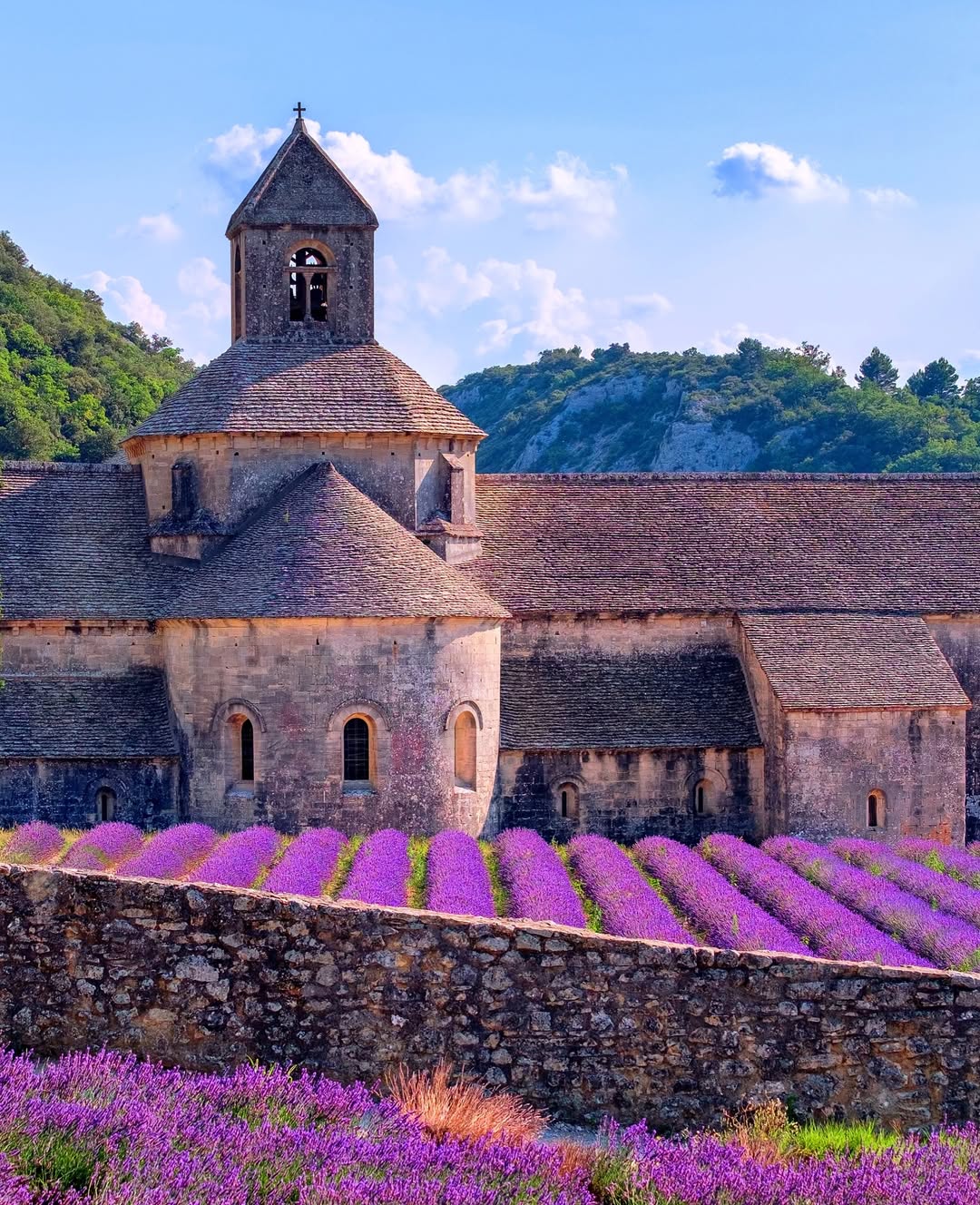
You’ll first notice the symmetry. The abbey sits perfectly framed by lavender fields, creating one of the most balanced landscapes in southern France.
Founded in 1148, it is still an active Cistercian monastery with a small community of monks. Around 200,000 visitors come annually, but most stop briefly for photos. If you stay longer and walk the surrounding paths, you’ll find quiet corners almost entirely empty.
If you visit in July, the lavender blooms fully, but going in early morning before 8 AM gives you a much more peaceful experience.
What to do
- Photograph the abbey and fields
- Walk nearby trails
- Visit the monastery shop
Practical intel
- Entry: €8 guided visit
- Time needed: 1.5–2 hours
- Best season: Late June to July
Best for: Photography and calm landscapes
13. Kaysersberg, Alsace
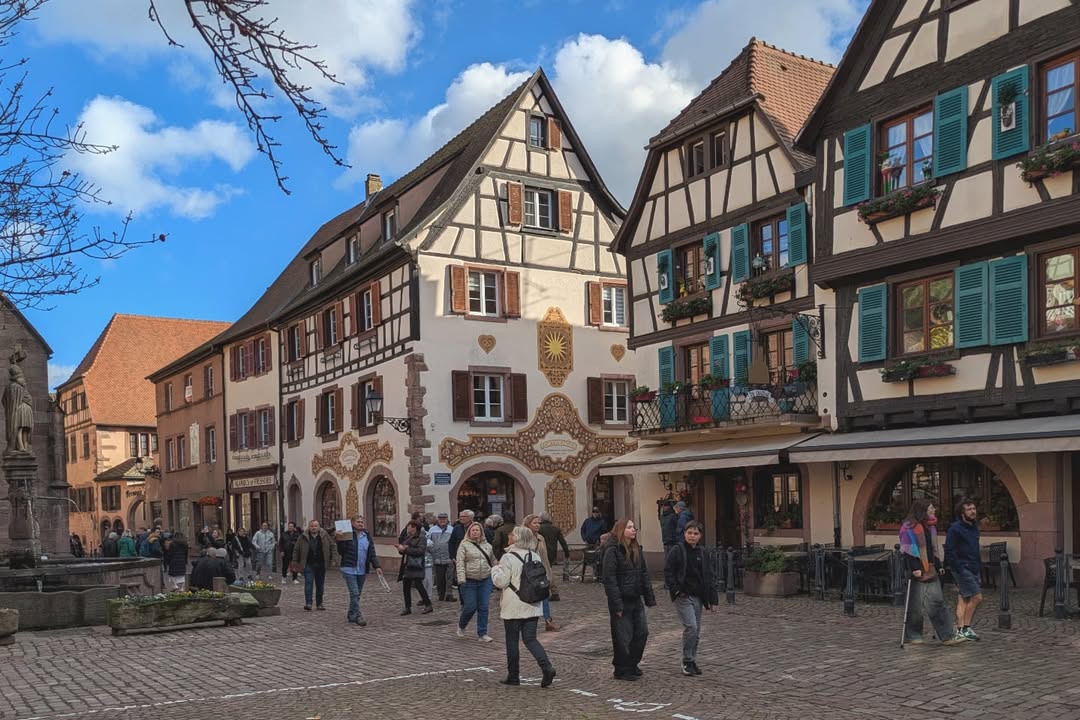
Kaysersberg feels like a quieter alternative to Colmar, with half-timbered houses leaning slightly over cobbled streets. You’ll notice the gentle sound of the Weiss River running through the center.
The village has about 2,700 residents and sits along the Alsace Wine Route. Wine tastings typically cost €5 to €12, and many cellars produce small batches under 50,000 bottles annually.
If you visit in December, the Christmas market is far less crowded than Strasbourg but equally atmospheric.
What to do
- Walk the old bridge
- Visit local wineries
- Explore castle ruins
Practical intel
- Time needed: 2–3 hours
- Tastings: €5–€12
- Best time: Morning or winter season
Best for: Wine and charm without crowds
14. Cirque de Gavarnie, Occitanie
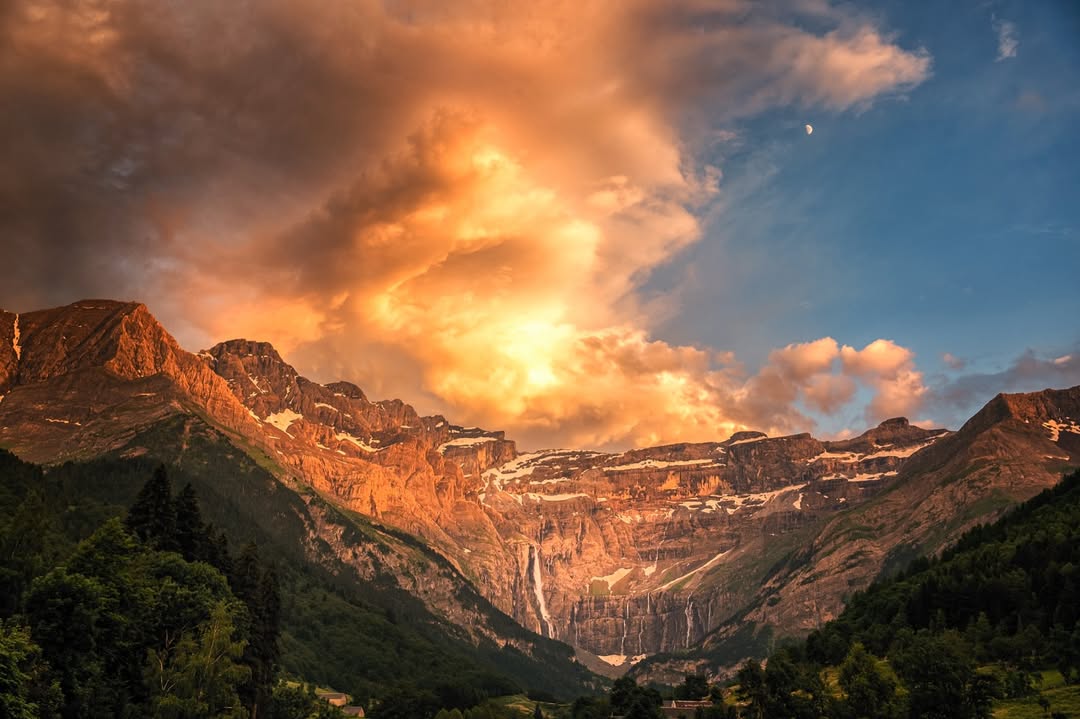
You walk into a vast natural bowl surrounded by cliffs rising up to 1,500 meters. The scale is hard to process until you hear waterfalls echoing across the space.
This UNESCO-listed site includes one of Europe’s tallest waterfalls at 422 meters. The hike to the main viewpoint is about 8 km round trip and takes around 3 hours at a steady pace.
If you go early in the morning, you’ll have clearer light and fewer hikers, which makes the landscape feel even more expansive.
What to do
- Hike to the waterfall
- Photograph the cirque
- Picnic in the valley
Practical intel
- Entry: Free
- Time needed: Half day
- Best months: June to September
Best for: Hiking and dramatic nature
15. Moustiers-Sainte-Marie, Provence
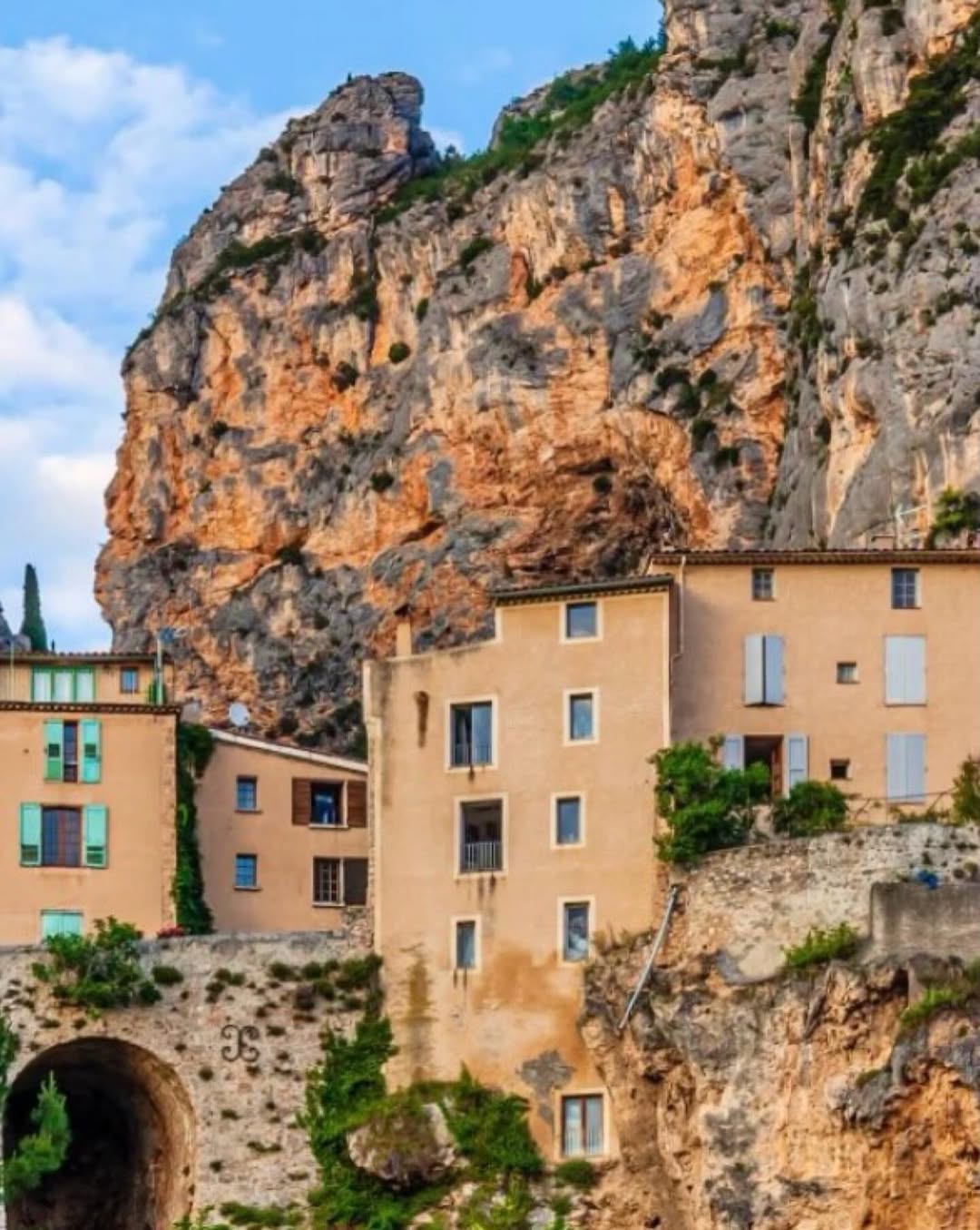
You’ll notice a golden star suspended between two cliffs above the village, connected by a chain. It’s a small detail, but it gives the whole place a slightly mythical feeling.
The village has around 700 residents and is famous for its ceramics, with workshops producing pieces sold from €20 to over €200. It sits just 5 km from the entrance to the Verdon Gorge, making it a quieter base.
If you climb up to the chapel, the view over the valley is worth the effort, especially at sunset.
What to do
- Visit ceramic workshops
- Climb to Notre-Dame de Beauvoir
- Walk through narrow streets
Practical intel
- Time needed: 2–3 hours
- Best time: Late afternoon
- Parking: €3–€6
Best for: Artisan culture and views
16. Île de Ré, Nouvelle-Aquitaine
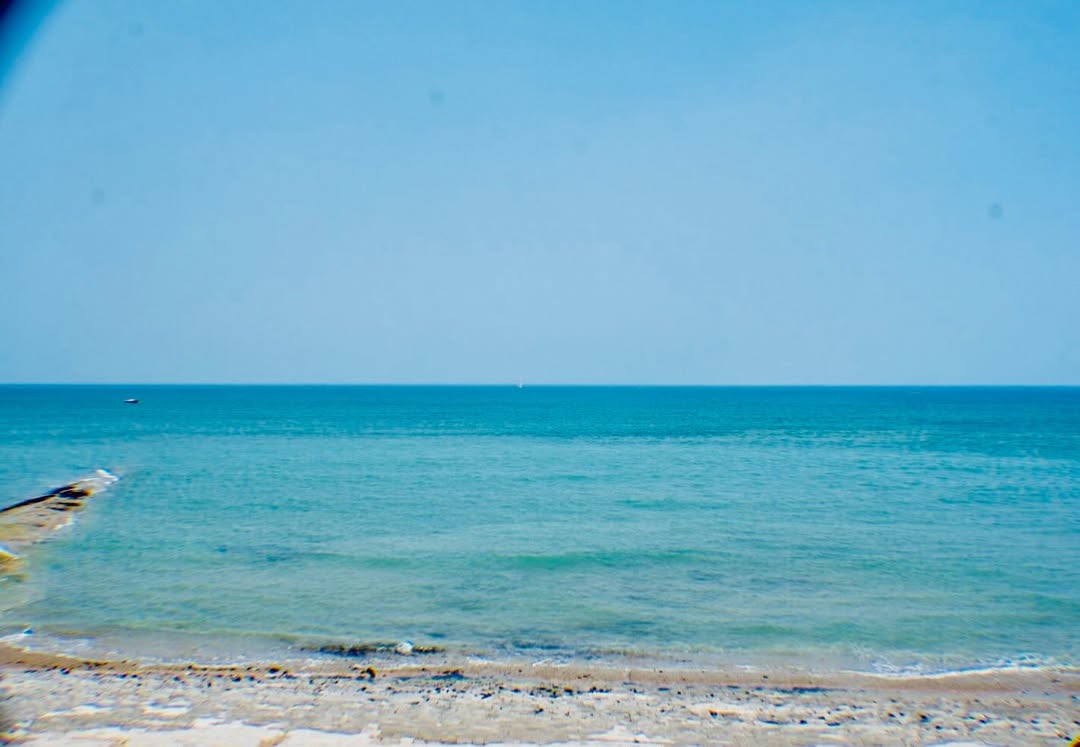
You cross a 3 km bridge and immediately feel the change in pace. White houses with green shutters line quiet streets, and bicycles outnumber cars.
The island is about 30 km long with over 100 km of cycling paths. Bike rentals cost around €12 to €20 per day, making it easy to explore salt marshes and small villages.
If you visit outside peak August, you’ll find long stretches of beach almost empty.
What to do
- Cycle across the island
- Visit salt marshes
- Explore small villages
Practical intel
- Bridge toll: €8–€16
- Time needed: Full day or more
- Best time: May to September
Best for: Slow coastal travel
17. Albi Cathedral, Occitanie
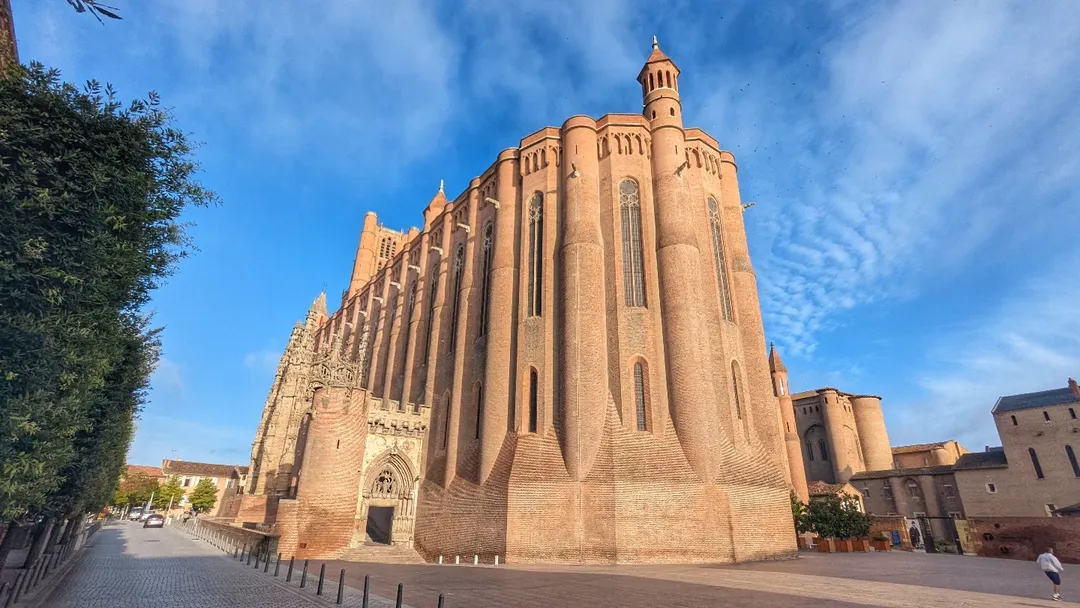
From the outside, it looks almost like a fortress, built entirely from red brick. Inside, the contrast is striking with intricate frescoes covering nearly every surface.
Construction began in 1282 and took about 200 years. The cathedral is part of a UNESCO-listed episcopal city that attracts around 800,000 visitors annually, yet it still feels less crowded than major French landmarks.
If you visit midday, the light through the windows enhances the painted ceilings.
What to do
- Explore the cathedral interior
- Walk the old town
- Visit Toulouse-Lautrec Museum
Practical intel
- Entry: Free for cathedral
- Time needed: 2–3 hours
- Best time: Midday
Best for: Architecture and history
18. Les Baux-de-Provence, Provence
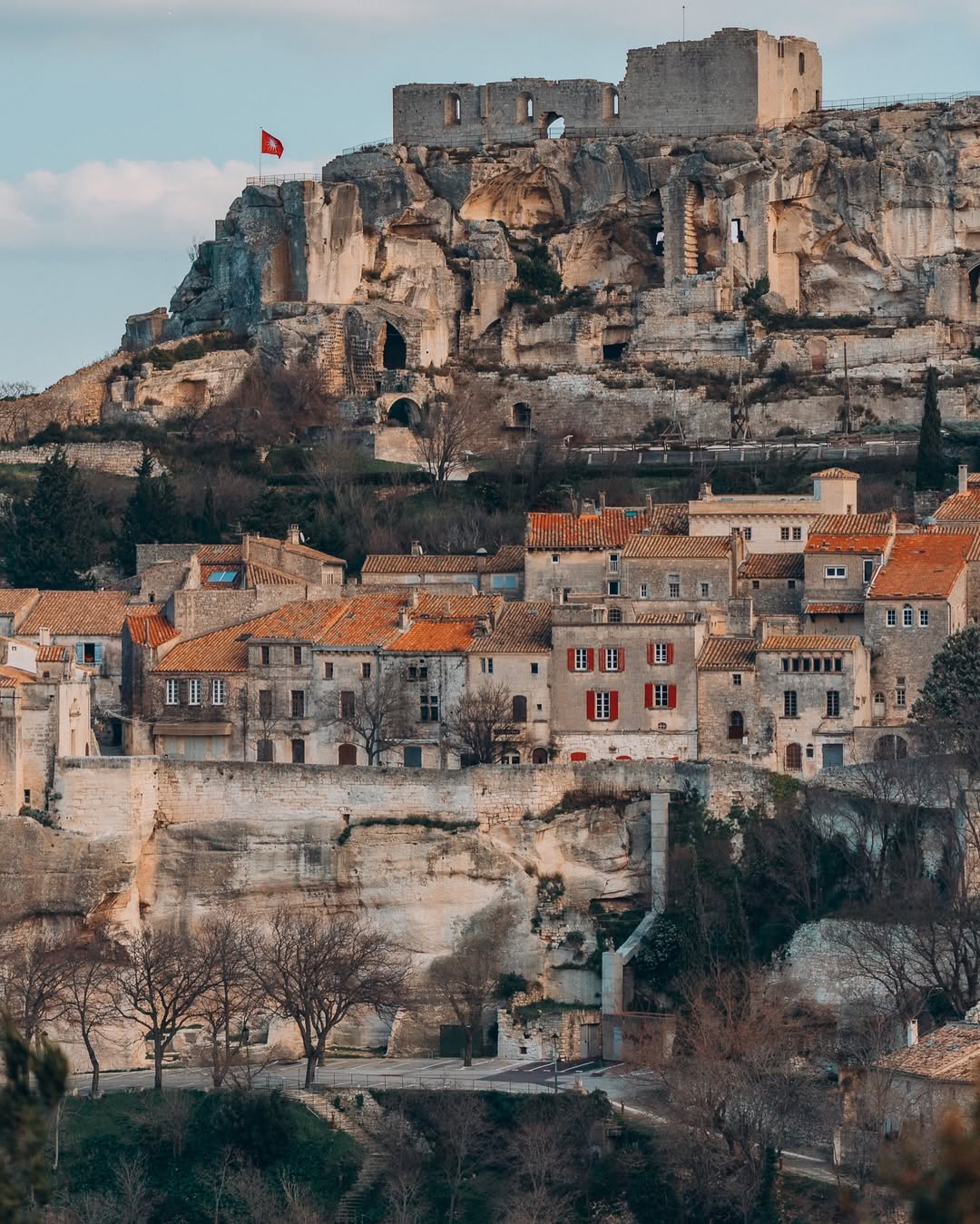
You walk through ruins carved into rock, with sweeping views over olive groves stretching for kilometers. The wind and open landscape give it a slightly wild feel.
The village sits on a rocky plateau about 245 meters high. It receives over 1.5 million visitors yearly, but most concentrate near the entrance, leaving quieter corners deeper inside.
If you explore the castle ruins, you’ll find panoramic views that extend up to 30 km on clear days.
What to do
- Explore castle ruins
- Visit Carrières de Lumières
- Walk scenic viewpoints
Practical intel
- Entry: €10–€12 for castle
- Time needed: 2–3 hours
- Best time: Morning
Best for: Views and history
19. Conques, Occitanie
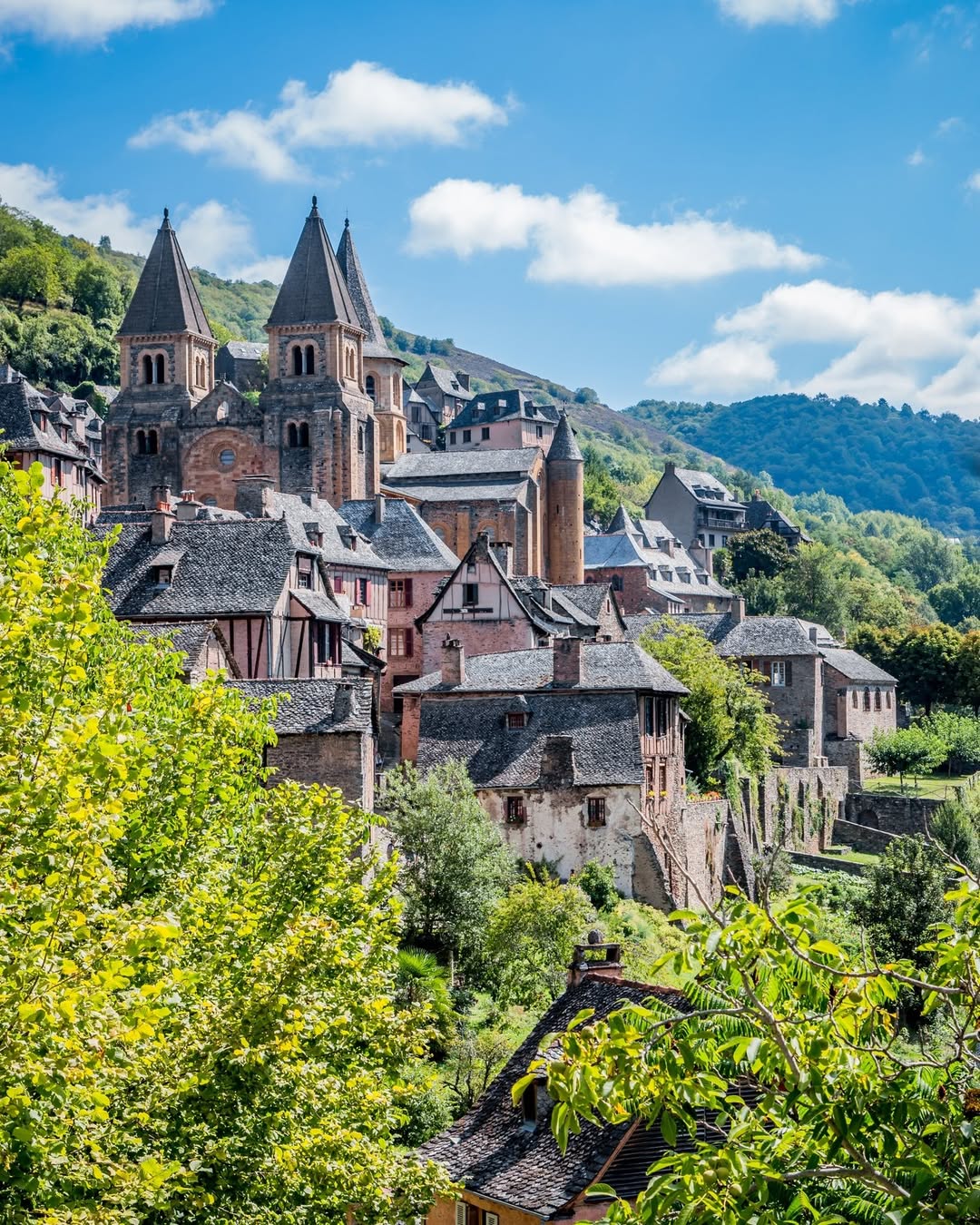
Conques feels almost frozen in time, with narrow streets leading toward its Romanesque abbey. You’ll notice how quiet it is, especially outside pilgrimage periods.
The village has around 300 residents and sits on the Santiago de Compostela route. The abbey houses over 250 relics and receives around 500,000 visitors annually.
If you stay overnight, you can attend evening light illuminations inside the abbey, which adds a completely different atmosphere.
What to do
- Visit Sainte-Foy Abbey
- Walk medieval streets
- Attend evening illumination
Practical intel
- Entry: €6–€8 for abbey
- Time needed: 2–3 hours
- Best time: Evening stay
Best for: Spiritual history and quiet villages
20. Camargue, Provence
You’ll see white horses running through shallow water and pink flamingos scattered across the marshes. It feels raw and untamed compared to typical French landscapes.
The Camargue covers over 930 square kilometers, making it one of Europe’s largest river deltas. Guided tours cost around €40 to €80, often including jeep safaris or horseback riding.
If you visit early morning, wildlife activity is much higher and the light is softer.
What to do
- Spot flamingos and wild horses
- Take a jeep safari
- Visit salt flats
Practical intel
- Tours: €40–€80
- Time needed: Half to full day
- Best season: Spring or autumn
Best for: Wildlife and unique ecosystems
21. Vézelay, Bourgogne-Franche-Comté
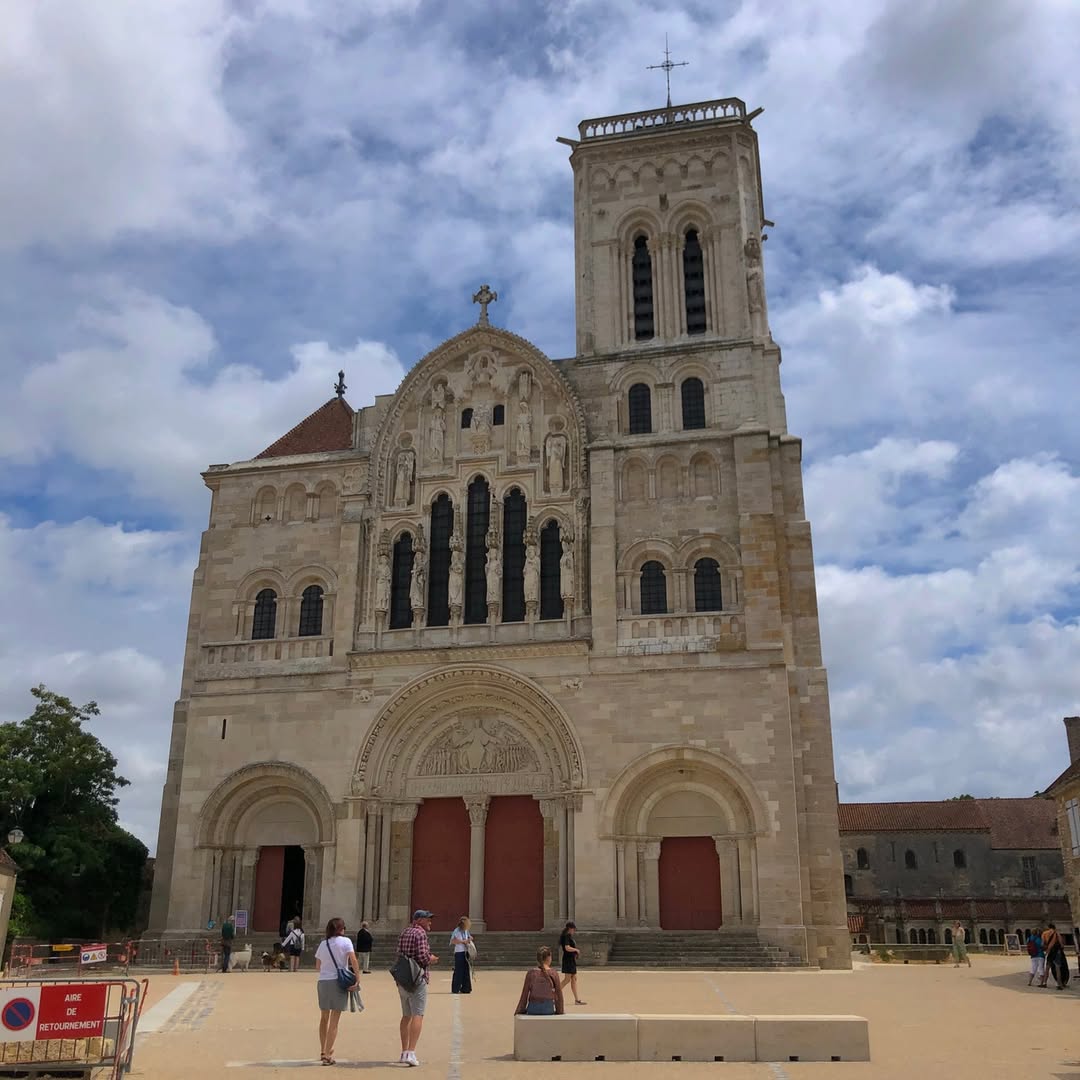
You walk uphill through quiet streets until the basilica appears at the top, overlooking rolling countryside. The sense of space and calm is immediate.
The basilica dates back to the 11th century and is a UNESCO site. The town has around 450 residents, and despite its importance, it remains far less crowded than other pilgrimage destinations.
If you reach the top near sunset, the view stretches for over 20 km across Burgundy.
What to do
- Visit Sainte-Marie-Madeleine Basilica
- Walk hilltop streets
- Enjoy panoramic views
Practical intel
- Entry: Free
- Time needed: 2 hours
- Best time: Sunset
Best for: Quiet history and views




COMMENTS
Please note that all comments will be checked by our team before being approved.