20 Places to Visit in France for First Timers For 2026 That Most People Miss In Their First Itinerary
Planning your very first trip to France and not sure where to begin? These 20 places to visit in France for first timers are iconic, charming, and unforgettable, helping you experience the country’s highlights, culture, and must see moments with ease and excitement.

France pulls you in slowly, then all at once. You arrive expecting famous landmarks, but what stays with you are the small moments. A quiet café morning, a river at sunset, a street that feels timeless.
For a first visit, the balance is what stands out. You can move from Paris to Nice in just a few hours, with high-speed trains making travel simple and efficient. You spend less time in transit and more time actually experiencing each place.
What makes France ideal is how everything connects. Culture, food, and scenery flow naturally, so even a 10 to 14 day trip feels full without being rushed. Here are 20 places that give you a complete first impression of France.
1. Paris

The first time you step into Paris, it feels almost staged. Wide boulevards, cafés spilling onto sidewalks, and landmarks you’ve seen a hundred times suddenly standing right in front of you. You’ll notice how walkable everything is, especially around the Seine where bridges connect neighborhoods that each feel distinct within minutes.
Paris matters because it packs centuries into a compact space. Over 30 million visitors annually move through icons like the Eiffel Tower and the Louvre, yet you can still find quiet streets in Le Marais within a 10-minute walk. Most top attractions sit within a 5 km radius, making it easy to cover a lot in 2 to 4 days without rushing.
If you go early to major sights, especially before 9:00 AM, you’ll skip long queues that can stretch beyond 1 hour. Late evenings near the Seine are when the city feels most personal.
What to do
- Climb or view the Eiffel Tower at sunset
- Explore the Louvre in a focused 2–3 hour visit
- Walk along the Seine from Notre-Dame to Musée d’Orsay
Practical intel
- Metro day pass: about €8–€13
- Louvre ticket: around €17
- Ideal stay: 3 days minimum
Best for
First-time culture, architecture, iconic landmarks
2. Palace of Versailles (Versailles)
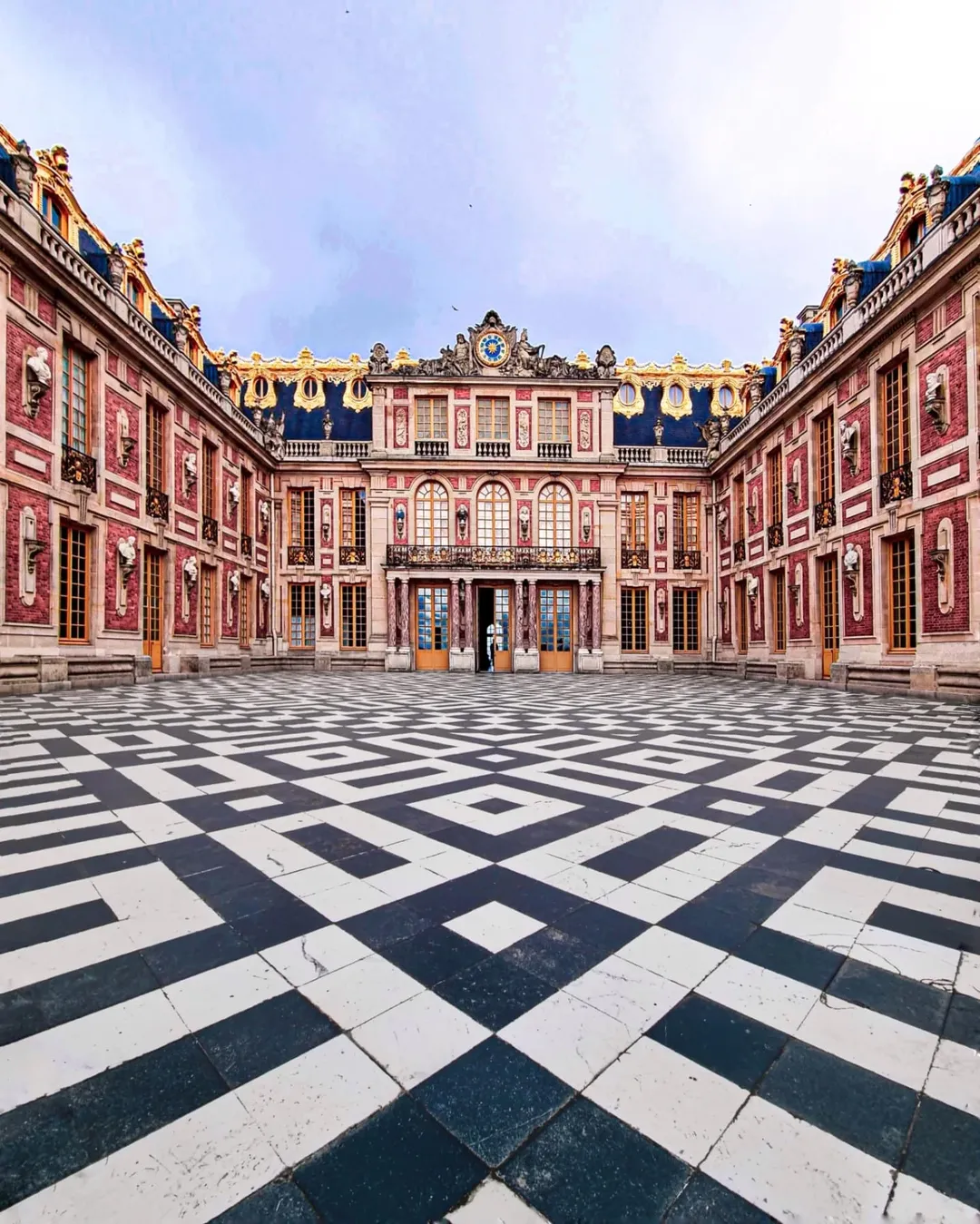
Walking into Versailles feels overwhelming in scale. The Hall of Mirrors alone stretches 73 meters, reflecting sunlight through tall arched windows in a way that makes everything feel grander than expected. Outside, the gardens extend for nearly 800 hectares, and you’ll quickly realize this isn’t a quick stop.
Versailles matters because it shows the peak of French monarchy power before the French Revolution. Around 10 million visitors per year come here, making it one of the most visited palaces globally. It sits just 20 km from Paris, reachable in about 40 minutes by train.
If you arrive right at opening time, you can cover the palace interiors in about 2 hours, then rent a bike or take a small train to explore the gardens without exhausting yourself.
What to do
- Walk through the Hall of Mirrors
- Explore the gardens and fountains
- Visit Marie Antoinette’s estate
Practical intel
- Entry: about €21 (full access)
- Train from Paris: €4–€7 each way
- Time needed: half to full day
Best for
History, royal architecture, day trip from Paris
3. Nice
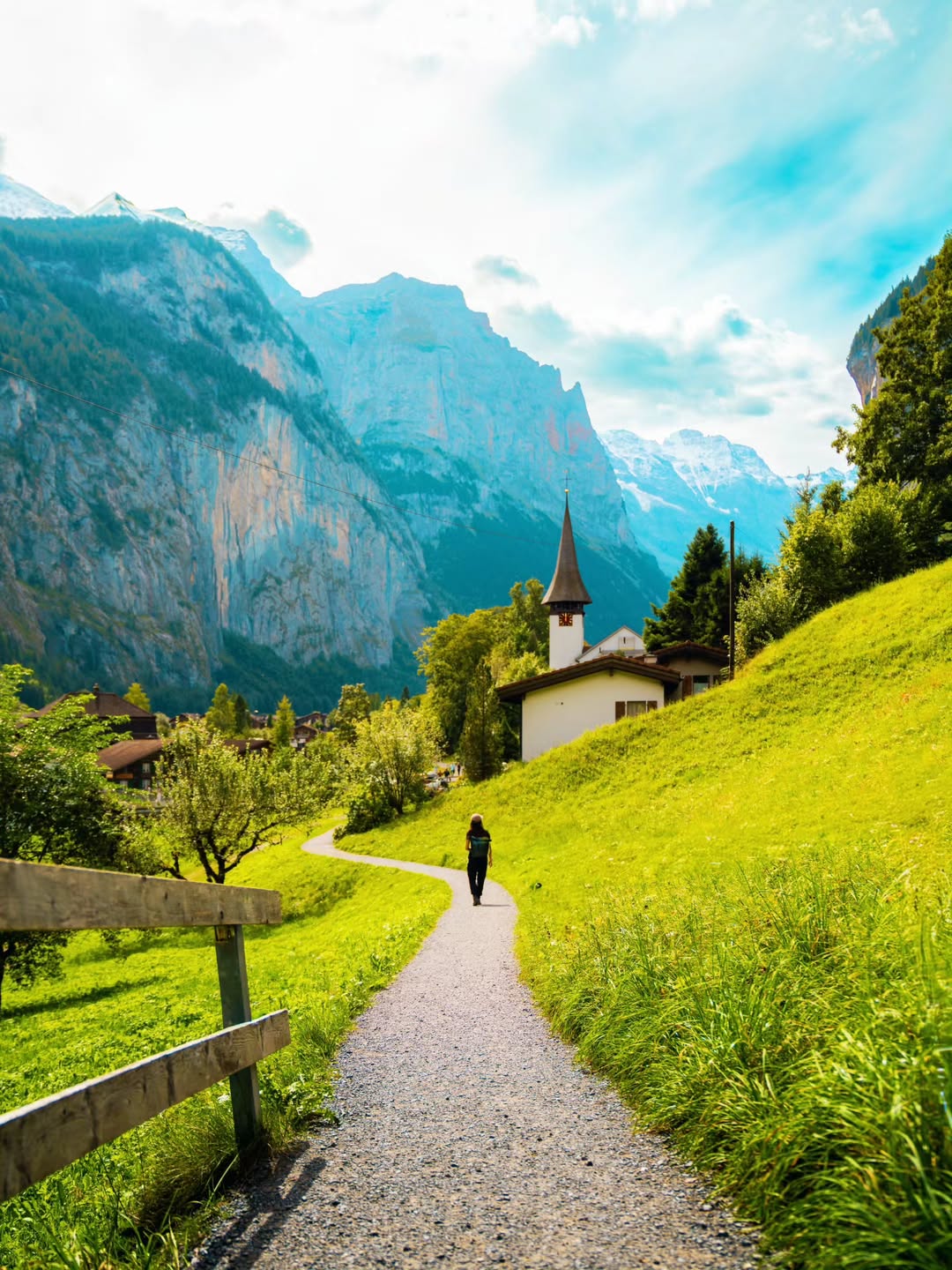
Nice greets you with sunlight, sea air, and a slower pace. The moment you reach the Promenade des Anglais, you’ll notice the Mediterranean stretching endlessly, with beaches lined by smooth pebbles instead of sand. The Old Town behind it is tight, colorful, and full of energy.
Nice matters because it’s your gateway to the French Riviera without the overwhelming prices of Monaco or Cannes. It sees about 5 million visitors yearly and offers easy access to nearby towns within 30 to 60 minutes by train. The coastline views alone justify spending at least 2–3 days here.
If you go in the early morning, the beaches are calm and almost empty. By midday, they fill up quickly, especially in summer when temperatures hit 28–32°C.
What to do
- Walk the Promenade des Anglais
- Explore Old Town markets and streets
- Take a day trip to Monaco or Èze
Practical intel
- Beach clubs: €20–€40 per day
- Local bus/trains: €2–€10 per ride
- Ideal stay: 2–3 days
Best for
Coastal scenery, relaxed pace, Mediterranean vibe
4. Mont Saint-Michel
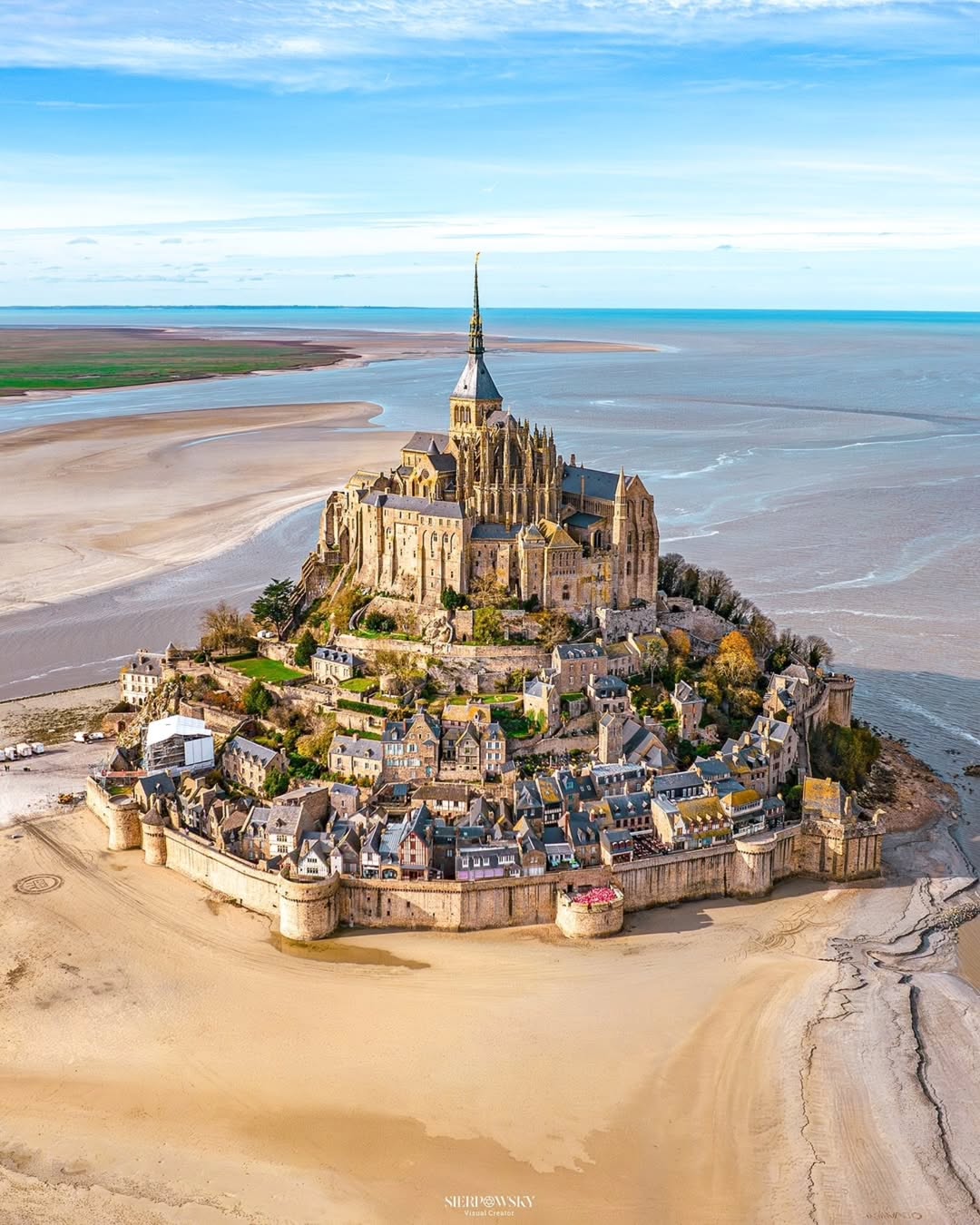
Mont Saint-Michel feels unreal as you approach it. Rising out of the sea like a medieval mirage, the island shifts depending on the tide. At high tide, it becomes completely surrounded by water, and at low tide, vast sands stretch around it.
This place matters because it’s one of France’s most unique landscapes, drawing over 2.5 million visitors annually. It’s located about 360 km from Paris, which translates to roughly 4 hours by car or train plus shuttle. The abbey at the top requires a steady climb of about 350 steps.
If you stay overnight, you’ll experience something most visitors miss. After 7:00 PM, crowds drop dramatically, and the island feels almost silent.
What to do
- Climb to the abbey for panoramic views
- Walk around the tidal flats with a guide
- Explore narrow medieval streets
Practical intel
- Abbey entry: about €11
- Shuttle from parking: free
- Time needed: half day or overnight
Best for
Unique landscapes, photography, medieval atmosphere
5. Lyon
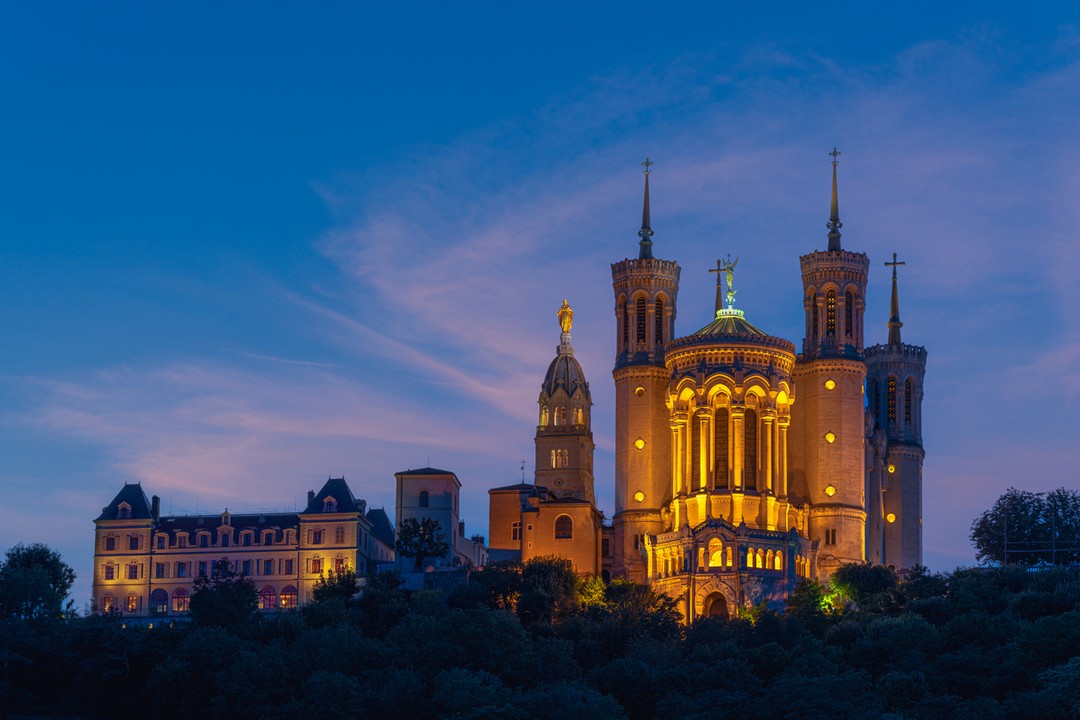
Lyon feels different from Paris in the best way. It’s more grounded, more local, and you’ll notice the rhythm slows just enough to enjoy it properly. The Old Town, a UNESCO site, is filled with hidden passageways called traboules that connect streets in unexpected ways.
Lyon matters because it’s considered the food capital of France. With over 4,000 restaurants and traditional bouchons, you’re stepping into a serious culinary scene. It sits about 460 km from Paris, reachable in just 2 hours by high-speed train.
If you visit during lunch hours, especially between 12:00 PM and 2:00 PM, you’ll see locals filling small restaurants, which is the best sign you’ve found the right place.
What to do
- Explore Vieux Lyon and traboules
- Try traditional dishes at a bouchon
- Visit Basilica of Notre-Dame de Fourvière
Practical intel
- Meal at a bouchon: €15–€30
- Metro/tram: €2 per ride
- Ideal stay: 2 days
Best for
Food culture, authentic city experience, fewer crowds
6. Bordeaux
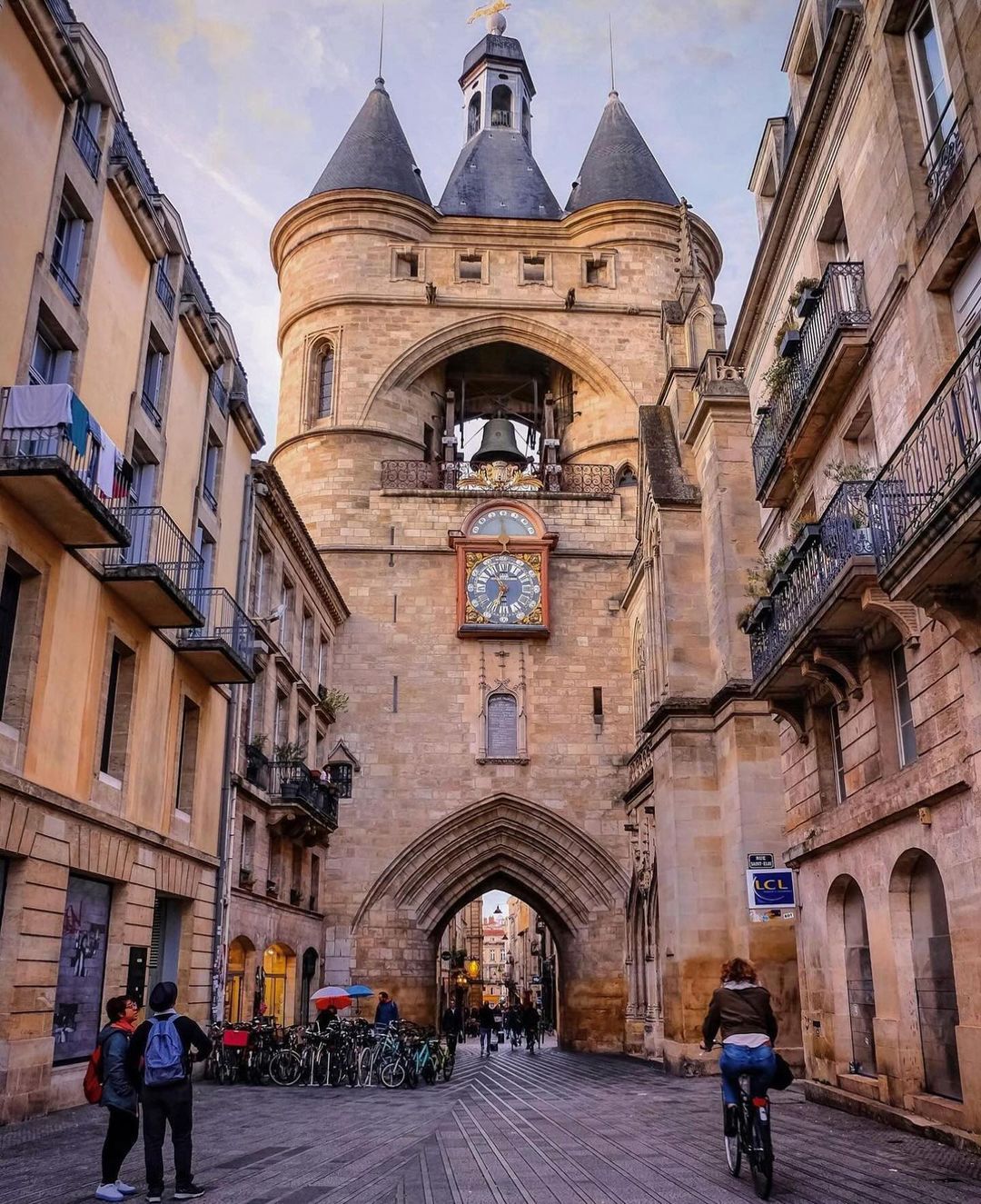
Bordeaux feels refined without trying too hard. As you walk along the Garonne River, you’ll notice elegant 18th-century buildings stretching for kilometers, all glowing slightly golden in the late afternoon light. The Place de la Bourse reflecting in the shallow water mirror is one of those quiet moments that stays with you.
This city matters because it sits at the center of one of the world’s most famous wine regions, producing over 700 million bottles annually. Bordeaux itself attracts around 6 million visitors per year, yet its historic center is compact enough to explore in 1 to 2 days. Most major landmarks sit within a 3 km walking radius.
If you go in the evening, especially around sunset, the riverfront becomes lively but not crowded, making it ideal for a relaxed stroll.
What to do
- Visit the Place de la Bourse and water mirror
- Take a half-day wine tour to nearby vineyards
- Walk along the Garonne riverfront
Practical intel
- Wine tours: €50–€120
- Tram tickets: about €1.70
- Ideal stay: 2 days
Best for
Wine culture, elegant architecture, relaxed city vibe
7. Strasbourg
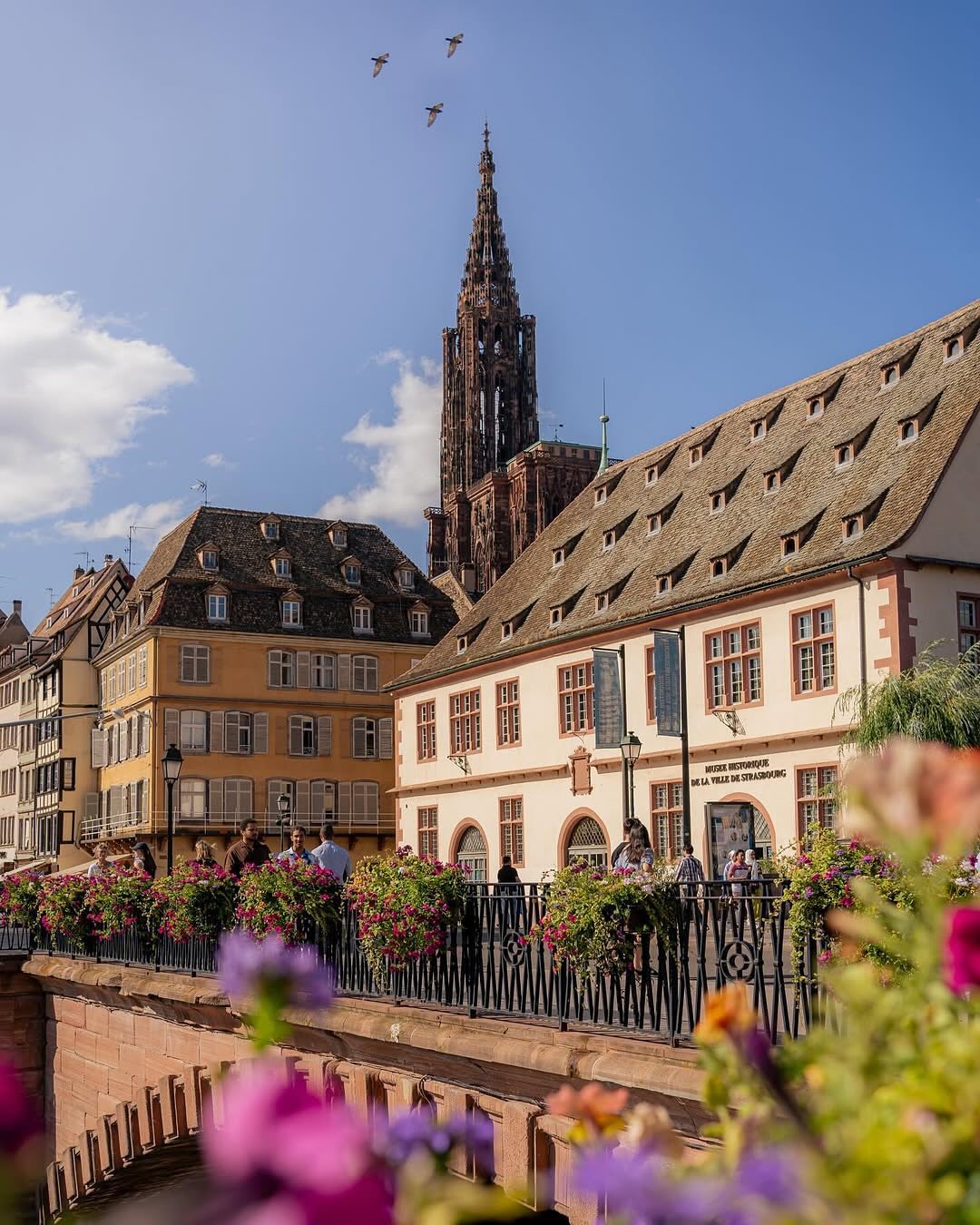
Strasbourg feels like stepping into a storybook. Timber-framed houses lean slightly over canals, especially in La Petite France, where reflections shimmer in the water. You’ll notice a mix of French and German influences in everything from architecture to food.
This city matters because it sits on the border of two cultures and hosts key European institutions. Around 4 million visitors annually explore its UNESCO-listed center. The main attractions cluster within 2 km, making it easy to explore in a single day, though staying overnight lets you see it when it quiets down.
If you visit in winter, the Christmas market draws over 2 million visitors, but even outside that season, early mornings before 9:00 AM feel peaceful.
What to do
- Walk through La Petite France
- Visit Strasbourg Cathedral and climb the tower
- Try Alsatian dishes like tarte flambée
Practical intel
- Cathedral tower: about €8
- Tram: €2 per ride
- Ideal stay: 1–2 days
Best for
Fairytale scenery, cultural mix, compact exploration
8. Loire Valley

The Loire Valley feels like a landscape built around castles. As you move through it, châteaux appear one after another, each surrounded by gardens, forests, or rivers. Château de Chambord alone has 440 rooms, giving you a sense of just how extravagant this region once was.
This area matters because it holds over 300 châteaux, spread across about 280 km along the Loire River. It’s located roughly 200 km from Paris, making it accessible in about 2 to 2.5 hours by train or car. Most visitors spend 1 to 2 days focusing on 2 or 3 major castles.
If you go early in the day, especially before 10:00 AM, you’ll experience the gardens and interiors before tour groups arrive.
What to do
- Visit Château de Chambord and Château de Chenonceau
- Cycle between villages and vineyards
- Explore riverside towns like Amboise
Practical intel
- Château entry: €14–€18 each
- Bike rentals: €15–€25/day
- Ideal stay: 2 days
Best for
Castles, countryside, scenic drives
9. Marseille

Marseille feels raw and energetic in a way that’s very different from polished French cities. At the Old Port, fishing boats sit beside modern yachts, and the air carries a mix of sea salt and spices. It’s busy, loud, and deeply authentic.
This city matters because it’s France’s oldest city, founded over 2,600 years ago, and one of its most diverse. Around 5 million visitors annually come here, but it still feels local. The Calanques National Park nearby stretches for over 20 km of coastline, offering dramatic cliffs and turquoise water.
If you go early to the Old Port, around 7:00–8:00 AM, you’ll catch the fish market in action before the crowds build.
What to do
- Explore the Old Port and fish market
- Visit Notre-Dame de la Garde for views
- Take a boat or hike into the Calanques
Practical intel
- Boat tours: €25–€60
- Metro/bus: €1.70 per ride
- Ideal stay: 2 days
Best for
Authentic atmosphere, coastal adventure, diversity
10. Annecy

Annecy feels almost too perfect when you first see it. The canals running through the Old Town are lined with pastel houses, and just beyond them sits Lake Annecy, known for some of the cleanest water in Europe. The mountains rising behind it complete the scene.
This place matters because it combines alpine scenery with a compact historic center. The lake spans about 27 square kilometers, and the entire Old Town can be explored in half a day. It’s located about 40 km from Geneva, making it an easy cross-border addition.
If you go in the early morning, the lake is calm and reflective. By afternoon, especially in summer, it fills with swimmers and cyclists.
What to do
- Walk through Old Town canals
- Cycle around Lake Annecy (about 42 km loop)
- Relax by the lake or rent a paddle boat
Practical intel
- Bike rental: €20–€30/day
- Paddle boats: €15–€25/hour
- Ideal stay: 1–2 days
Best for
Scenery, relaxation, romantic atmosphere
11. Avignon

Avignon immediately pulls you into a medieval atmosphere. As you step inside the old city walls, you’ll notice narrow stone streets, shaded squares, and the massive Palais des Papes dominating the skyline. It feels compact, but there’s a quiet intensity to its history.
This city matters because it was the seat of the Catholic popes in the 14th century. The Palais des Papes is one of the largest Gothic buildings in Europe, covering about 15,000 square meters. Avignon sees roughly 1 million visitors annually, yet the historic center is small enough to explore in 1 full day.
If you go in July, the Avignon Festival transforms the city with over 1,000 performances, but outside that period, mornings before 10:00 AM feel much calmer.
What to do
- Explore the Palais des Papes interiors
- Walk the Pont d’Avignon bridge
- Wander the old town streets
Practical intel
- Palace entry: about €14–€17
- Walking distance across old town: under 2 km
- Ideal stay: 1–2 days
Best for
History, medieval architecture, Provence gateway
12. Colmar

Colmar feels like a perfectly preserved painting. The half-timbered houses are brightly colored, canals cut through the town, and everything seems scaled just small enough to feel intimate. You’ll notice how every corner looks carefully maintained without feeling artificial.
This town matters because it captures the essence of Alsace in one place. It draws around 3 million visitors per year, especially during Christmas season. The entire old town can be explored in 3 to 5 hours, but staying overnight gives you a completely different, quieter experience.
If you go early morning or after 6:00 PM, the crowds thin out significantly, especially outside peak holiday months.
What to do
- Walk through Little Venice district
- Visit Unterlinden Museum
- Explore local markets and bakeries
Practical intel
- Museum entry: about €13
- Walking distances: mostly under 1.5 km
- Ideal stay: 1 day or overnight
Best for
Charming scenery, photography, slow exploration
13. Dune of Pilat
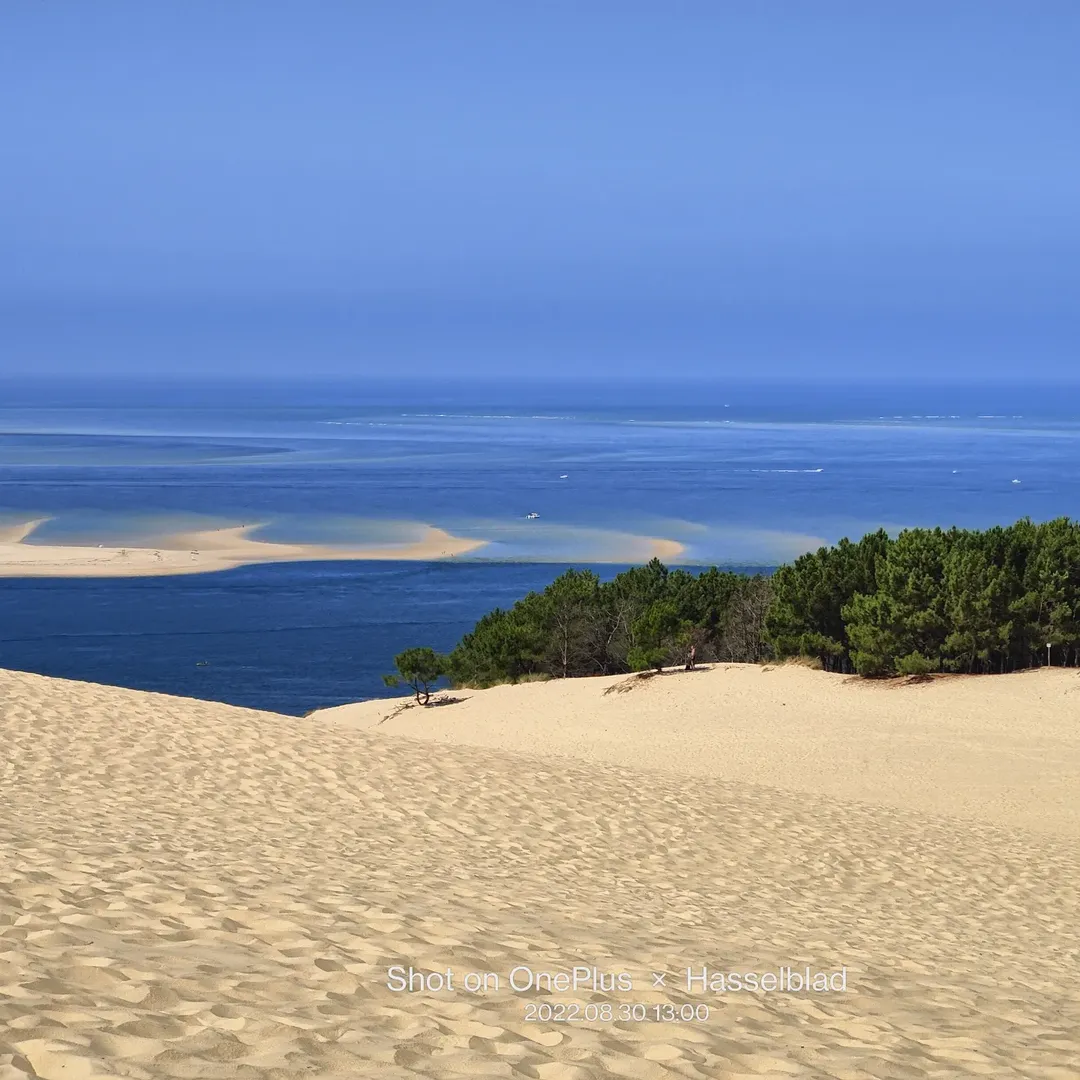
The Dune of Pilat feels surreal the moment you start climbing. Sand stretches upward for what feels like a desert wall, and once you reach the top, you’re met with views of forest on one side and the Atlantic Ocean on the other.
This place matters because it’s the tallest sand dune in Europe, rising to about 110 meters high and stretching nearly 2.7 km long. It’s located about 60 km from Bordeaux, making it an easy half-day or full-day trip. Around 2 million visitors annually come here, but the space is large enough to feel open.
If you go at sunset, the light softens and the temperature drops, making the climb easier and the view far more dramatic.
What to do
- Climb to the summit for panoramic views
- Walk along the ridge of the dune
- Relax on the ocean-facing side
Practical intel
- Entry: free
- Parking: about €6–€10
- Time needed: 2–3 hours
Best for
Unique landscapes, nature, sunset views
14. Toulouse

Toulouse has a warmth you’ll notice quickly, both in its atmosphere and its architecture. The pinkish terracotta buildings give it the nickname “La Ville Rose,” and in the evening light, the entire city seems to glow softly.
This city matters because it blends history with modern energy, especially as a hub for aerospace. It has around 500,000 residents and attracts about 3 million visitors annually. The historic center is compact, with most sights within a 2–3 km radius, making it easy to explore over 1 to 2 days.
If you go around sunset, the Garonne River reflects the pink tones of the buildings, which is when the city feels most distinctive.
What to do
- Visit Basilica of Saint-Sernin
- Walk along the Garonne River
- Explore local food markets
Practical intel
- Public transport: about €1.70 per ride
- Major sights walkable within 30 minutes
- Ideal stay: 2 days
Best for
Local vibe, architecture, fewer tourists
15. Chamonix-Mont-Blanc
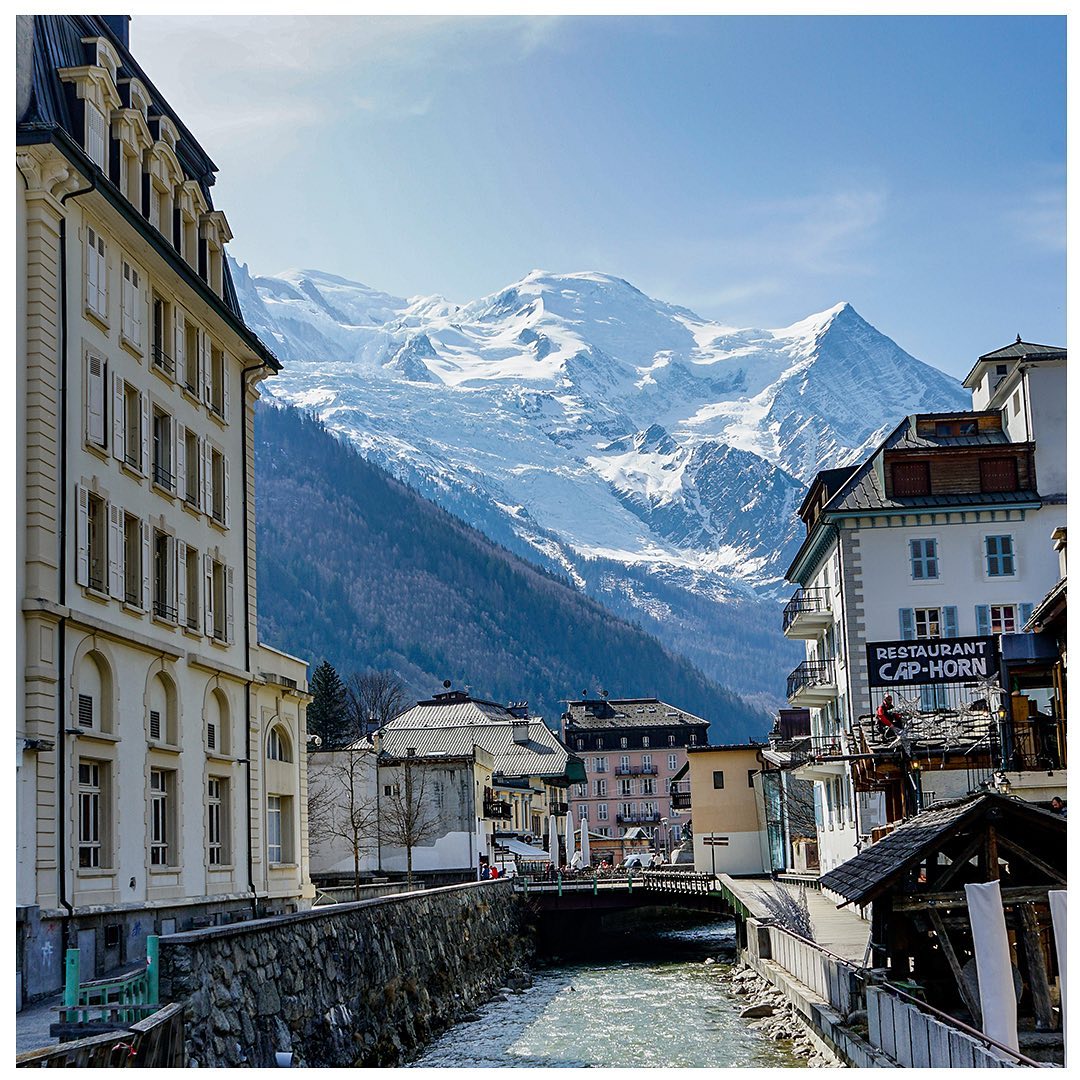
Chamonix feels dramatic from the moment you arrive. Towering peaks surround the valley, and Mont Blanc rises above everything at 4,808 meters. The air feels sharper, and the scale is instantly humbling.
This place matters because it’s one of the world’s most famous alpine destinations. It draws over 5 million visitors annually across all seasons. The cable car to Aiguille du Midi takes you up to 3,842 meters in about 20 minutes, giving you one of the highest accessible viewpoints in Europe.
If you go early in the morning, especially before 9:00 AM, visibility is usually clearer, and you avoid long queues for the cable cars.
What to do
- Take the Aiguille du Midi cable car
- Walk through the town center
- Visit Mer de Glace glacier
Practical intel
- Cable car ticket: about €70–€80
- Train access from Geneva: 1.5–2 hours
- Ideal stay: 2 days
Best for
Mountains, adventure, dramatic scenery
16. Cannes
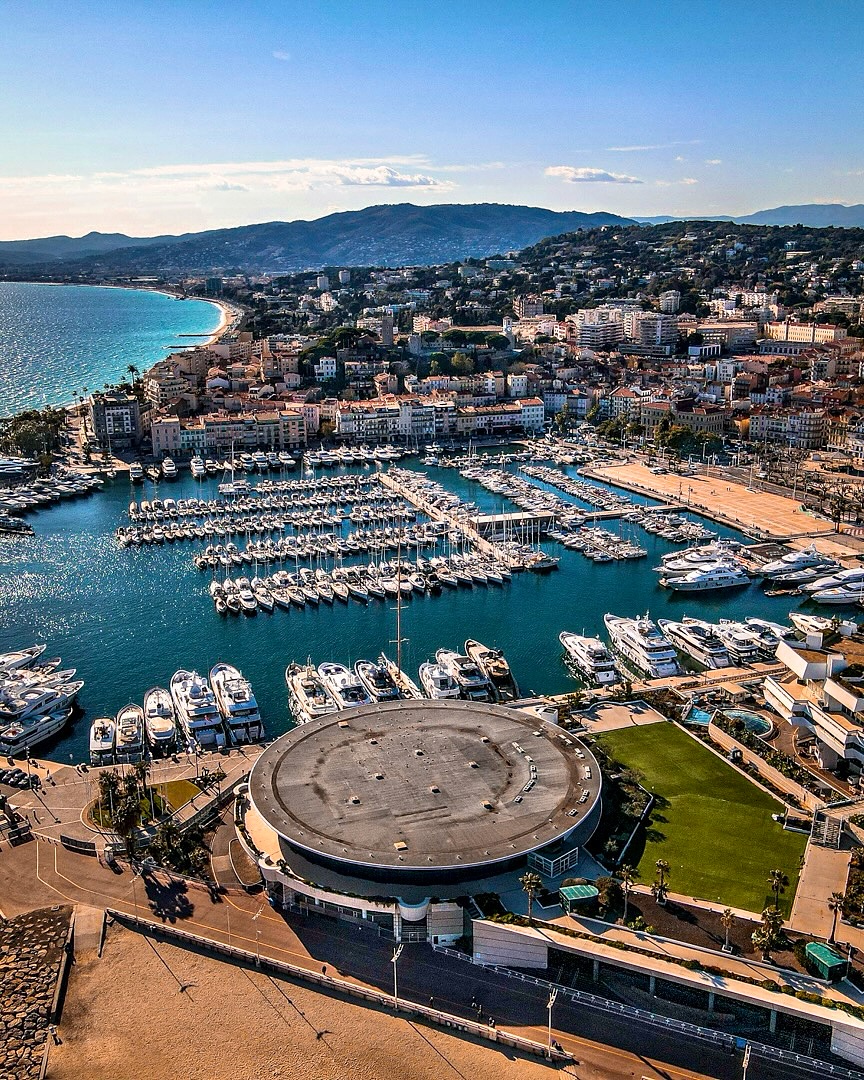
Cannes feels polished the moment you arrive. The palm-lined Boulevard de la Croisette runs along the sea, with luxury hotels and private beaches creating a sense of quiet exclusivity. Even if you’re not here during the famous festival, you’ll notice a subtle cinematic energy.
This city matters because it hosts the globally recognized Cannes Film Festival, which brings in over 40,000 industry professionals each year. Outside festival season, Cannes sees around 3 million visitors annually, and its main areas are easily walkable within a 2 km stretch along the coast.
If you go early in the morning, especially before 9:00 AM, the promenade is calm and almost empty, which contrasts sharply with its busier midday atmosphere.
What to do
- Walk the Boulevard de la Croisette
- Relax on public or private beaches
- Explore Le Suquet old quarter
Practical intel
- Beach access: free public or €25–€60 for private
- Train connections along Riviera: €5–€15
- Ideal stay: 1–2 days
Best for
Luxury vibe, seaside walks, film culture
17. Dijon

Dijon surprises you with its quiet elegance. As you walk through the old town, you’ll notice well-preserved medieval and Renaissance buildings, with intricate details that feel less crowded and more accessible than larger cities.
This city matters because it’s the heart of Burgundy, one of France’s most respected wine regions. Dijon attracts around 2.5 million visitors annually, yet its center remains calm. The main attractions are clustered within a 1.5 km area, making it ideal for a relaxed 1-day visit.
If you follow the Owl’s Trail, a marked walking route of about 22 stops, you’ll cover most of the historic highlights without needing a guide.
What to do
- Follow the Owl’s Trail through the city
- Visit the Palace of the Dukes of Burgundy
- Taste local mustard and wines
Practical intel
- Museums: often free to €10
- Walking time across center: 20–30 minutes
- Ideal stay: 1 day
Best for
Food, wine heritage, relaxed exploration
18. Carcassonne

Carcassonne feels almost unreal at first glance. Double-layered stone walls stretch for 3 km, with towers rising at regular intervals, creating one of the most complete medieval fortifications in Europe. Walking inside feels like stepping into another century.
This place matters because it’s a UNESCO World Heritage site and one of France’s most visited historic landmarks, drawing about 3 million visitors annually. The fortress itself is compact enough to explore in 3 to 4 hours, but staying overnight changes the experience entirely.
If you go after 6:00 PM, once most day-trippers leave, the narrow streets become quiet and atmospheric in a way you won’t experience during the day.
What to do
- Walk along the fortified walls
- Visit Château Comtal inside the citadel
- Explore the inner medieval streets
Practical intel
- Castle entry: about €13
- Walking distance inside: under 2 km
- Ideal stay: half day or overnight
Best for
History, medieval immersion, unique setting
19. Saint-Malo
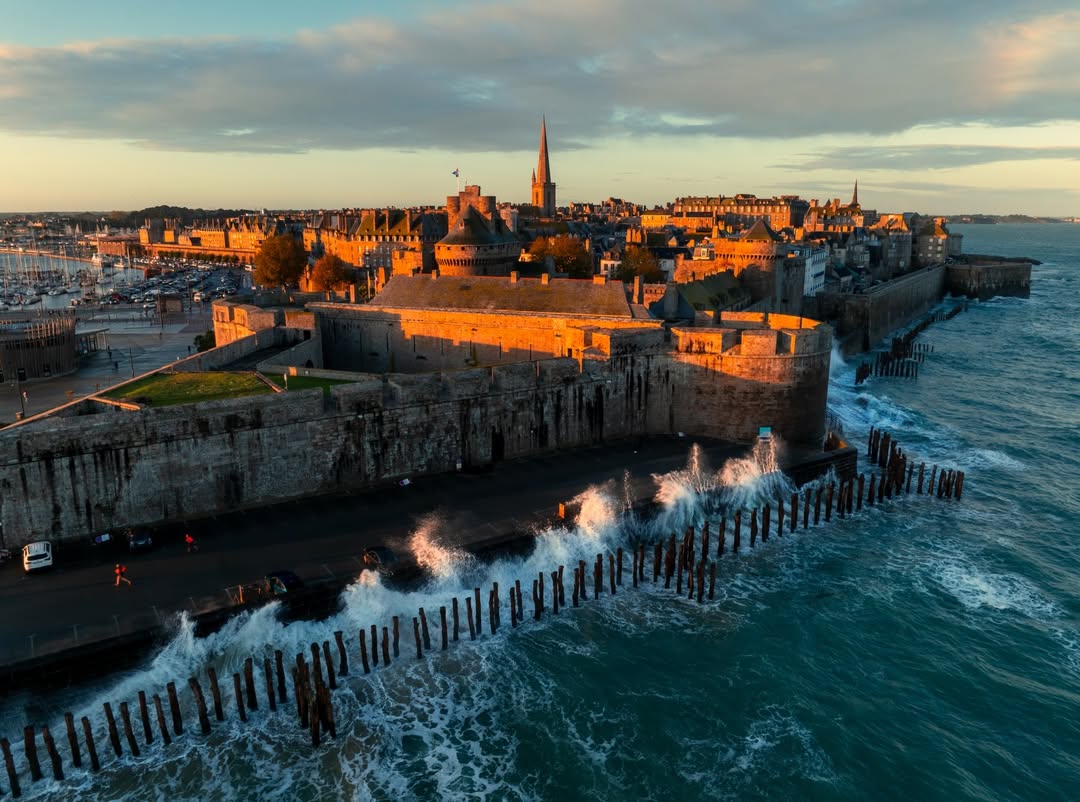
Saint-Malo feels rugged and dramatic compared to the rest of France. The walled city sits right against the sea, and during high tide, waves crash against the ramparts with surprising القوة. You’ll notice how the atmosphere shifts quickly depending on the weather.
This city matters because of its maritime history and unique tidal range, which can reach up to 12 meters, among the highest in Europe. It attracts around 1.5 million visitors annually and is located about 70 km from Mont Saint-Michel, making it a natural pairing.
If you go during low tide, you can walk out to nearby islands on foot, something that completely changes the experience.
What to do
- Walk the city walls for sea views
- Explore the old town streets
- Visit nearby tidal islands
Practical intel
- Wall walk: free
- Train from Paris: about 2.5–3 hours
- Ideal stay: 1–2 days
Best for
Coastal history, dramatic views, unique tides
20. Grenoble
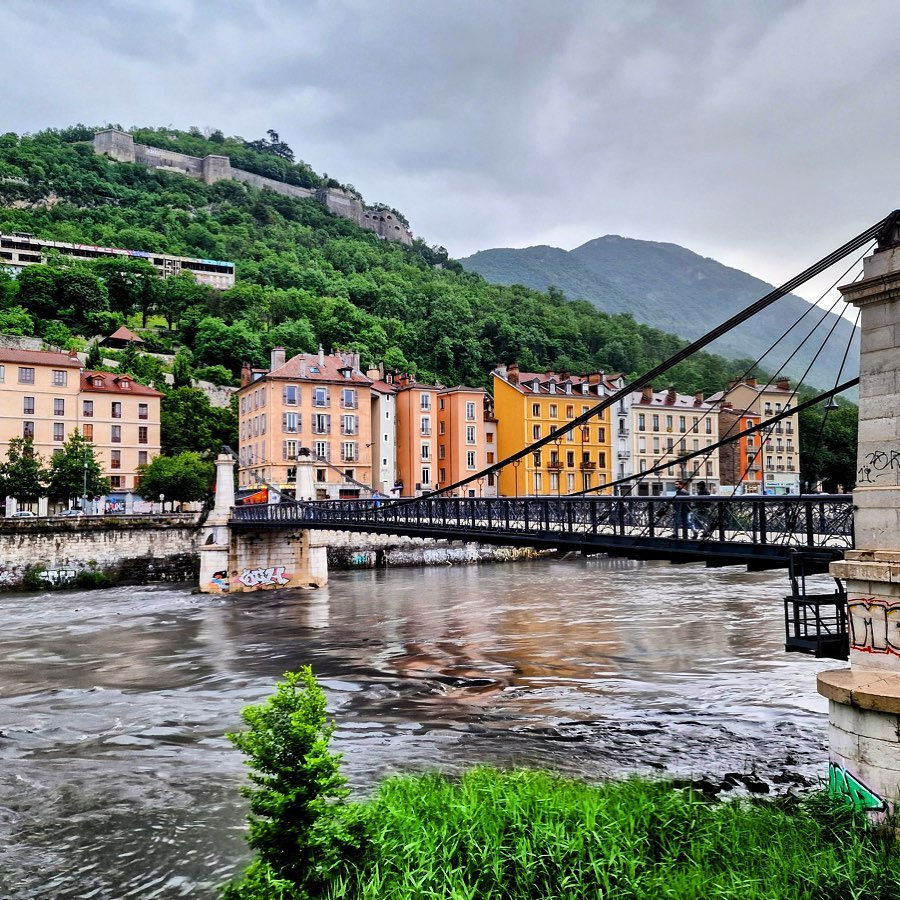
Grenoble sits surrounded by mountains in a way that feels almost enclosed. As you look around, peaks rise in every direction, giving the city a striking natural frame. The cable cars crossing the skyline add a distinct visual element you won’t forget.
This city matters because it’s often called the “Capital of the Alps.” With around 160,000 residents, it’s smaller than major cities but highly dynamic. The Bastille cable car takes you up in about 5 minutes, offering sweeping views over the entire valley.
If you go in the late afternoon, the mountains catch the changing light, and the city below begins to glow subtly.
What to do
- Take the Bastille cable car
- Walk through the old town
- Explore nearby hiking trails
Practical intel
- Cable car: about €9–€15 round trip
- Walking distances: 1–2 km in center
- Ideal stay: 1–2 days
Best for
Mountain views, outdoor access, local feel




COMMENTS
Please note that all comments will be checked by our team before being approved.