23 Stunning Places to Visit in Italy That Add Pure Magic To Your Trip
Planning a trip filled with beauty, history, and irresistible charm? These 23 stunning places to visit in Italy are scenic, iconic, and wonderfully diverse, perfect for helping you uncover breathtaking landscapes, timeless architecture, and unforgettable cultural experiences.

Italy doesn’t just offer places to visit, it draws you into experiences that feel vivid and alive. From ancient ruins to dreamlike coastlines, every corner has a rhythm you’ll notice right away.
What makes it even better is how easily everything connects. In just a few hours, you can move from historic cities to mountains or seaside villages, each with its own character and pace.
Plan it well, and you won’t just see Italy, you’ll feel it. Here are 23 stunning places to visit, crafted to guide you through the country with clarity and purpose.
1. Colosseum, Rome
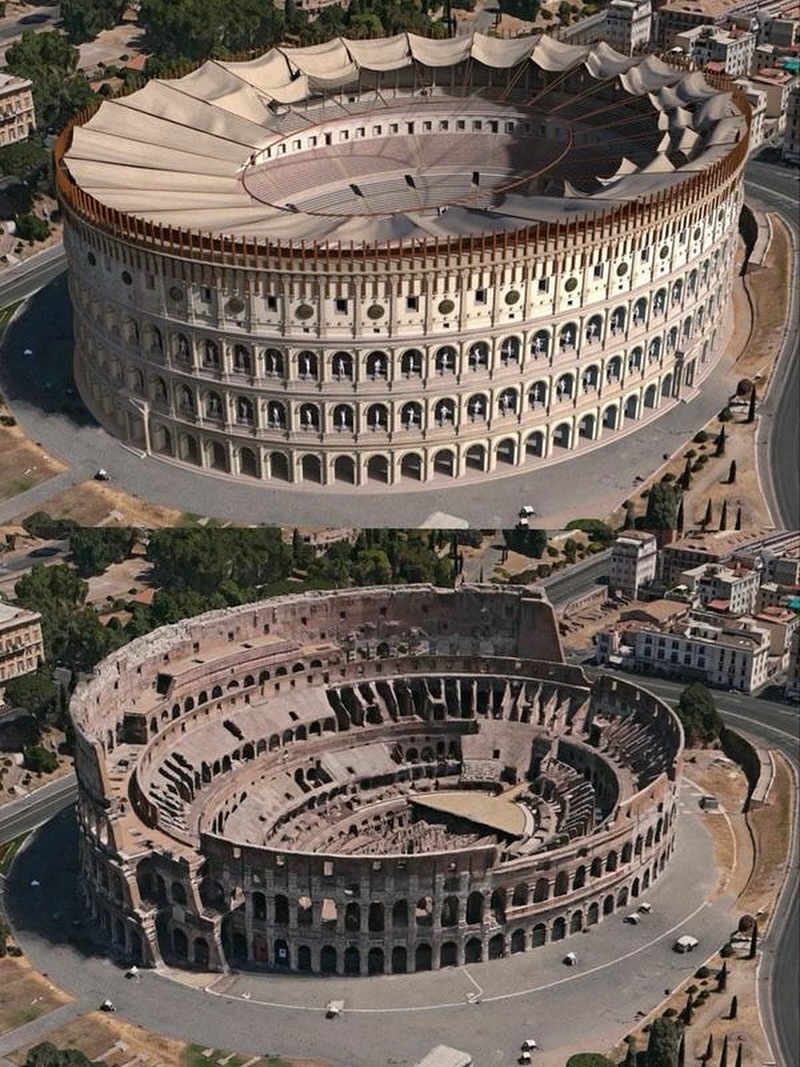
The first time you stand in front of the Colosseum, the sheer scale hits you immediately. This 2,000-year-old amphitheater rises nearly 48 meters high, and even in a crowded square, it dominates everything around it. You will notice the worn stone arches and imagine the roar of 50,000 spectators who once filled it.
Built in 80 AD, it hosted gladiator battles and public spectacles for centuries. Today, over 7 million visitors pass through annually, making it Italy’s most visited monument. A standard ticket costs around €16 and includes access to the Roman Forum and Palatine Hill.
If you go early, aim for 8:30 AM entry to avoid peak crowds that build by 10 AM. Late afternoon light also gives the structure a warm glow that feels almost cinematic.
What to do
- Walk the arena floor for a reconstructed gladiator perspective
- Climb to the upper tiers for panoramic views
- Combine with Roman Forum exploration
Practical intel
- Time needed: 2 to 3 hours
- Cost: €16 standard entry
- Peak crowd hours: 10 AM to 3 PM
Best for: History lovers, first-time visitors
2. Grand Canal, Venice
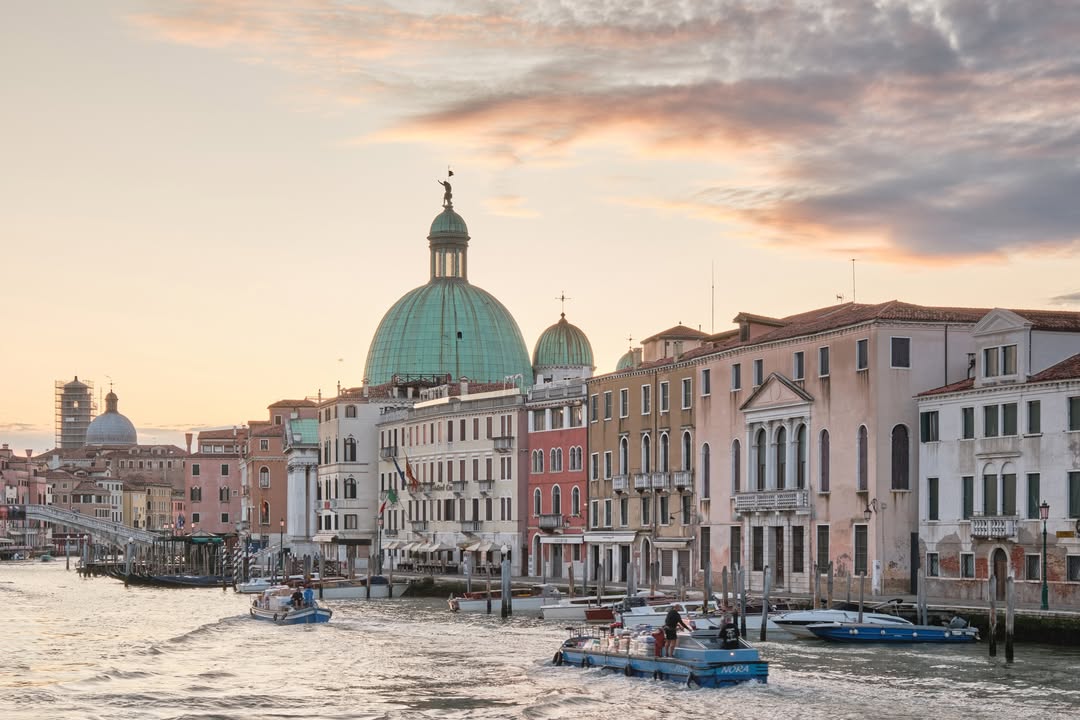
The Grand Canal feels like a moving painting. As you glide along its 3.8 km length, palaces from the 13th to 18th centuries line the water in soft pastels. You will notice how everything, from taxis to deliveries, happens on water, giving Venice its surreal rhythm.
It serves as Venice’s main transportation artery, with vaporettos running every 10 to 20 minutes. A single ride costs about €9.50, but a 24-hour pass at €25 is far better value if you plan multiple trips.
Take Line 1 at sunset if you can. It moves slowly, stopping often, and gives you nearly an hour of continuous views without the high cost of a gondola.
What to do
- Ride Vaporetto Line 1 end-to-end
- Watch sunset near Rialto Bridge
- Photograph palaces from the water
Practical intel
- Time needed: 1 to 2 hours
- Cost: €9.50 per ride
- Best time: Sunset or early morning
Best for: Romantic travelers, photographers
3. Florence Cathedral, Florence
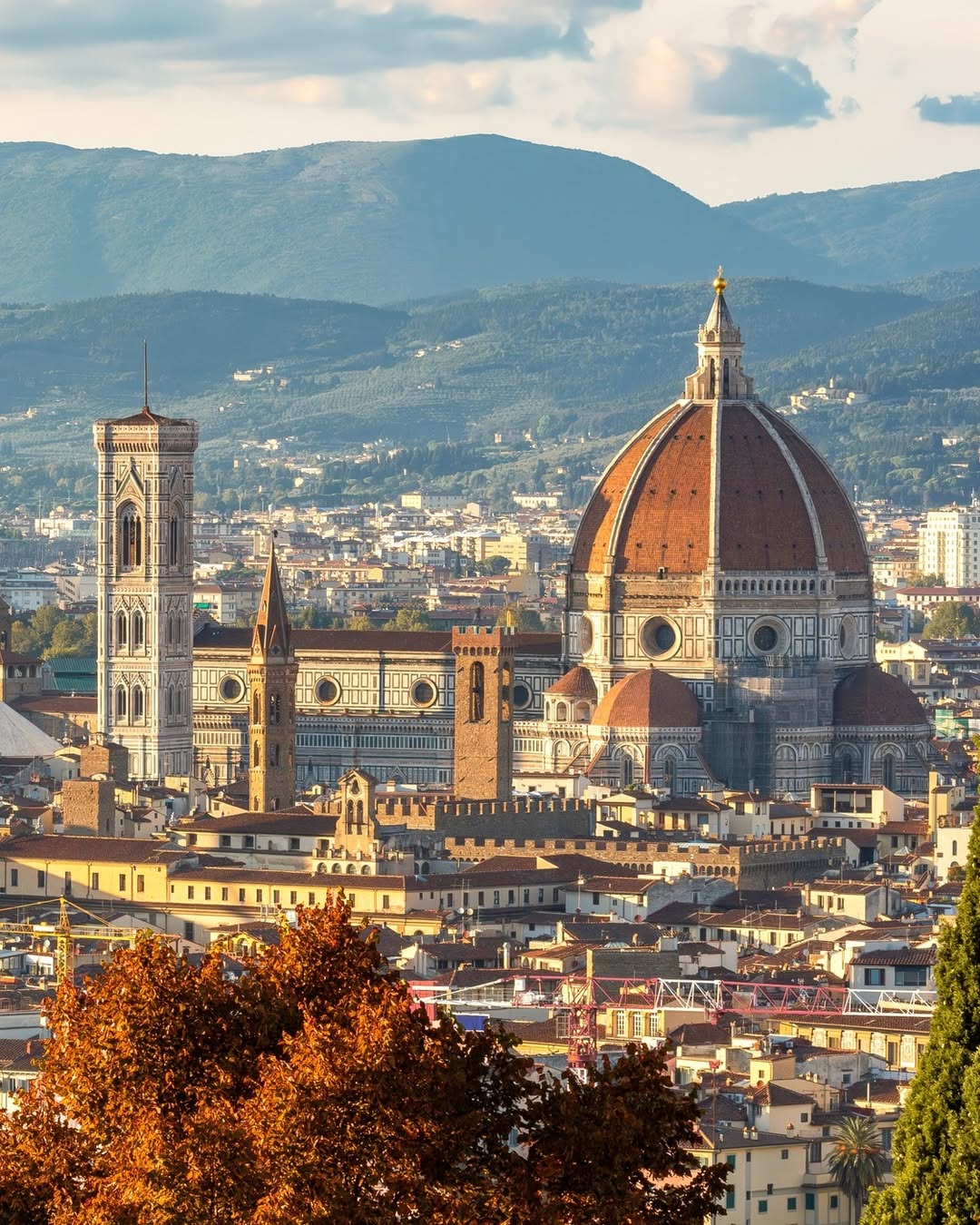
The Florence Cathedral stops you mid-step. Its dome, engineered by Brunelleschi, rises 114 meters and dominates the skyline. Up close, the green, pink, and white marble facade is incredibly detailed, and you will notice patterns that feel almost geometric and hypnotic.
Construction began in 1296 and took over 140 years. Entry to the cathedral is free, but climbing the 463 steps to the dome costs about €30 and requires advance booking due to daily limits.
If you are up for the climb, go early in the morning. The view over Florence’s terracotta rooftops is worth every step, especially before midday haze sets in.
What to do
- Climb Brunelleschi’s dome
- Visit the baptistery doors
- Walk around Piazza del Duomo
Practical intel
- Time needed: 2 to 3 hours
- Dome climb: €30
- Steps: 463
Best for: Architecture lovers, skyline views
4. Amalfi Coast, Campania
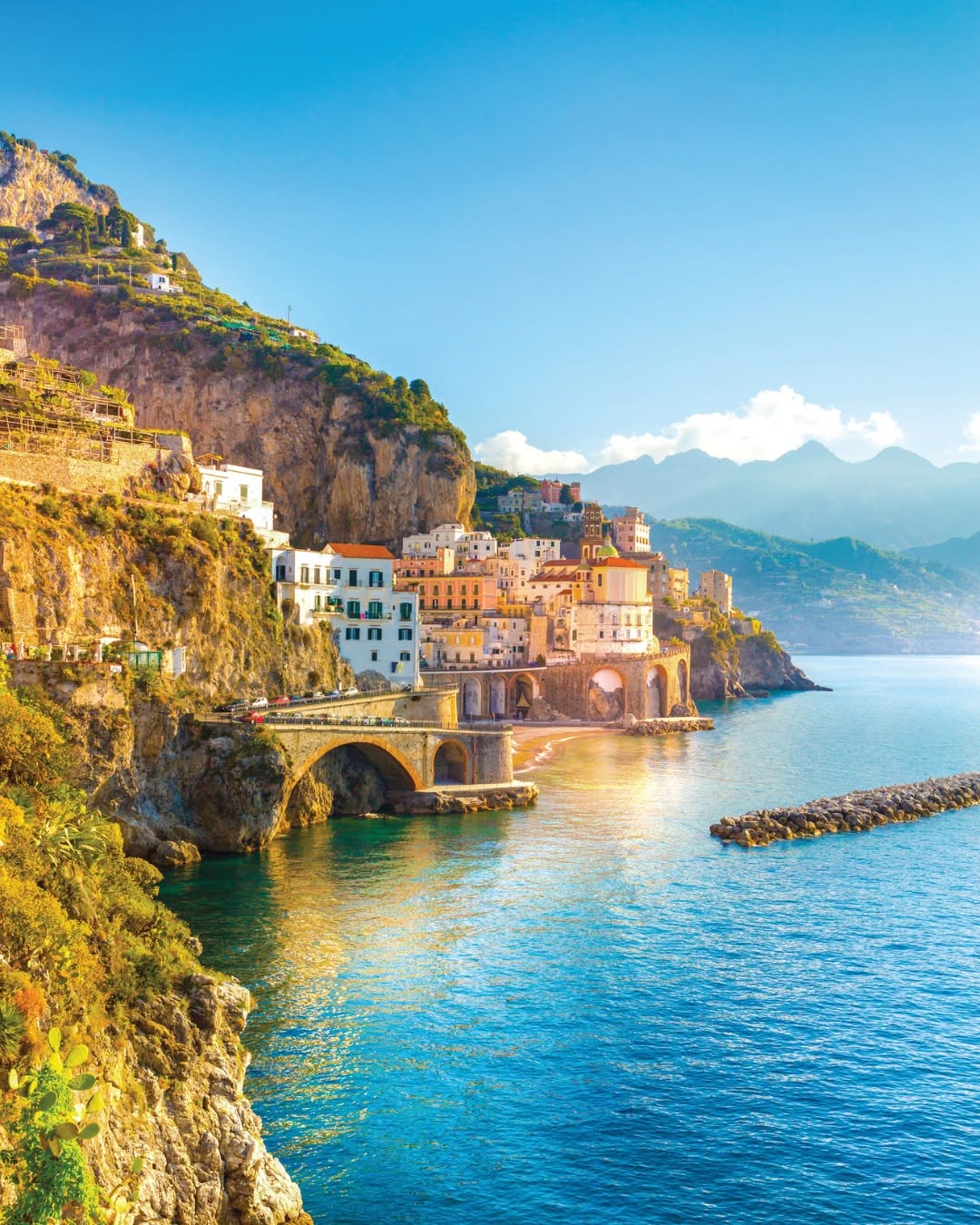
Driving along the Amalfi Coast feels like balancing between sea and sky. The road stretches about 50 km, hugging cliffs that drop sharply into bright turquoise water. You will notice lemon groves clinging to steep terraces and villages stacked like layers.
The coast includes 13 towns, with Positano and Amalfi being the most famous. Summer draws millions of visitors, especially between June and August when temperatures sit around 28°C.
If you want a smoother experience, visit in May or September. Roads are less congested, and accommodation prices can drop by 30 to 40 percent.
What to do
- Drive or take a bus along the coastal road
- Visit Positano’s beach
- Explore Amalfi Cathedral
Practical intel
- Time needed: 1 to 2 days
- Best months: May, September
- Road length: 50 km
Best for: Scenic drives, coastal lovers
5. Leaning Tower of Pisa, Pisa
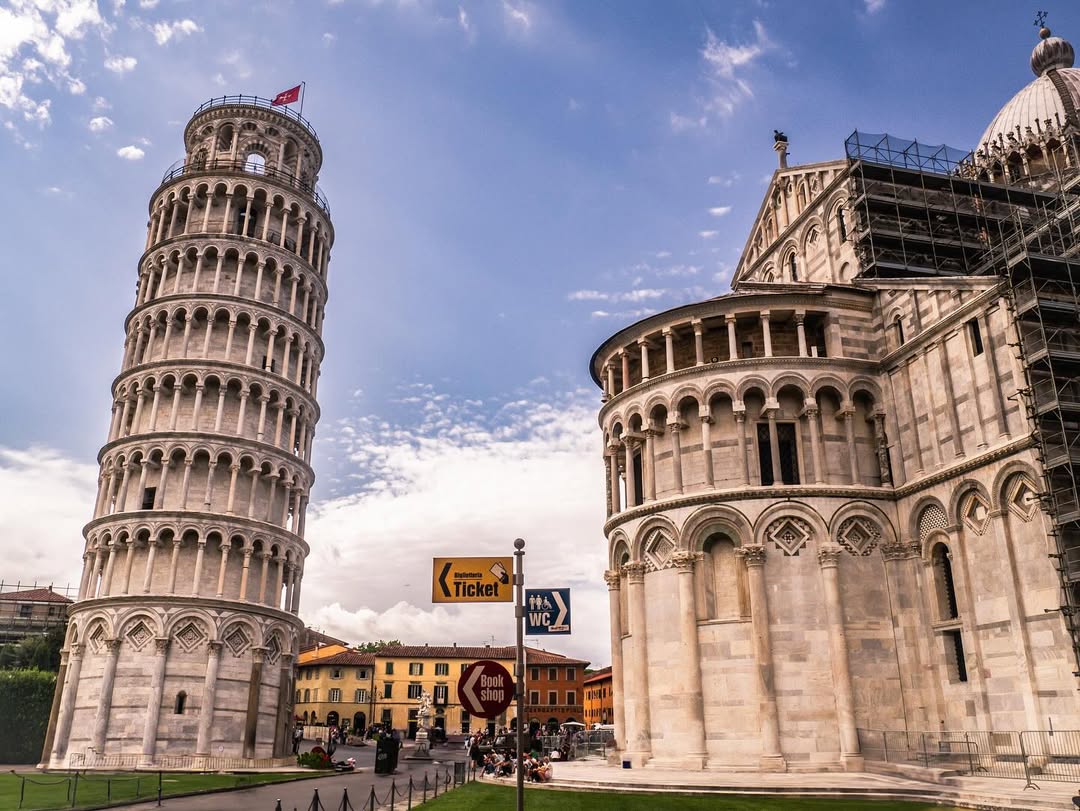
Seeing the Leaning Tower in person is surprisingly surreal. It tilts at about 4 degrees, and your eyes keep trying to correct it. You will notice how perfectly white the marble looks against the green lawn of Piazza dei Miracoli.
Construction began in 1173 and took nearly 200 years due to pauses caused by the unstable ground. Climbing the tower costs around €20, and only about 45 people are allowed every 15 minutes.
If you plan to climb, book ahead. Midday slots fill quickly, but early morning entries tend to be quieter.
What to do
- Climb the tower
- Take the classic perspective photo
- Visit the nearby cathedral
Practical intel
- Time needed: 1 to 2 hours
- Cost: €20 climb
- Entry limit: ~45 people per slot
Best for: Iconic landmarks, quick stops
6. Cinque Terre, Liguria

Cinque Terre feels like a collection of postcards brought to life. The five villages stretch along 12 km of rugged coastline, each painted in vibrant colors. You will notice narrow streets, fishing boats, and terraces built into cliffs.
The area is a UNESCO World Heritage Site and sees around 2.5 million visitors annually. A Cinque Terre Card costs about €18 and includes unlimited train travel between villages.
If you enjoy hiking, the trail between Vernazza and Monterosso takes about 2 hours and offers some of the best coastal views in Italy.
What to do
- Hike between villages
- Swim in Monterosso
- Explore Manarola at sunset
Practical intel
- Time needed: 1 to 2 days
- Train frequency: every 20 minutes
- Card cost: €18
Best for: Hikers, photographers
7. Lake Como, Lombardy
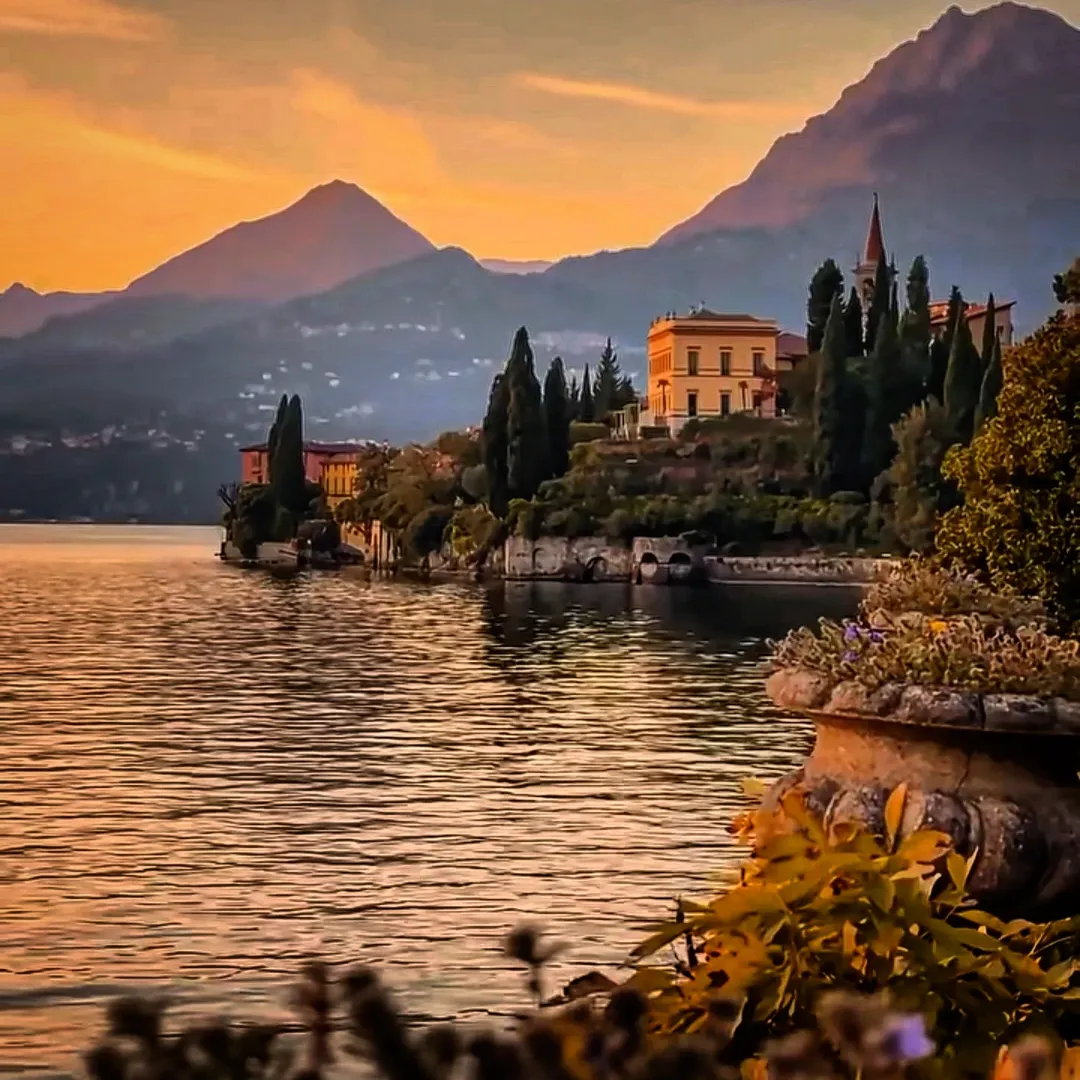
Lake Como has a calm elegance that feels instantly relaxing. The lake stretches over 46 km and is surrounded by mountains that reflect perfectly in the water. You will notice villas and gardens that look almost unreal in their symmetry.
It has been a retreat for aristocrats for centuries and still attracts global visitors. Ferries connect towns like Bellagio and Varenna, with tickets ranging from €10 to €25 depending on distance.
For the best experience, take a mid-lake ferry ride. It gives you a full sense of the lake’s scale and scenery.
What to do
- Visit Bellagio village
- Take a ferry across the lake
- Walk lakeside promenades
Practical intel
- Time needed: 1 to 2 days
- Ferry cost: €10 to €25
- Lake length: 46 km
Best for: Relaxation, scenic escapes
8. Pompeii, near Naples
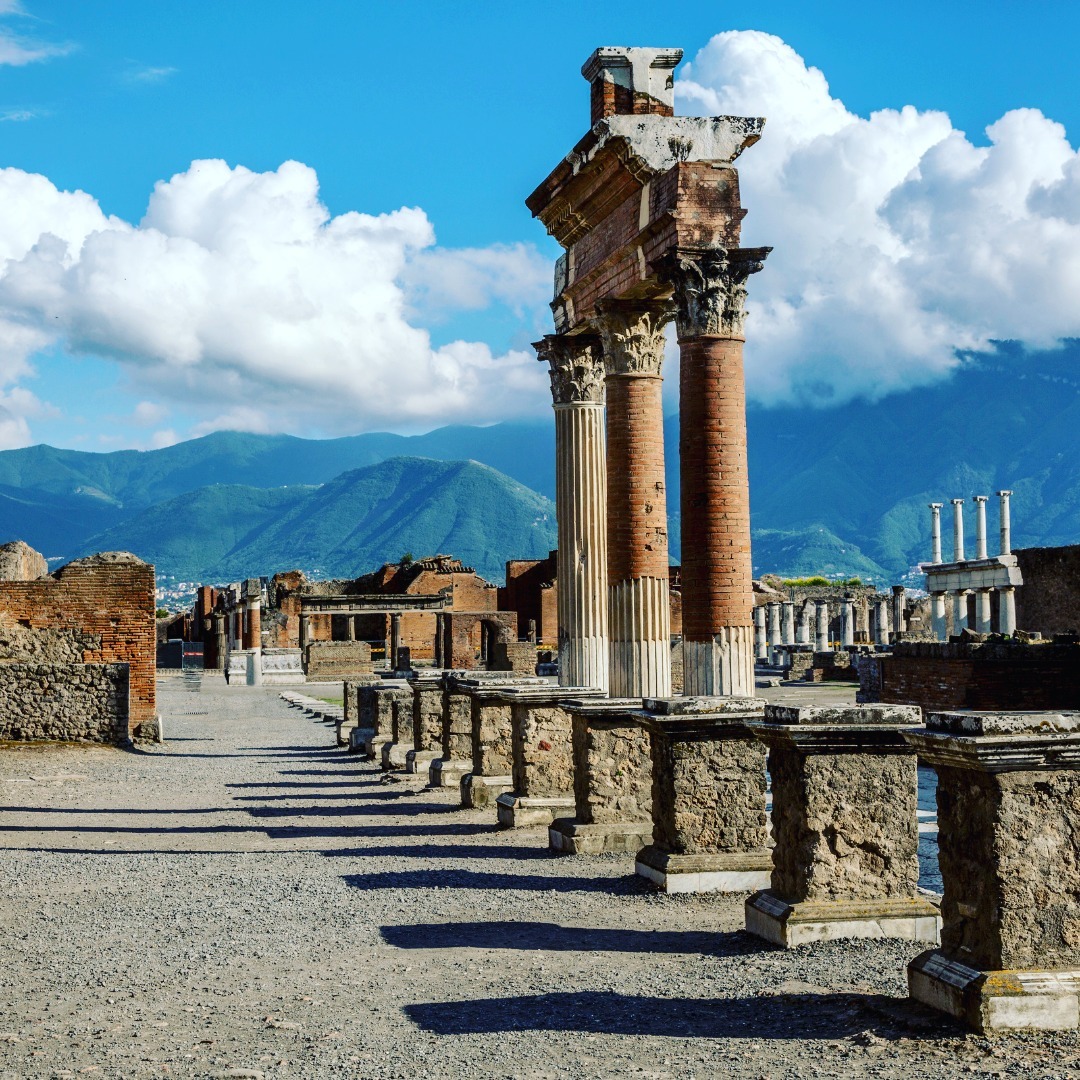
Walking through Pompeii feels like stepping into a paused moment. Streets, houses, and even frescoes remain preserved under volcanic ash. You will notice the haunting plaster casts of people frozen in time.
The city was buried in 79 AD during the eruption of Mount Vesuvius. Today, the site covers about 66 hectares, with around 44 hectares open to visitors. Entry costs about €16.
Wear comfortable shoes because you will easily walk 5 to 7 km inside the site. Early morning visits are far less crowded.
What to do
- Explore ancient streets
- Visit preserved villas
- See plaster casts
Practical intel
- Time needed: 3 to 5 hours
- Cost: €16
- Walking distance: up to 7 km
Best for: History enthusiasts
9. Milan Cathedral, Milan
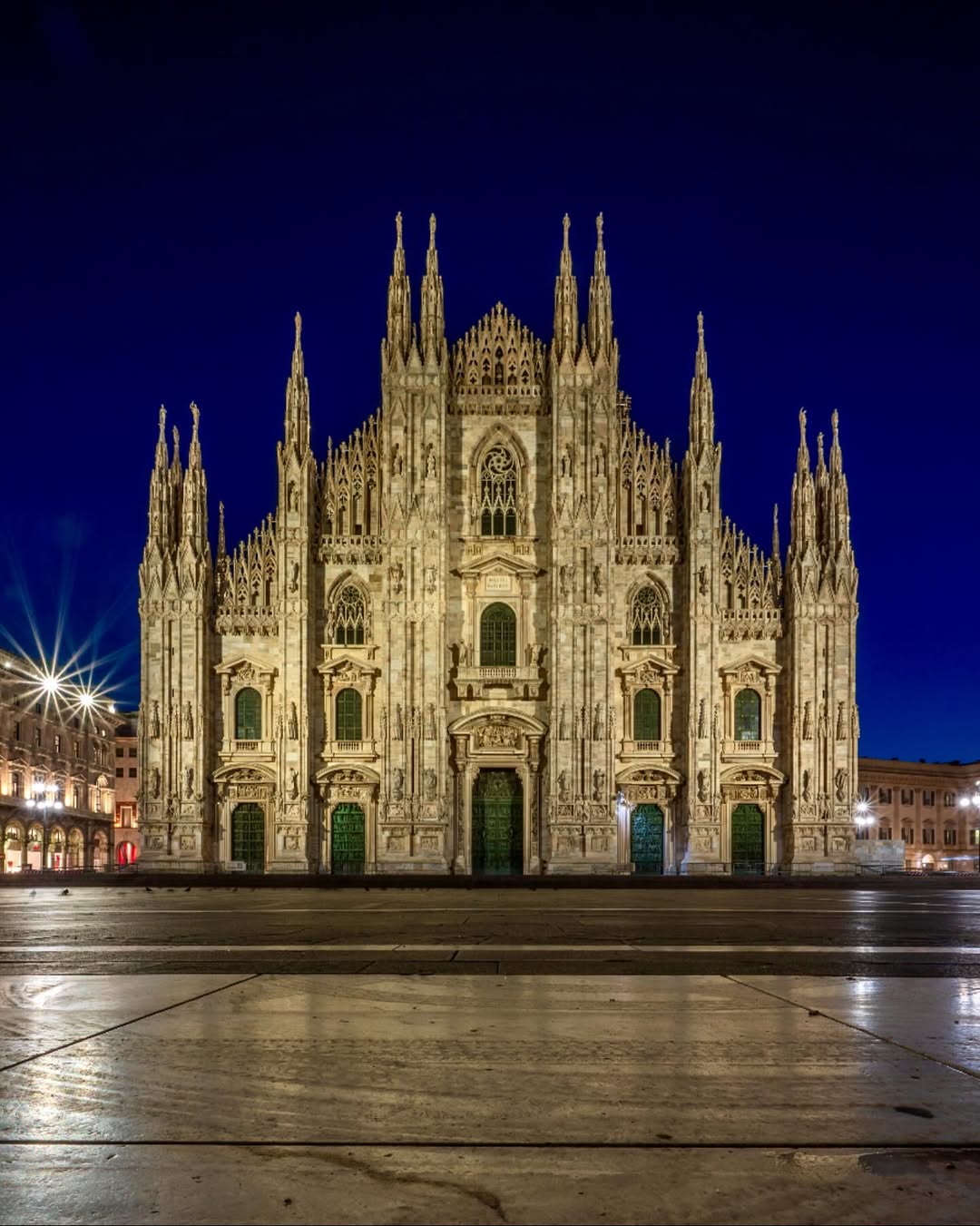
Milan Cathedral is striking in its detail. With over 3,400 statues and 135 spires, it feels almost like a sculpture rather than a building. You will notice intricate carvings everywhere you look.
Construction began in 1386 and took nearly six centuries to complete. Rooftop access costs around €15 and gives you a chance to walk among the spires.
If you can, go up just before sunset. The city below starts to glow, and the marble takes on a soft golden tone.
What to do
- Walk on the rooftop terraces
- Explore interior halls
- Visit nearby Galleria Vittorio Emanuele II
Practical intel
- Time needed: 2 hours
- Rooftop ticket: €15
- Statues: 3,400+
Best for: Architecture lovers, city views
10. Val d’Orcia, Tuscany
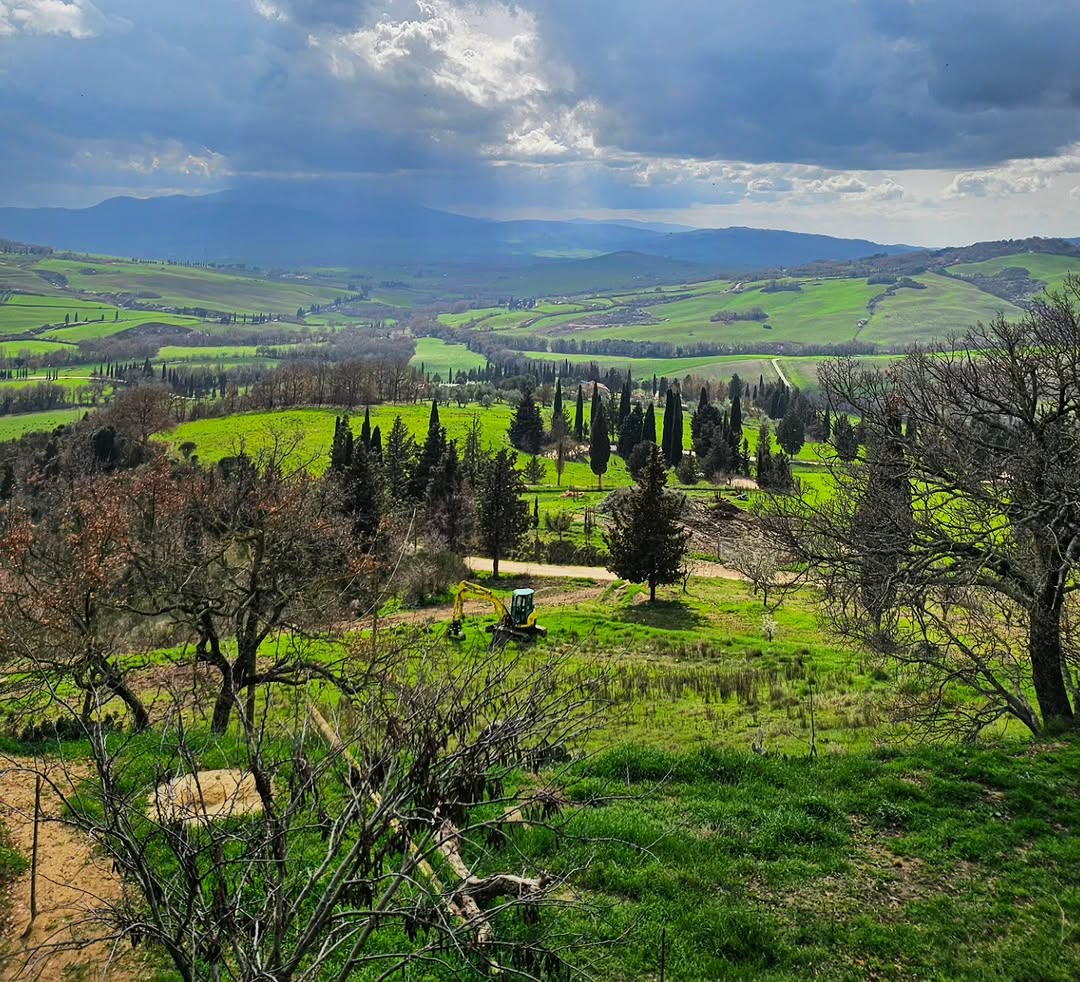
Val d’Orcia feels like stepping into a Renaissance painting. Rolling hills stretch for kilometers, dotted with cypress trees and farmhouses. You will notice how the light changes throughout the day, completely transforming the landscape.
This UNESCO-listed region spans about 611 square kilometers and is famous for its agricultural heritage. It is less crowded than major cities, especially outside summer.
If you go at sunrise, the mist rolling over the hills creates one of the most memorable views in Italy.
What to do
- Drive scenic country roads
- Visit Pienza and Montalcino
- Photograph sunrise landscapes
Practical intel
- Time needed: 1 to 2 days
- Best season: Spring and autumn
- Area size: 611 sq km
Best for: Scenic drives, peaceful escapes
11. St. Peter’s Basilica, Vatican City
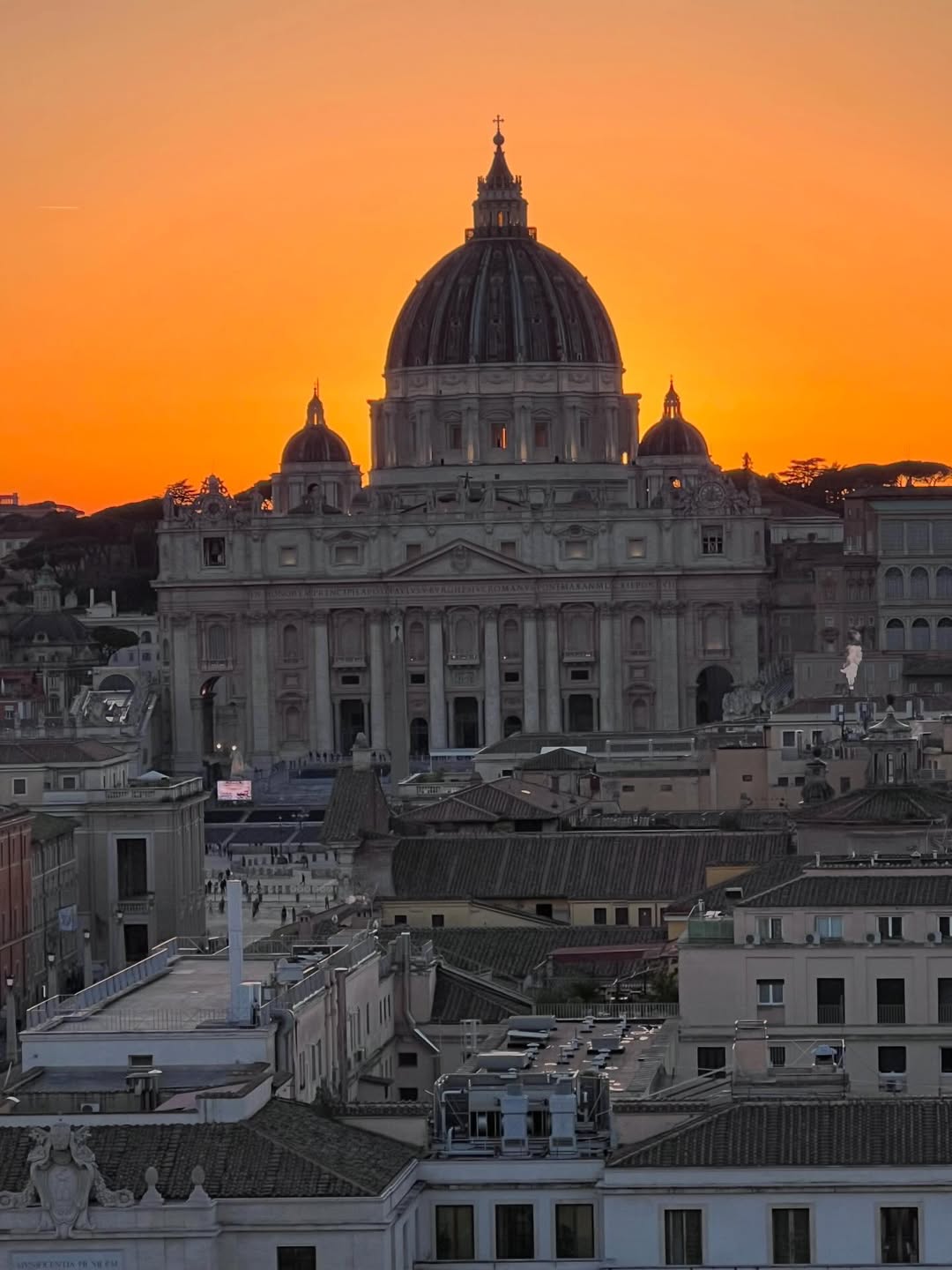
The moment you step inside St. Peter’s Basilica, the scale feels almost unreal. The ceiling rises over 130 meters, and everything from the marble floors to the golden dome feels meticulously designed to overwhelm your senses. You will notice how small people look compared to the vast interior.
It is the largest church in the world, covering 15,000 square meters. Entry is free, but climbing the dome costs about €8 to €10 depending on whether you take the elevator partway. Over 20,000 visitors can pass through on peak days.
If you want a quieter experience, arrive before 8 AM. The dome climb at that hour gives you softer light over Vatican City and Rome.
What to do
- Climb the dome for panoramic views
- See Michelangelo’s Pietà
- Walk through St. Peter’s Square
Practical intel
- Time needed: 2 to 3 hours
- Dome climb: €8 to €10
- Best time: Early morning
Best for: Art, architecture, spiritual sites
12. Trevi Fountain, Rome
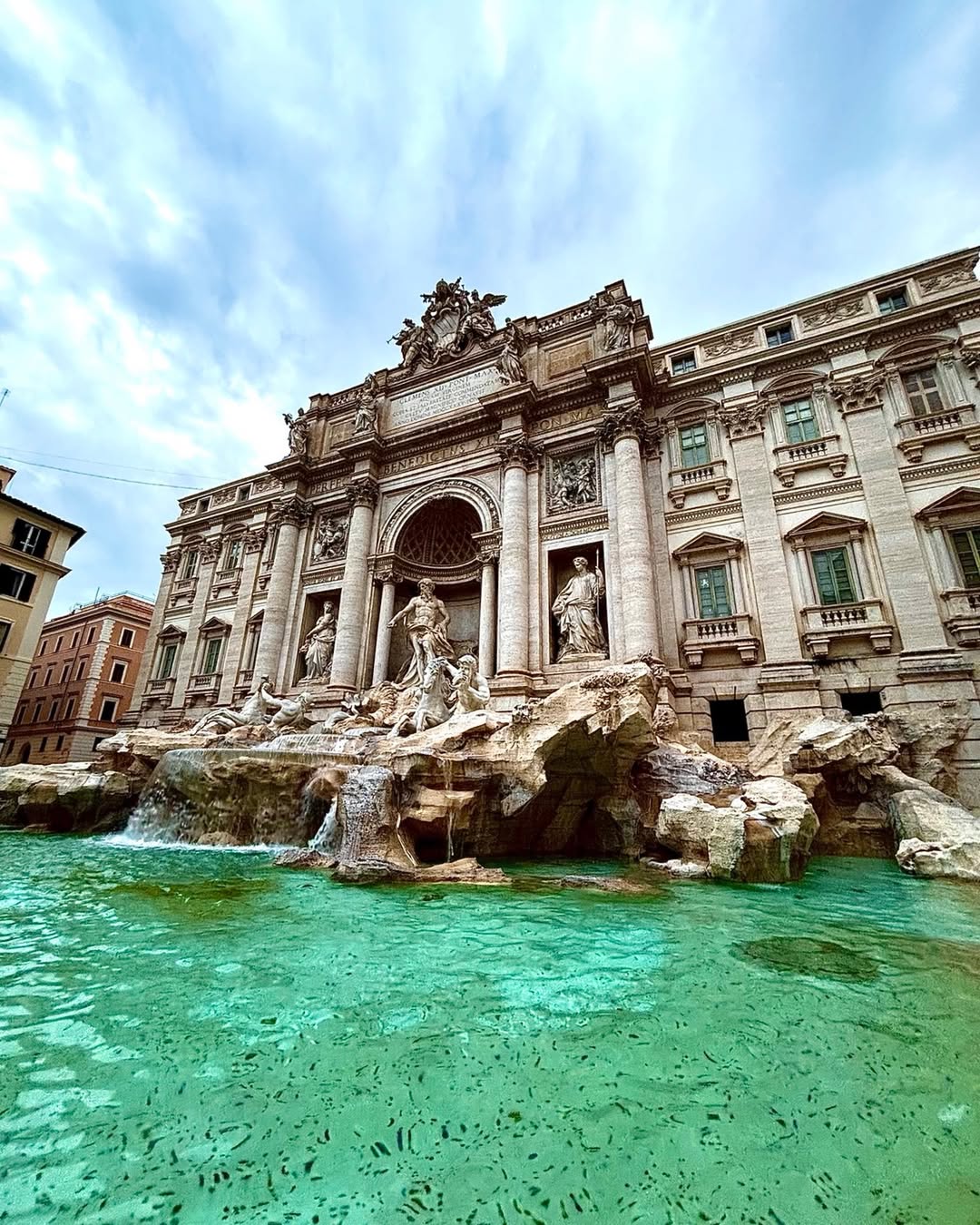
You will hear the Trevi Fountain before you see it. The sound of cascading water fills the narrow streets, and then suddenly the massive Baroque structure opens up in front of you. The statues seem alive, especially under evening lights.
Built in 1762, it stands 26 meters high and 49 meters wide. Around €3,000 worth of coins are thrown into it daily, following the tradition that ensures a return to Rome.
Late night visits around 11 PM or later give you a rare chance to see it with fewer crowds. Early mornings around 6 AM are equally peaceful.
What to do
- Toss a coin with your right hand over your left shoulder
- Take night photos
- Sit and absorb the atmosphere
Practical intel
- Time needed: 30 to 45 minutes
- Cost: Free
- Peak crowd: 10 AM to 10 PM
Best for: First-time visitors, romantic moments
13. Verona Arena, Verona
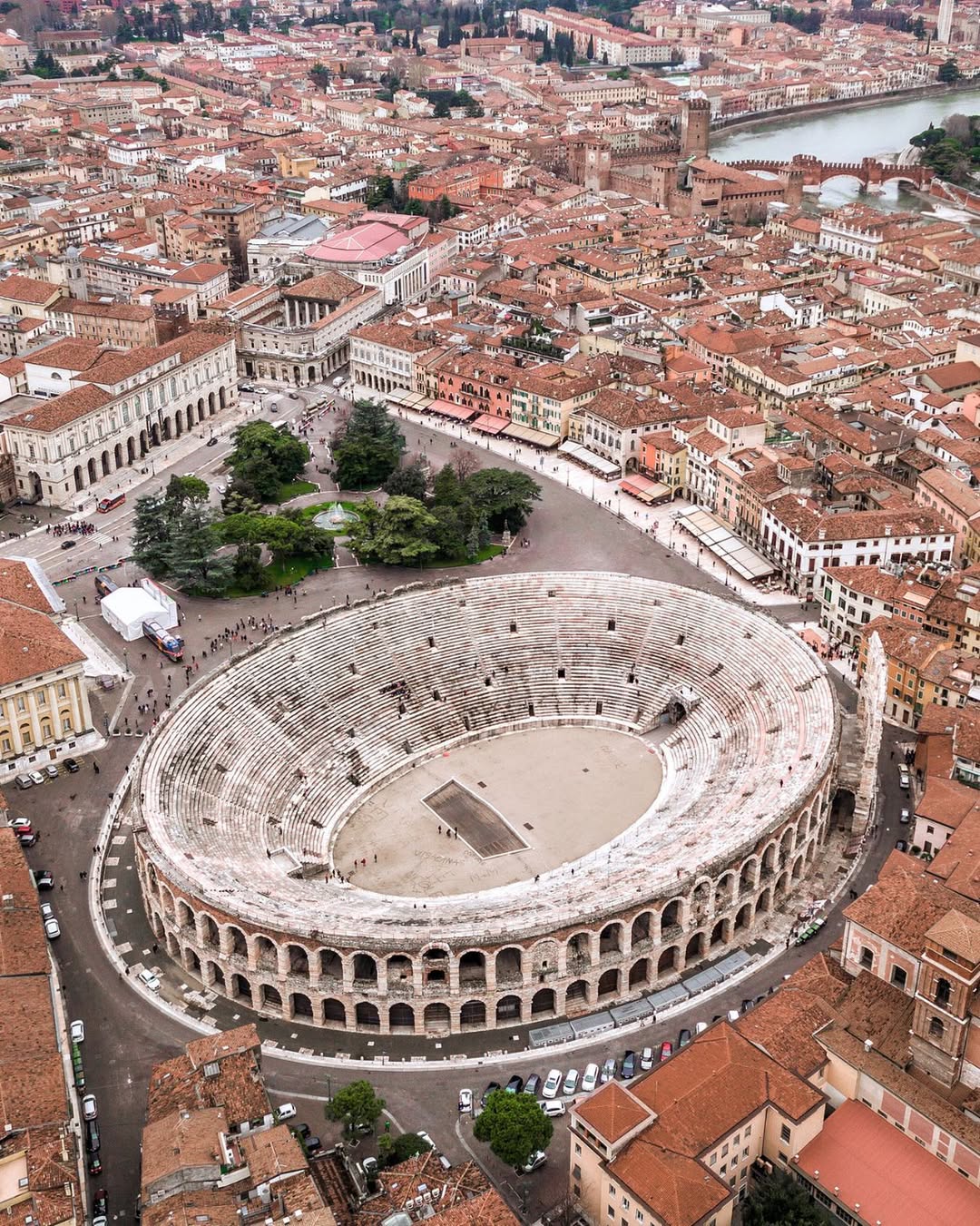
The Verona Arena feels more intimate than the Colosseum, but no less impressive. You will notice how well-preserved it is, with seating still used today for concerts and opera.
Built in the 1st century, it can hold around 30,000 people. Summer opera festivals attract thousands, with tickets ranging from €25 to over €200 depending on seating.
If you can, attend a live performance. Sitting under the night sky in a Roman arena is one of those experiences that stays with you.
What to do
- Attend an opera performance
- Walk the outer arches
- Explore Piazza Bra nearby
Practical intel
- Time needed: 1 to 2 hours
- Entry: ~€12 or more for events
- Best season: Summer
Best for: Culture, live performances
14. Capri, Campania
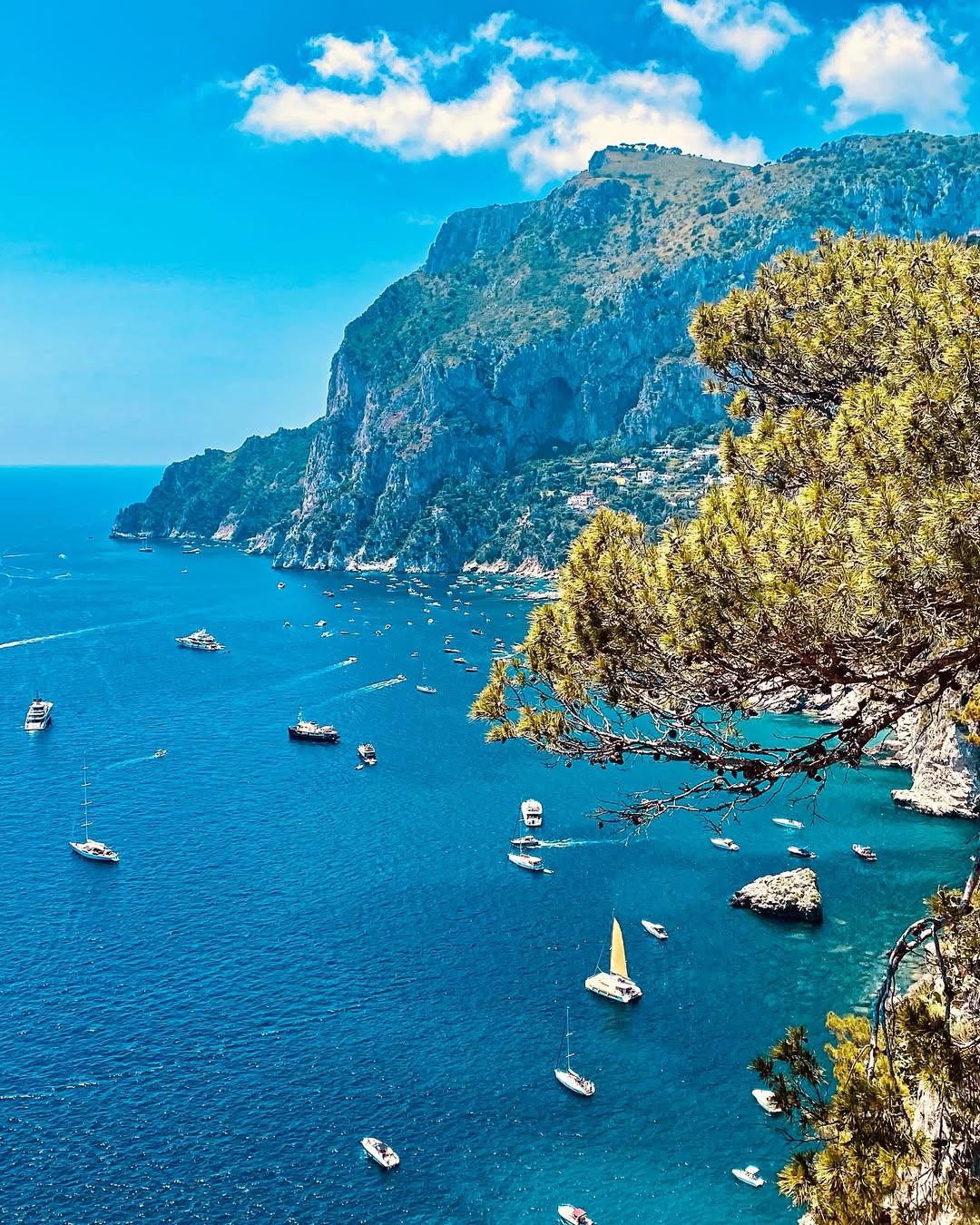
Capri feels polished and dramatic at the same time. Steep cliffs rise from deep blue water, and the air feels different the moment you arrive. You will notice luxury boutiques alongside quiet viewpoints.
The island is about 10 square kilometers and receives over 2 million visitors annually. Ferries from Naples take 40 to 80 minutes and cost around €25 to €50.
If you want to avoid peak crowds, stay overnight. Day-trippers leave by evening, and Capri becomes noticeably calmer.
What to do
- Visit the Blue Grotto
- Take the chairlift to Monte Solaro
- Walk through Anacapri
Practical intel
- Time needed: 1 to 2 days
- Ferry cost: €25 to €50
- Best time: May or September
Best for: Coastal beauty, luxury escapes
15. Siena Historic Center, Tuscany
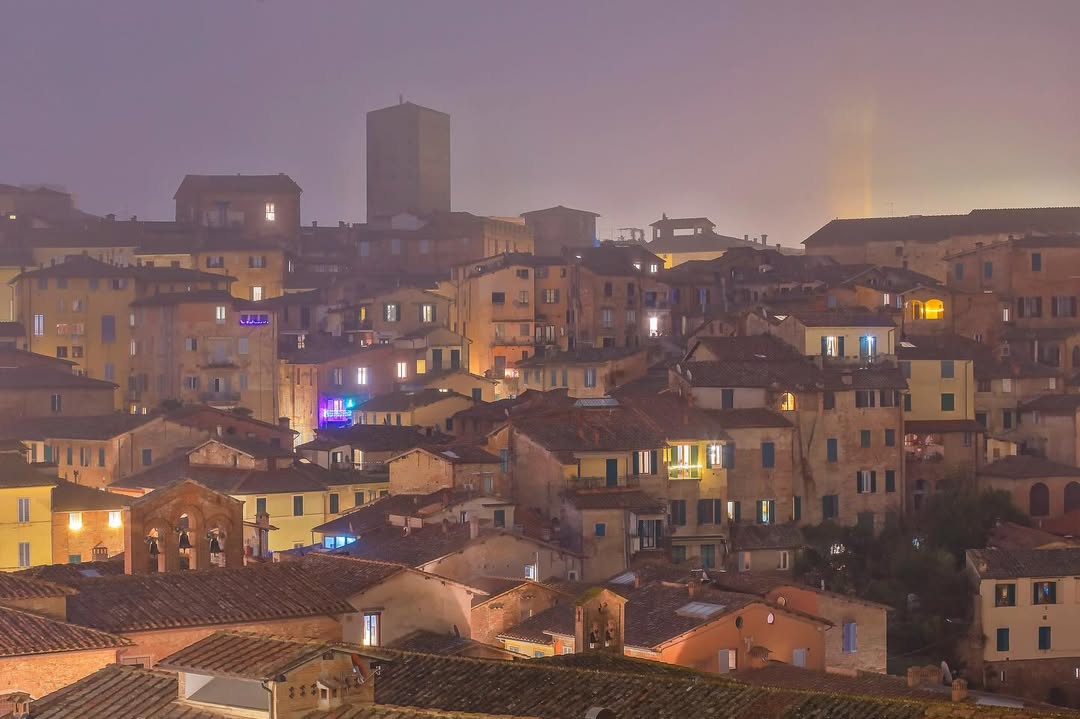
Siena feels like stepping into the Middle Ages. The narrow streets twist uphill, and suddenly open into Piazza del Campo, one of Italy’s most unique squares. You will notice how everything feels preserved and authentic.
The historic center is a UNESCO site, with about 54,000 residents. The famous Palio horse race happens twice a year and draws huge crowds.
Climb Torre del Mangia if you can. The 400-step climb rewards you with sweeping views of Tuscany.
What to do
- Walk Piazza del Campo
- Climb Torre del Mangia
- Visit Siena Cathedral
Practical intel
- Time needed: 1 day
- Tower climb: ~€10
- Steps: 400
Best for: Medieval atmosphere, cultural heritage
16. Mount Etna, Sicily
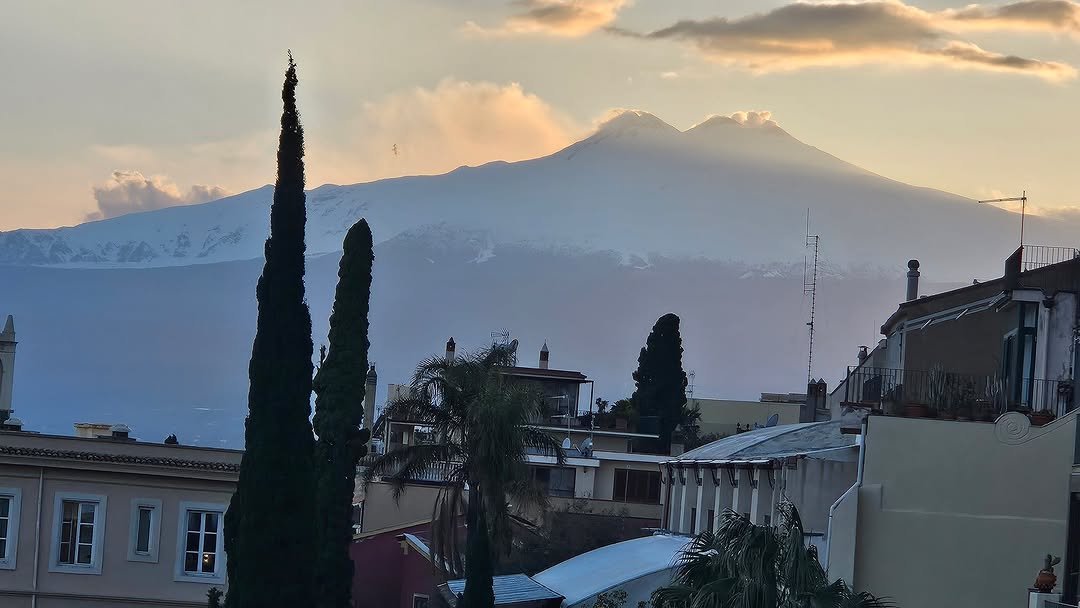
Mount Etna feels alive in a way few places do. You will notice the black volcanic soil, steam vents, and changing landscapes as you go higher.
It is Europe’s most active volcano, standing about 3,300 meters tall. Guided tours cost around €50 to €100 depending on how high you go.
If you visit in cooler months, you might even see snow near the summit while the lower areas stay mild.
What to do
- Take a guided volcano tour
- Ride the cable car
- Walk on lava fields
Practical intel
- Time needed: Half to full day
- Tour cost: €50 to €100
- Height: ~3,300 m
Best for: Adventure, unique landscapes
17. Bologna Historic Center, Bologna
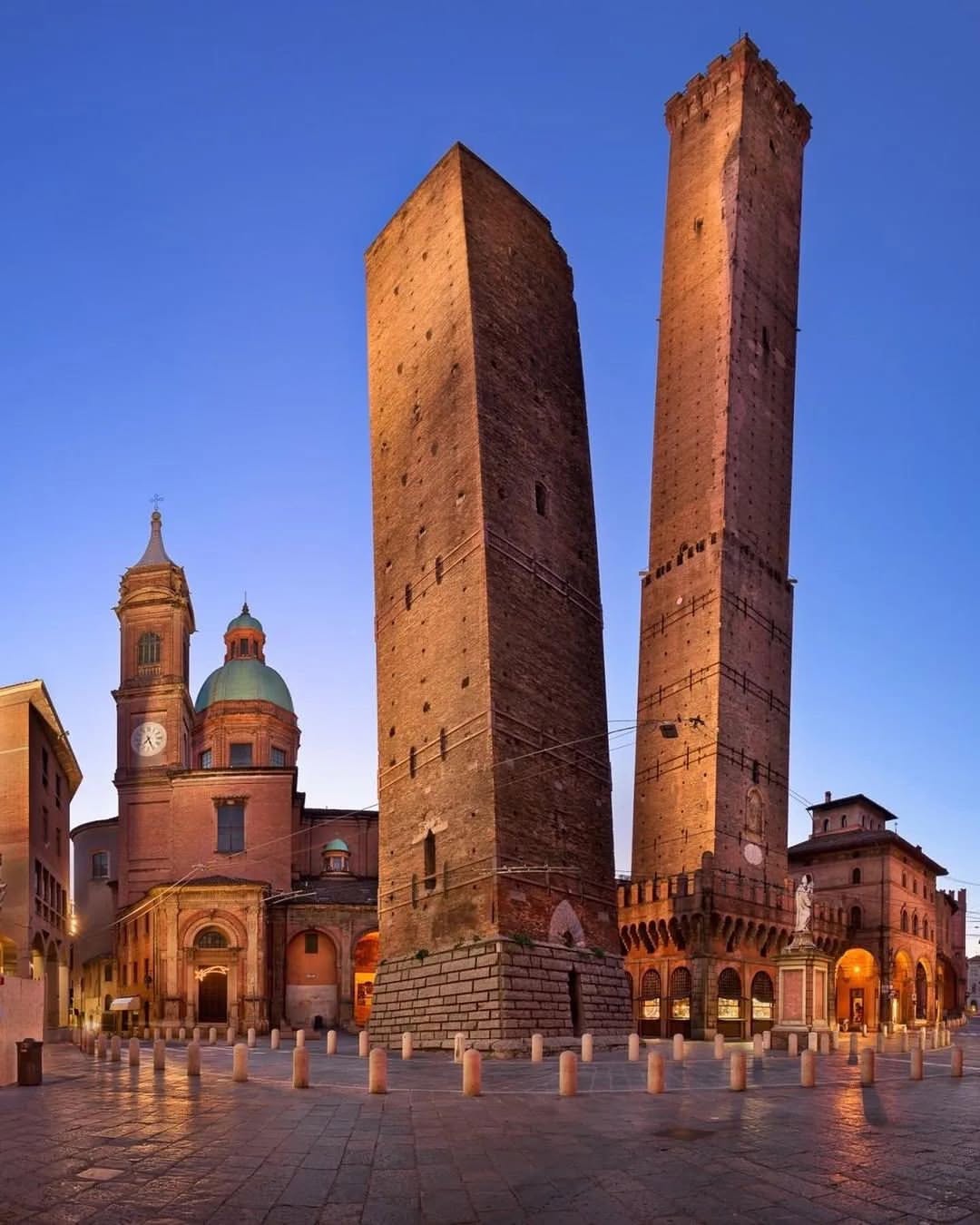
Bologna has a warmth that feels immediate. Its red buildings and endless porticoes stretch for 38 kilometers, giving you shaded walkways almost everywhere.
The city has one of the oldest universities in the world, founded in 1088. It is less crowded than Florence but equally rich in history and food.
Climb the Asinelli Tower if you have the energy. The 498 steps are steep, but the view is worth it.
What to do
- Walk under the porticoes
- Climb Asinelli Tower
- Explore food markets
Practical intel
- Time needed: 1 day
- Tower steps: 498
- Best time: Spring or autumn
Best for: Food lovers, local culture
18. Dolomites, Northern Italy
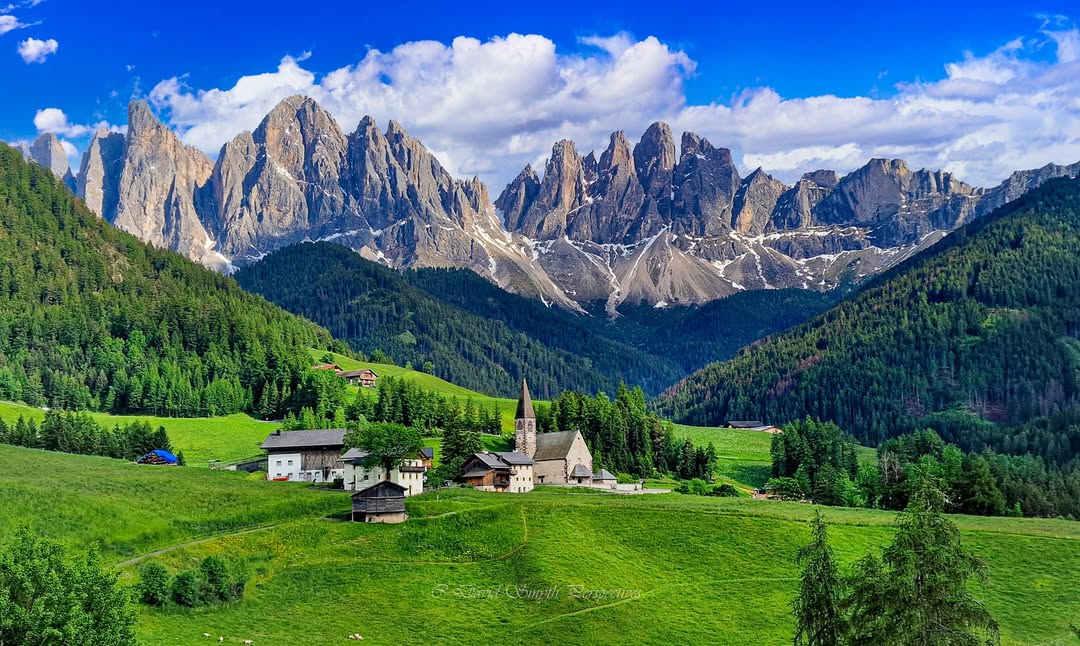
The Dolomites feel dramatic and peaceful at the same time. Jagged peaks rise sharply, and you will notice how the light changes the color of the الصخور throughout the day.
This UNESCO-listed range spans about 141,000 hectares. Popular areas like Cortina d’Ampezzo draw both hikers in summer and skiers in winter.
If you visit in September, you get fewer crowds and clear hiking conditions.
What to do
- Hike mountain trails
- Visit alpine lakes
- Take cable cars for views
Practical intel
- Time needed: 2 to 3 days
- Best season: June to September
- Area: 141,000 hectares
Best for: Nature, outdoor adventure
19. Naples Historic Center, Naples
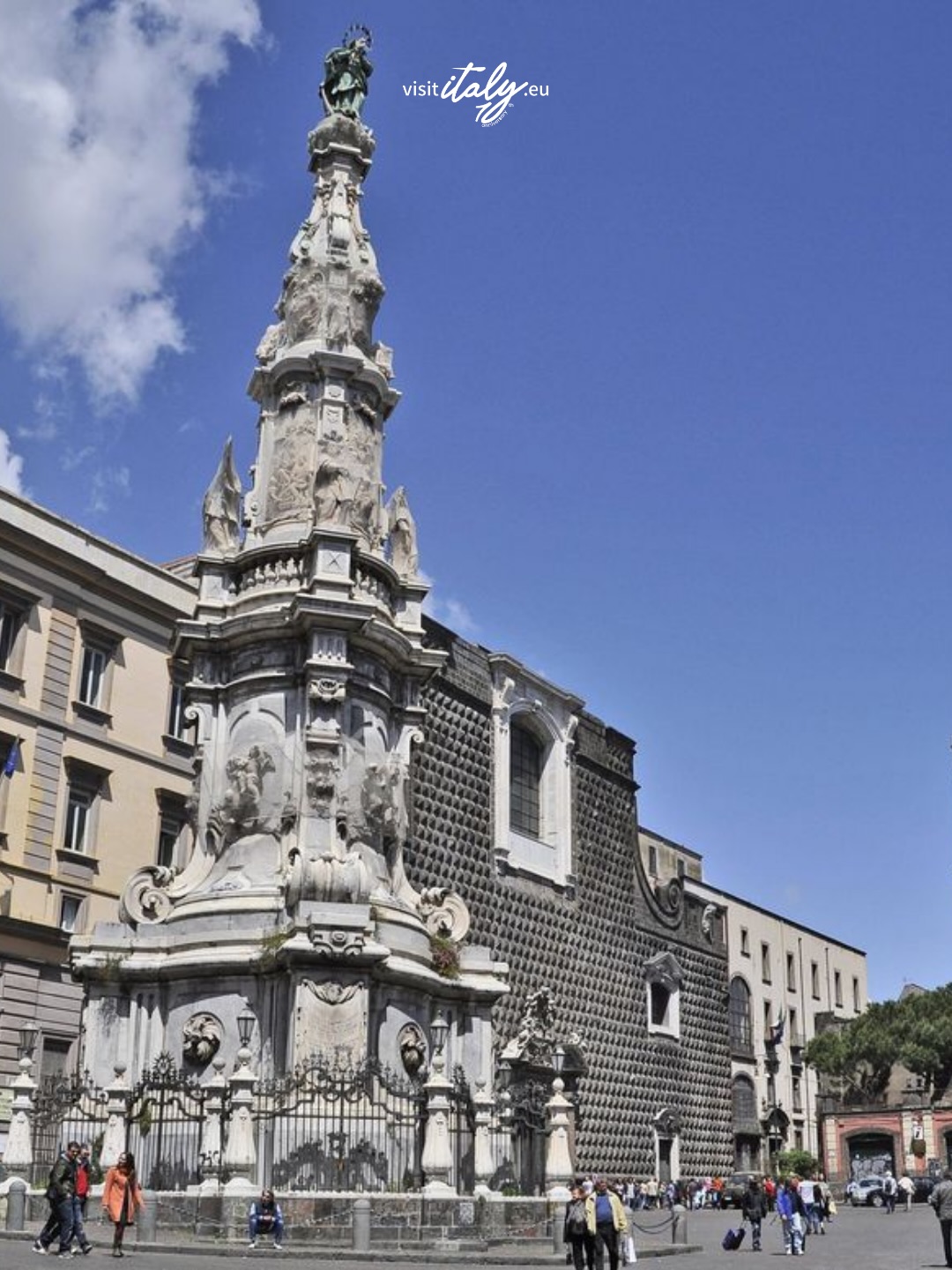
Naples feels raw and energetic. Streets are busy, scooters weave through traffic, and you will notice the smell of fresh pizza everywhere.
The historic center spans 1,700 hectares and is one of Europe’s largest. It is also a UNESCO site filled with churches, markets, and hidden corners.
Try pizza where it was born. A classic Margherita costs around €5 to €8.
What to do
- Walk Spaccanapoli street
- Visit underground Naples
- Eat authentic pizza
Practical intel
- Time needed: 1 day
- Pizza cost: €5 to €8
- Area: 1,700 hectares
Best for: Food, authentic city life
20. Portofino, Liguria
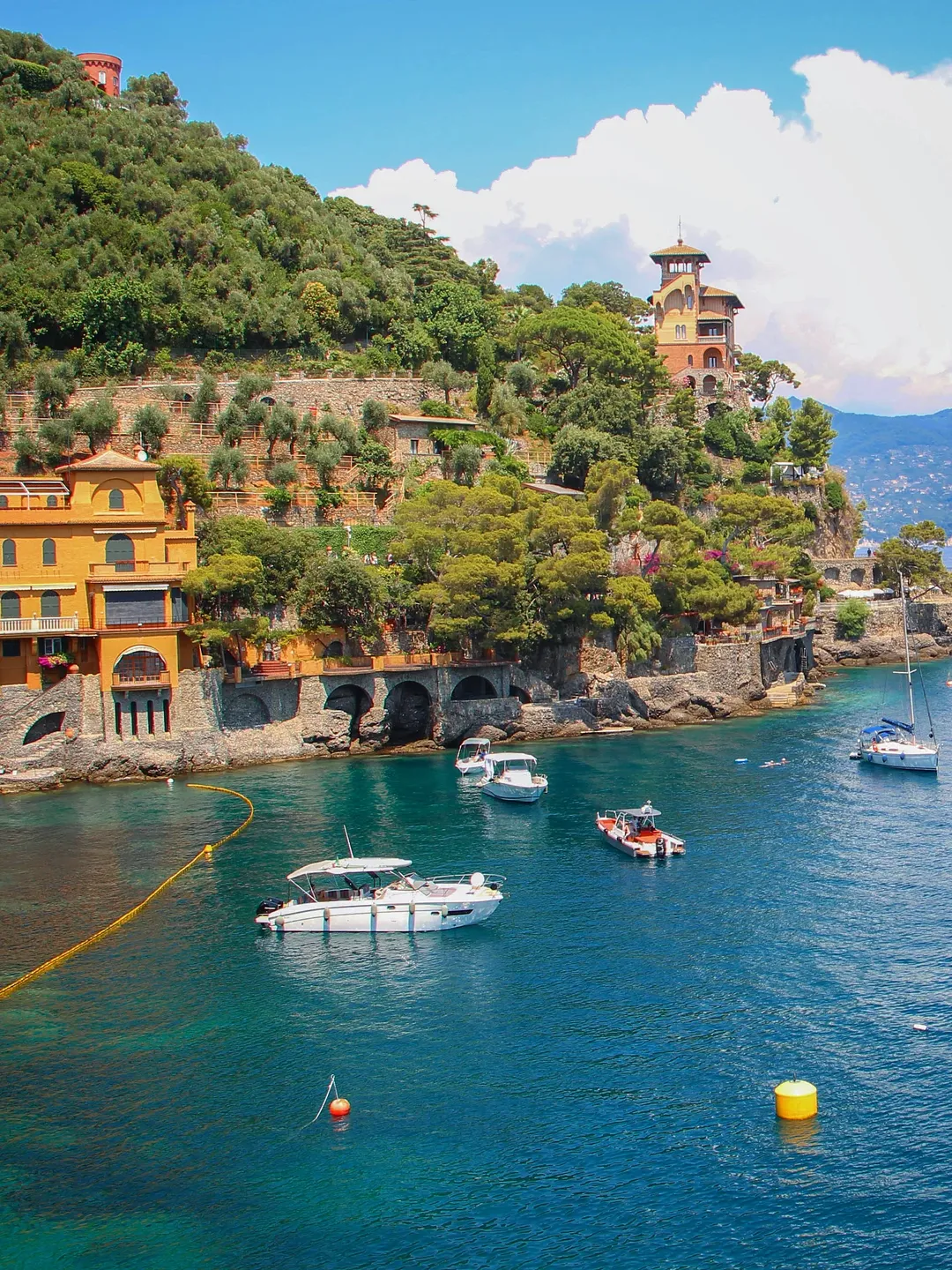
Portofino feels refined and compact. Colorful houses surround a small harbor, and you will notice luxury yachts sitting just meters from cafes.
The village has fewer than 500 residents but attracts thousands daily in peak season. It is small enough to explore in a few hours.
Visit early morning to experience it before crowds arrive from nearby cities.
What to do
- Walk the harbor
- Hike to Castello Brown
- Relax at waterfront cafes
Practical intel
- Time needed: Half day
- Best time: Early morning
- Population: <500
Best for: Short scenic stops, luxury vibes
21. Alberobello, Puglia
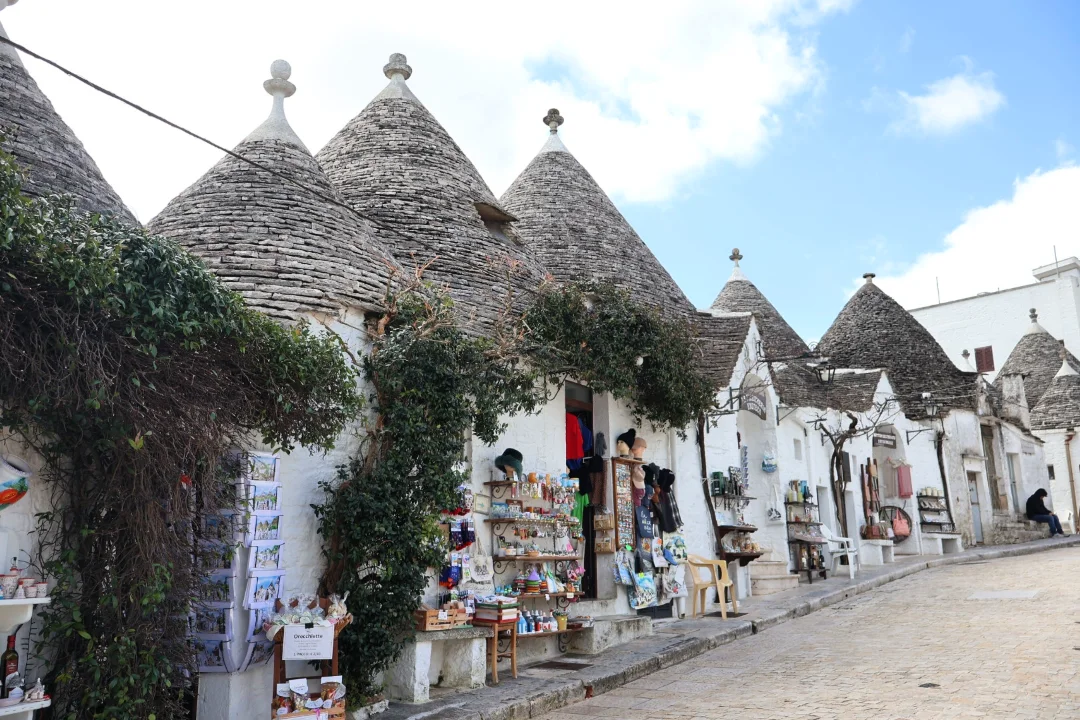
Alberobello feels almost surreal. Hundreds of cone-shaped white houses fill the town, and you will notice how uniform yet unique they look.
There are over 1,500 trulli structures, many dating back centuries. It is a UNESCO site and one of southern Italy’s most distinctive locations.
Stay overnight if you can. Most visitors leave by evening, and the town becomes much quieter.
What to do
- Walk through Trullo Sovrano
- Explore Rione Monti
- Stay in a trullo
Practical intel
- Time needed: Half to full day
- Structures: 1,500+
- Best time: Evening
Best for: Unique architecture, photography
22. Turin, Piedmont
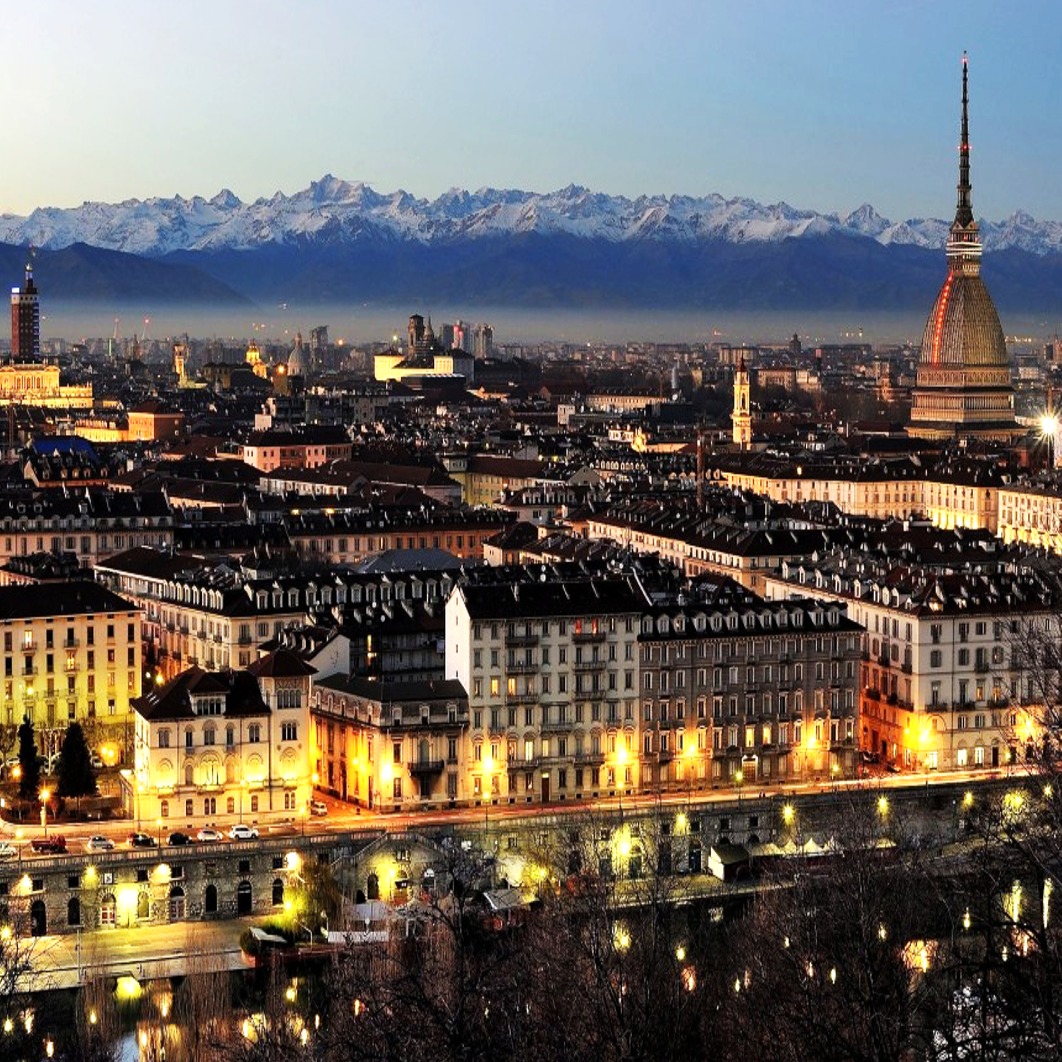
Turin feels elegant and structured. Wide boulevards, grand squares, and alpine views give it a different energy compared to other Italian cities.
It has about 870,000 residents and is known for its chocolate and museums. The Egyptian Museum here is one of the largest outside Cairo.
If you enjoy quieter cities, Turin offers depth without overwhelming crowds.
What to do
- Visit the Egyptian Museum
- Walk Piazza Castello
- Try local chocolate
Practical intel
- Time needed: 1 to 2 days
- Population: ~870,000
- Best time: Spring
Best for: Culture, quieter city travel
23. San Gimignano, Tuscany
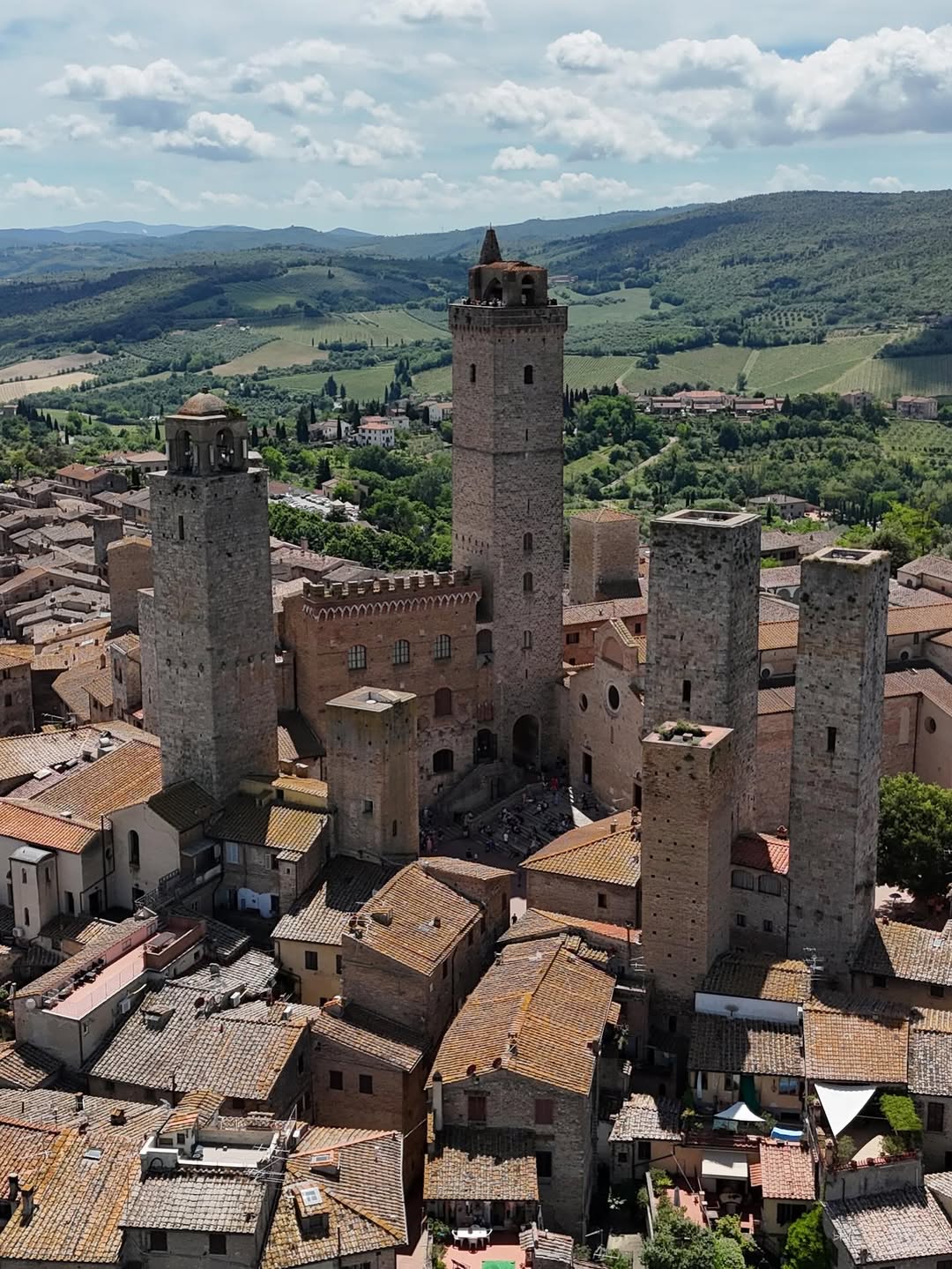
San Gimignano stands out immediately with its skyline of medieval towers. You will notice how it rises above rolling hills, visible from kilometers away.
Once home to 72 towers, about 14 remain today. The town draws around 3 million visitors annually despite its small size.
Visit early morning or late afternoon. Midday gets crowded, especially in summer.
What to do
- Walk the historic center
- Climb Torre Grossa
- Try local gelato
Practical intel
- Time needed: Half to full day
- Towers remaining: 14
- Visitors: ~3 million yearly
Best for: Medieval charm, scenic views




COMMENTS
Please note that all comments will be checked by our team before being approved.